Artwork
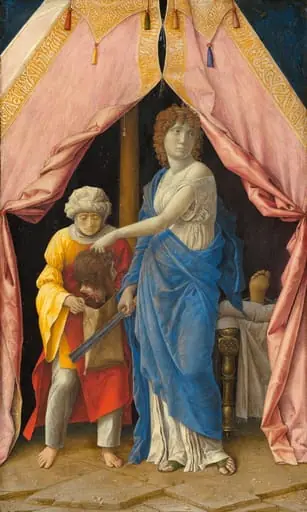
Judith with the head of Holofernes and a servant
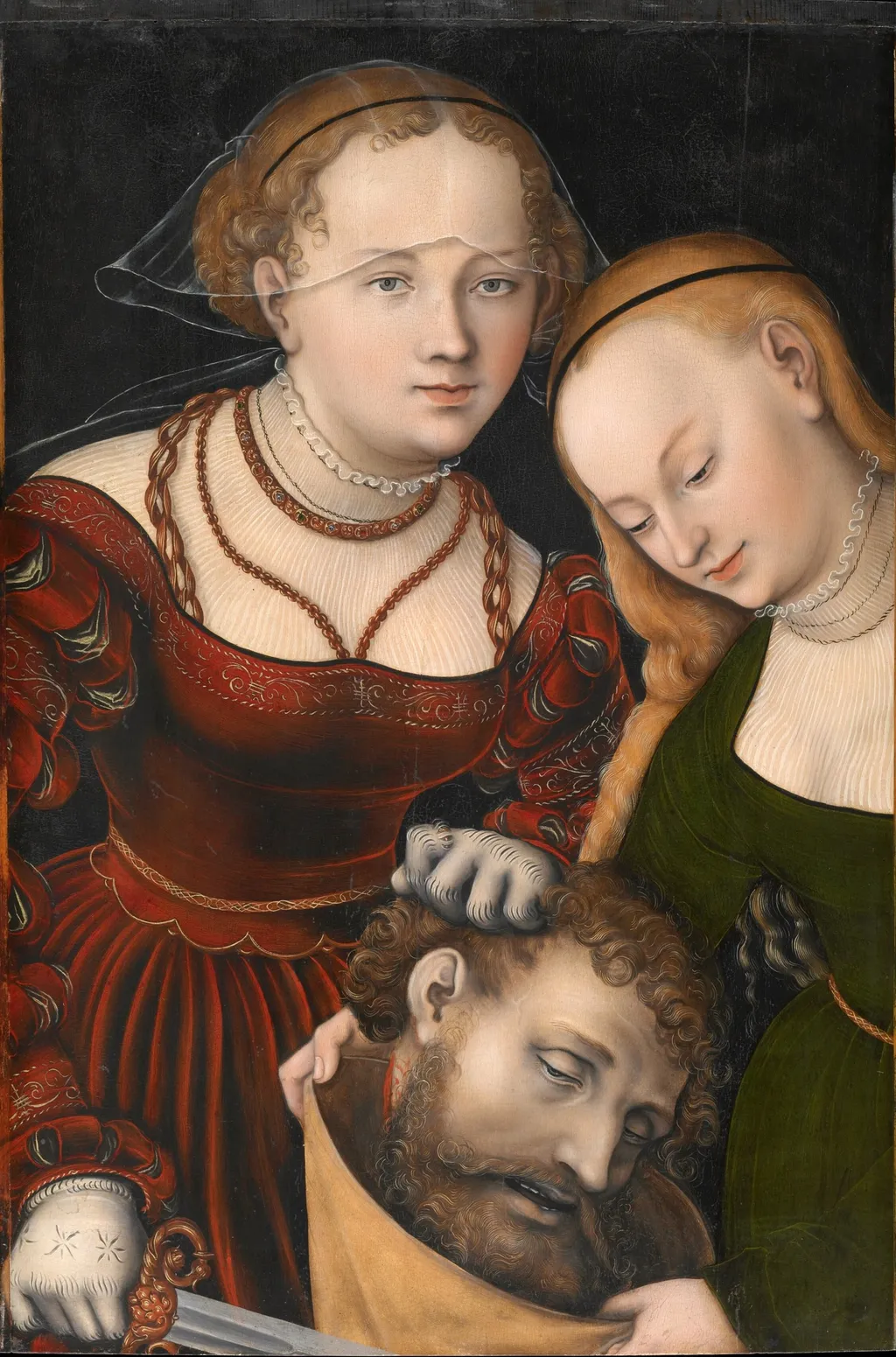
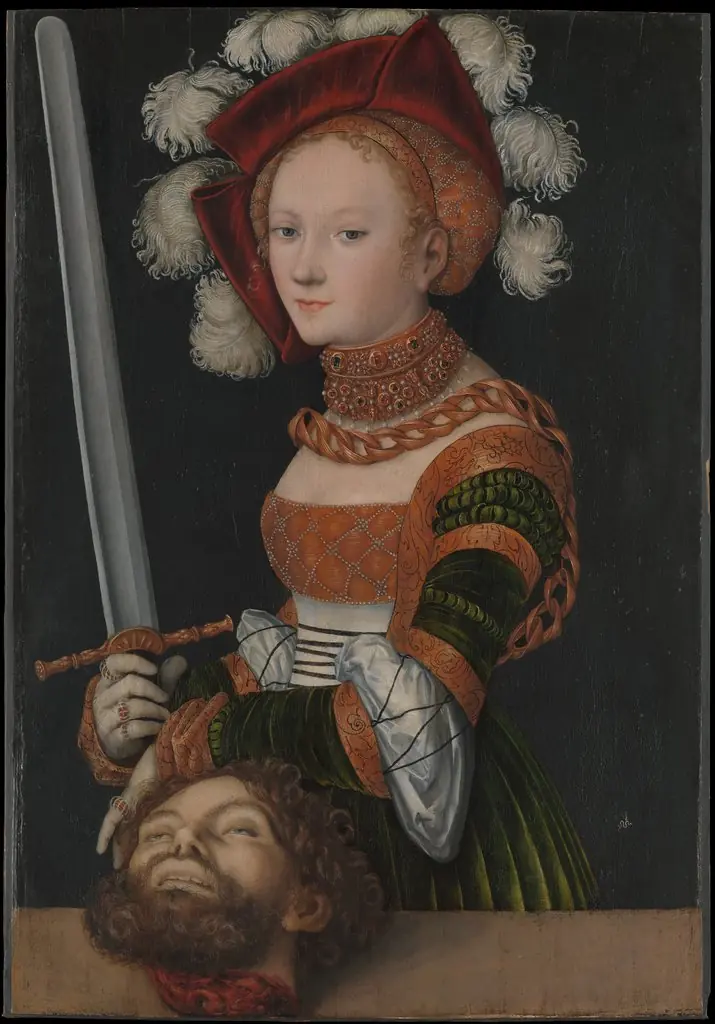
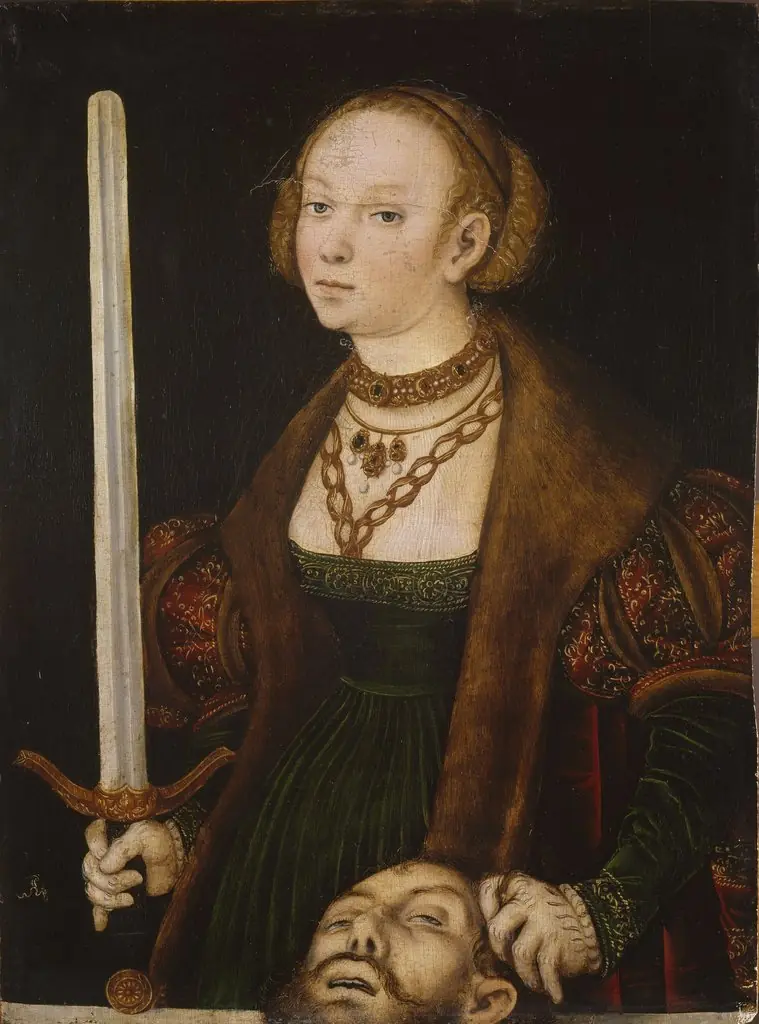
Judith with the head of Holofernes and a servant is an unspecified painting by the Northern Renaissance artist Lucas Cranach the Elder. It dates from 1530 and is held in the collection of the Kunsthistorisches Museum.
About this work
Subject & Meaning
The work belongs to the religious genre and represents themes of virtue, divine intervention, and female agency within a biblical narrative framework.
The painting depicts the biblical heroine Judith holding the severed head of the Assyrian general Holofernes, accompanied by a servant. This subject derives from the deuterocanonical Book of Judith, in which the Jewish widow seduces and then beheads the enemy commander to save her besieged city of Bethulia. In Cranach's treatment, the scene typically emphasizes Judith's composed demeanor and the grisly trophy, creating a tension between her refined appearance and the violence of the act.
The iconography draws on established Northern Renaissance conventions for the subject, where Judith is often shown as an elegant yet determined figure rather than the active aggressor of Italian Baroque interpretations. The work belongs to the religious genre and represents themes of virtue, divine intervention, and female agency within a biblical narrative framework.
Technique & Style
Lucas Cranach the Elder painted this work in oil on a lime panel support, measuring 75.2 by 51 cm. The painting belongs to the religious genre, depicting the biblical scene of Judith with the severed head of Holofernes.
The composition follows a format Cranach explored repeatedly during his career, presenting the Old Testament heroine in a manner that emphasizes narrative clarity. The artist's handling on panel demonstrates the smooth, refined surface characteristic of his mature period, with careful attention to the figural arrangement and the dramatic interaction between Judith and her servant.
History & Provenance
Lucas Cranach the Elder painted 'Judith with the head of Holofernes and a servant' in 1530 on a lime panel. The work is classified as a religious painting and is part of the collection at the Kunsthistorisches Museum, where it remains on display.
The provenance indicates continuous ownership by the Kunsthistorisches Museum since its creation, with no recorded changes in custody. The painting was likely commissioned during the early phase of Cranach's career in Wittenberg, aligning with his activity for Saxon court patrons around 1530.
Context
The work belongs to the mature phase of Lucas Cranach the Elder's oeuvre, reflecting his consolidation of Reformation-era narrative painting within the German Renaissance tradition. Art historical scholarship situates this circa 1530 panel within Cranach's sustained engagement with biblical Judith narratives, a subject he rendered repeatedly to explore themes of female agency and divine judgment. The painting's formal qualities, its restrained composition, characteristic use of lime panel, and integration of servant figures as witnesses, demonstrate his mature synthesis of Venetian colorism with Northern linear precision, placing it contextually alongside contemporaries like Albrecht Dürer in the evolution of Protestant-aligned sacred art.
Legacy
The painting’s legacy stems from its role in shaping the visual language of biblical heroism during the Renaissance, particularly through its dramatic composition and the portrayal of Judith as an active agent of divine justice. Its influence is evident in later depictions of the Judith narrative across Northern European art, where the emphasis on female agency and the graphic portrayal of violence informed both religious and secular interpretations. The work’s technical innovation in rendering flesh and fabric on lime panel contributed to evolving workshop practices in Wittenberg, while its presence in major collections, including the Kunsthistorisches Museum, cemented its status as a reference point for scholars studying the intersection of gender, power, and piety in early modern art.
The painting’s enduring reputation is reflected in its frequent citation in art-historical literature as a benchmark for analyzing Cranach’s stylistic transitions and the broader dissemination of Reformation-era imagery.
Overview
This 1530 painting on lime panel by Lucas Cranach the Elder portrays a pivotal moment from the biblical story of Judith. The work is part of the collection at the Kunsthistorisches Museum.
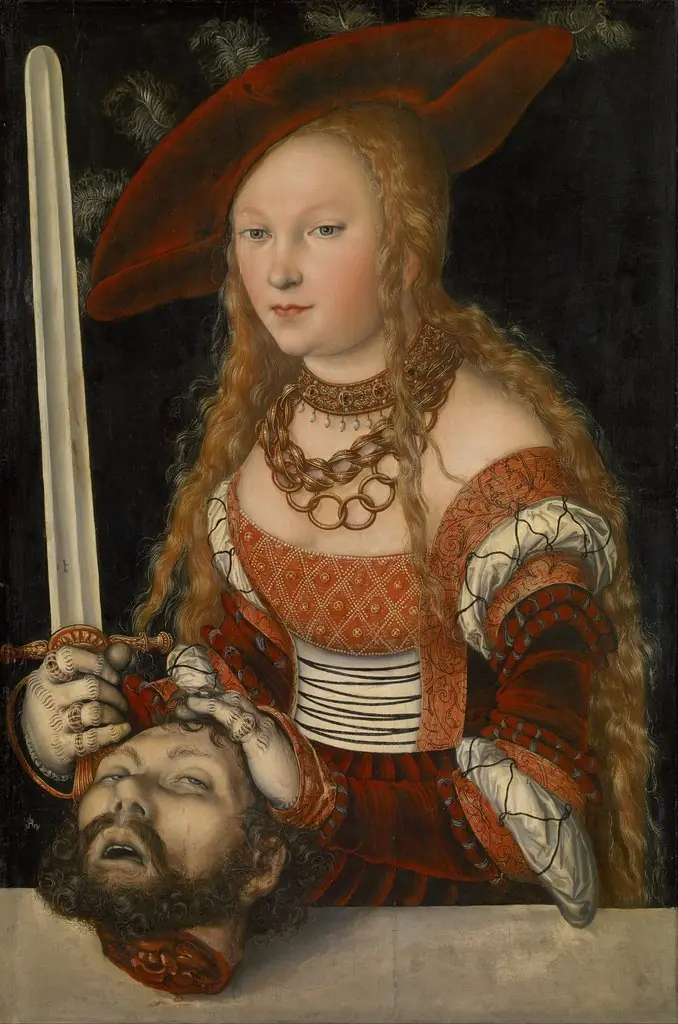
Own this work as a print
Artist & collection
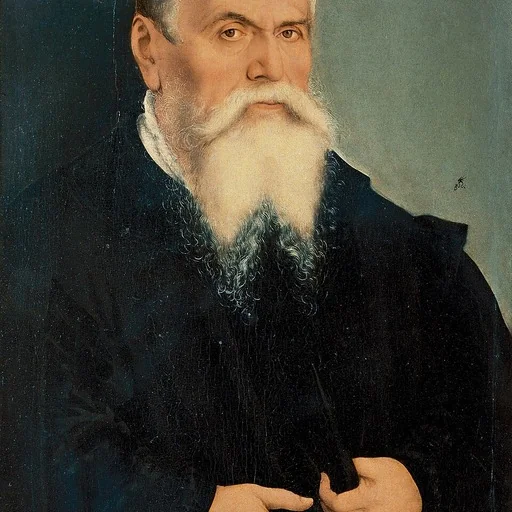
Artist
Lucas Cranach the Elder was a German Renaissance painter and printmaker in woodcut and engraving.

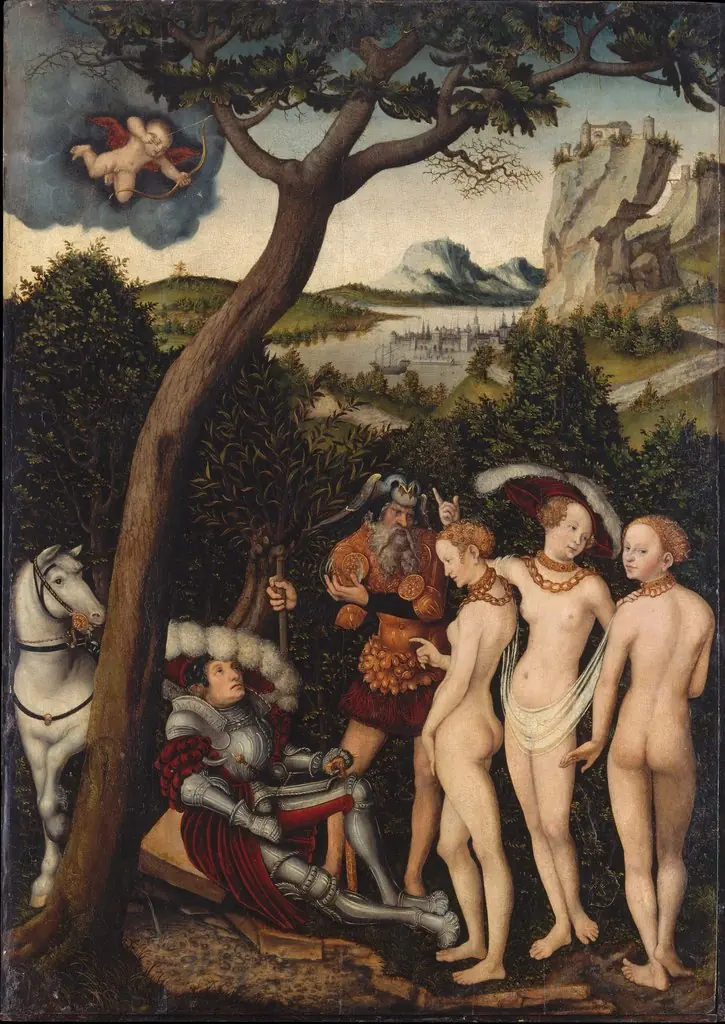
- Judith with the head of Holofernes
 Judith with the Head of Holofernes
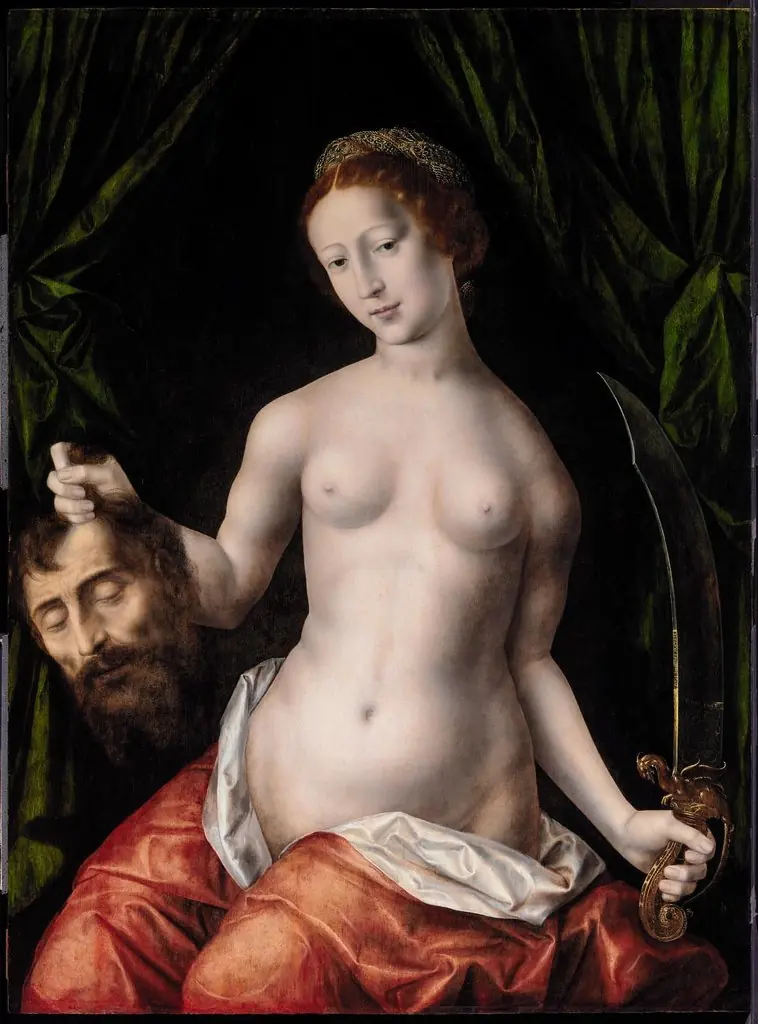 Judith with the Head of Holofernes
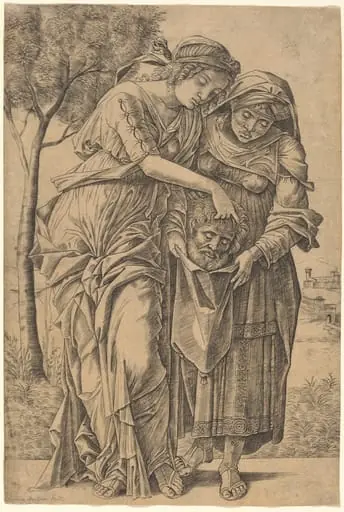 Judith with the Head of Holofernes
 Judith with the Head of Holofernes
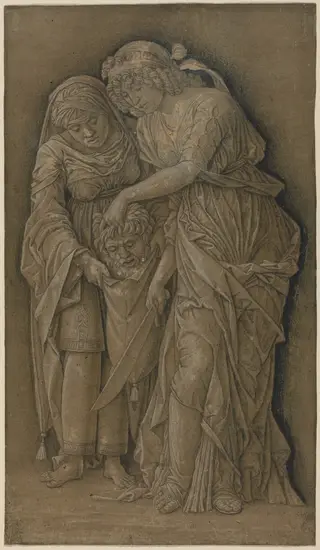 Judith with the Head of Holofernes
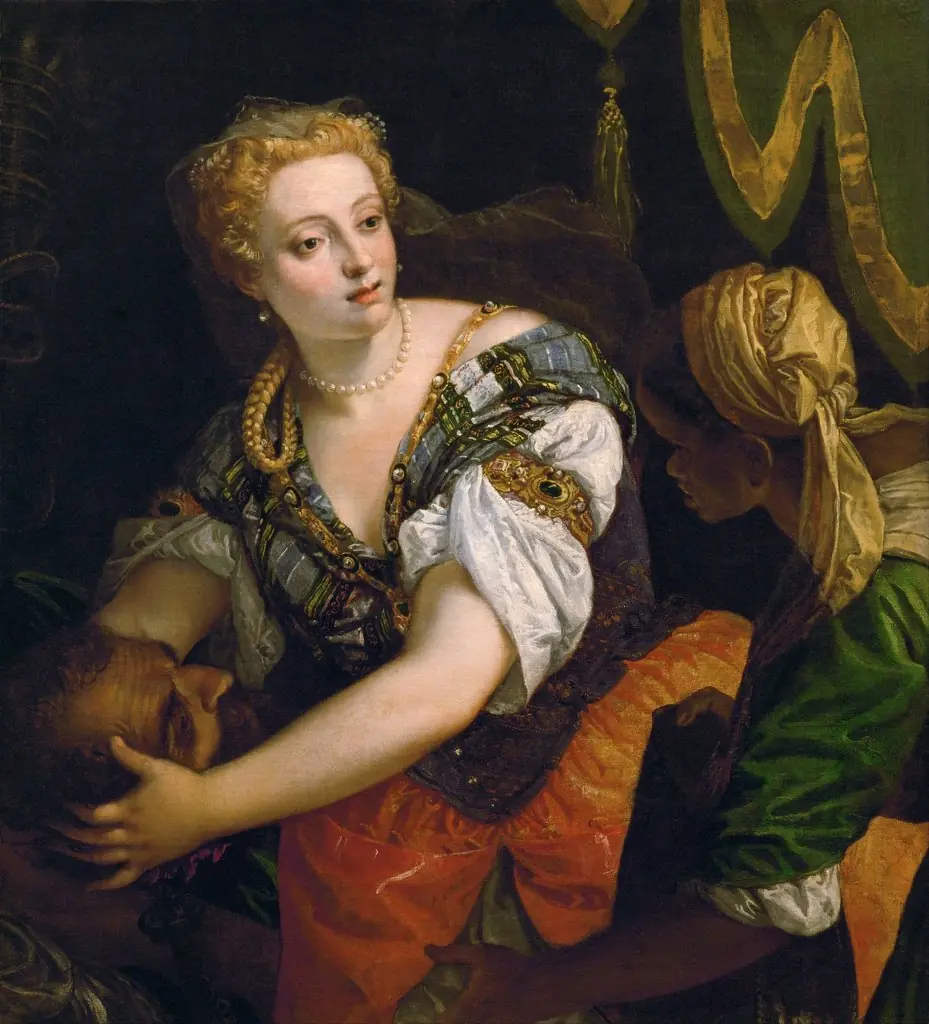 Judith with the Head of Holofernes
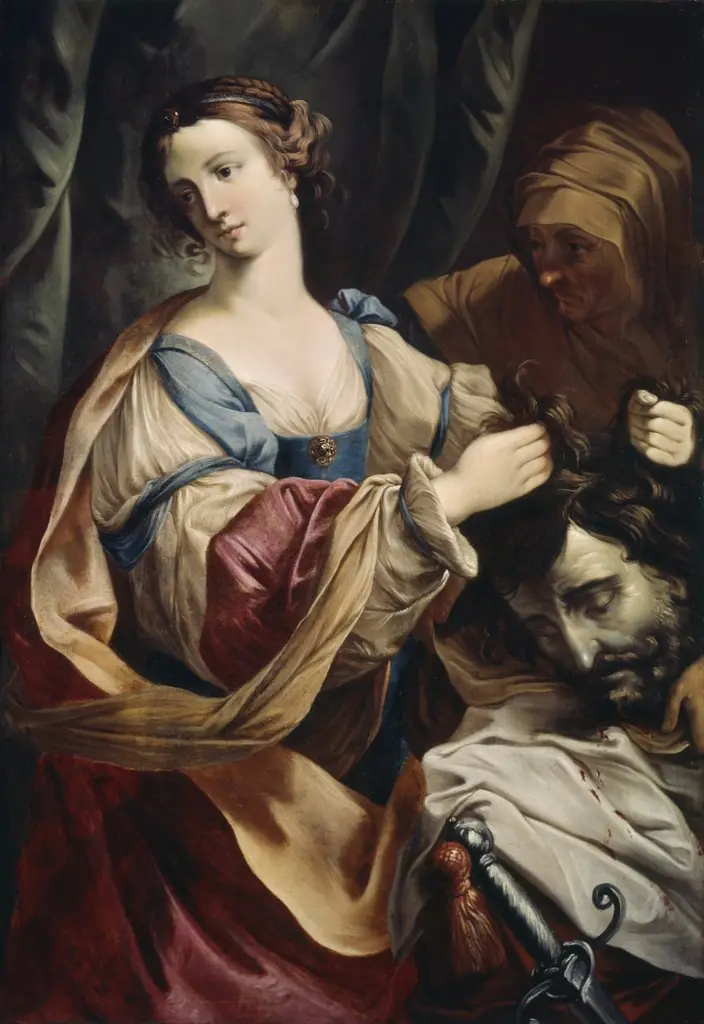 Judith with the Head of Holofernes
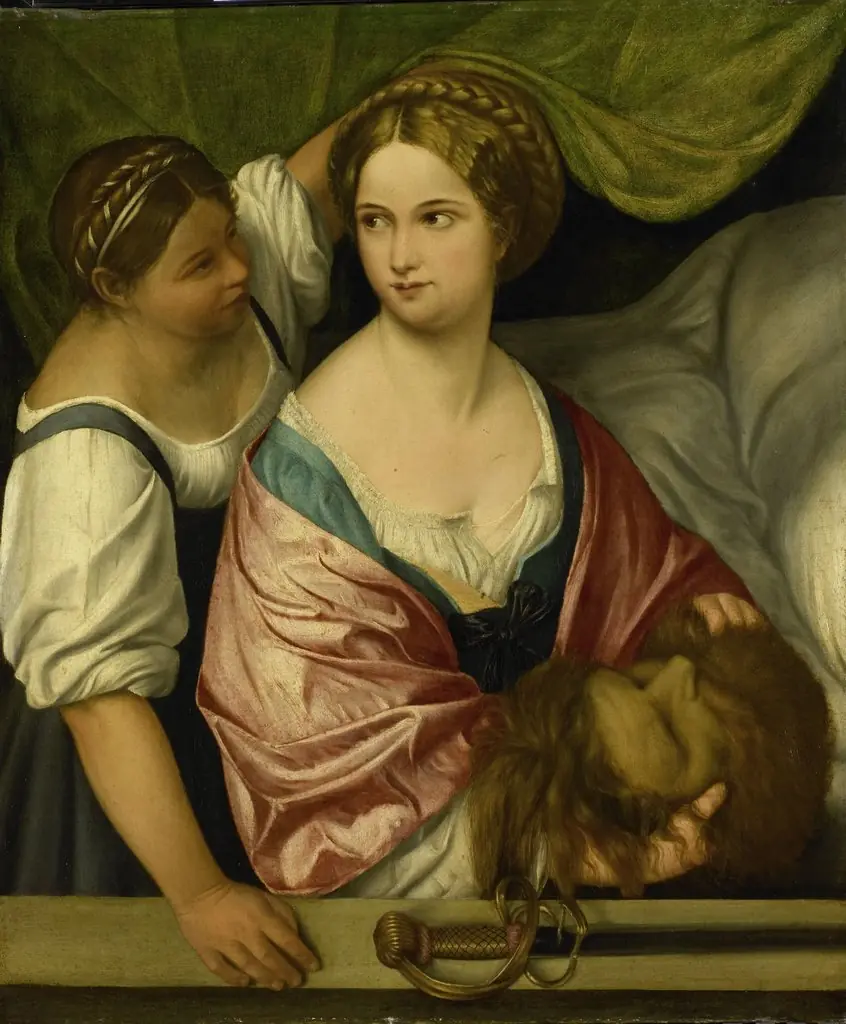 Judith with the Head of Holofernes