Artwork
De beeldenstormers
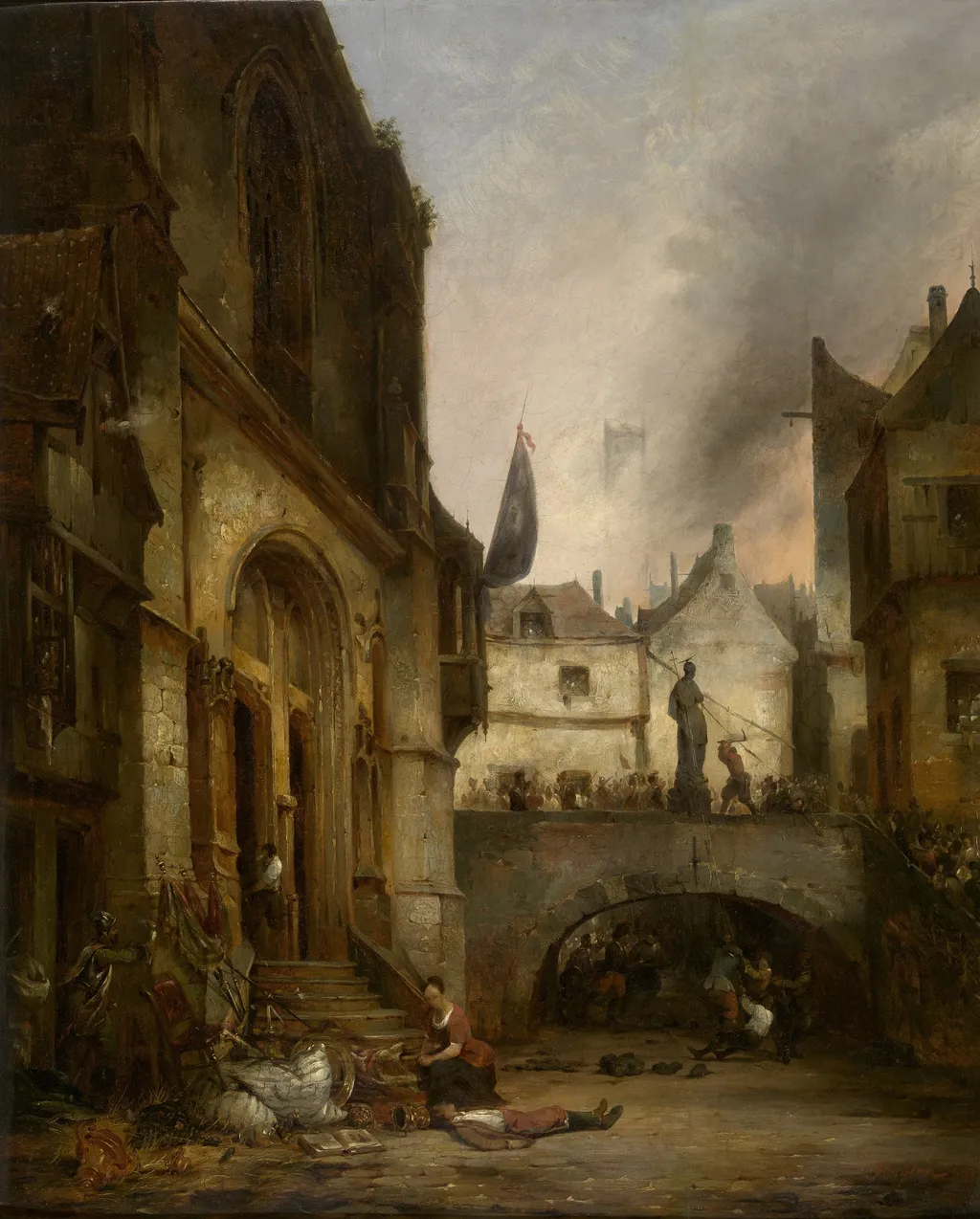
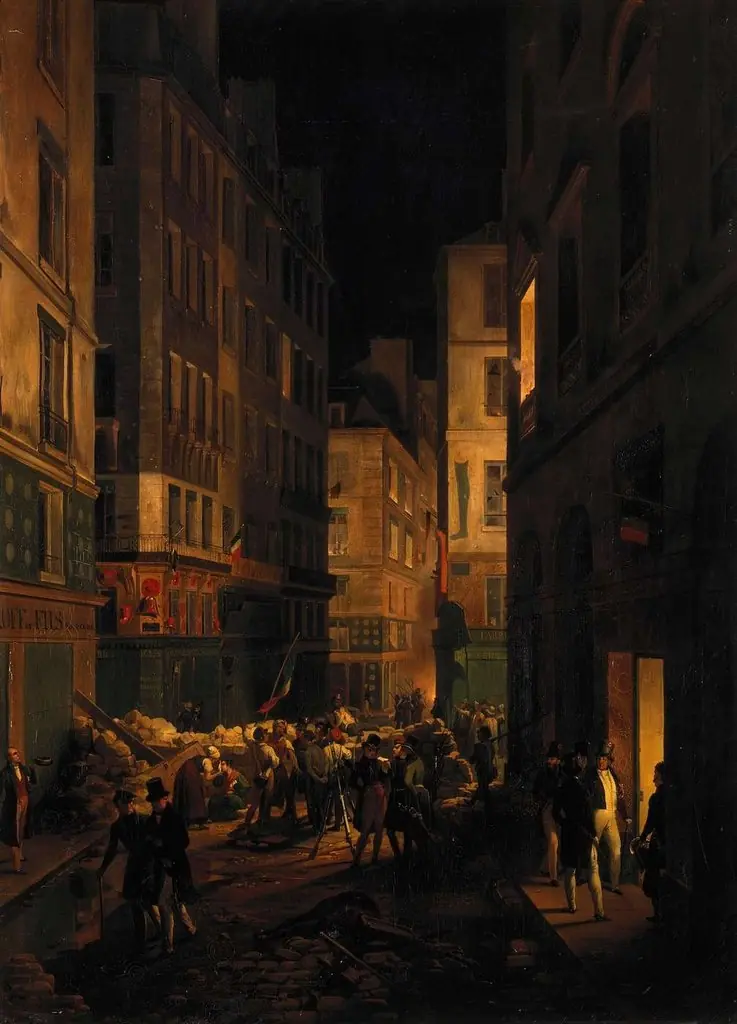
De beeldenstormers is an oil painting by Jan Michiel Ruyten. It dates from 1813 and is held in the collection of the Groeningemuseum.
About this work
Subject & Meaning
This dramatic composition captures the historical moment of religious upheaval, reflecting the broader cultural tensions of the era.
The painting portrays the iconoclastic frenzy of the Beeldenstorm, with figures smashing statues amid swirling smoke, a collapsing bridge, and a crowd gathered before a church. The chaotic scene includes symbolic elements such as falling books, overturned chairs, and drifting clouds, all set in Bruges and emphasizing the violent clash between reformist forces and sacred imagery. This dramatic composition captures the historical moment of religious upheaval, reflecting the broader cultural tensions of the era.
The work measures 72.5 cm in height and 60 cm in width, executed in oil paint and housed in the Groeningemuseum.
The depicted symbols, smoke, shattered icons, and the fractured bridge, serve as visual metaphors for destruction, divine judgment, and the collapse of established order during the Beeldenstorm of 1566, a pivotal event in Northern European Reformation history.
Technique & Style
Jan Michiel Ruyten executed De beeldenstormers in 1813 using oil paint as the primary medium. The work measures 72.5 cm in height and 60 cm in width. Stylistically, the composition depicts a chaotic scene of iconoclasm, featuring a dense crowd engaged in the destruction of religious imagery within a church setting.
Visual elements include architectural details such as a bridge and houses, alongside atmospheric effects like smoke and clouds. The narrative focus captures the intensity of the Beeldenstorm, with specific objects like books and chairs included in the turmoil.
History & Provenance
The painting De beeldenstormers is dated 1813 and attributed to Jan Michiel Ruyten, a Dutch artist active in the early 19th century. It was created during a period when historical depictions of the Beeldenstorm (iconoclastic fury) remained a subject of Romantic-era interest in the Low Countries. The work entered the collection of the Groeningemuseum in Bruges, where it remains located.
No documented commission or earlier ownership history prior to its creation has been recorded in the available sources.
Jan Michiel Ruyten's 1813 oil painting De beeldenstormers is held in the collection of the Groeningemuseum in Bruges. The work depicts scenes of iconoclasm, including figures, smoke, and architectural elements within the city. While specific inventory or accession numbers are not provided in the available records, the painting remains a part of the museum's permanent holdings. No exhibition history is documented in the provided sources.
Overview
Jan Michiel Ruyten’s 1813 oil painting De beeldenstormers portrays the violent iconoclastic episode known as the Beeldenstorm, set against the backdrop of Brugge. The composition centers on a tumultuous crowd assaulting a church, while a bridge and a distant waterway frame the scene, underscoring the breadth of the upheaval.
Context
Ruyten, also active as a draughtsman and engraver, drew inspiration from Dutch Romantic painters who emphasized dramatic historical narratives. His focus on a distinctly Flemish episode aligns with a broader 19th‑century interest in national identity and the visual re‑examination of the Reformation’s turbulent legacy.
Own this work as a print
Artist & collection
Artist
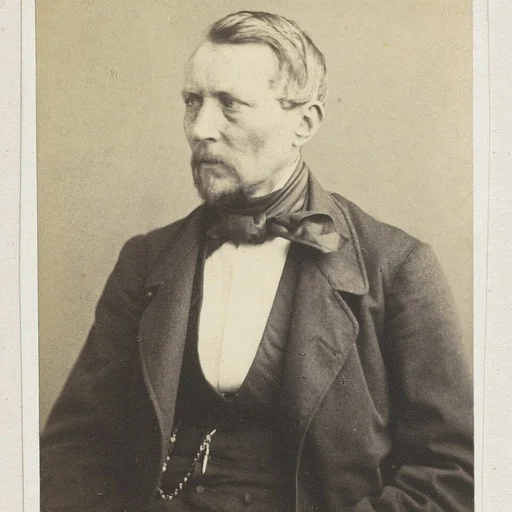
Jan Michiel Ruyten or Jan Ruyten (9 April 1813, in Antwerp – 12 November 1881, in Antwerp) was a Belgian Romantic painter, draughts man and engraver known for his genre paintings, cityscapes, landscapes with figures and history paintings.

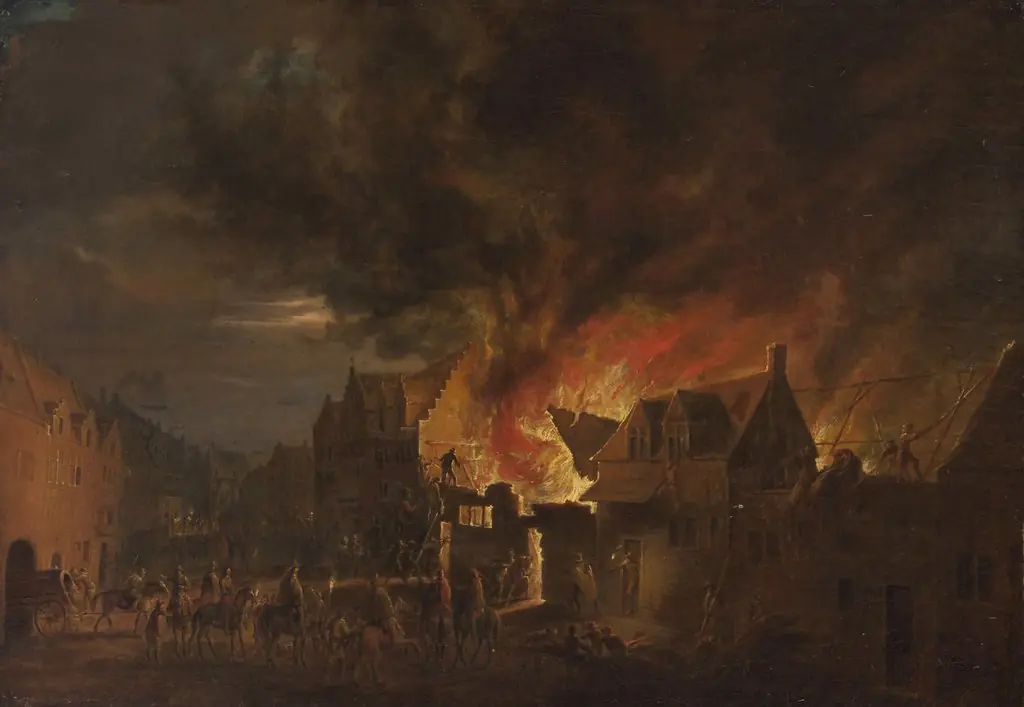
- Archduke Leopold Wilhelm at a nocturnal fire
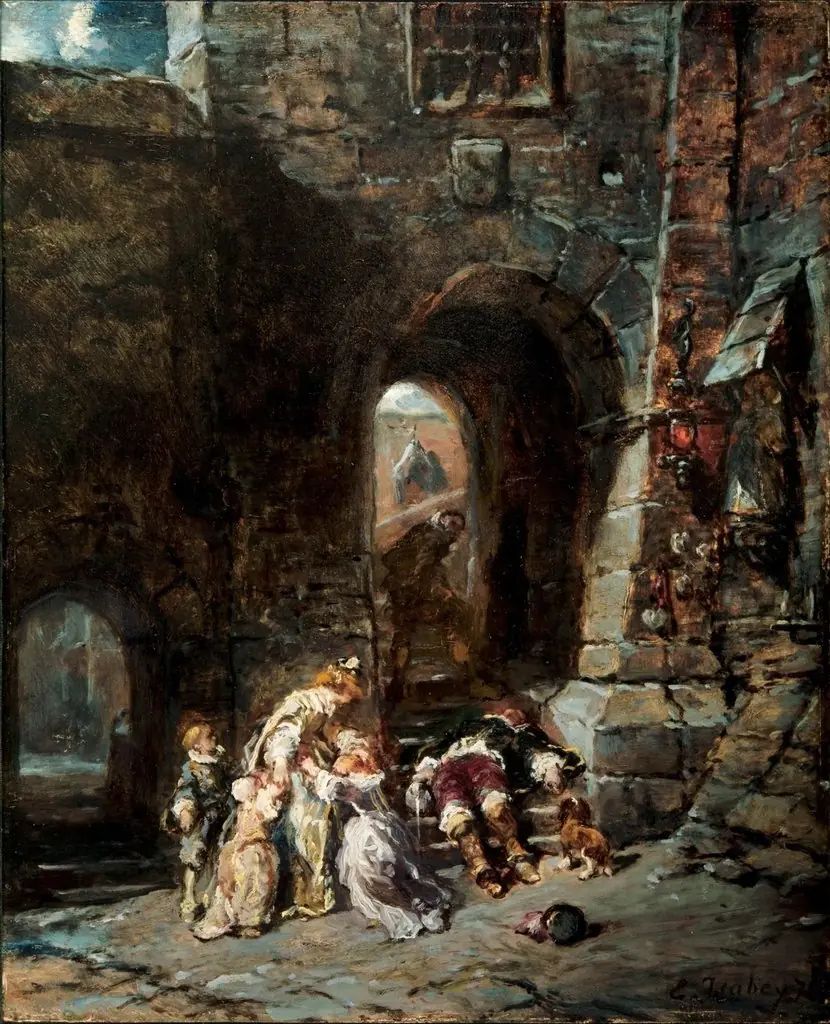 Après le duel
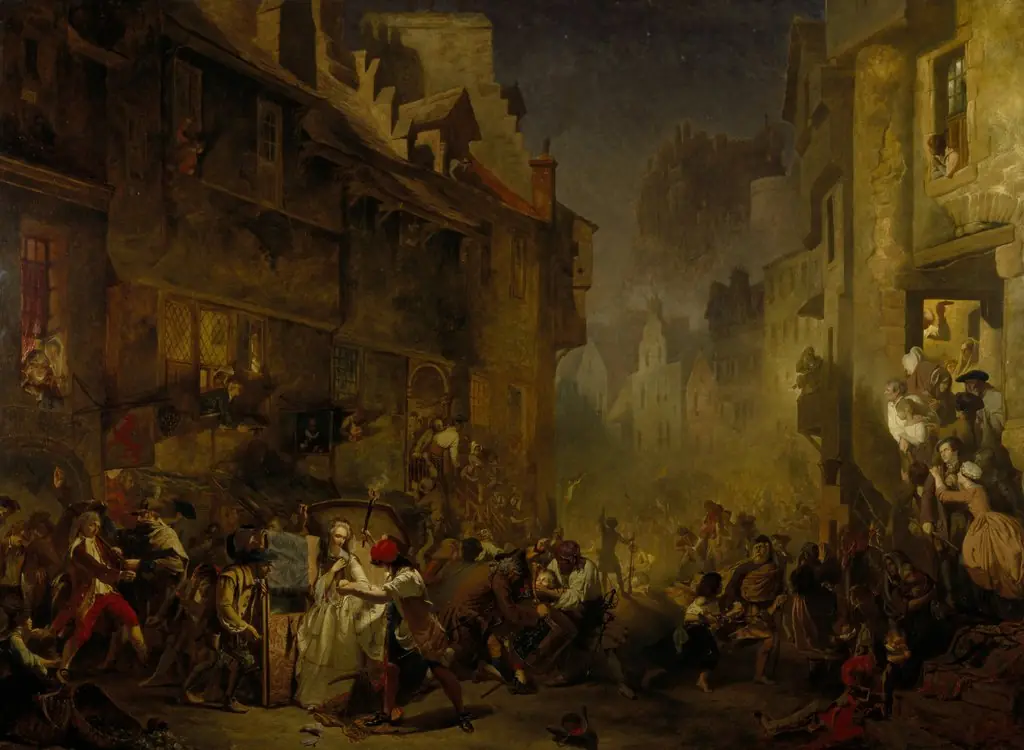 The Porteous Mob
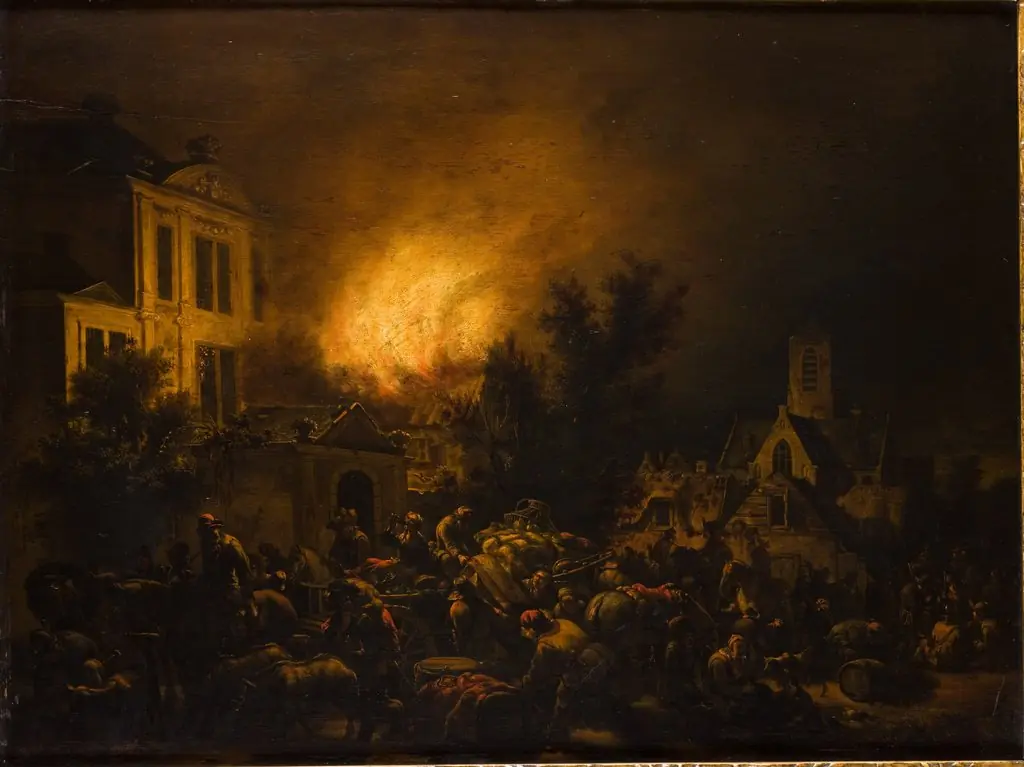 Fire in the City – Palace in the Fire
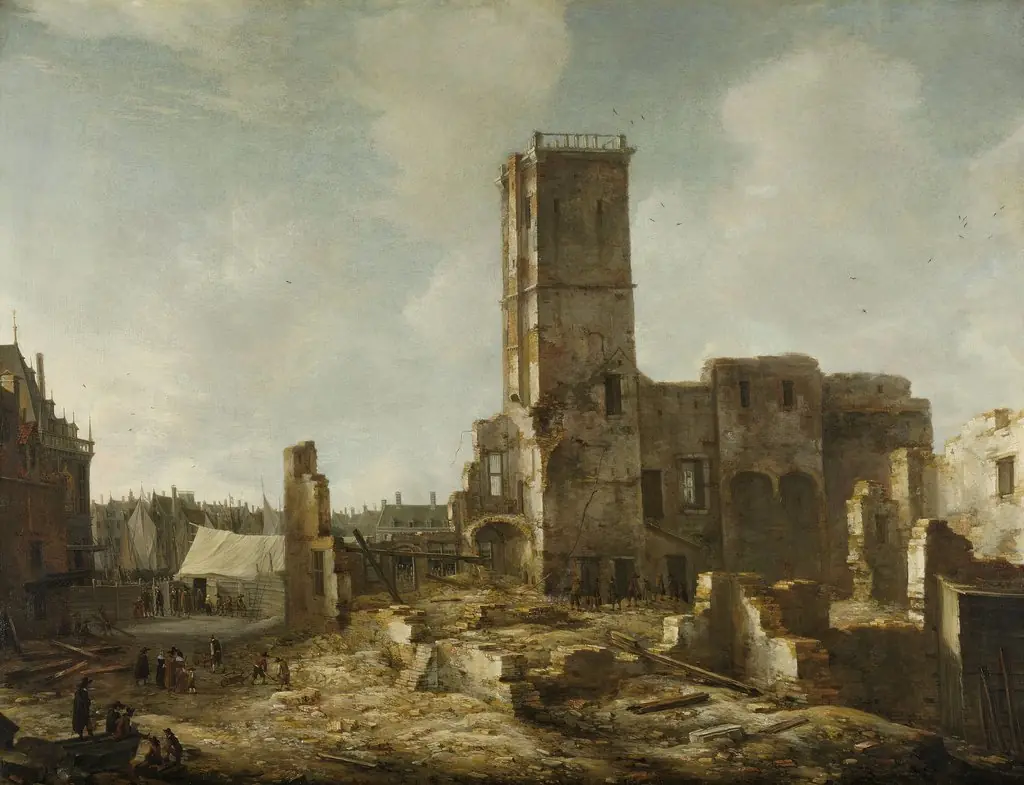 The ruins of the old town hall of Amsterdam after the fire of 7 July 1652
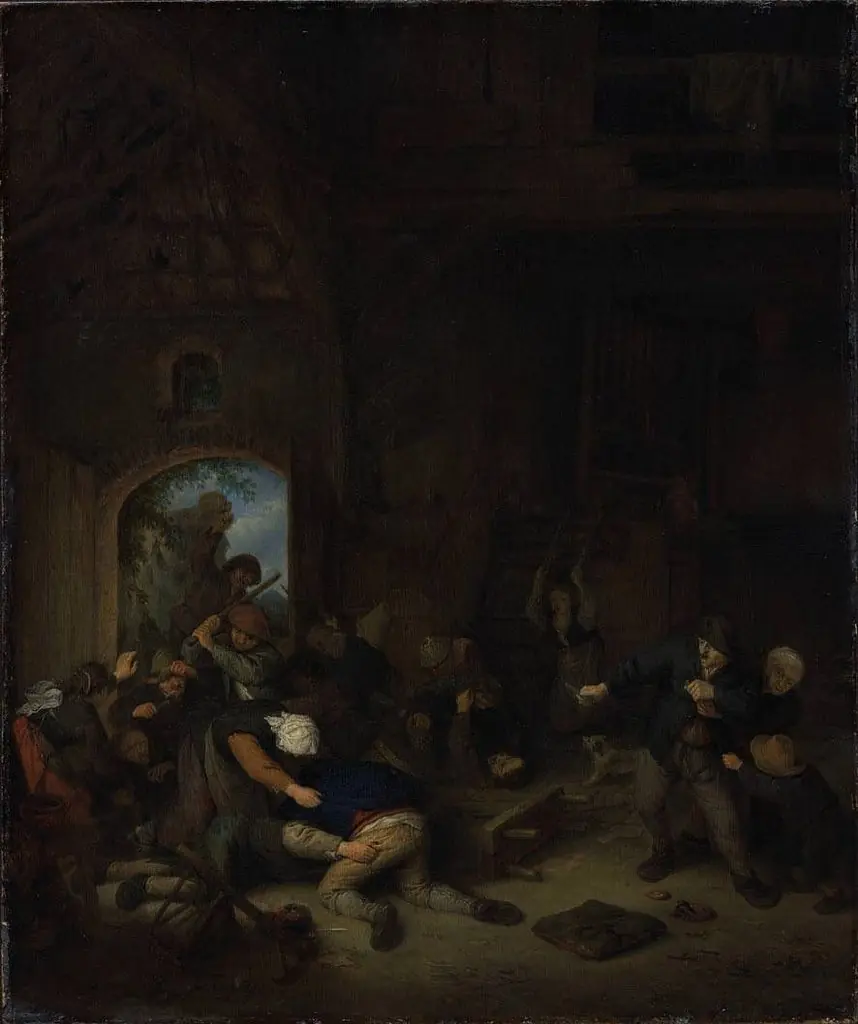 Peasants Fighting at the Village Inn
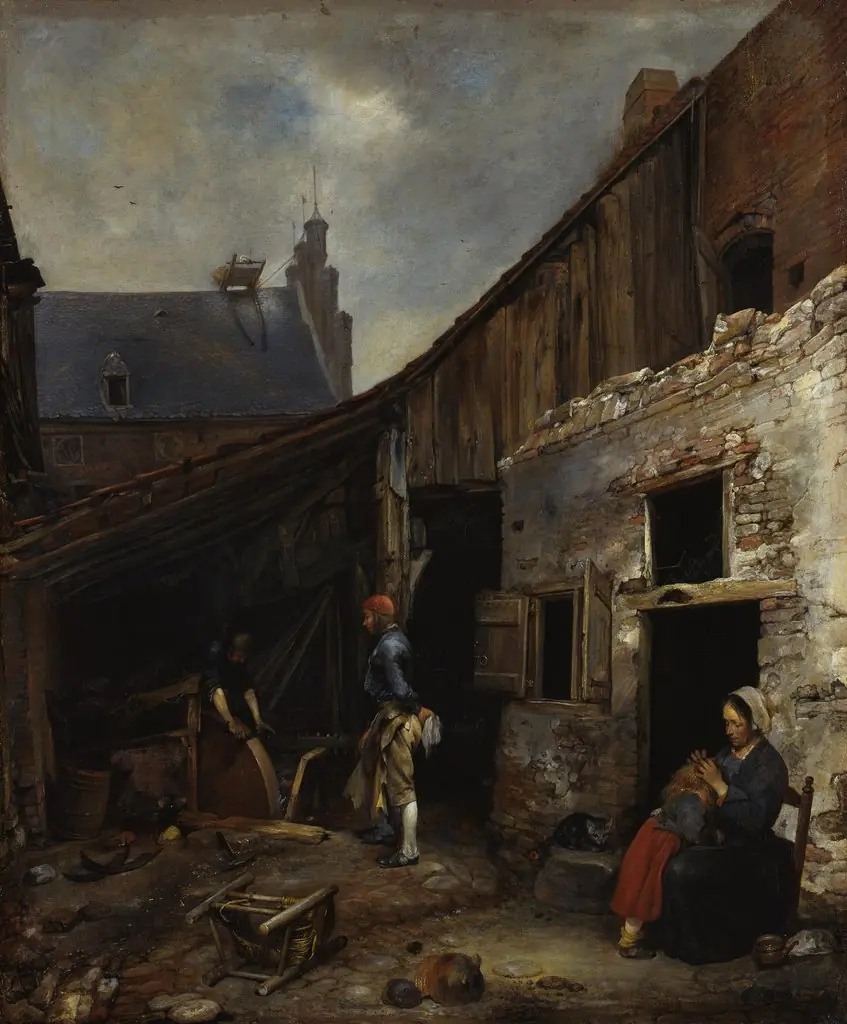 The Knife-Grinder's Family
 Woman at a Well in an Italian Farmhouse
 Street fiddler
 Puerta arabe (Fantasía sobre la Puerta de del Sol en Toledo)
 French fury in Antwerp in 1583 - Sketch
 Arrivée du Duc d'Orléans au Palais-Royal