Artwork
Portrait of Marie Jeanette de Lange
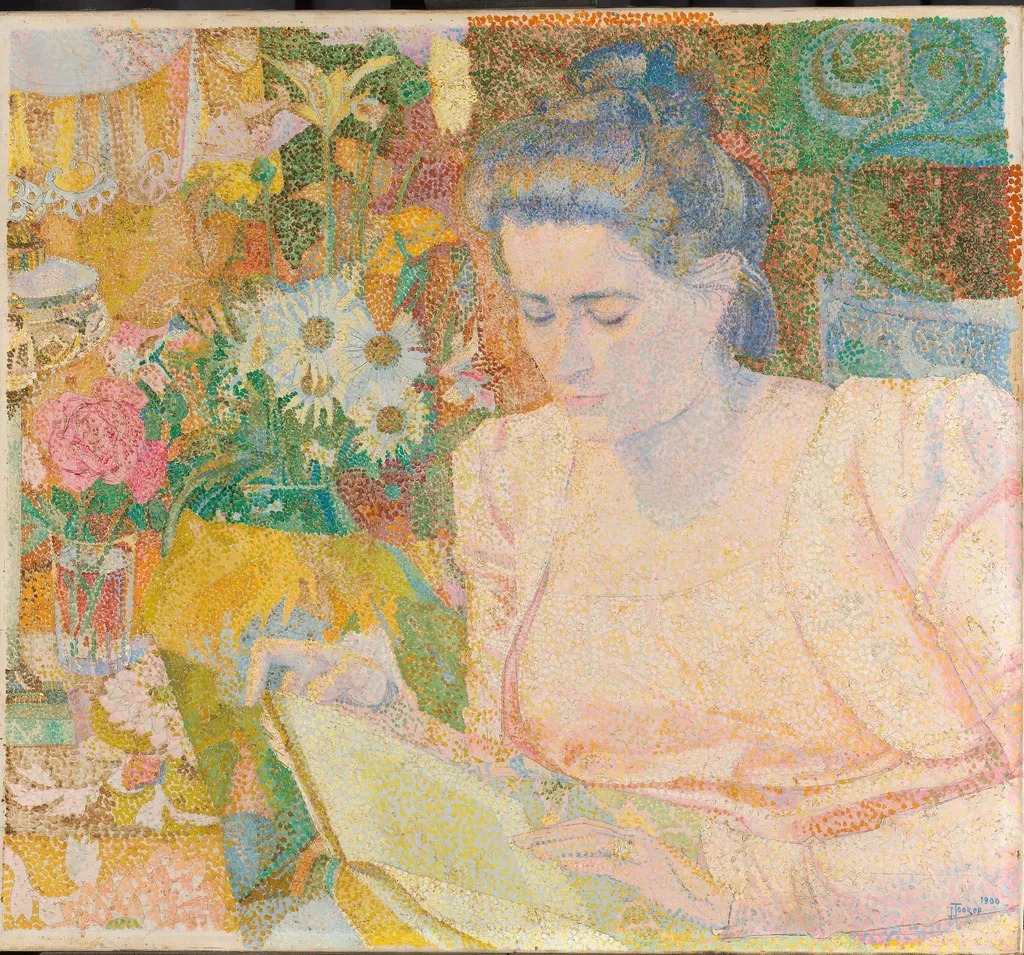
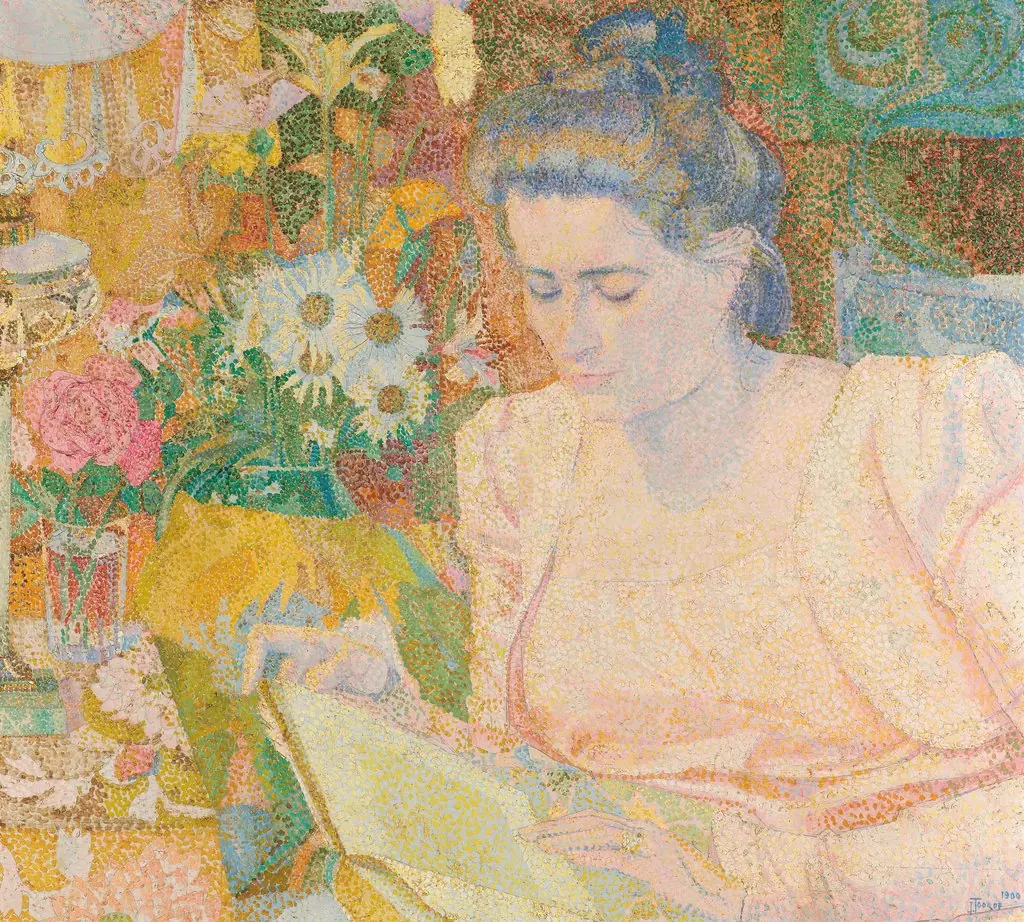
Portrait of Marie Jeanette de Lange is an unspecified painting by the Symbolist artist Jan Toorop. It dates from 1900 and is held in the collection of the Rijksmuseum.
About this work
Subject & Meaning
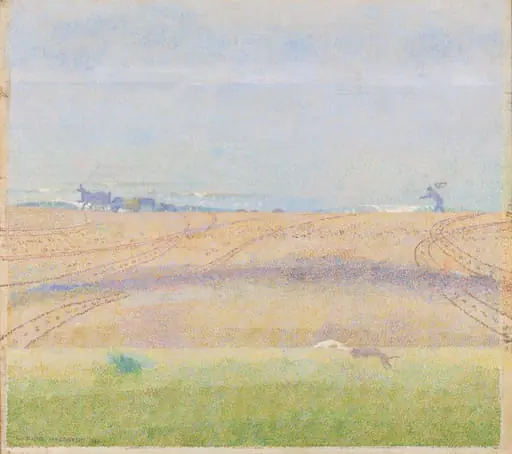
Stylistically, the painting employs Pointillism, a technique Toorop utilized during this specific period before fully transitioning to Art Nouveau.
The work depicts Marie Jeanette de Lange, a friend of the artist Jan Toorop. Created in 1900, the portrait is distinct for presenting the subject without the restrictive fashionable clothing typical of the era. This choice of attire suggests an informal or naturalistic approach to the sitter's representation. Stylistically, the painting employs Pointillism, a technique Toorop utilized during this specific period before fully transitioning to Art Nouveau. The work stands as a novel portrait within Toorop's broader oeuvre, which frequently blended Symbolist themes with various technical experiments.
Technique & Style
The Portrait of Marie Jeanette de Lange is an oil painting on canvas created in 1900. It exemplifies Toorop's Symbolist approach through its dynamic, curvilinear lines and stylized figure, while the application of small, distinct dots of color aligns with his use of Pointillism. The work reflects his synthesis of Javanese motifs with European avant-garde styles, emphasizing expressive linearity over naturalistic representation.
Context
Jan Toorop is recognized as a pivotal figure in Dutch art history, bridging the gap between Symbolism and Art Nouveau while standing as the most significant artist between Vincent van Gogh and Piet Mondrian. His 1900 portrait of Marie Jeanette de Lange exemplifies his mastery of Pointillism, a technique he was the first Dutch painter to adopt in 1886. This work was created during a period when Toorop led an artist colony in Domburg, fostering a community that included Mondrian, though each maintained individual stylistic independence.
The portrait is noted for depicting the sitter without the restrictive fashionable clothing typical of the era, highlighting Toorop's unique approach to the genre. His broader oeuvre reflects a cosmopolitan synthesis of Javanese motifs from his childhood and Western avant-garde movements, including influences from James Ensor and the Les XX group in Brussels. Throughout his career, Toorop shifted fluidly between Realism, Impressionism, and religious mysticism following his 1905 conversion to Catholicism.
Legacy
The 1900 portrait of Marie Jeanette de Lange marks a pivotal moment in Toorop's synthesis of Symbolist line and Pointillist technique, establishing a visual language that would deeply inform his later Art Nouveau output. This work, depicting his friend without restrictive fashionable attire, exemplifies his early exploration of dynamic, curvilinear forms drawn from Javanese motifs, which became central to his legacy. Toorop's innovative fusion of Eastern and Western aesthetics, particularly through such portraits, directly influenced subsequent Art Nouveau practitioners across Europe, cementing his role as a bridge between Symbolism and decorative modernism. His distinctive use of flowing lines to convey psychological depth, rather than literal representation, became a hallmark of the movement, shaping the work of artists like Gustav Klimt and ensuring his enduring reputation as a precursor to modern design.
Own this work as a print
Artist & collection

Artist
Johannes Theodorus "Jan" Toorop was a Dutch painter who worked in various styles, including Symbolism, Art Nouveau, and Pointillism. His early work was influenced by the Amsterdam Impressionism movement.

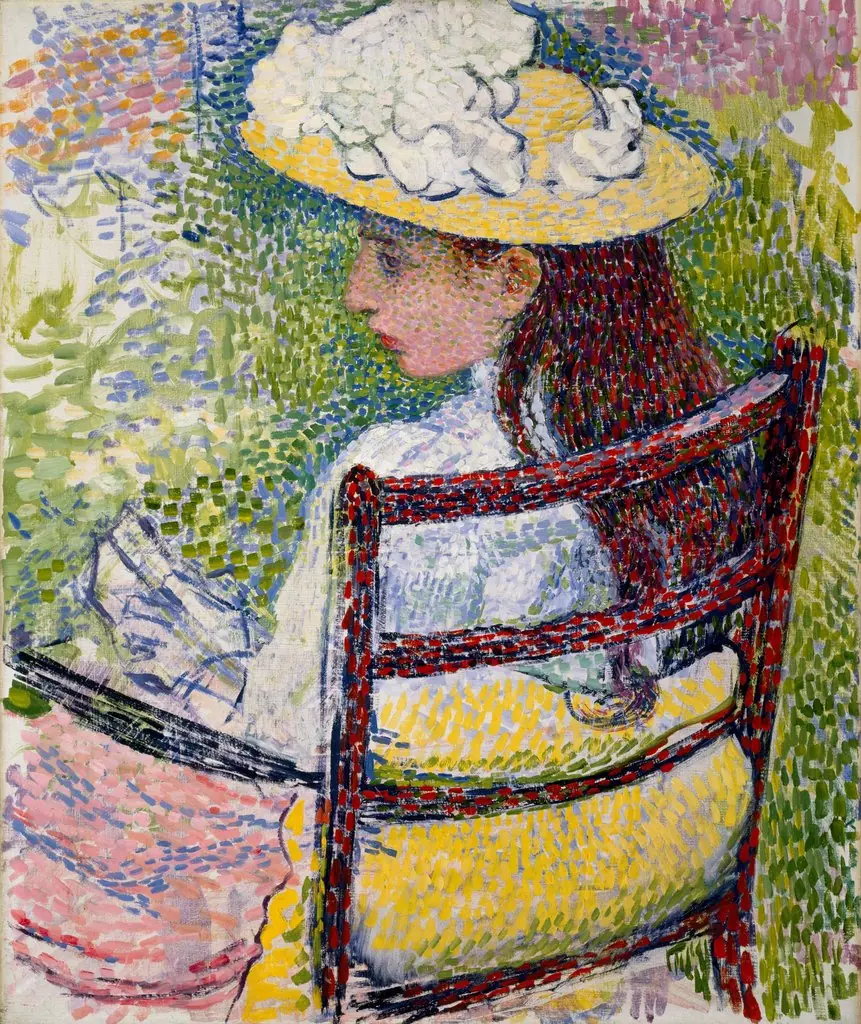 Jeanne Pissarro
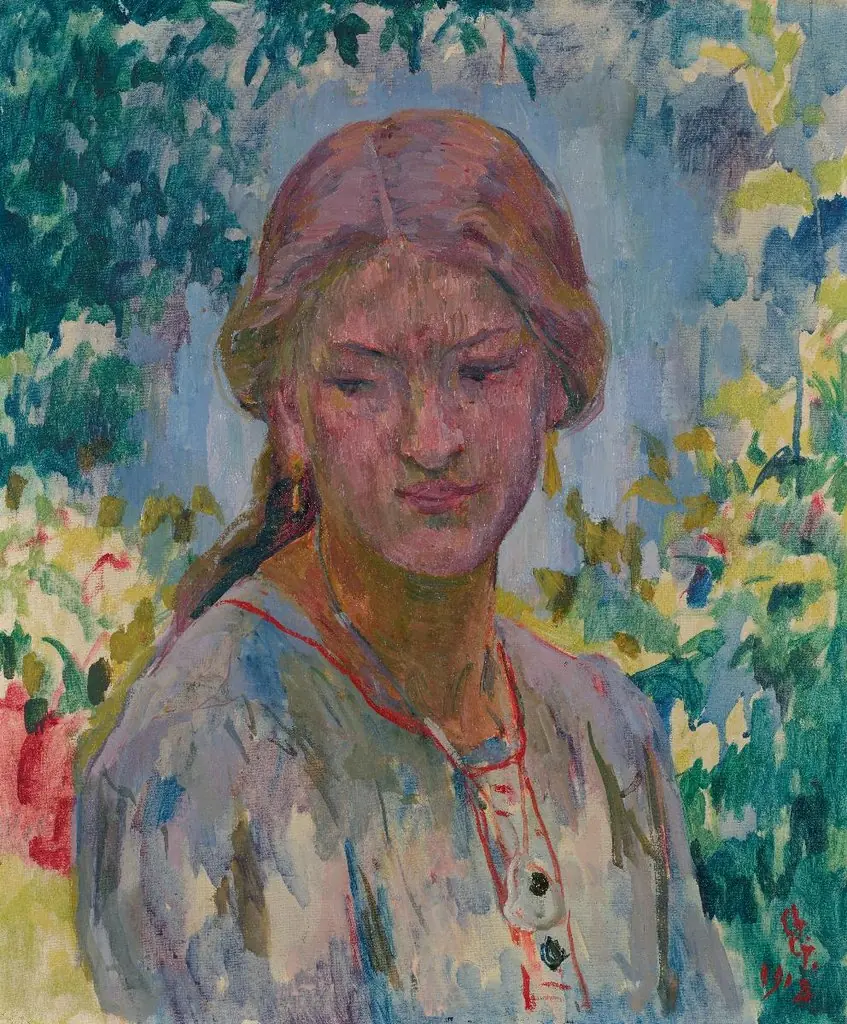 Ottilia
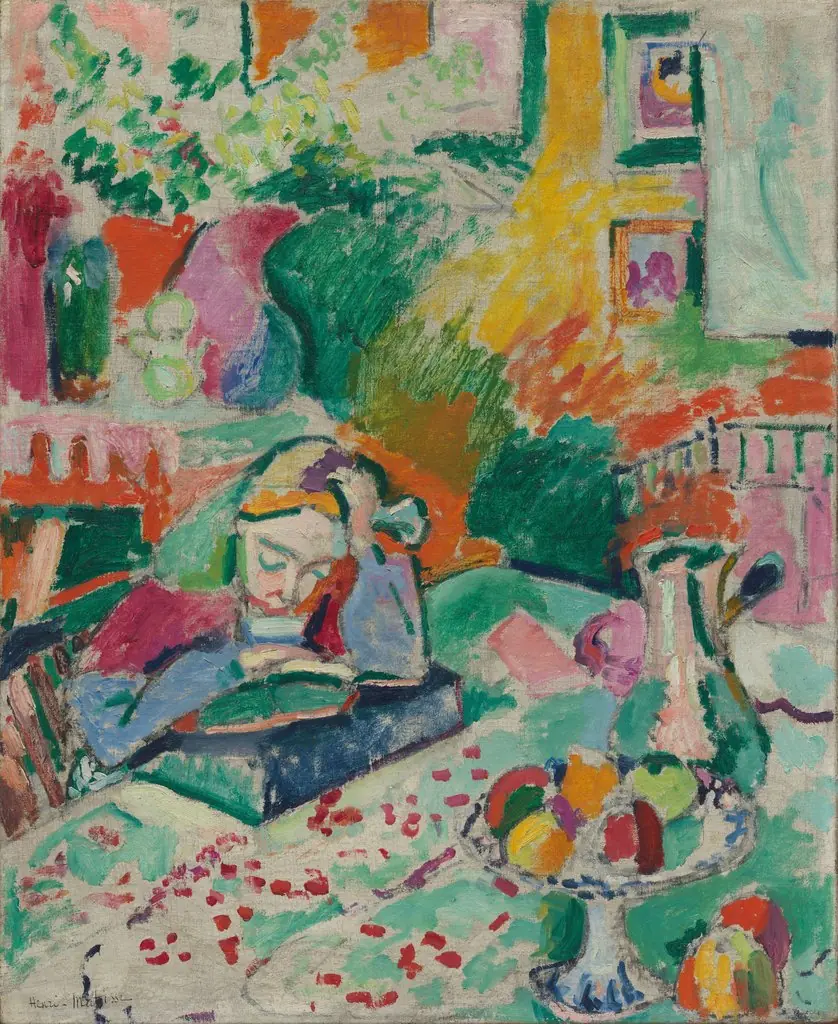 Interior with a Young Girl (Girl Reading)
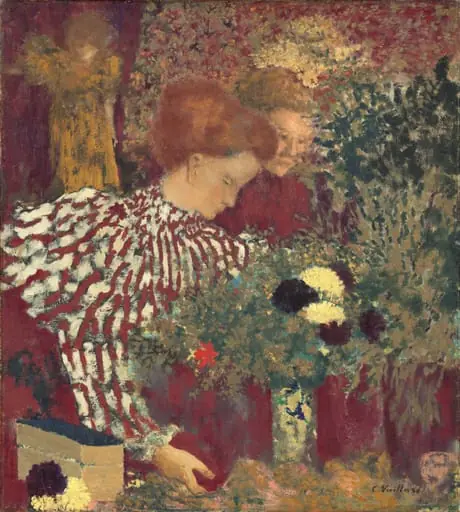 Woman in a Striped Dress
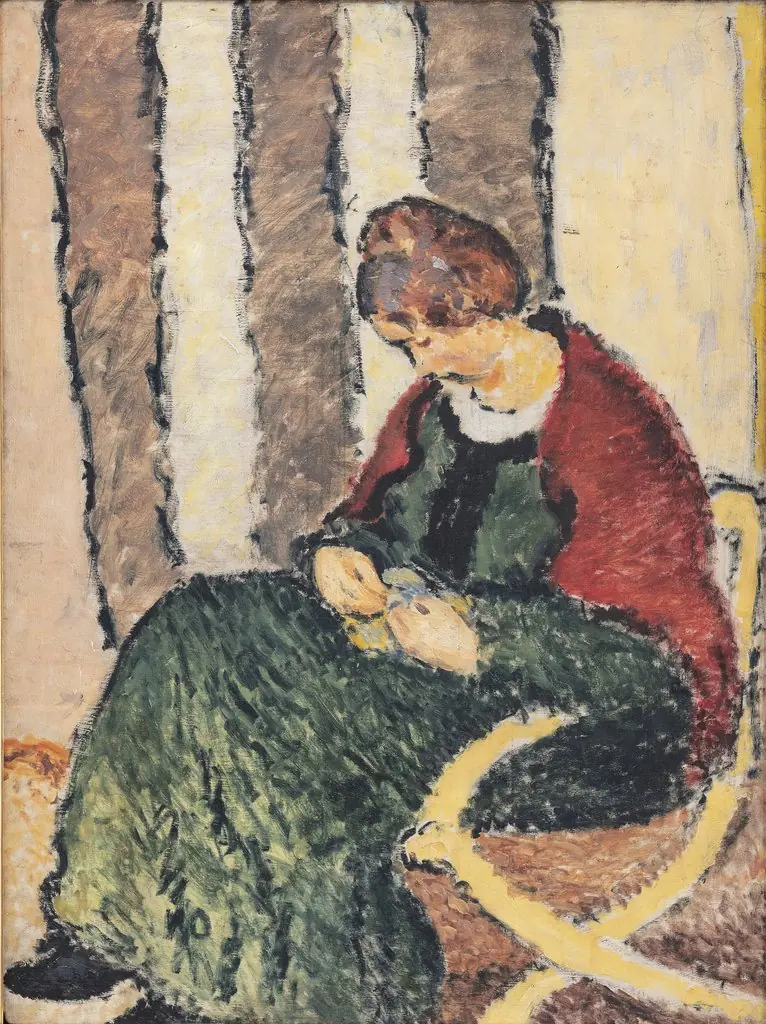 The Artist's Sister, Anna Giersing, Wearing a Red Shawl
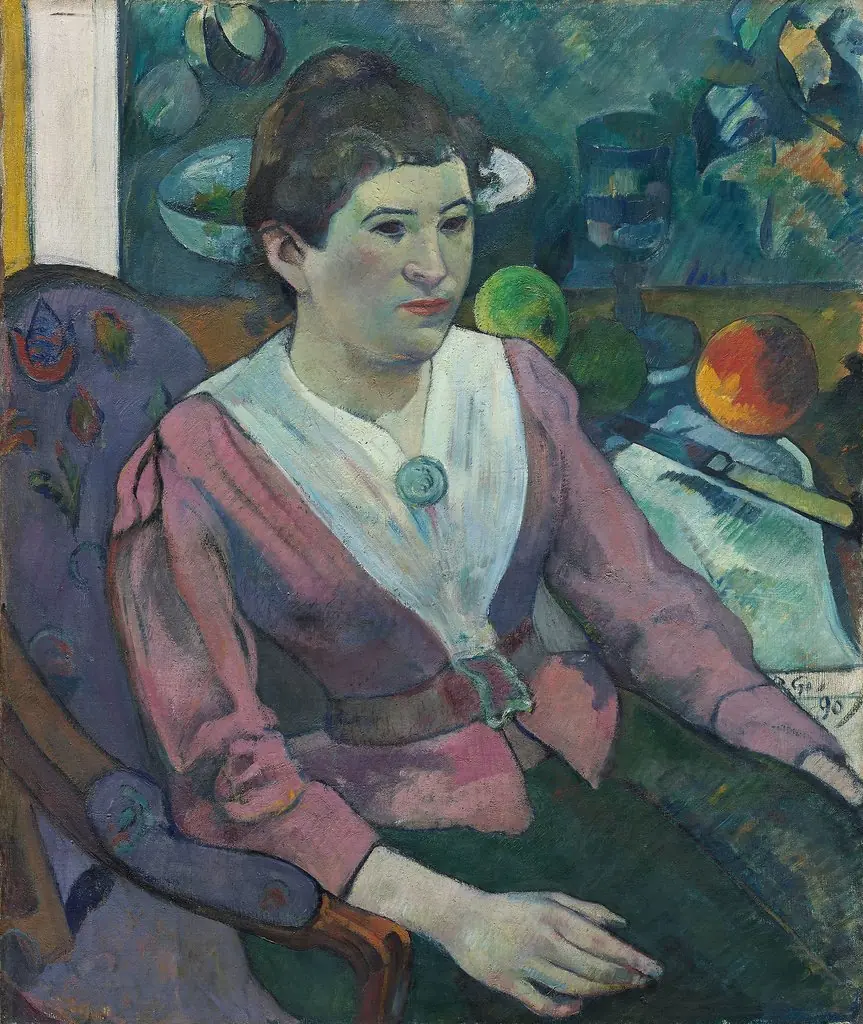 Woman in Front of a Still Life by Cézanne
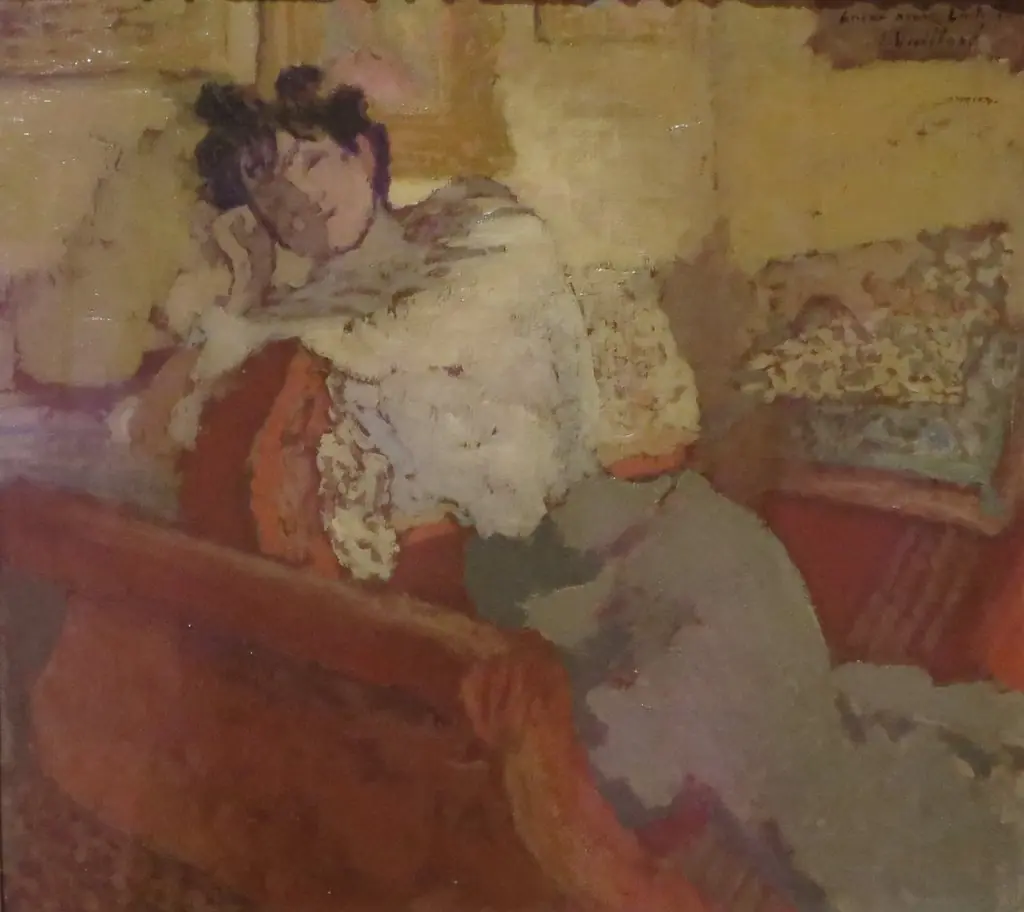 Lucie Hessel
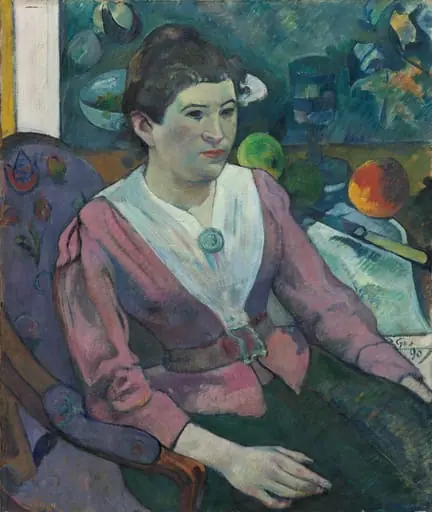 Woman in Front of a Still Life by Cezanne
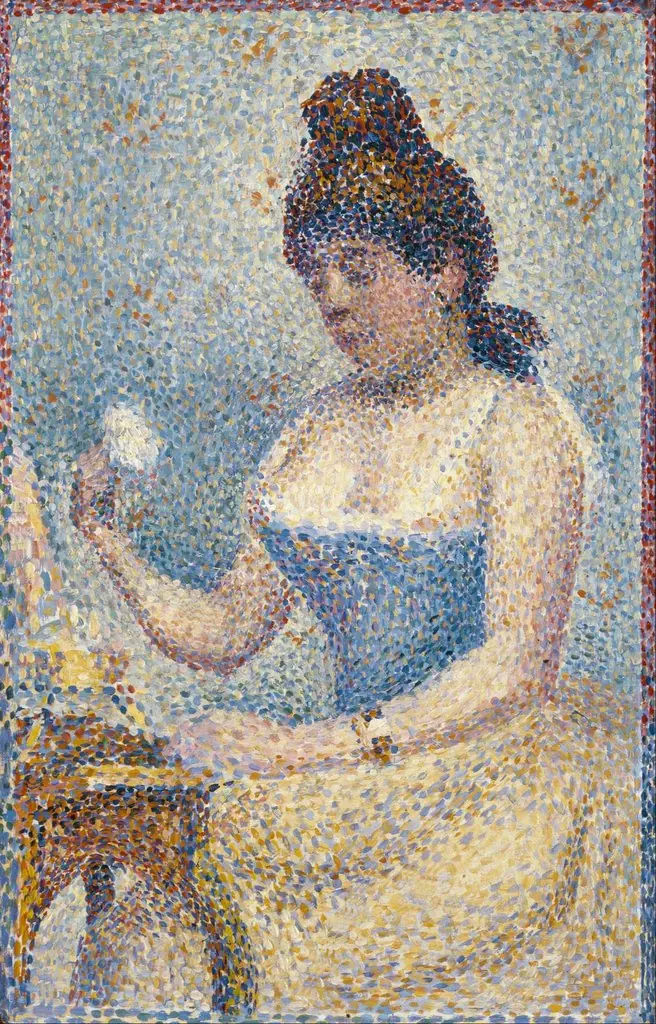 Young Woman Powdering Herself (Study)
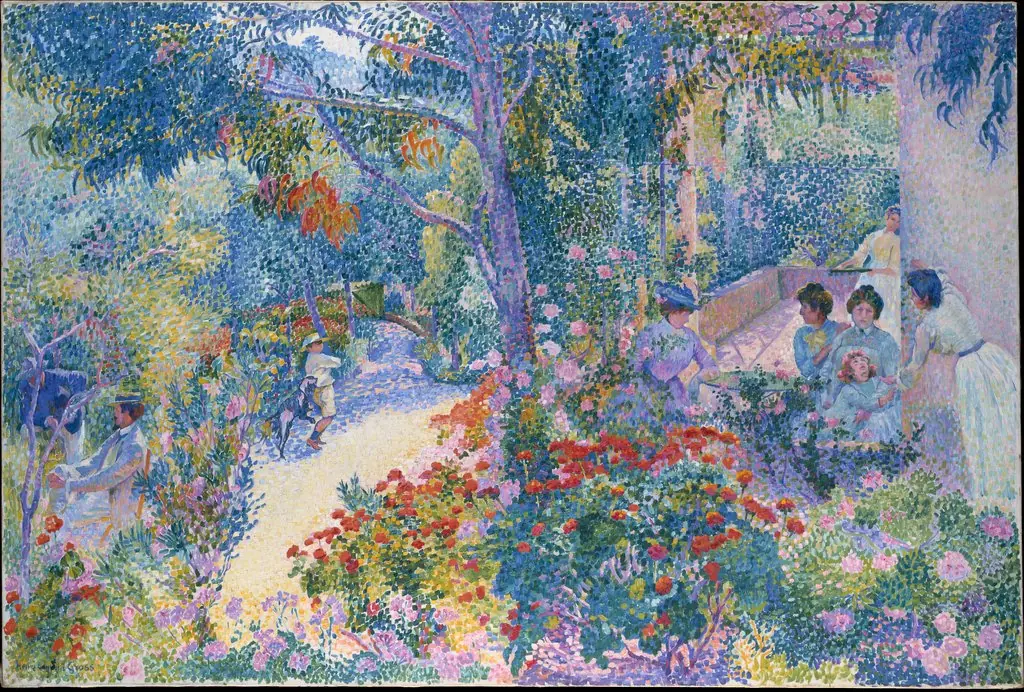 Afternoon in the Garden
![Deux ouvrières dans l'atelier de couture [Two Seamstresses in the Workroom], by Édouard Vuillard](https://artifactworldgallery.com/img/edouard-vuillard--deux-ouvrieres-dans-l-atelier-de-couture-two-seamstresses-in--d135163f01e97c9f-w320.webp) Deux ouvrières dans l'atelier de couture [Two Seamstresses in the Workroom]
Deux ouvrières dans l'atelier de couture [Two Seamstresses in the Workroom]