Artwork
Woman in Front of a Still Life by Cézanne
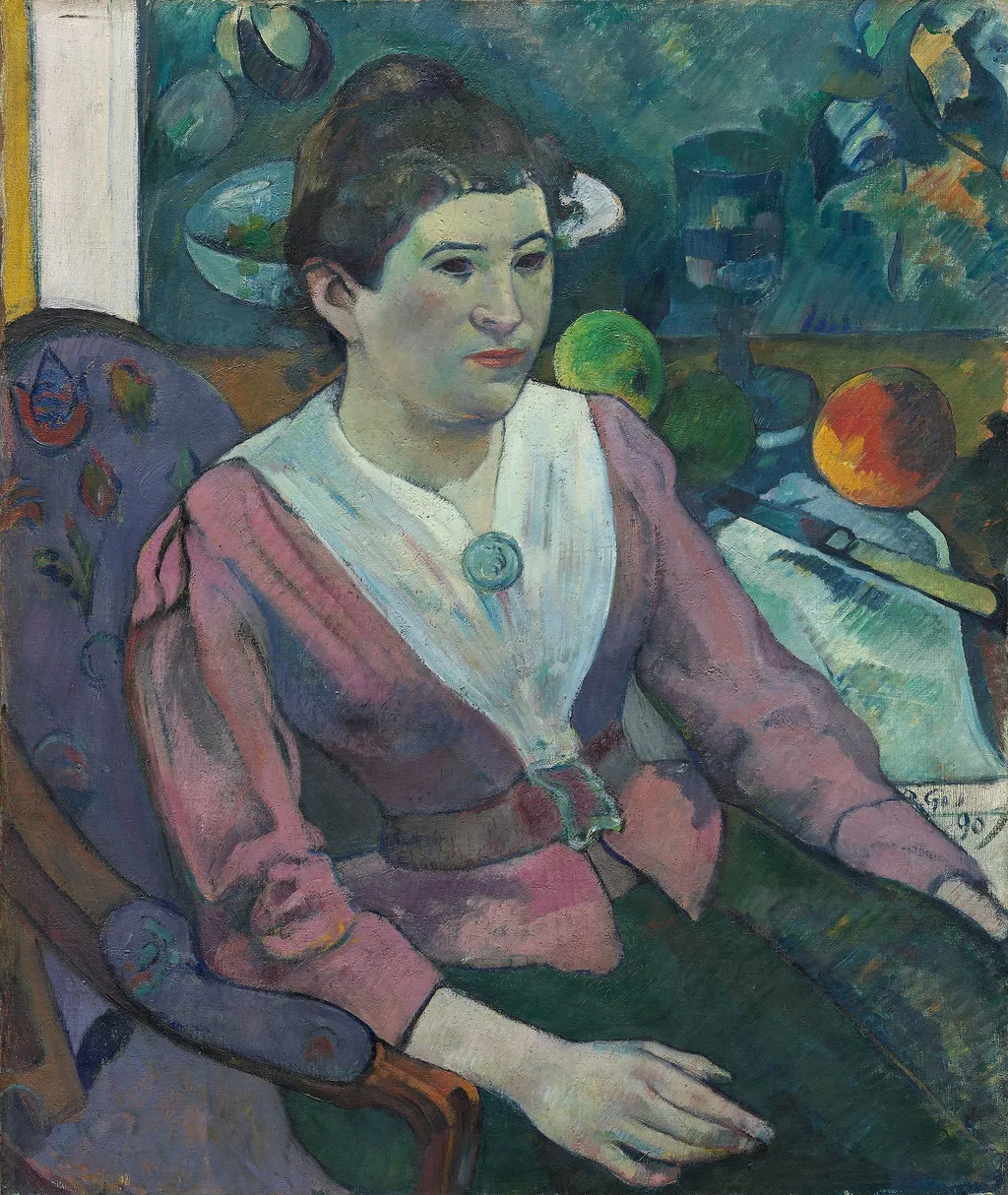
Woman in Front of a Still Life by Cézanne is an oil painting by the Post-Impressionist artist Paul Gauguin. It dates from 1896 and is held in the collection of the Art Institute of Chicago.
About this work
Subject & Meaning
The painting presents a woman standing before a still life arrangement, combining two of the artist's recurring subjects into a single composition.
The painting presents a woman standing before a still life arrangement, combining two of the artist's recurring subjects into a single composition. According to the Wikidata entry, the work depicts Still Life with Compotier alongside Marie Lagadu, identifying the female figure as Lagadu, who was Gauguin's companion at the time. By placing a portrait subject in front of a tabletop arrangement, the canvas merges the conventions of portraiture and still life, a hybrid approach characteristic of late nineteenth-century French painting.
The juxtaposition invites reflection on the relationship between the human figure and the carefully arranged objects, suggesting a dialogue between the animate and inanimate elements within the domestic interior.
Technique & Style
Executed in 1890, this work is an oil painting on canvas measuring 65 cm in height and 55 cm in width. The composition merges the genre of still life with portraiture, depicting a female figure positioned before a table arrangement that includes a compotier. The piece is classified as a painting within the still life tradition, utilizing oil paint as its primary medium to render both the domestic objects and the human subject on a single support.
History & Provenance
The painting titled Woman in Front of a Still Life by Cézanne was created in 1890 by Paul Gauguin using oil paint on canvas. It measures 55 cm in width and 65 cm in height and falls within the still life genre. The work is part of the collection at the Art Institute of Chicago, where it has remained since its acquisition.
Its creation is linked to Gauguin's exploration of still life motifs during his mature period, reflecting his distinctive approach to color and form. The painting was later catalogued under the designation of a still life depicting a compotier and a figure named Marie Lagadu, further contextualizing its subject matter and artistic significance.
Woman in Front of a Still Life is held in the collection of the Art Institute of Chicago. According to Wikidata, the painting is catalogued as part of that museum's holdings and its location is recorded as the Art Institute of Chicago. The work is an oil on canvas measuring 65 cm in height by 55 cm in width, and it depicts Marie Lagadu posed in front of Cézanne's Still Life with Compotier.
No specific accession number, acquisition date, or details of past exhibitions are recorded in the available sources, so the inventory entry and exhibition history cannot be elaborated further.
Overview
Painted in 1896, this oil work by Paul Gauguin portrays a woman seated before a still life attributed to Paul Cézanne. Executed in Gauguin’s characteristic Synthetist style, the painting merges observation with stylized form. It reflects his interest in the artistic circles of his time while asserting his own visual language, distinct from both Impressionism and naturalism.
Context
In the mid-1890s, Gauguin was revisiting France after years in Tahiti, re-engaging with European artists and their works. His depiction of Cézanne’s still life within this portrait signals a mutual artistic respect, even as he transformed its presentation through his own symbolic lens, distancing himself from naturalistic tradition.
Legacy
The painting stands as a quiet testament to Gauguin’s role in bridging modernist currents. By embedding Cézanne’s still life within a figure study, he expanded the possibilities of genre painting, influencing later artists who sought to merge personal expression with structured composition, beyond the boundaries of Impressionism.
Own this work as a print
Artist & collection
Artist
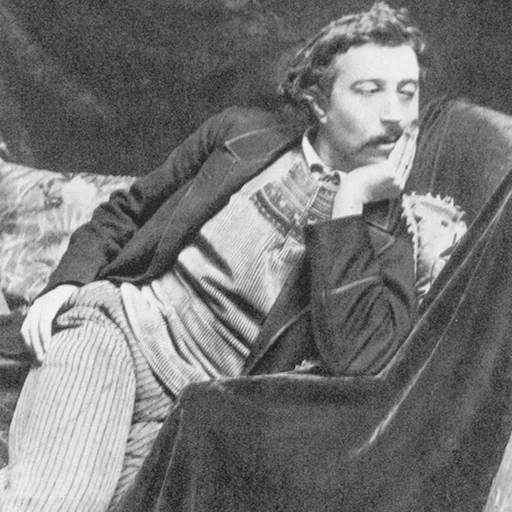
Eugène Henri Paul Gauguin (; French:; 7 June 1848 – 8 May 1903) was a French painter, sculptor, printmaker, ceramist, and writer, whose work has been primarily associated with the Post-Impressionist and Symbolist movements.

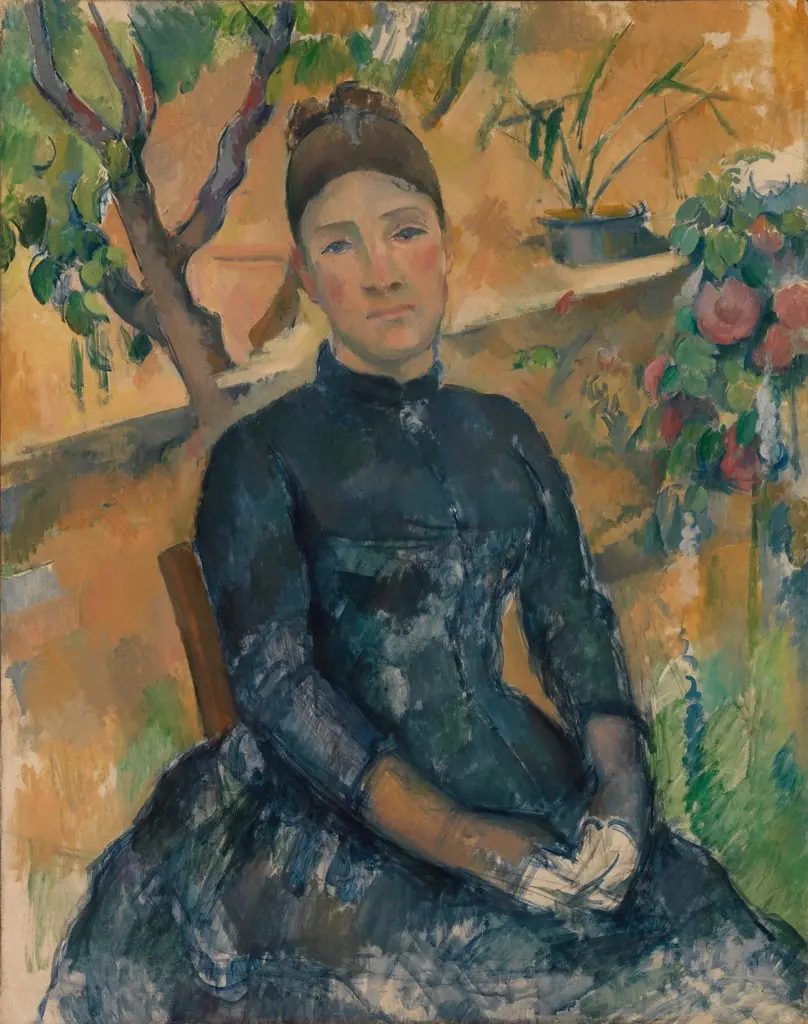 Madame Cézanne (Hortense Fiquet, 1850–1922) in the Conservatory
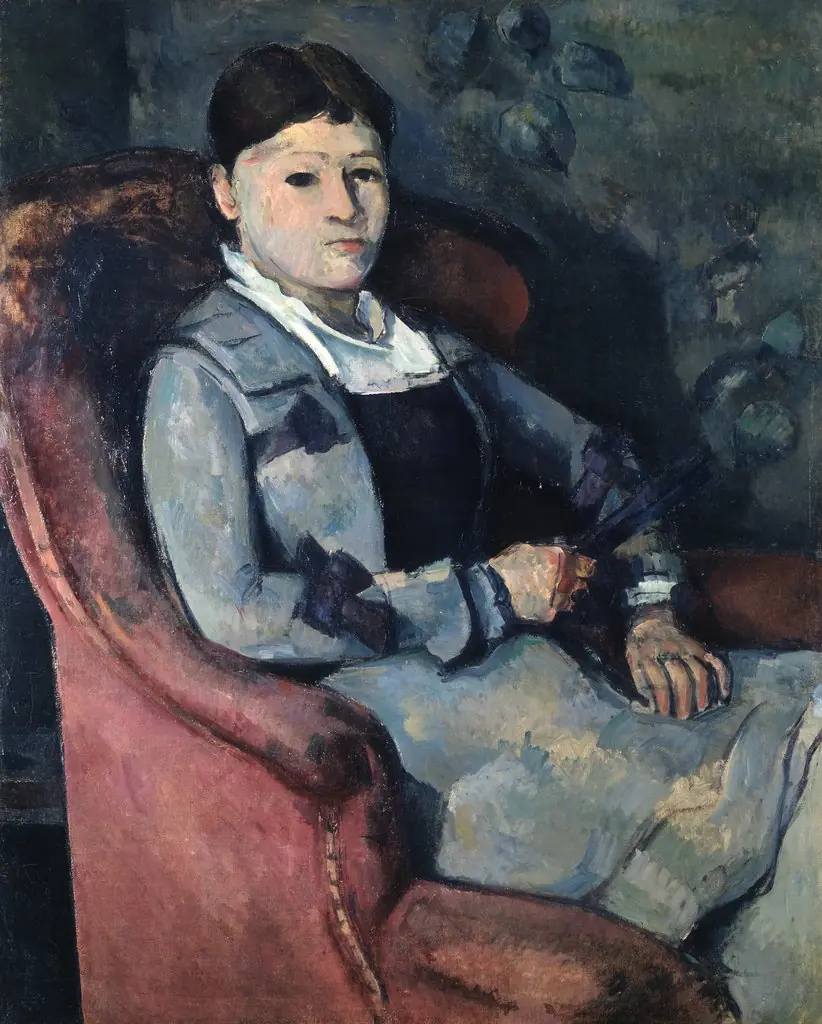 Portrait of Mme. Cézanne
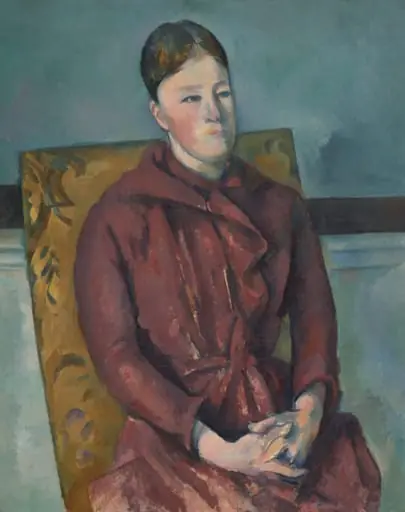 Madame Cezanne in a Yellow Chair
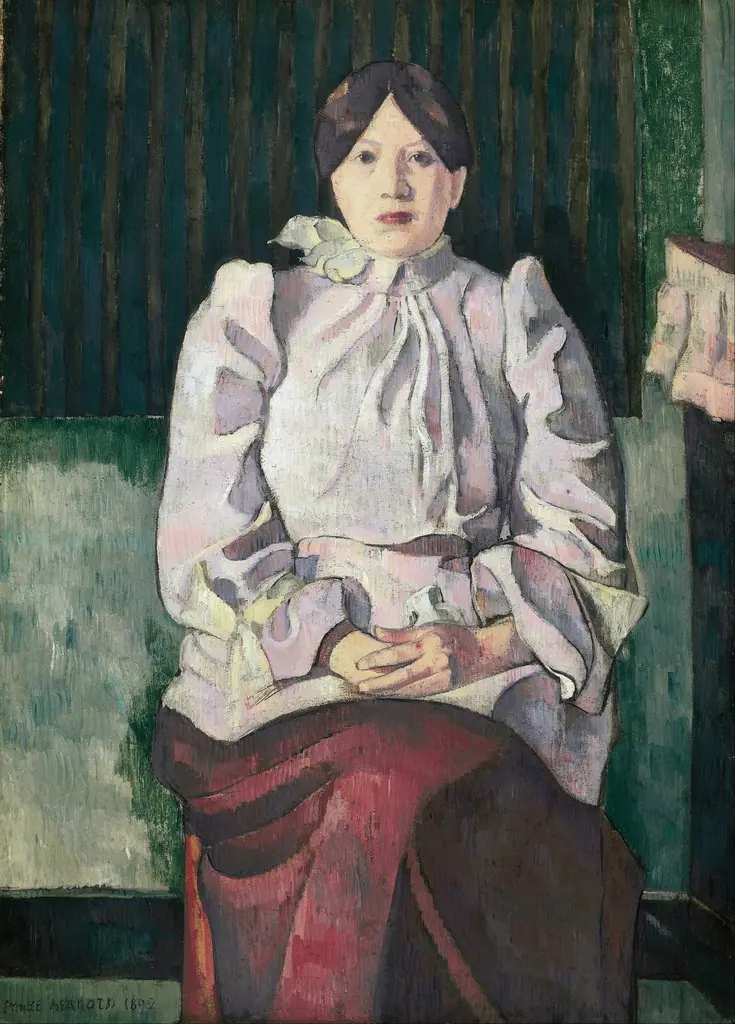 Portrait of Marie Lemasson
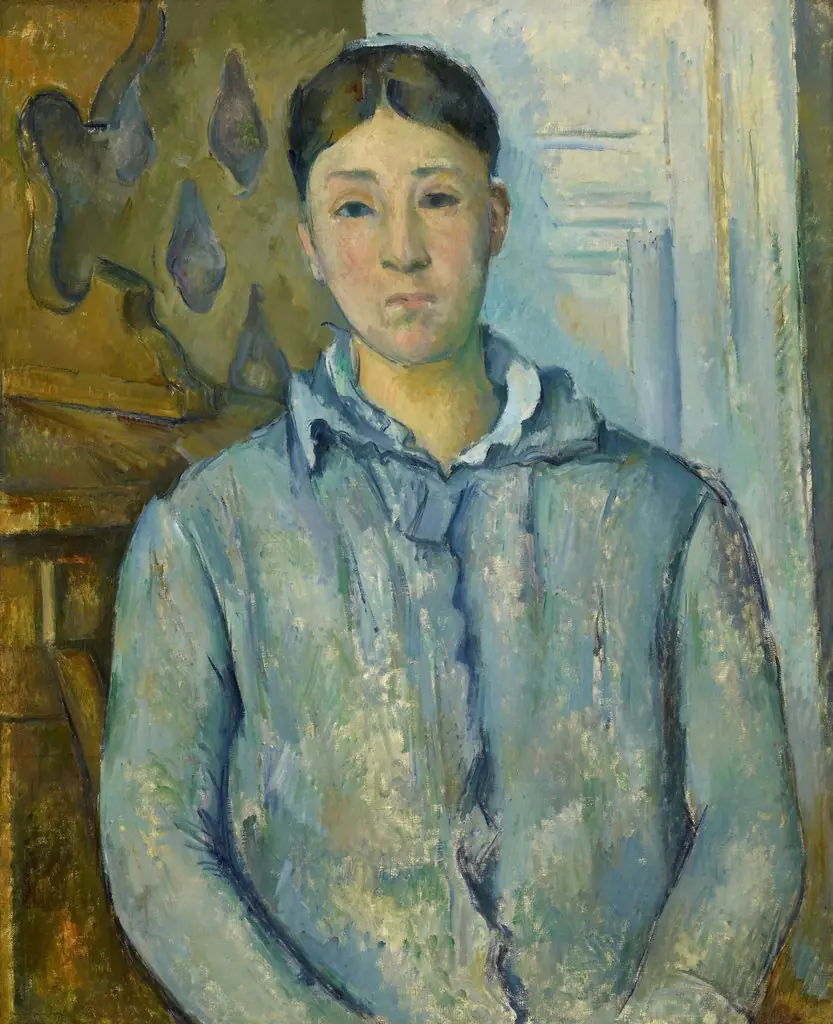 Madame Cézanne in Blue
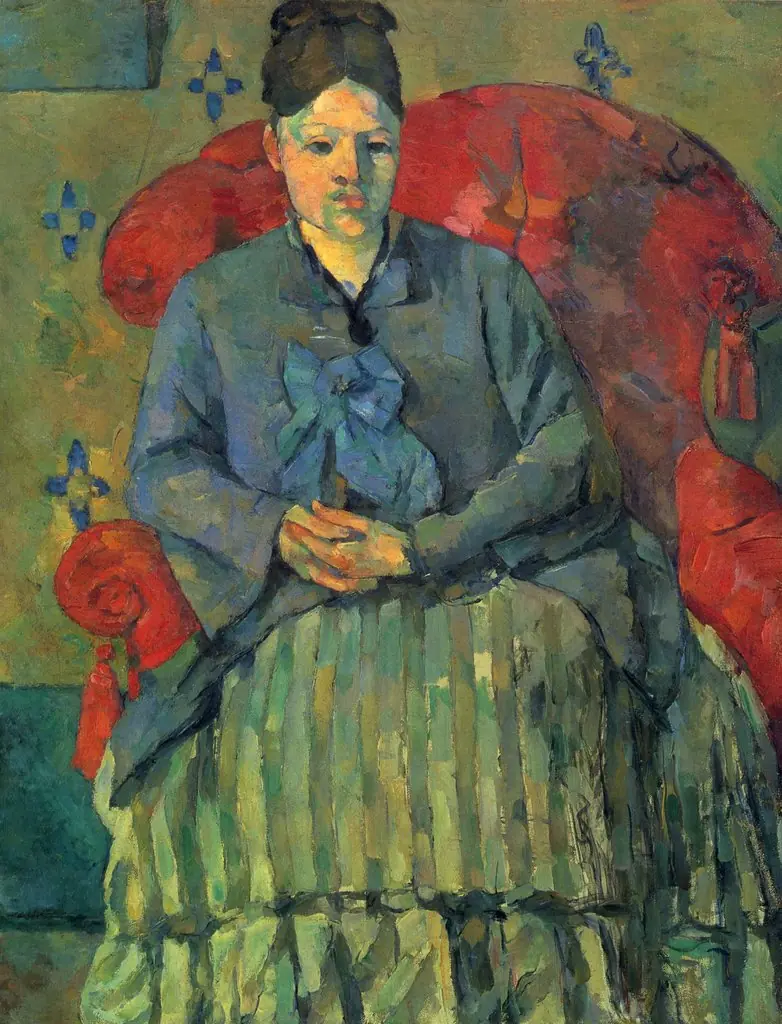 Madame Cézanne à la jupe rayée (Madame Cézanne in a Red Armchair)
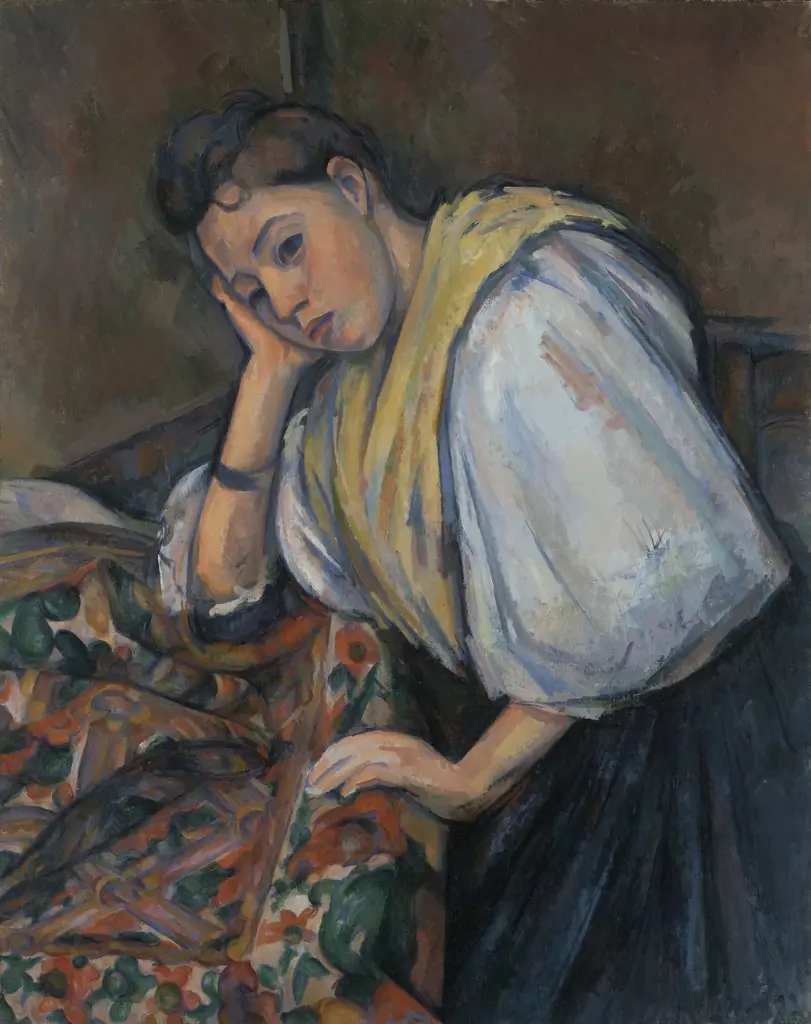 Young Italian Woman at a Table
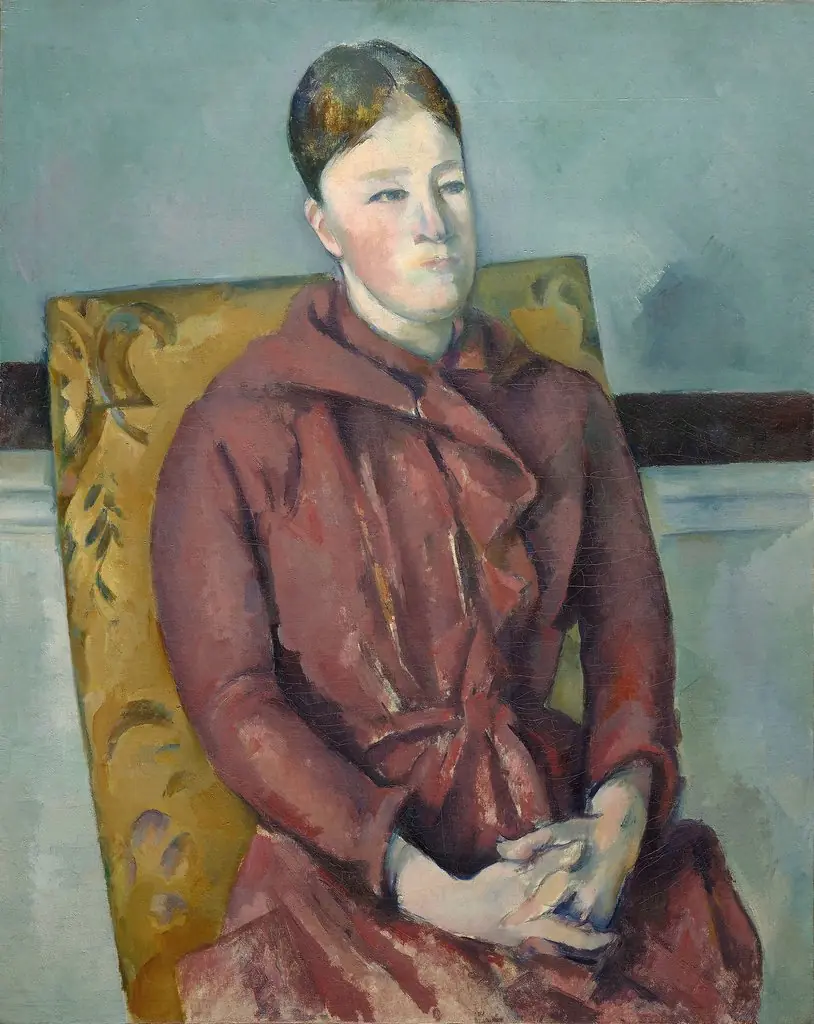 Madame Cézanne in a Yellow Chair
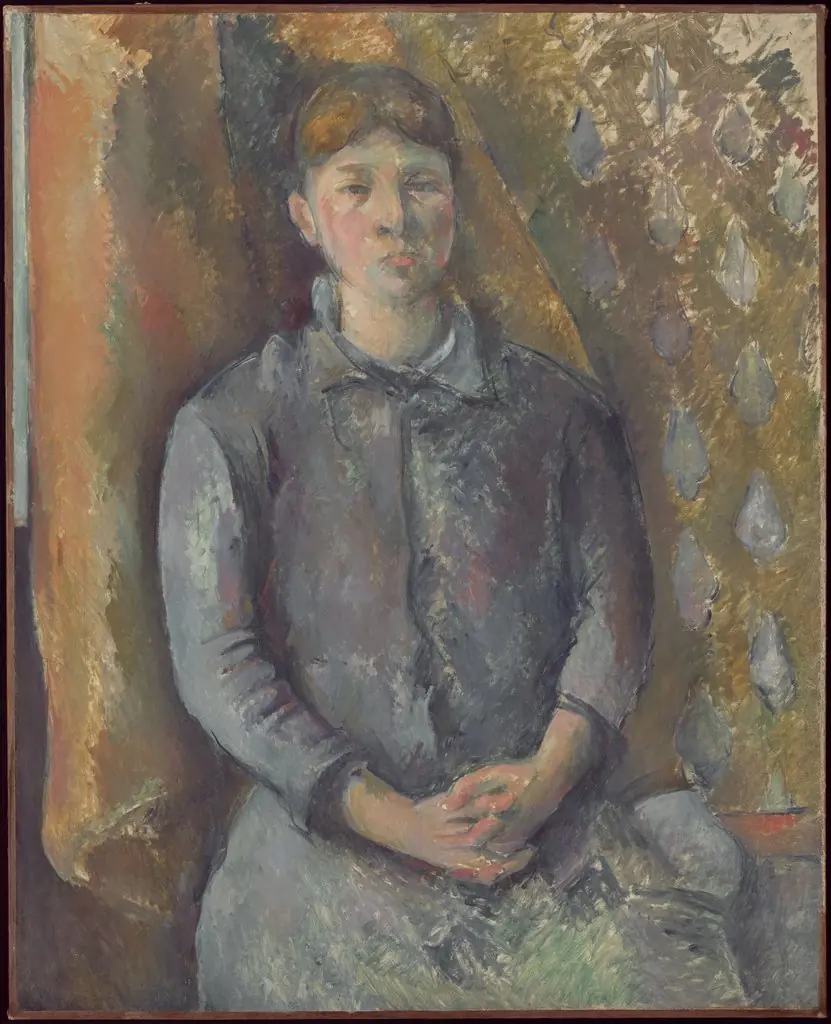 Portrait de madame Cézanne
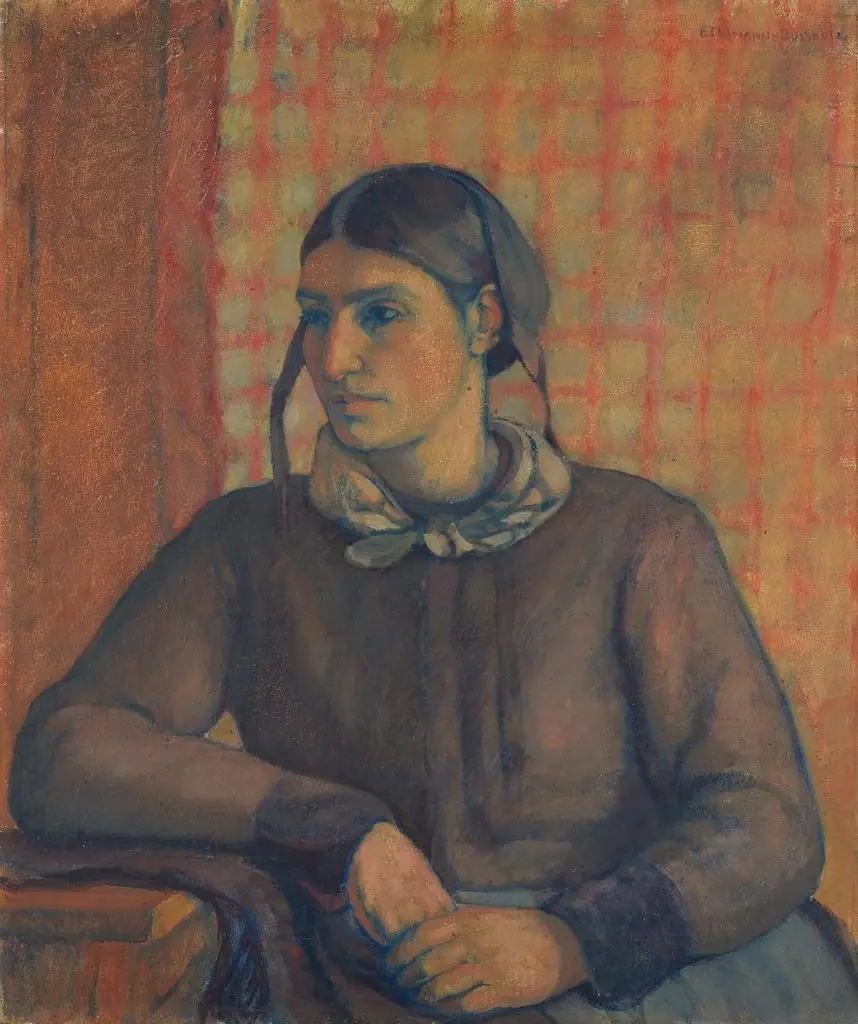 Walliserin vor kariertem Vorhang
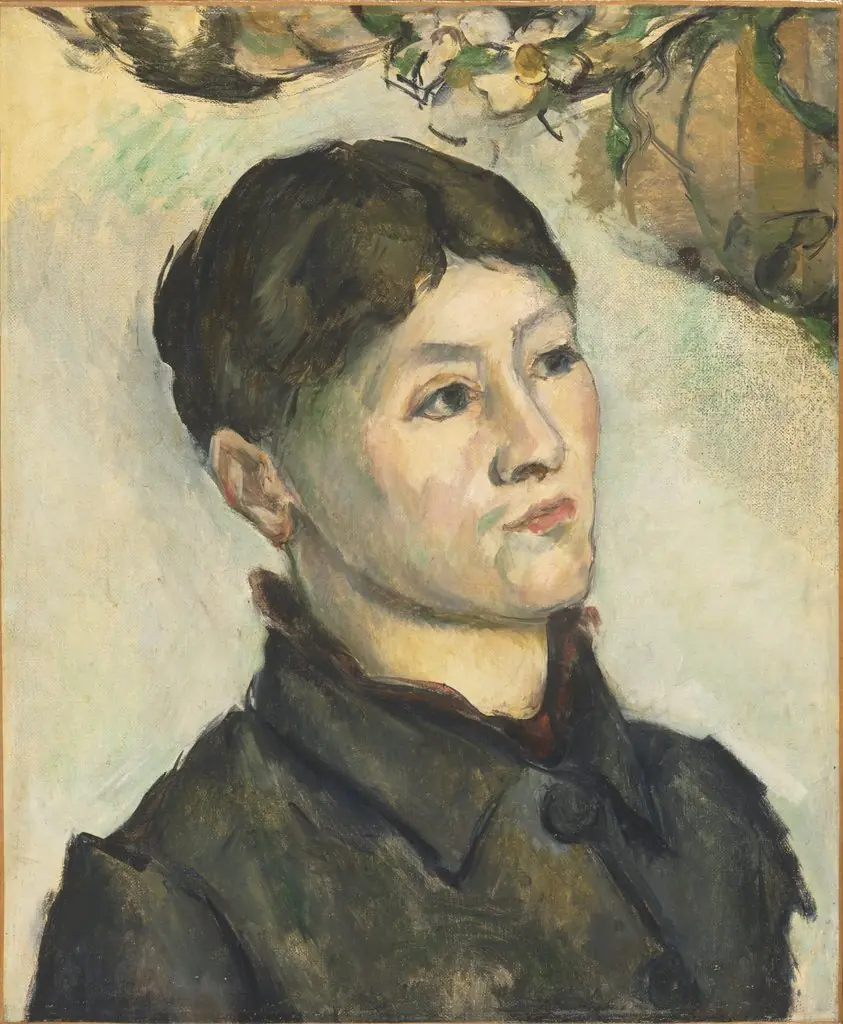 Portrait of Madame Cézanne
- Woman in Front of a Still Life by Cezanne