Artwork
Portrait of Amélie Elisabeth of Hanau-Münzenberg
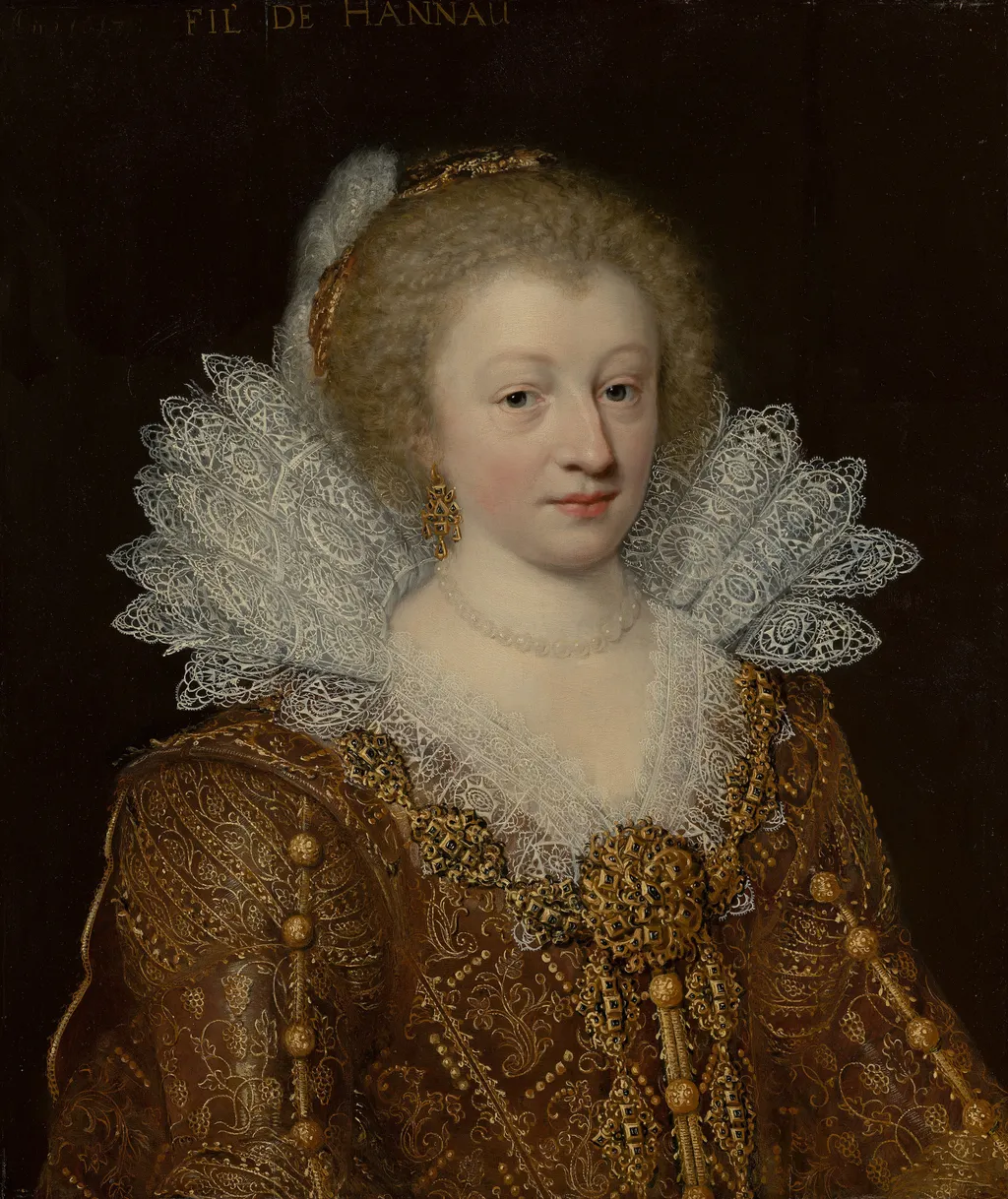
Portrait of Amélie Elisabeth of Hanau-Münzenberg is an oil painting by the Dutch Golden Age artist Jan van Ravesteyn. It dates from 1617 and is held in the collection of the Mauritshuis.
About this work
Subject & Meaning
Together, these elements communicate a narrative of respectable femininity and familial prestige, aligning the sitter with the cultural values of her era.
The painting portrays Countess Amalie Elisabeth of Hanau-Münzenberg as an emblem of aristocratic virtue and dynastic continuity, rendered with symbols of nobility such as a pearl necklace and lace collar that underscore her high social standing. Her dignified posture and direct gaze convey both personal identity and the broader political significance of the Hanau-Münzenberg lineage within Dutch elite circles. Executed in oil on panel in 1617, the work exemplifies Dutch Golden Age portraiture, where the sitter’s attire and accessories serve as visual cues to wealth, lineage, and moral character.
The portrait’s composition emphasizes the subject’s noble status through meticulous rendering of fabric and jewelry, while the restrained palette and precise detailing reflect contemporary ideals of decorum and refinement. Together, these elements communicate a narrative of respectable femininity and familial prestige, aligning the sitter with the cultural values of her era.
Technique & Style
The work was executed in oil paint on a wooden panel, typical of Dutch Golden Age portraiture. The surface bears a fine, smooth finish that preserves delicate details such as lace, pearl ornaments, and the sitter’s blond hair, while the handling of light emphasizes the textures of fabric and jewelry. The composition presents a three‑quarter view of Countess Amalie Elisabeth of Hanau‑Münzenberg, framed by a modest architectural setting that underscores the formal conventions of early‑17th‑century portraiture. The painting’s dimensions of 63.9 cm by 55.6 cm are recorded in the Mauritshuis collection data.
History & Provenance
Jan van Ravesteyn executed this oil-on-panel portrait of Countess Amélie Elisabeth of Hanau-Münzenberg in 1617. The work was created during the Dutch Golden Age and depicts the subject wearing a dress, lace collar, and pearl jewelry. The painting is currently held in the collection of the Mauritshuis, where it remains on display.
No specific details regarding the original commission or intermediate ownership history prior to its arrival at the Mauritshuis are provided in the available records.
Portrait of Amélie Elisabeth of Hanau-Münzenberg, painted by Jan van Ravesteyn in 1617, is housed in the Mauritshuis collection. The work is accessioned under the inventory number 1888.0002. It has been part of the museum’s permanent display, contributing to exhibitions focusing on Dutch Golden Age portraiture.
Context
The portrait of Amélie Elisabeth of Hanau-Münzenberg, painted by Jan van Ravesteyn in 1617, exemplifies the formal conventions of Dutch Golden Age portraiture while conveying aristocratic status through meticulous rendering of materials such as lace and pearl ornaments. Its display at the Mauritshuis situates it within a broader scholarly discourse on 17th‑century portraiture, where researchers examine the interplay of patronage, identity, and visual culture in the Dutch Republic. The work continues to inform studies of courtly representation and the evolution of portrait conventions in early modern European art.
Overview
This oil painting is a portrait of Countess Amélie Elisabeth of Hanau-Münzenberg, created by Jan van Ravesteyn in 1617. It is a representative work of the Dutch Golden Age, a period of significant cultural and artistic achievement in the Netherlands.
Own this work as a print
Artist & collection
Artist
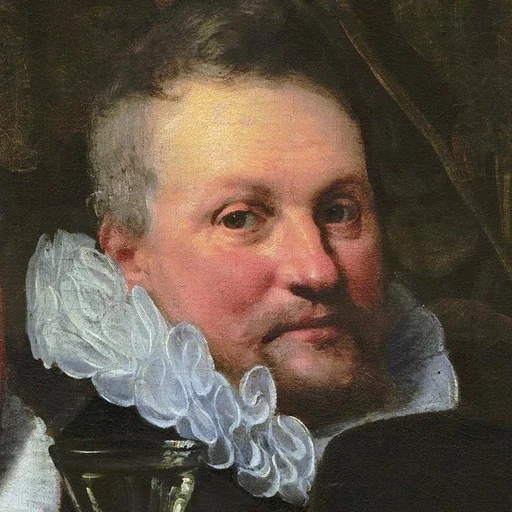
Jan Anthoniszoon (abbr. Anthonisz.) van Ravesteyn (c. 1572 – buried 21 June 1657) was a successful portrait painter to the Dutch court in The Hague.

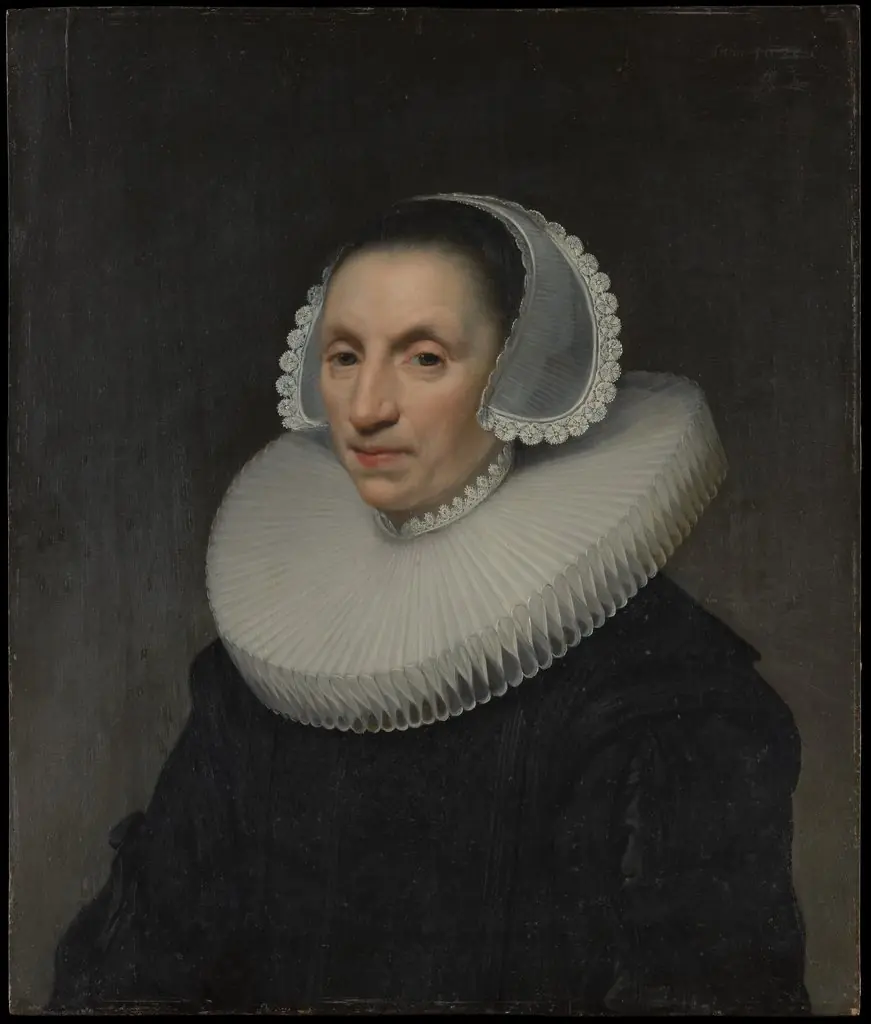
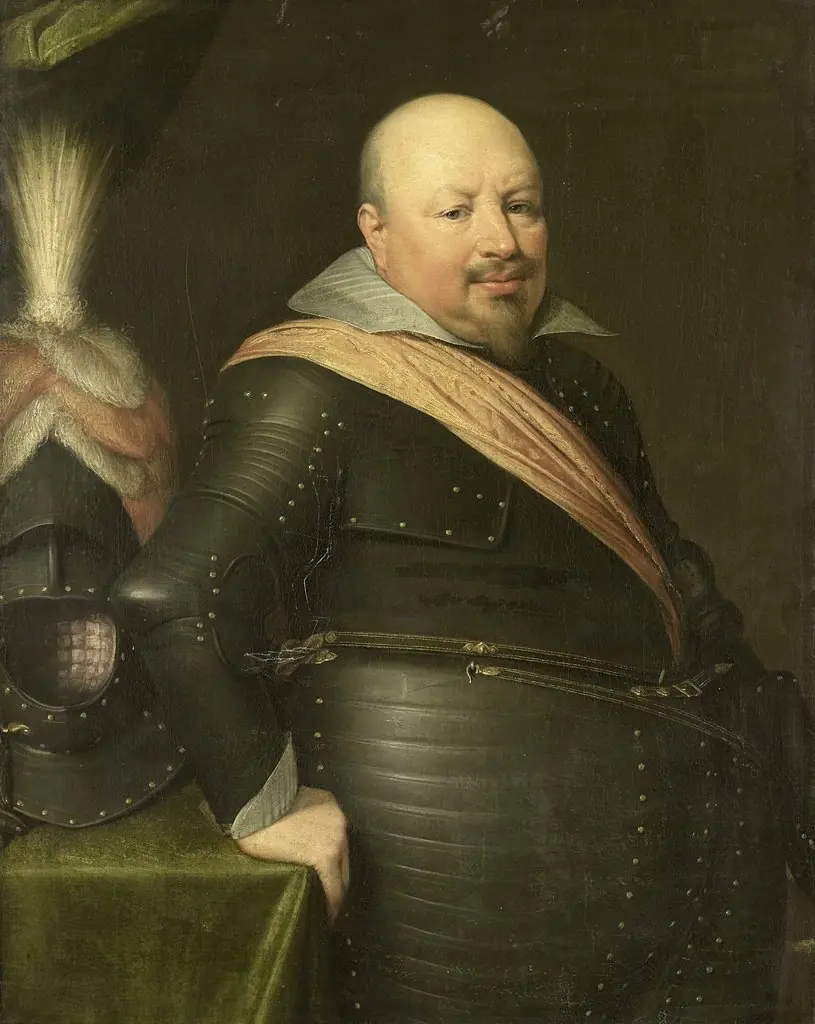
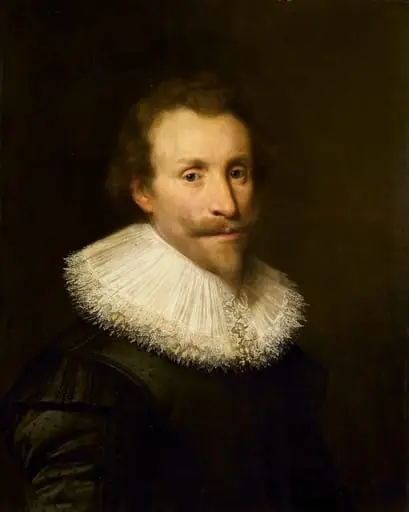
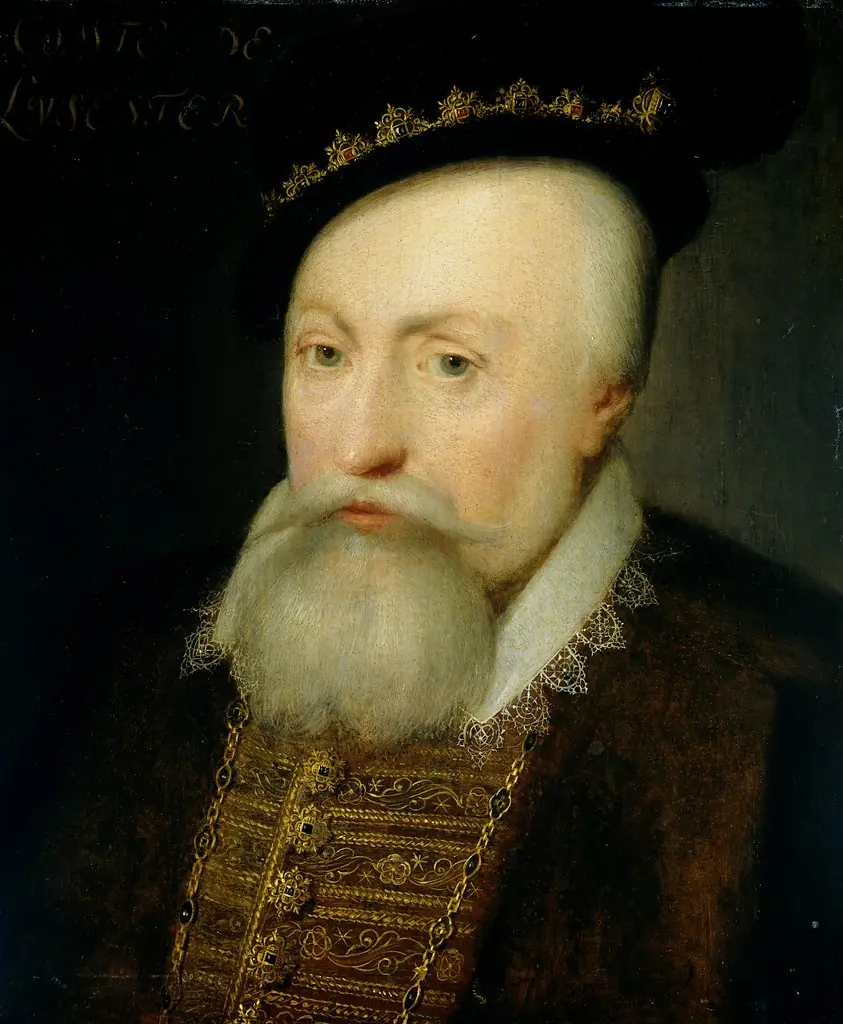
- Anne of Austria, Queen of France
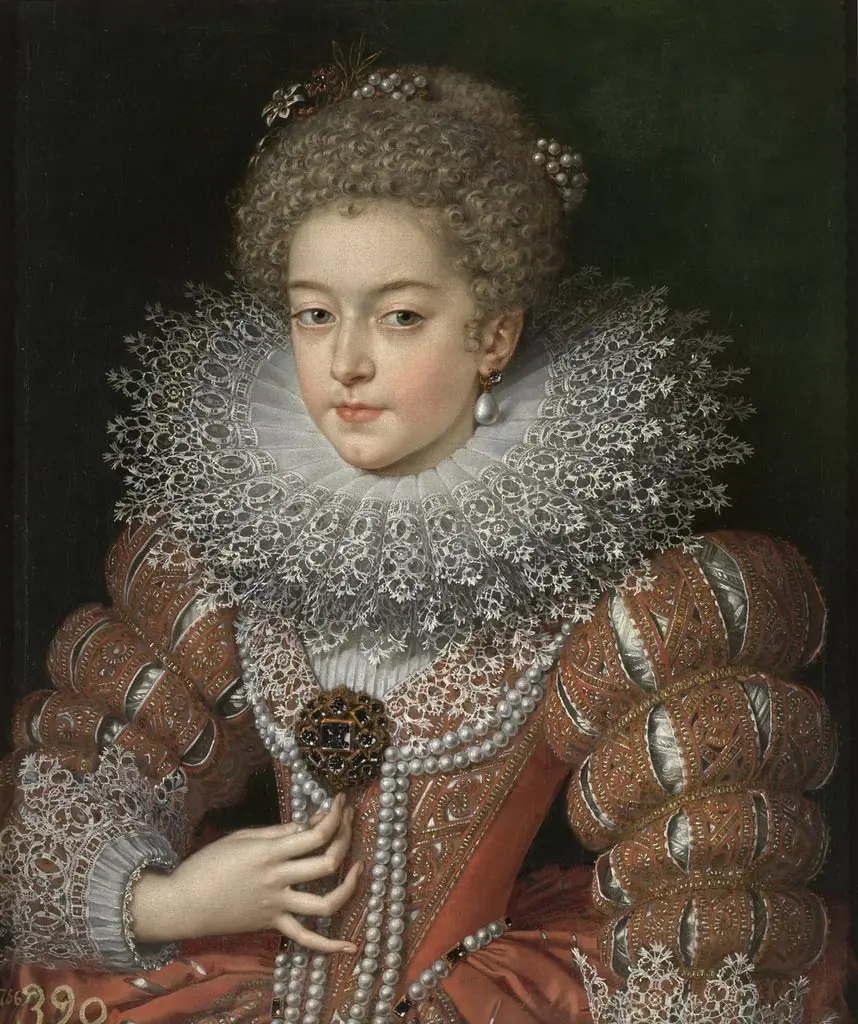 Isabella of France Queen of Spain
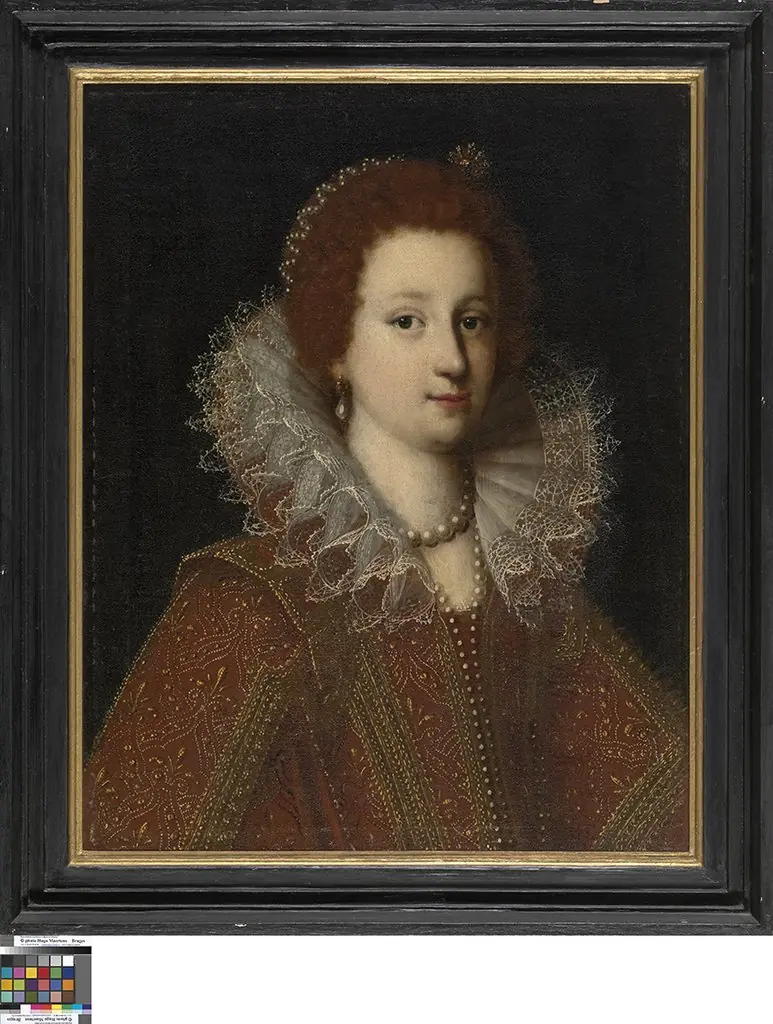 Portret van een vrouw
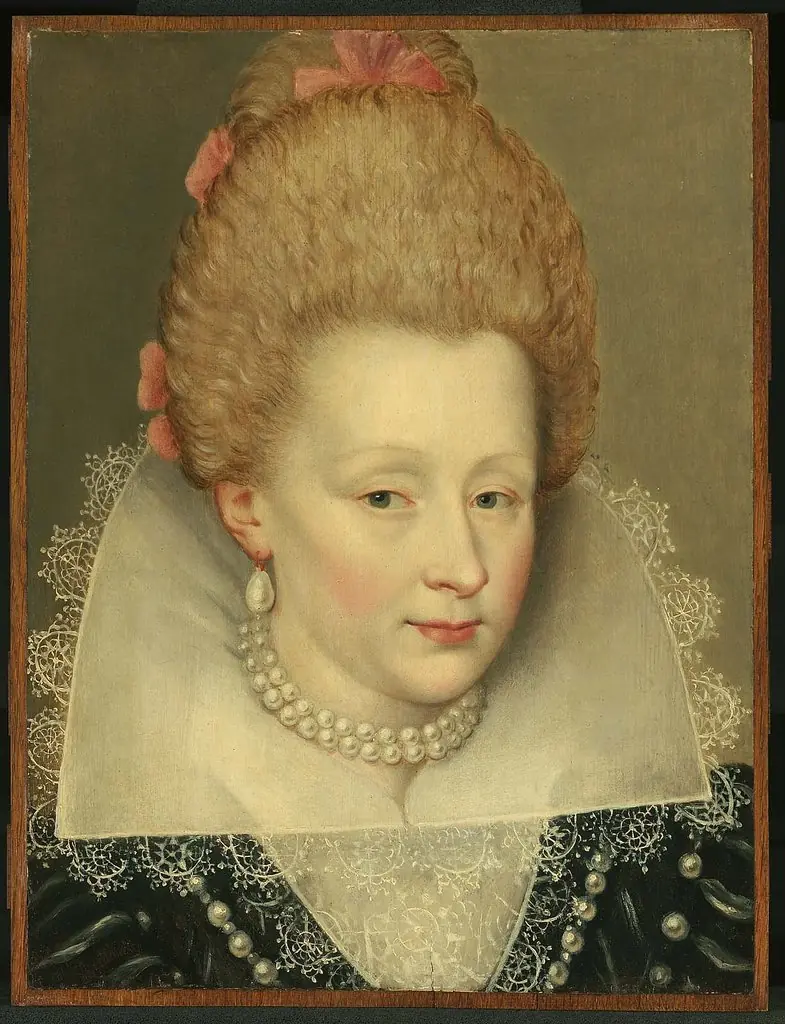 Portrait of a Woman
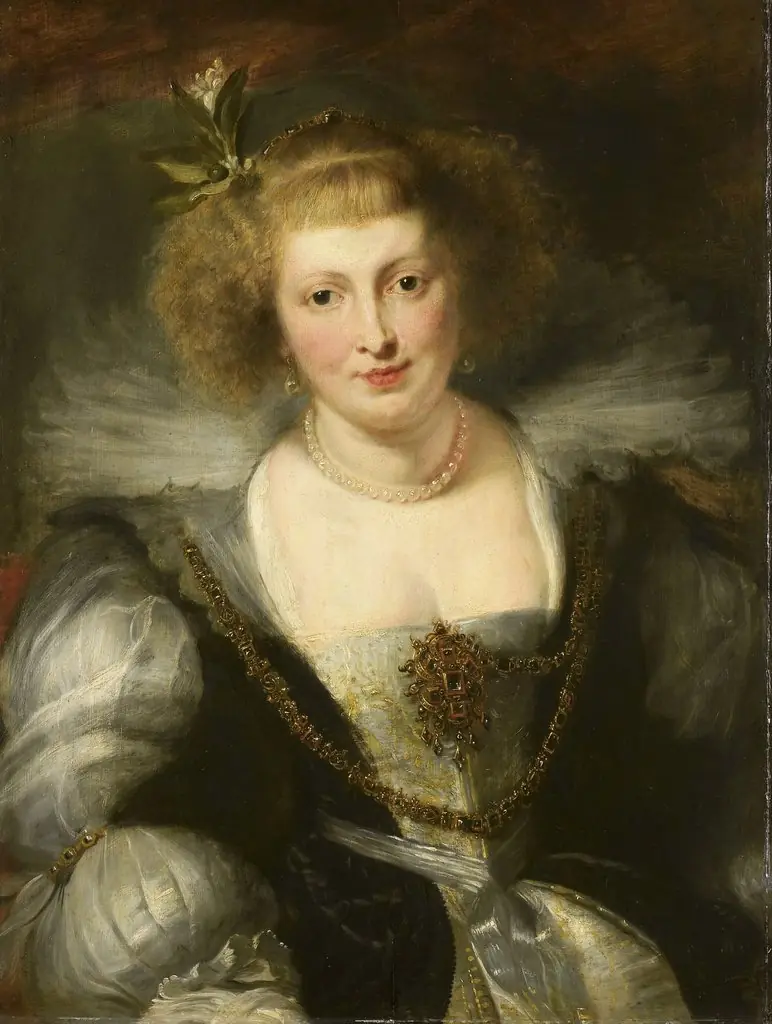 Helena Fourment (1614-73). The artist's second wife
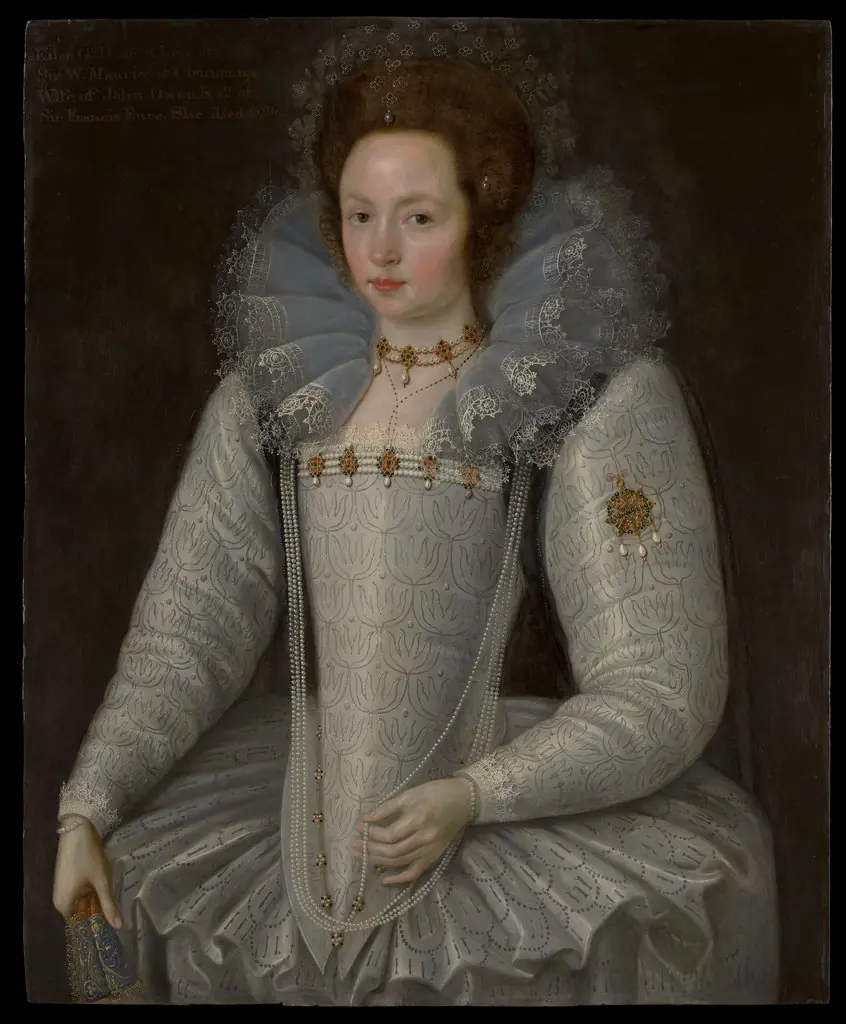 Ellen Maurice (1578–1626)
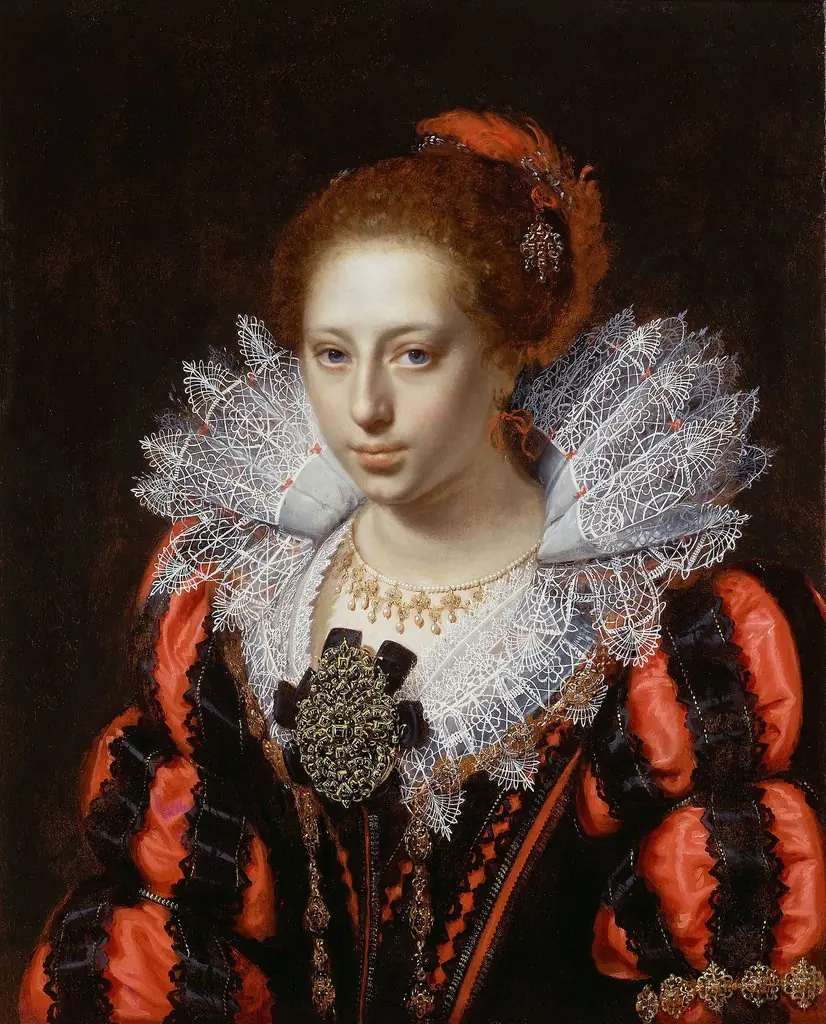 Portrait of a Young Lady
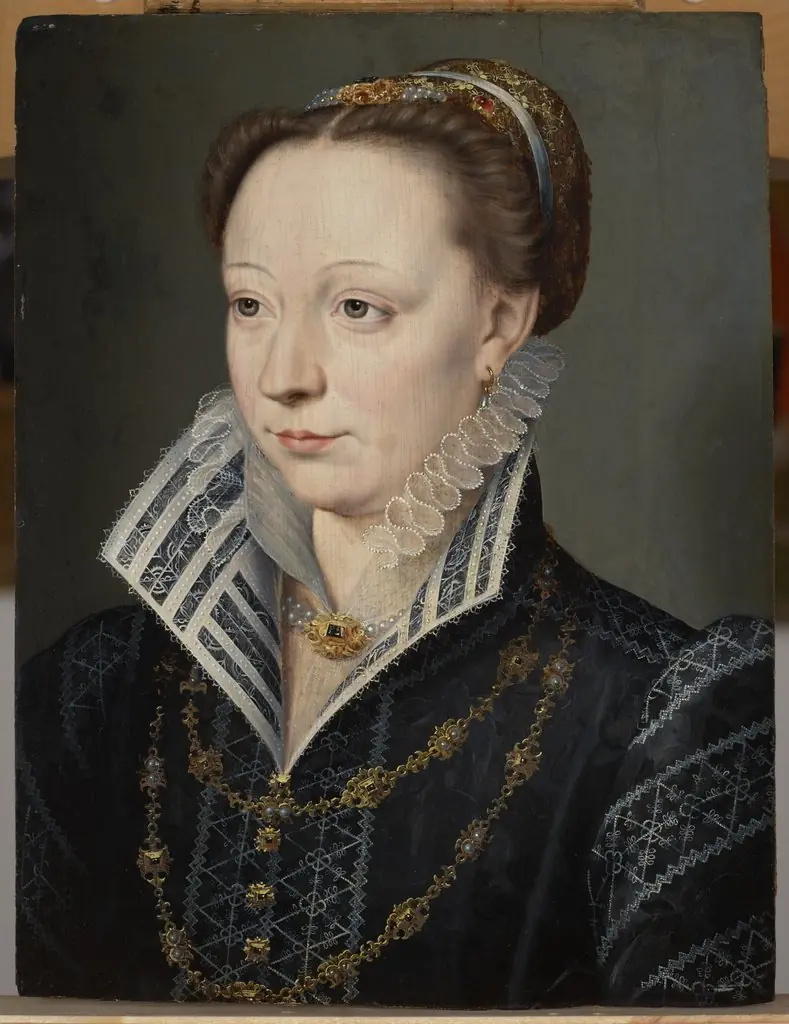 Portrait of Claude Catherine de Clermont-Tonnerre, Duchess of Retz (1543–1603)
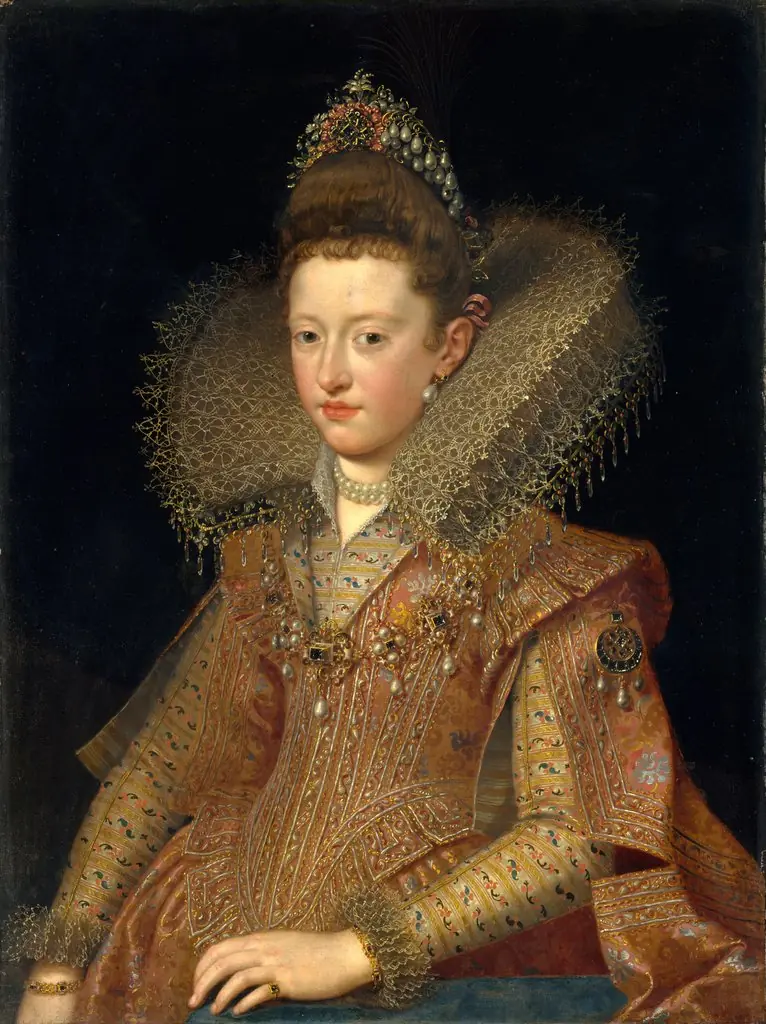 Margherita Gonzaga (1591–1632), Princess of Mantua
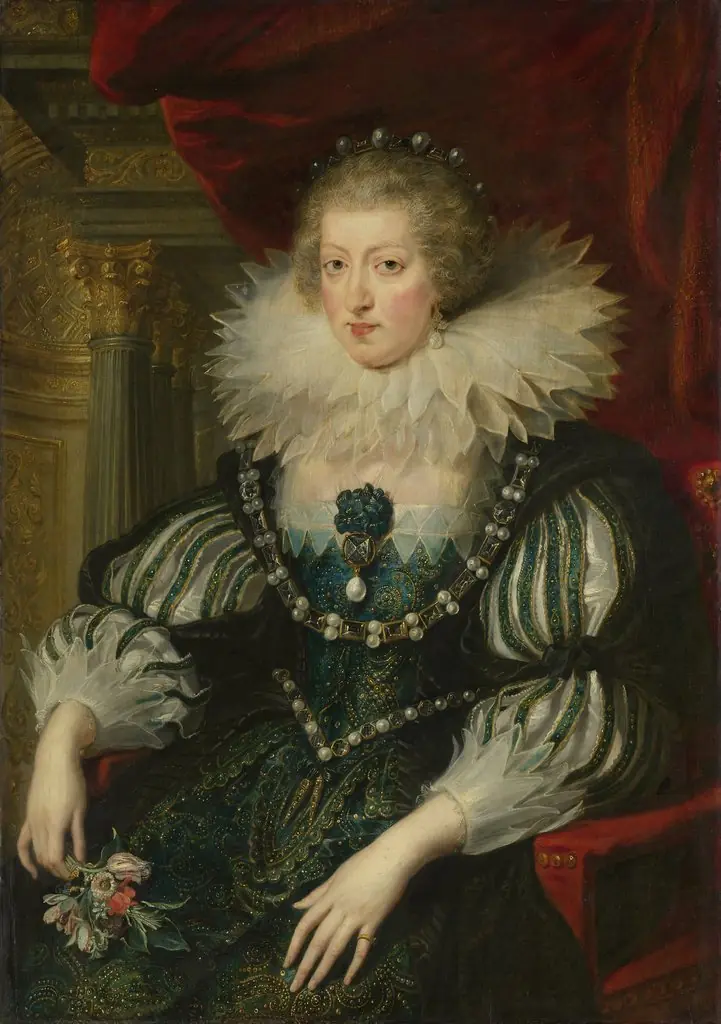 Anne of Austria (1601-66). Wife of Louis XIII, king of France
 Marie de Medici, Queen of France
 Portrait of Queen Anne of Austria (1601–1666)?