Artwork
A Pond in Picardy
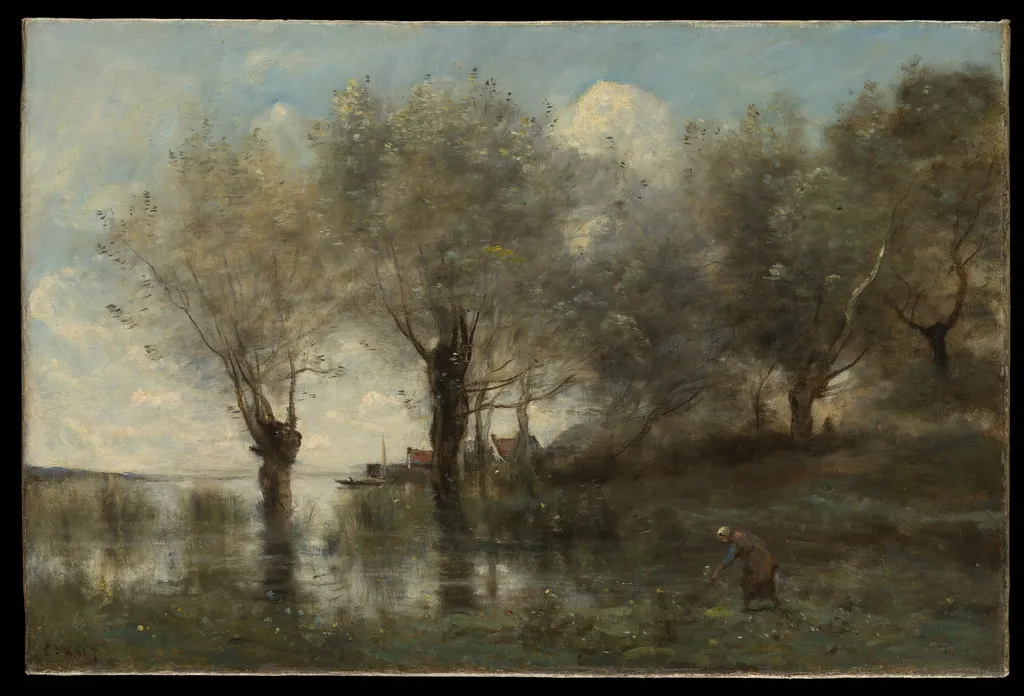
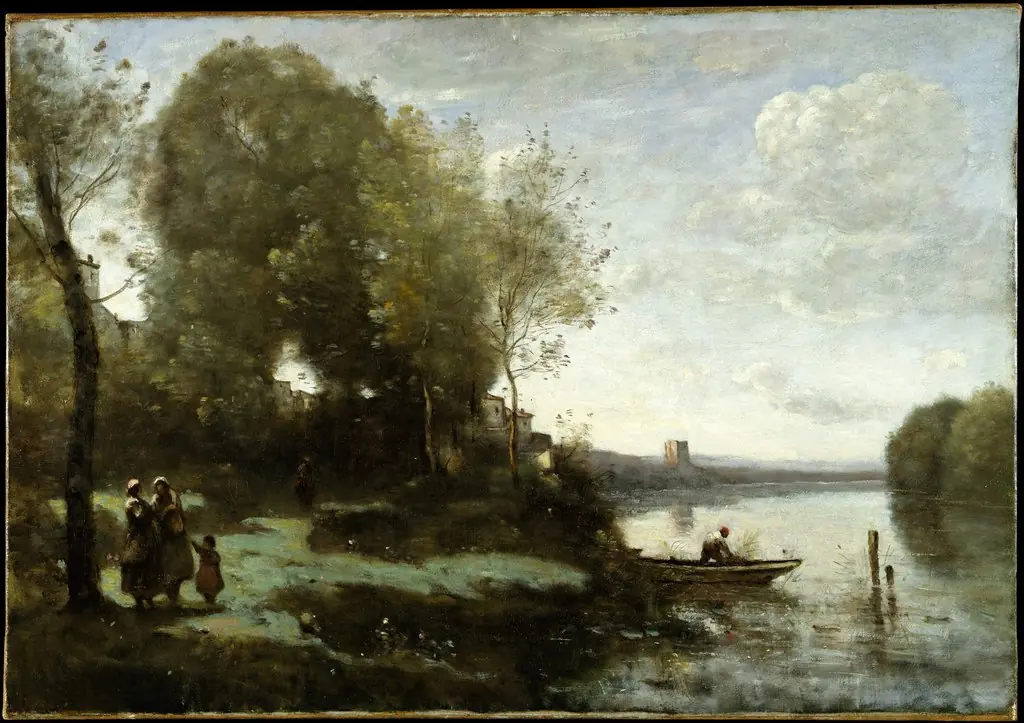
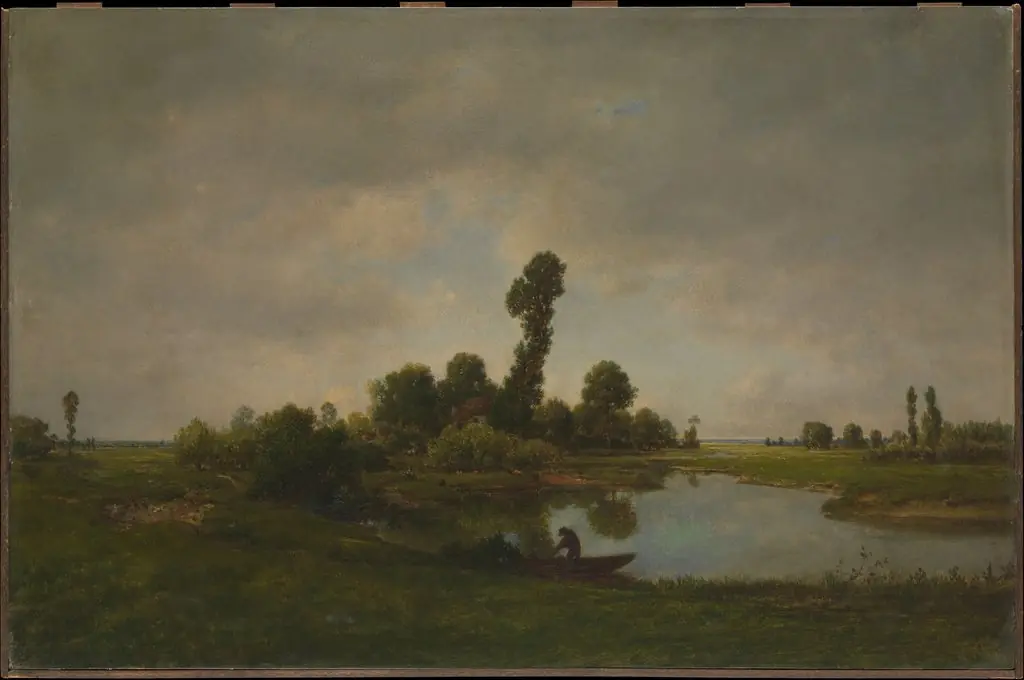
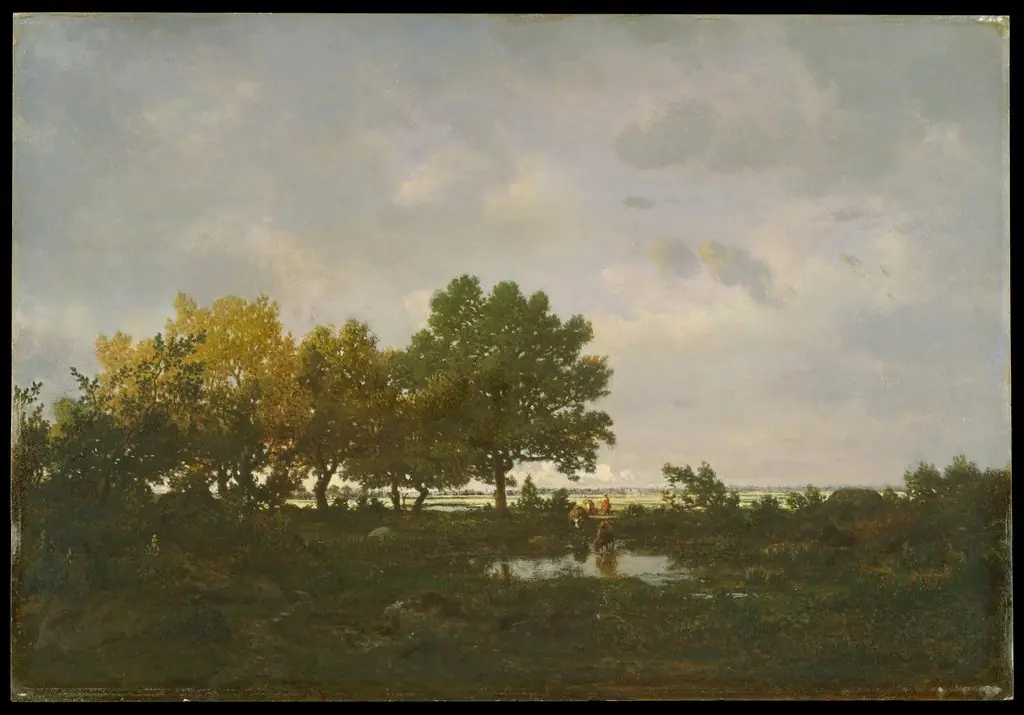
A Pond in Picardy is an oil painting by the Realist artist Jean Baptiste Camille Corot. It dates from 1867 and is held in the collection of the Metropolitan Museum of Art.
About this work
Subject & Meaning
The subject matter reflects Corot's interest in capturing the poetic qualities of the landscape, blending observed reality with a sense of timeless stillness.
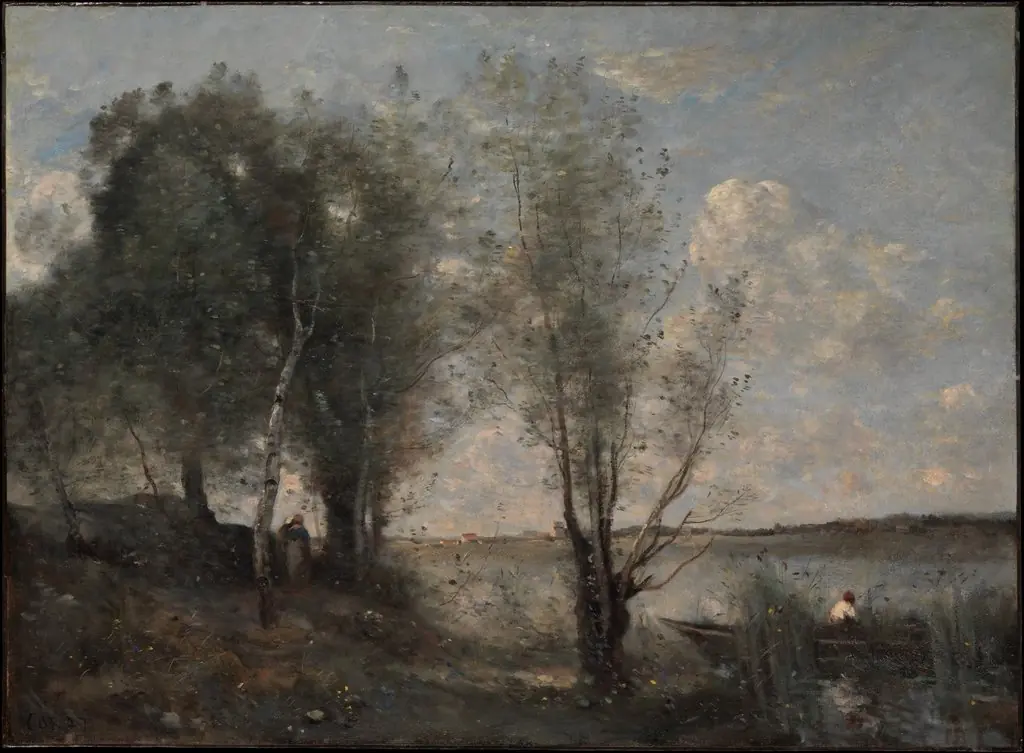
The painting depicts a tranquil landscape scene centered on an artificial pond situated in Picardy. The composition features a prominent tree and a solitary woman positioned near the water's edge, creating a quiet, contemplative atmosphere. While the work presents a naturalistic view of the French countryside, the inclusion of the artificial pond suggests a deliberate human intervention within the rural setting.
The figure of the woman adds a human element to the otherwise serene environment, though the specific symbolic intent or narrative role of her presence is not explicitly detailed in the available records. The subject matter reflects Corot's interest in capturing the poetic qualities of the landscape, blending observed reality with a sense of timeless stillness.
Technique & Style
Created in 1867, A Pond in Picardy is an oil painting executed on a canvas support. The work measures 43.2 cm in height and 63.5 cm in width. Corot's handling of the medium depicts a landscape featuring trees, a woman, and an artificial pond.
The painting is classified as an oil-on-canvas work and is currently held in the collection of the Metropolitan Museum of Art. The composition captures a specific rural scene from Picardy, utilizing the fluid properties of oil paint to render the natural elements and the solitary figure within the setting.
History & Provenance
Jean-Baptiste Camille Corot created the oil painting A Pond in Picardy in 1867. The work, executed in oil on canvas, depicts a scene featuring trees, a woman, and an artificial pond. Regarding its ownership history, the painting was previously held by the collector Benjamin Altman.
It is currently part of the collection at the Metropolitan Museum of Art. The physical dimensions of the canvas measure 43.2 centimeters in height and 63.5 centimeters in width. No specific details regarding a commission or the precise location of its creation are provided in the available records, though the title indicates a setting in the Picardy region of France.
Legacy
A Pond in Picardy (1867) exemplifies Corot's mature landscape style, blending poetic atmosphere with precise observation. After its creation, the work entered the collection of Benjamin Altman, a prominent American patron, and subsequently became part of the Metropolitan Museum of Art's holdings. This acquisition helped solidify the painting's reputation within both academic discourse and public exhibitions, influencing later interpretations of 19th-century French landscape painting and contributing to Corot's enduring legacy as a precursor to impressionistic approaches to light and nature.
Overview
Jean-Baptiste-Camille Corot, a French landscape and portrait painter, completed A Pond in Picardy in 1867. This oil painting represents a tranquil scene, characteristic of the Realism movement, depicting an artificial pond bordered by trees with a solitary figure present. The artwork is currently held in the collection of The Metropolitan Museum of Art.
Context
Corot's career spanned a significant transitional period in French art, positioning him between established Neo-Classical traditions and emerging plein-air techniques. A Pond in Picardy exemplifies this synthesis, presenting a carefully arranged yet naturally observed landscape. The painting reflects aspects of the Realism movement, focusing on everyday scenes and the nuanced effects of natural light, rather than idealized or dramatic subjects.
Own this work as a print
Artist & collection
Artist
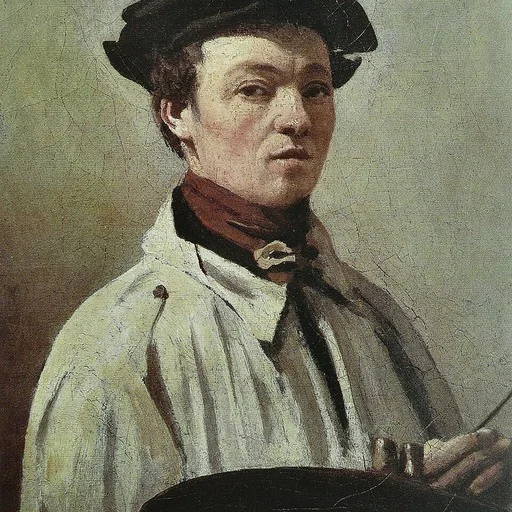
Jean-Baptiste-Camille Corot (UK: KORR-oh, US: kə-ROH, kor-OH; French:; 16 July 1796 – 22 February 1875), or simply Camille Corot, was a French landscape and portrait painter as well as a printmaker in etching.