Artwork
Portrait of Sir Robert Walpole
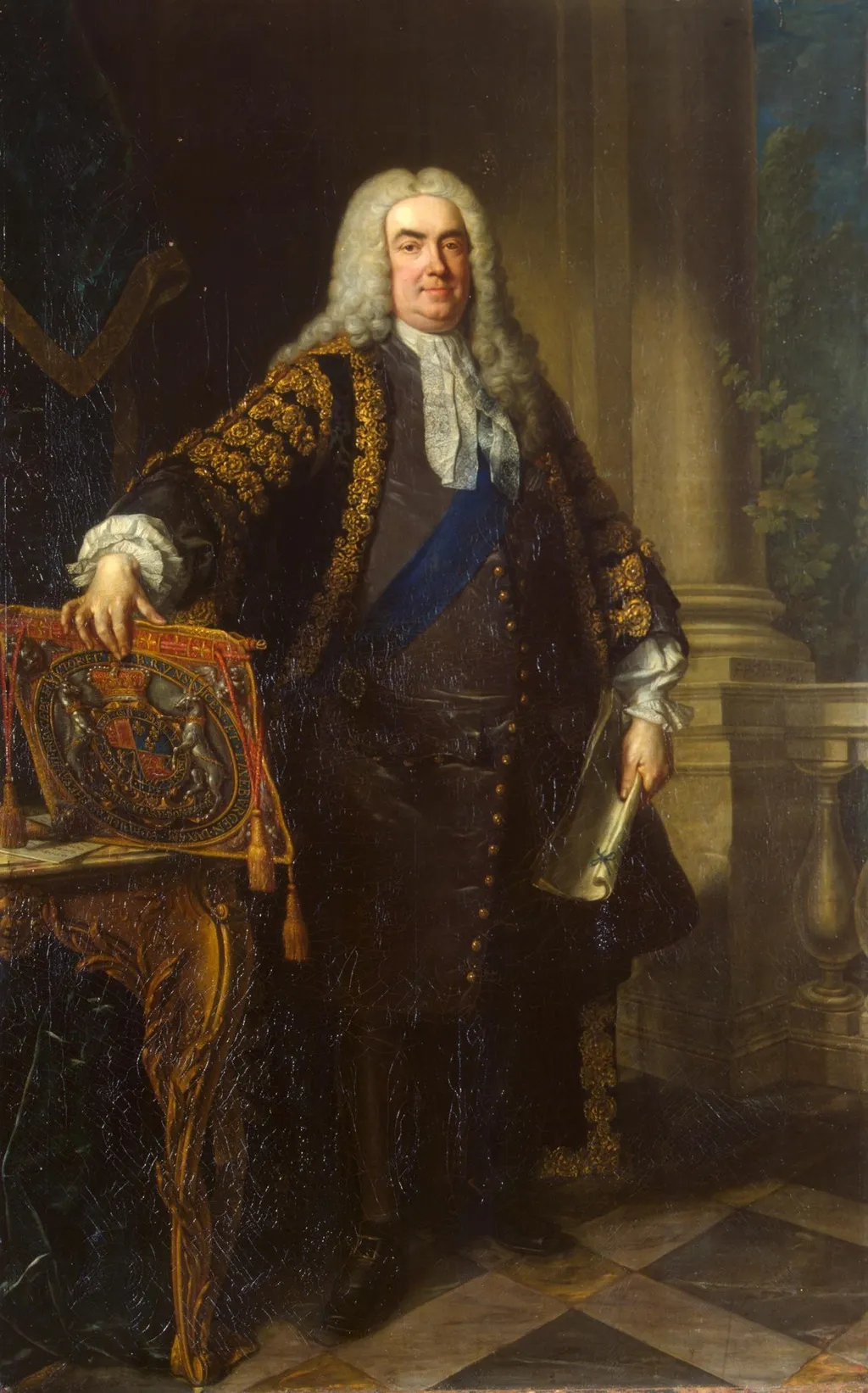
Portrait of Sir Robert Walpole is an oil painting by the Rococo painting artist Jean-Baptiste van Loo. It dates from 1740 and is held in the collection of the Hermitage Museum.
About this work
Overview
Portrait of Sir Robert Walpole is an oil on canvas painting executed in 1740 by the French artist Jean-Baptiste van Loo, with studio assistance.
Portrait of Sir Robert Walpole is an oil on canvas painting executed in 1740 by the French artist Jean-Baptiste van Loo, with studio assistance. The full-length artwork depicts Robert Walpole, the British statesman generally recognized as the country's first prime minister. Created in France, the painting is a significant visual document of eighteenth-century political power, portraying its subject in the official vestments of his office alongside the regalia of the highest chivalric order. The composition emphasizes Walpole's imposing physical presence and authoritative status. The large-scale canvas measures 229 cm in height and 143 cm in width. It is held in the State Hermitage Museum in Saint Petersburg, while a closely related version from the same period resides in the National Portrait Gallery in London.
Subject & Meaning
The painting represents Robert Walpole, 1st Earl of Orford, as a figure of supreme political authority. He is shown wearing the robes of the Chancellor of the Exchequer, an office he held from 1721 to 1742, and rests his right hand on an ornate embroidered bag bearing a coat of arms, which represents the scarlet purse of the Chancellor. Across his chest he wears the blue sash and star of the Order of the Garter, the highest order of chivalry in Britain, further signaling his elevated national status. In his left hand he holds a rolled document, likely signifying state papers or official acts. The iconography works to legitimize Walpole's power, combining the weight of the state's financial office with the prestige of the crown's highest honor, while the depiction of his bulky physique conveys his powerful personal presence.
Technique & Style
Executed in oil paint on canvas, the work demonstrates a smooth, highly finished technique characteristic of formal eighteenth-century portraiture. The brushwork is particularly refined in the rendering of the face and the varied textiles, capturing the sheen of silk and the reflective quality of metallic gold embroidery. The composition is structured around strong verticals, with a tall stone column behind the sitter and a balustrade opening onto foliage to the right, establishing a classical outdoor setting. A checkered floor of light and dark tiles anchors the figure spatially. The palette relies on deep browns, blacks, and golds, punctuated by the red of the Chancellor's robes and the blue of the Garter sash. Strong directional light falls from the left, illuminating Walpole's face, hands, and garments while casting the background into deep shadow. The painting surface currently exhibits extensive fine craquelure across its entirety.
History & Provenance
The portrait was painted in 1740, during the period when Walpole was at the height of his political influence, though facing the unpopularity that would lead to his resignation in 1742. The original commission was executed for Lord Bessborough. A prominent version of the composition, measuring 125.7 cm by 100.3 cm, was purchased by the National Portrait Gallery in London in 1859, where it holds accession number NPG 70. The larger canvas, measuring 229 by 143 cm, is part of the collection of the State Hermitage Museum in Saint Petersburg. Scholarly catalogues, including John Kerslake's Early Georgian Portraits published in 1977, provide detailed examinations of the work and its variants. The painting has also been documented in historical image archives, which note the existence of retouched photographic reproductions of the canvas.
Context
Jean-Baptiste van Loo was a prominent French portrait painter active across Europe during the early eighteenth century. The creation of this portrait in 1740 coincided with a pivotal moment in British and international affairs. Domestically, Walpole's political dominance was waning due to public dissatisfaction with the War of Jenkins' Ear. Internationally, the death of the Holy Roman Emperor Charles VI and the succession of Maria Theresa threatened the wider War of the Austrian Succession. In the cultural sphere, the year saw the first performance of the patriotic song Rule, Britannia and the publication of Samuel Richardson's Pamela. Within this climate, van Loo's portrait functioned as a carefully constructed piece of political imagery, intended to project stability and authority. The work is attributed to van Loo and his studio, reflecting the common period practice of workshop collaboration for major commissions.
Legacy
The portrait has endured as a defining visual representation of Robert Walpole, shaping the historical perception of Britain's first prime minister. By combining the iconography of the Chancellor of the Exchequer with the Order of the Garter, the painting established a visual template for representing supreme executive power in the Georgian era. The image has been widely reproduced in historical texts and educational materials discussing eighteenth-century British politics. The National Portrait Gallery's acquisition of a version of the work in 1859 cemented its status as a canonical image of the statesman. The continued presence of the larger Hermitage canvas in a major international collection further attests to the painting's significance beyond its British origins, securing its place in the broader history of European portraiture.
Artist & collection
Artist
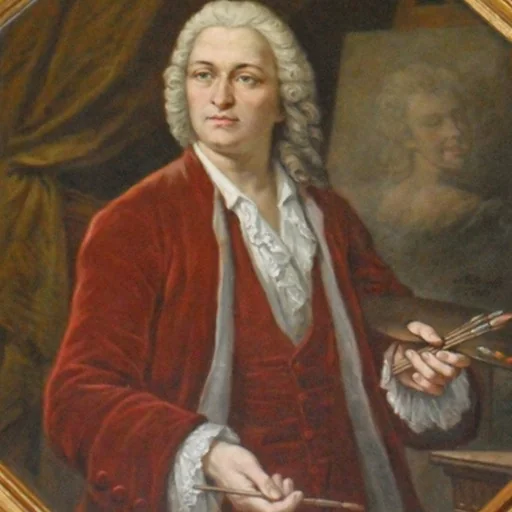
Jean-Baptiste van Loo (1684–1745) was a French artist, born in Aix-en-Provence.

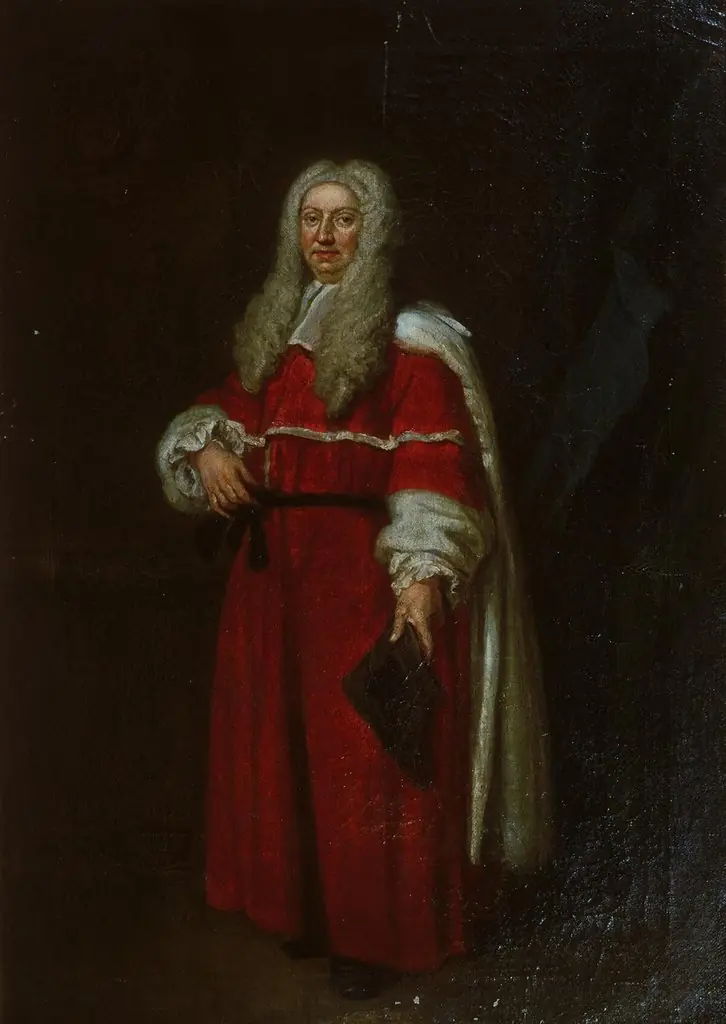
- Sir Thomas Parker (1666–1732)
 Baron Pryse
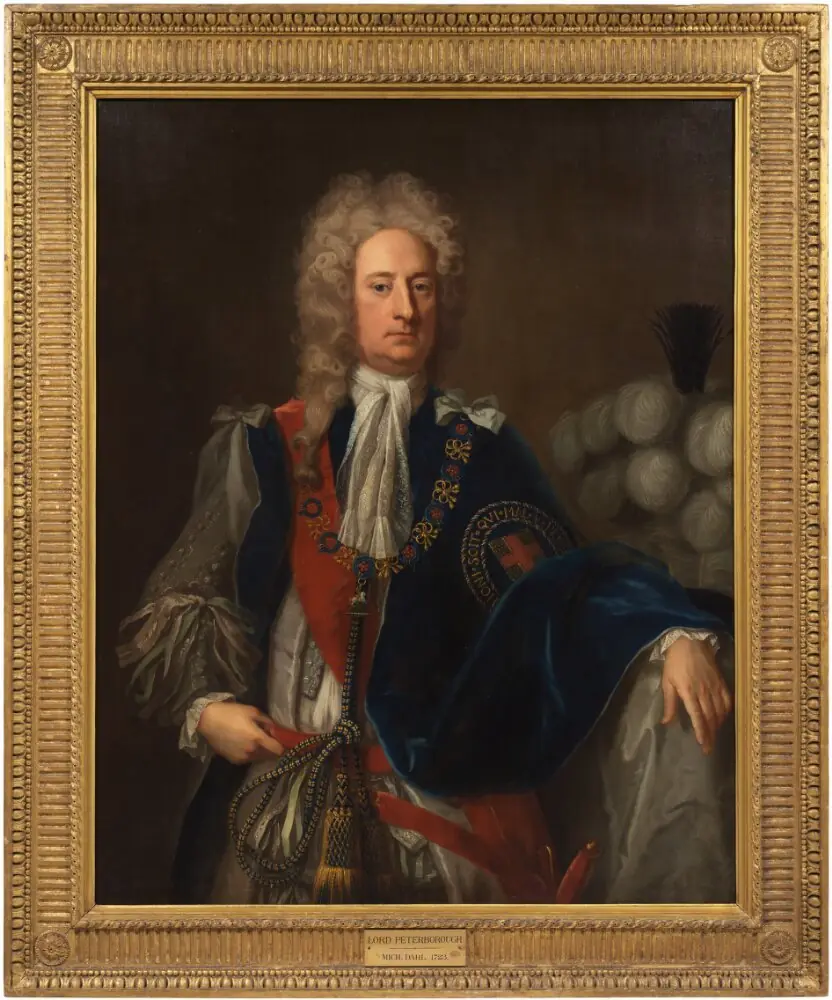 Charles Mordaunt (1658–1735), 3rd Earl of Peterborough and 1st Earl of Monmouth
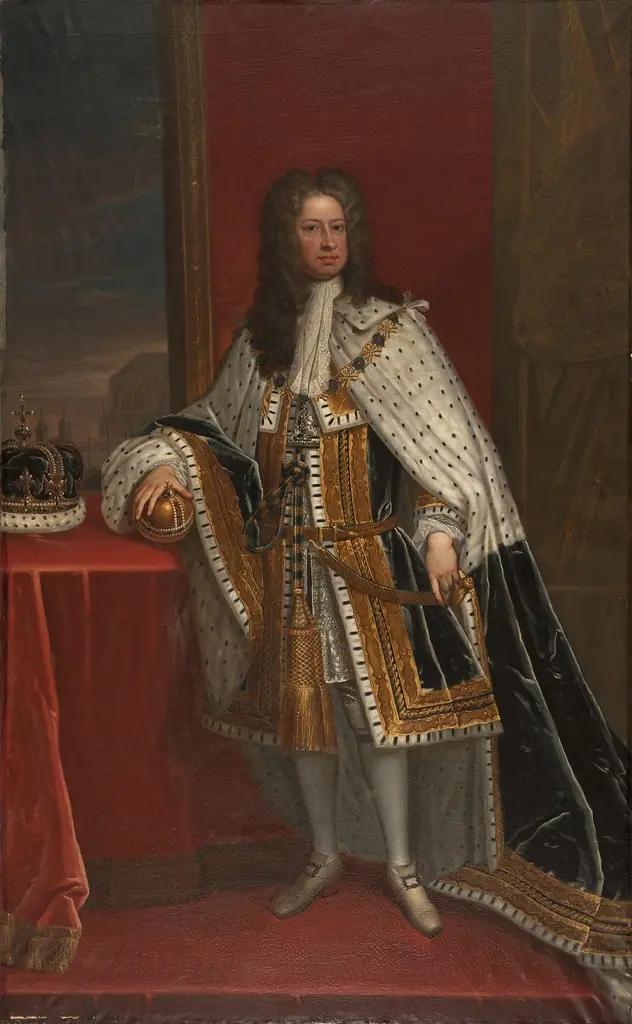 Georg I, 1660-1727, kung av England, kurfurste av Hannover
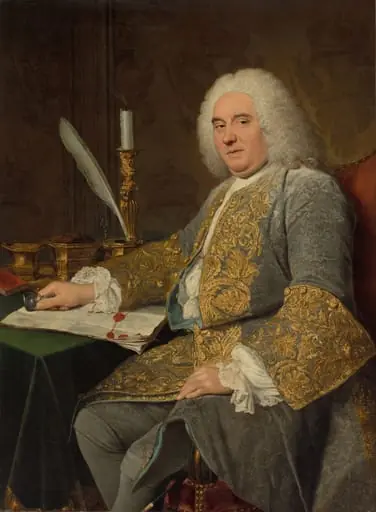 Portrait of Jean-Gabriel du Theil at the Signing of the Treaty of Vienna
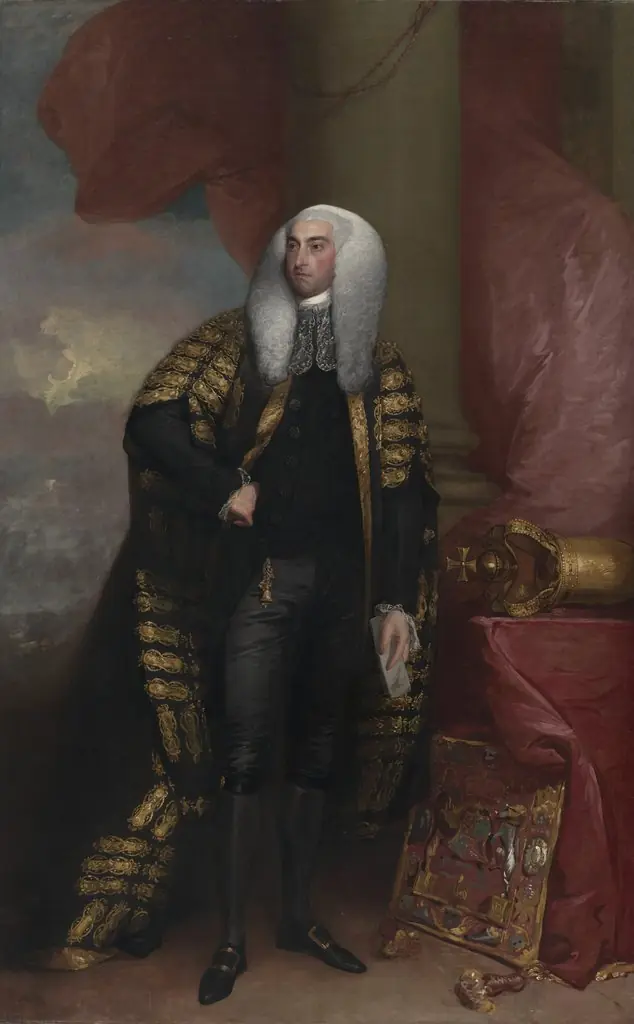 Baron FitzGibbon
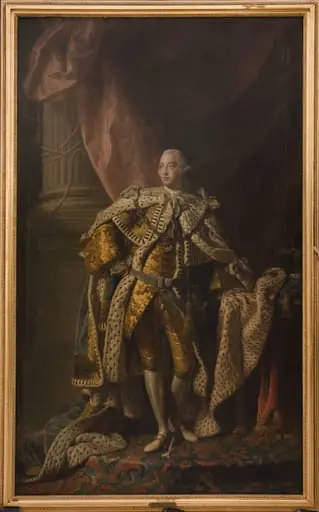 George III of England
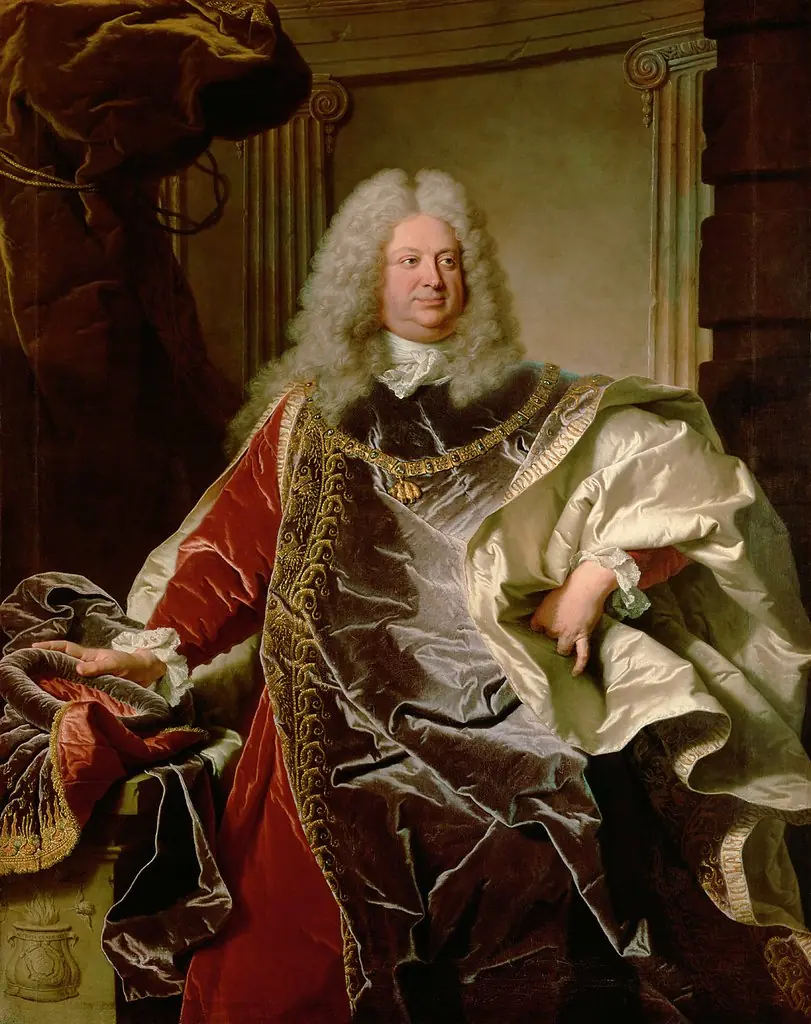 Philipp Ludwig Wenzel von Sinzendorf
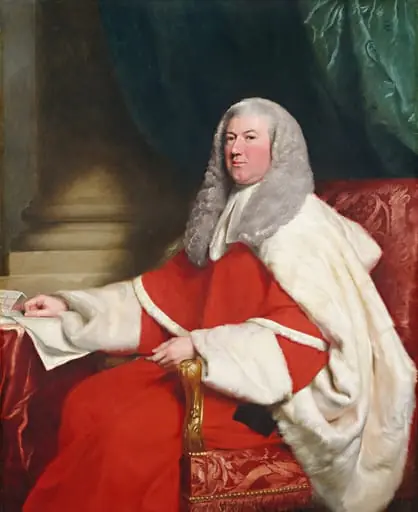 Baron Graham
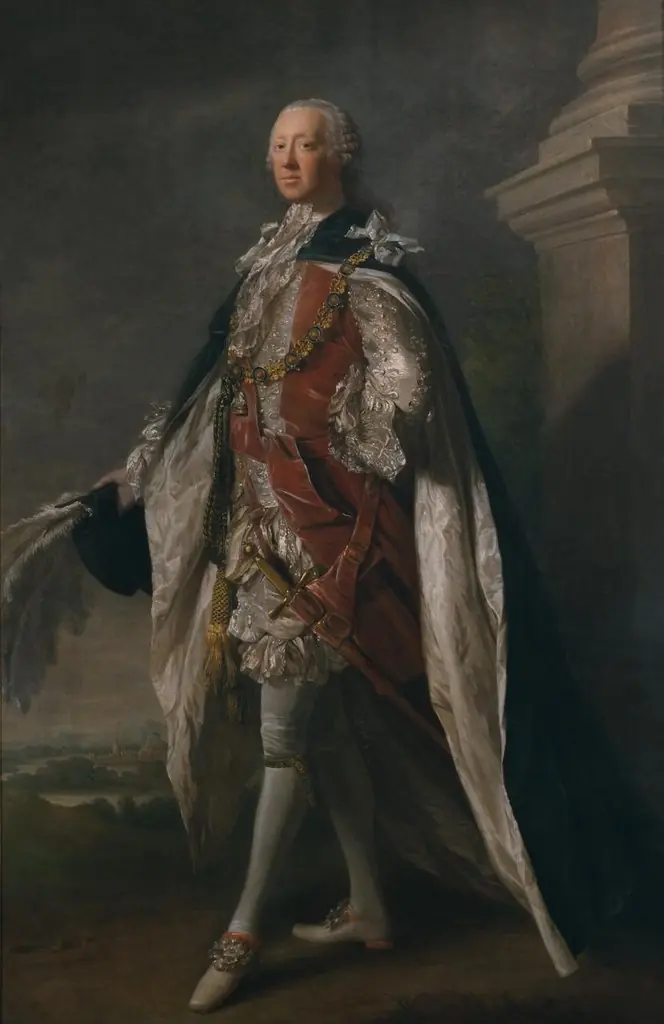 Richard Grenville, 2nd Earl Temple
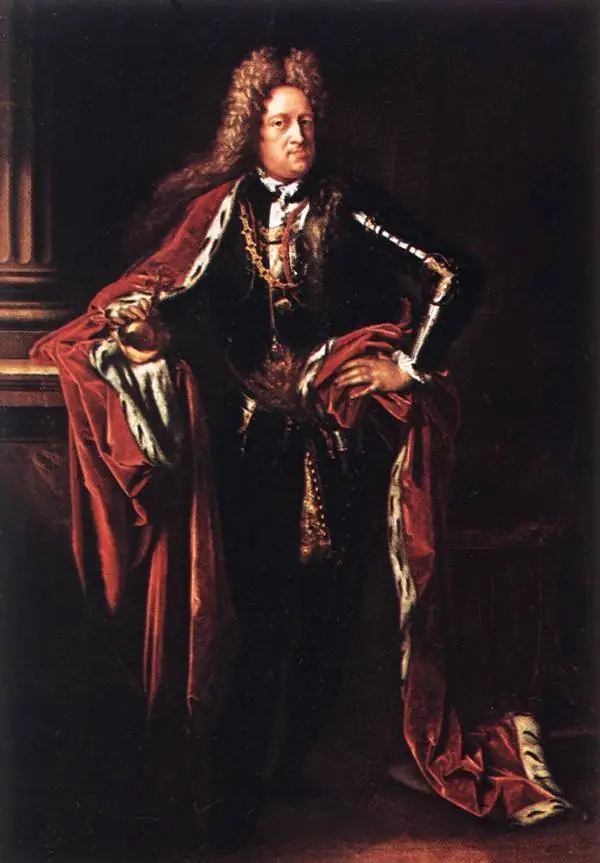 Portrait of Johann Wilhelm Elector of Palatine (1658-1716)
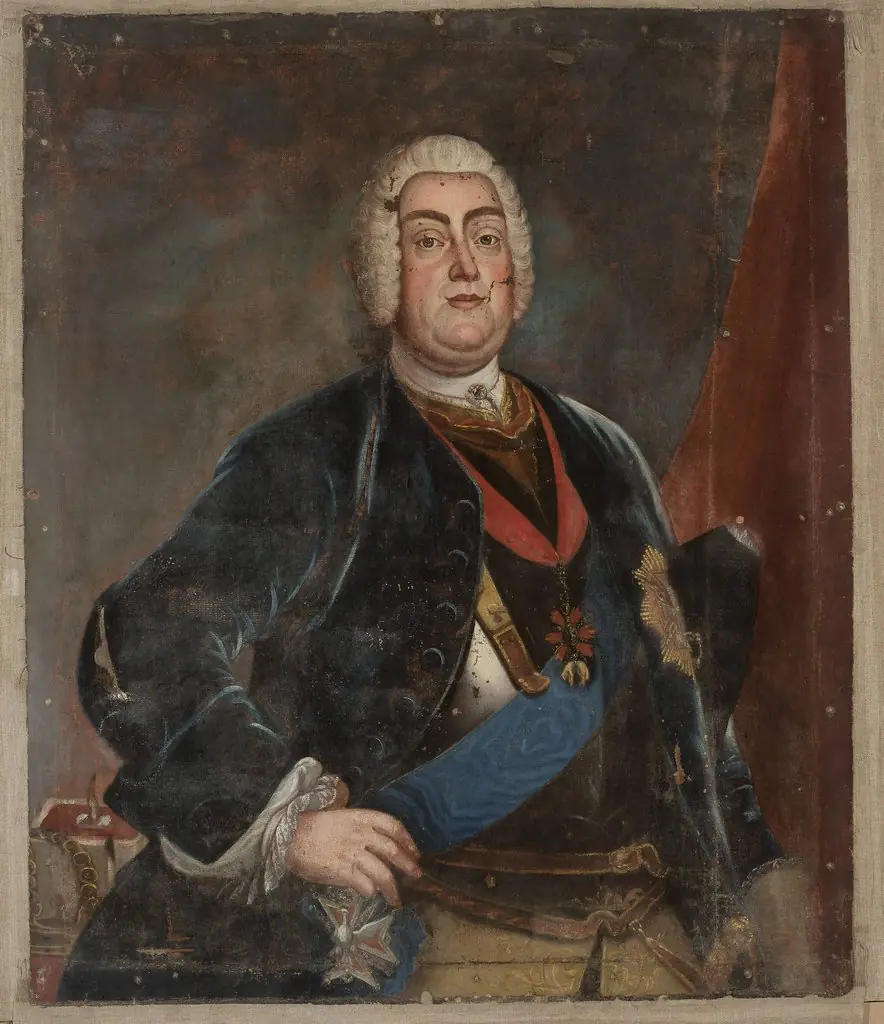 Portrait of Augustus III (1696–1763), King of Poland