Artwork
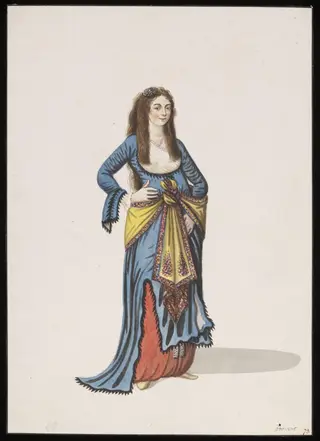
Woman from the Island of Kithnos (Thermia)
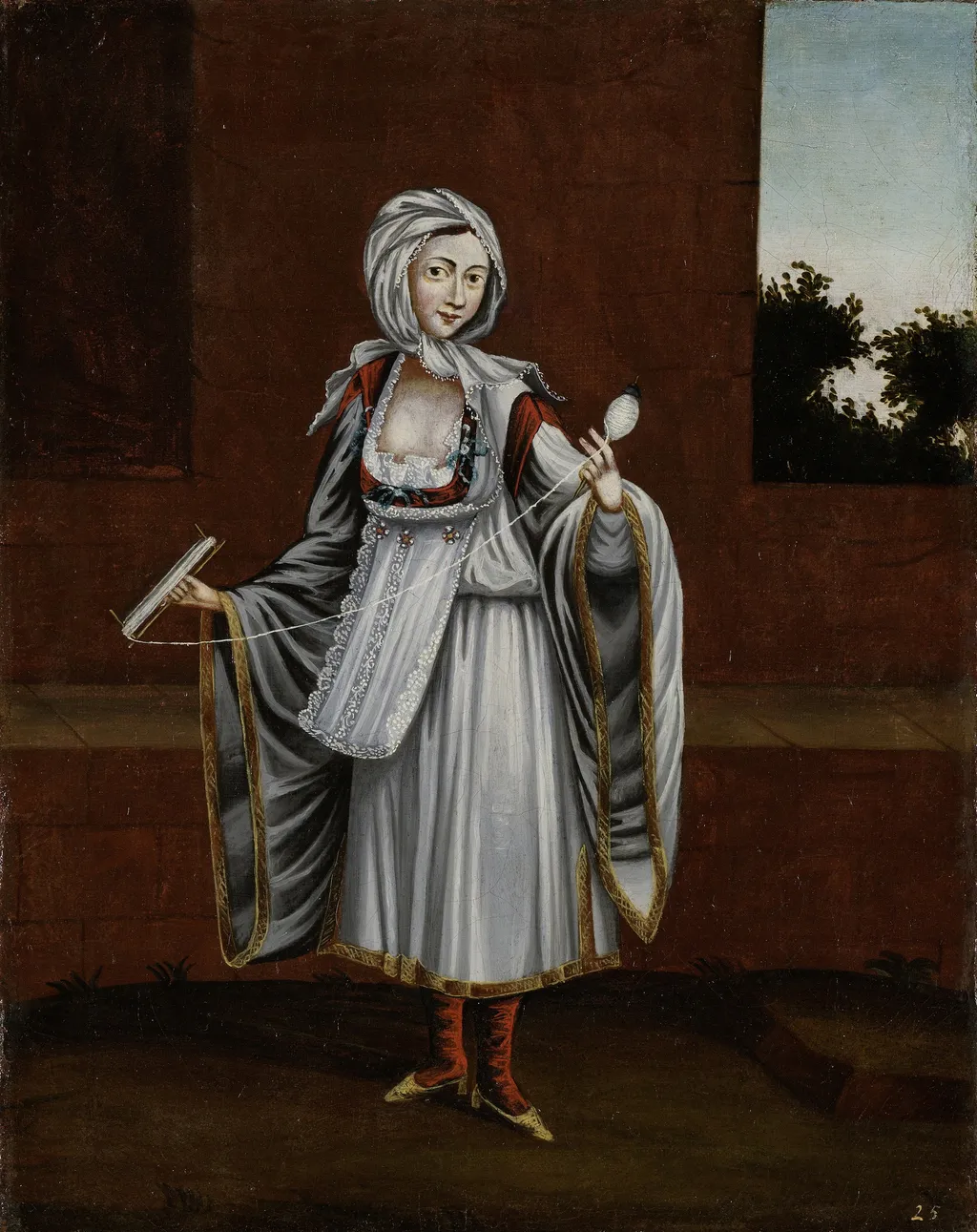
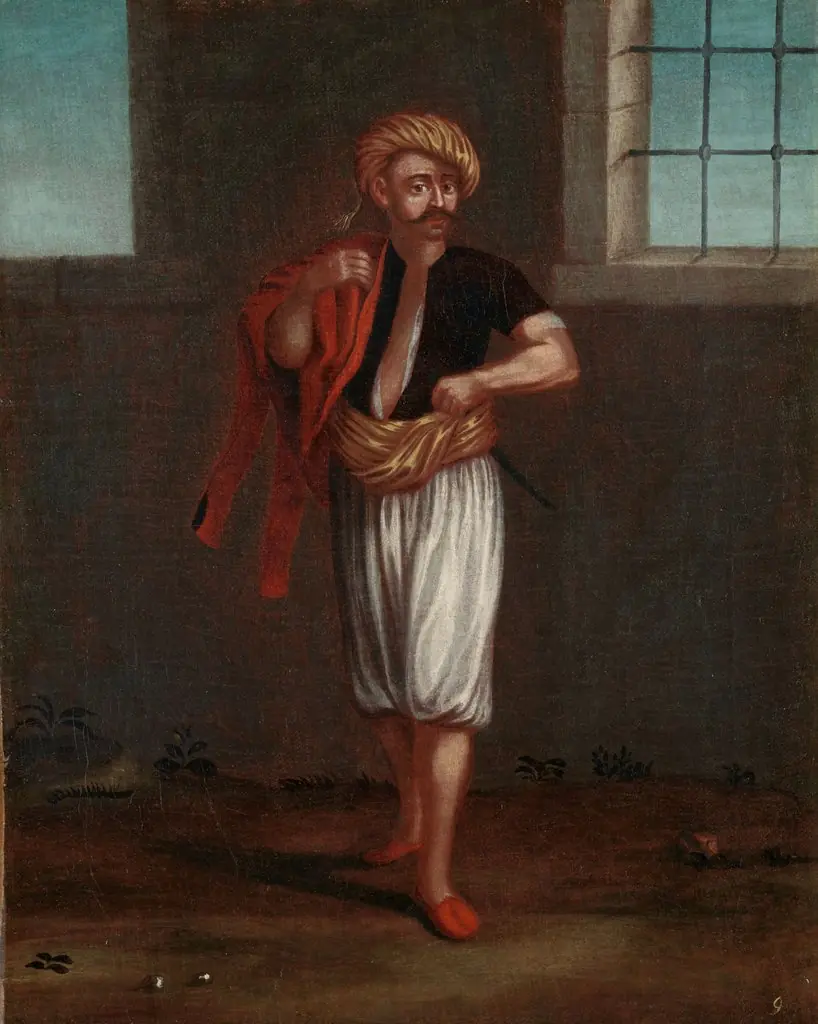
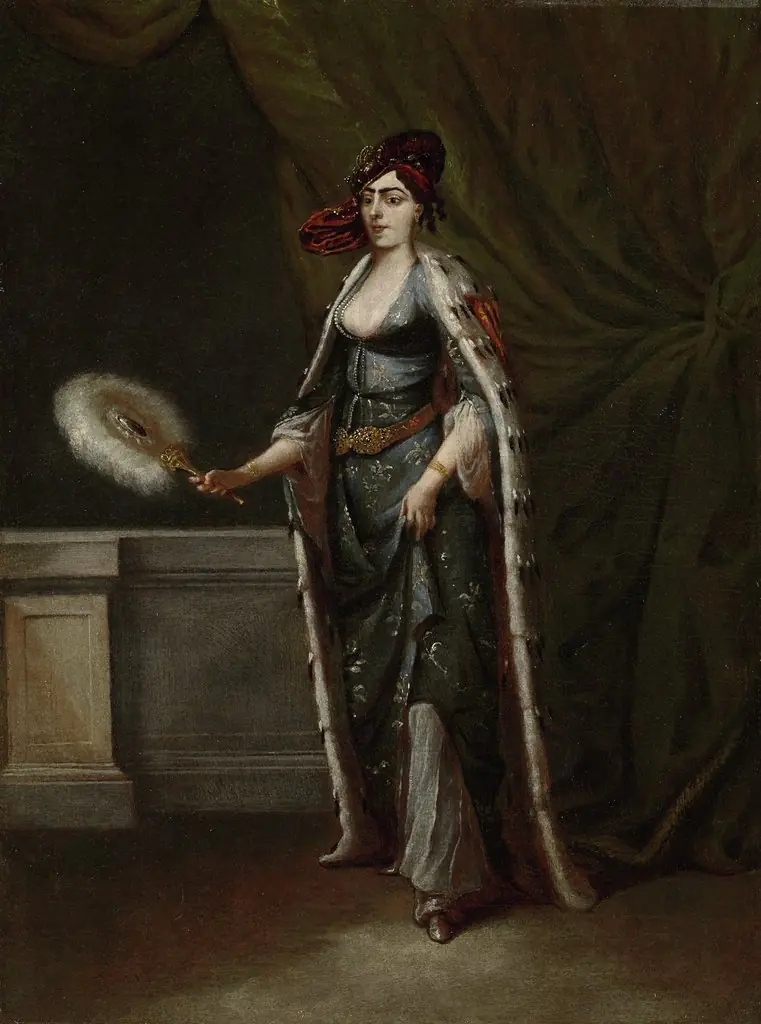
Woman from the Island of Kithnos (Thermia) is an oil painting by the Rococo painting artist Jean Baptiste Vanmour. It dates from 1718 and is held in the collection of the Rijksmuseum.
About this work
Technique & Style
The work is relatively small in scale, measuring 39 cm in height by 31 cm in width, an intimate format suited to a single-figure character study.
Woman from the Island of Kithnos (Thermia) is an oil painting executed on canvas, a standard support for Vanmour's portrait practice. The work is relatively small in scale, measuring 39 cm in height by 31 cm in width, an intimate format suited to a single-figure character study. Classified as a portrait, the painting focuses on the depiction of a woman, rendered through the layered handling typical of oil paint on canvas.
The canvas support and oil medium together allow for the controlled modeling and detail that characterize Vanmour's ethnographic portraits made in Istanbul in 1718.
No specific information is available in the sources regarding the painting's current condition, surface handling, or detailed stylistic qualities beyond its genre classification and material composition.
History & Provenance
The portrait was created in 1718 in Istanbul by Jean Baptiste Vanmour. It was commissioned by, and originally owned by, members of the Calkoen family, specifically Cornelis and Nicolaas Calkoen. The work entered the collection of the Rijksmuseum in Amsterdam, where it remains today as part of their holdings.
The painting measures 39 cm in height and 31 cm in width and is executed in oil on canvas.
The artwork is classified as a portrait and depicts a woman from the island of Kithnos, referred to locally as Thermia.
The work is held in the collection of the Rijksmuseum. It entered the museum's holdings through the Directie van de Levantse handel en de Navigatie op de Middellandse Zee and the Koninklijk Kabinet van Zeldzaamheden, institutions that previously owned the painting alongside Cornelis Calkoen and Nicolaas Calkoen. The painting has been exhibited as part of the Rijksmuseum's portrait collection, though specific exhibition venues beyond the permanent display are not detailed in the source.
Context
Painted in 1718 during Vanmour's tenure in Ottoman Istanbul, Woman from the Island of Kithnos (Thermia) exemplifies his role in bridging European and Ottoman artistic circles. The work reflects the era's fascination with Levantine genre scenes, particularly the portrayal of European women within Ottoman contexts. Its depiction of a woman from Kithnos highlights Vanmour's engagement with diaspora communities and the diplomatic exchanges shaping 18th-century European perceptions of the Ottoman Empire.
The painting's provenance, including ownership by members of the Calkoen family connected to Dutch trade networks, underscores its integration into European elite collections.
Scholarly attention has focused on the work's significance within Vanmour's broader oeuvre, particularly in illuminating cross-cultural encounters during the Tulip Period. Art historians note its technical refinement within the portrait genre and its contribution to discussions of identity and representation in early Orientalist art. The piece remains part of the Rijksmuseum's collection, preserving its historical connection to Dutch mercantile interests.
Critical reception has consistently highlighted the painting's nuanced portrayal of cultural hybridity, positioning it as a key example of 18th-century European artists navigating Ottoman environments. Its scholarly importance lies in challenging monolithic narratives of Orientalism by documenting specific intercultural interactions through portraiture.
Overview
Jean Baptiste Van Mour painted Woman from the Island of Kithnos (Thermia) in 1718. Executed in oil on canvas, the portrait measures a modest size and is now part of the Rijksmuseum’s holdings. The work belongs to the early‑18th‑century Rococo current, noted for its lightness and decorative detail.
Subject & Meaning
The composition presents a seated woman from the Greek island of Kythnos, identifiable by her white gown edged in gold, red vest, and matching headscarf. She holds a fan in one hand and a small, unidentified object in the other, her posture assertive with one foot advanced, suggesting confidence and personal presence within an intimate interior.
Own this work as a print
Artist & collection
Artist
Jean Baptiste Vanmour or Van Mour (9 January 1671 – 22 January 1737) was a Flemish-French painter, remembered for his detailed portrayal of life in the Ottoman Empire during the Tulip Era and the rule of Sultan Ahmed III.