Artwork
A Turkish Woman
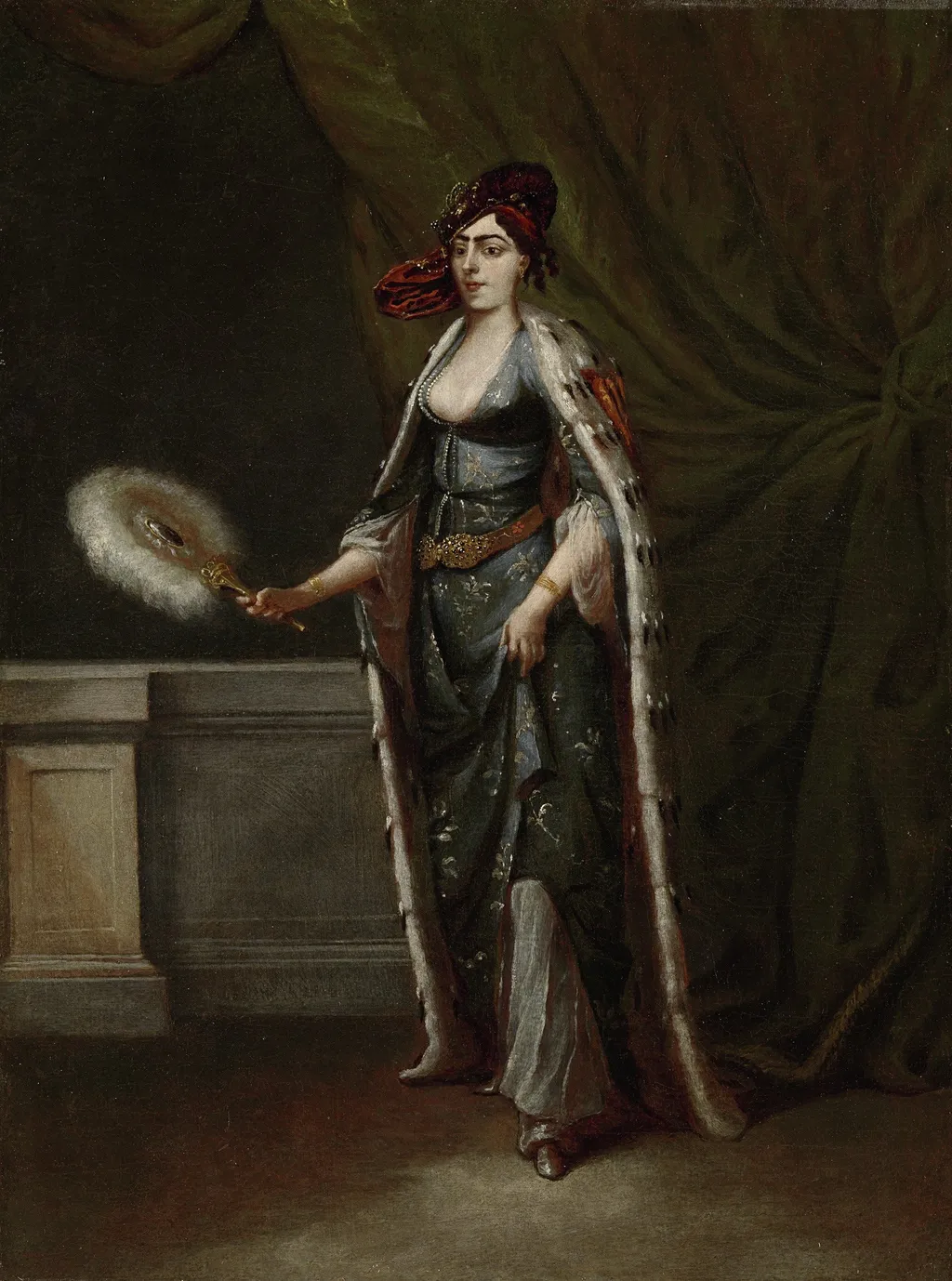
A Turkish Woman is an oil painting by the Orientalist artist Jean Baptiste Vanmour. It dates from 1728 and is held in the collection of the Rijksmuseum.
About this work
Subject & Meaning
The work is a portrait depicting a single female figure identified as a Turkish woman.
The work is a portrait depicting a single female figure identified as a Turkish woman. Created in 1728 by Jean Baptiste Vanmour, the painting functions as a genre study within the broader context of European interest in Levantine culture during the early eighteenth century. The subject's attire and presentation serve as visual documentation of Ottoman dress and customs for a Western audience, reflecting the artist's role in recording the people of the region.
While specific symbolic attributes are not detailed in the available records, the image represents the cross-cultural exchange facilitated by Dutch diplomatic and commercial presence in the Ottoman Empire, having been associated with the Calkoen family who were involved in Levant trade.
Technique & Style
The painting is executed in oil on canvas, measuring 47 cm in height and 35.5 cm in width. It portrays a Turkish woman rendered in the formal portrait style characteristic of early 18th-century European art. The work's handling of light and detail reflects the technical proficiency of Jean Baptiste Vanmour, who specialized in this medium and subject matter. The canvas support and oil paint medium contribute to its preserved condition within the Rijksmuseum collection.
History & Provenance
A Turkish Woman is an oil on canvas portrait painted by Jean Baptiste Vanmour in 1728, depicting a Turkish woman in traditional dress. The work entered the collection of Cornelis Calkoen and subsequently passed to his brother Nicolaas Calkoen, forming part of the family's holdings. It was later acquired by the Dutch colonial administration bodies that later became part of the Rijksmuseum's Directie van de Levantse handel en de Navigatie op de Middellandse Zee and Koninklijk Kabinet van Zeldzaamheden, before being incorporated into the Rijksmuseum's collection where it remains on display.
The painting is held in the collection of the Rijksmuseum. It entered the museum's holdings through the Directie van de Levantse handel en de Navigatie op de Middellandse Zee, Koninklijk Kabinet van Zeldzaamheden, and the Netherlands' Museum for History and Art, which were transferred to the Rijksmuseum. The work was originally owned by Cornelis Calkoen and Nicolaas Calkoen before its acquisition. The painting, created in 1728, measures 47 cm in height and 35.5 cm in width.
Context
The painting titled A Turkish Woman was created in 1728 by Jean Baptiste Vanmour. It depicts a woman and is classified as a portrait. The work measures 47 cm in height and 35.5 cm in width, executed in oil paint on canvas.
It belongs to the portrait genre and is part of the collection held by the Rijksmuseum, which includes ownership ties to Cornelis Calkoen and Nicolaas Calkoen. The artwork is cataloged under the Rijksmuseum's Directie van de Levantse handel en de Navigatie op de Middellandse Zee, Koninklijk Kabinet van Zeldzaamheden, Netherlands Museum for History and Art. Its inception date is recorded as 1728, and it remains in the Rijksmuseum's collection today.
Overview
Jean Baptiste Van Mour, a Flemish‑French painter active in the early 1700s, executed the oil canvas titled A Turkish Woman in 1728. The portrait forms part of a series that records everyday life in the Ottoman Empire during the Tulip Era of Sultan Ahmed III, offering a visual record of contemporary dress and interior settings.
Own this work as a print
Artist & collection
Artist
Jean Baptiste Vanmour or Van Mour (9 January 1671 – 22 January 1737) was a Flemish-French painter, remembered for his detailed portrayal of life in the Ottoman Empire during the Tulip Era and the rule of Sultan Ahmed III.

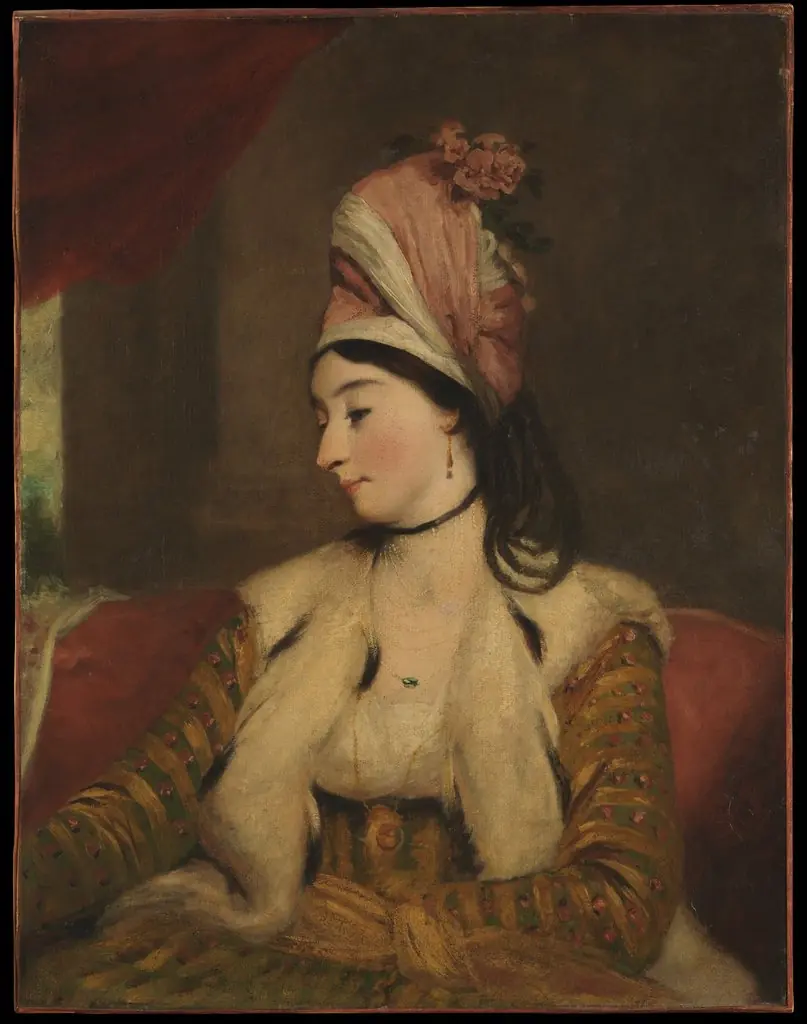 Mrs. George Baldwin (Jane Maltass, 1763–1839)
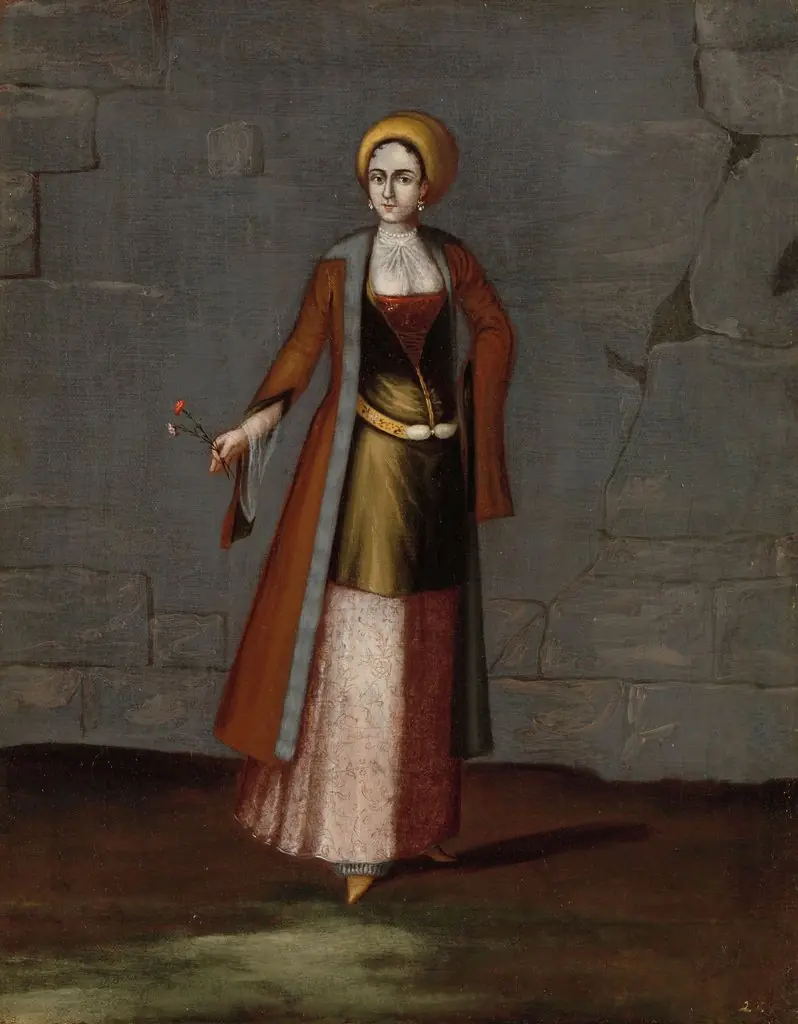 Woman from the Island of Tinos
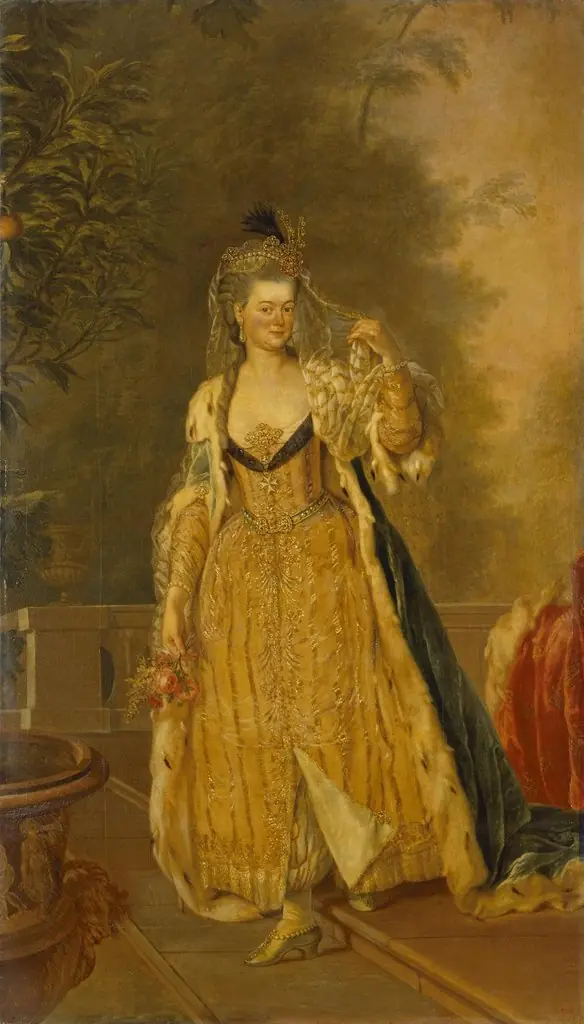 Portrait of Anna Elizabeth Louise Ferdinanda of Prussia
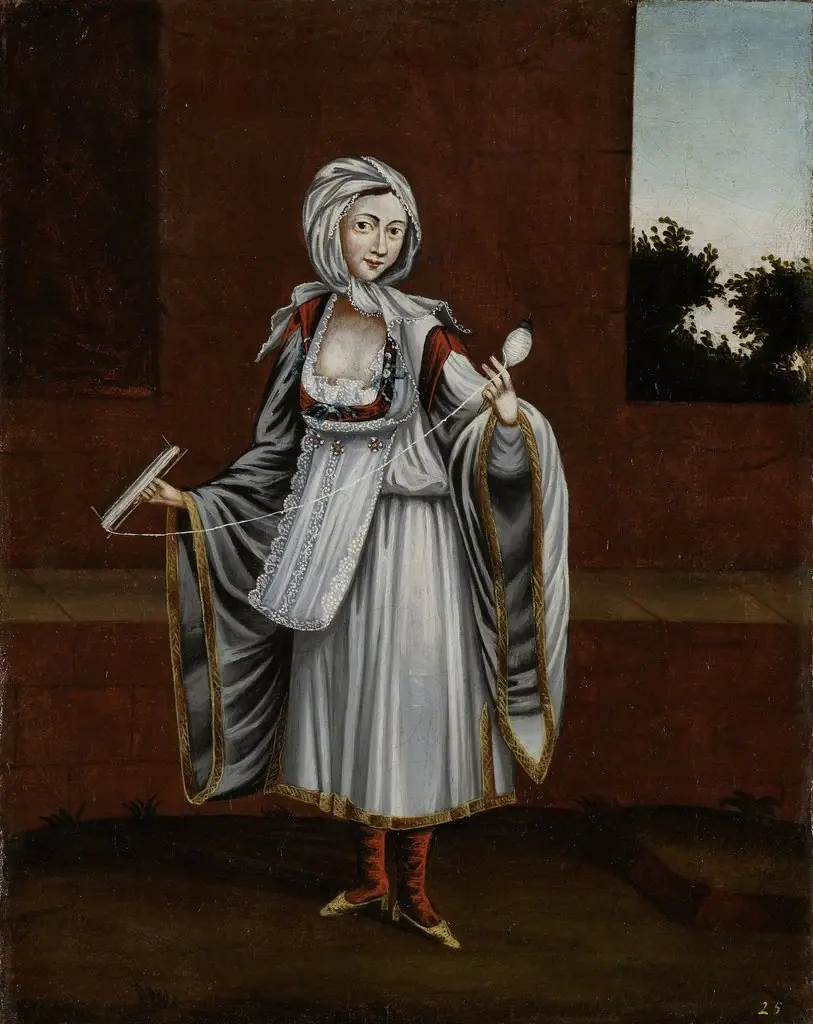 Woman from the Island of Kithnos (Thermia)
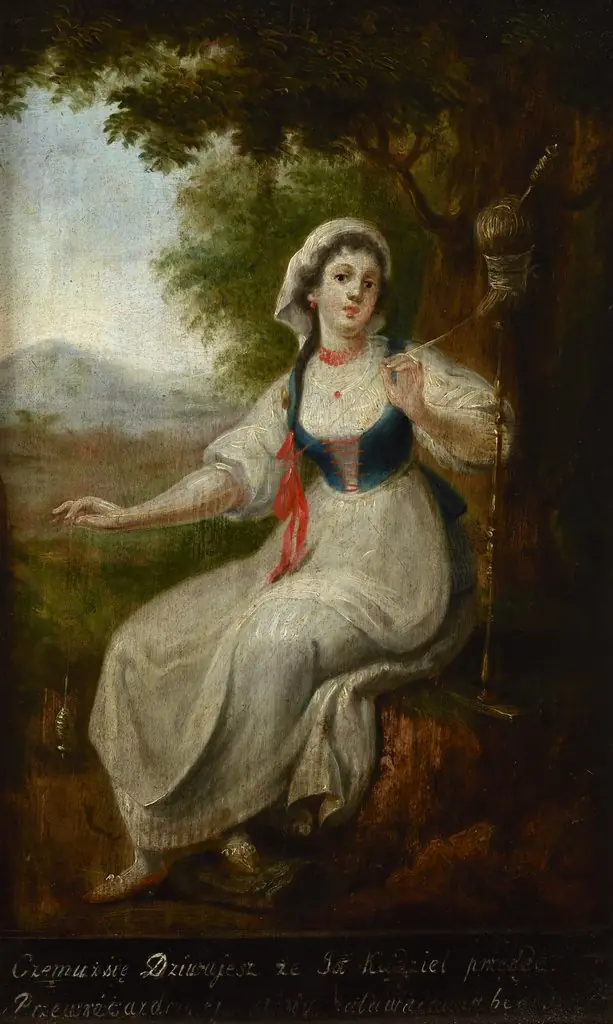 Spinner at Her Work
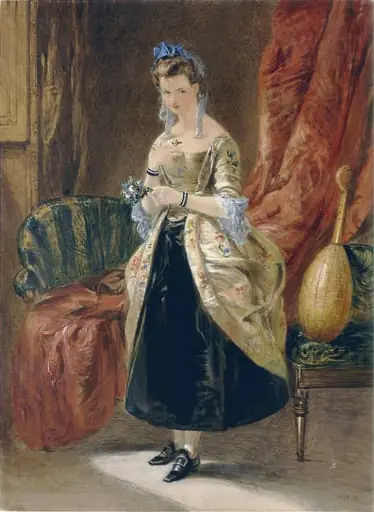 Dressed for a Ball: Girl with a Mandoline
 The Dreamer
 La Belle Hamilton
 Woman Seated in a Bower
- Woman from the Island of Patmos