Artwork
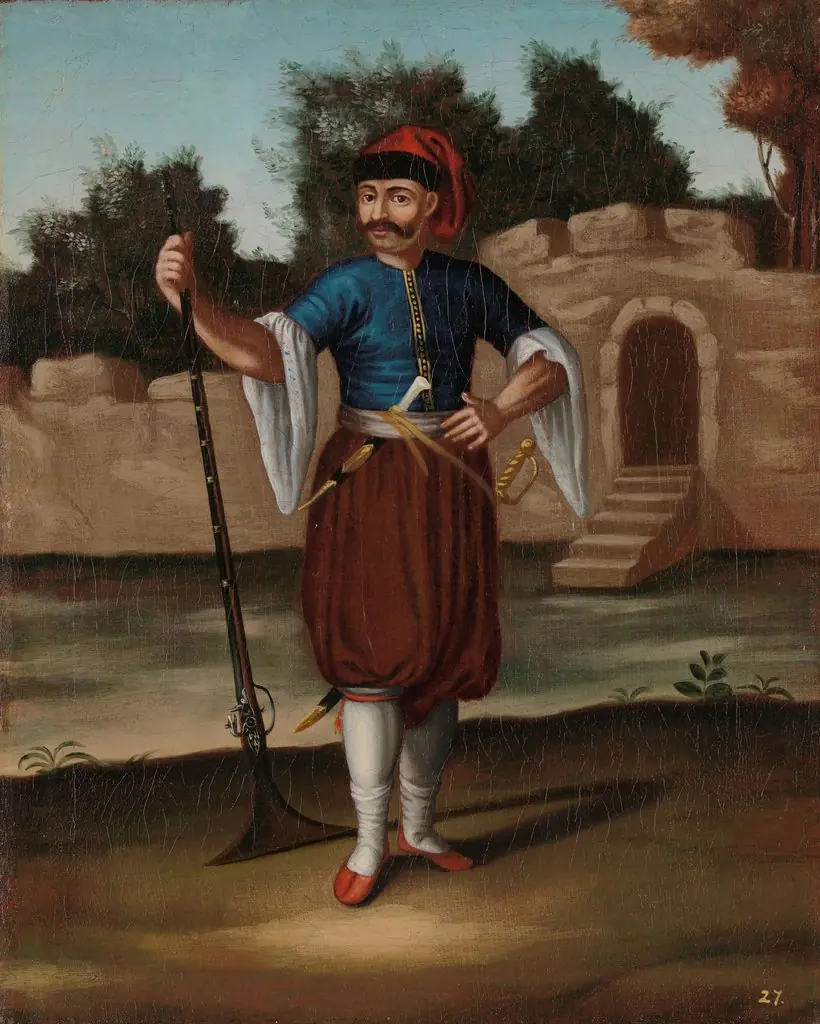
Man from the Albanian Coast
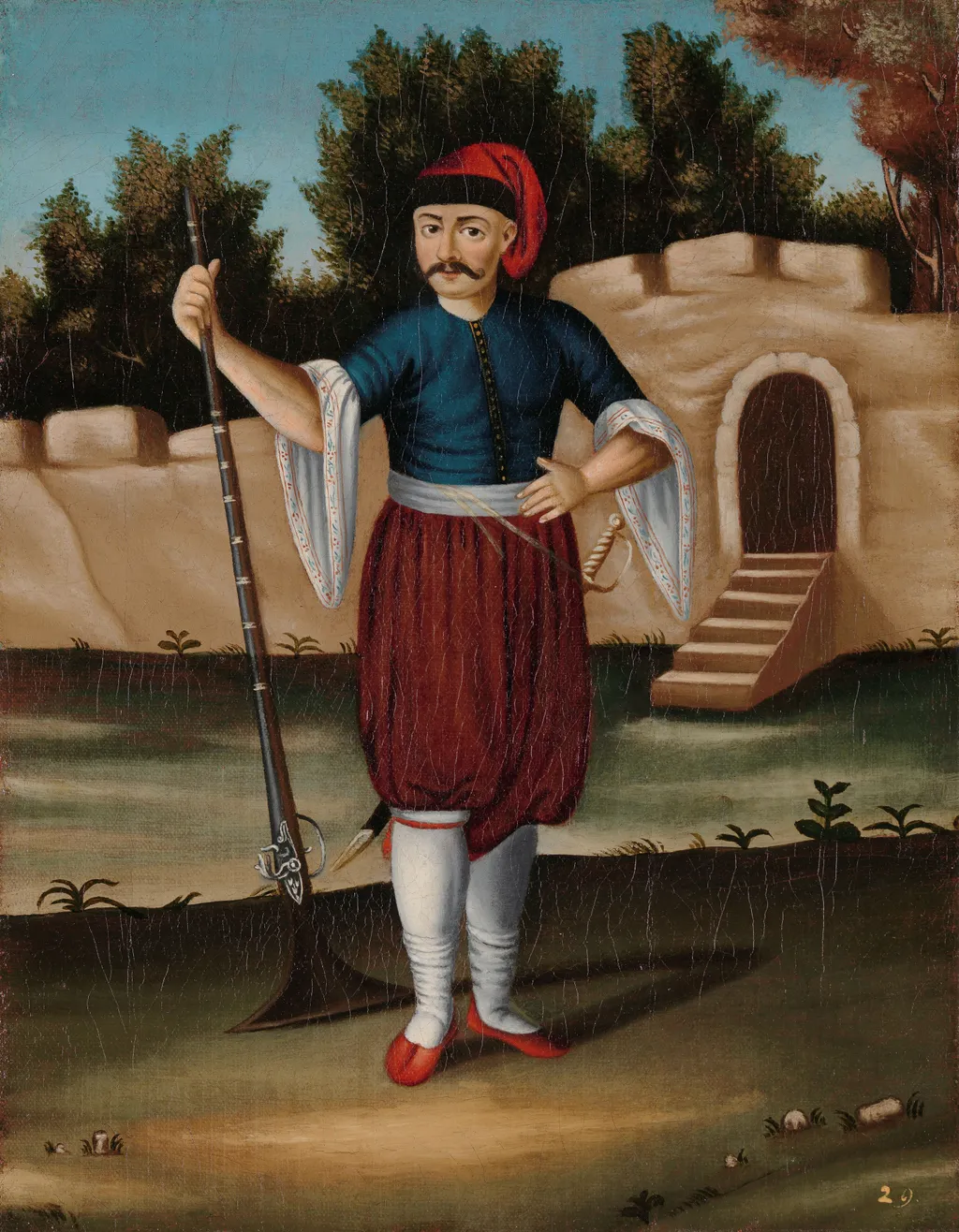
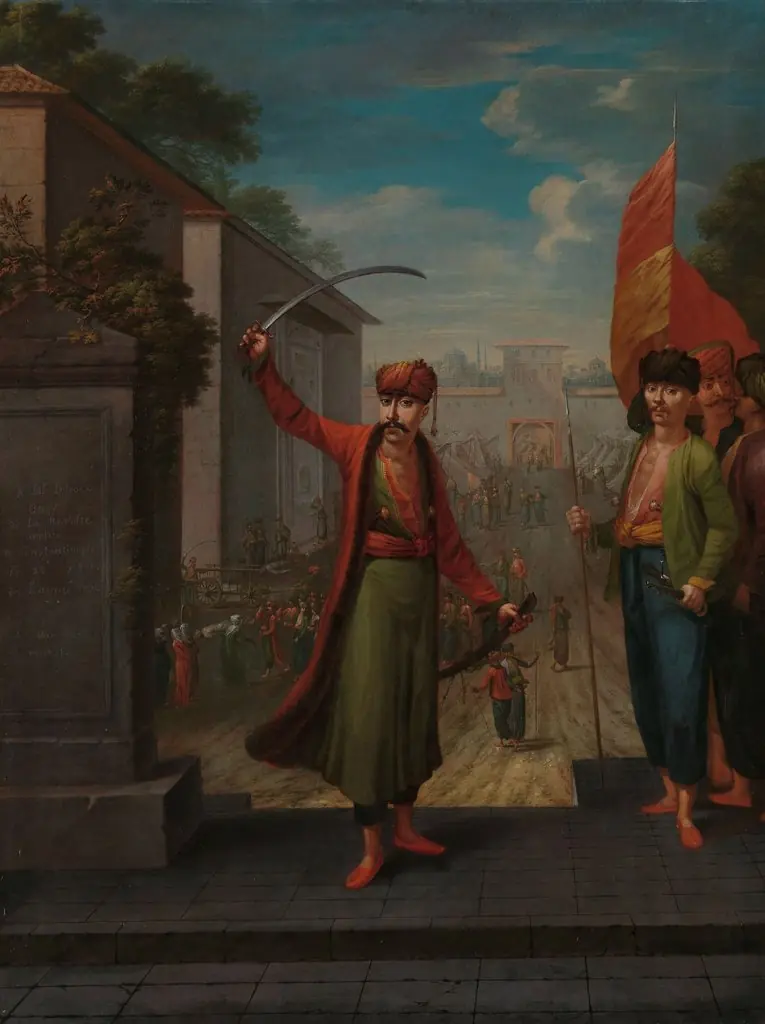
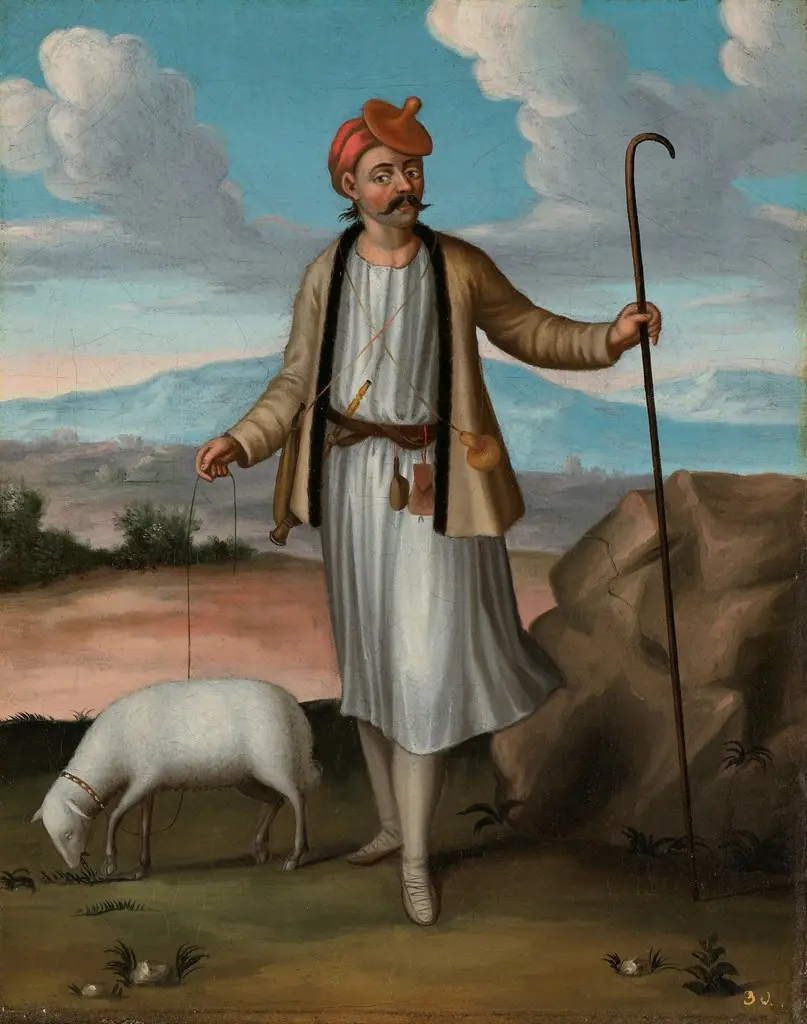
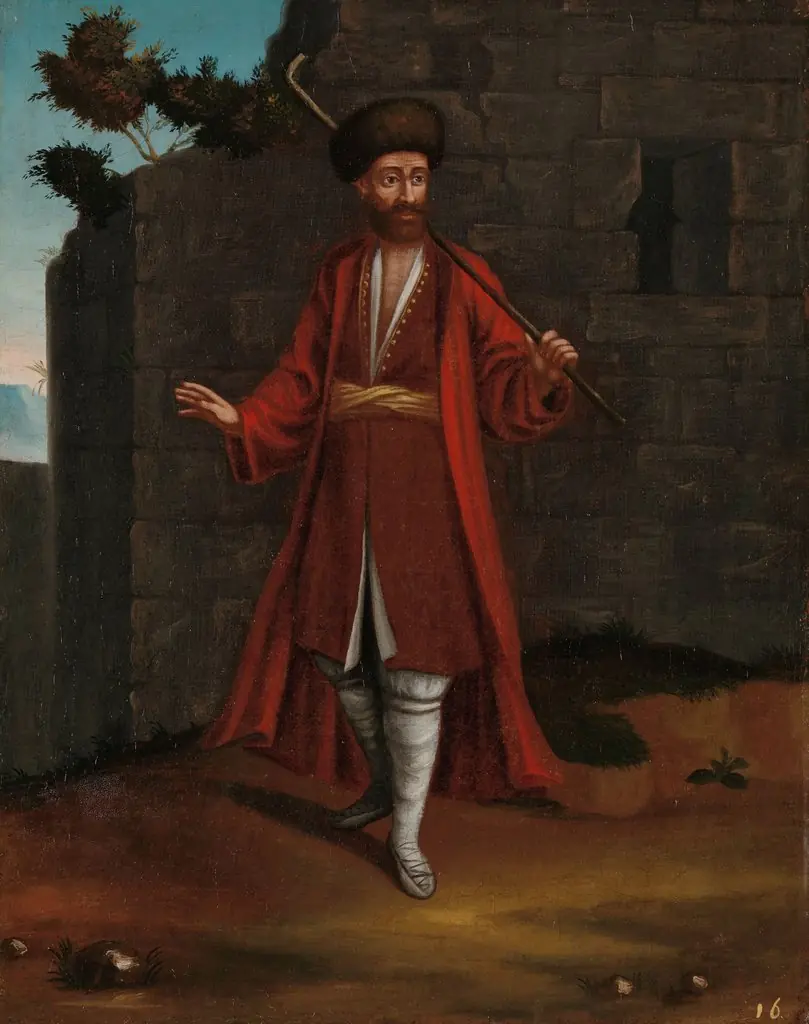
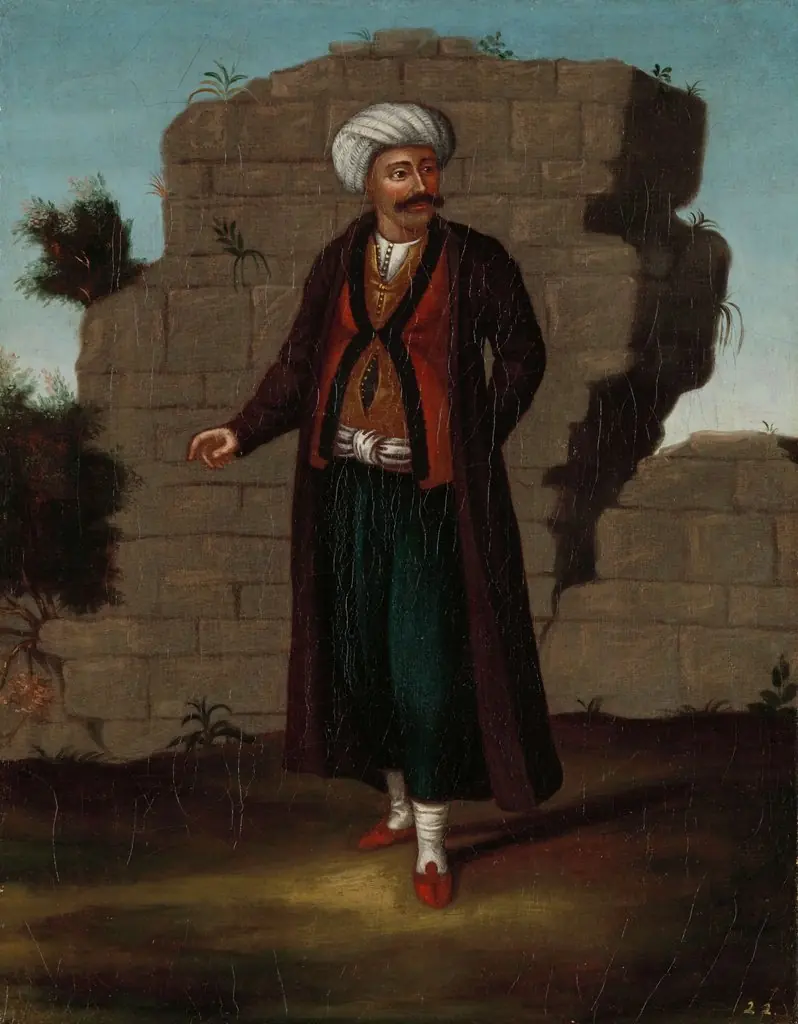
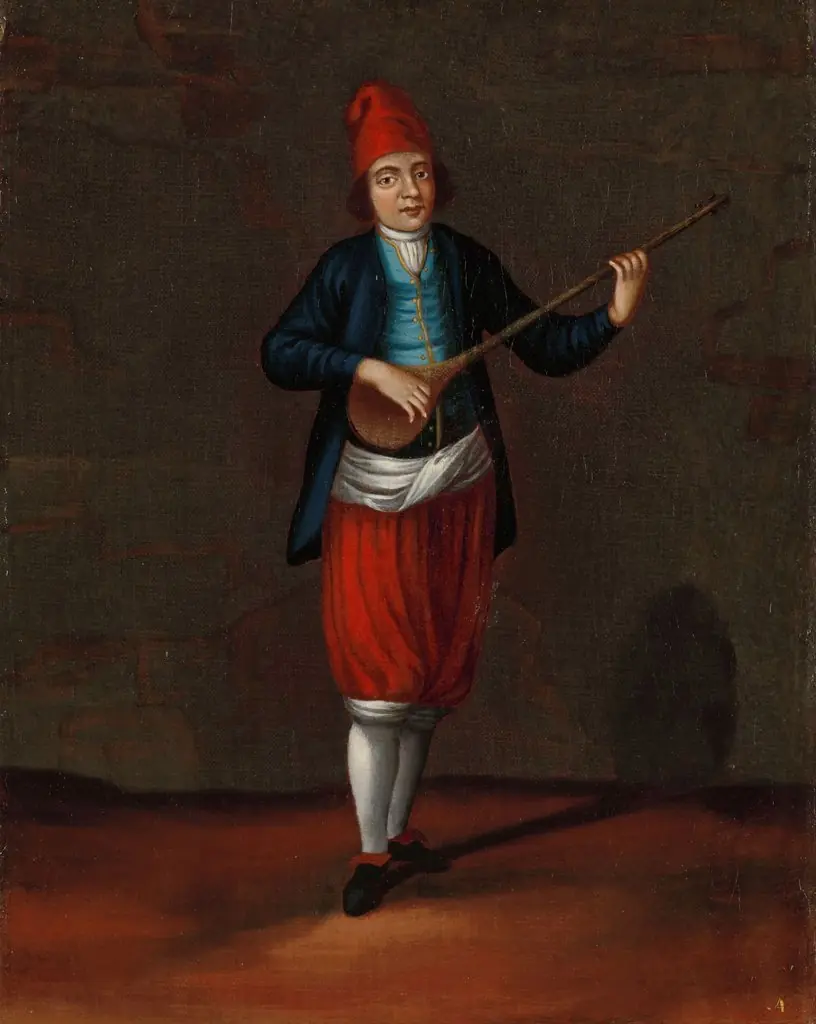
Man from the Albanian Coast is an oil painting by the Orientalist artist Jean Baptiste Vanmour. It dates from 1718 and is held in the collection of the Rijksmuseum.
About this work
Subject & Meaning
The painting portrays an individual from the Albanian coast, captured in traditional attire that reflects regional identity and social standing during the early 18th century. The work functions as a portrait that documents the presence of Albanian figures within Ottoman administrative and mercantile circles, linking personal representation to broader cultural and diplomatic exchanges in Istanbul.
The subject's clothing and demeanor convey both specific ethnic markers and a generalized exoticism common in European artistic depictions of the Eastern Mediterranean, emphasizing visual distinctions tied to geography and status.
Technique & Style
Painted in Istanbul, it is rendered in oil paint on a canvas support, a standard combination for Vanmour's portrait practice of the period.
Man from the Albanian Coast is an oil painting on canvas by Jean Baptiste Vanmour, executed in 1718. The work is classified as a portrait and measures 39 cm in height by 31 cm in width. Painted in Istanbul, it is rendered in oil paint on a canvas support, a standard combination for Vanmour's portrait practice of the period.
The relatively small dimensions are consistent with an intimate, cabinet-scale portrait rather than a large formal commission. The portrait genre and Albanian subject are recorded in the work's documentation, situating it within Vanmour's documented series of ethnographic and costume studies produced during his residence in the Ottoman capital.
History & Provenance
The work was painted in 1718 by Jean Baptiste Vanmour in Istanbul, where the artist was active in the early eighteenth century.
The painting entered Dutch institutional collections through Cornelis Calkoen, who later passed it to his son Nicolaas Calkoen. By the nineteenth century it was held in the Netherlandssch Museum voor Geschiedenis en Kunst before transfer to the Koninklijk Kabinet van Zeldzaamheden. It was subsequently managed by the Directie van de Levantse handel en de Navigatie op de Middellandse Zee and is now in the Rijksmuseum.
The painting is held in the Rijksmuseum, Amsterdam. It entered the museum through the Koninklijk Kabinet van Zeldzaamheden and later the Nederlandsch Museum voor Geschiedenis en Kunst before transfer to the Rijksmuseum’s collection.
Inventory records list the work under accession number SK-C-1884.
Overview
Jean Baptiste Van Mour, a painter of Flemish origin who worked in France, executed the oil on canvas titled Man from the Albanian Coast in 1718. The work is a portrait genre piece that now belongs to the Rijksmuseum’s collection. It belongs to the broader trend of early‑18th‑century European depictions of Ottoman‑related subjects.
Context
The portrait was produced during the Ottoman Empire’s Tulip Era (early 1700s), a period when European artists, especially those in the service of diplomatic missions, recorded the empire’s diverse peoples. Van Mour’s output from this time is noted for its ethnographic interest, documenting clothing and customs of various groups within the Ottoman realm.
Own this work as a print
Artist & collection
Artist
Jean Baptiste Vanmour or Van Mour (9 January 1671 – 22 January 1737) was a Flemish-French painter, remembered for his detailed portrayal of life in the Ottoman Empire during the Tulip Era and the rule of Sultan Ahmed III.