Artwork
Bacchanales: Nymph Supported by Two Satyrs
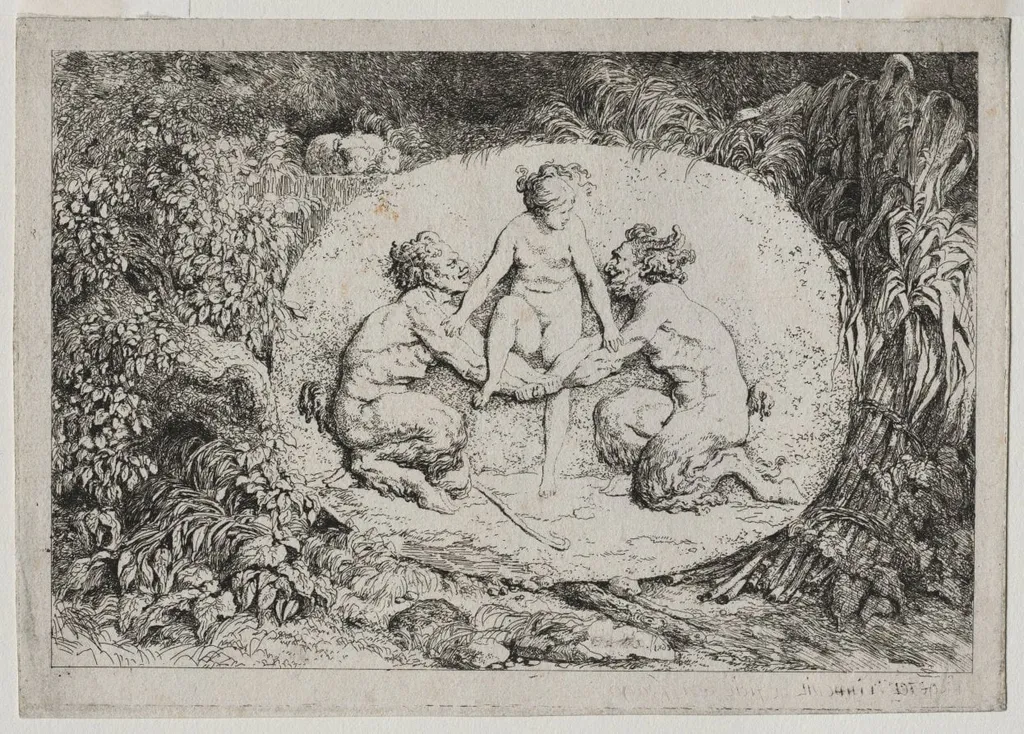
Bacchanales: Nymph Supported by Two Satyrs is a print by the Romanticist artist Jean Honoré Fragonard. It dates from 1763 and is held in the collection of the Cleveland Museum of Art.
- Accession no.
- 2012.64.1
- Credit line
- Severance and Greta Millikin Trust
About this work
Overview
This print, 'Bacchanales: Nymph Supported by Two Satyrs', is one of four etchings by Jean-Honoré Fragonard depicting scenes of revelry. The work showcases the artist's interpretation of ancient themes in a lighthearted and playful manner.
Subject & Meaning
The scene features a nymph supported by two satyrs, surrounded by symbols of wine and excess, such as jugs and grapevines. The absence of Bacchus, the wine god, shifts the focus to the carefree and erotic interactions among his followers.
Technique & Style
Fragonard's etching style is characterized by light and quick lines, evoking the sense of a spontaneous sketch. The composition is dense with foliage and figures, creating a sense of chaotic yet harmonious revelry.
History & Provenance
Fragonard created these etchings after his return from Italy, where he studied ancient Roman sculpture. His work was likely influenced by various sources, including designs by Jacques François Joseph Saly.
Legacy
Fragonard's 'Bacchanales' series contributed to the popularity of depicting revelries in natural settings in French art, architecture, and garden design during the late 18th century.
Artist & collection

Artist
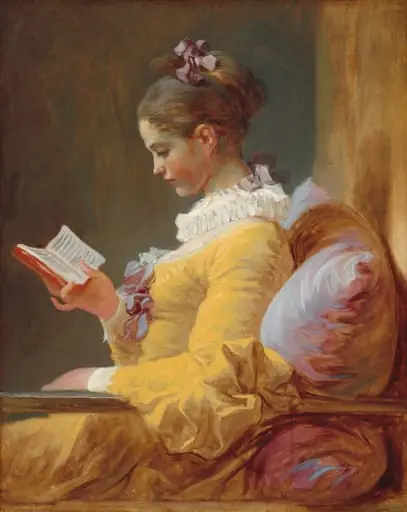
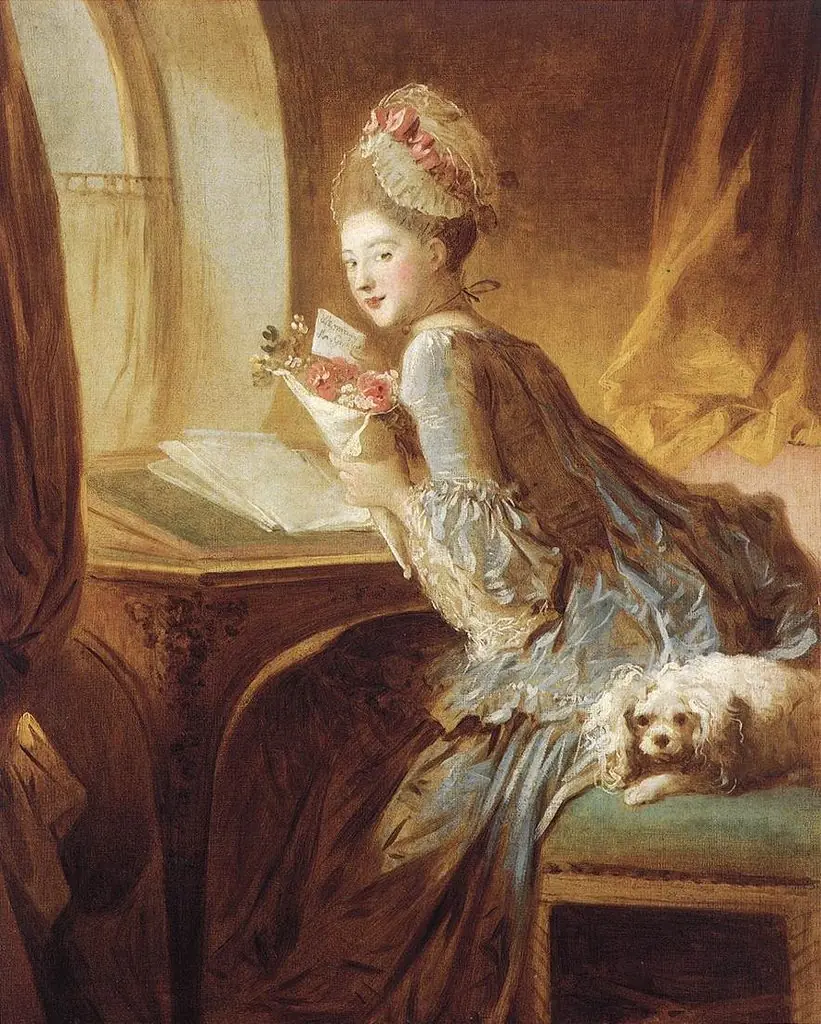
Jean-Honoré Fragonard was born on 5 April 1732 in Grasse, the son of a glover, and moved with his family to Paris in 1738.

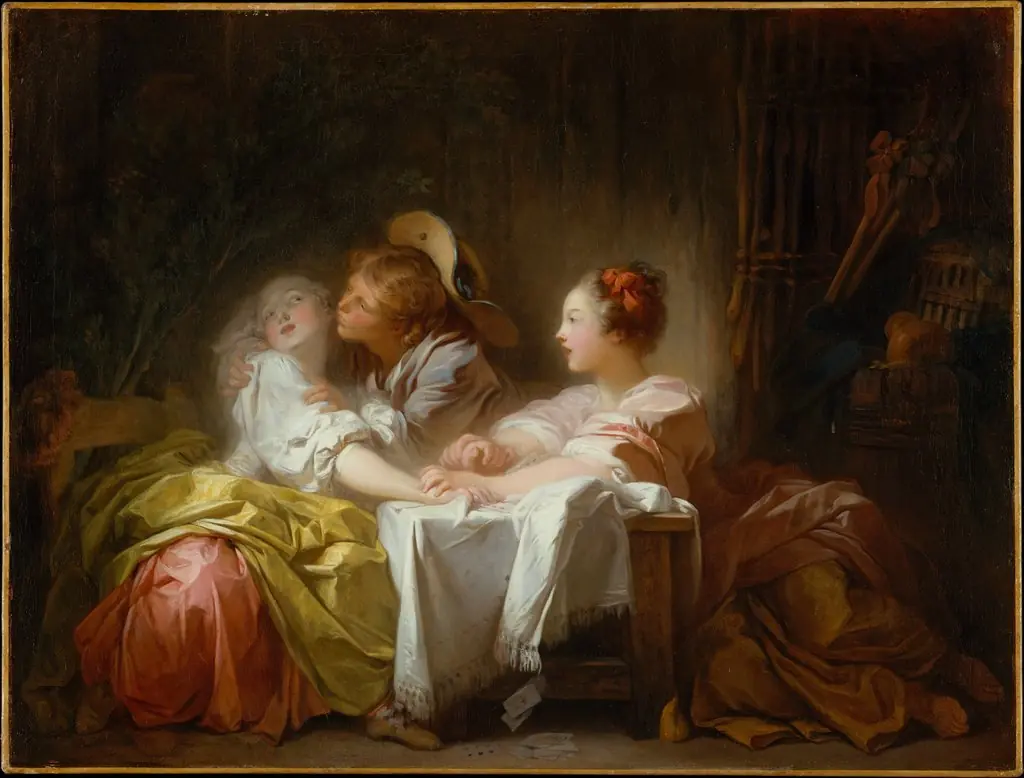
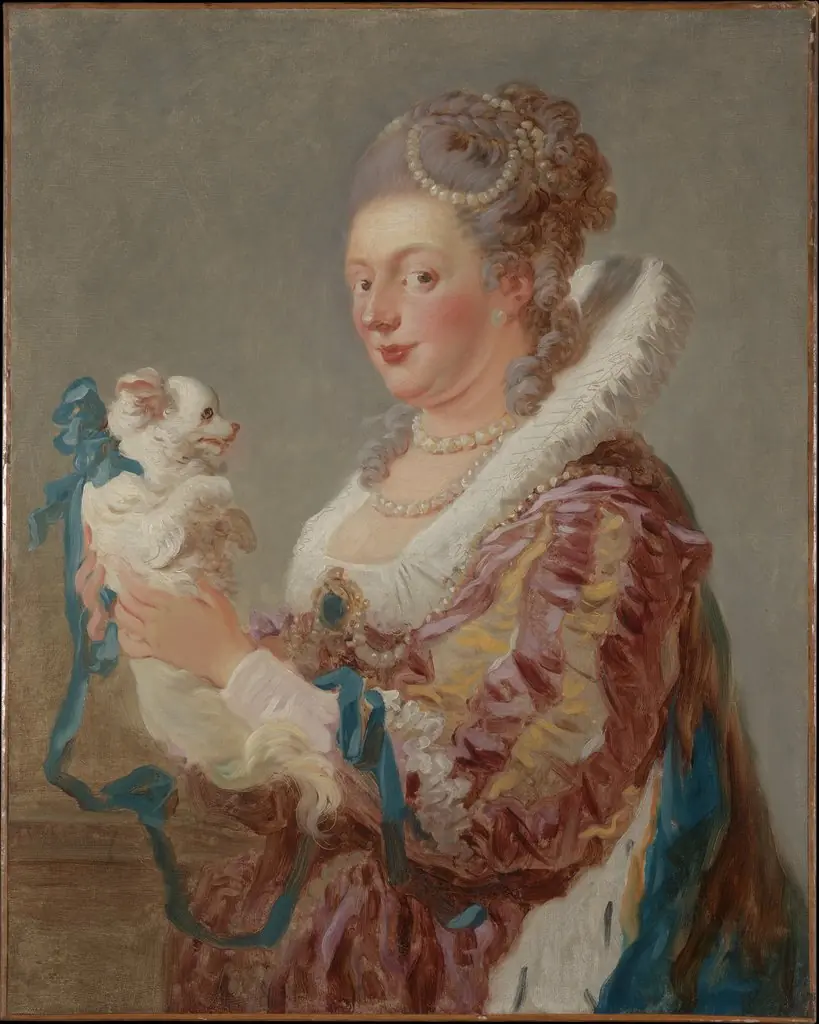
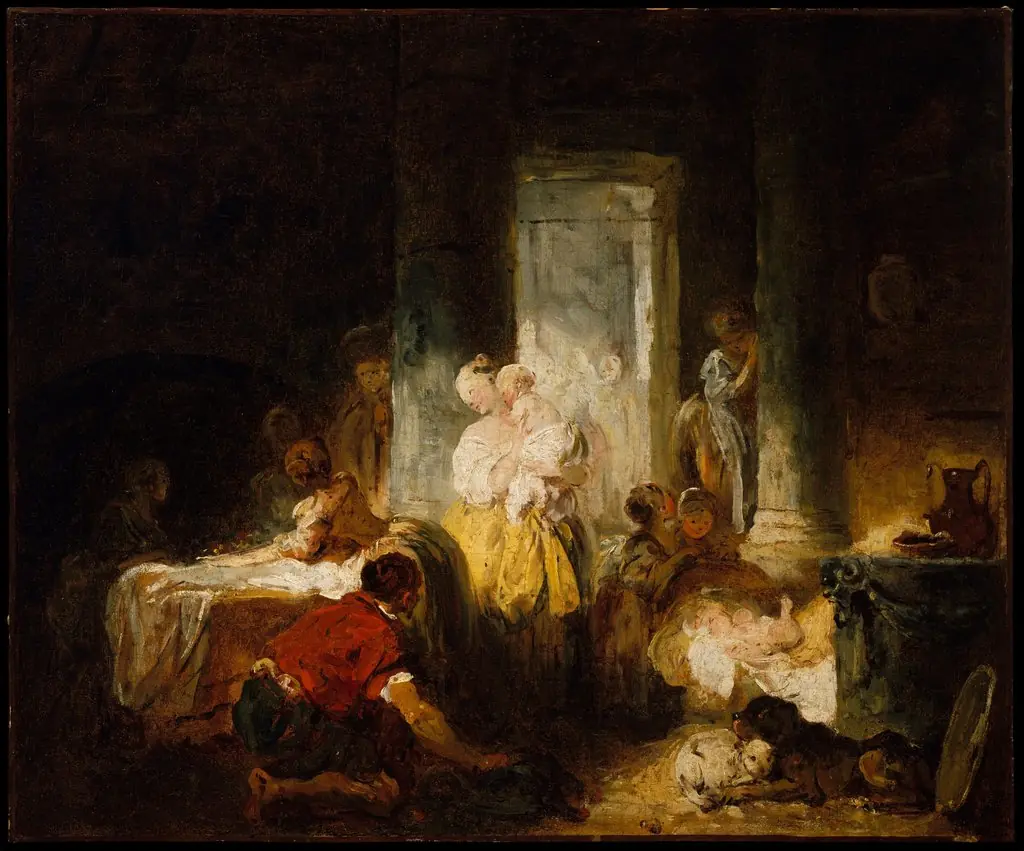
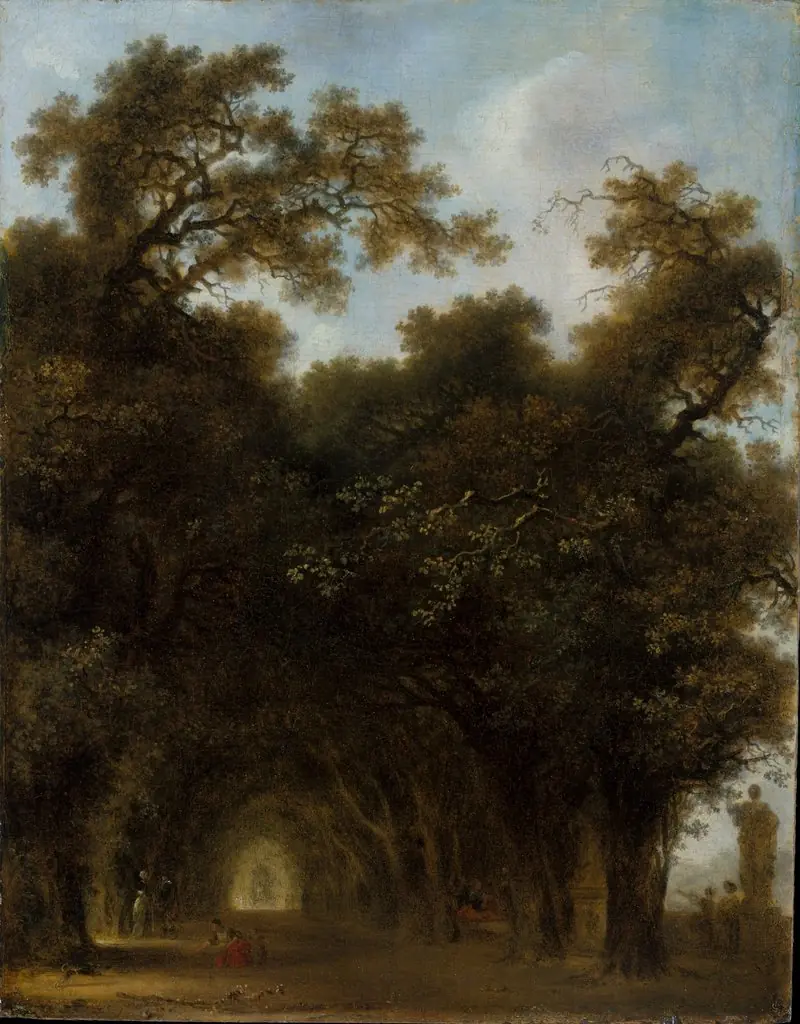
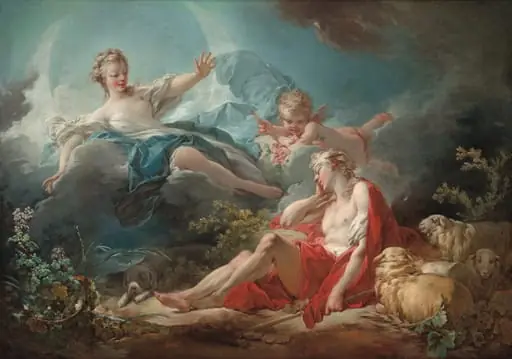
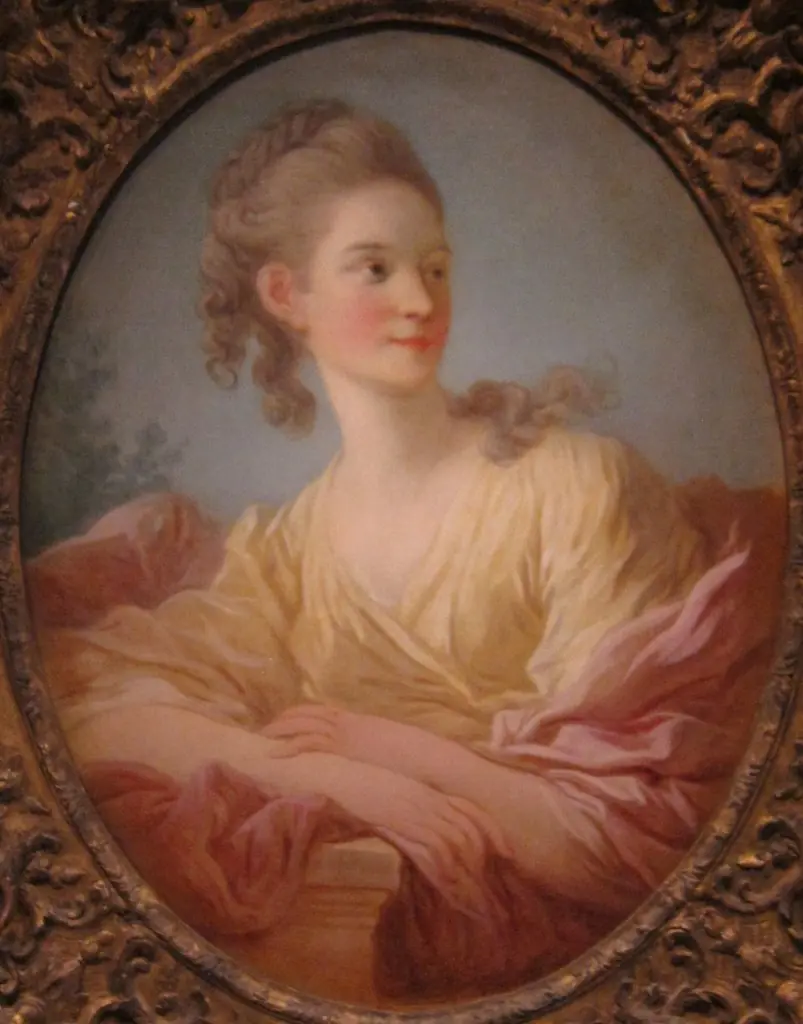
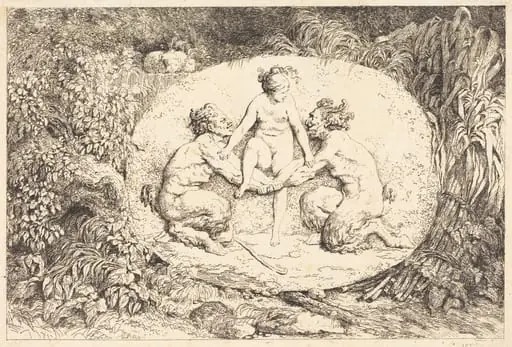 Nymph Supported by Two Satyrs (Nymphe s'asseyant sur les mains de deux satyres)
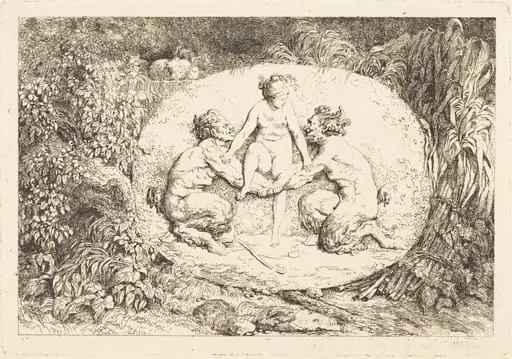 Nymph Supported by Two Satyrs (Nymphe s'asseyant sur les mains de deux satyres)
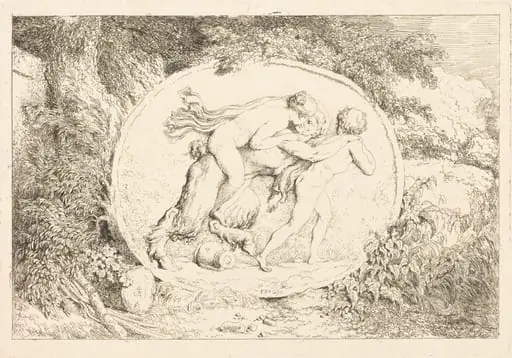 Nymph Astride a Satyr (Jeune fille a califourchon sur un satyre)
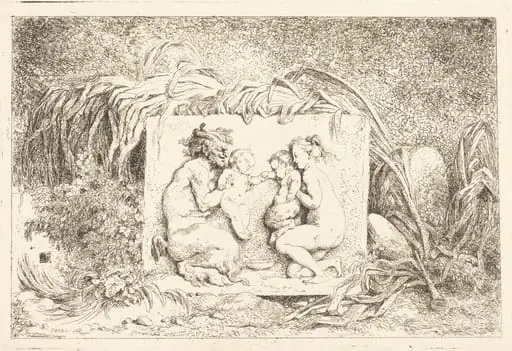 The Satyr's Family (La famille du satyre)
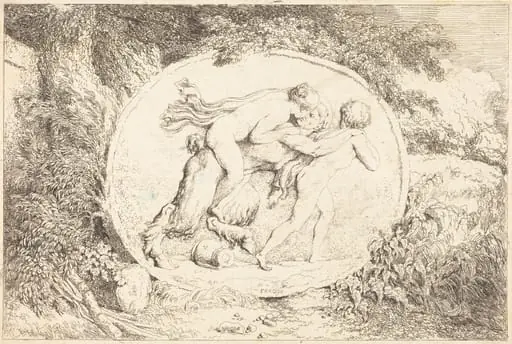 Nymph Astride a Satyr (Jeune fille a califourchon sur un satyre)
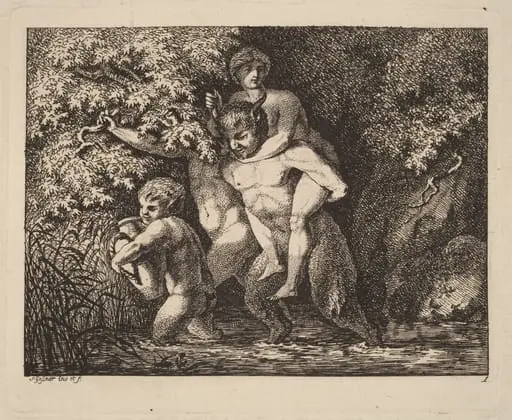 Satyr Carrying a Nymph on His Back
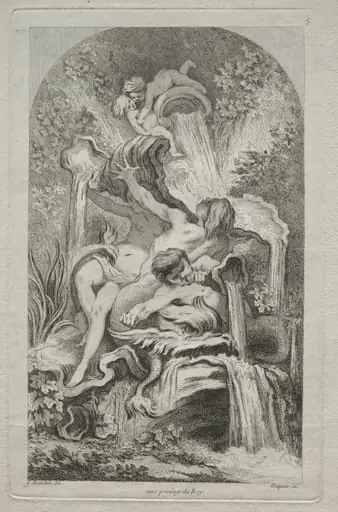 Book of Fountains: No. 5