Artwork
The Tulip Folly
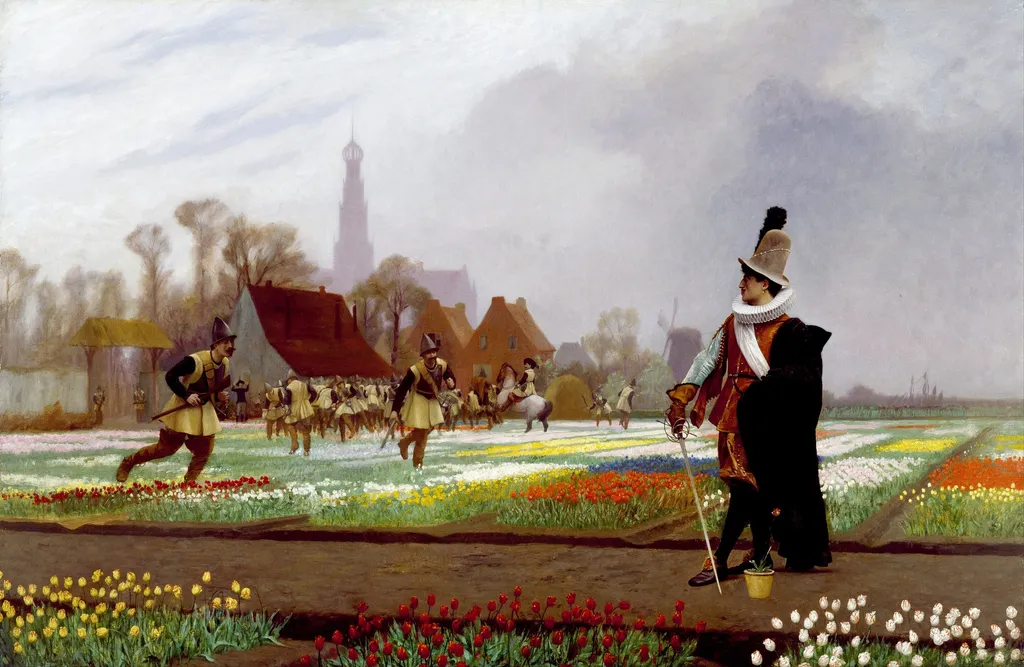
The Tulip Folly is an oil painting by the Academic Art artist Jean Léon Gérôme. It dates from 1892 and is held in the collection of the Walters Art Museum.
About this work
The painting is called The Tulip Folly, made by Jean Léon Gérôme in 1882.
It's about a scene from the historical "tulip mania" in 17th century Holland. This event was a big deal because people were trading tulips for really high prices, which doesn't make sense to us today.
You can learn more about the artist who made this painting, Jean Léon Gérôme.
Subject & Meaning
Critics of the day read the work as a defense of connoisseurship against materialist collapse, a stance embodied by Mary Jane Morgan, the picture’s first owner.
The painting stages a confrontation during the Dutch tulip mania of the 1630s, when rare tulips became objects of frenzied speculation. Gérôme depicts an aristocrat defending a flowering tulip in a pot from armed soldiers who trample adjacent beds, an episode associated with state attempts to curb supply and prop up prices. The scene literalizes the era’s mania as a clash between connoisseurship and coercive market control, while also functioning as a broader allegory of beauty imperiled by brute force.
The composition’s iconography centers on the tulip, its variegated petals signaling the exotic rarity that fueled the bubble, and the aristocrat’s sword, emblem of privilege and defense of aesthetic value. The Haarlem skyline, including Saint Bavo’s church tower, locates the event in the epicenter of the crisis. Critics of the day read the work as a defense of connoisseurship against materialist collapse, a stance embodied by Mary Jane Morgan, the picture’s first owner.
Technique & Style
Created in 1882, The Tulip Folly is executed in oil paint on a canvas support, measuring 65.4 by 100 centimeters. The work exemplifies the academic art movement through its precise, detailed rendering of 17th-century Dutch attire and landscape. The composition features a foreground scene where an aristocrat in a brown doublet, silk sleeves, and a white ruff defends a flowerpot of rare tulips with a sword.
Surrounding him are rectangular beds of scarlet, pink, and violet blooms. In the mid-ground, soldiers in steel armor and Morion helmets trample flower beds, while a mounted officer directs the destruction. The background employs aerial perspective to depict the faint, red-roofed houses of Haarlem and the spire of St. Bavo's church under a cloudy sky. The artist's signature, J. L. Gérôme, is located in the lower right center.
History & Provenance
The Tulip Folly (also titled Le Duel à la tulipe) was painted by Jean‑Léon Gérôme in 1882 in oil on canvas (65.4 × 100 cm) and is signed “J. L. Gérôme” at lower right.
It was first owned by Mary Jane Morgan, widow of railroad magnate Charles Morgan, who acquired it soon after completion. After her death in 1885, the work was auctioned in New York over ten days in March 1886, realizing $6,000. It next passed in 1912 from the estate of Hermann Schause to Thomas Futher for $1,650, then descended to Futher’s daughter, Mrs. Kefas G. Glass, and in 1923 to her daughter Mrs. Cyril W. Keane, who donated it to the Walters Art Museum, Baltimore, in 1983.
The Tulip Folly (1882) by Jean-Léon Gérôme is held in the collection of the Walters Art Museum in Baltimore, Maryland. Its accession record corresponds to inventory number 37.1048.
The painting was first owned by Mary Jane Morgan, widow of railroad magnate Charles Morgan, and sold at her estate auction in New York in March 1886 for $6,000. It later passed through private hands, including purchases at the 1912 Schause sale and a 1923 gift, before being donated to the museum in 1983 by Mrs. Cyril W. Keane.
Context
Jean-Léon Gérôme's 1882 allegorical painting, The Tulip Folly, is situated within the Academic art movement and interpreted as a dual commentary on historical and contemporary financial instability. Critics note that the work draws inspiration from Alexandre Dumas's 1850 novel The Black Tulip while simultaneously reflecting the severe crash of the Paris Bourse in 1882, which triggered a recession lasting until the decade's end. The narrative depicts the 17th-century Dutch tulip mania, specifically the practice of soldiers trampling flower beds to regulate supply, serving as a metaphor for economic speculation.
Art historical analysis further suggests the piece was viewed by early critics and collectors, such as Mary Jane Morgan, as a defense of beauty and connoisseurship against the destructive forces of market greed. The painting remains a significant example of Gérôme's ability to blend historical anecdote with modern political allegory.
Legacy
The work was immediately interpreted as a dual allegory, commenting on both the 17th-century Dutch tulip mania and the 1882 crash of the Paris bourse. Critics and early owners, such as Mary Jane Morgan, viewed the painting as a defense of beauty for its own sake against financial speculation. The narrative was likely influenced by Alexandre Dumas' 1850 novel The Black Tulip and may also allude to the international recession triggered by the 1873 stock market collapse.
Following Morgan's death, the piece sold for $6,000 at a New York auction in 1886, reflecting its early market value. It later entered the Walters Art Museum in Baltimore in 1983 after passing through private collections, where it remains a significant example of Gérôme's academic allegorical style.
Overview
Jean-Léon Gérôme's 1882 oil painting, The Tulip Folly, visually interprets the historical "tulip mania" that gripped 17th-century Holland. This work, executed in oil on canvas, depicts a dramatic scene reflecting the economic bubble and subsequent crash surrounding tulip speculation. It currently resides in the collection of the Walters Museum of Art.
Own this work as a print
Artist & collection

Artist
Jean-Léon Gérôme was a French painter and sculptor in the style now known as academicism.

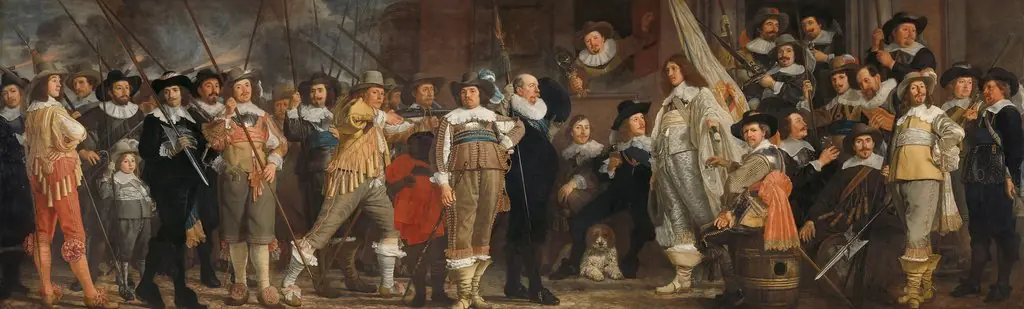
- Militia Company of District VIII under the Command of Captain Roelof Bicker
 Winter
 Officers and Other Civic Guardsmen of the IVth District of Amsterdam, under the Command of Captain Jan Claesz van Vlooswijck and Lieutenant Gerrit Hudde
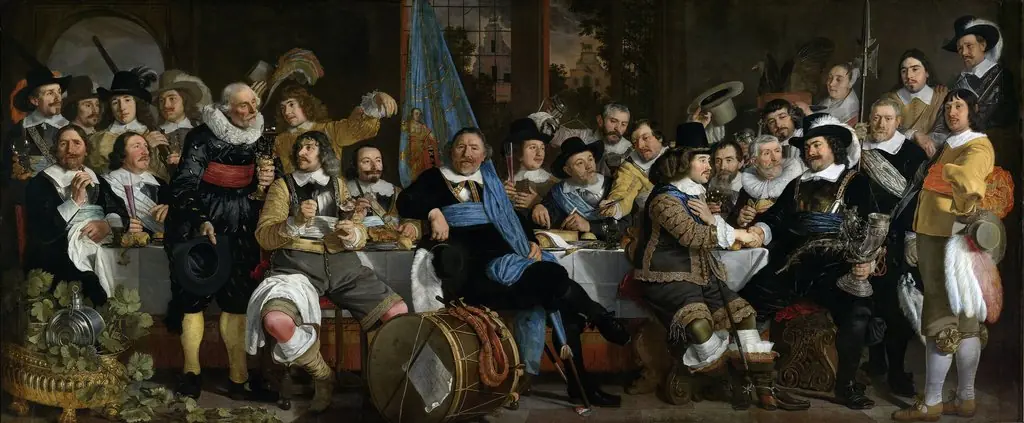 Banquet at the Crossbowmen’s Guild in Celebration of the Treaty of Münster
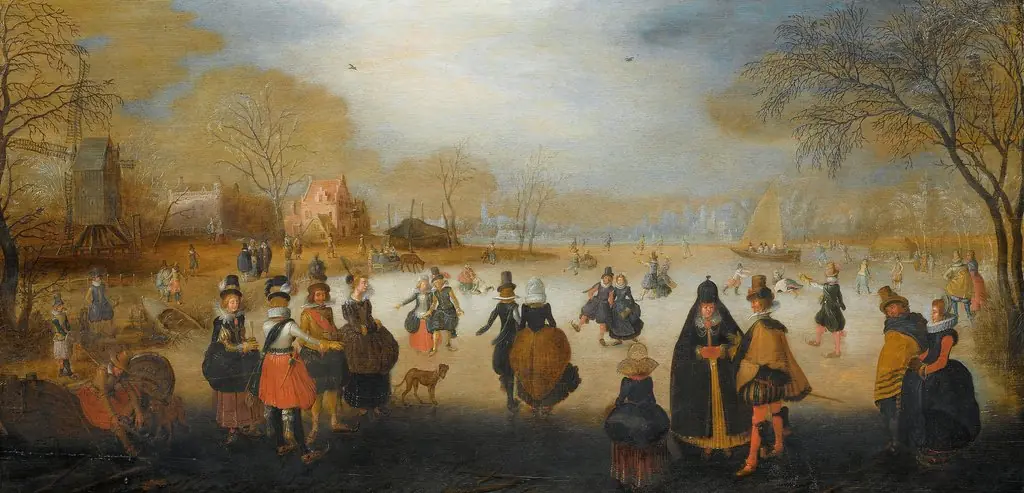 Winter landscape with skaters
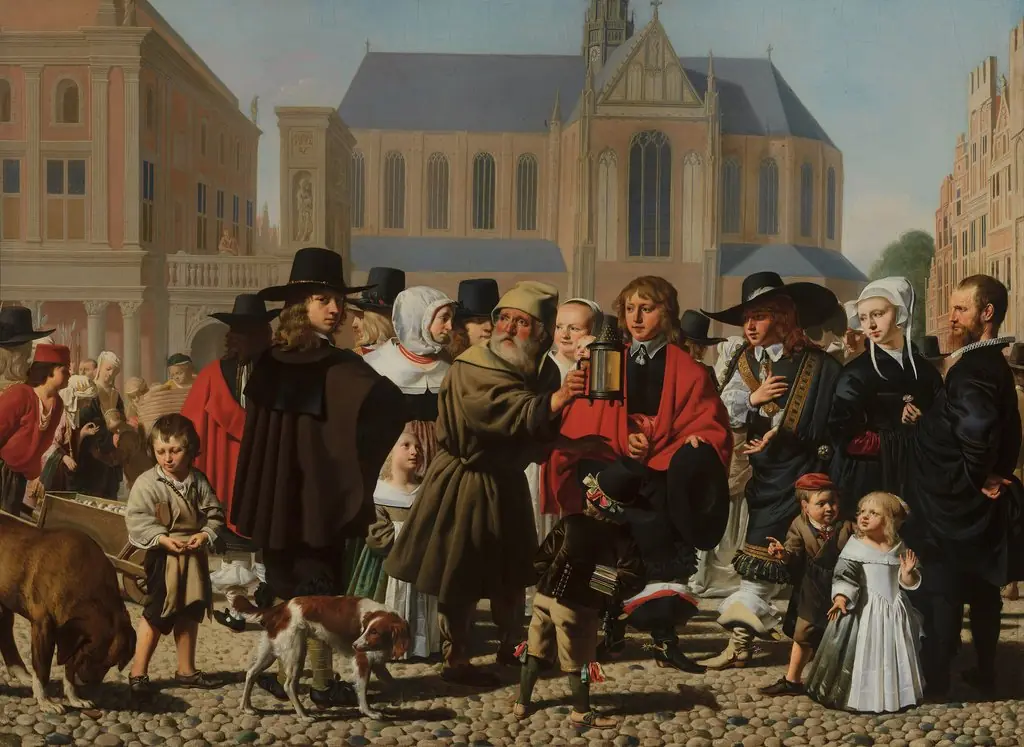 Allegorical portrait of the Steyn family as scene of Diogenes
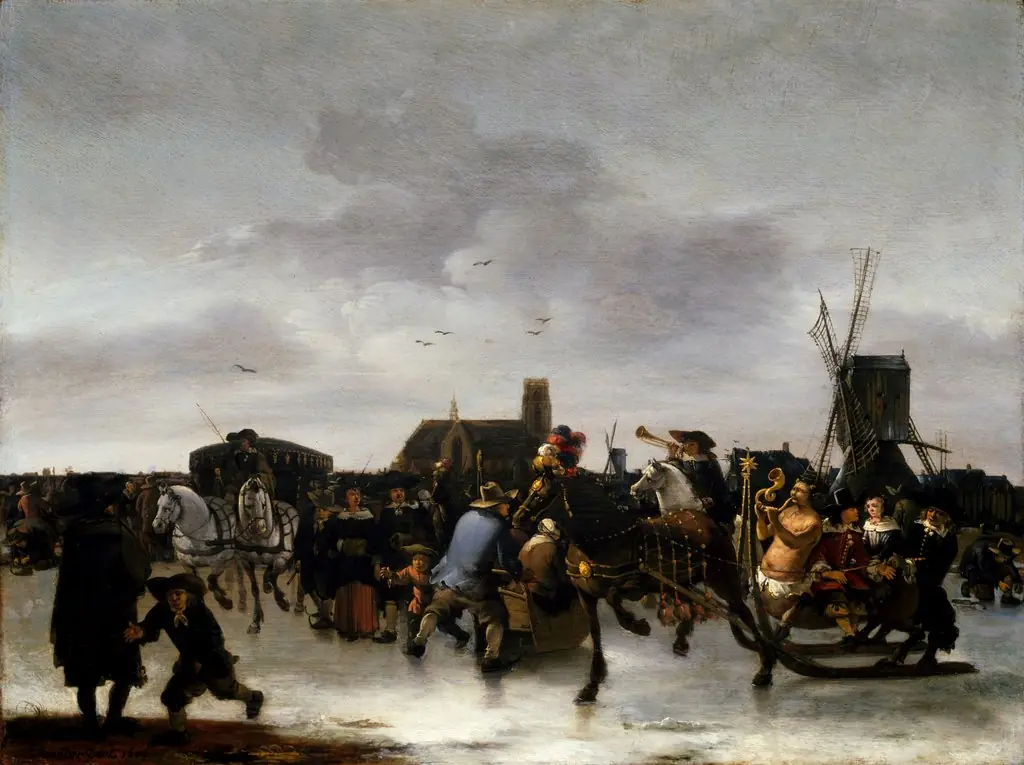 A Skating Scene
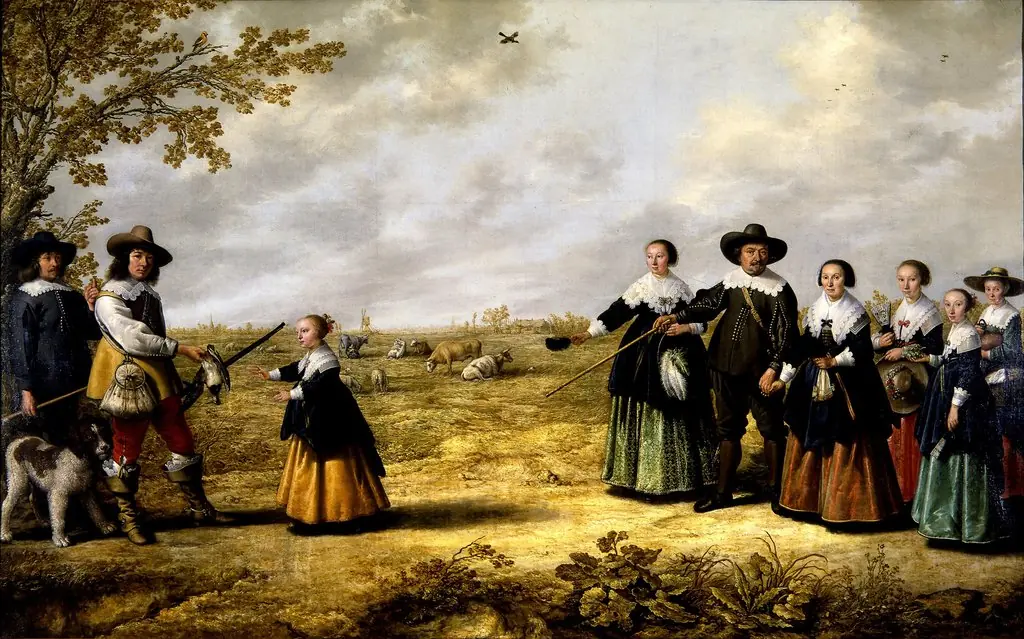 Portrait of a Family in a Landscape
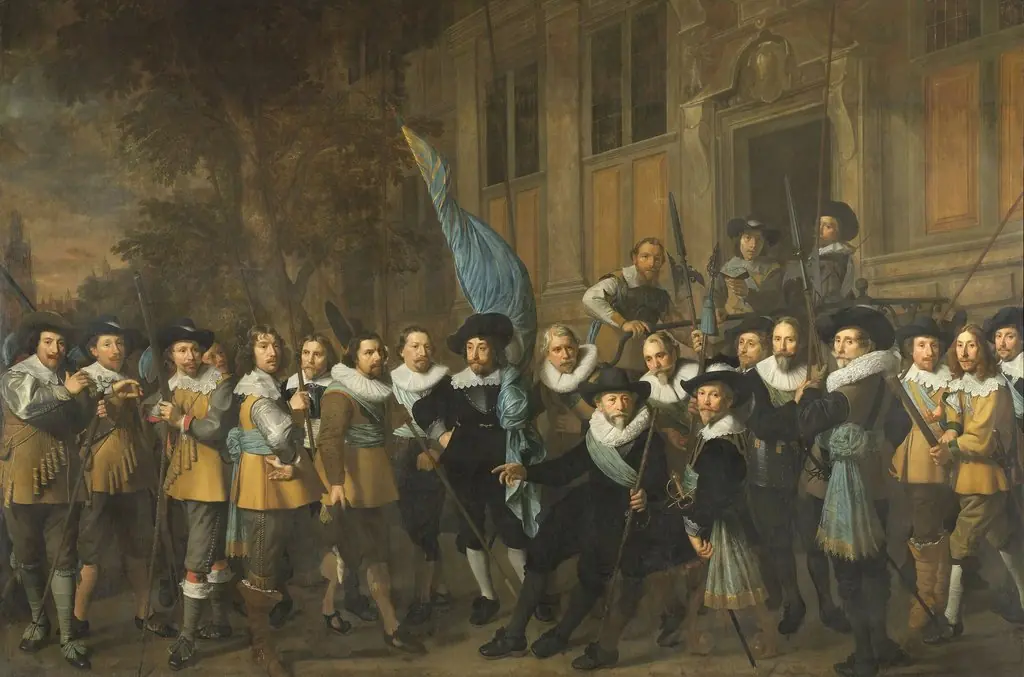 Officers and other civic guardsmen of the IVth District of Amsterdam, under the command of Captain Jan Claesz van Vlooswijck and Lieutenant Gerrit Hudde
 The Night Watch
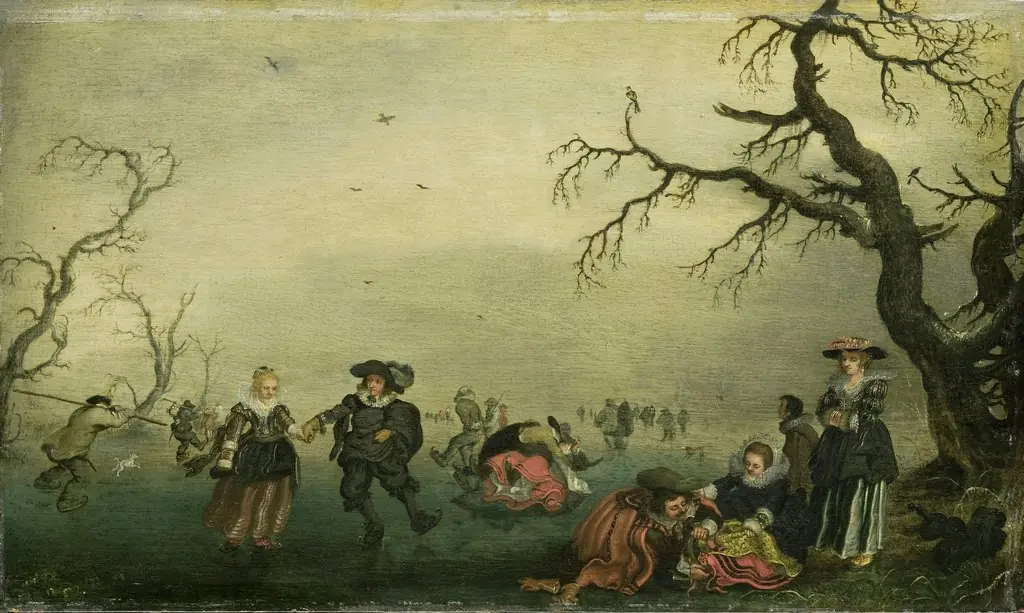 Skaters
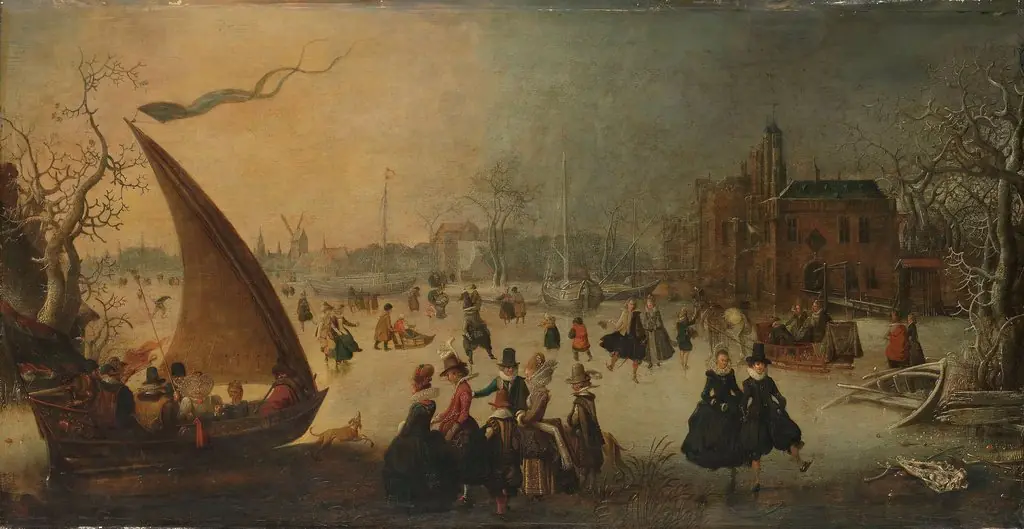 Landscape with frozen canal, skaters and an ice-boat