Artwork
Maria Theresa, Archduchess of Austria, Queen of Hungary and Bohemia, and Holy Roman Empress
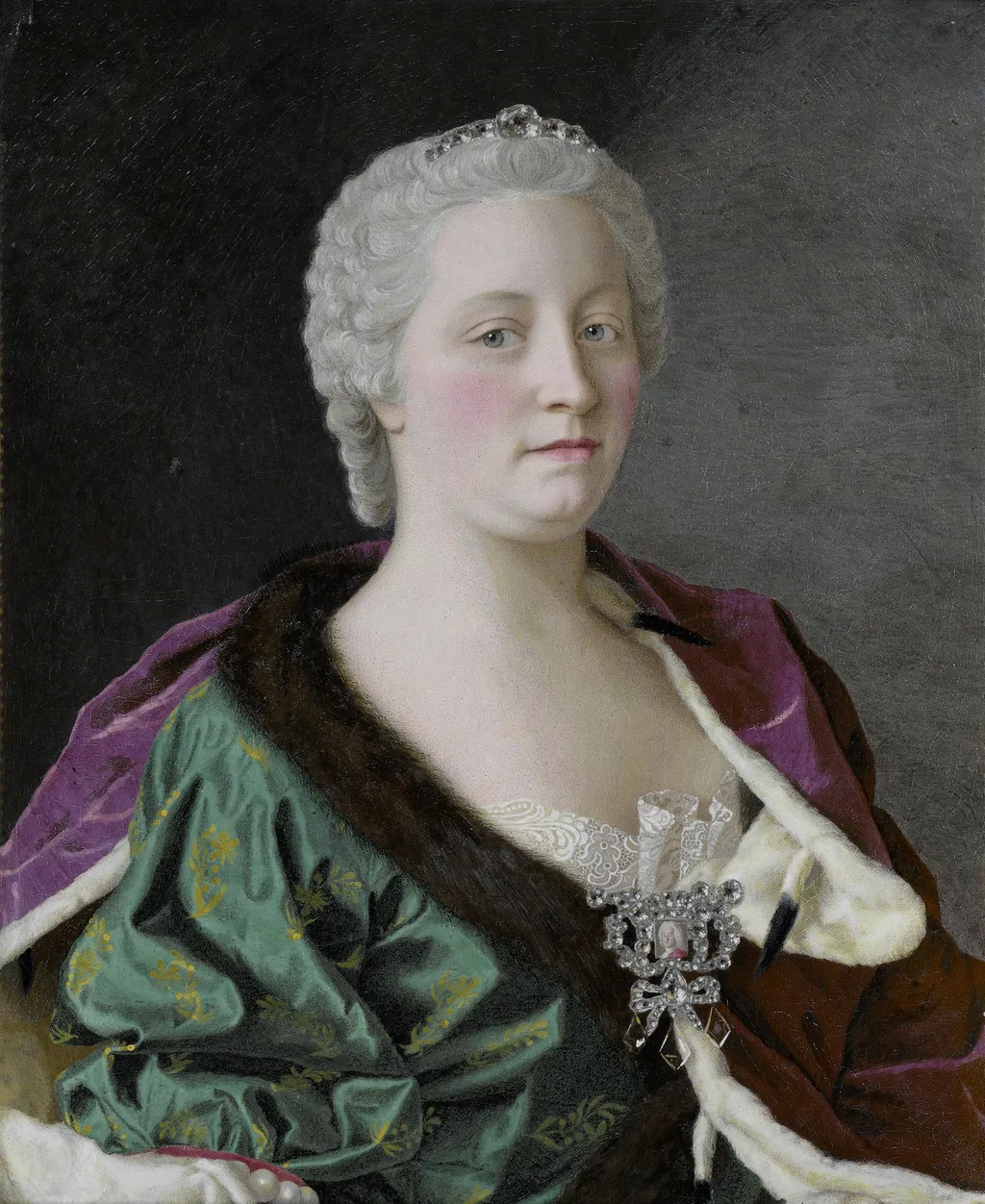
Maria Theresa, Archduchess of Austria, Queen of Hungary and Bohemia, and Holy Roman Empress is a copper painting by the Rococo painting artist Jean-Étienne Liotard. It dates from 1747 and is held in the collection of the Rijksmuseum.
About this work
Subject & Meaning
The work is a formal portrait depicting Maria Theresa in her capacity as Archduchess of Austria, Queen of Hungary and Bohemia, and Holy Roman Empress.
The work is a formal portrait depicting Maria Theresa in her capacity as Archduchess of Austria, Queen of Hungary and Bohemia, and Holy Roman Empress. Created by Jean-Étienne Liotard in 1747, the piece utilizes vitreous enamel on copper to present the monarch with the dignity befitting her multiple sovereign titles. As a genre portrait, the image functions to visually assert her political authority and imperial status during the mid-eighteenth century.
The depiction focuses entirely on the subject's royal identity, serving as a representation of her power and the continuity of her dynasty.
Technique & Style
Created in 1747 by Jean-Étienne Liotard, this portrait of Maria Theresa is executed in vitreous enamel on a copper support. The work measures 62 cm in height and 51 cm in width. As a painted portrait, the piece utilizes the specific handling characteristics of enamel, a medium known for its durability and glossy finish, applied directly onto the metal plate.
The combination of copper and vitreous enamel defines the material composition and technical approach of this eighteenth-century artwork.
History & Provenance
The portrait was created in 1747 as a commissioned work by Jean-Étienne Liotard, depicting Maria Theresa in her role as Archduchess of Austria, Queen of Hungary and Bohemia, and Holy Roman Empress. It is executed in vitreous enamel on copper and measures 62 cm in height by 51 cm in width. The work entered the collection of the Rijksmuseum, where it remains on display.
The painting was produced during Liotard’s time at the Habsburg court, reflecting the imperial patronage that supported many of his works. Its creation aligns with the mid-18th century practice of producing formal state portraits in enamel, a medium Liotard favored for its luminous finish and durability. The piece was later acquired by the Rijksmuseum, which catalogs it under its collection of Dutch and Flemish paintings.
Dating of the work is confirmed by the inception date recorded in archival sources, which places its creation in 1747. The use of copper as a support and the technique of vitreous enamel application further support its attribution and historical context within Liotard’s oeuvre.
Legacy
The portrait of Maria Theresa painted by Jean-Étienne Liotard in 1747 established a lasting visual archetype of Habsburg imperial authority. Its reproduction through enamel work preserved the queen's distinctive features and regal posture, influencing court portraiture across 18th-century Europe. The work's presence in the Rijksmuseum collection has ensured continuous scholarly attention to Liotard's role in shaping imperial iconography, cementing its reputation as a benchmark for aristocratic representation.
Overview
Created in 1747, this portrait presents Maria Theresa, the ruling Archduchess of Austria who also held the titles of Queen of Hungary and Bohemia and Holy Roman Empress. Executed on a copper plate, the work belongs to the collection of the Rijksmuseum and exemplifies the artist’s commitment to precise, lifelike representation during the mid‑18th‑century Rococo era.
![Portrait of a young woman [Sophie Markgräfin von Brandenburg-Bayreuth, née Duchess Sachsen-Weißenfels (1684–1752)?]](https://artifactworldgallery.com/img/unknown--portrait-of-a-young-woman-sophie-markgrafin-von-brandenburg--2d73c9561763e528-w320.webp)
Own this work as a print
Artist & collection
Artist
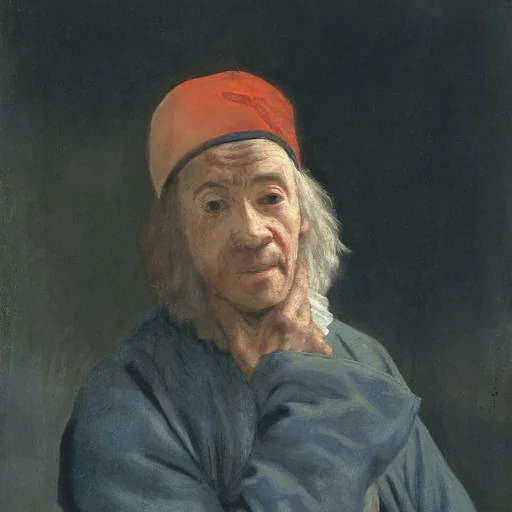
Jean-Étienne Liotard (French pronunciation:; 22 December 1702 – 12 June 1789) was a Genevan painter, pastellist, printmaker, art theorist and art dealer.

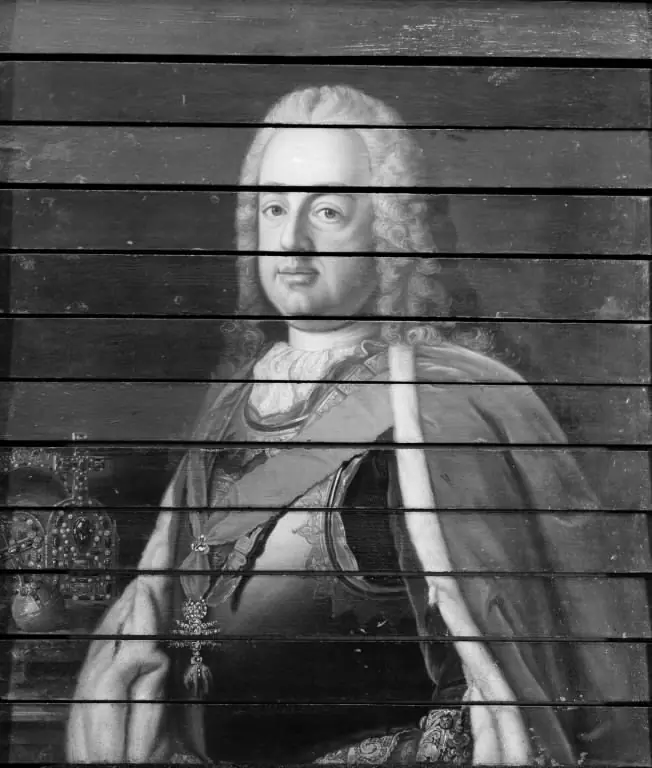 Emperor Franz I, Empress Maria Theresa and Their Son Archduke Joseph
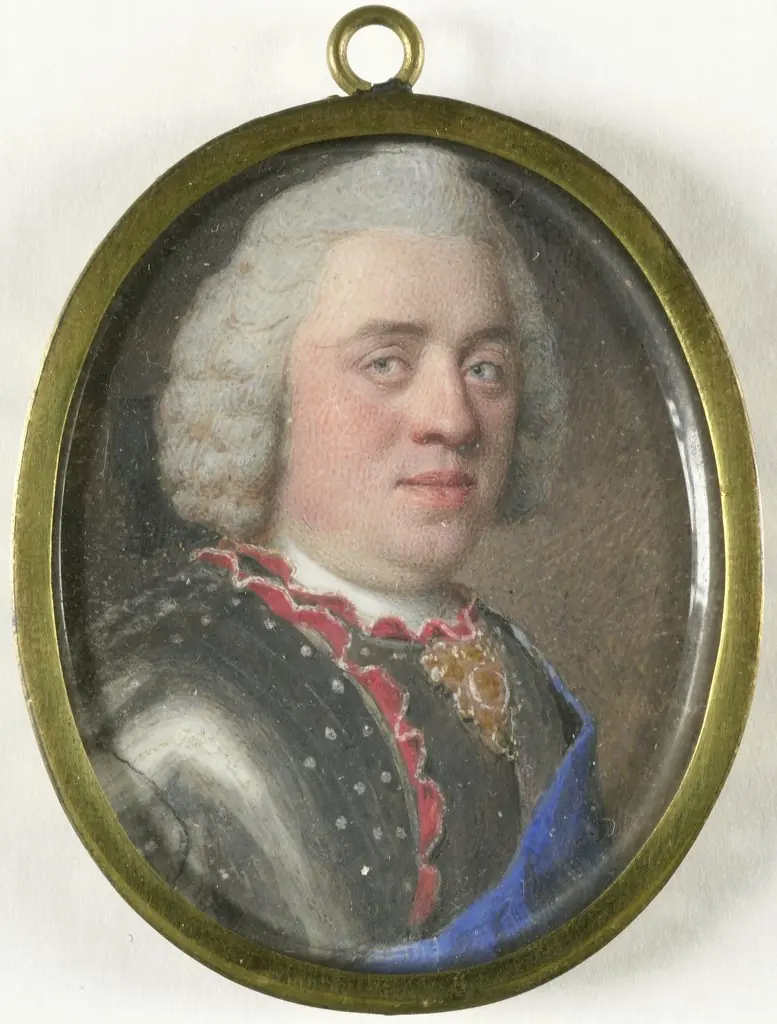 Portrait of Willem IV van Oranje- Nassau (1711-1751)
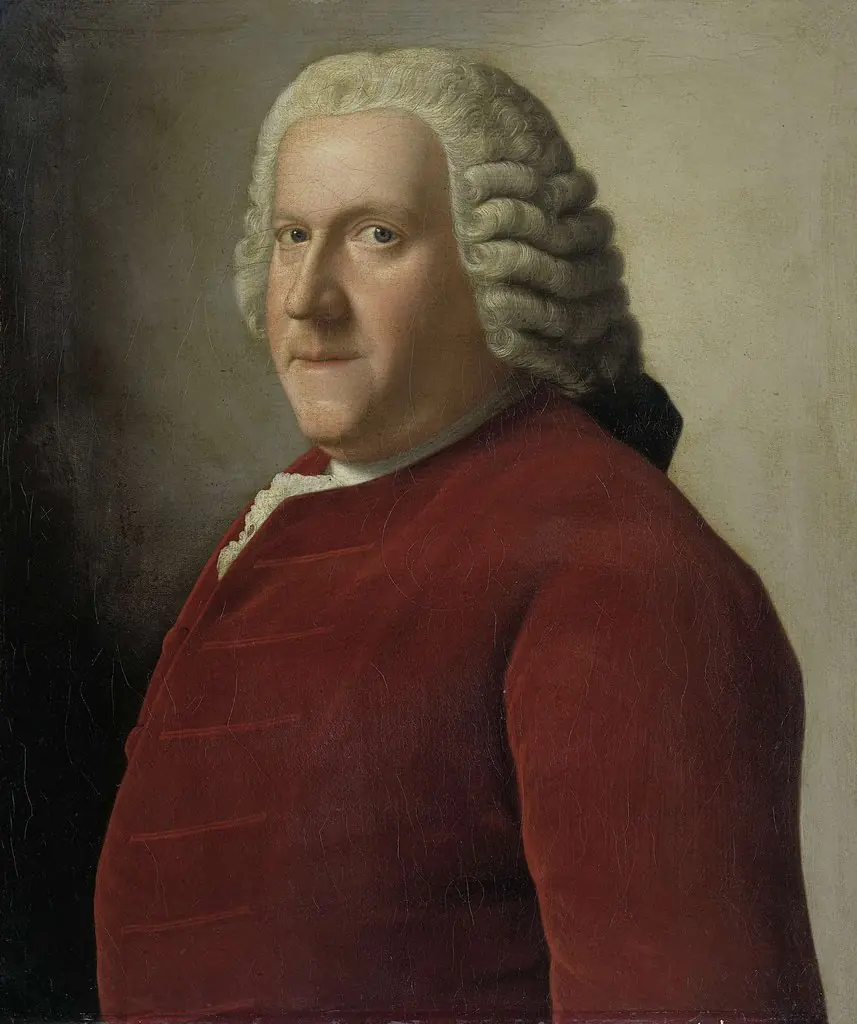 Portrait of Willem Bentinck van Rhoon (1704-1774)
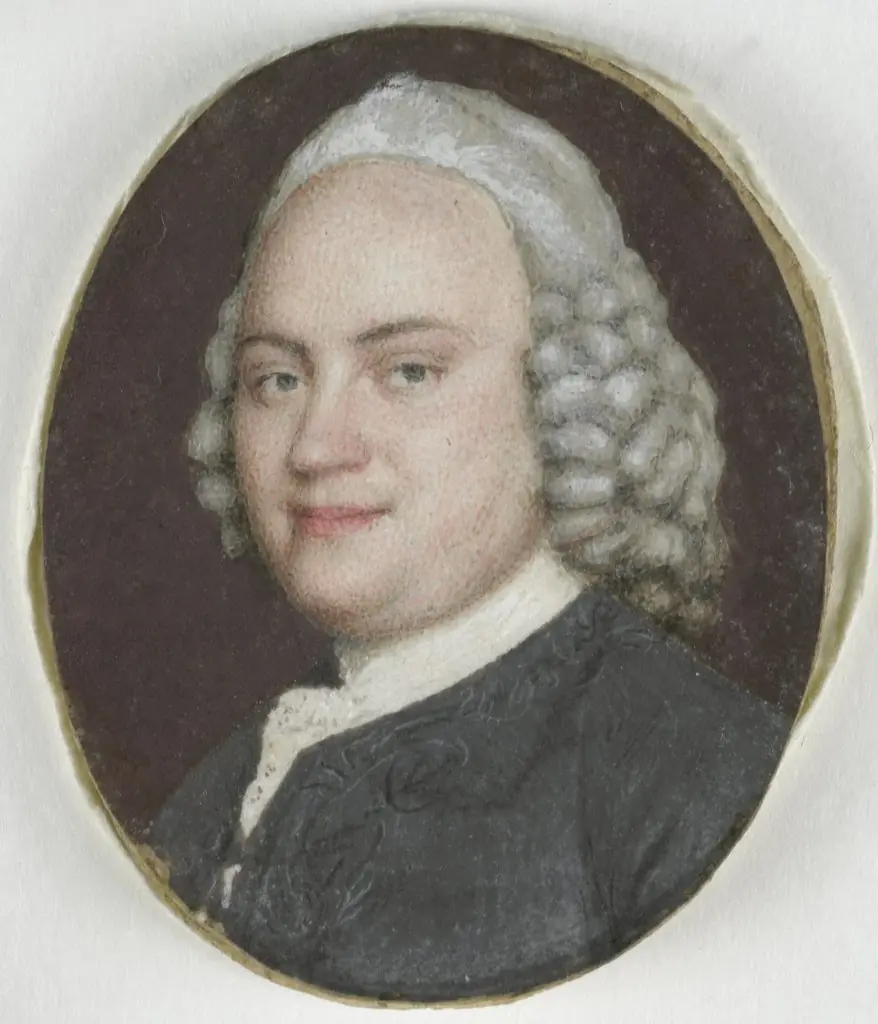 Portret van Pieter van Bleiswijk (1724-90), raadpensionaris van Holland
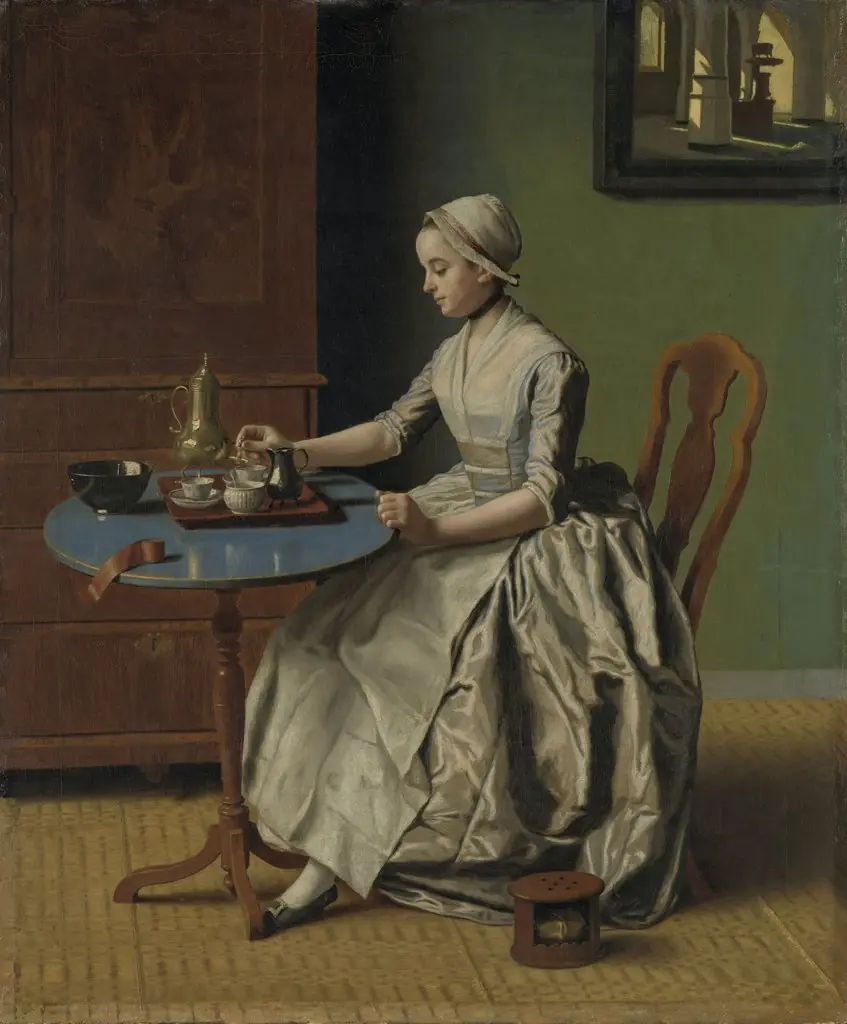 A Dutch Girl at Breakfast
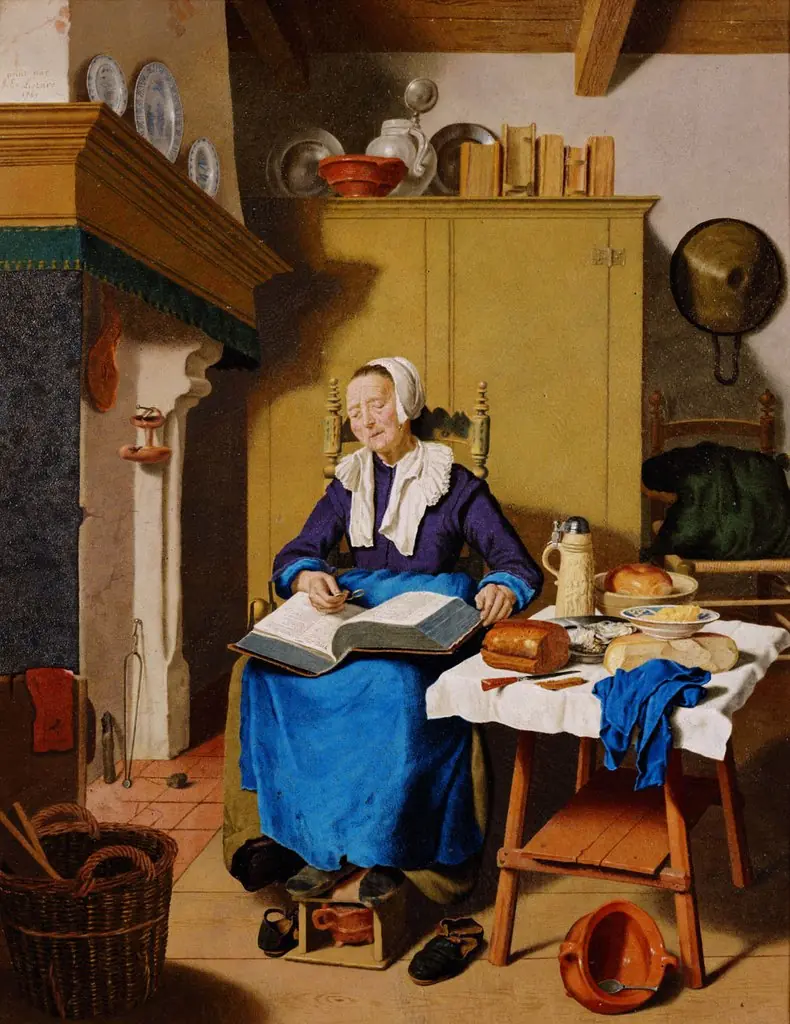 Sleeping old lady with a bible on her lap
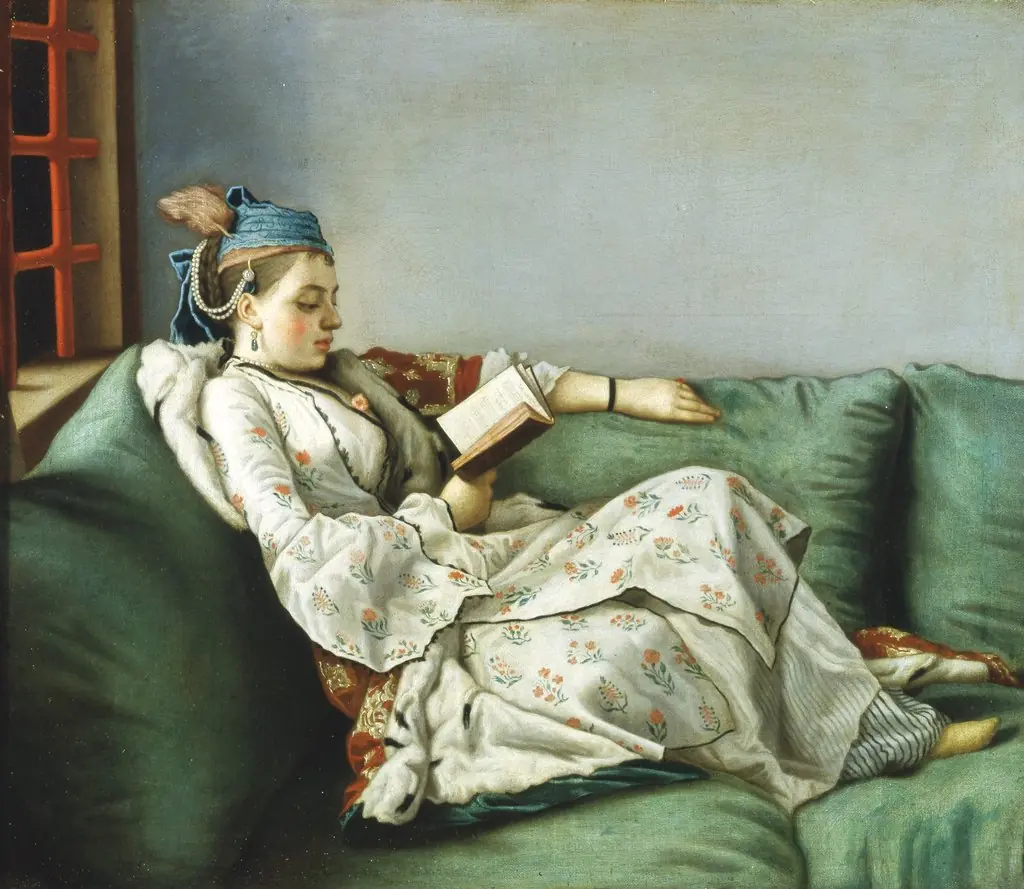 Portrait of Maria Adelaide of France in Turkish-style clothes
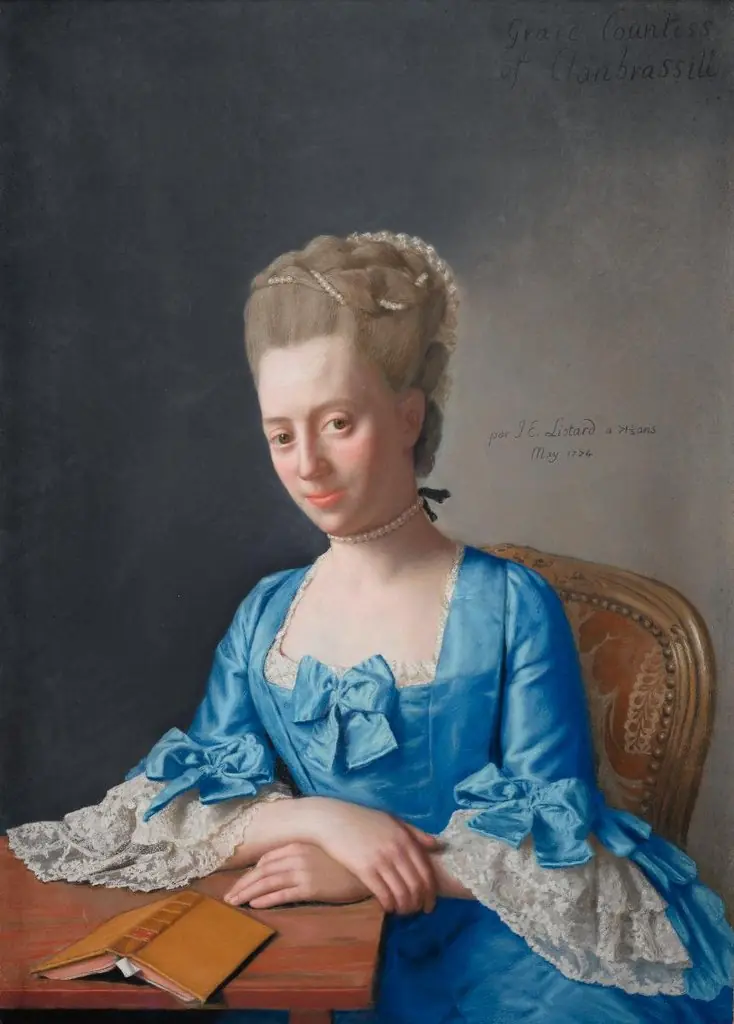 Grace, Countess of Clanbrassil
- Portrait of a young woman [Sophie Markgräfin von Brandenburg-Bayreuth, née Duchess Sachsen-Weißenfels (1684–1752)?]
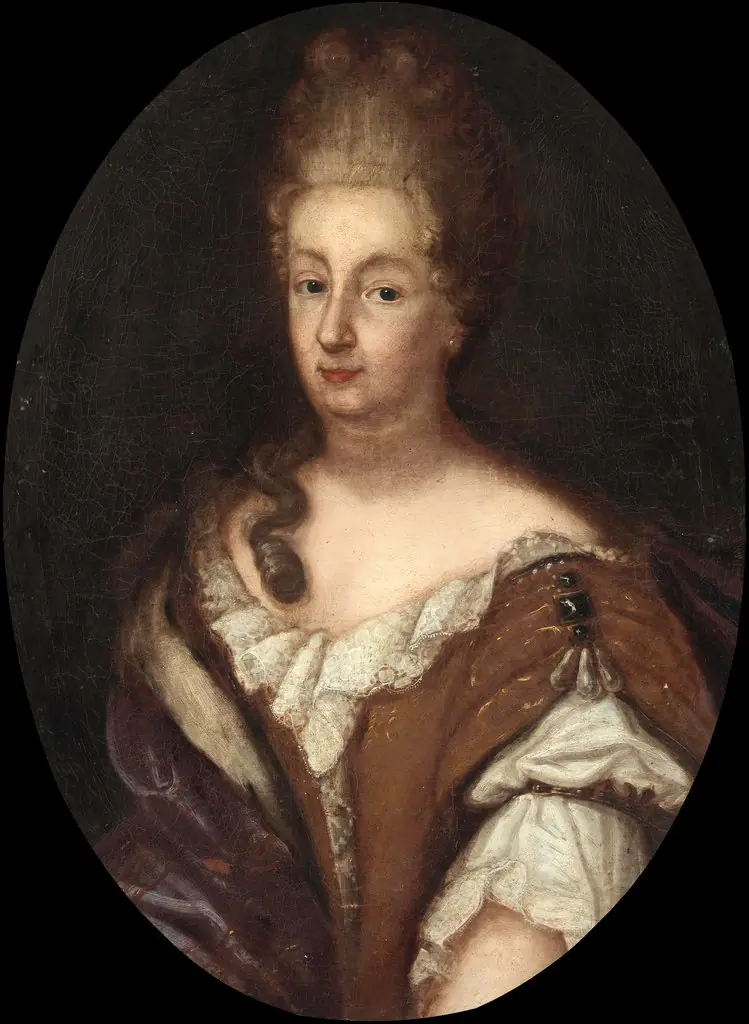 Elisabeth Charlotte Herzogin von Orléans (?)
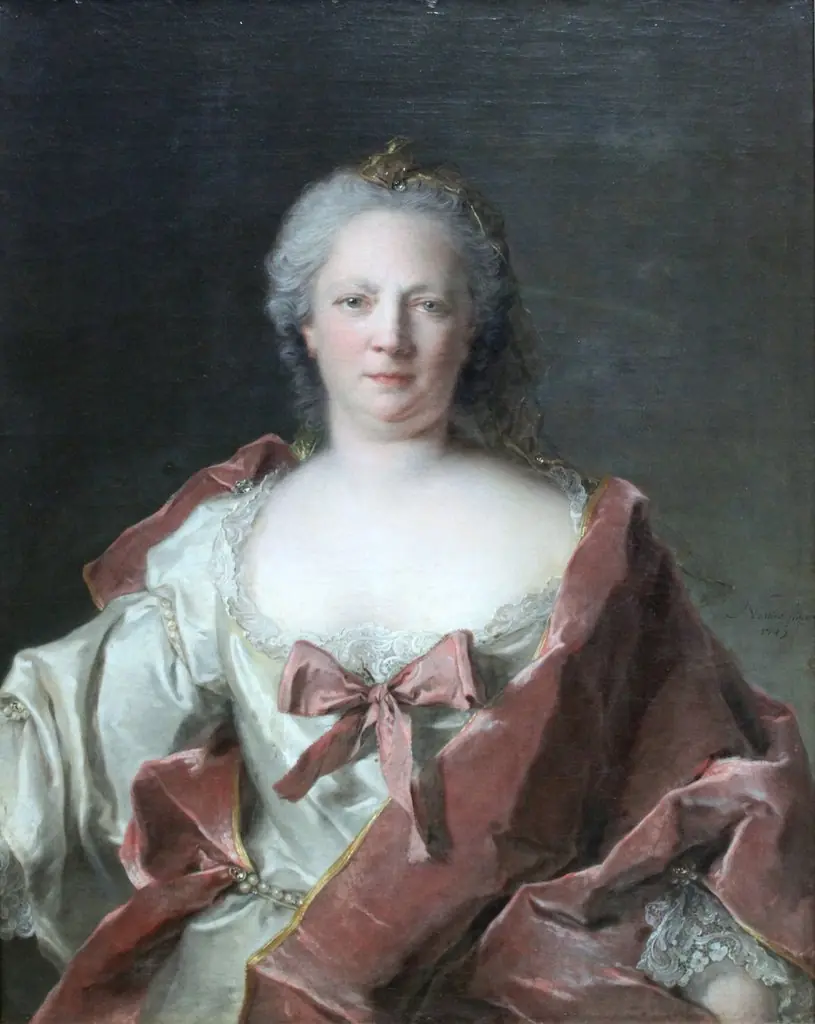 Portrait of Frankfurt banker's wife Anna Elisabeth Leerse
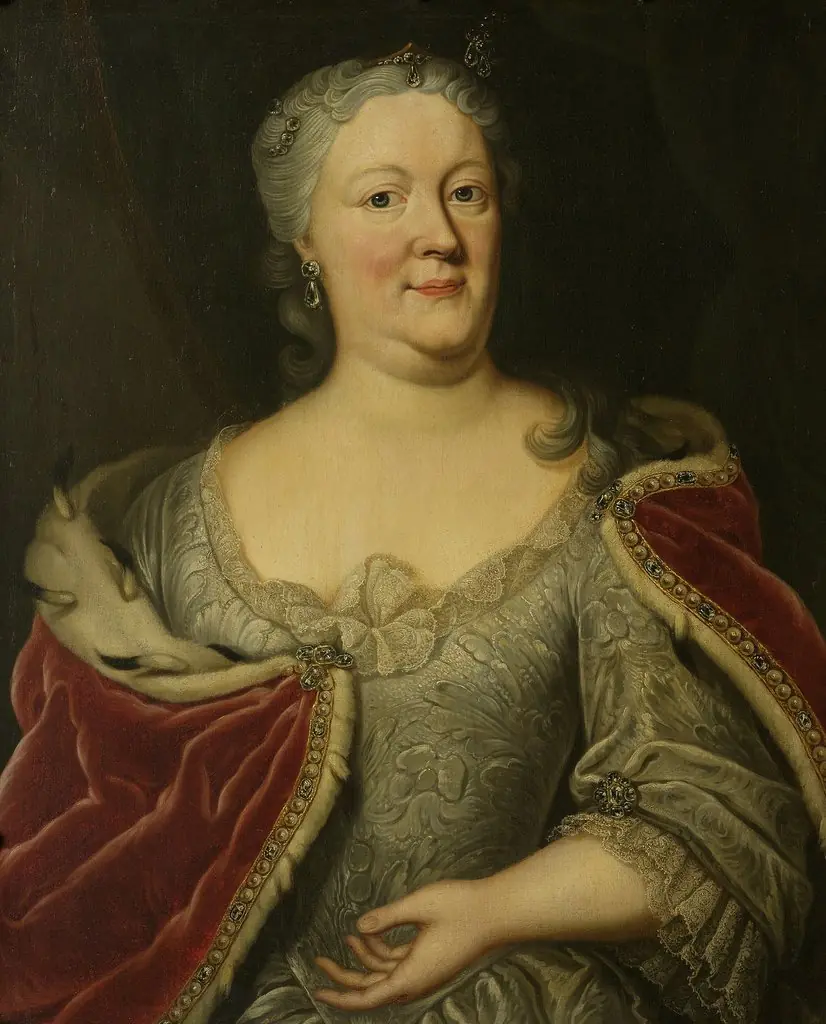 Portrait of Maria Louisa van Hessen-Kassel, called Maaike-Meu. Widow of the Stadtholder of Friesland John Willem Friso, Prince of Orange-Nassau
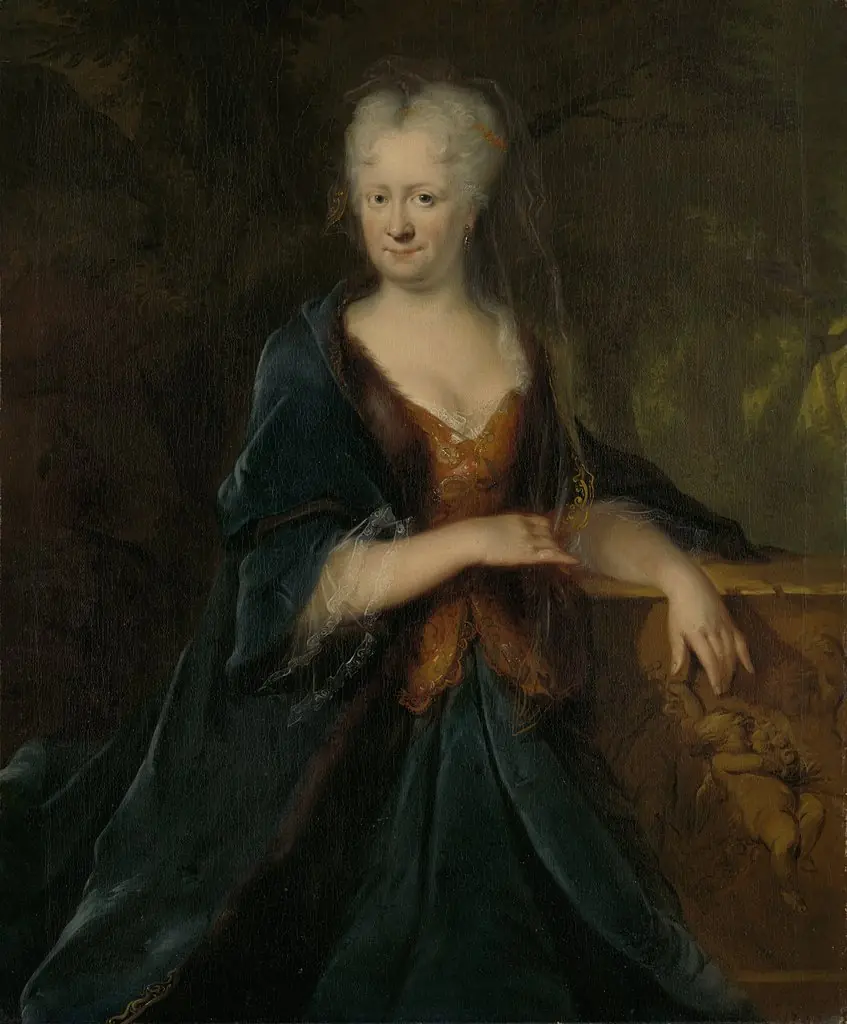 Portrait of Louise Christina Trip, Wife of Gerrit Sichterman
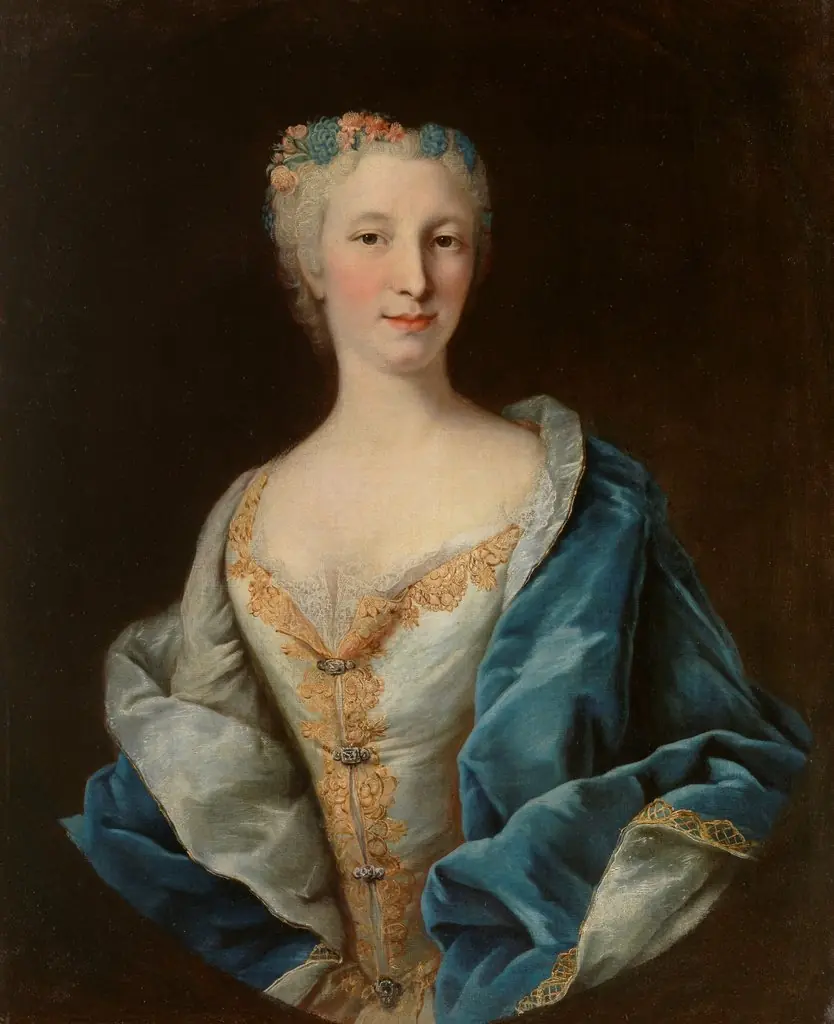 Retrato de dama
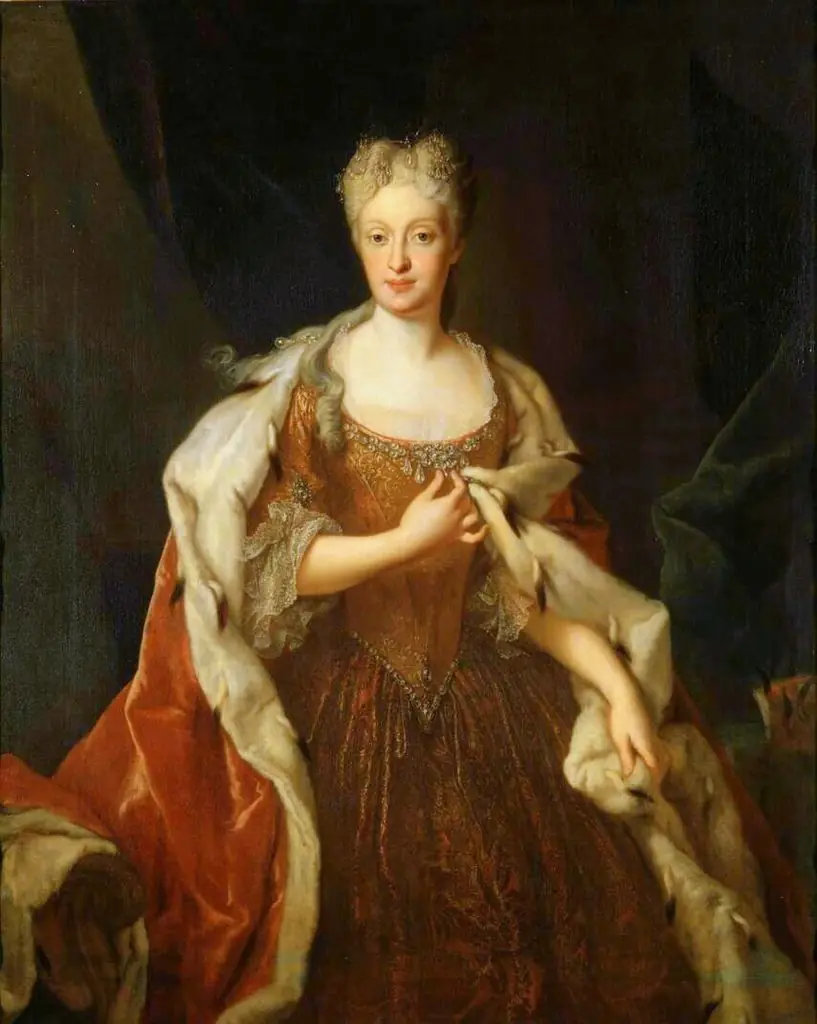 Porträt der Maria Josepha of Austria (1699-1757), Electress of Saxony and Queen of Poland
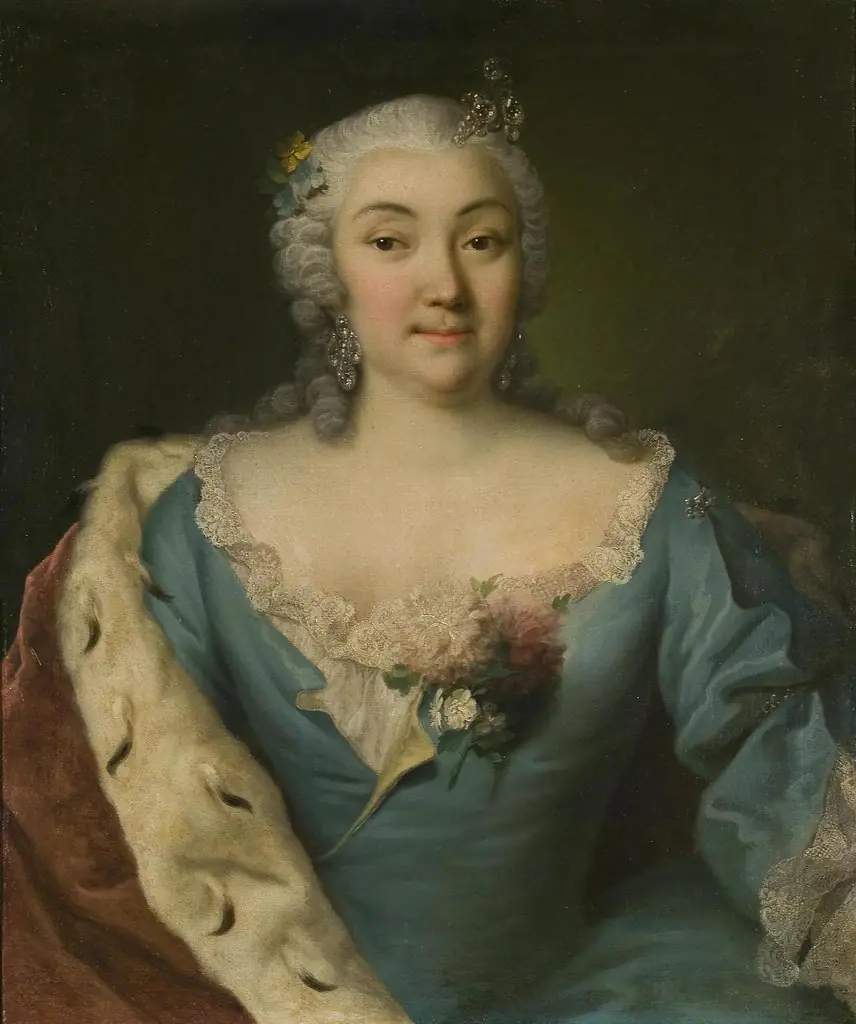 Portrait of A.I. Kurakina
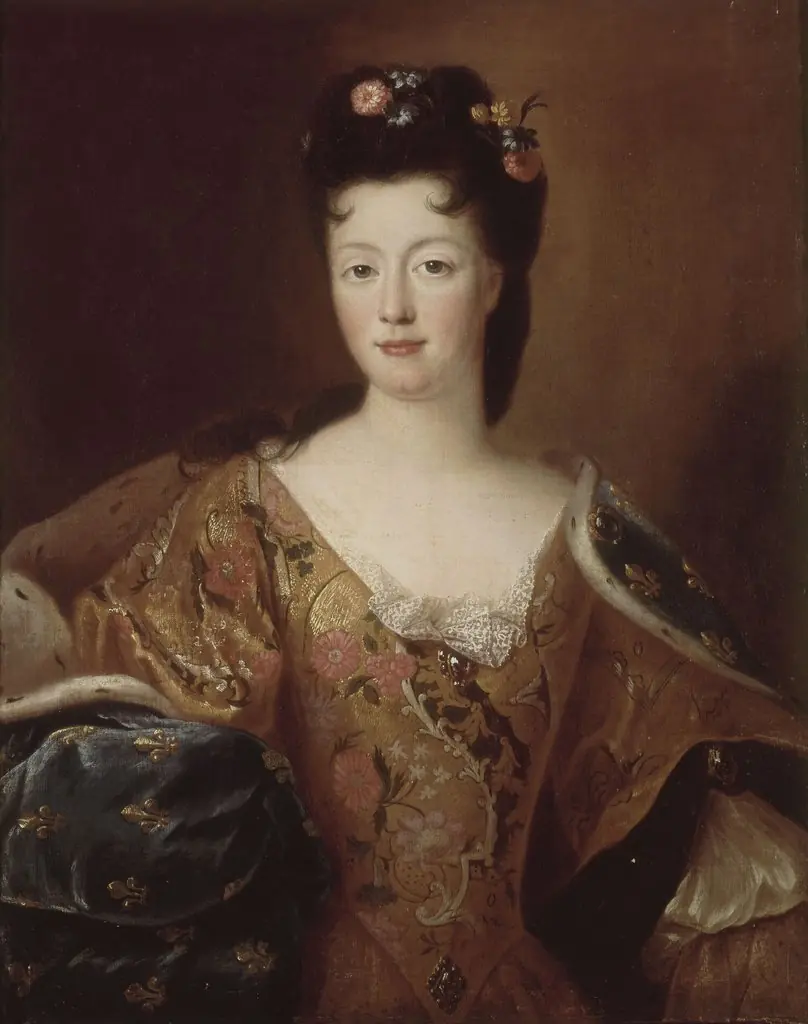 Elisabeth-Charlotte d'Orléans, Duchess of Lorraine
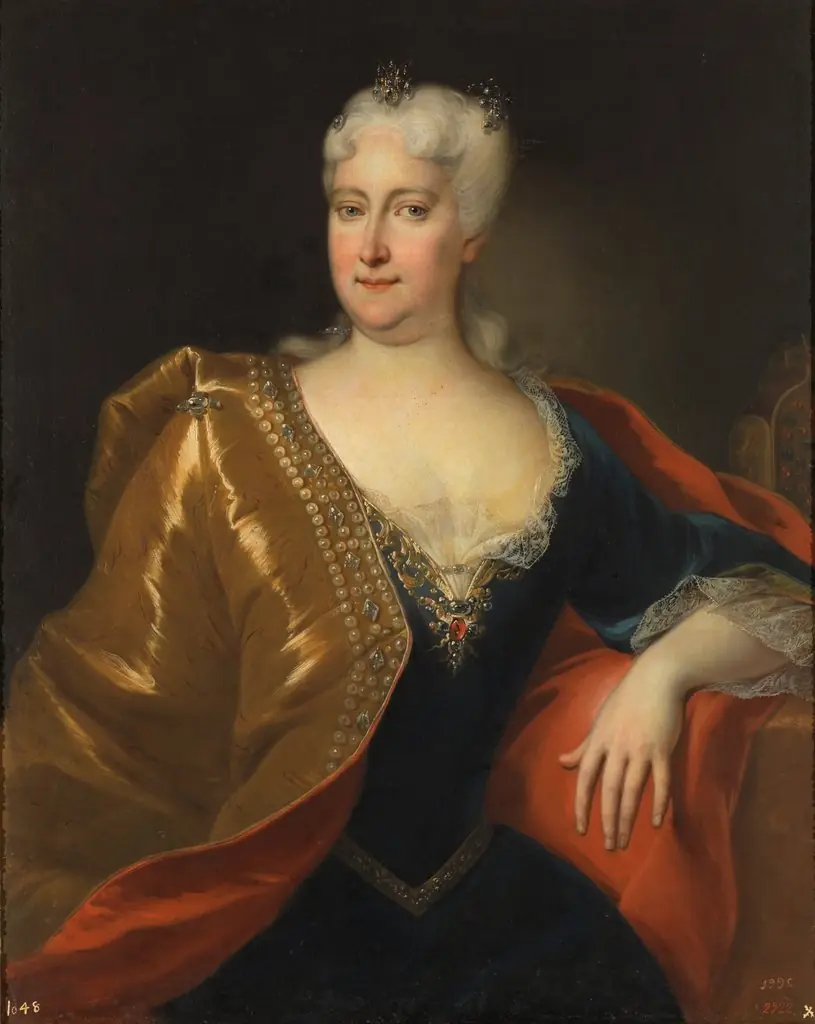 La emperatriz Isabel Cristina de Brunswick
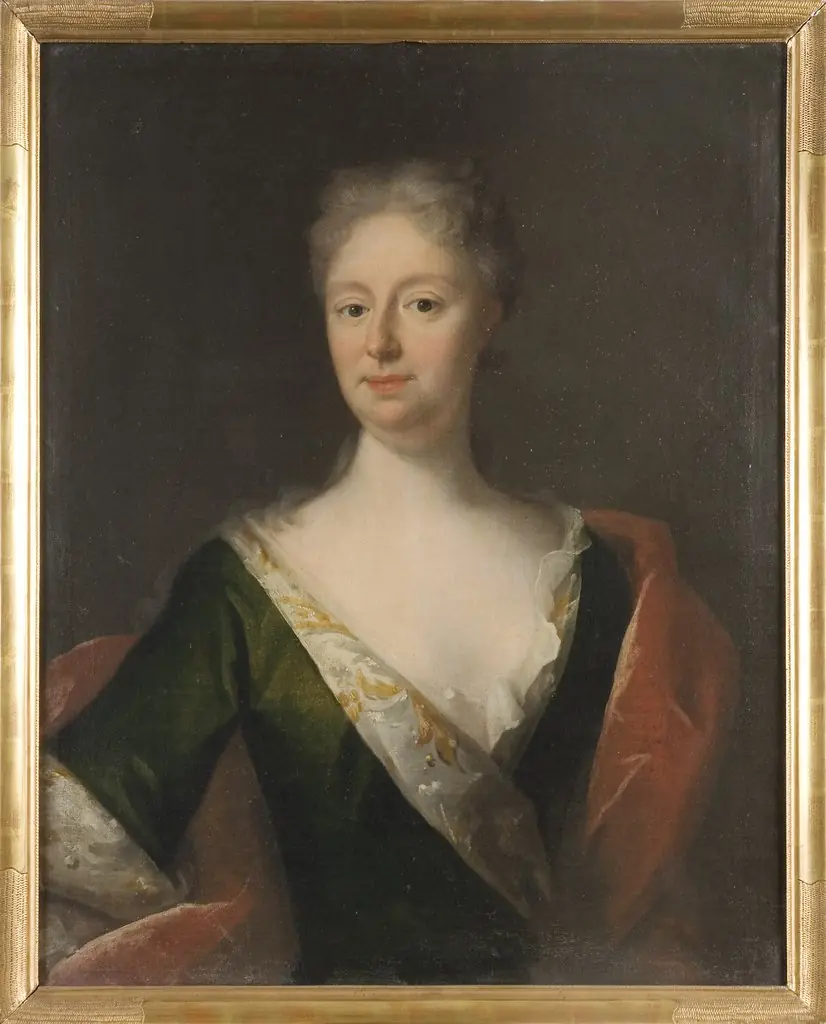 Sofia Gyllenstierna af Ulaborg (1682-1722), friherrinna, g.m. friherre Adolf Herman Wrangel af Lindeberg
 Maria Giovanna Battista Duchess of Savoy