Artwork
Amtmand, geheimeråd Antoine de la Calmette
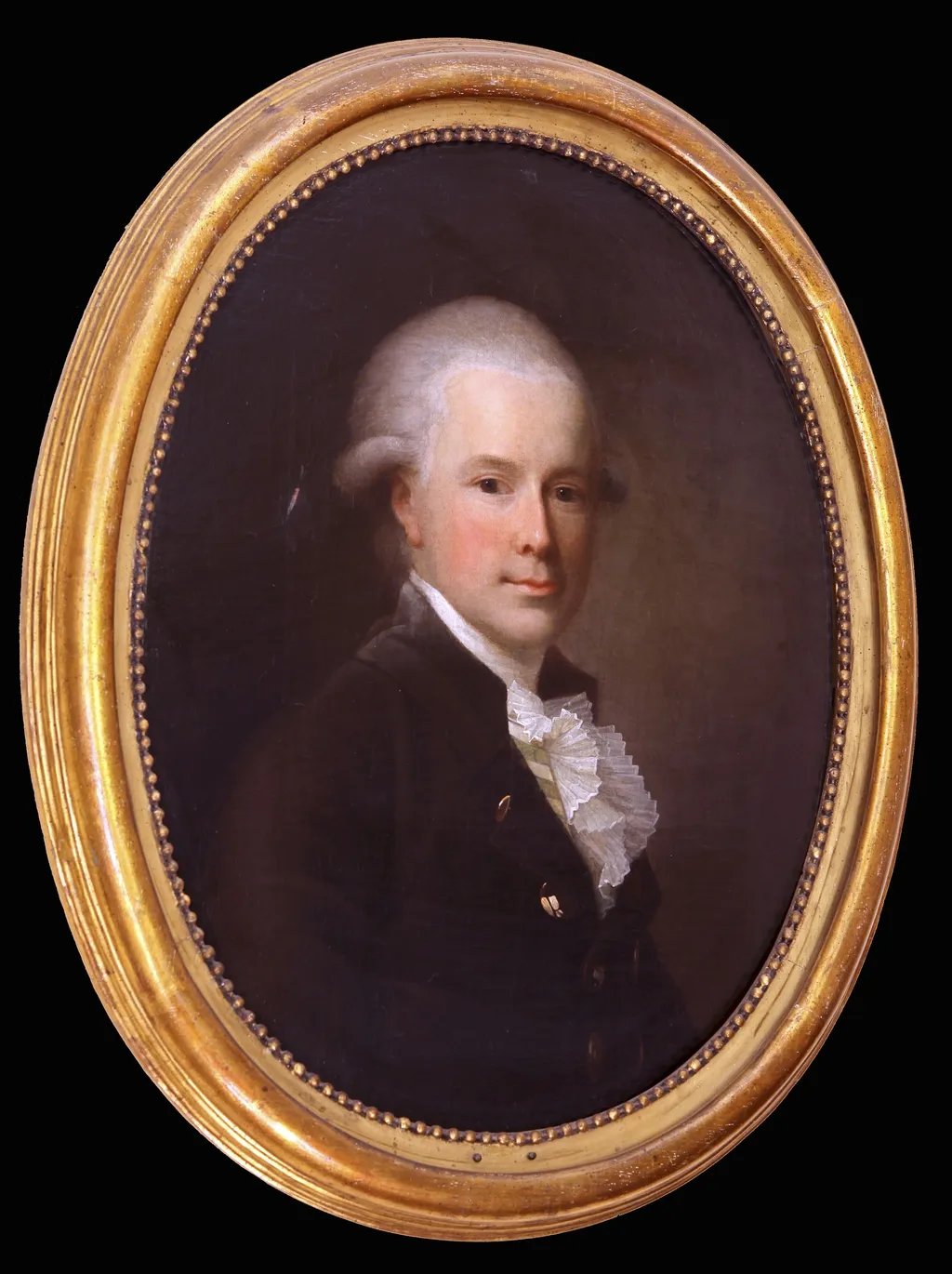
Amtmand, geheimeråd Antoine de la Calmette is an oil painting by the Rococo painting artist Jens Juel. It dates from 1791 and is held in the collection of the Statens Museum for Kunst.
About this work
The level of detail and realism in the portrait is impressive, indicating a high level of skill on the part of the artist.
This portrait painting shows a man with white hair, dressed in a black jacket and white ruffled collar. The background is dark, and the man's face is illuminated.
The man's attire and hairstyle suggest a formal setting, possibly from the 18th century. The artist's use of light and shadow creates a sense of depth and dimensionality in the painting.
The level of detail and realism in the portrait is impressive, indicating a high level of skill on the part of the artist. Next, you might want to explore the work of artist Jens Juel.
Subject & Meaning
The painting is a formal portrait of Antoine de Bosc de la Calmette, identified by his titles of amtmand (a Danish administrative office) and geheimeråd (privy councillor). As a representative portrait of a high-ranking Danish-Norwegian official, the work functions as a visual record of his status and rank rather than as an allegorical or symbolic composition. The sitter is rendered in oil on canvas, consistent with Jens Juel's practice of producing dignified likenesses of prominent contemporaries. No specific iconographic attributes, emblems of office, or symbolic objects are documented in the available sources.
The portrait's meaning therefore lies in its role as an official likeness: it preserves the appearance and conveys the social standing of La Calmette, who served in senior governmental posts. The work belongs to the genre of portraiture and is held by the Statens Museum for Kunst.
Technique & Style
The work is an oil painting executed on canvas, measuring 70 cm in height and 53 cm in width. It portrays Antoine de Bosc de la Calmette in his capacity as a member of the secret council, rendered with the refined brushwork typical of late 18th-century Danish portraiture. The composition emphasizes the sitter’s dignified presence through careful attention to facial expression and attire, reflecting Jens Juel’s mastery of formal realism and subtle tonal modelling.
History & Provenance
The portrait of Antoine de la Calmette was painted by Jens Juel in 1781, as indicated by the artist’s date on the work.
The sitter, Antoine de Bosc de la Calmette, served as amtmand and geheimeråd, titles reflected in the painting’s inscription. The work entered the collection of Statens Museum for Kunst, where it remains held, with dimensions recorded as 70 cm in height and 53 cm in width.
The painting is held in the collection of the Statens Museum for Kunst, where it is catalogued under the accession identifier that records its inclusion in the museum's holdings. It was first exhibited publicly as part of the museum's early 19th‑century portrait displays, and later featured in a retrospective of Jens Juel's work in 1995.
Context
Jens Juel's 1781 portrait of the French diplomat Antoine de la Calmette was created during a period when French aristocratic subjects were frequently commissioned for display in Danish royal collections, reflecting both diplomatic relations and Enlightenment-era tastes. The work was painted in Copenhagen while Juel served as court painter to the Danish monarch, positioning it within the broader Neoclassical movement that emphasized individual intellect and moral virtue in portraiture. Its formal composition, characterized by restrained brushwork and a focus on the sitter's dignified presence, aligns with contemporary European portrait conventions while adapting to the aesthetic preferences of the Danish court.
The painting's inclusion in the Statens Museum for Kunst collection since the 19th century has ensured its continued scholarly attention as an example of cross-cultural artistic exchange in the late 18th century.
Overview
In 1791 Jens Juel, Denmark’s foremost portraitist of the late eighteenth century, completed an oil‑on‑canvas depiction of Antoine de Bosc de la Calmette. The work exemplifies the Rococo sensibility prevalent in Danish court portraiture, combining refined elegance with a subtle play of light that brings the sitter’s features into focus against a muted backdrop.
Own this work as a print
Artist & collection
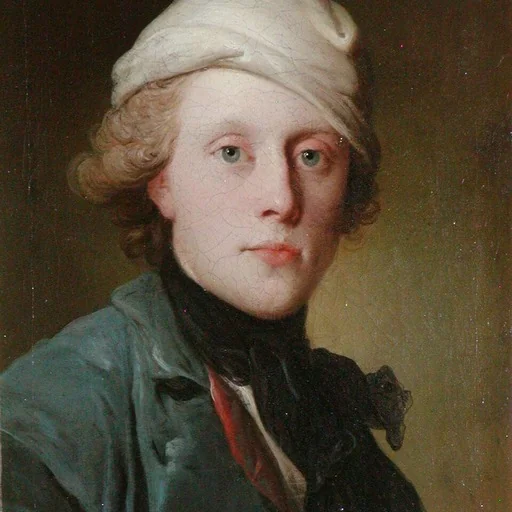
Artist
Jens Juel (12 May 1745 – 27 December 1802) was a Danish painter, primarily known for his many portraits, of which the largest collection is on display at Frederiksborg Castle.

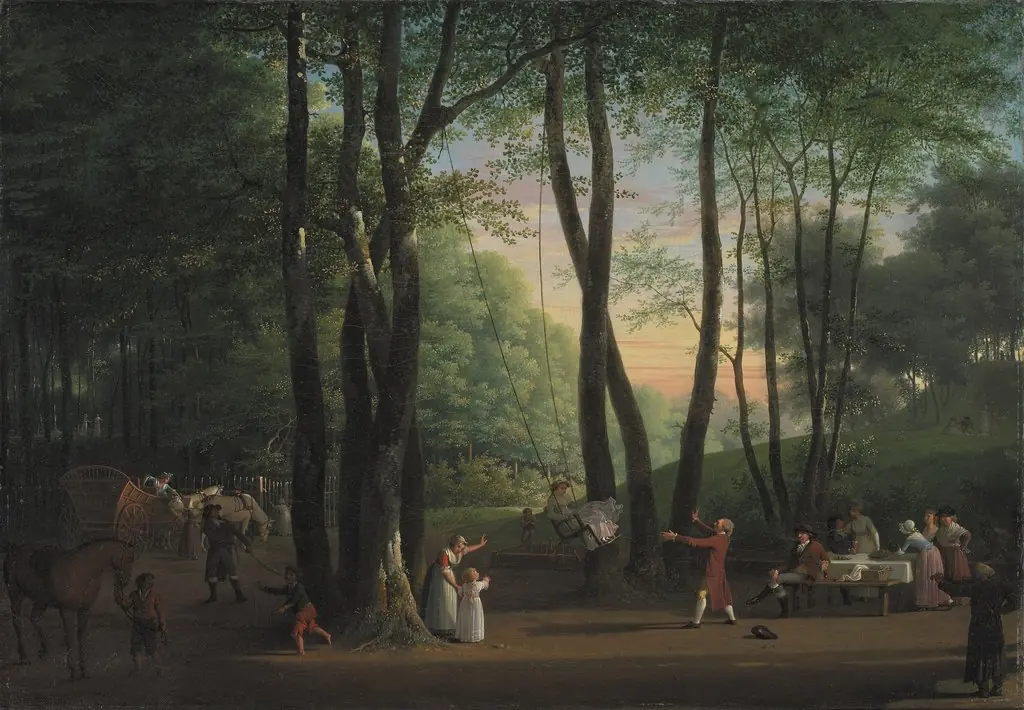 The Dancing Glade at Sorgenfri
 Kitchen Interior with a Girl Reading
 Niels Ryberg with his Son Johan Christian and his Daughter-in-Law Engelke, née Falbe
 An Autumn Landscape by the Rhine
 Flowers and Fruit on a Table
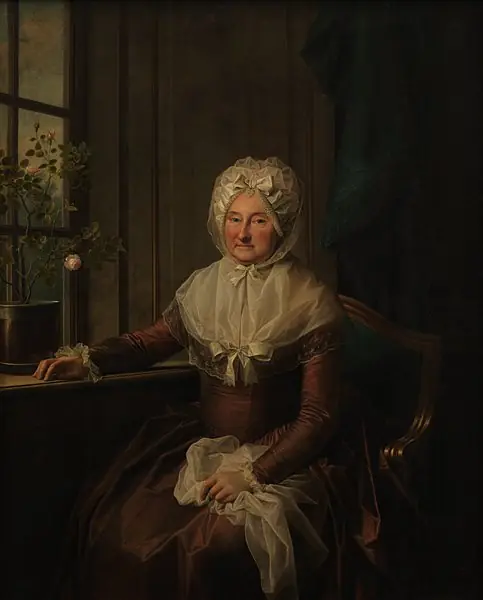 Countess Anna Joachima Danneskiold-Laurvigen, née Ahlefeldt
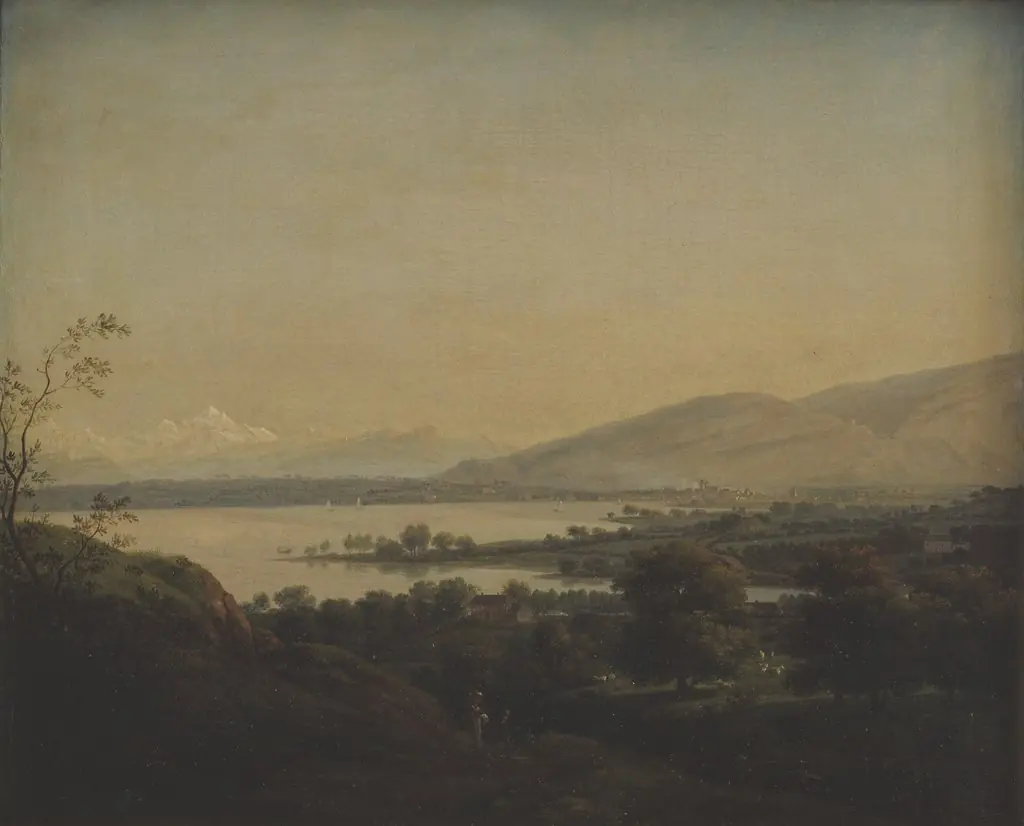 A View Across Lake Leman Towards Mont Blanc and Geneva
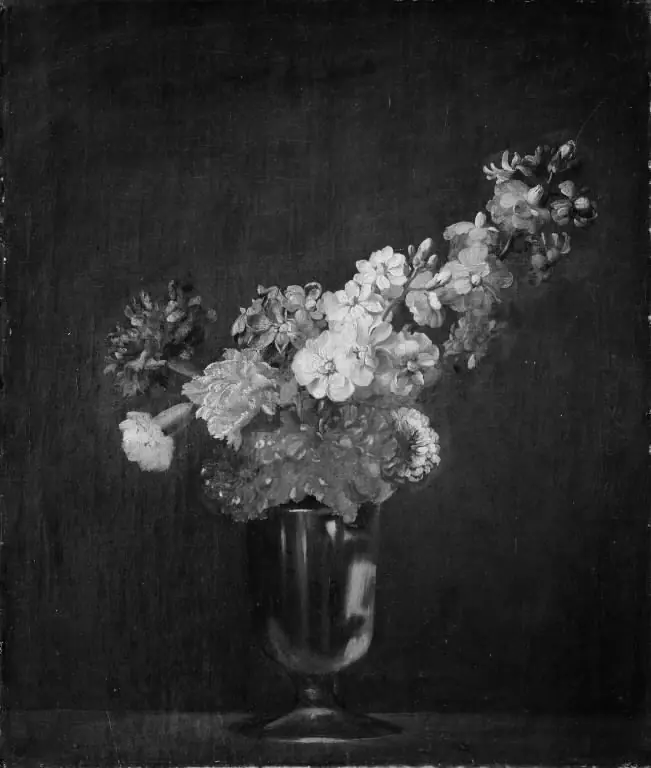 Stocks and Carnations
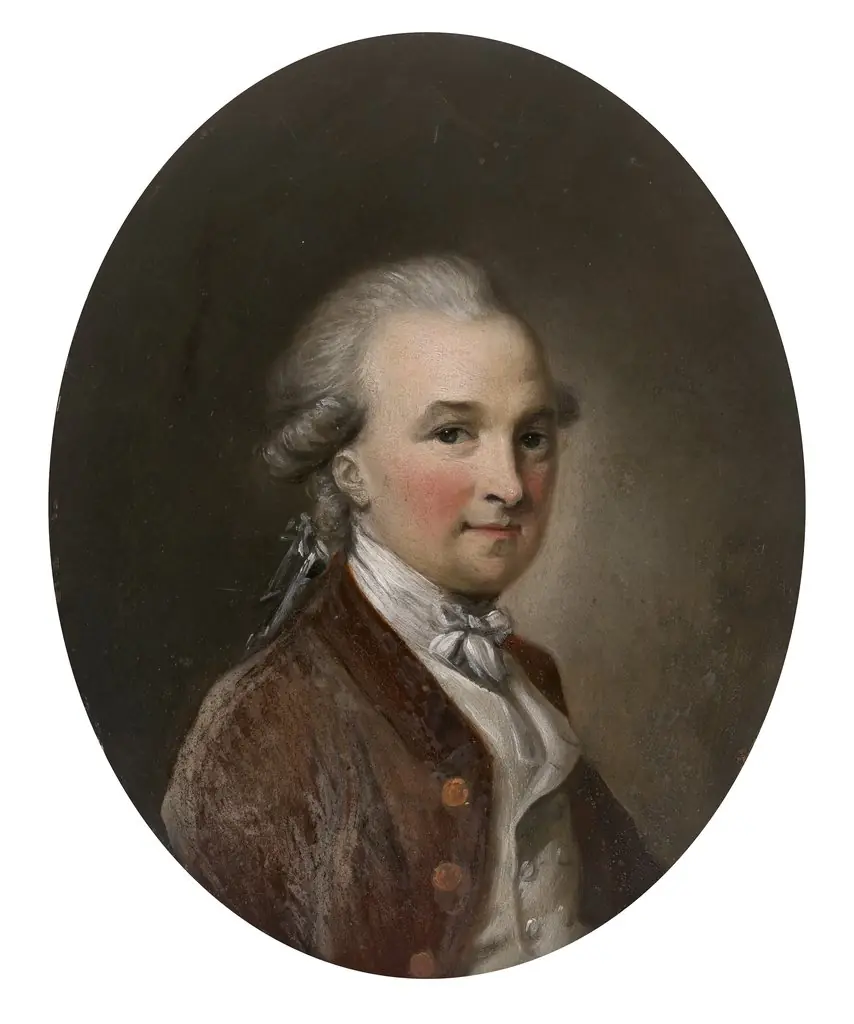 Possibly William Power Keating Trench, later 1st Earl of Clancarty (1741-1805)
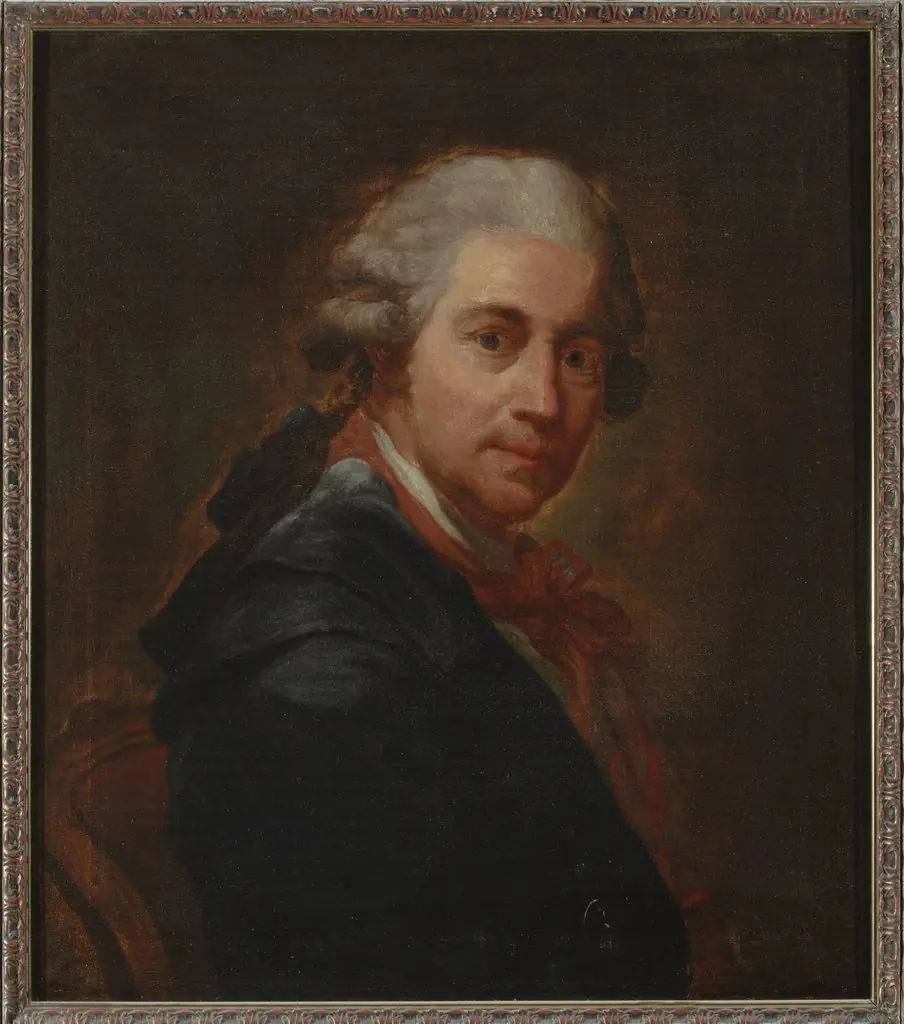 Self-portrait of Bacciarelli in a redingote
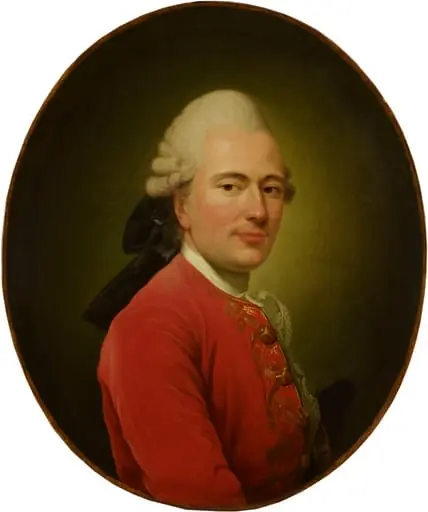 Paul Marie Victoire de Beauvilliers
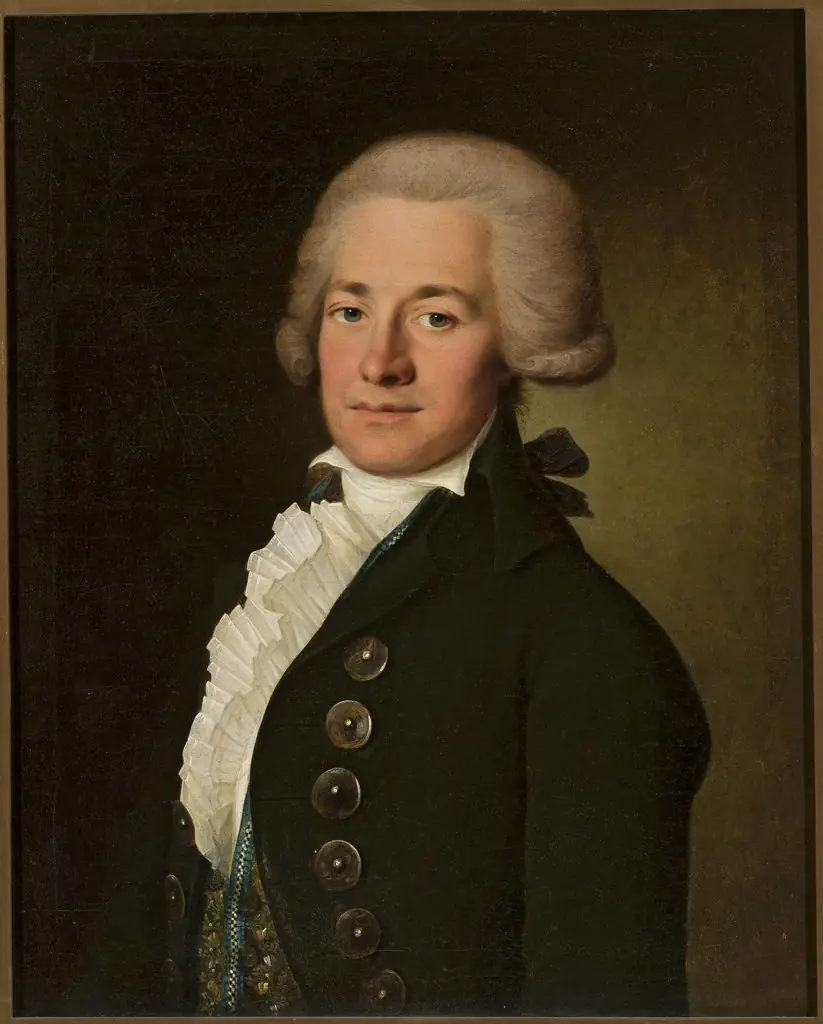 Portrait of a young man in a wig en catogan
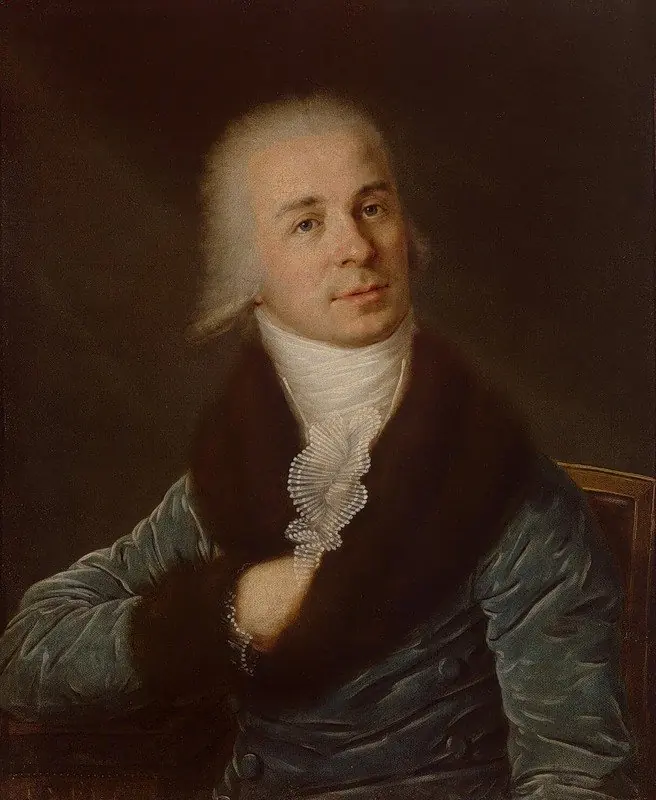 Portrait of Gavrila Derzhavin
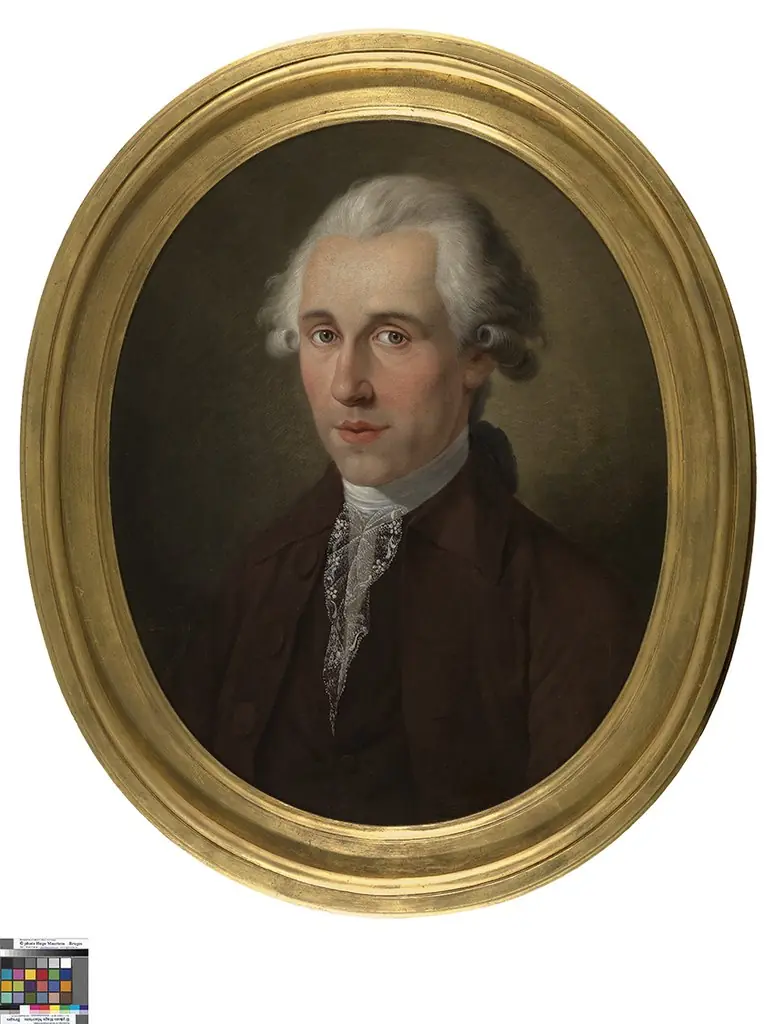 Portret van een man
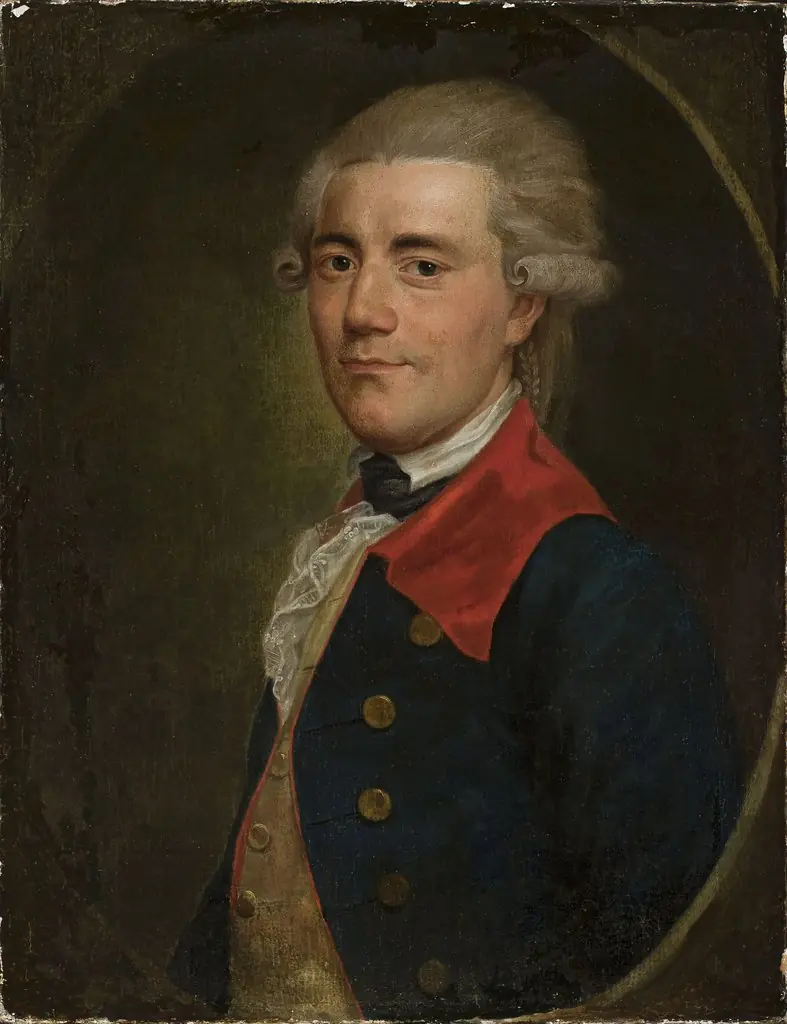 Portrait of Johann Heinrich Muyschel (1755–1825)
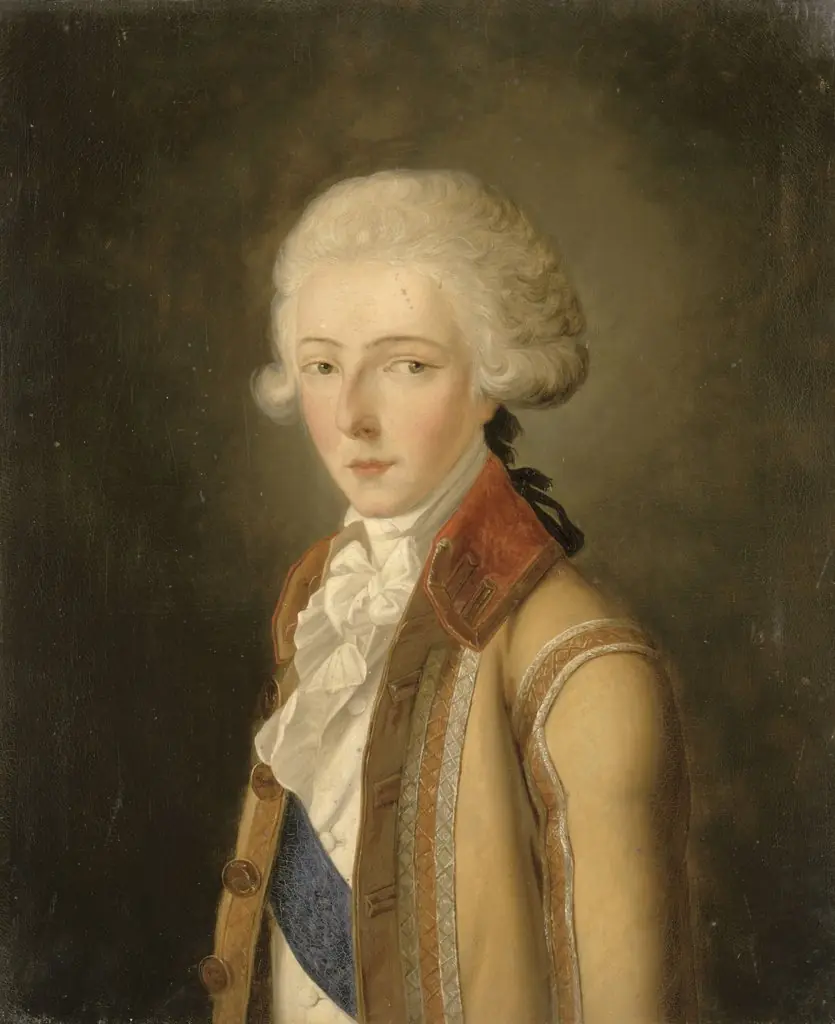 Louis Antoine de Bourbon, Duke of Enghien (1772—1804)
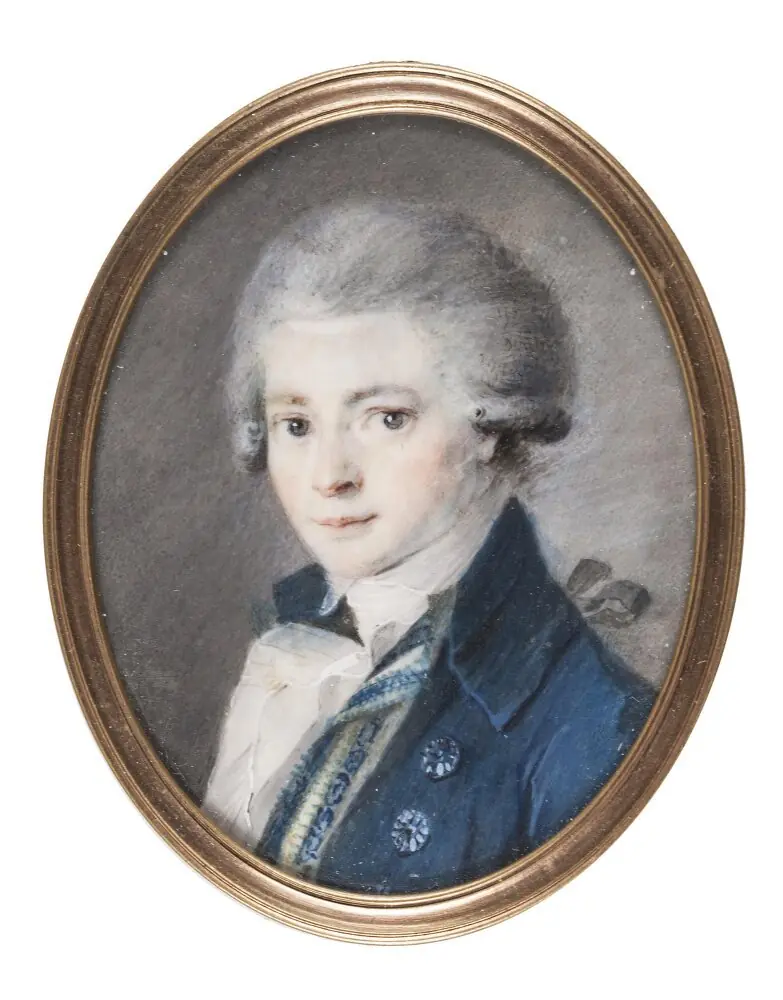 Unknown man
 Portrait of Adriaan du Bois, Director of the Rotterdam Chamber of the Dutch East India Company, elected 1742
 Jean Jacques Caffieri (1725–1792)
- Amtmand, geheimeråd Antoine de la Calmette