Artwork
Maria Ulrica Berner, f. Schouw
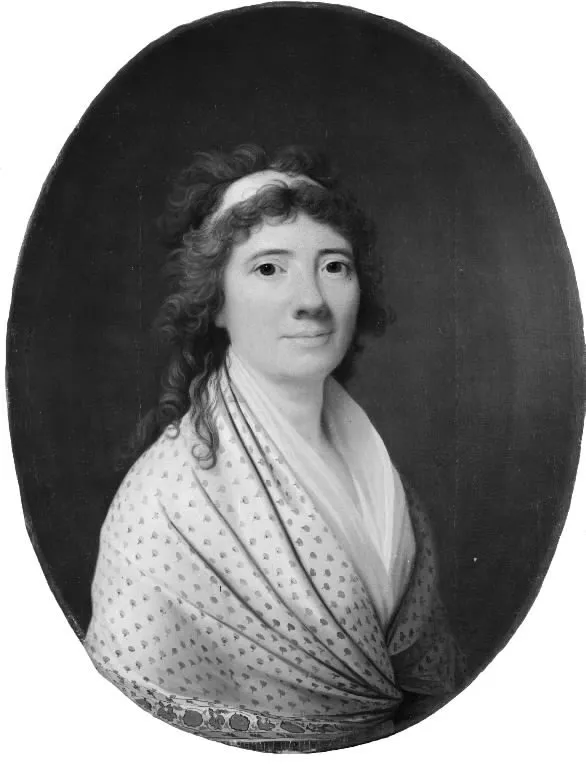
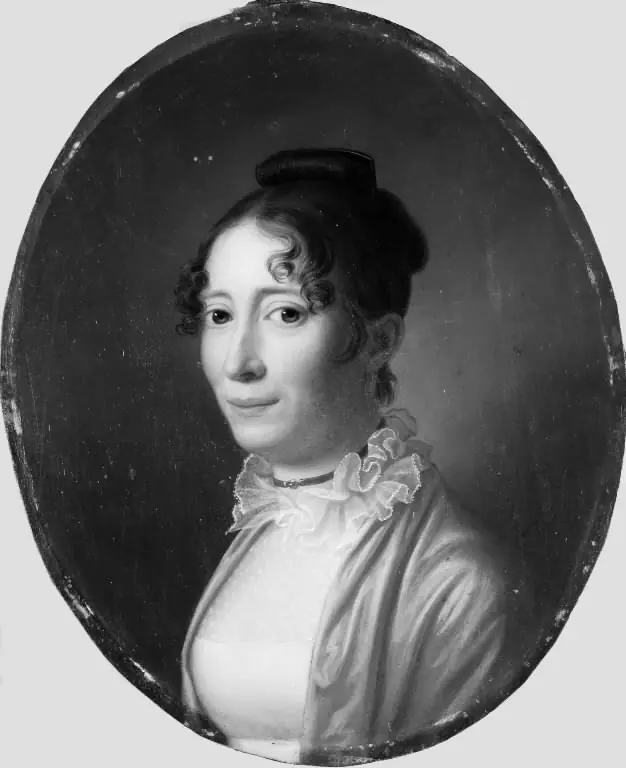
Maria Ulrica Berner, f. Schouw is an oil painting by Jens Juel. It dates from 1791 and is held in the collection of the Statens Museum for Kunst.
About this work
Overview
Its formal composition and careful lighting align with Juel’s established approach to portraiture during this period.
Painted in 1791 by Jens Juel, this oil-on-canvas portrait depicts Maria Ulrica Berner, née Schouw. Juel, Denmark’s preeminent portraitist of the late 18th century, captured her with restrained elegance. The work resides in the collection of Statens Museum for Kunst, reflecting its significance in Danish art history. Its formal composition and careful lighting align with Juel’s established approach to portraiture during this period.
Subject & Meaning
Maria Ulrica Berner, f. Schouw, is portrayed with quiet composure, her gaze meeting the viewer directly. Her attire, a white dress and patterned shawl, suggests modest refinement, typical of bourgeois women of the era.
The absence of decorative props or symbolic elements emphasizes her identity as an individual rather than a social archetype, reinforcing a personal, introspective tone.
Technique & Style
Juel employed subtle chiaroscuro to model the sitter’s form, using soft transitions between light and shadow to define her face and shoulders. The dark, unbroken background isolates her figure, enhancing three-dimensionality without distraction. Brushwork is precise yet unobtrusive, favoring clarity over ornamentation, consistent with Juel’s restrained Neoclassical sensibility and his focus on psychological presence.
History & Provenance
Commissioned in 1791, the portrait entered the collection of Statens Museum for Kunst, where it remains today. Juel’s reputation as Denmark’s leading portraitist ensured his works were widely collected by the elite and later preserved by the state. The painting’s survival in public ownership reflects its early recognition as a representative example of Danish portraiture from the Enlightenment era.
Context
In late 18th-century Denmark, portraiture served both personal and social functions, documenting lineage and status among the educated classes. Juel’s work emerged amid a cultural shift toward individualism, where likenesses were valued for their psychological accuracy rather than ceremonial grandeur. This portrait reflects that transition, capturing a private moment within a public artistic tradition.
Legacy
Juel’s portraits, including this one, set a standard for Danish painting through their clarity and emotional restraint. Though not overtly dramatic, his works influenced subsequent generations by prioritizing truthful representation over embellishment. The painting endures as a quiet testament to the dignity of everyday subjects in a time when portraiture was becoming more accessible beyond aristocracy.
Artist & collection
Artist
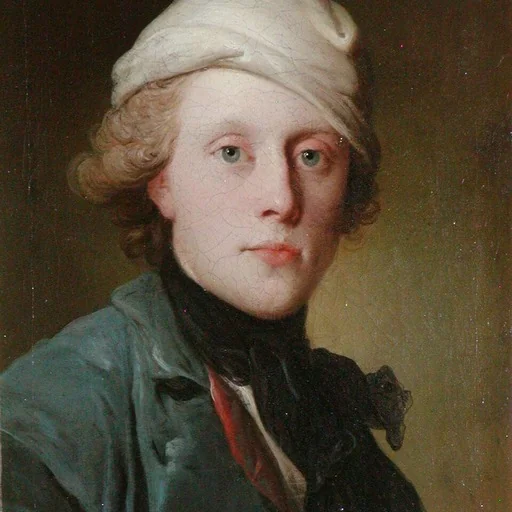
Jens Juel (12 May 1745 – 27 December 1802) was a Danish painter, primarily known for his many portraits, of which the largest collection is on display at Frederiksborg Castle.

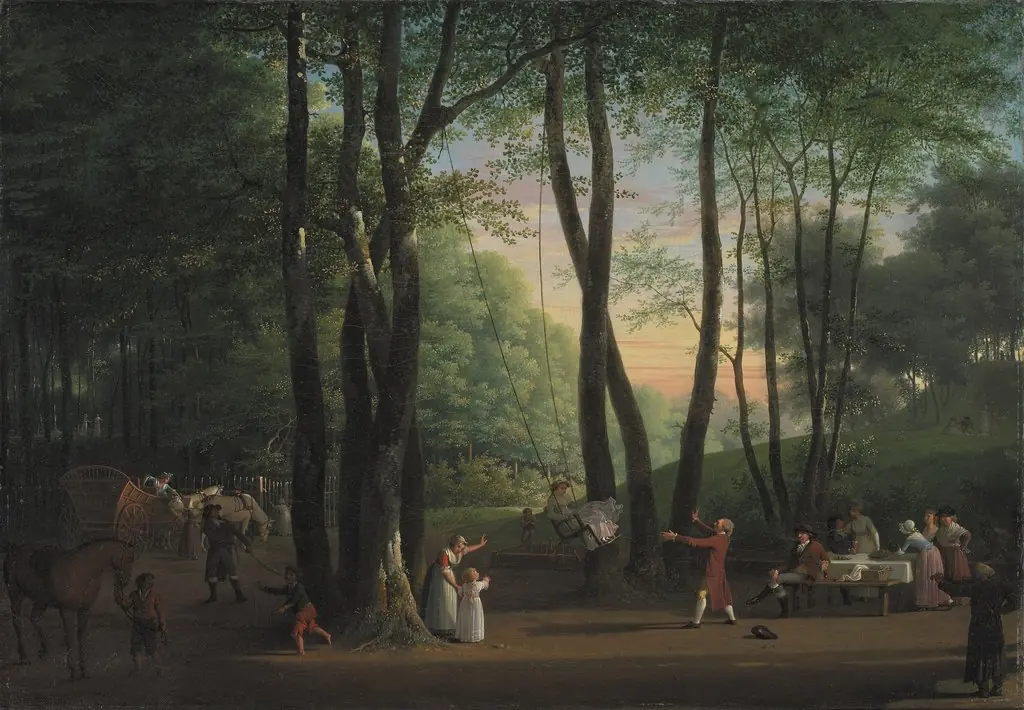 The Dancing Glade at Sorgenfri
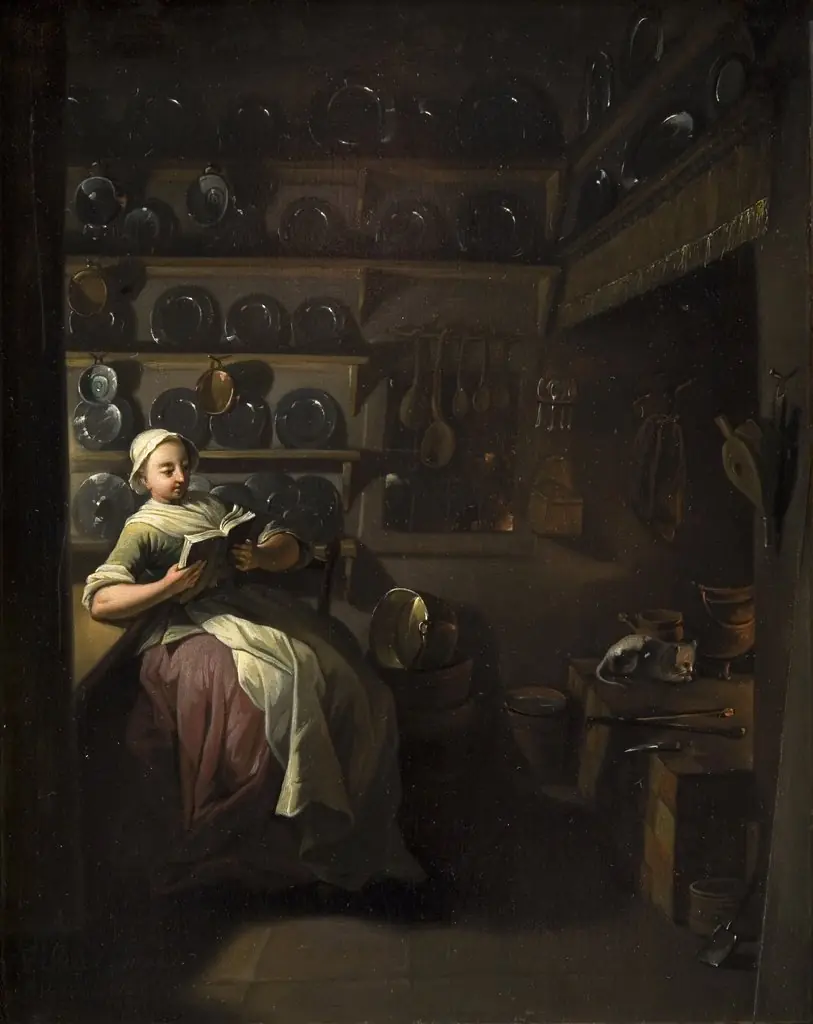 Kitchen Interior with a Girl Reading
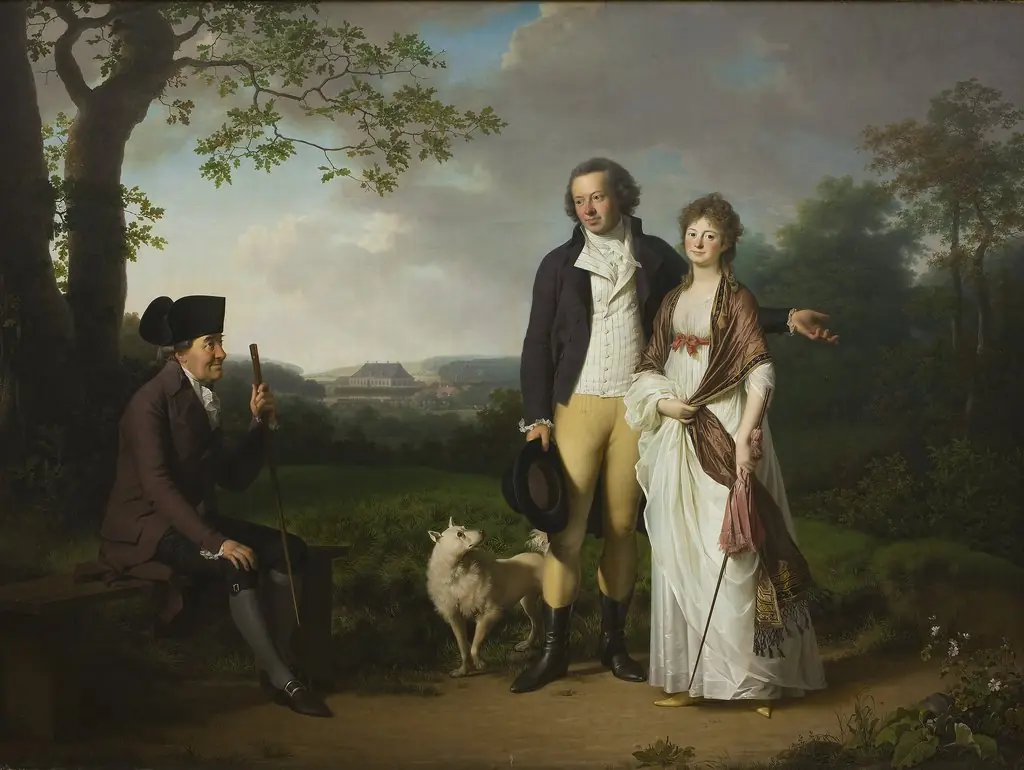 Niels Ryberg with his Son Johan Christian and his Daughter-in-Law Engelke, née Falbe
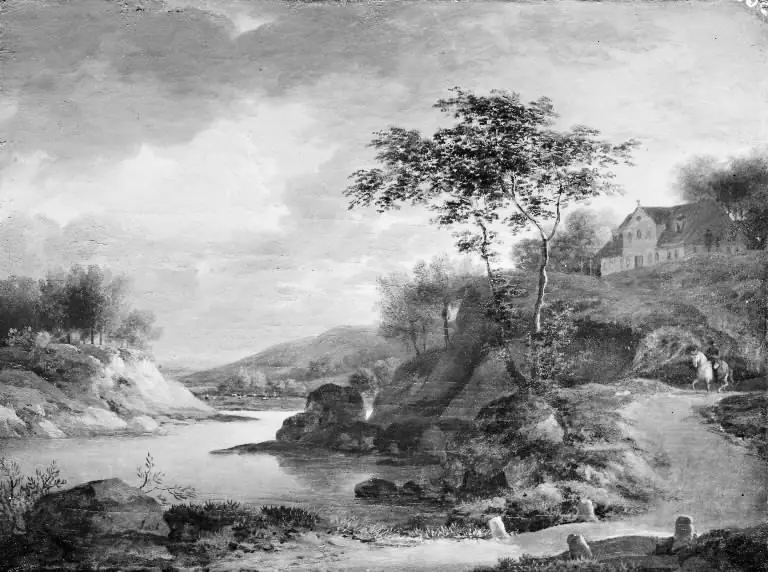 An Autumn Landscape by the Rhine
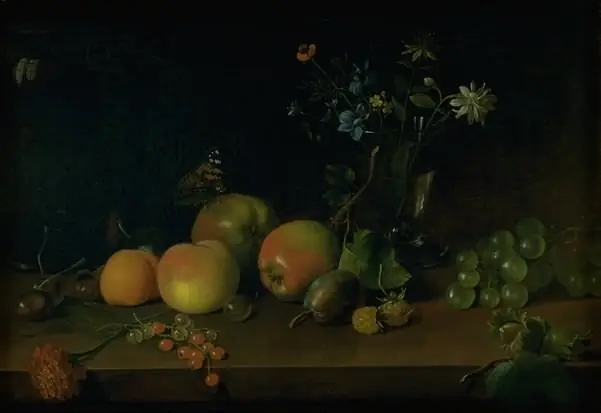 Flowers and Fruit on a Table
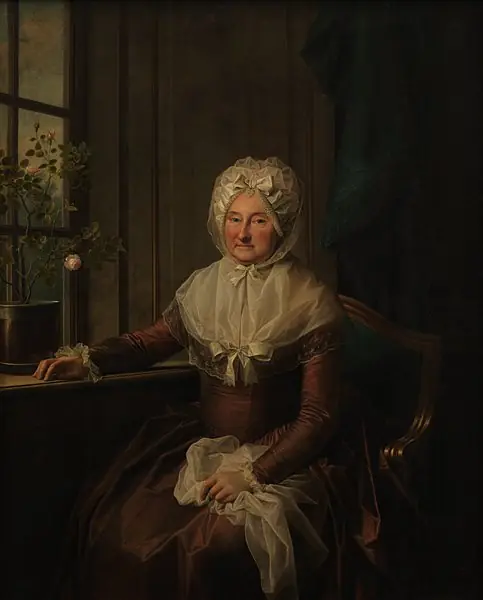 Countess Anna Joachima Danneskiold-Laurvigen, née Ahlefeldt
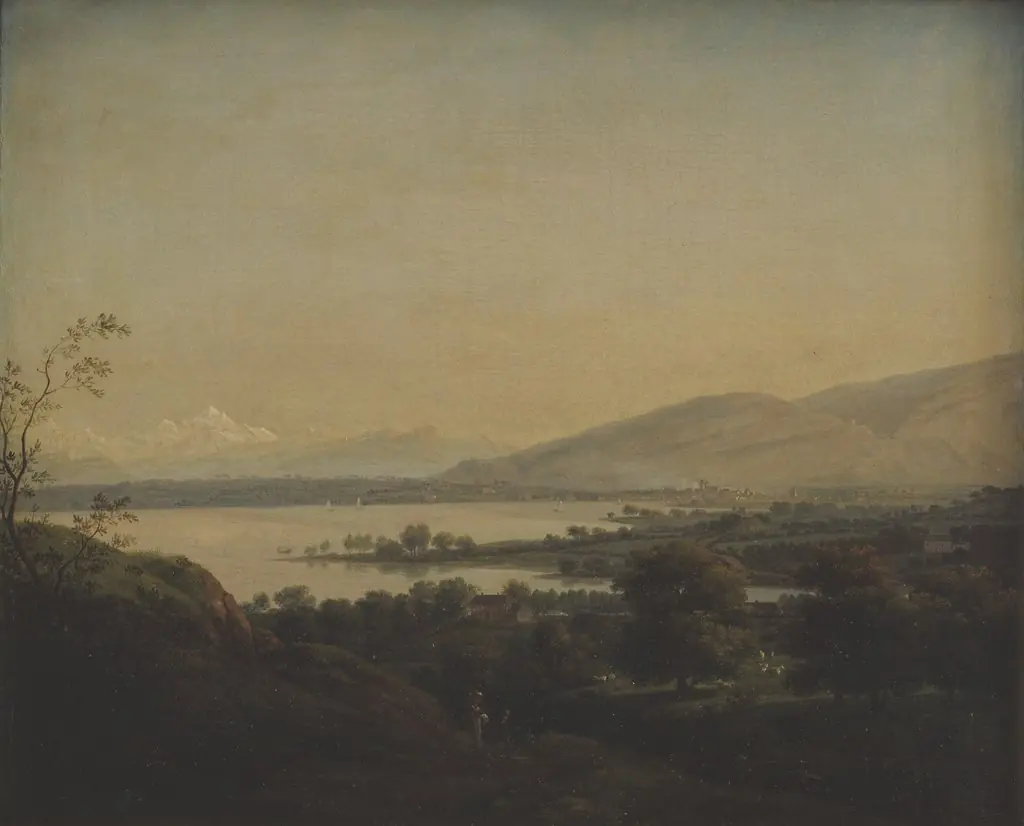 A View Across Lake Leman Towards Mont Blanc and Geneva
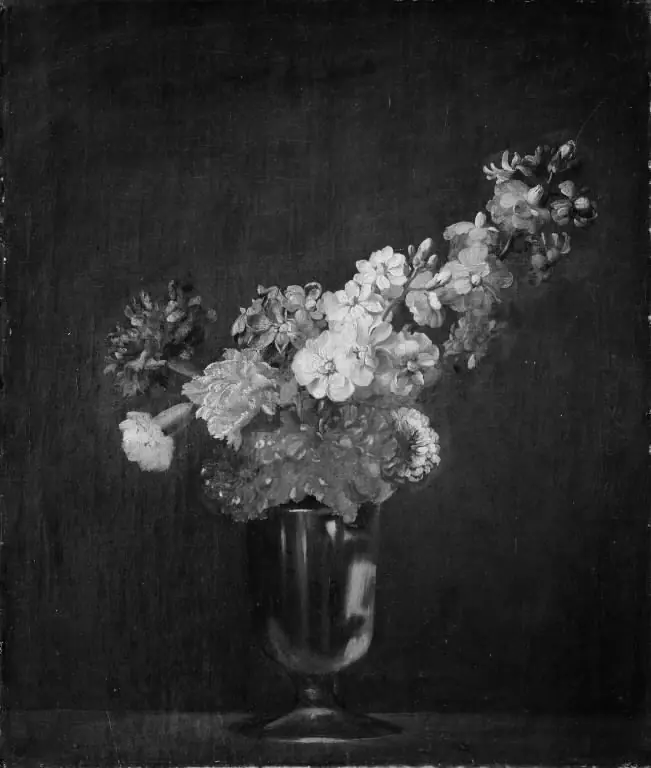 Stocks and Carnations
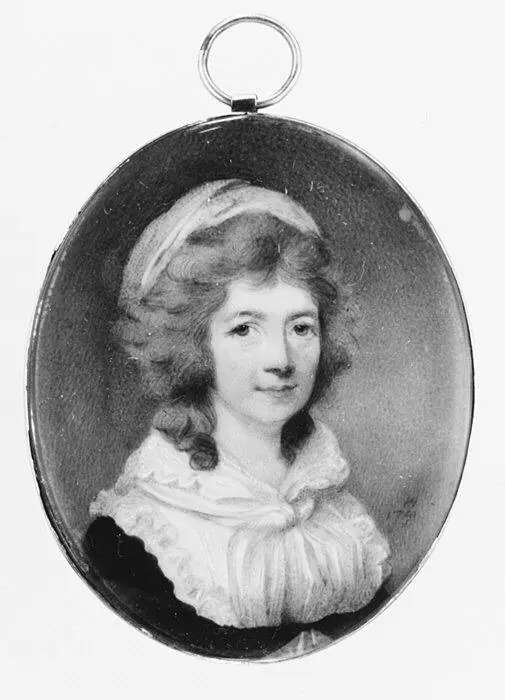 Portrait of a Woman, Said to Be Lady Agnes Anne Wrothesley
 Mrs. John Nightingale (Martha Washington Greene)
 Elisabeth (Lisa) de la Calmette, f. baronesse Iselin
 Henrietta Marchant Liston (Mrs. Robert Liston)
 Portrait of a Woman
 Mrs. Thomas Dennie (Sarah Bryant)
 Portrait of a Lady
 Sarah Louisa Jenkins
 Elisabeth (Lisa) de la Calmette, f. baronesse Iselin, Antoine de la Calmettes hustru
 Appolone Smith, f. Lottrup, amtsprovst Troels Smiths anden hustru