Artwork
Maria Ulrica Berner, f. Schouw
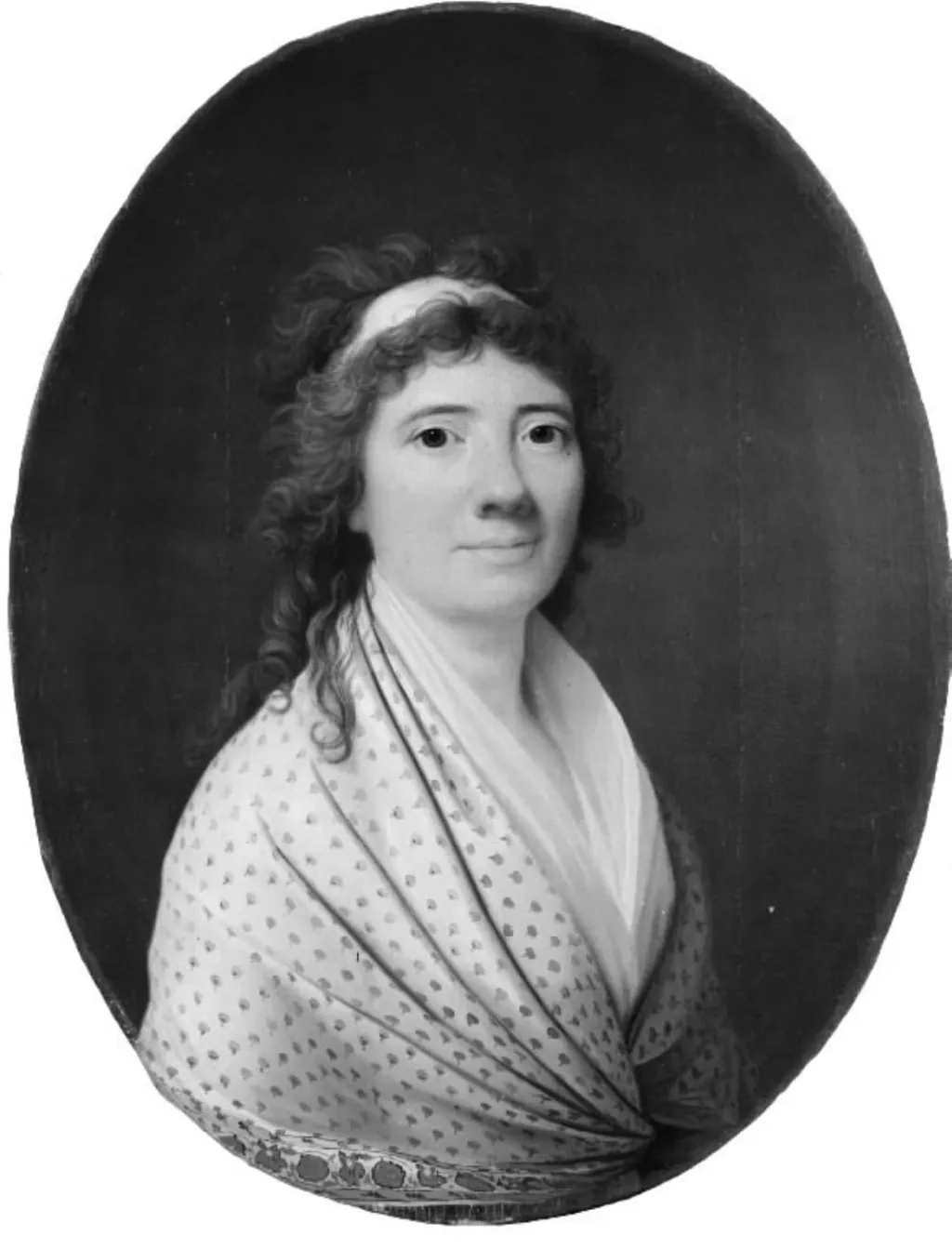
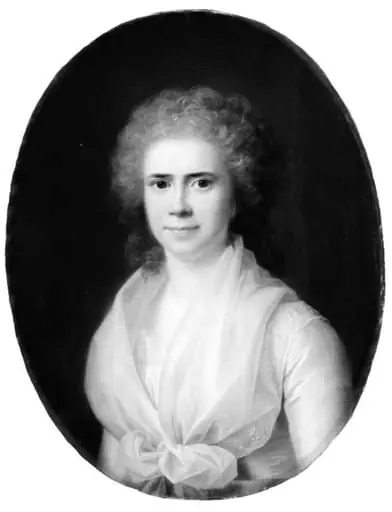
Maria Ulrica Berner, f. Schouw is a photography by Unknown. It dates from 1750 and is held in the collection of the Statens Museum for Kunst. Created around 1750, this portrait, titled Maria Ulrica Berner, f.
About this work
To learn more about the artist's style and technique, you might want to explore the work of 1092_person.
This painting is a portrait of a woman, likely from the 18th or 19th century. She has curly hair and is wearing a white dress with a patterned shawl. The background is dark, which helps to highlight the subject's features.
The woman's expression is neutral, and she is looking directly at the viewer. Her attire suggests that she may have been a member of the upper class or nobility. The artist's use of lighting and shading adds depth and dimension to the painting.
The level of detail and realism in this portrait is impressive, making it a notable work of art. To learn more about the artist's style and technique, you might want to explore the work of 1092_person.
Overview
Created around 1750, this portrait, titled Maria Ulrica Berner, f. Schouw, is part of the collection at the Museum of Ethnography. Executed as an image on canvas, it depicts a solitary female sitter whose presence is emphasized by a starkly dark backdrop that isolates her figure.
Subject & Meaning
The sitter is shown with curly hair, dressed in a white gown complemented by a patterned shawl. Her neutral expression and direct gaze engage the viewer, while the refined attire suggests a status within the upper echelons of 18th‑century society, possibly indicating noble or affluent origins.
Technique & Style
The artist employs chiaroscuro lighting, allowing the dark background to accentuate the illuminated features of the figure. Careful shading creates a sense of volume, and the meticulous rendering of fabric and facial details conveys a high degree of realism characteristic of mid‑century portraiture.
History & Provenance
Attributed to the artist recorded as 1092_person, the work has remained in the Museum of Ethnography’s holdings. Its dating to the mid‑18th century aligns with the fashion and portrait conventions of the period, providing a visual document of contemporary dress and social representation.
Artist & collection









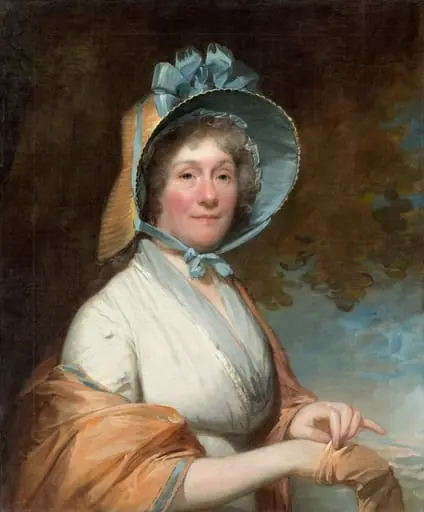 Henrietta Marchant Liston (Mrs. Robert Liston)
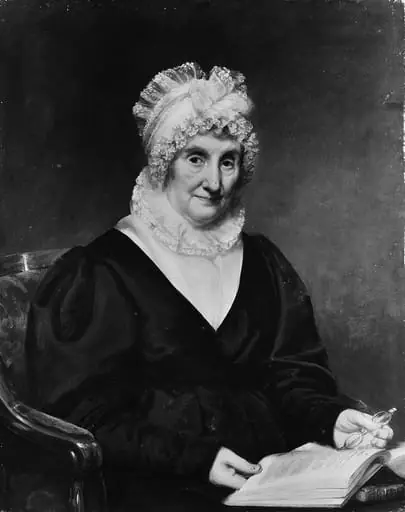 Portrait of a Lady (Possibly of the Buloid Family)
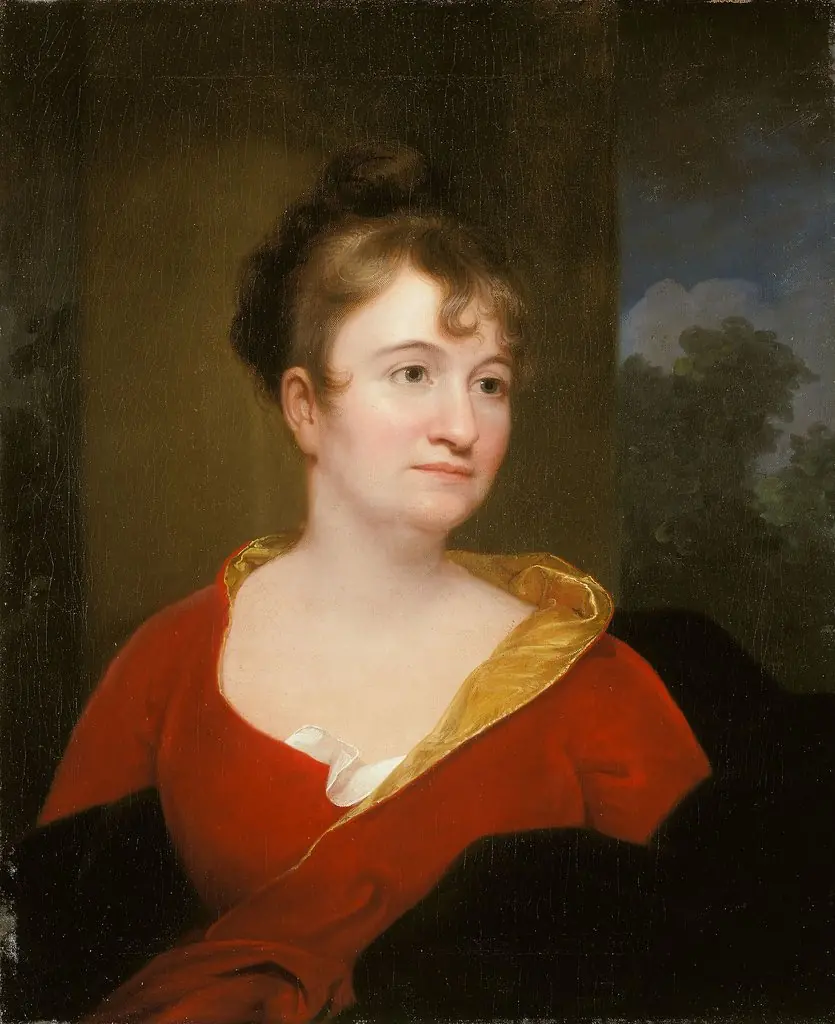 Abigail Inskeep Bradford
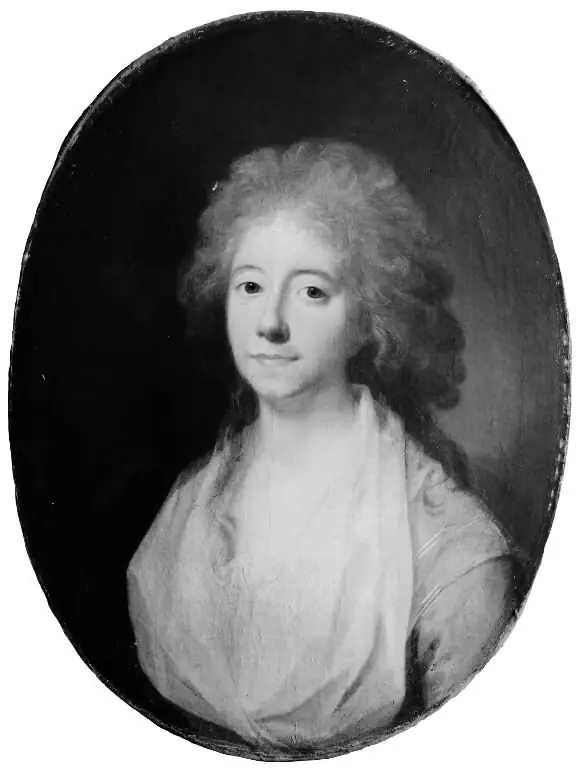 Elisabeth (Lisa) de la Calmette, f. baronesse Iselin
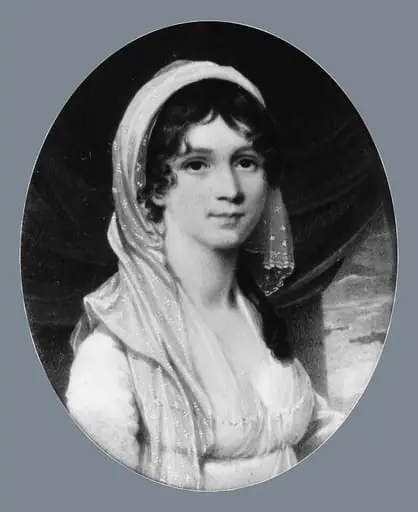 Sarah Louisa Jenkins
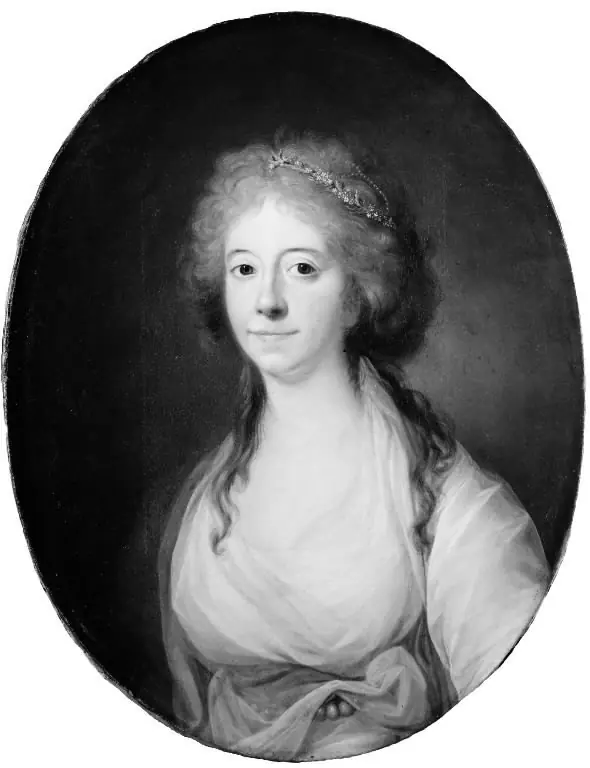 Elisabeth (Lisa) de la Calmette, f. baronesse Iselin, Antoine de la Calmettes hustru
 Johanne Sophie de Coninck, f. Wleugel
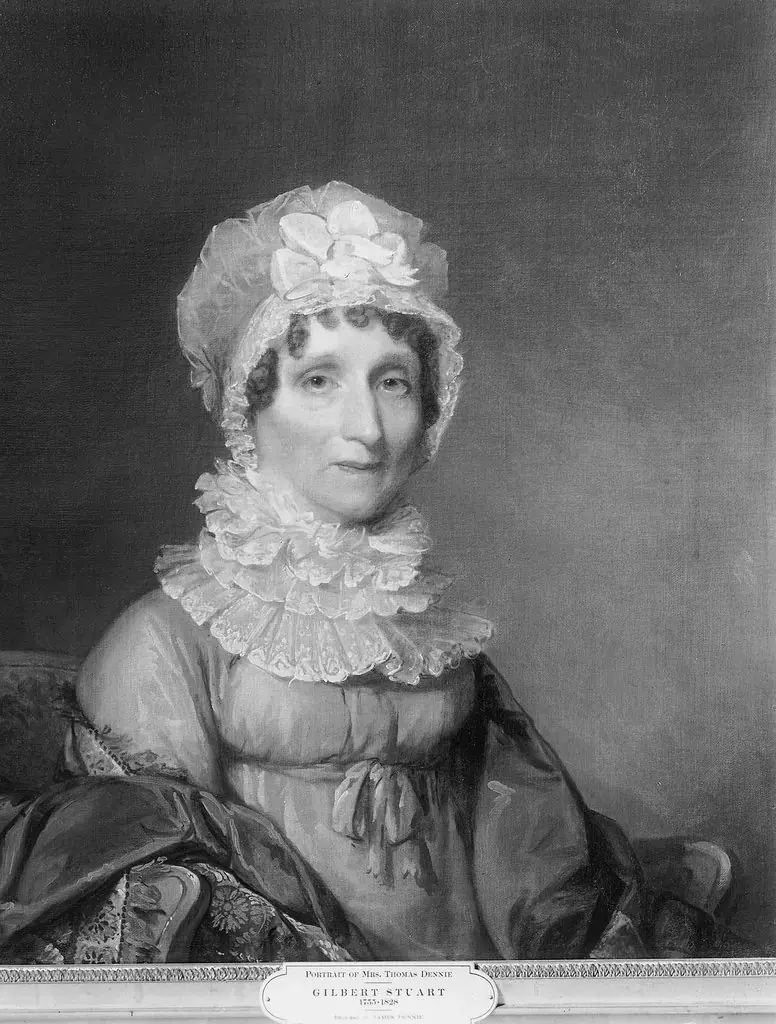 Mrs. Thomas Dennie (Sarah Bryant)
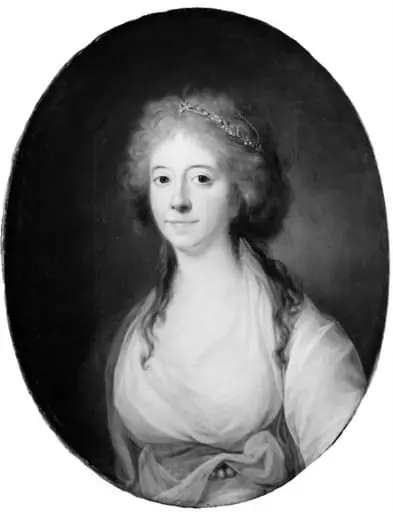 Elisabeth (Lisa) de la Calmette, f. baronesse Iselin, Antoine de la Calmettes hustru
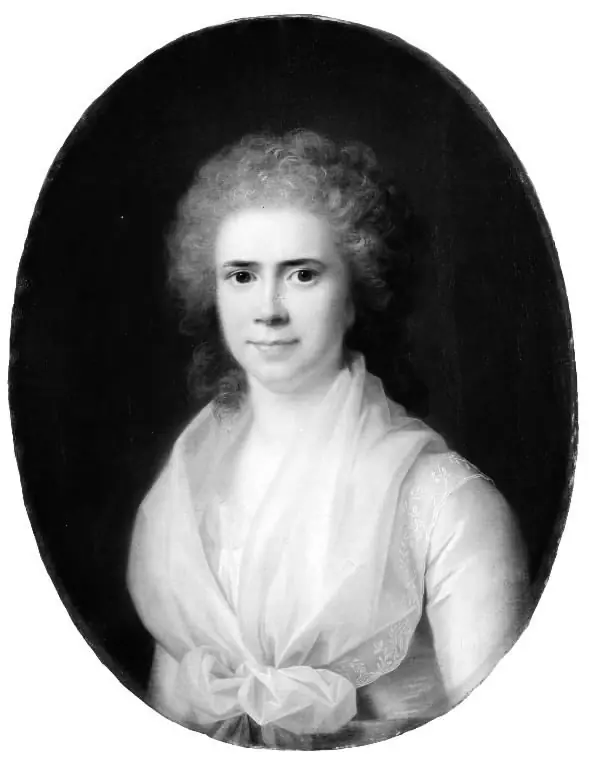 Johanne Sophie de Coninck, f. Wleugel