Artwork
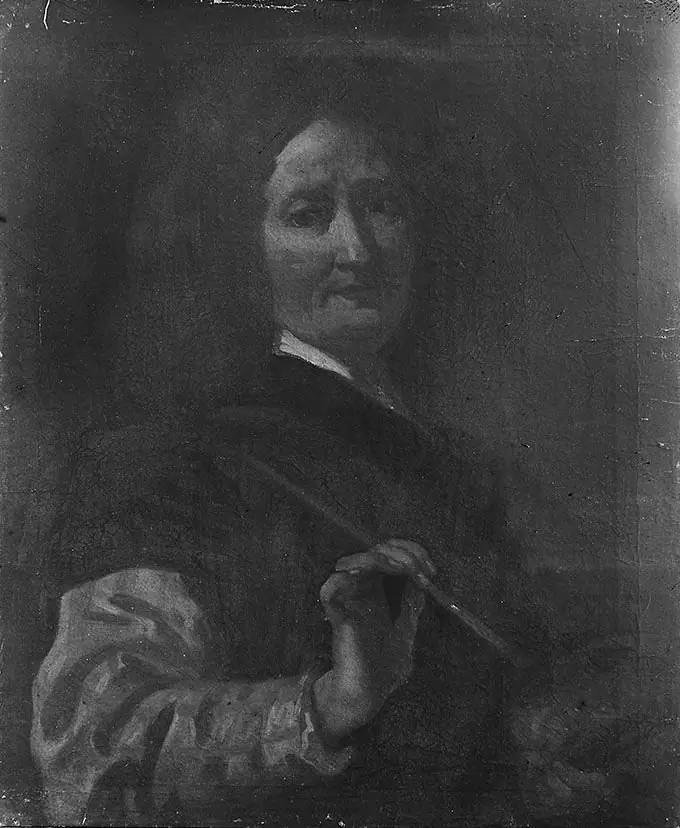
Self-portrait
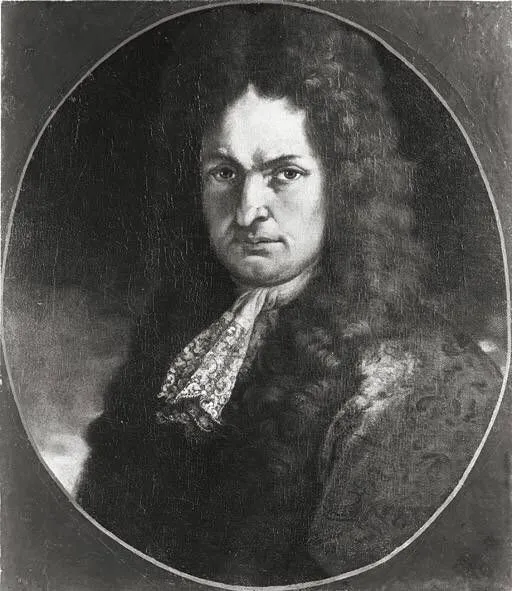
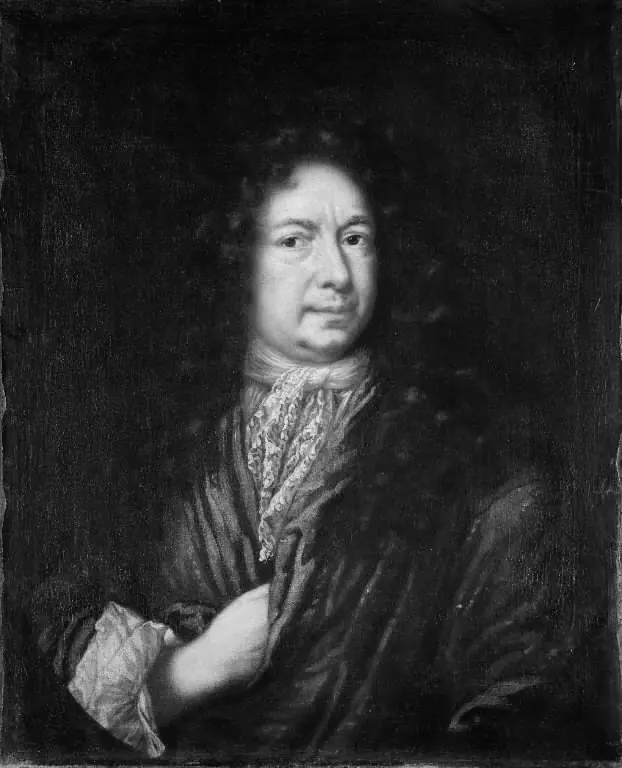
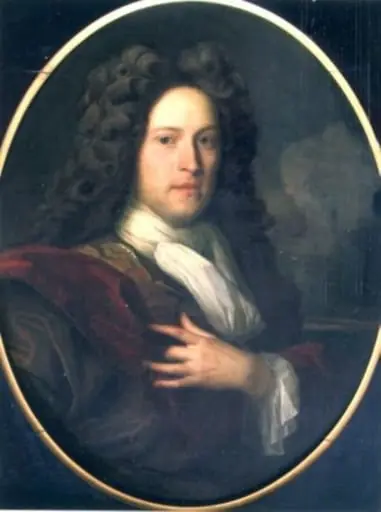
Self-portrait is an unspecified painting by the German Romanticist artist Johann Carl Loth. It dates from 1670 and is held in the collection of the Bavarian State Painting Collections.
About this work
Context
Johann Carl Loth's Self-portrait created in the 17th century reflects Baroque stylistic influences and his position within the German artistic milieu. The work is housed in the Bavarian State Painting Collections at the Alte Pinakothek in Munich as documented in its provenance and collection records.
Legacy
The self-portrait by Johann Carl Loth, housed in the Bavarian State Painting Collections at the Alte Pinakothek, contributed to the artist's posthumous reputation as a leading figure of the German Baroque. Its representation of the artist's own likeness influenced later portrait painters in 18th-century Germany, particularly through its technical mastery of chiaroscuro and naturalistic detail, as documented in art historical records.
The work's inclusion in major collections and exhibitions reinforced its significance, ensuring its continued relevance in studies of Baroque portraiture and artist identity.
Overview
This painting is a self-portrait by Johann Carl Loth, created around 1670. It is now held at the Alte Pinakothek.
Subject & Meaning
The portrait depicts a man with long, curly hair and a serious expression, lost in thought as indicated by his downward-cast eyes. The somber mood suggests introspection.
Technique & Style
The artist's use of chiaroscuro creates a sense of depth and volume, emphasizing the subject's face and hands. The dark background highlights the subject's features, contributing to the overall somber atmosphere.
Artist & collection

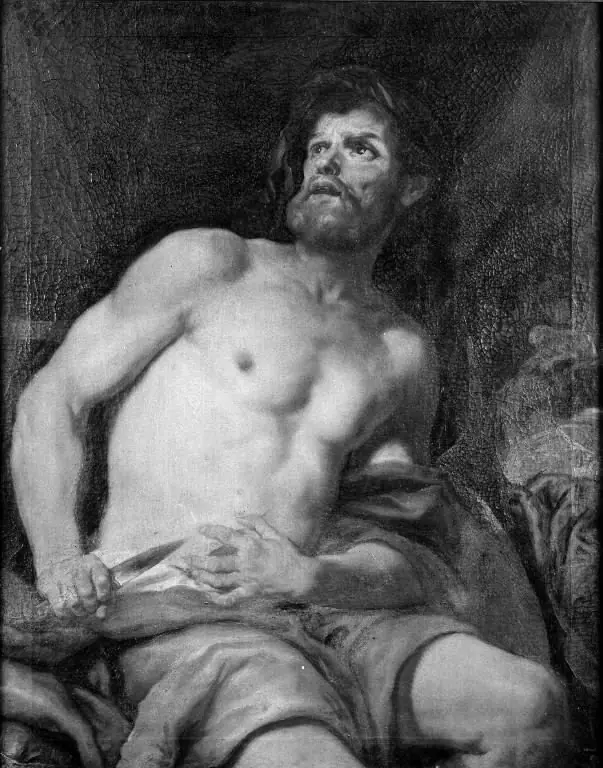
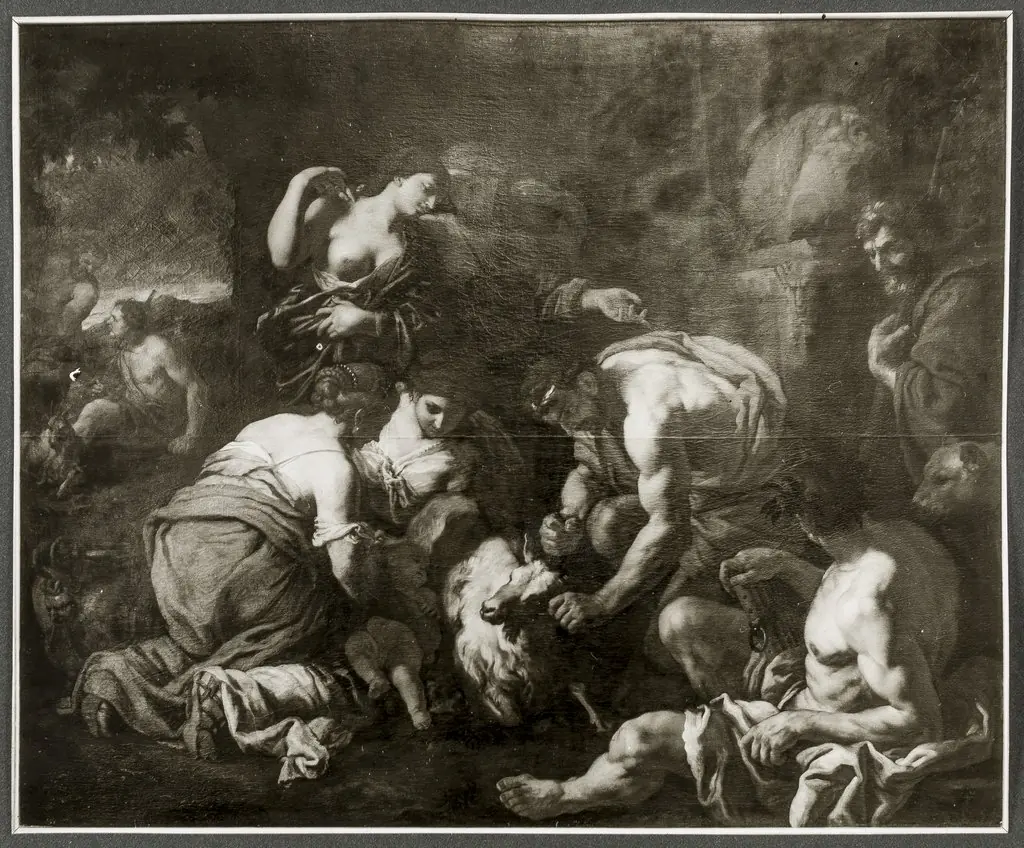
- The Flemish Painter Anthoni Schoonjans
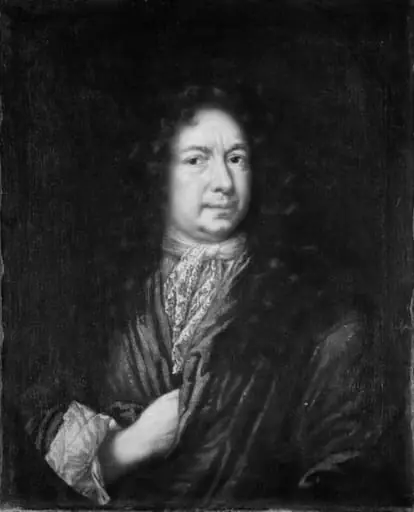 Portrait of the Artist
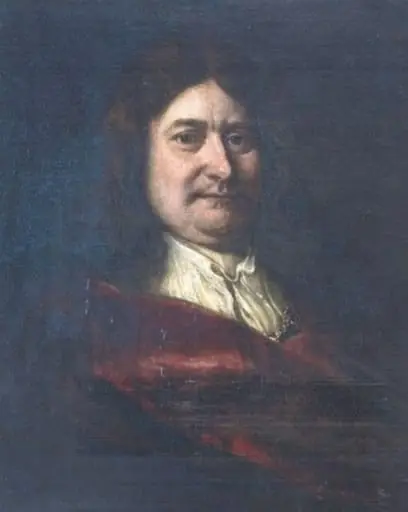 Portret de bărbat
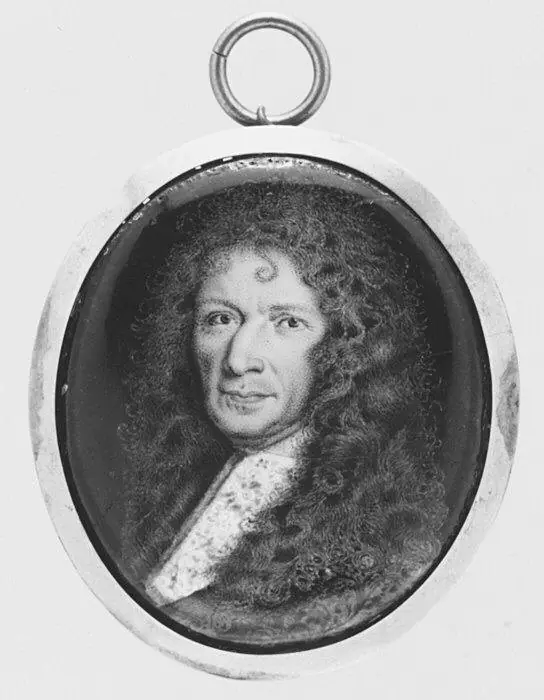 Portrait of a Man
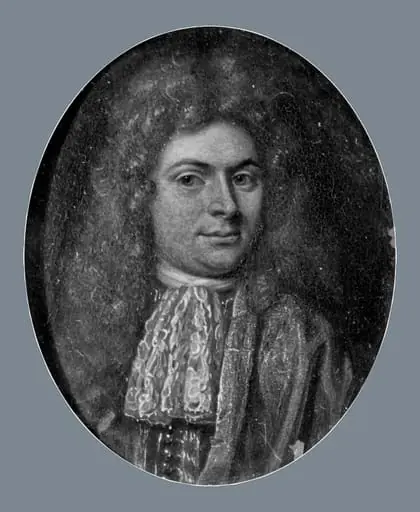 James Delancey
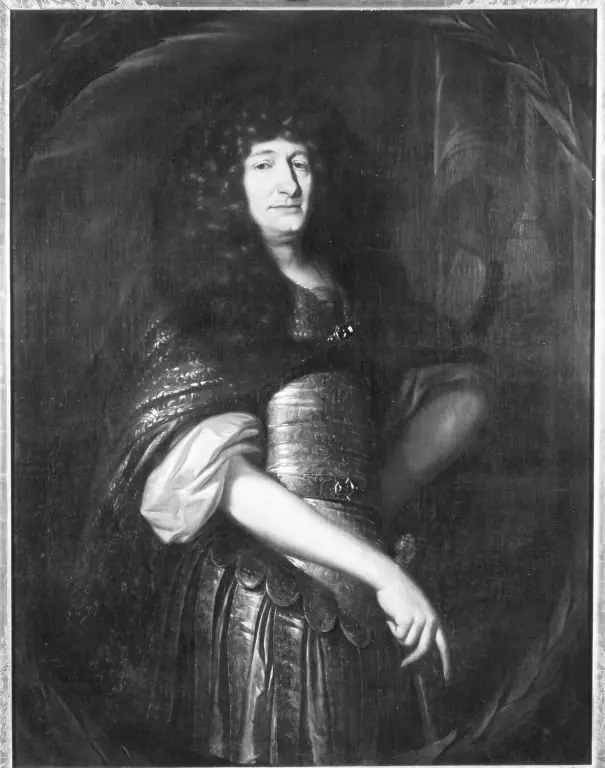 Portrait of a man, possibly Christian II Palatine of Zweibrücken-Birkenfeld (1637-1717)
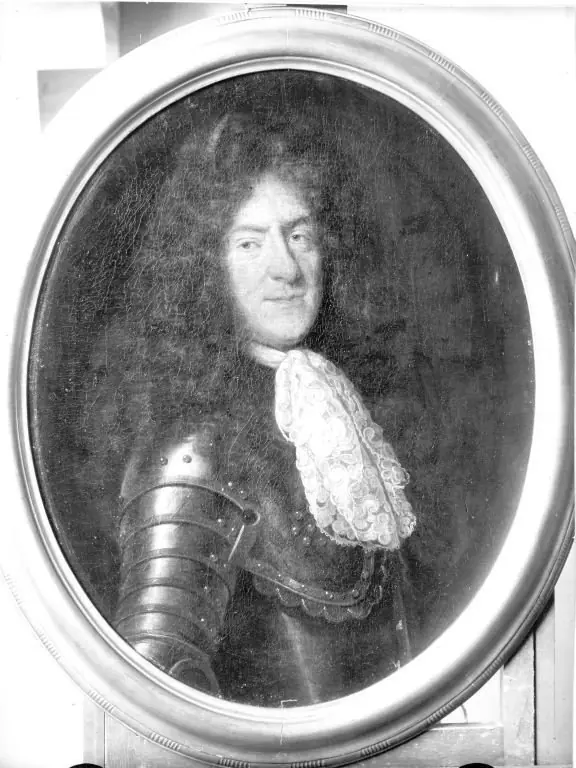 Bildnis von Pfalzgraf Christian II. von Birkenfeld-Bischweiler-Rappoltstein (1637-1717)
 Portrait of the Artist
 Carl III. Philipp Pfalzgraf von Neuburg
 Bildnis eines unbekannten Fürsten
 Bildnis eines Mannes
 Bărbat cu manta roșie