Artwork
Count Alexander Ivanovich Sollogoub (1788–1844)
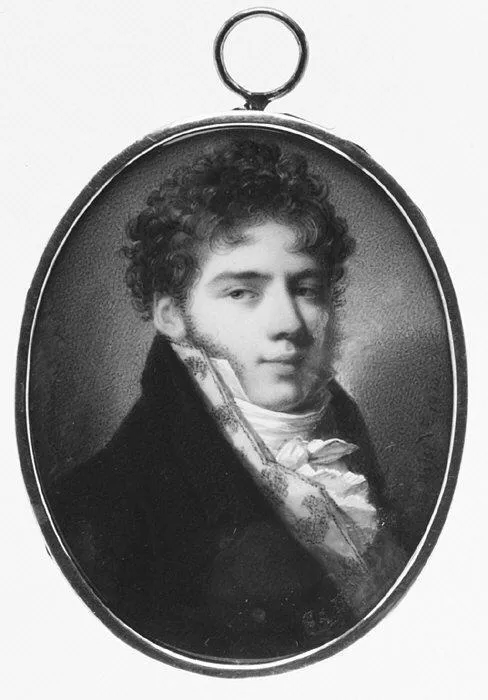
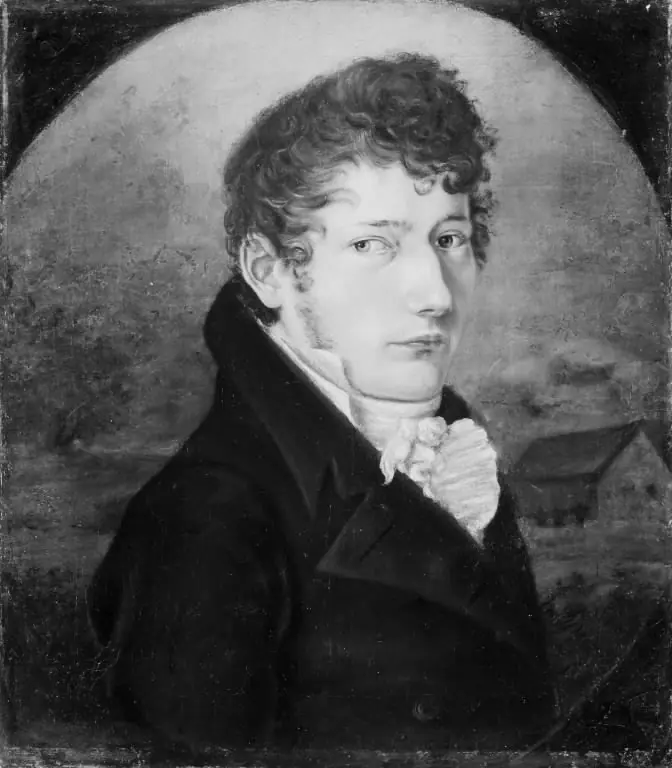
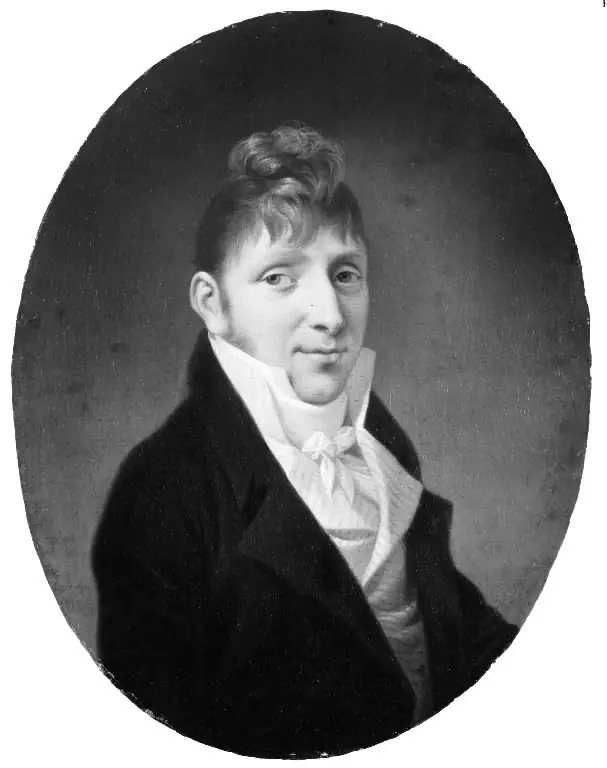
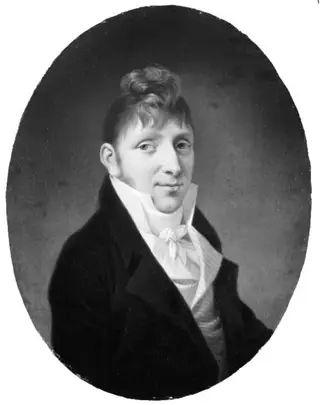
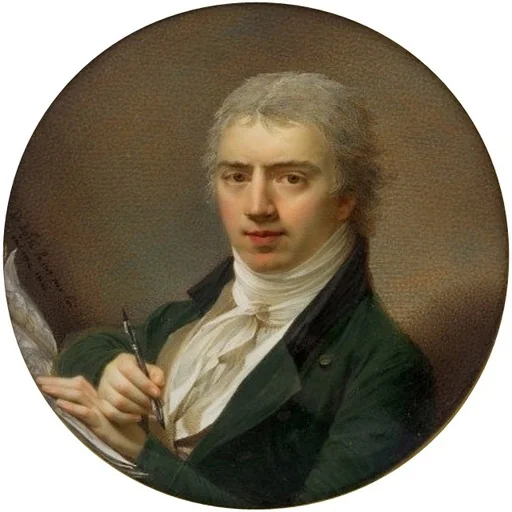
Count Alexander Ivanovich Sollogoub (1788–1844) is an ivory painting by the Biedermeier artist Johann Dominik Bossi. It dates from 1810 and is held in the collection of the Metropolitan Museum of Art.
About this work
Subject & Meaning
The painting is part of the Metropolitan Museum of Art’s collection, underscoring its significance as a documented example of elite portraiture from 1810.
Count Alexander Ivanovich Sollogoub (1788–1844) is represented in this early‑19th‑century portrait painted by Johann Dominik Bossi in 1810. The work, executed on ivory, shows the sitter as a man in formal attire, typical of Russian aristocratic portraiture of the period. As a portrait, it serves to record the subject’s identity and social standing, preserving his lineage for posterity.
The painting is part of the Metropolitan Museum of Art’s collection, underscoring its significance as a documented example of elite portraiture from 1810.
History & Provenance
The ivory portrait of Count Alexander Ivanovich Sollogoub was produced in 1810 by the artist Johann Dominik Bossi. Executed on ivory, the work depicts the count in a conventional bust‑length pose. According to the Metropolitan Museum of Art’s records, the painting has been part of its collection since at least the early twenty‑first century, though earlier ownership details are not recorded in the available sources.
The piece is therefore dated to 1810 and attributed to Bossi, with its current provenance traced to the Metropolitan Museum of Art.
The ivory portrait of Count Alexander Ivanovich Sollogoub, painted by Johann Dominik Bossi in 1810, is currently held in the collection of the Metropolitan Museum of Art. While the specific inventory or accession number is not detailed in the provided records, the work is cataloged within the museum's holdings under the classification of a portrait. The piece depicts the Count and dates to the year 1810.
No exhibition history is recorded in the available sources, which focus solely on the work's attribution, medium, and current institutional location. The artwork remains part of the permanent collection at the museum, which serves as its documented location.
Legacy
The ivory portrait of Count Alexander Ivanovich Sollogoub, painted by Johann Dominik Bossi in 1810, is recognized for its significance within early Russian aristocratic portraiture and for exemplifying the use of ivory as a medium in the period. Its inclusion in the Metropolitan Museum of Art’s collection has ensured scholarly attention and public exhibition, reinforcing its reputation as a rare surviving example of Bossi’s work and influencing studies of 19th‑century European portraiture. The painting’s preservation and display contribute to ongoing discussions of material innovation and the representation of Russian nobility in art.
Overview
Johann Dominik Bossi created this miniature portrait of Count Alexander Ivanovich Sollogoub in 1810. Executed on ivory, the painting captures the likeness of the nobleman, who lived from 1788 to 1844. This work exemplifies the detailed and personal approach characteristic of the period. It is currently part of the collection at The Metropolitan Museum of Art.
Technique & Style
Bossi's training under Giovanni Domenico Tiepolo likely influenced his refined approach to portraiture. This miniature, painted on ivory, showcases the intricate detail and delicate brushwork typical of the Biedermeier style. The movement favored intimate and precise depictions of individuals, a quality evident in the focused portrayal of Count Sollogoub's features and serious expression against a plain background.
Context
Johann Dominik Bossi was a versatile miniaturist whose career spanned several European nations. He traveled and worked extensively across Germany, Austria, Sweden, and Russia, establishing a broad reputation. Ultimately, Bossi settled in Munich, where his artistic skill was formally recognized through his appointment as a court painter, a prestigious position that underscored his prominence in the field.
Artist & collection
Artist
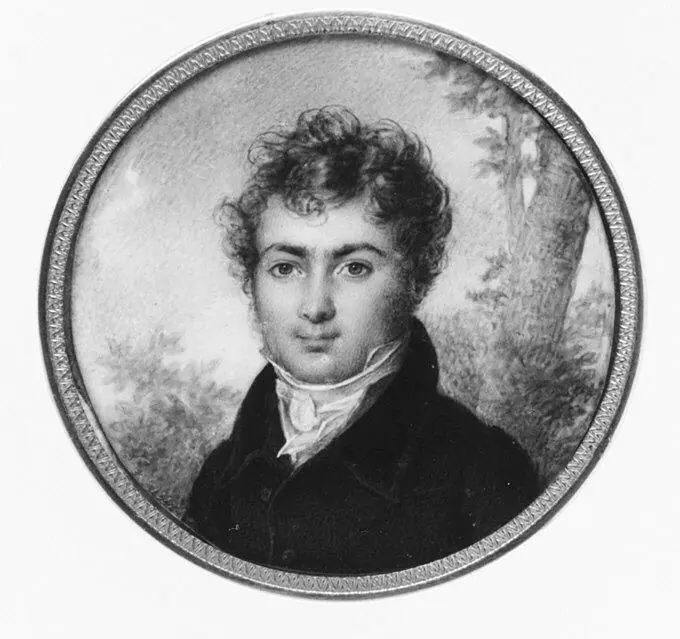
Johann Dominik Bossi (1767–1853), also known as Domenico Bossi, was a painter. Bossi, a student of Giovanni Domenico Tiepolo, was born in Trieste and worked primarily as a miniaturist in Germany, Austria, Sweden and…