Artwork
Festoon of fruit
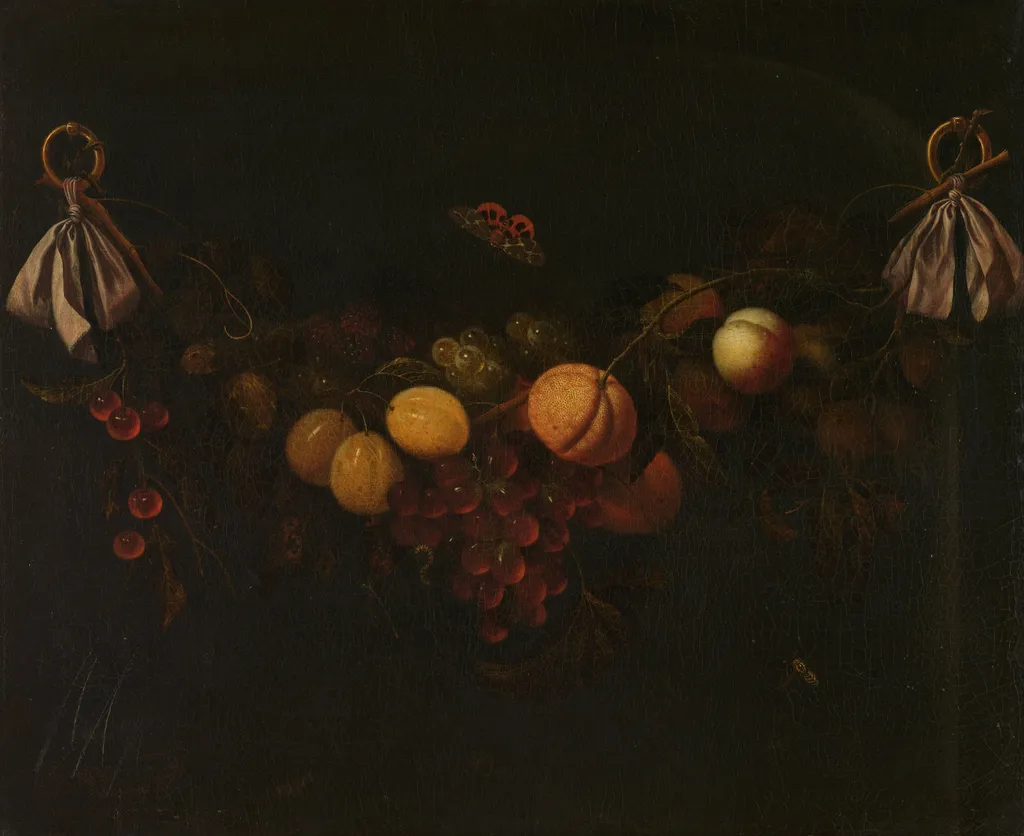
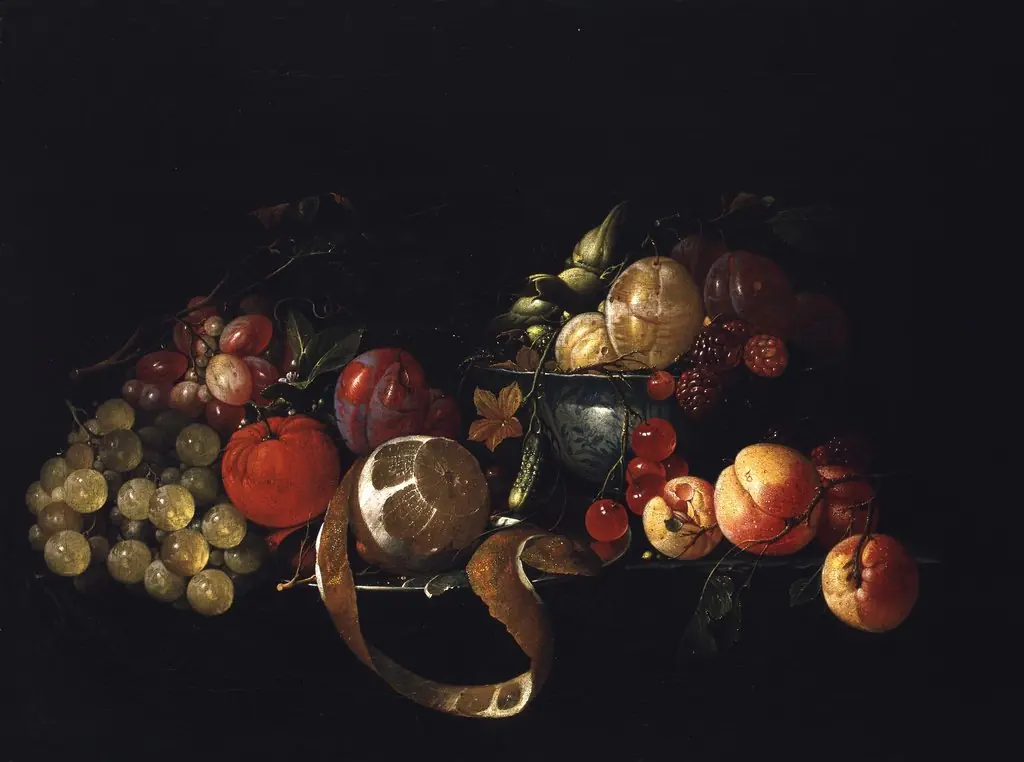
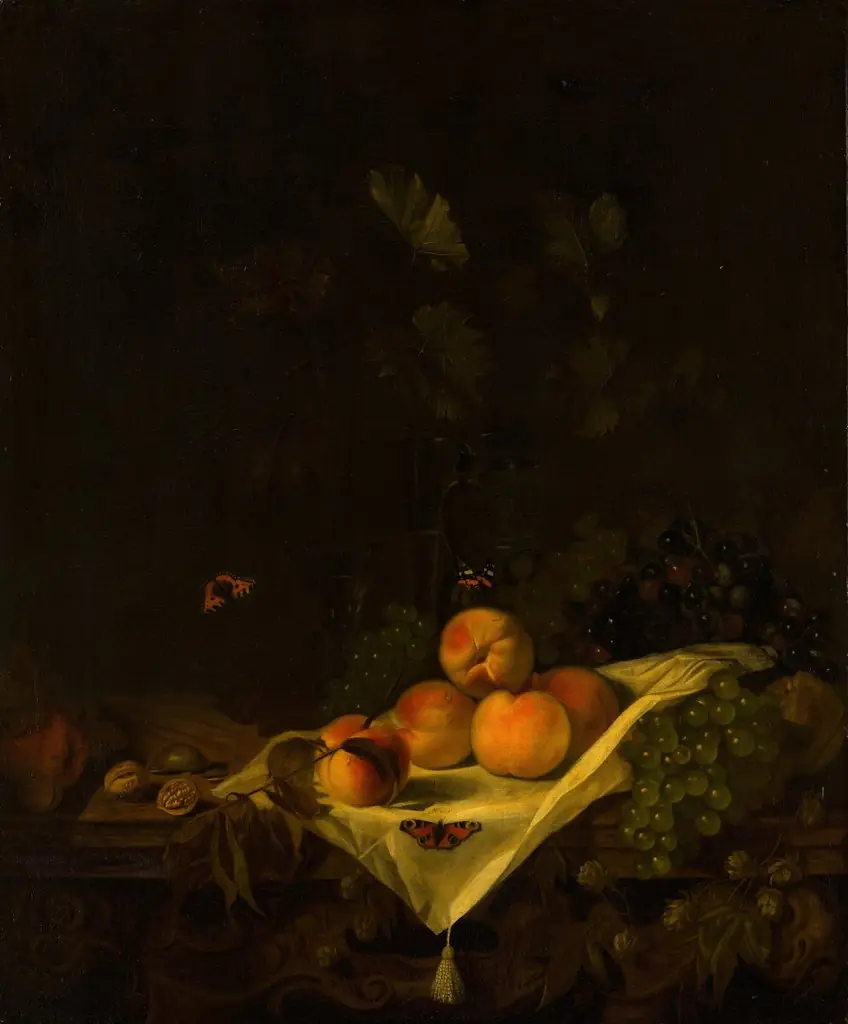
Festoon of fruit is an oil painting by the Dutch Golden Age artist Johannes Borman. It dates from 1653 and is held in the collection of the Rijksmuseum.
About this work
Subject & Meaning
The festoon, a garland or swag of fruit, is a traditional motif in European still life painting, associated with abundance, fertility, and the bounty of nature.
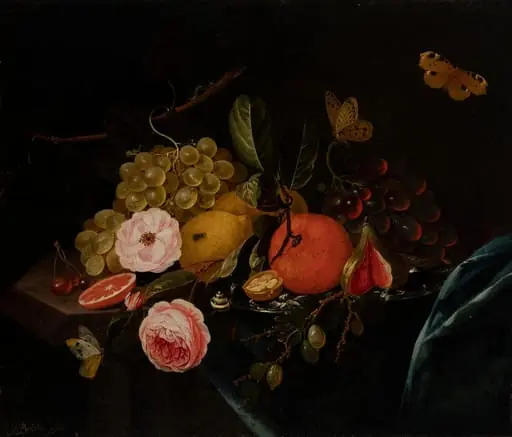
Festoon of fruit by Johannes Borman is a still life painting that depicts an arrangement of fruit, rendered in oil on canvas. The festoon, a garland or swag of fruit, is a traditional motif in European still life painting, associated with abundance, fertility, and the bounty of nature. Such compositions often carried symbolic resonance rooted in classical and seasonal imagery, presenting the ripeness of produce as a meditation on natural cycles and prosperity.
By isolating fruit as the sole subject, Borman aligns the work with the conventions of the still life genre, in which depicted objects could function as vehicles for reflection on transience, plenitude, and the pleasures of the senses.
Technique & Style
Johannes Borman painted Festoon of fruit in 1653 using oil paint on canvas. The work measures 60 by 74 cm. As a still life in the festoon tradition, the composition arranges fruit in a suspended garland, a format that showcases the artist's handling of texture, color, and three-dimensional form. The oil medium allows for rich color saturation and subtle gradations of light across the rounded surfaces of the depicted fruit.
History & Provenance
The painting Festoon of fruit was created in 1653 by the artist Johannes Borman. Executed in oil on canvas, the work measures 60 cm in height and 74 cm in width. Historical records indicate that the piece was owned by Ulrich Willem Frederik van Panhuys. The artwork is currently held in the collection of the Rijksmuseum.
Overview
Johannes Borman’s 1653 oil painting titled Festoon of Fruit presents a still‑life composition centered on a suspended cluster of fruit. The work is part of the Rijksmuseum’s collection and exemplifies the Dutch still‑life tradition of the mid‑seventeenth century, focusing on the careful rendering of natural objects against a dark backdrop.
Own this work as a print
Artist & collection