Artwork
Florine Turner
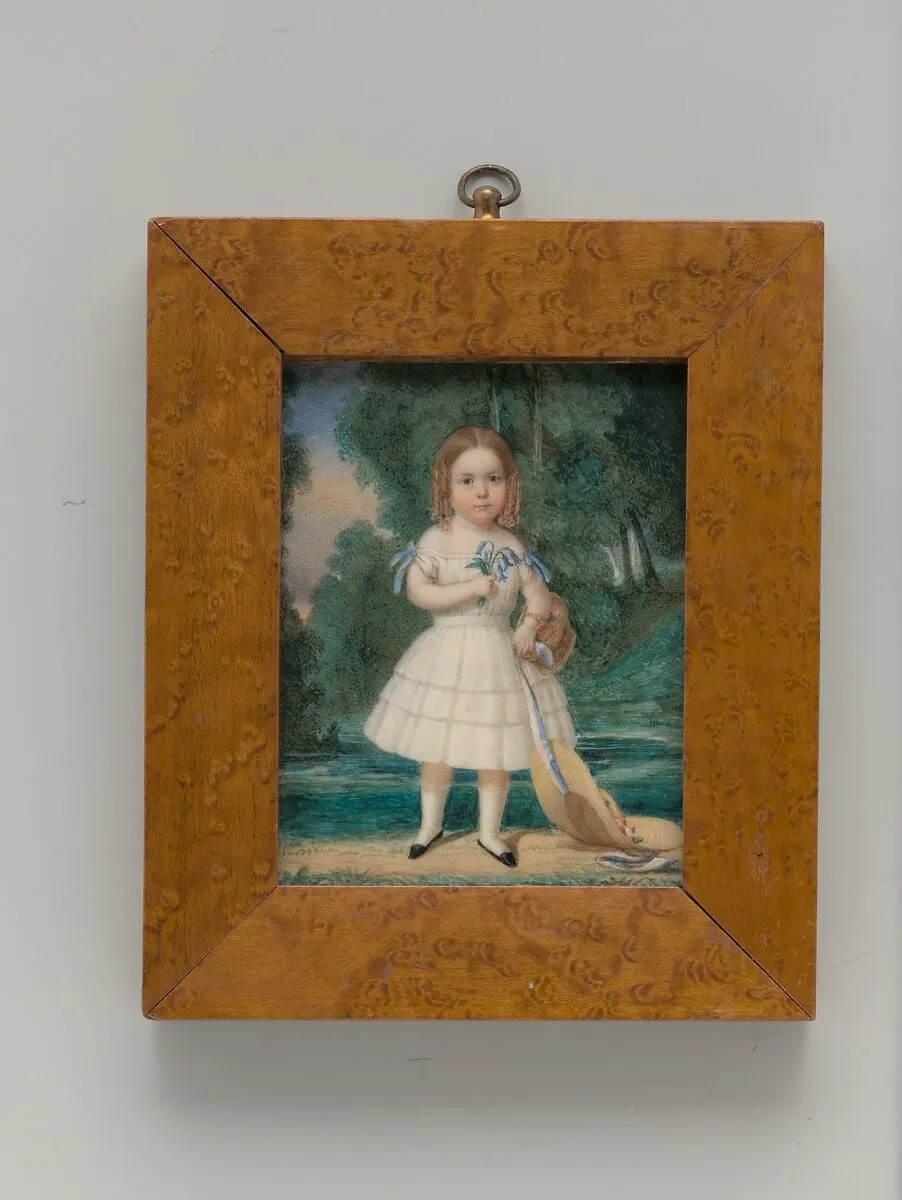
Florine Turner is a watercolor painting by the British Romanticist artist John Carlin. It dates from 1845 and is held in the collection of the Metropolitan Museum of Art.
About this work
The artist painted it in 1845, when girls her age often sat still for hours to get it right.
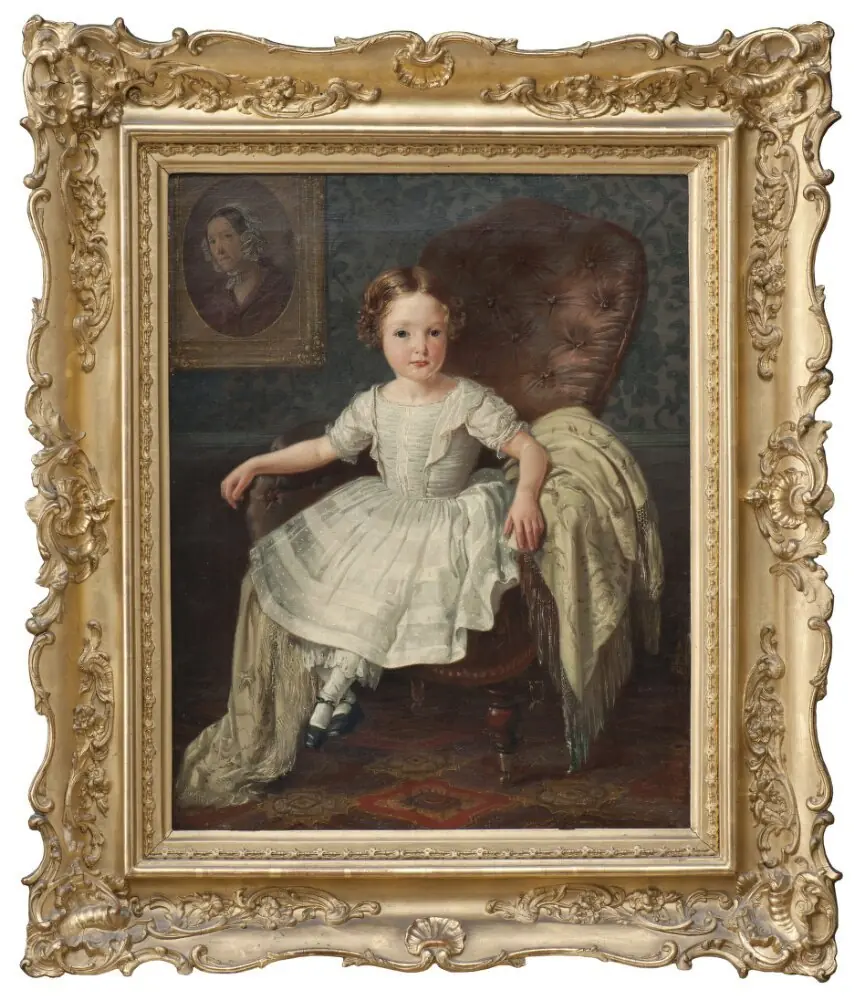
A young girl in a white dress leans against a tree trunk, her dark curls loose. The background is soft green, like sunlight through leaves. A small gold ring glints on her finger.
This is a watercolor on ivory, tiny, meant to be held in your hand. Miniatures like this were keepsakes before photos existed. The artist painted it in 1845, when girls her age often sat still for hours to get it right.
Look up other portraits from this time to see how artists made faces feel alive.
Subject & Meaning
Florine Turner is a portrait miniature depicting a young girl, executed in watercolor on ivory by John Carlin in 1845. The subject is rendered as a portrait, with a tree included as a compositional element within the scene. As a portrait miniature, the work functions as a personalized likeness, a format particularly favored in the mid-nineteenth century for intimate, small-scale depictions intended for private keepsakes rather than public display.
The inclusion of the tree alongside the sitter situates the figure within a natural setting, a common convention in portraiture of the period that lent the subject a sense of vitality and contextualized the individual within an idealized outdoor environment. The combination of ivory support and delicate watercolor technique allowed Carlin to achieve fine detail and luminous skin tones, hallmarks of the portrait miniature tradition.
Technique & Style
Florine Turner is executed in watercolor on an ivory support, a technique documented for the work dated 1845. The ivory panel, measuring approximately 10.1 × 7.8 cm, serves as the substrate, and the delicate washes of pigment create a portrait that emphasizes the sitter’s features alongside a solitary tree motif. The composition, classified within The American Wing as a portrait genre piece, presents a young girl in a modest setting, with the tree serving as a symbolic element. The work’s formal qualities reflect a restrained use of color and line typical of mid‑19th‑century American portraiture.
History & Provenance
The miniature is held in the collection of the Metropolitan Museum of Art, New York, with accession number 45.6.1. It was first recorded in the museum’s holdings by 1945. The work has not been recorded in major traveling exhibitions in available sources.
Overview
John Carlin, an American artist active in the 19th century, created Florine Turner in 1845. This watercolor on ivory is a delicate portrait of a young girl, reflecting the common practice of commissioning small, intimate likenesses during the era. Carlin was recognized for his contributions to both visual art and literature, demonstrating a versatile creative output.
Context
In the mid-19th century, miniature portraits like Florine Turner were a primary means of preserving a loved one's image. Commissioning such a work required considerable patience from the sitter, particularly for children, as the artist meticulously captured their features over several hours. These small-scale artworks were often exchanged as tokens of affection or carried as mementos, reflecting their significant personal value.
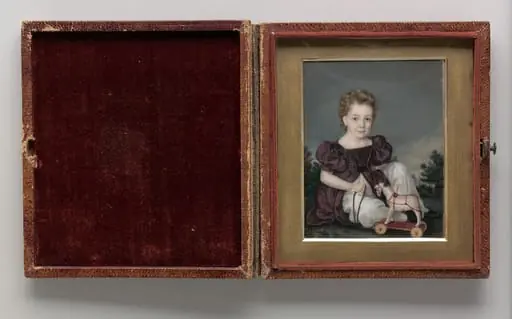
Artist & collection

Artist
John Carlin (15 May or 15 June 1813 in Philadelphia – 23 April 1891 in New York City) was an American illustrator, painter and poet. He was the first published deaf poet in the USA.

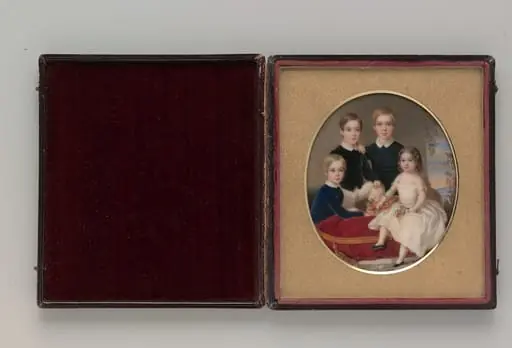
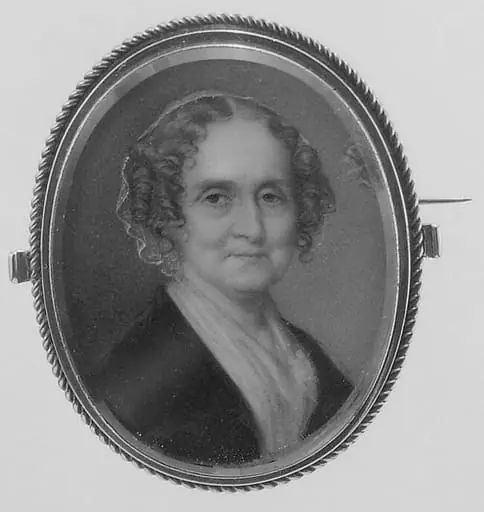
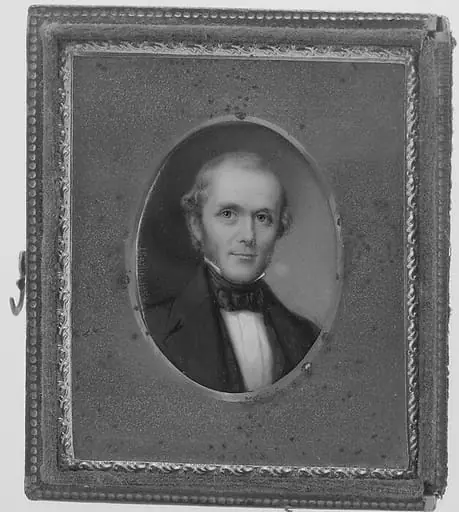
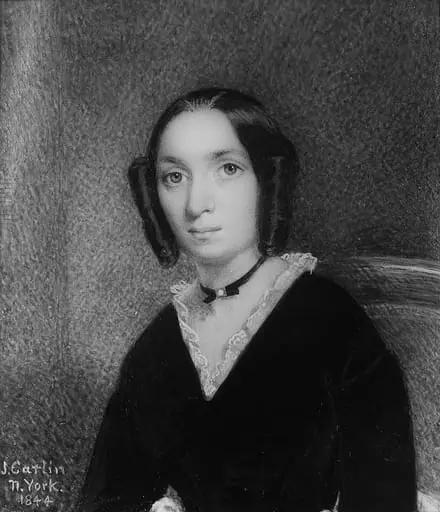
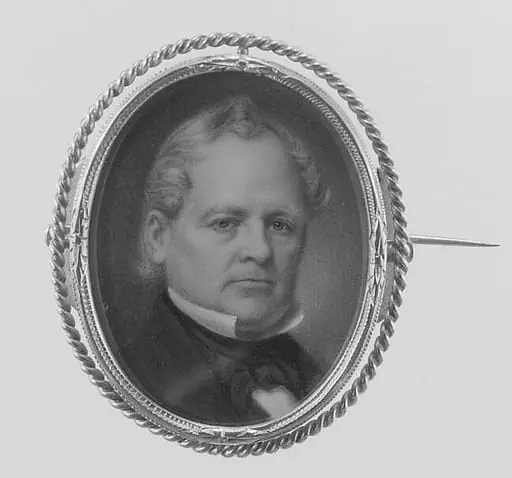
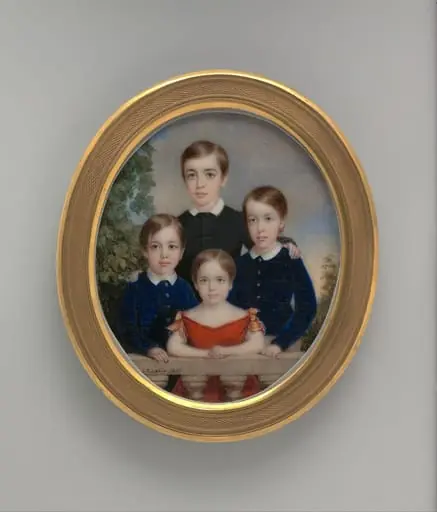
- Portrait of a Boy
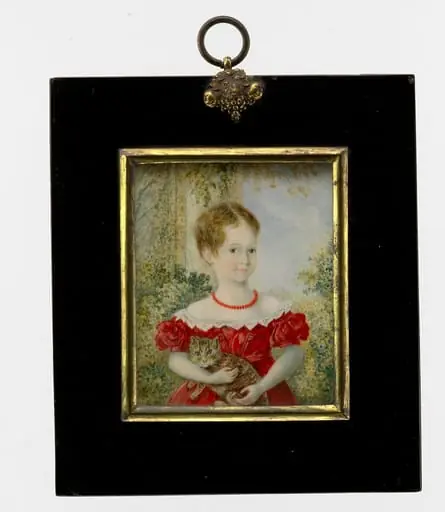 Mrs. Edward Loyd (C. Louisa Foster)
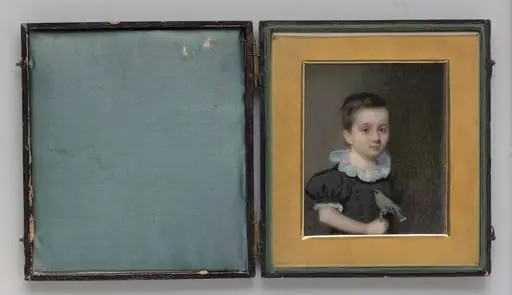 Henry Larcom Abbot
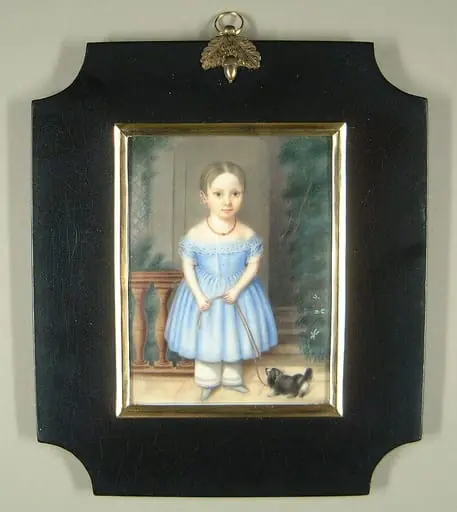 Mary R. Whitlock
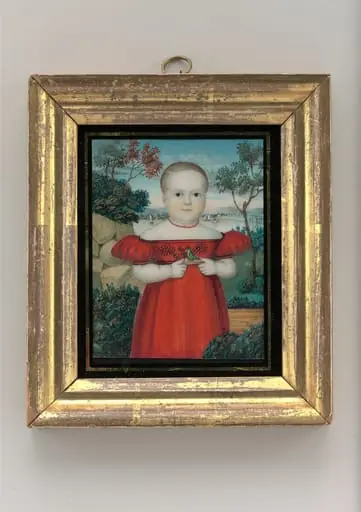 Portrait of a Boy
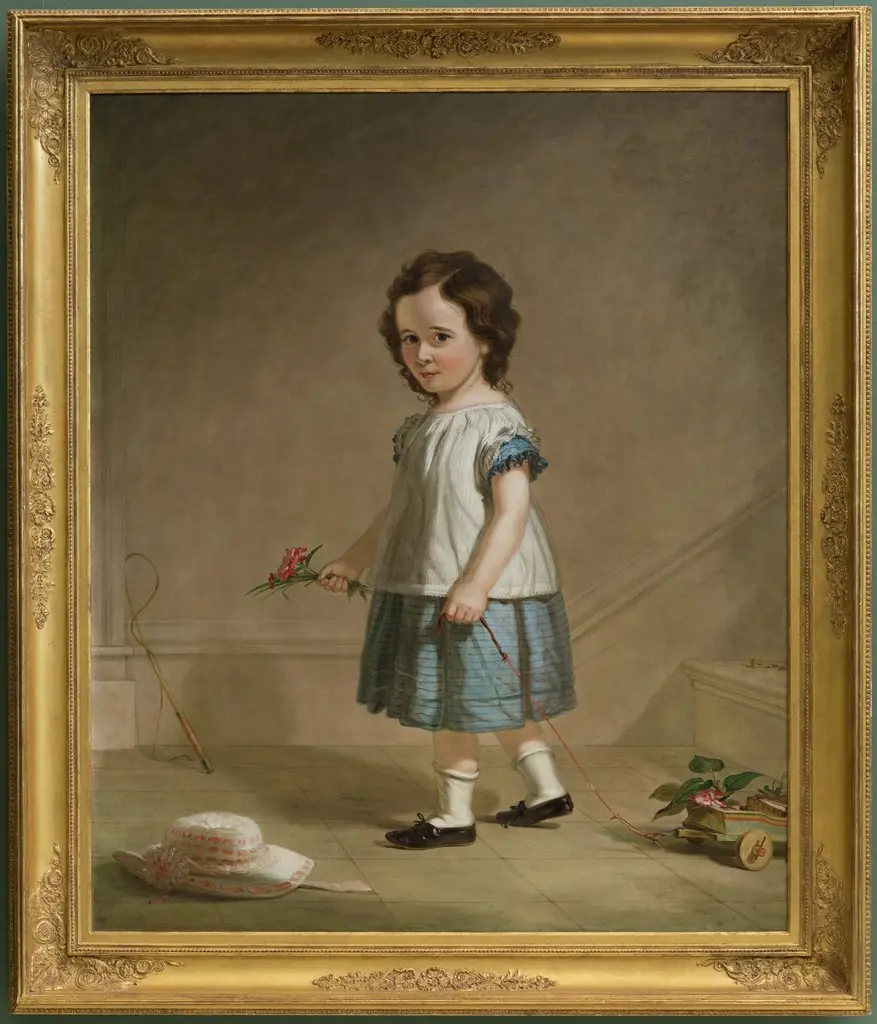 Portrait of William Wickham Mills Smith
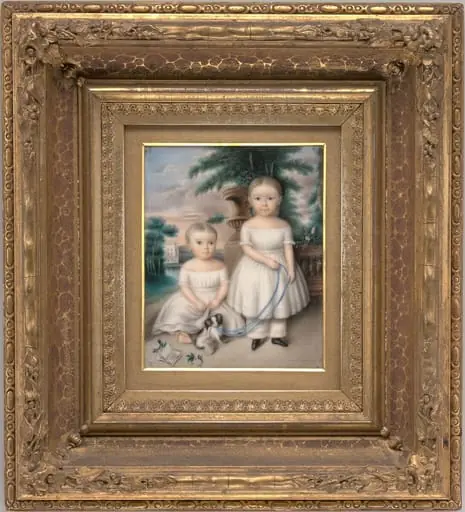 Watson Van Benthuysen II and Thomas Van Benthuysen
 Edward Blake Parkman
 Paul Joseph Revere
 Portrait of a Child
 The Children of Homer Ramsdell, Esq.
 Hilda Amalia Brusewitz (f. 1853)