Artwork
The Fall of Phaethon
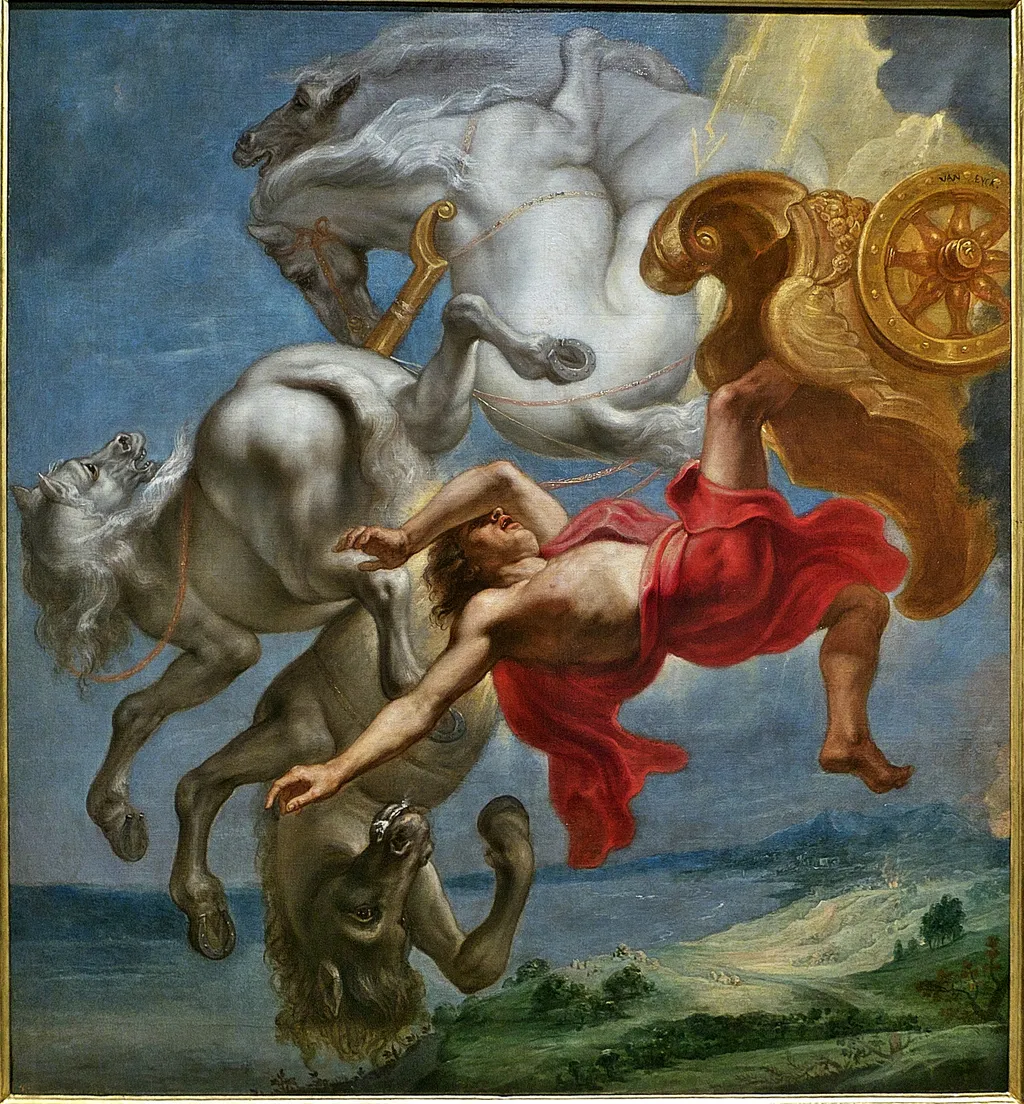
The Fall of Phaethon is an oil painting by the Flemish Baroque painting artist Peter Paul Rubens. It dates from 1636 and is held in the collection of the Museo del Prado.
About this work
Subject & Meaning
The work serves as a visual allegory for the consequences of overreaching and the fragile balance between mortals and the gods.
The painting illustrates the mythological scene of Phaethon, the son of Helios, losing control of the sun chariot and falling to his death, a moment captured in a dramatic composition of swirling horses and dynamic movement. Rubens emphasizes themes of hubris, divine retribution, and the precariousness of human ambition through the figure's struggle against celestial fire, while the surrounding landscape and stormy sky heighten the sense of chaos and impending disaster. The work serves as a visual allegory for the consequences of overreaching and the fragile balance between mortals and the gods.
Technique & Style
The Fall of Phaethon is executed in oil paint on canvas, a standard support for large-scale Baroque history paintings. The work measures 197 cm in height by 180 cm in width, a substantial format that accommodates the dynamic, multi-figure composition characteristic of its mythological subject matter. It is classified as a mythological painting within the Museo del Prado's collection.
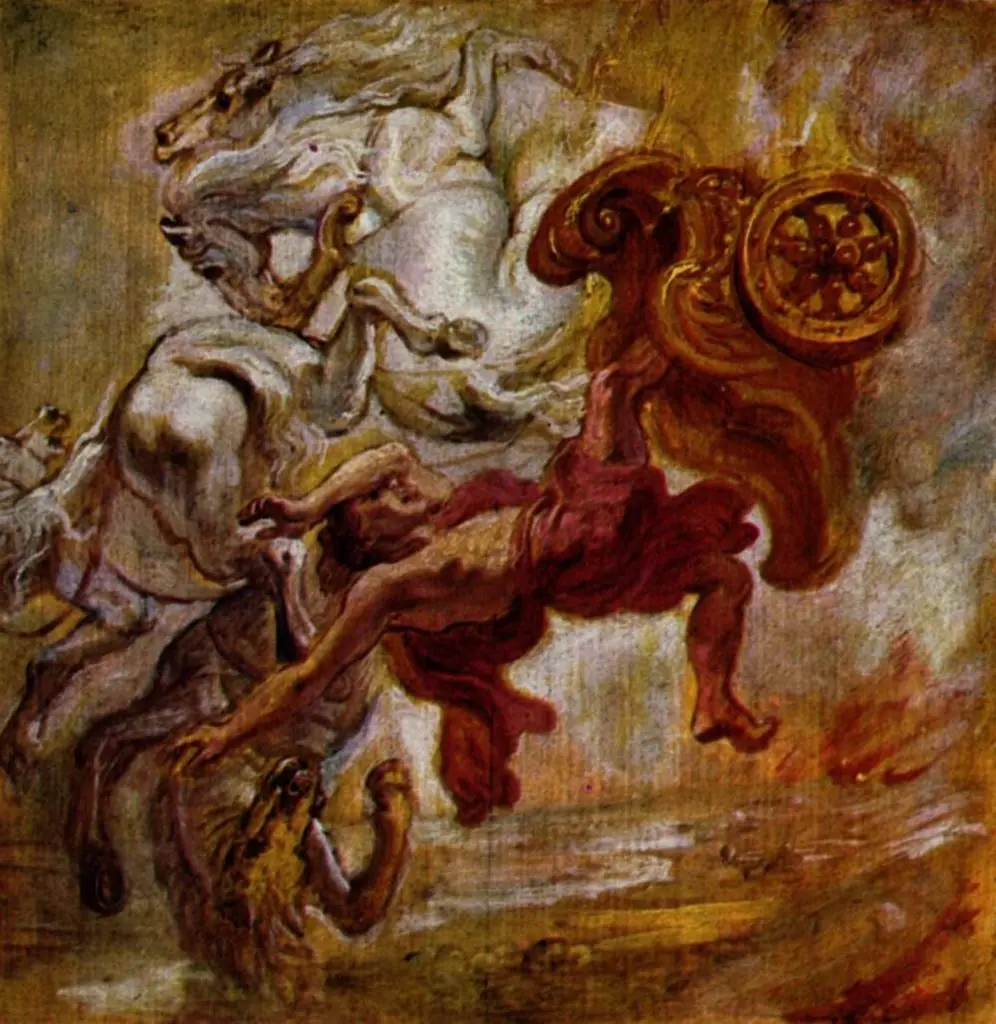
Stylistically, the canvas is recorded as a painting after Peter Paul Rubens, indicating it is a derivative work based on a Rubens composition rather than an autograph original. A related preparatory sketch, The Fall of Phaethon (sketch for the Torre de la Parada), is cited as the basis for the painting, linking the canvas to Rubens's broader iconographic program for the Spanish royal hunting lodge and its surrounding decorative cycle.
History & Provenance
The Fall of Phaethon is dated to 1636, with one source also noting an inception of 1637. It is classified as an oil painting on canvas and is identified as a mythological work.
According to the available records, the painting is held in the collection of the Museo del Prado. It is described as a work after Peter Paul Rubens, formerly attributed to Jan Carel van Eyck, indicating a complex attribution history involving both artists.
The work is also noted as being based on a sketch for the Torre de la Parada, linking its creation to that decorative project.
The Fall of Phaethon is held at the Museo del Prado, where it is recorded under inventory number P00968. It was acquired as part of the museum's collection and has been displayed in various exhibitions focusing on Baroque mythology and Rubens' oeuvre.
Context
Peter Paul Rubens's The Fall of Phaethon, executed in 1636, serves as a significant mythological work within his late career output. The painting is closely linked to his decorative program for the Torre de la Parada, functioning as a finished oil painting derived from an earlier sketch for that royal project. While the Museo del Prado currently houses the canvas, scholarship notes a complex attribution history; the work was formerly ascribed to Jan Carel van Eyck before being recognized as a creation by Rubens.
This re-attribution underscores the piece's importance in understanding Rubens's approach to classical mythology and his workshop practices during the 1630s.
Legacy
The Fall of Phaethon by Peter Paul Rubens has been repeatedly referenced in later European art through copies, engravings, and reinterpretations, reflecting its enduring reputation as a key mythological composition. The Prado’s holdings of related versions, including a studio variant, underscore its status as a touchstone for 17th-century Flemish mythological painting and its dissemination across collections and print culture. The work’s dramatic synthesis of movement and classical subject matter influenced later history painters and illustrators who adapted its compositional dynamism and expressive figuration.
Overview
Created in 1636 by the Flemish painter and diplomat Peter Paul Rubens, this oil on canvas illustrates the dramatic climax of the Phaethon myth. The work is part of the Museo del Prado’s holdings and exemplifies the energetic, color‑rich approach typical of the Flemish Baroque period.
Own this work as a print
Artist & collection
Artist
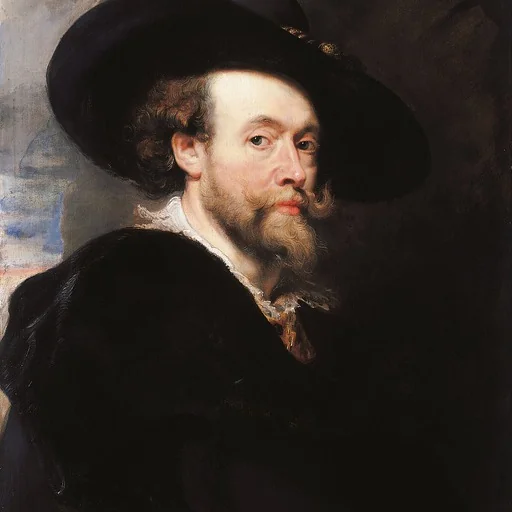
Sir Peter Paul Rubens ( ROO-bənz; Dutch:; 28 June 1577 – 30 May 1640) was a Flemish artist and diplomat.

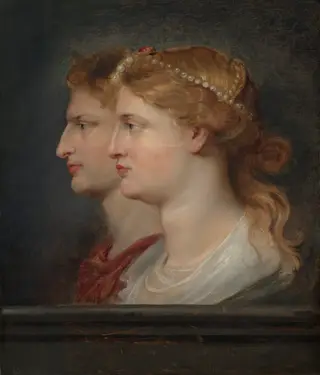
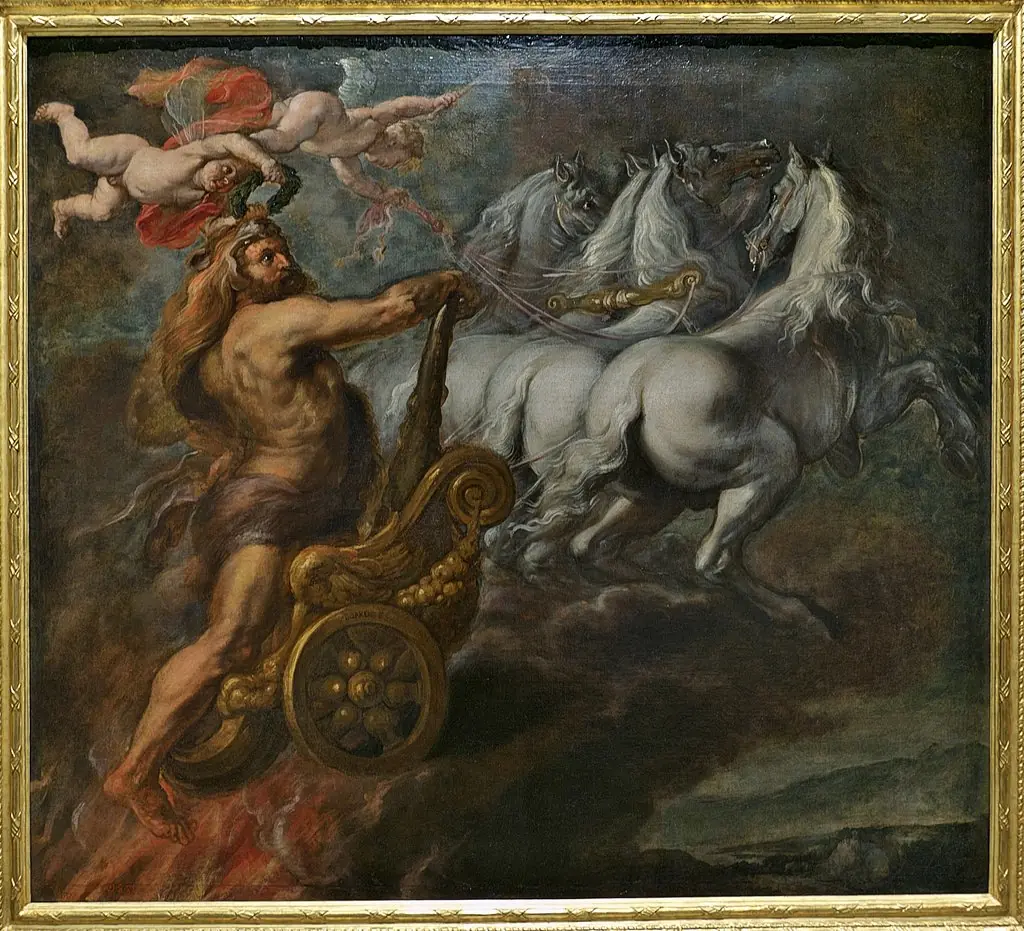 The Apotheosis of Hercules
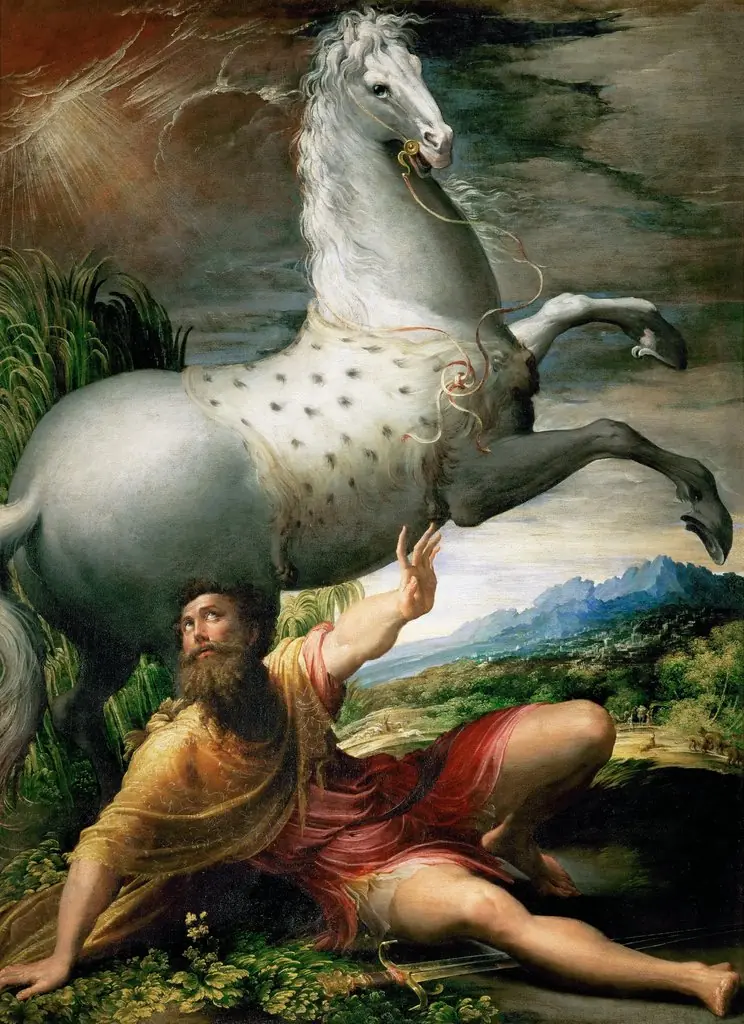 The Conversion of Saint Paul
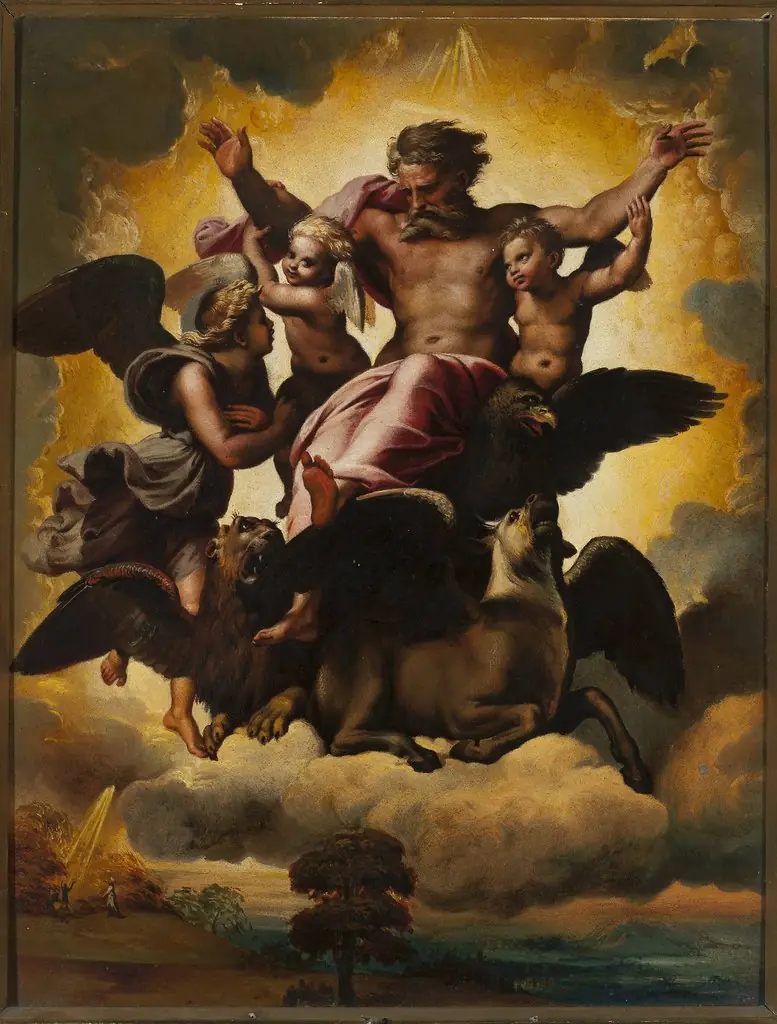 Ezekiel's Vision
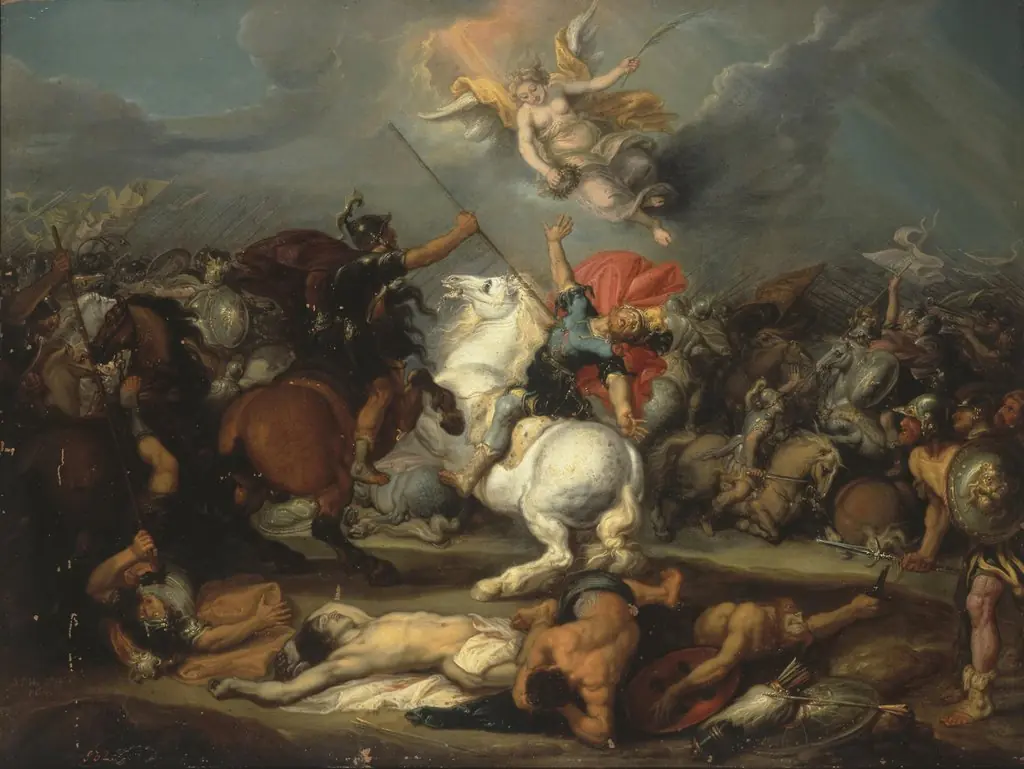 Death of Decius Mus
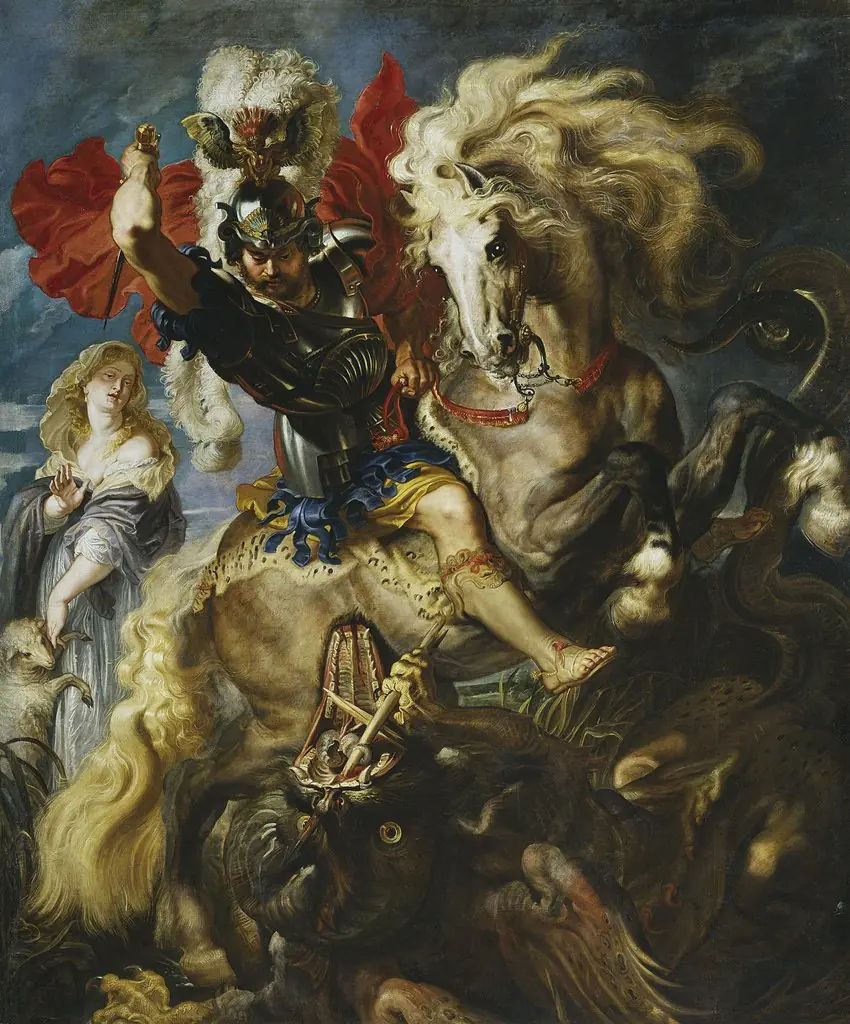 Saint George and the Dragon
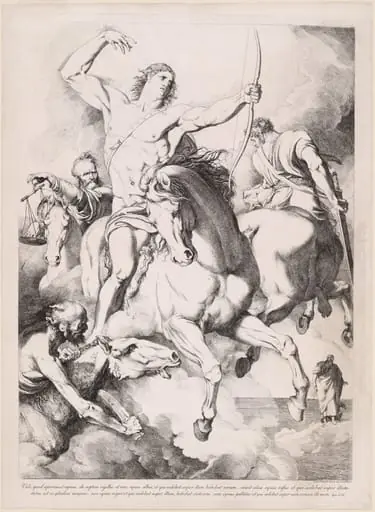 Vidi, quod aperuisset agnus... (The Four Horsemen of the Apocalypse)
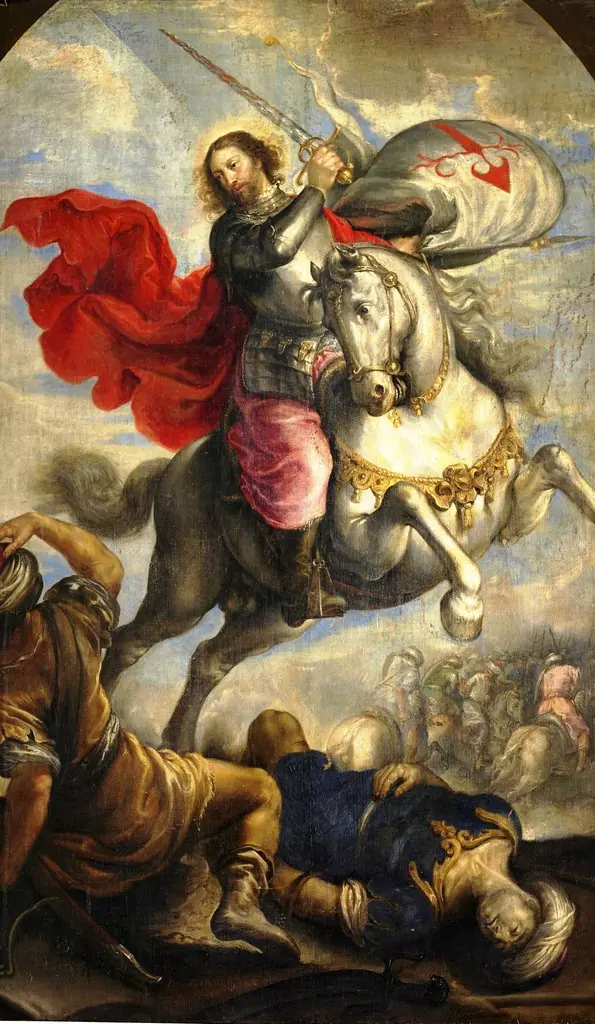 The Apostle Saint James or Saint James the Moor Slayer
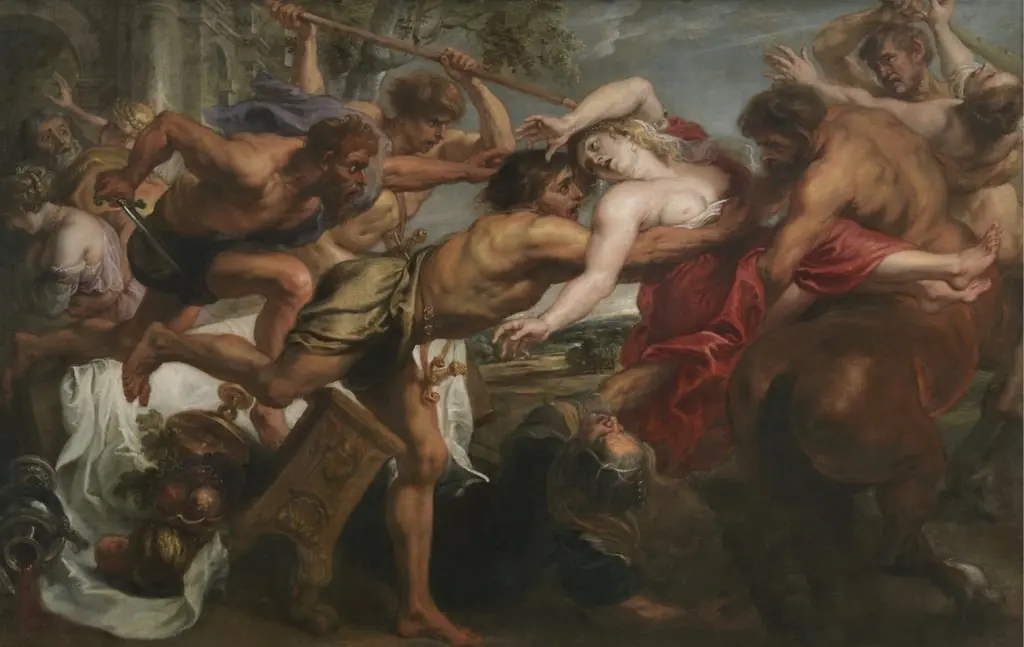 Rape of Hippodamia
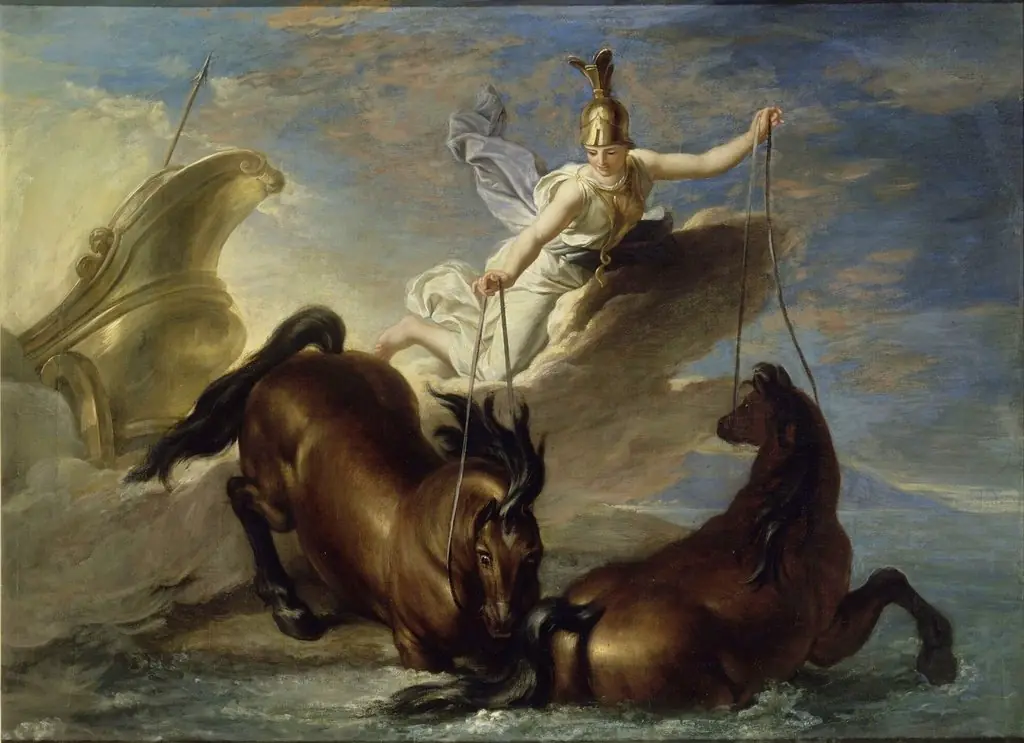 Story of Minerva - Minerva Watering her Horses into the Sea