Artwork
Daniel Crommelin Verplanck
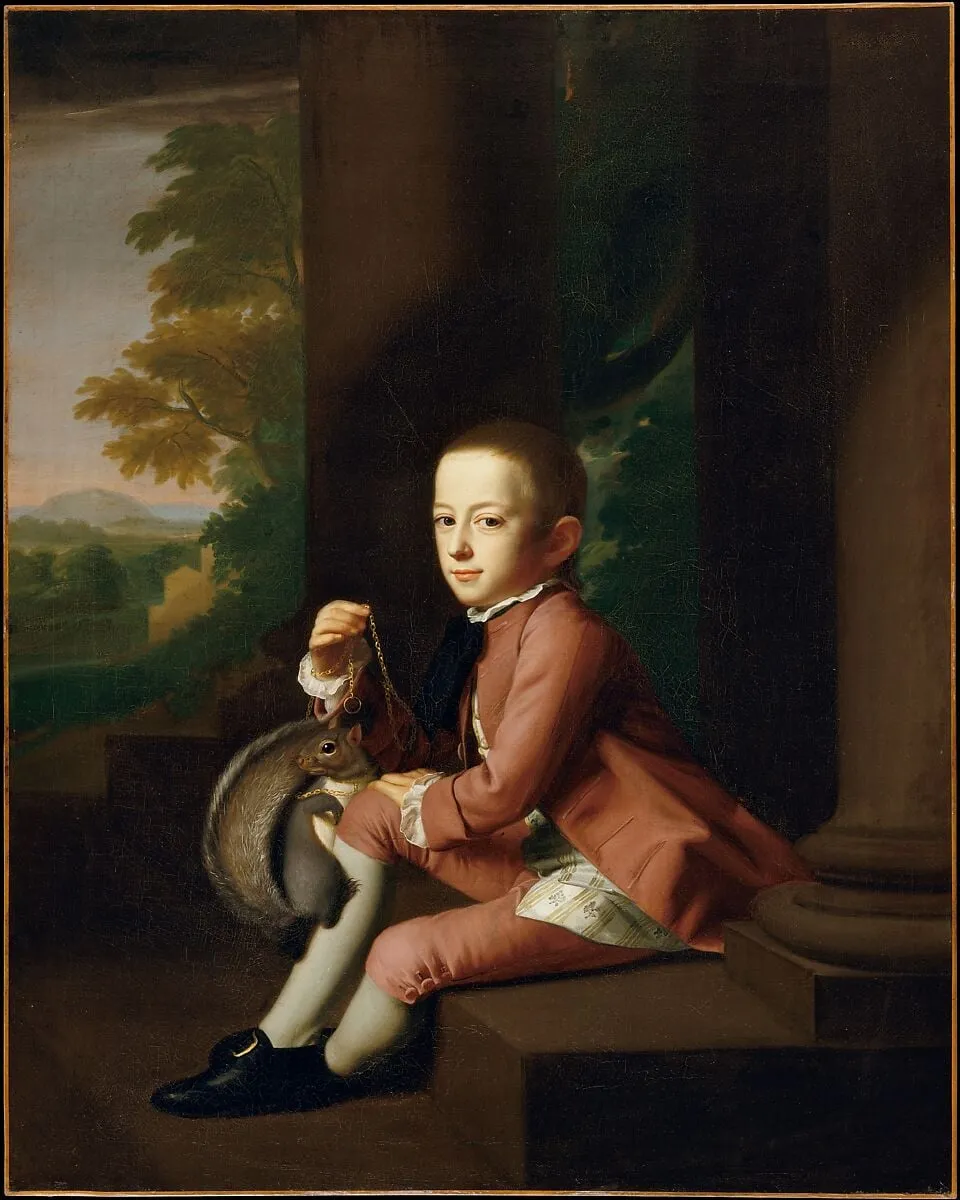
Daniel Crommelin Verplanck is an oil painting by the American Impressionist artist John Singleton Copley. It dates from 1771 and is held in the collection of the Metropolitan Museum of Art.
- Accession no.
- 49.12
- Credit line
- Gift of Bayard Verplanck, 1949
About this work
A boy in a red coat holds a silver chain tied to a squirrel perched on a branch, the animal nibbling a nut while the boy looks straight out. Copley painted him in 1771, when a pet squirrel signaled wealth in colonial America. The silver chain alone cost more than most people earned in a year.
Subject & Meaning
This specific animal serves as a prominent iconographic feature within the image, distinguishing the sitter's characterization.
The work portrays Daniel Crommelin Verplanck as a young boy, rendered in an oil-on-canvas portrait format. A defining element of the composition is the inclusion of a squirrel, which the subject holds or interacts with. This specific animal serves as a prominent iconographic feature within the image, distinguishing the sitter's characterization.
The painting functions as a formal portrait that captures the youth alongside this distinct natural element. The visual narrative centers on the relationship between the boy and the squirrel, making the animal a key component of the subject matter rather than a mere background detail. The presence of the squirrel contributes to the overall meaning of the piece as a specific representation of the sitter's identity and perhaps his status or personality traits during the period.
Technique & Style
Executed in 1771, this portrait utilizes oil paint applied to a canvas support. The work measures approximately 125.7 by 101.6 centimeters. As a formal portrait, the composition features a young boy accompanied by a squirrel, a motif characteristic of the genre during this period.
The piece is classified within the American Wing of the Metropolitan Museum of Art, where it remains part of the permanent collection. The materials and dimensions reflect standard practices for large-scale portraiture in late eighteenth-century America, with the oil medium allowing for the detailed rendering of textures and figures typical of the artist's approach.
History & Provenance
John Singleton Copley painted the portrait in 1771, executing it in oil on canvas. The work measures 125.7 cm by 101.6 cm and portrays a boy accompanied by a squirrel. It belongs to the American Wing's portrait genre and has been part of the Metropolitan Museum of Art's collection since its acquisition, remaining on display at the museum in New York.
No earlier ownership records or commission details are documented in the available sources, and the painting's creation history is limited to Copley's execution of the piece as a standalone portrait. No specific accession number or exhibition history is provided in the cited documentation.
Overview
John Singleton Copley completed Daniel Crommelin Verplanck, an oil on canvas, in 1771. This portrait depicts a young boy accompanied by a squirrel, serving as a testament to Copley's developing skill in capturing individual likenesses. The artwork represents a significant example from his early career, during which he established himself as a leading portrait painter within colonial New England before his eventual move to Europe.
Context
Born in Boston in 1738 to Anglo-Irish parents, John Singleton Copley rose to prominence as the foremost portraitist in colonial New England. This painting, created in 1771, predates his pivotal relocation to London in 1774 by only a few years. While his subsequent career in England brought him international recognition, works like Daniel Crommelin Verplanck demonstrate the foundational artistic proficiency he cultivated before his transatlantic move.
Artist & collection
Artist
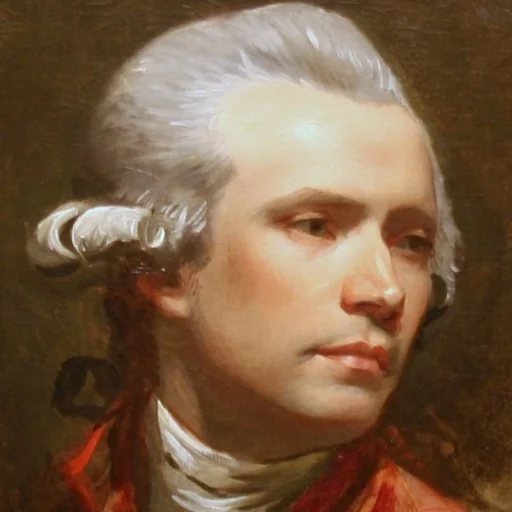
John Singleton Copley (July 3, 1738 – September 9, 1815) was an American-born British painter active in both the Thirteen Colonies and England.

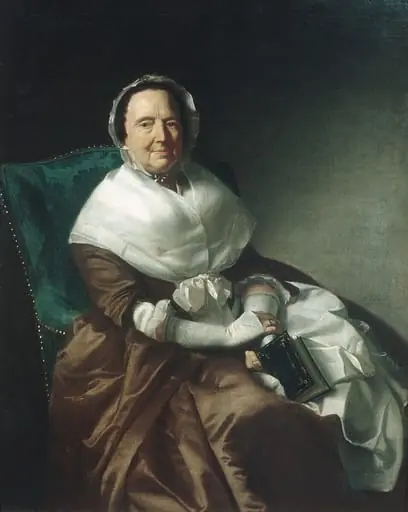
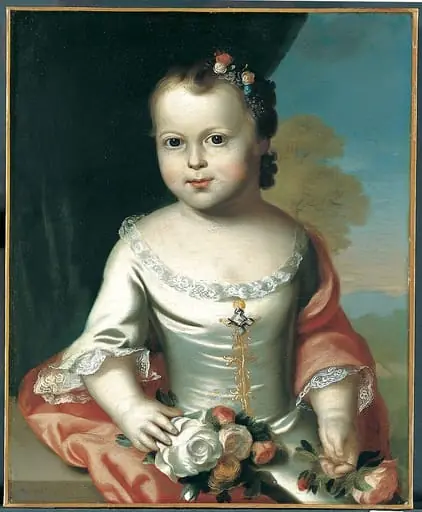
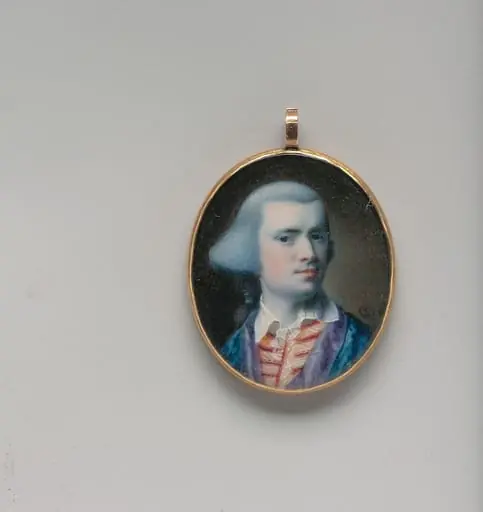
- Portrait of William Holmes (1762–c. 1818/20)
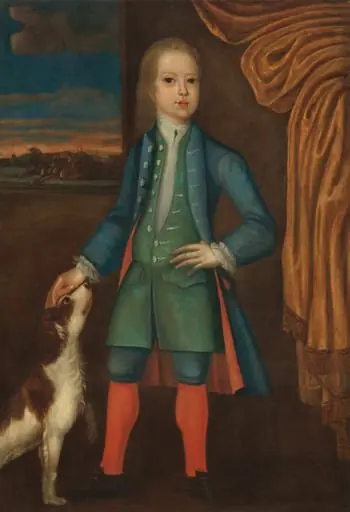 Boy in Blue Coat
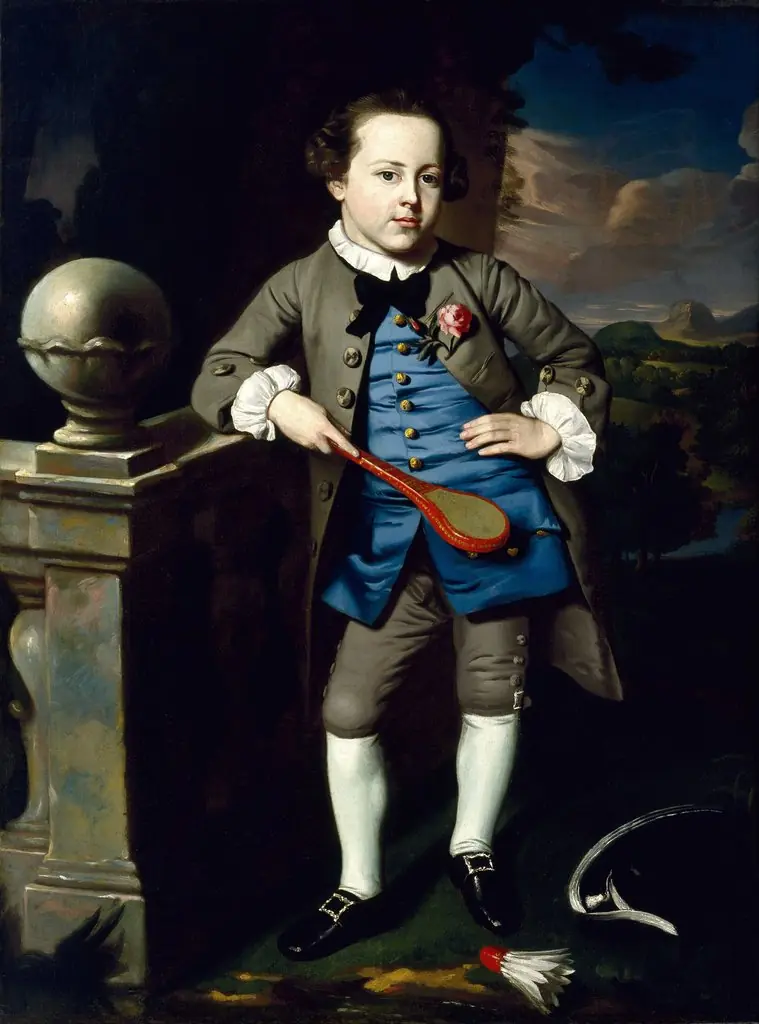 Portrait of a Boy
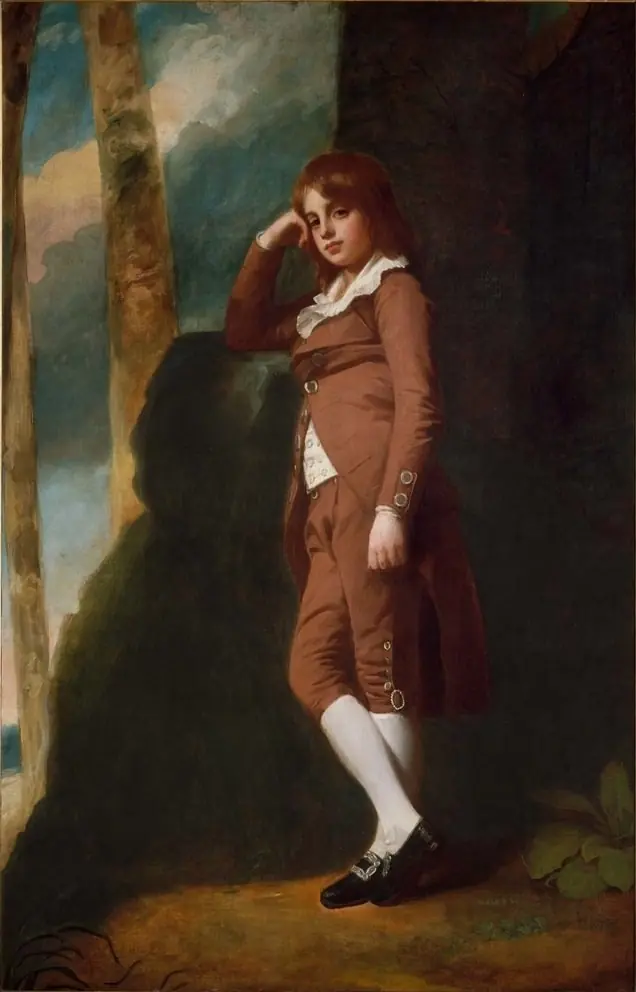 John Bensley Thornhill (1773–1841) as a Boy
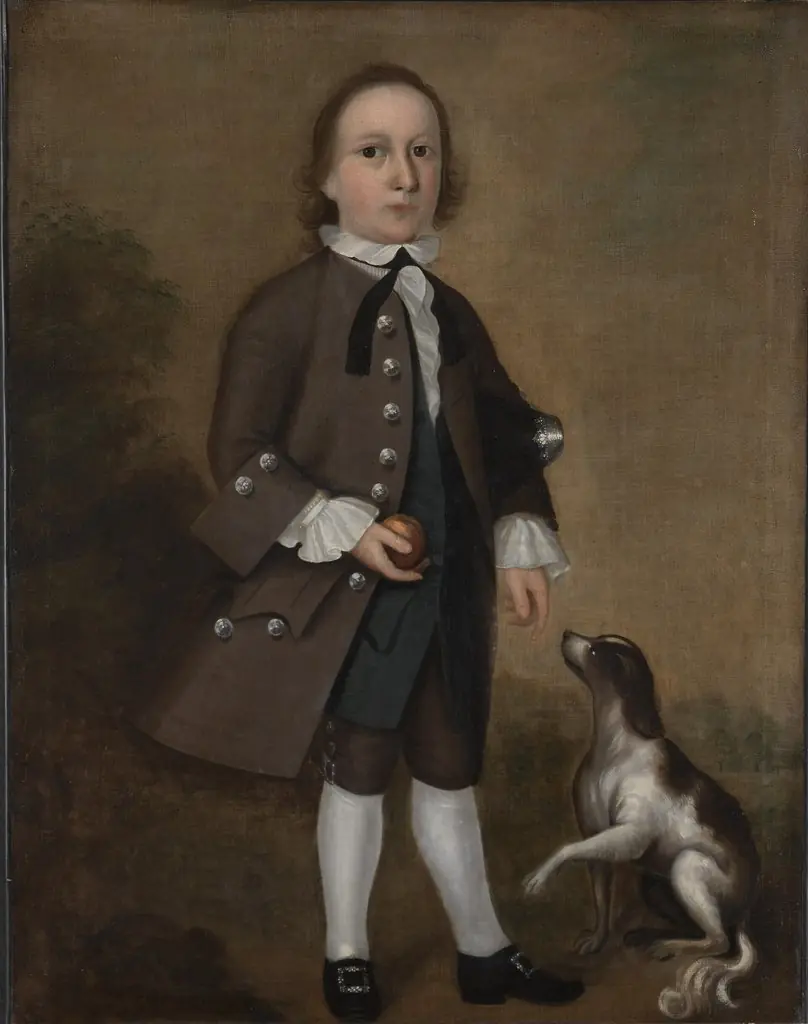 Jeremiah Belknap
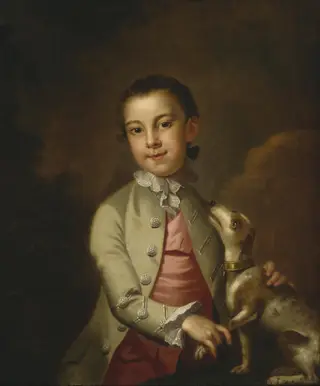
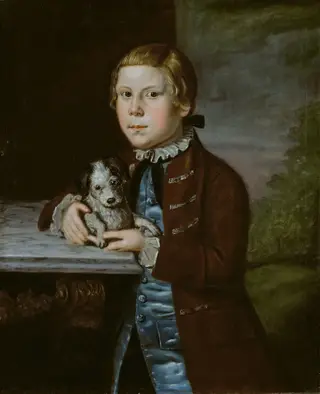 Boy of Hallett Family with Dog
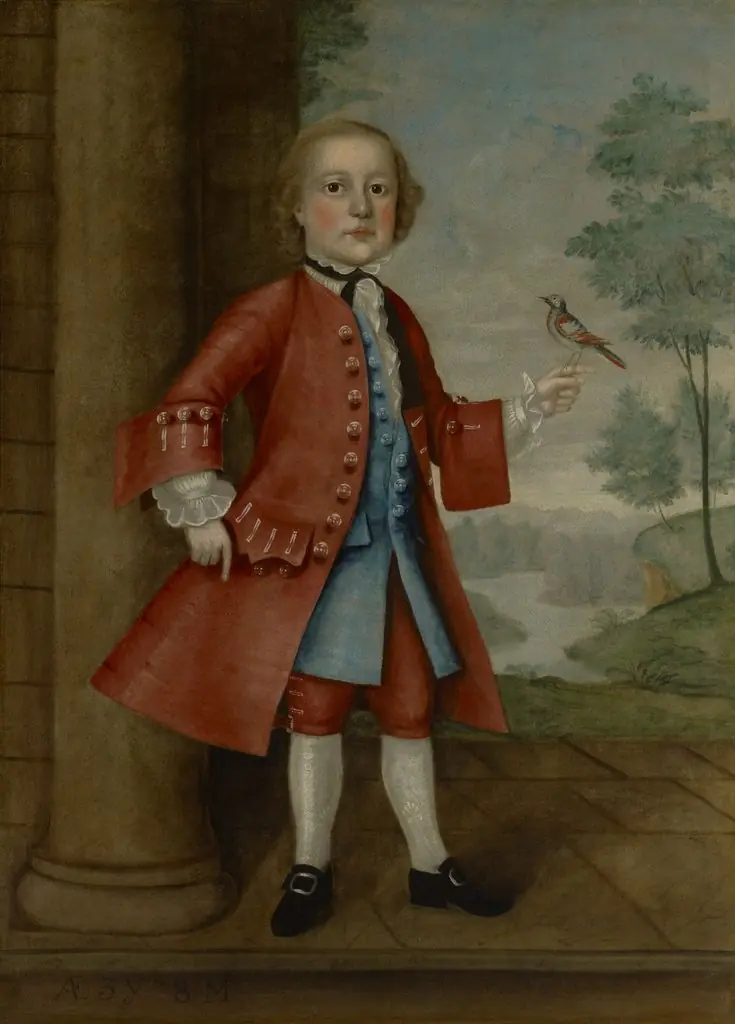 Portrait of John Gerry
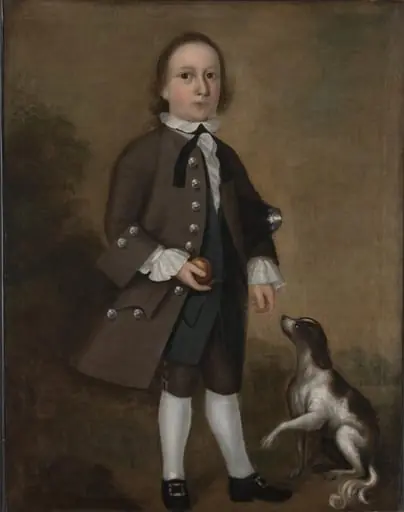 Jeremiah Belknap
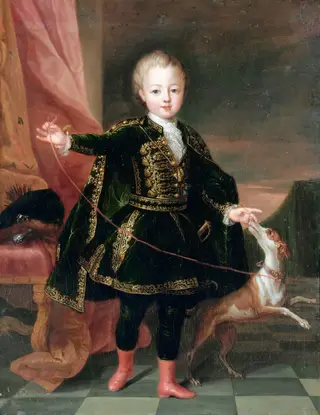 Portrait of Léopold Clément de Lorraine, Hereditary Prince of Lorraine (1707-1723)
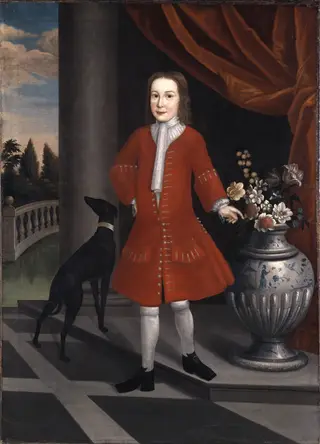 Pierre Van Cortlandt
 Portrait of Dionys Eliasz van Nijmegen
 Mr. Van Vechten