Artwork
Ebenezer Storer
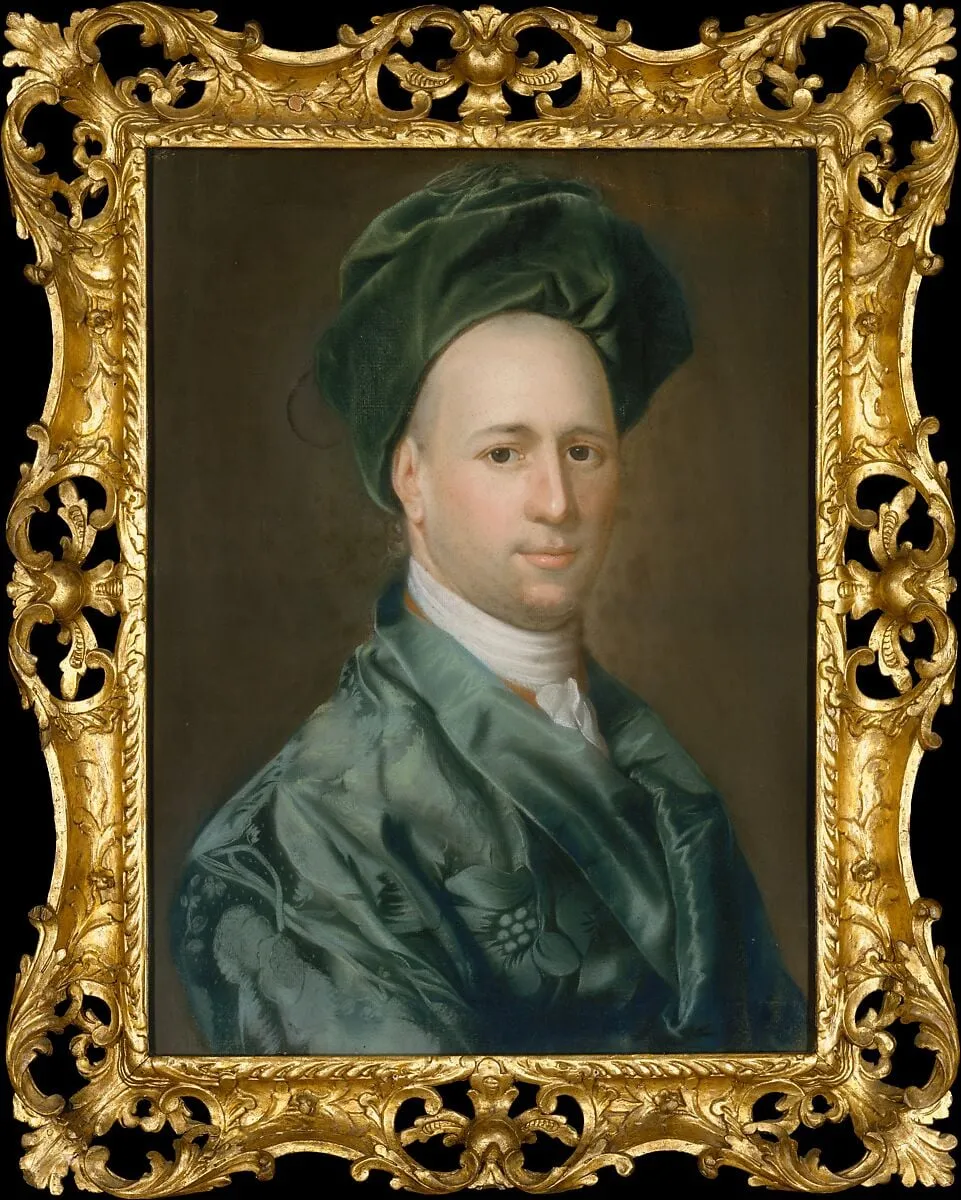
Ebenezer Storer is a pastel drawing by the Romanticist artist John Singleton Copley. It dates from 1768 and is held in the collection of the Metropolitan Museum of Art.
About this work
Overview
John Singleton Copley created this portrait of Ebenezer Storer circa 1768 using pastel on laid paper, later mounted on canvas.
John Singleton Copley created this portrait of Ebenezer Storer circa 1768 using pastel on laid paper, later mounted on canvas. Executed in Boston during Copley’s early career, the work stands out for its use of a medium uncommon in colonial American portraiture, which typically favored oil paint. The choice of pastel reflects both technical experimentation and a desire for immediacy in capturing likeness.
Subject & Meaning
Ebenezer Storer was a Boston merchant and civic figure, part of the colonial elite who shaped the city’s commercial and institutional life. His portrait conveys quiet authority: dressed in a dark coat, he gazes directly at the viewer with composed stillness. The absence of elaborate props or symbolic elements emphasizes his identity as a man of substance, not status through display.
Technique & Style
Copley employed pastel to achieve a soft, luminous texture on the rough surface of laid paper, allowing subtle gradations of tone to model the face with lifelike delicacy. The powdery strokes mimic the warmth of skin under natural light, contrasting with the flat, dark background. This technique, rarely used in America at the time, reveals Copley’s sensitivity to material effects and his pursuit of naturalism over formal convention.
History & Provenance
The portrait remained in Boston’s private collections after its creation, eventually entering the collection of the Museum of Fine Arts, Boston, where it is now housed in the American Wing. Its preservation on canvas ensured stability, a practical adaptation for a fragile medium. No records indicate it was exhibited publicly during Copley’s lifetime, but its survival reflects its value to the Storer family and later collectors.
Context
In the years before the American Revolution, Boston’s merchant class commissioned portraits to affirm social standing. While oil painting dominated formal portraiture, pastel offered a quicker, more intimate alternative. Copley’s use of it here signals a shift toward personal expression and technical innovation, even as political tensions rose. The portrait captures a moment before the rupture of colonial identity.
Legacy
Copley’s Ebenezer Storer exemplifies the quiet sophistication of colonial American art before its full transition to European models. The work remains a rare surviving example of pastel portraiture from this period in the United States, illustrating how artists adapted European techniques to local materials and tastes. It stands as a testament to the understated dignity of pre-revolutionary civic life.
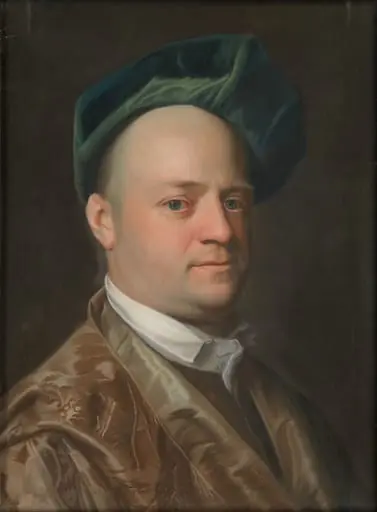
Artist & collection
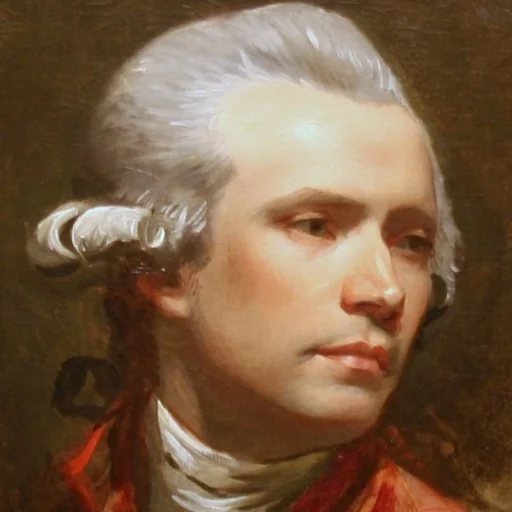
Artist
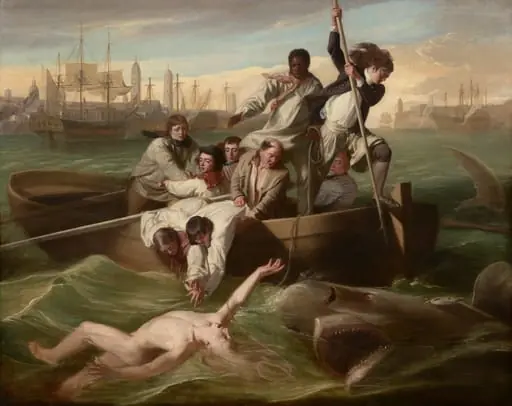
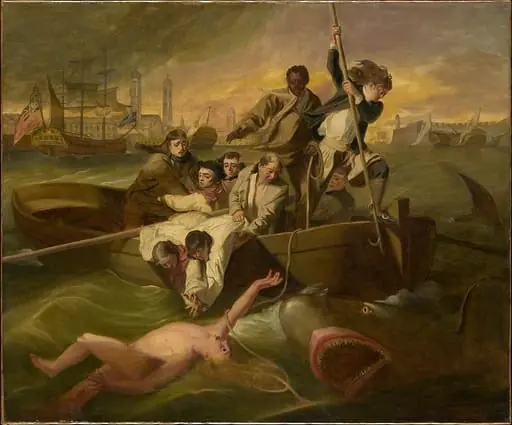
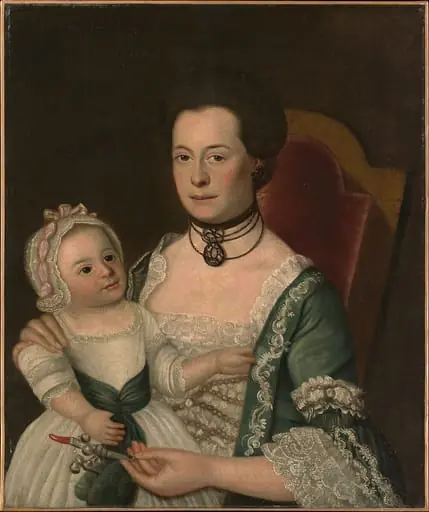
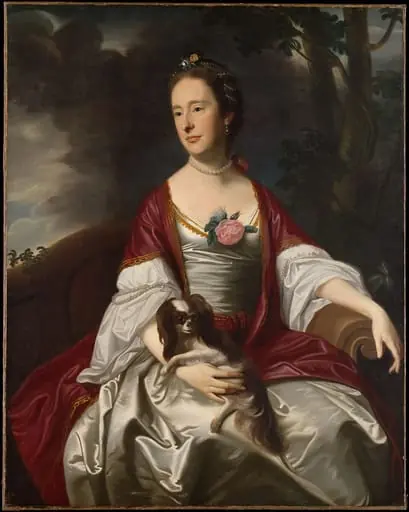
John Singleton Copley (July 3, 1738 – September 9, 1815) was an American-born British painter active in both the Thirteen Colonies and England.

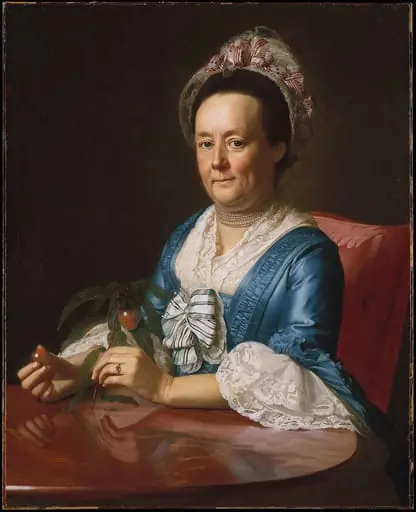
 Joseph Sherburne
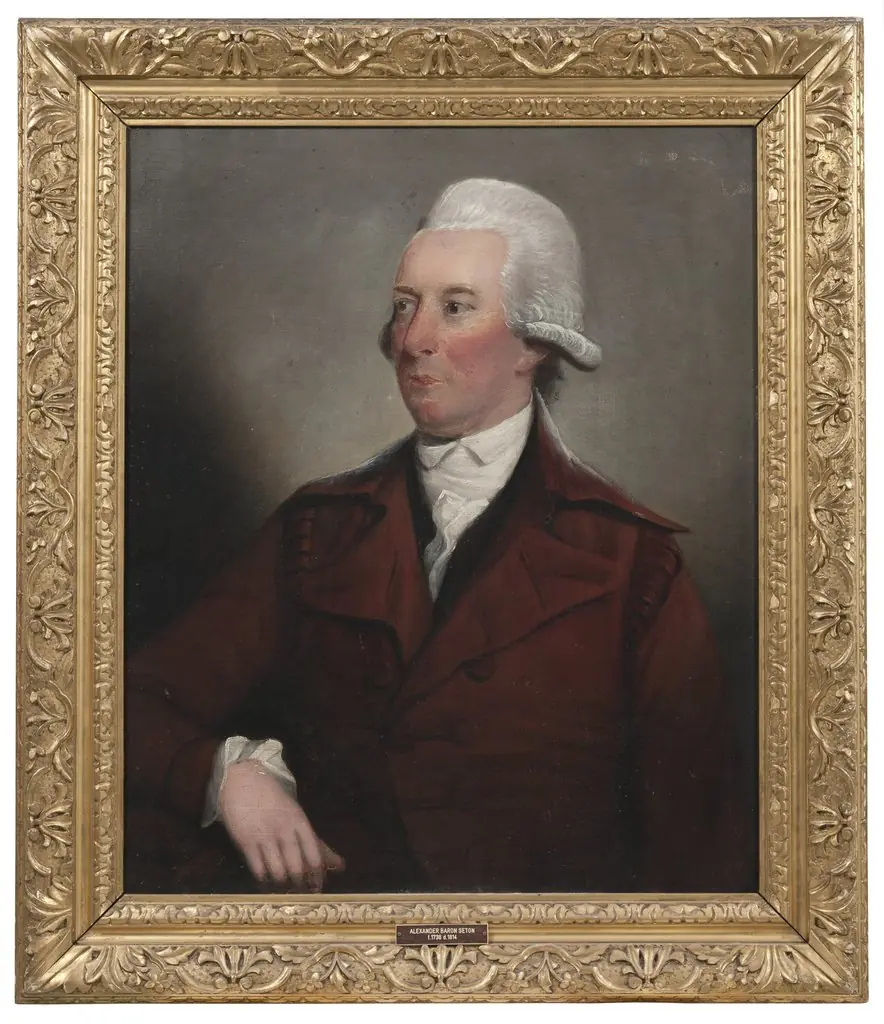 Alexander Baron Seton (1738-1814), jur.dr., godsägare, född i Skottland, verksam i Sverige och Skottland, g.m. 1. Elizabeth Angus, 2. Anne Innes of Cathlow, systerson till och adopterad av George Seton
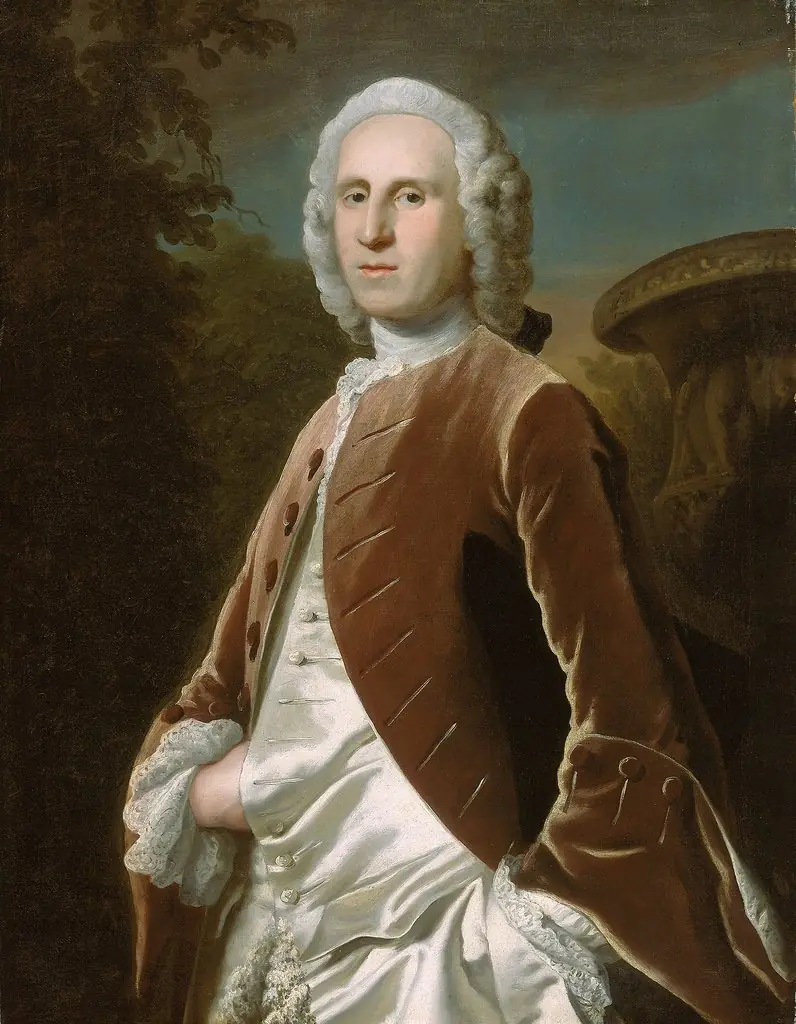 Freeman Flower
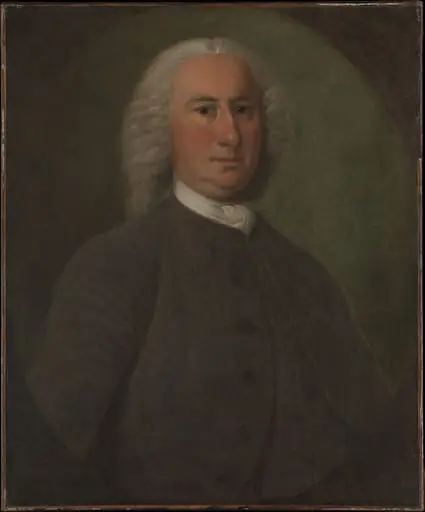 Gabriel Manigault
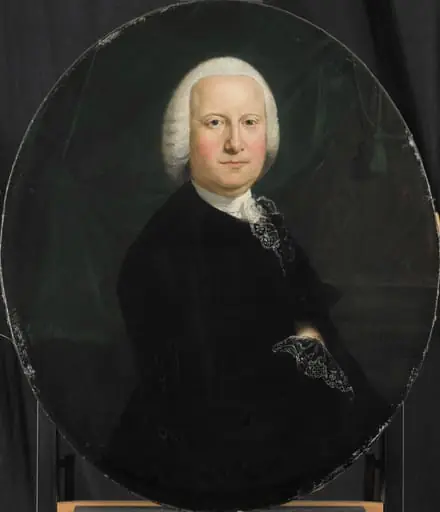 Portrait of Adriaan du Bois, Director of the Rotterdam Chamber of the Dutch East India Company, elected 1742
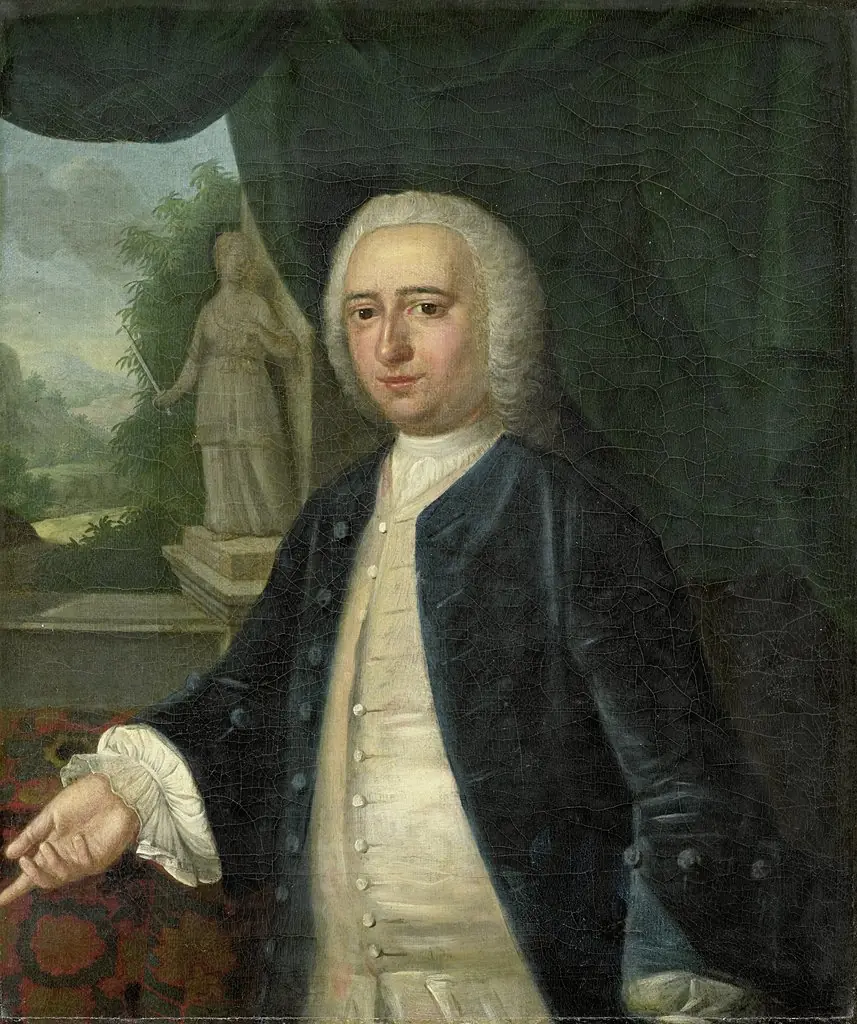 Portrait of Johan Willem Parker, Lord of Saamslag, Geersdijk, Wissekerke, Cats and Soelekerke, Burgomaster of Middelburg, Deputy of Walcheren in Zeeland
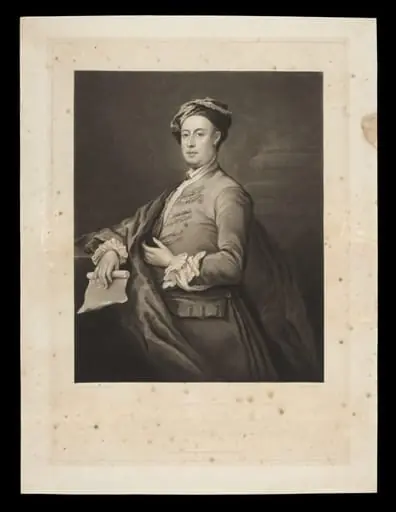 H Beard Print Collection
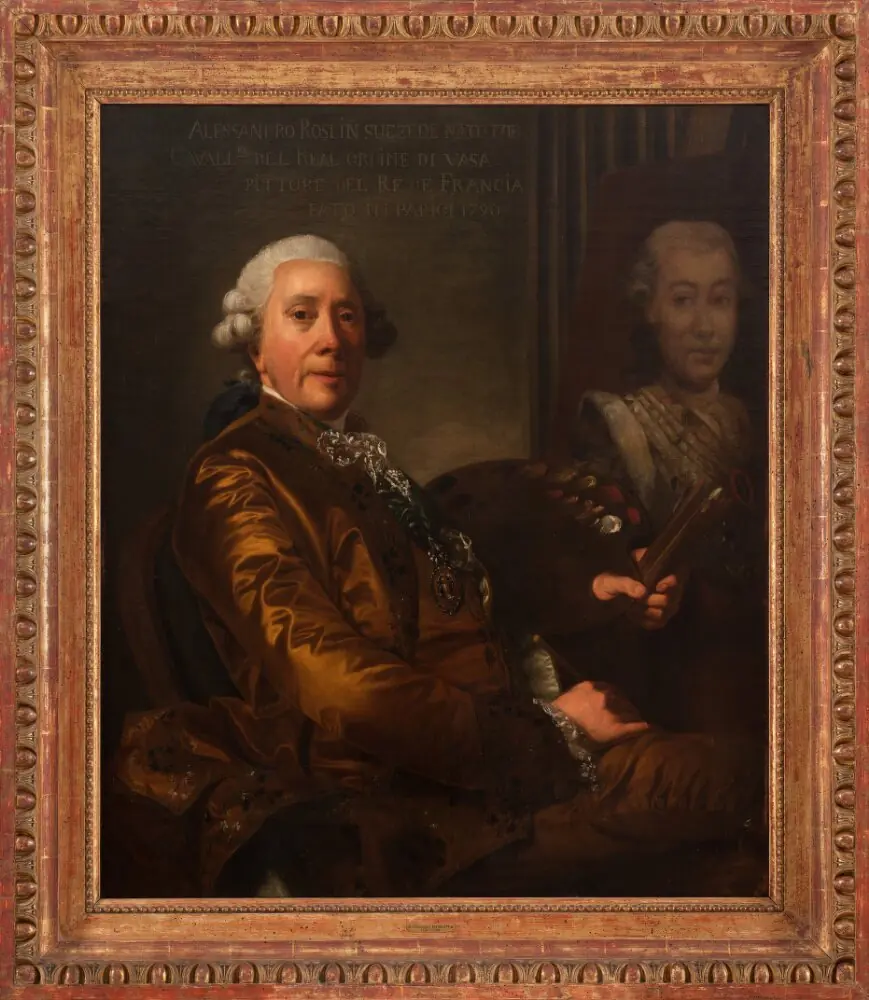 Self-portrait
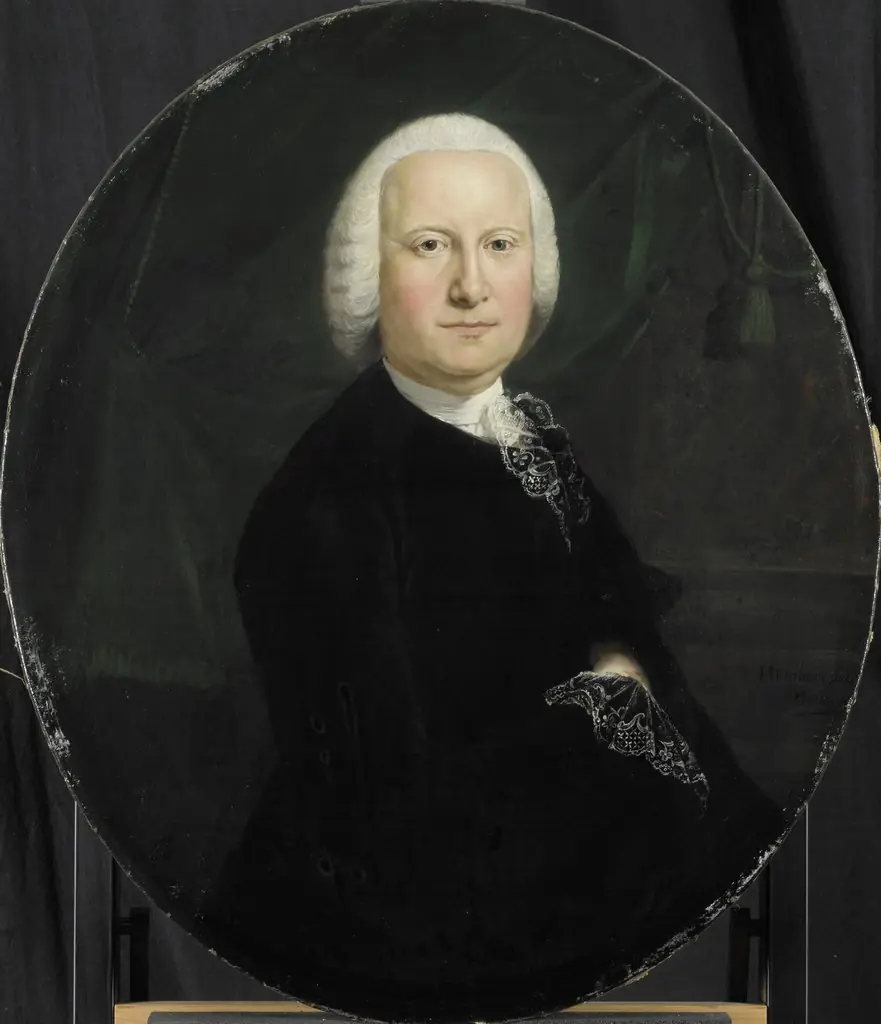 Portrait of Adriaan du Bois, Director of the Rotterdam Chamber of the Dutch East India Company, elected 1742
 Portret van Paul Josef de Cock