Artwork
Joseph Sherburne
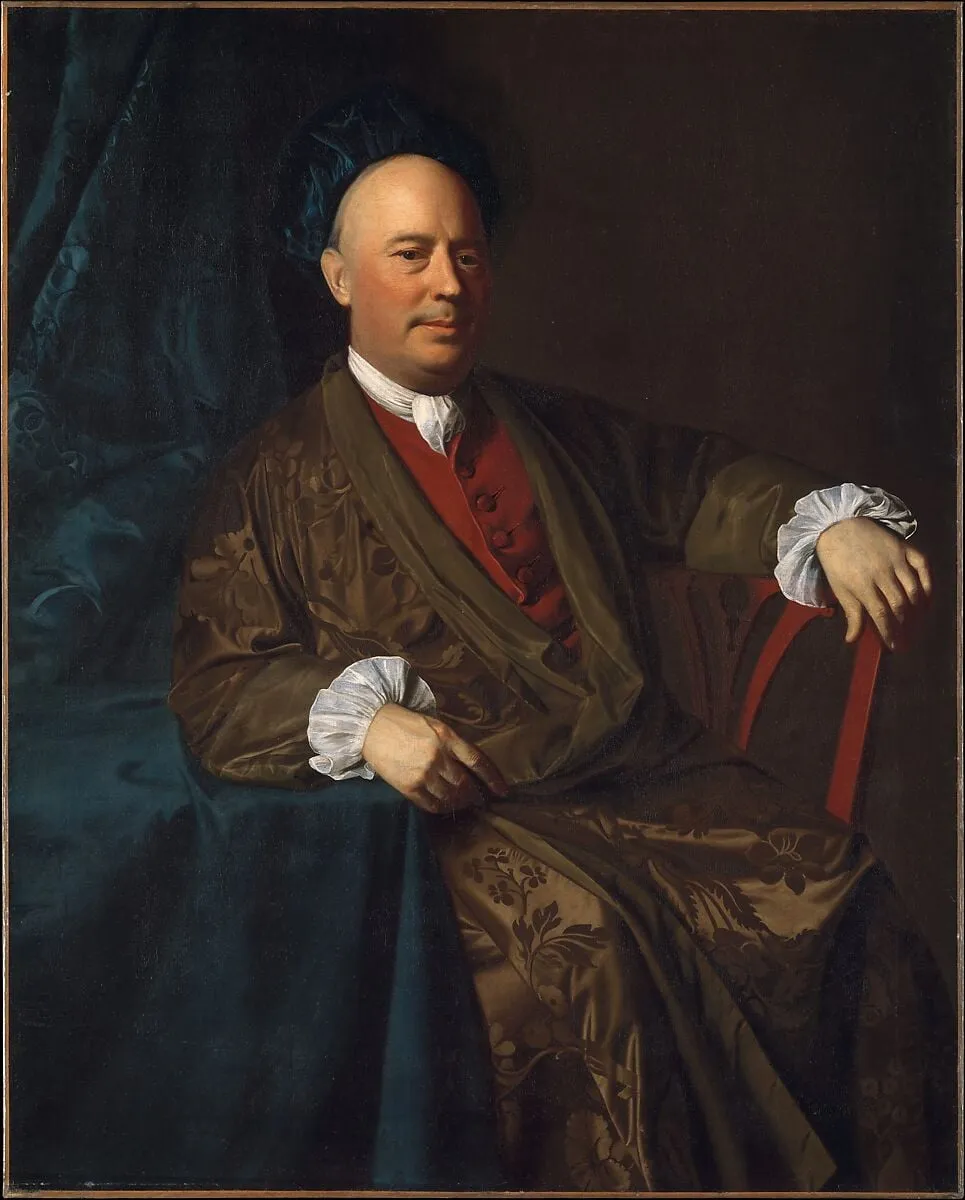
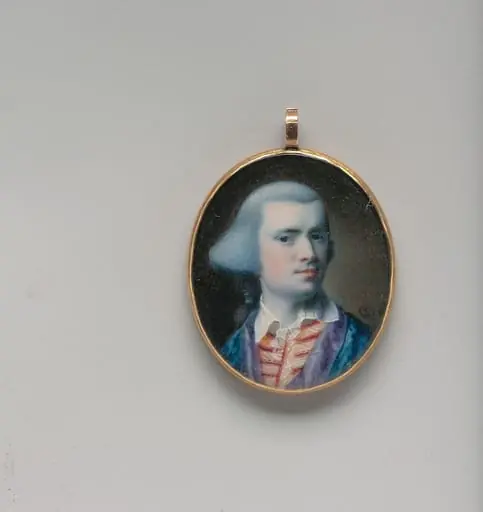
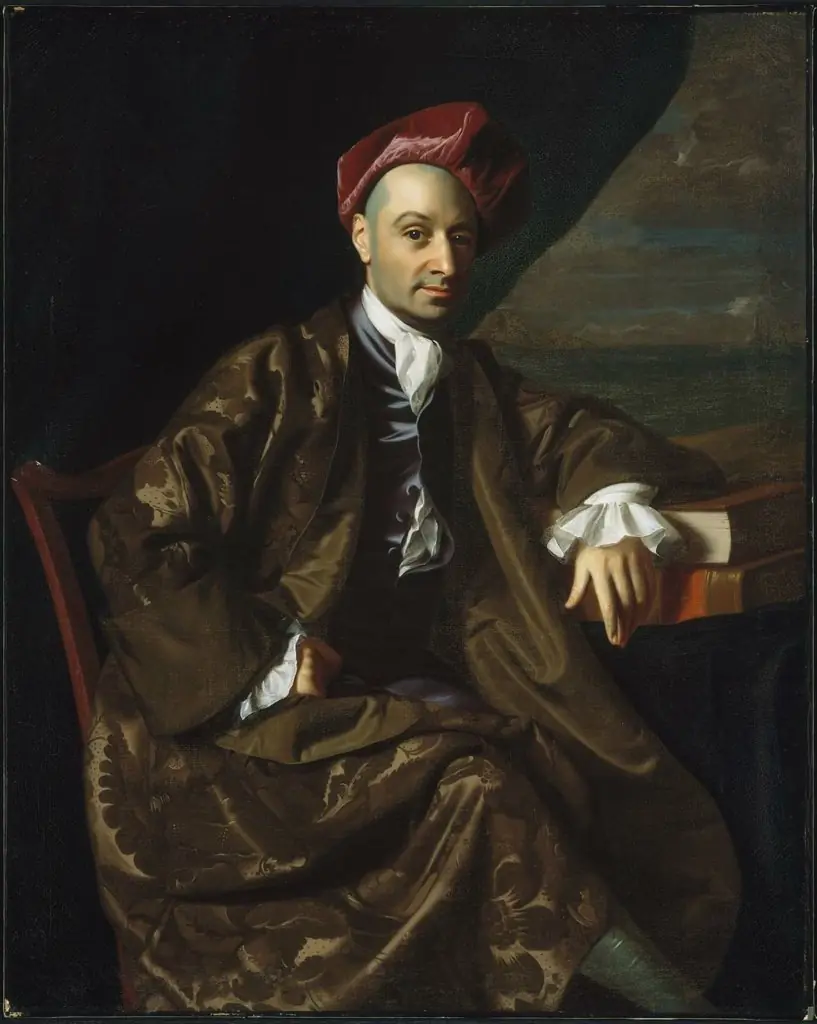
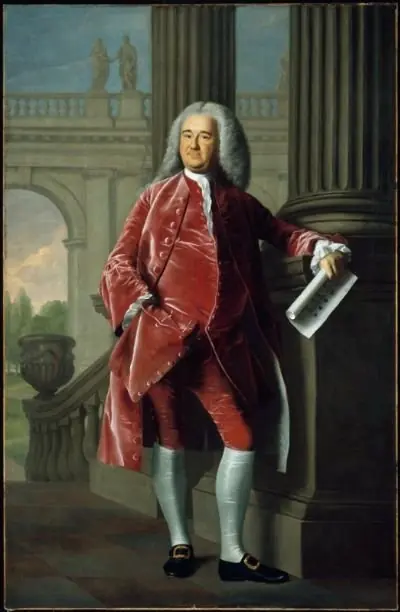
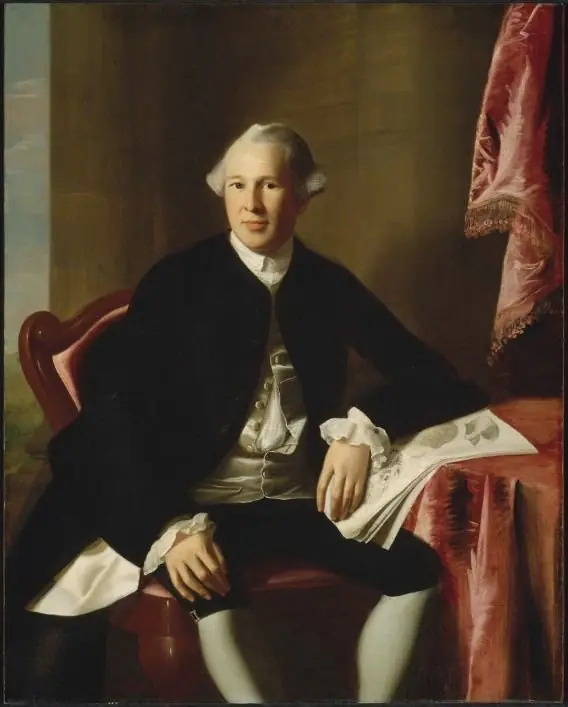
Joseph Sherburne is an oil painting by the American Impressionist artist John Singleton Copley. It dates from 1768 and is held in the collection of the Metropolitan Museum of Art.
- Accession no.
- 23.143
- Credit line
- Amelia B. Lazarus Fund, 1923
About this work
Subject & Meaning
The subject is shown in a manner consistent with Copley's portraiture of the era, focusing on the individual's physical appearance and status.
The work is a portrait depicting Joseph Sherburne, identified simply as a man within the composition. Painted by John Singleton Copley in 1768, the piece presents a straightforward representation of its sitter without additional allegorical figures or narrative scenes. As a genre portrait, the painting's primary function is the documentation of Sherburne's likeness and presence rather than the communication of complex symbolic meanings.
The subject is shown in a manner consistent with Copley's portraiture of the era, focusing on the individual's physical appearance and status. No specific attributes, objects, or background elements are noted in the available records that would suggest deeper symbolic interpretations beyond the identity of the sitter himself.
Technique & Style
The portrait of Joseph Sherburne by John Singleton Copley is executed in oil on canvas, a medium typical of Copley's practice in the 1760s. The support measures 127 cm in height and 101.6 cm in width, with the paint applied in smooth, blended layers that articulate the sitter's facial features and costume with refined precision. The handling emphasizes naturalistic detail, from the subtle gradations of light on the face to the crisp rendering of the lace cravat and coat buttons, reflecting Copley's early mastery of portraiture.
The composition is restrained yet psychologically attentive, focusing on the sitter's direct gaze and composed demeanor, hallmarks of Copley's stylistic approach during this period.
History & Provenance
The portrait of Joseph Sherburne was created by John Singleton Copley in 1768. Executed in oil on canvas, the work measures 127 by 101.6 centimeters. It is held in the Metropolitan Museum of Art, where it is classified within The American Wing as a portrait.
The sources confirm the artist, sitter, medium, and year, but do not provide an accession number, details of the original commission, the chain of ownership prior to the museum, or any exhibition history.
Overview
John Singleton Copley painted this oil on canvas portrait of Joseph Sherburne around 1768. The work exemplifies Copley's early career in colonial America, where he established himself as a prominent artist. It showcases his characteristic approach to portraiture, emphasizing a detailed and lifelike representation of his sitters. This piece is part of the American Wing collection, reflecting the artistic output of the period.
Context
Born in Boston in 1738, John Singleton Copley became the foremost portrait painter for the colonial elite in British North America. Before his relocation to London in 1774, Copley's American period was marked by his ability to create compelling and accurate likenesses. Works like Joseph Sherburne illustrate the artistic environment of the colonies and Copley's significant contribution to it, solidifying his reputation prior to his international career.
Artist & collection
Artist
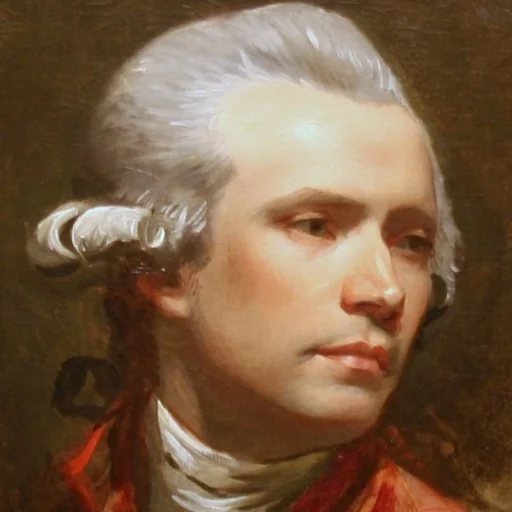
John Singleton Copley (July 3, 1738 – September 9, 1815) was an American-born British painter active in both the Thirteen Colonies and England.