Artwork
Gulian Verplanck
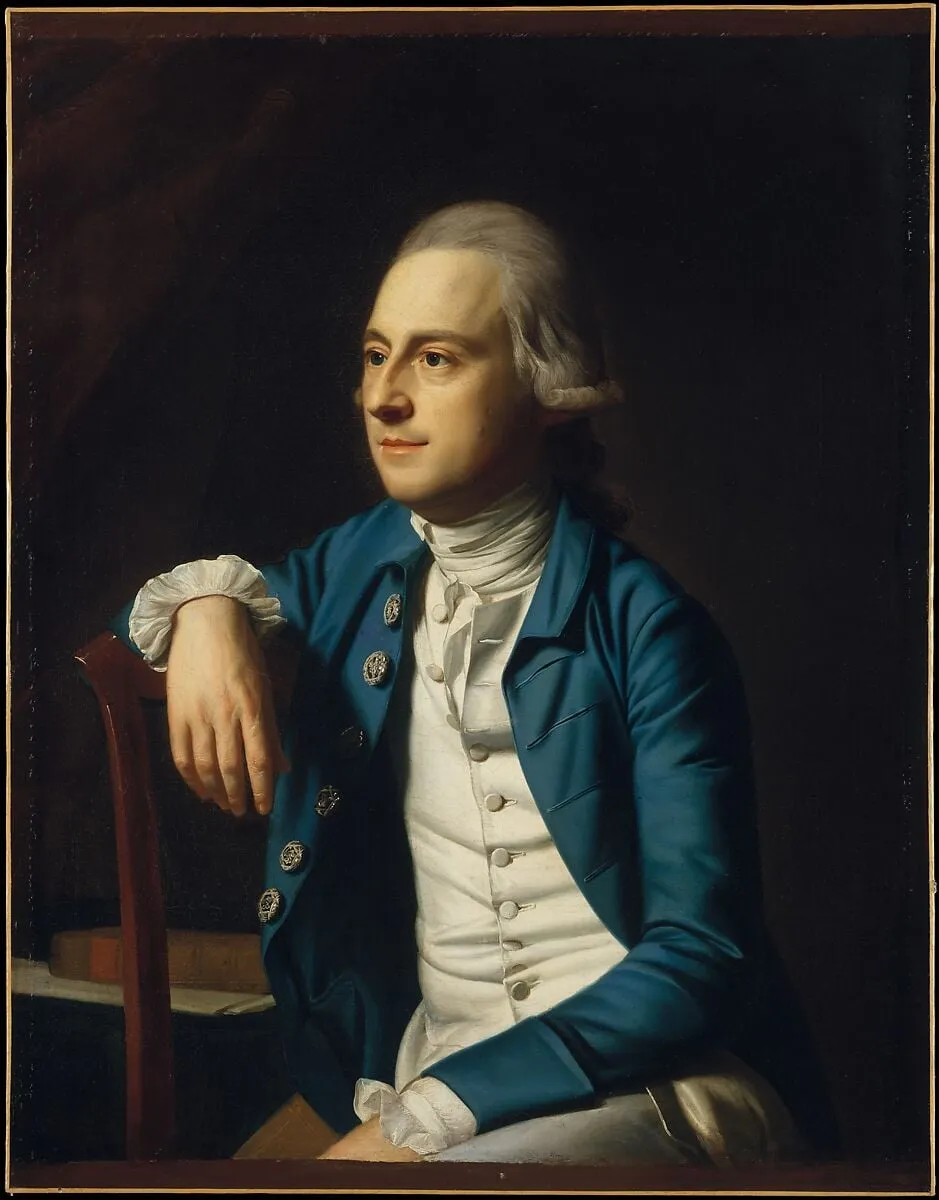
Gulian Verplanck is an oil painting by the American Impressionist artist John Singleton Copley. It dates from 1771 and is held in the collection of the Metropolitan Museum of Art.
About this work
Technique & Style
The portrait of Gulian Verplanck is executed in oil on canvas, a medium characteristic of Copley’s portrait practice in the 1770s.
The portrait of Gulian Verplanck is executed in oil on canvas, a medium characteristic of Copley’s portrait practice in the 1770s. The handling demonstrates the artist’s refined control, with smooth, blended transitions in the modeling of the sitter’s face and crisp detailing in the lace cravat and coat buttons. The composition emphasizes Verplanck’s dignified presence through a restrained palette of deep blacks, creamy whites, and warm browns, while the restrained brushwork in the background avoids distraction from the figure. The 91.4 × 71.1 cm format conforms to the standard bust-length portrait convention of the period.
History & Provenance
John Singleton Copley executed the oil-on-canvas portrait of Gulian Verplanck in 1771. The work measures 91.4 by 71.1 centimeters and depicts its subject as a man in a formal pose. While specific details regarding the original commission or the full chain of private ownership prior to its museum acquisition are not provided in the available records, the painting is currently held in the collection of the Metropolitan Museum of Art within its American Wing. The piece has been classified as a portrait genre work since its inception in the early 1770s.
Context
John Singleton Copley painted Gulian Verplanck in 1771, an oil on canvas portrait now displayed in the Metropolitan Museum of Art’s American Wing. The work exemplifies Copley’s early American portraiture, combining realistic likeness with refined brushwork characteristic of the period. Its inclusion in the museum’s collection underscores the painting’s importance as a representative example of colonial-era portraiture and reflects Copley’s role in shaping early American artistic identity.
The painting’s dimensions, medium, and subject matter are documented in both scholarly catalogues and museum records, confirming its status as a key piece within the corpus of 18th‑century American art.
Overview
This oil on canvas depicts Gulian Verplanck, an American individual. The portrait captures him seated, dressed in formal attire, conveying a sense of gravity and importance. The artist focused on rendering the sitter's features and elaborate clothing with considerable detail.
This work is a notable example within The American Wing's collection, offering insight into portraiture of the period.
Subject & Meaning
The painting's subject is Gulian Verplanck, whose identity as an American is central to the work. Beyond merely presenting his likeness, the portrait functions as a historical document, illustrating the sartorial conventions of the era. Verplanck's serious expression and formal dress reflect the societal expectations and personal gravitas associated with individuals of his standing during that time.
Artist & collection
Artist
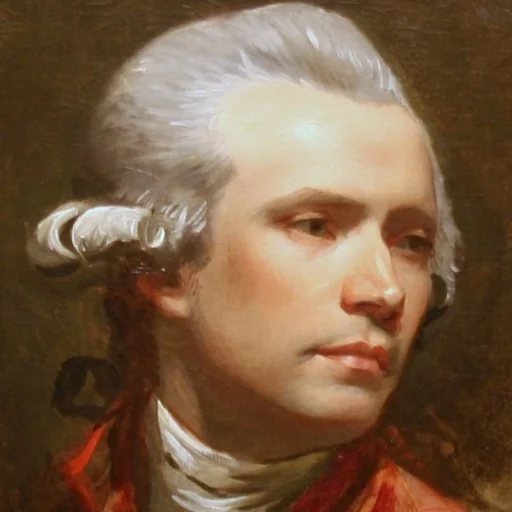
John Singleton Copley (July 3, 1738 – September 9, 1815) was an American-born British painter active in both the Thirteen Colonies and England.

 Nahkuri Jakob Westin vanhempi
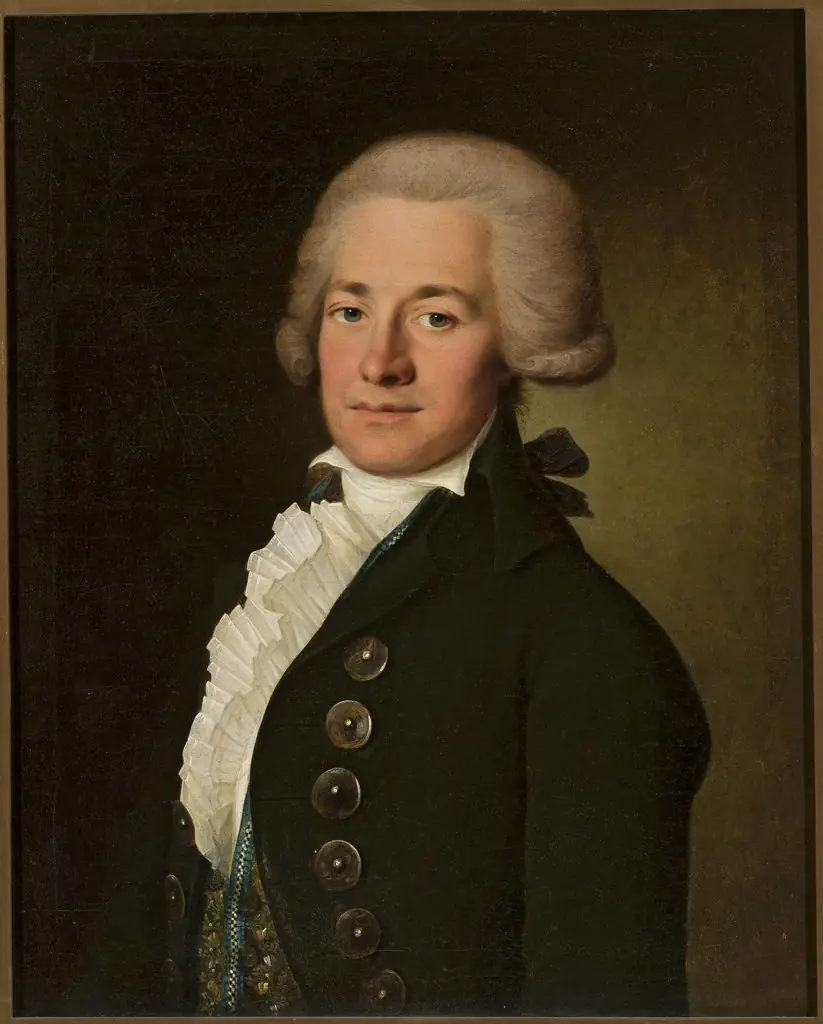 Portrait of a young man in a wig en catogan
 Untitled
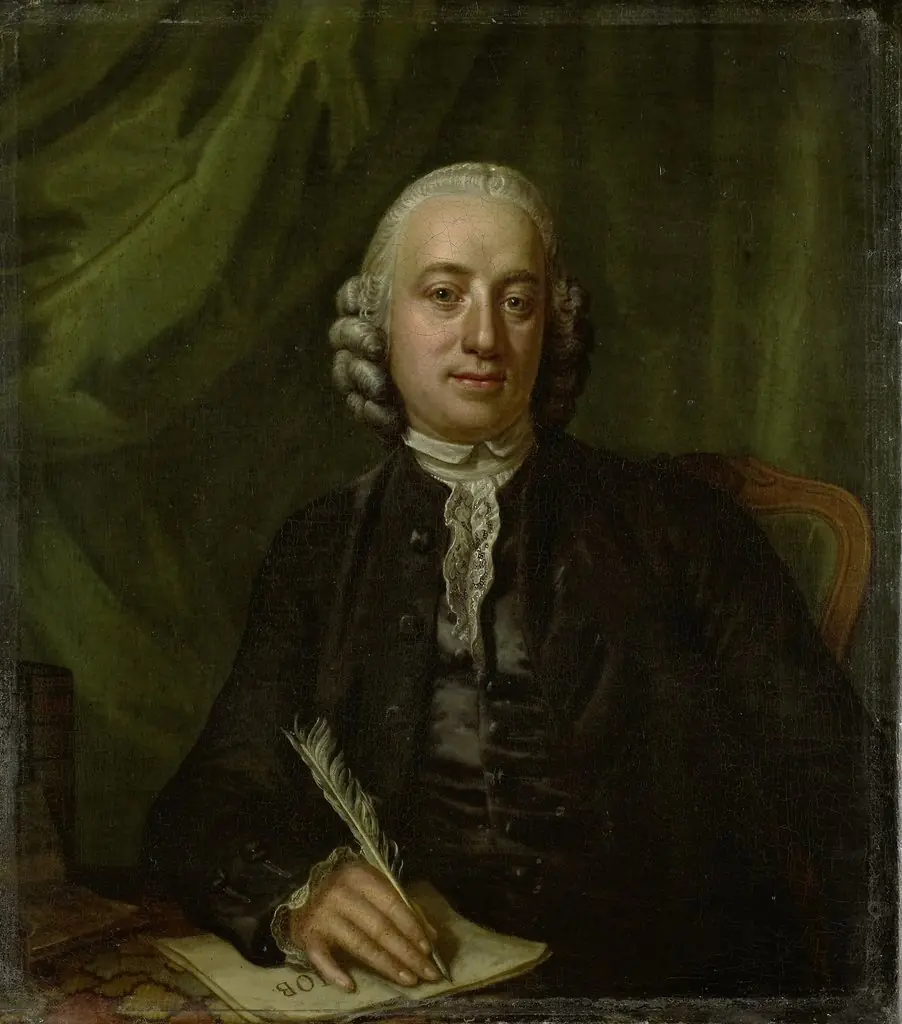 Portrait of Pieter Meijer, publisher and bookseller of Amsterdam
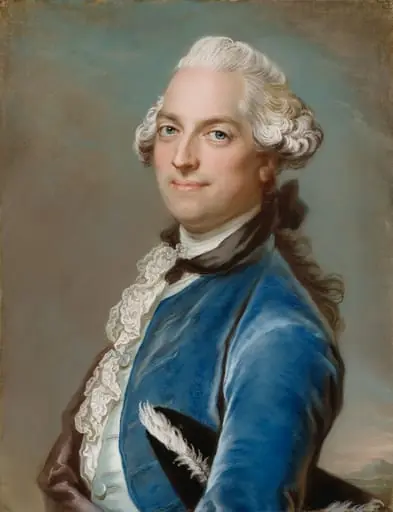 Runoilija Gustaf Fredrik Gyllenborg
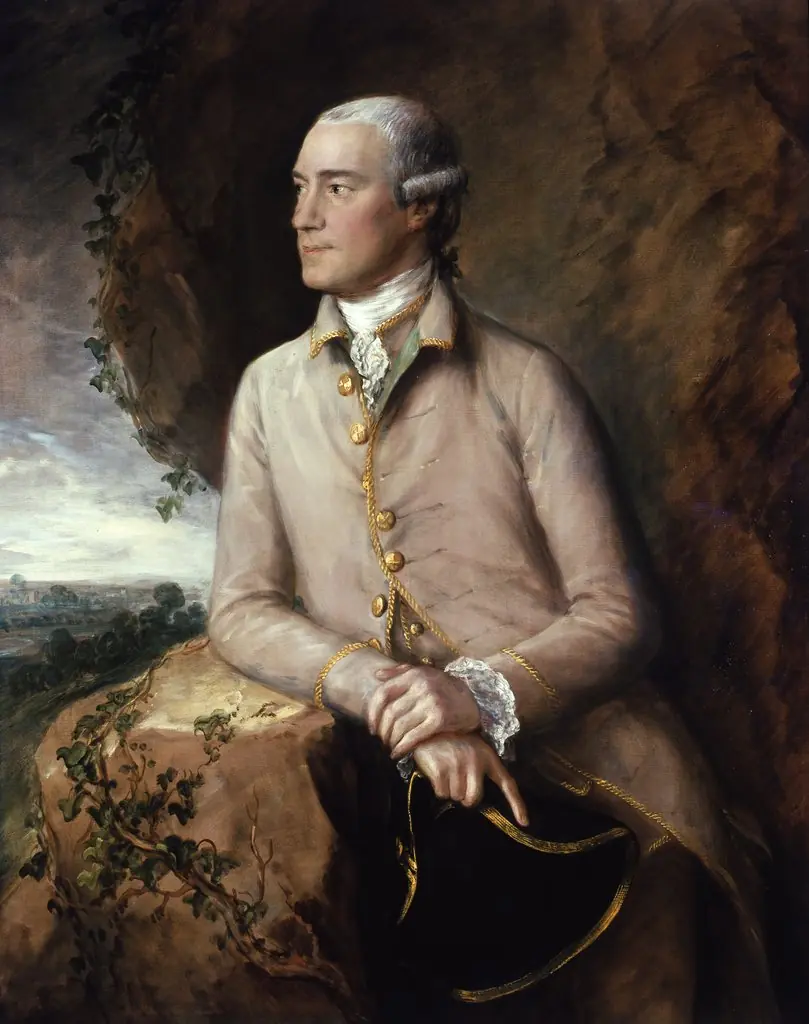 The lawyer Joshua Grigby III (1731-1798)
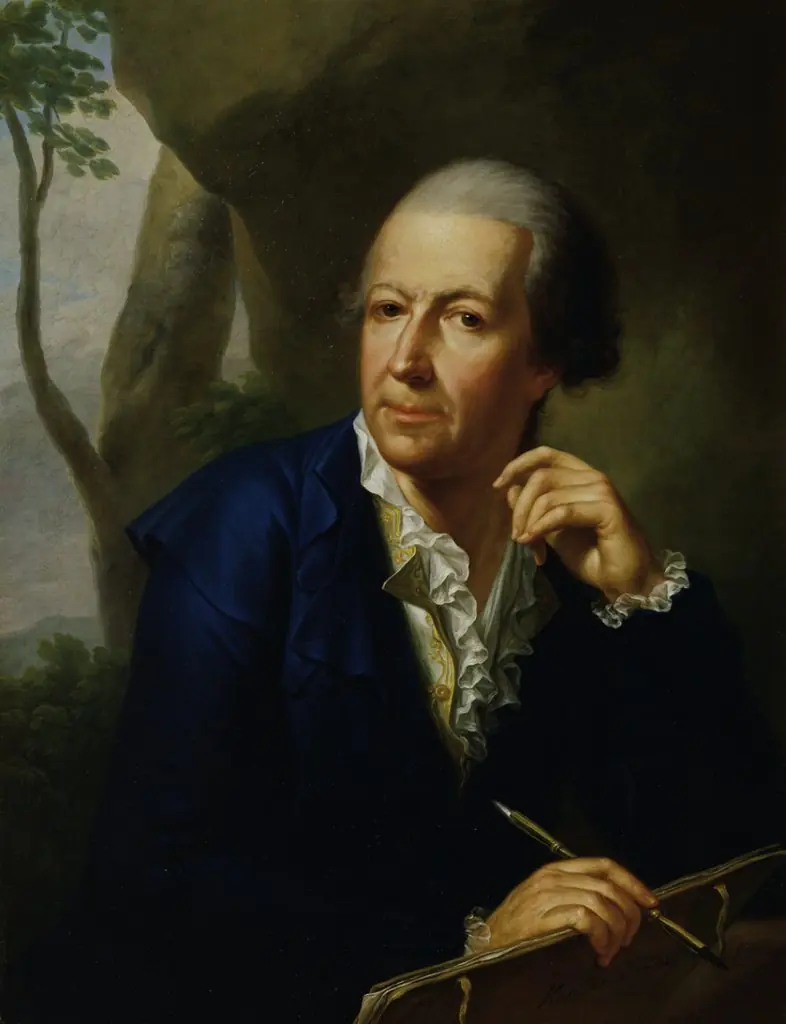 Der Maler Joseph Rosa
 Charles-Marie Bonaparte (1746-1785)
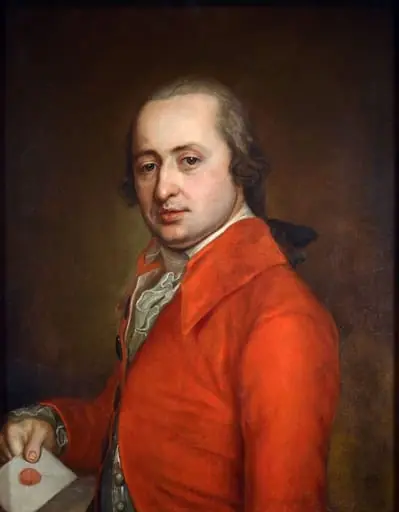 Portret de bărbat
 Zelfportret
 Vapaaherra Johan Wilhelm Sprengtporten
- Samuel Verplanck