Artwork
Samuel Verplanck
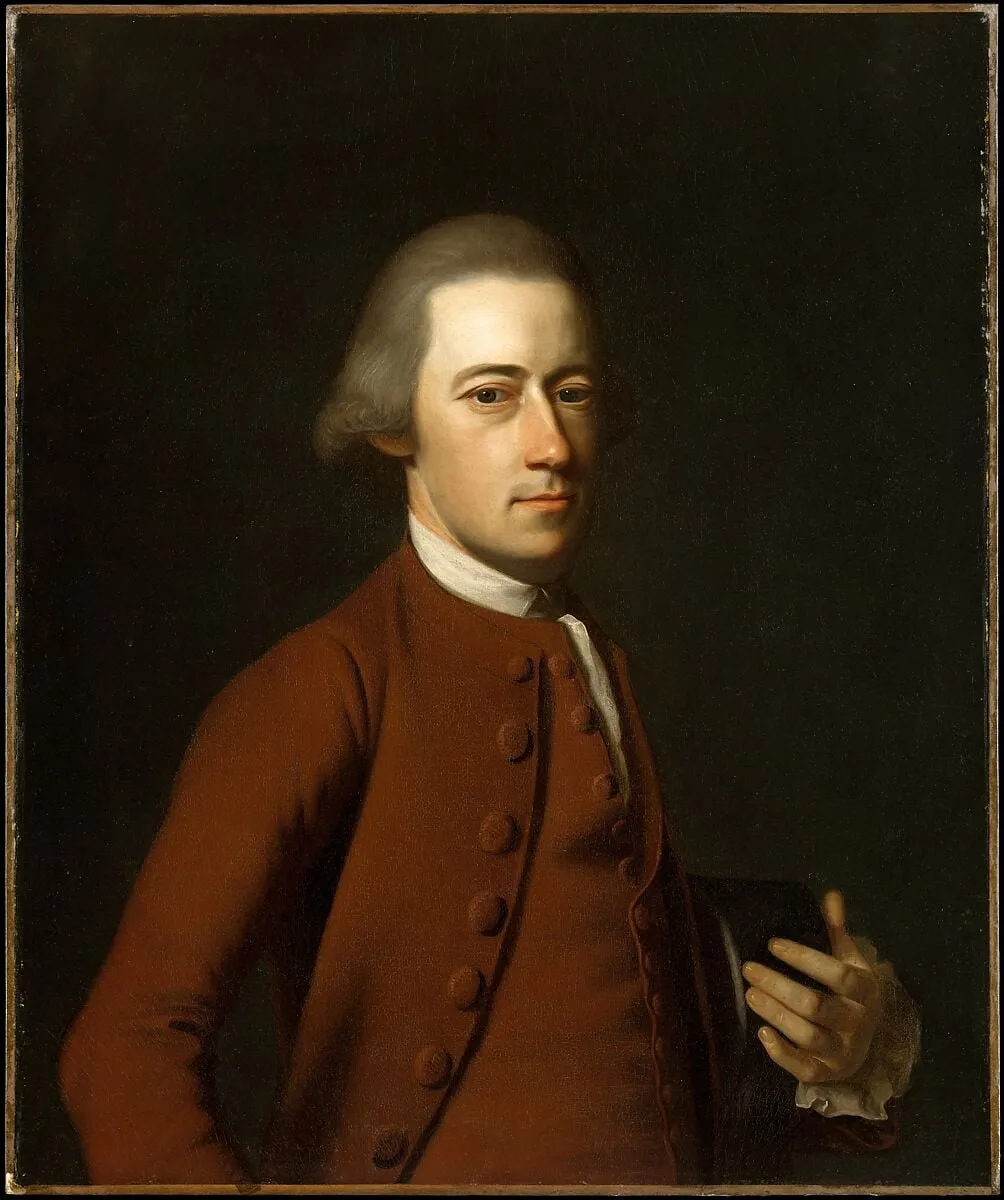
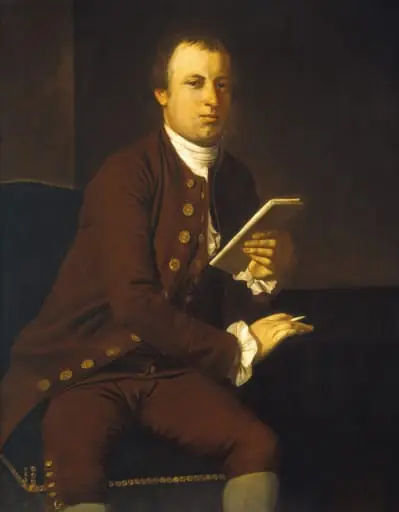
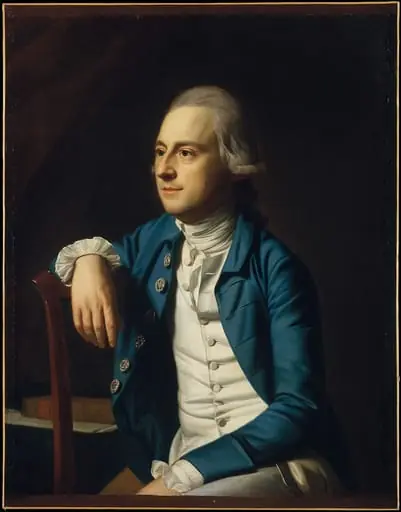
Samuel Verplanck is an oil painting by the Rococo painting artist John Singleton Copley. It dates from 1771 and is held in the collection of the Metropolitan Museum of Art.
About this work
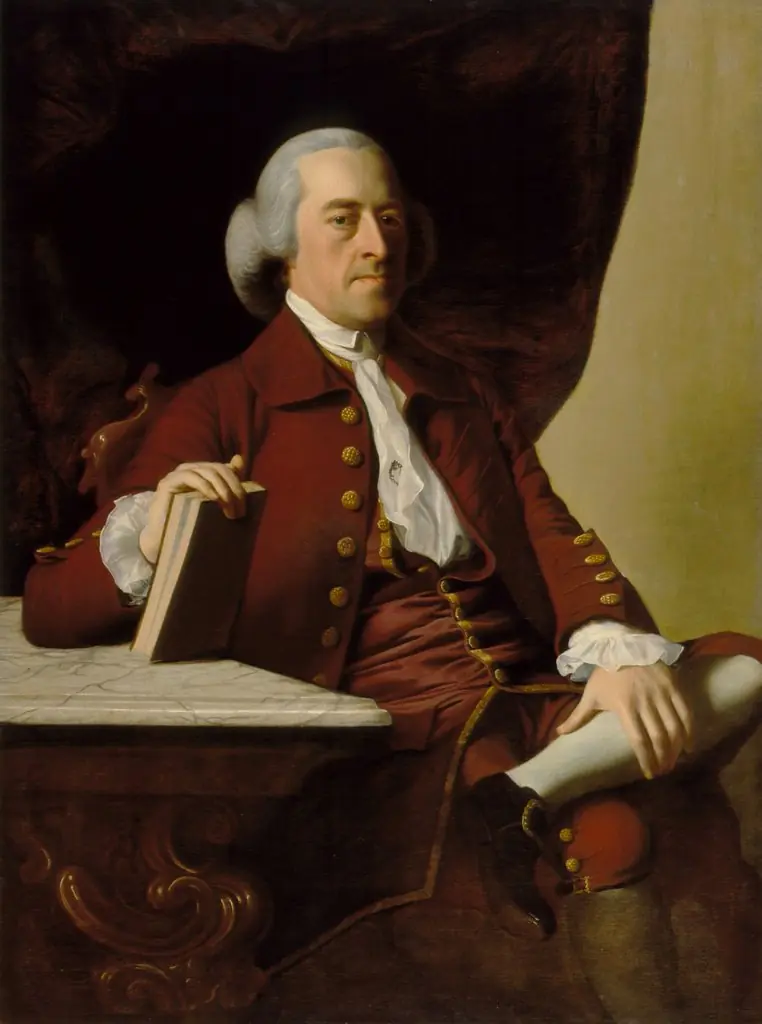
This painting shows a man sitting in a chair. He's dressed in old-fashioned clothes. The artist paid attention to details like the folds in his clothes and the books on the table.
The man in the painting is Samuel Verplanck, and he was an American. This portrait was made a long time ago, in 1771.
You can learn more about this style by looking into the technique of chiaroscuro.
Technique & Style
Classified within the Metropolitan Museum of Art's American Wing, the painting falls within the portrait genre, depicting a male subject.
Samuel Verplanck is executed in oil paint on canvas, a standard support for late eighteenth-century Anglo-American portraiture. The work measures 76.2 by 63.5 centimeters, a moderately scaled, near-square format well suited to a half-length or three-quarter-length likeness of a single sitter. Classified within the Metropolitan Museum of Art's American Wing, the painting falls within the portrait genre, depicting a male subject.
Copley's handling is consistent with his documented practice of building form through layered oil glazes over a carefully prepared canvas ground, producing the polished surface and controlled tonal modeling associated with his 1771 portrait commissions. The composition adheres to the conventions of the British-influenced colonial portrait, with the figure presented against a neutral setting and rendered with sober, restrained coloration.
History & Provenance
The portrait of Samuel Verplanck, painted by John Singleton Copley in 1771, is an oil on canvas work that belongs to the Metropolitan Museum of Art’s The American Wing collection. According to the museum’s catalog, the piece is classified as a portrait and is housed in the museum’s premises in New York. The work’s creation date, medium, and subject are documented in both the museum’s internal entry and its Wikidata record, which list the dimensions, material, and main figure as a man in portrait form.
While specific exhibition records are not detailed, the painting has been part of the permanent display of American portraiture within the Wing.
Overview
John Singleton Copley's 1771 oil on canvas portrait depicts Samuel Verplanck, an American figure. This work exemplifies Copley's early career as a prominent painter in colonial New England, where he specialized in capturing the likeness and social standing of the era's elite. The painting showcases the artist's meticulous attention to detail and his ability to convey the sitter's presence, reflecting the refined aesthetic of the period.
Subject & Meaning
The painting presents Samuel Verplanck in a seated posture, adorned in period attire. Copley's approach emphasizes individual likeness, capturing the sitter's specific features while also conveying his social position through details such as his clothing and the surrounding elements, like the books on the table. This attention to personal detail and status was characteristic of portraiture for the colonial gentry.
Artist & collection

Artist
John Singleton Copley (July 3, 1738 – September 9, 1815) was an American-born British painter active in both the Thirteen Colonies and England.