Artwork
The Queen of Etruria and her Children
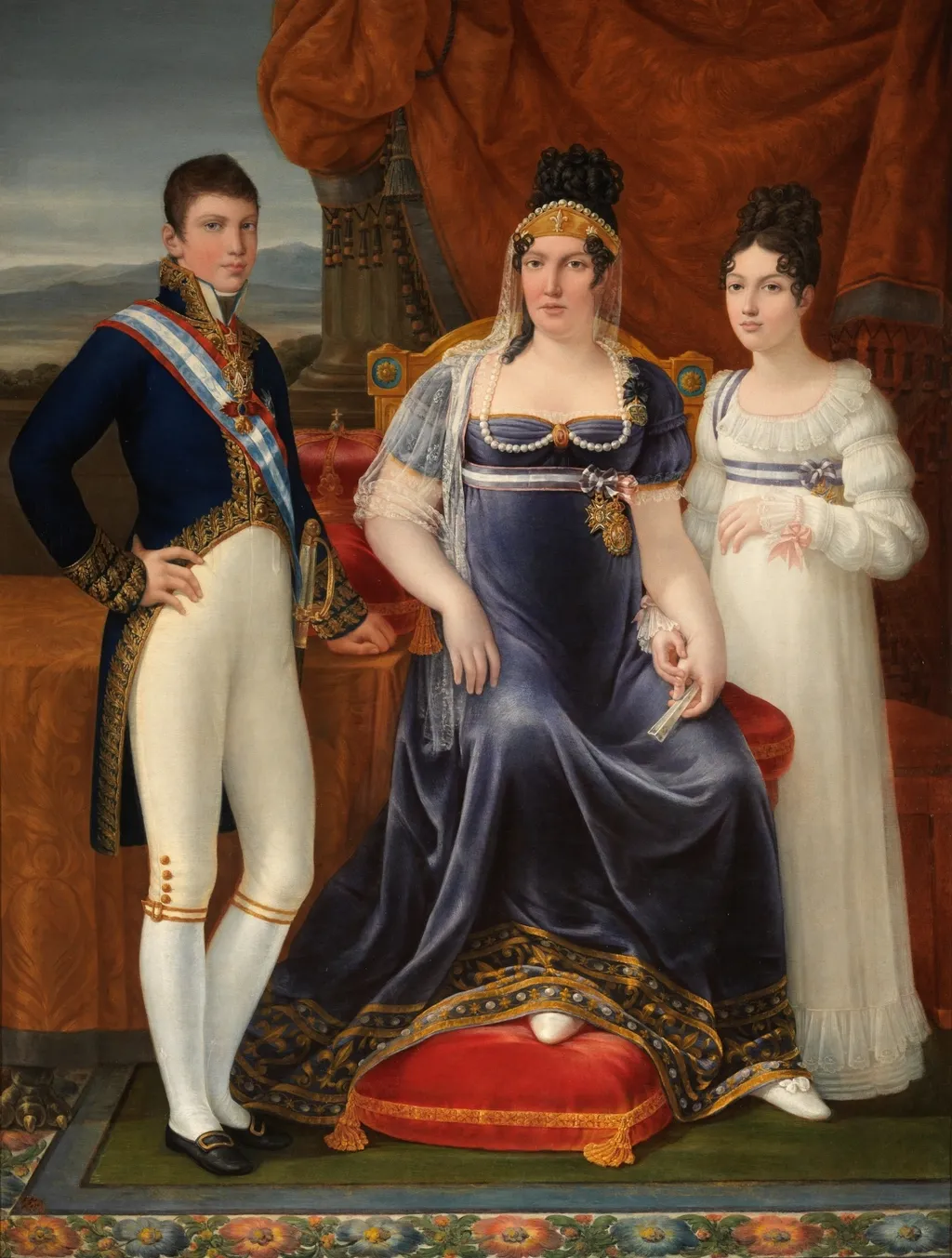
The Queen of Etruria and her Children is an oil painting by José Aparicio. It dates from 1815 and is held in the collection of the Museo del Prado.
About this work
Subject & Meaning
The composition functions as a formal portrait rich in dynastic symbolism, utilizing specific regalia to assert the sitter's royal authority and lineage.
José Aparicio's 1815 oil painting depicts Maria Luisa I, Duchess of Lucca, seated on a throne alongside her children. The composition functions as a formal portrait rich in dynastic symbolism, utilizing specific regalia to assert the sitter's royal authority and lineage. Maria Luisa is shown wearing the crown of Etruria and the sash of the Order of Charles III, while the Order of Queen Maria Luisa is also visible.
A sword and the collar of the Order of the Golden Fleece are included in the scene, further emphasizing her status and the military or chivalric prestige associated with her house. These elements collectively construct an image of legitimate sovereignty and maternal duty within the context of early 19th-century European monarchy.
Technique & Style
The Queen of Etruria and her Children is an oil‑on‑canvas portrait painted in 1815 by José Aparicio. The work measures roughly 199 cm in height by 150 cm in width and belongs to the collection of the Museo del Prado in Madrid. Executed in the neoclassical style common to early‑19th‑century Spanish portraiture, the painting depicts the queen wearing a crown and various orders of chivalry, rendered with fine brushwork and a restrained palette.
The surface remains intact, showing no noted damage, and the composition emphasizes a dignified pose and elaborate regalia.
History & Provenance
The painting was produced in 1815 by the Spanish artist José Aparicio, executed in oil on canvas as a formal group portrait. It depicts Maria Luisa of Spain, who had been created Duchess of Lucca and later Queen of Etruria, accompanied by her children, and includes regalia such as a crown, throne, sword, and several Spanish royal orders including the Order of Queen Maria Luisa, the Order of Charles III, and the Golden Fleece.
The work is held in the collection of the Museo del Prado in Madrid, where it remains located. No information is available in the provided sources regarding the original commissioner, the circumstances of its creation, or the chain of ownership prior to its entry into the Prado's holdings.
The Queen of Etruria and her Children is held in the collection of the Museo del Prado, Madrid, where it is recorded under inventory number P004724.
The painting was exhibited at the Museo del Prado in 2018 as part of the exhibition El último viaje de José de Madrazo (1781–1859), where it was displayed under its permanent collection title.
Overview
This 1815 oil painting by José Aparicio, titled The Queen of Etruria and her Children, presents a formal portrait of Maria Luisa I, Duchess of Lucca, alongside her two children. Aparicio, a Spanish Neoclassical artist, captured the royal family with meticulous detail, emphasizing their status and lineage. The work is a significant example of court portraiture from the period and is housed in the collection of the Museo del Prado.
Context
Created in 1815, this portrait reflects the artistic trends and patronage prevalent during the reign of King Ferdinand VII in Spain, with whom José Aparicio was closely associated. Aparicio was recognized for his ability to produce official portraits of royalty and nobility, making him a fitting choice to depict Maria Luisa I. The painting thus serves as a historical document, illustrating the visual representation of power and aristocracy in post-Napoleonic Europe.
Own this work as a print
Artist & collection
Artist
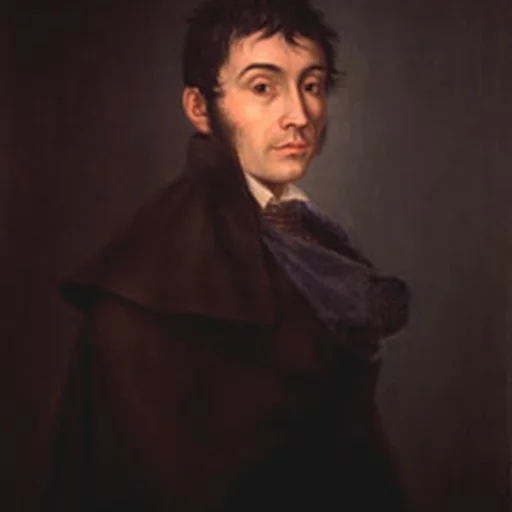
José Aparicio e Inglada (16 December 1773 – 10 May 1838) was a Spanish painter in the Neoclassical style; closely associated with the reign of King Ferdinand VII.

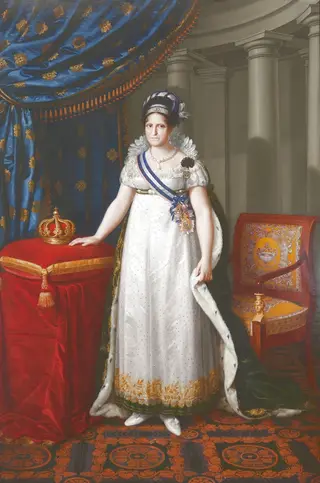 Porträt der Maria Luisa of Parma (1751-1819)
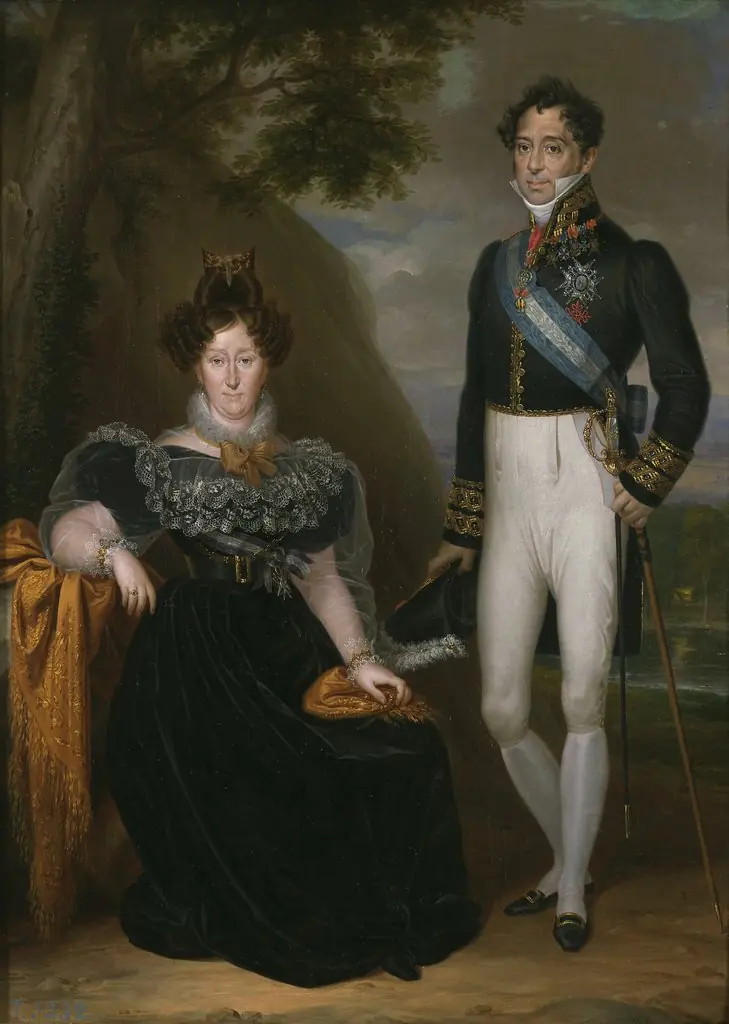 The Duke and Duchess of San Fernando de Quiroga
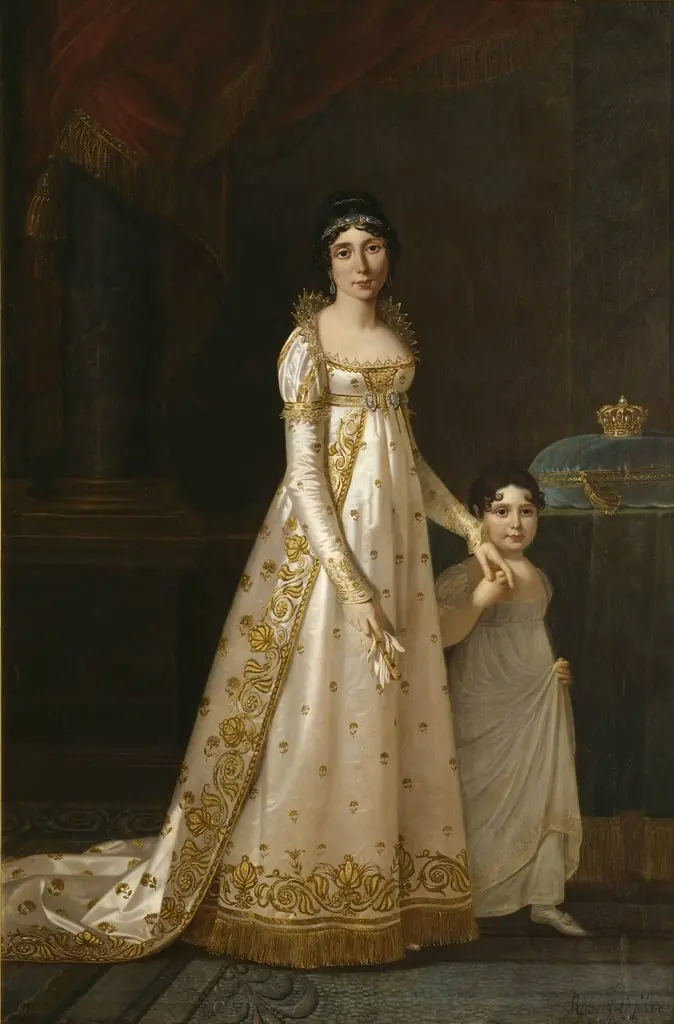 Marie-Julie Clary, Queen of Naples (1777-1845)
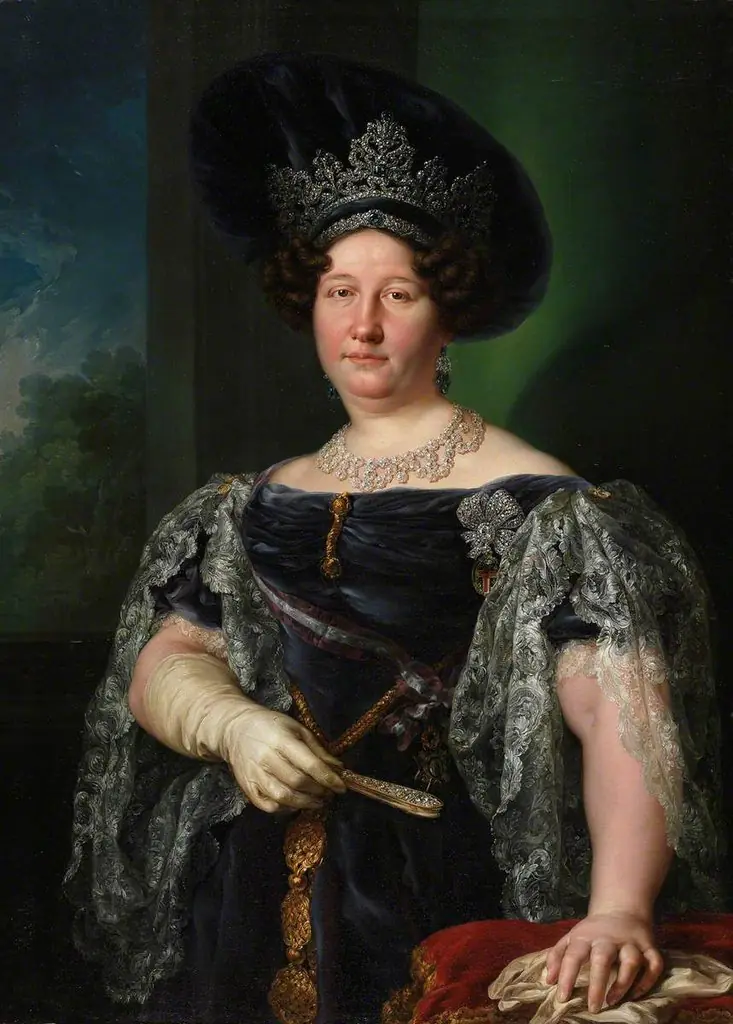 Maria Isabel du Boubón, Queen of the Two Sicilies
 Charles IV of Spain and His Family
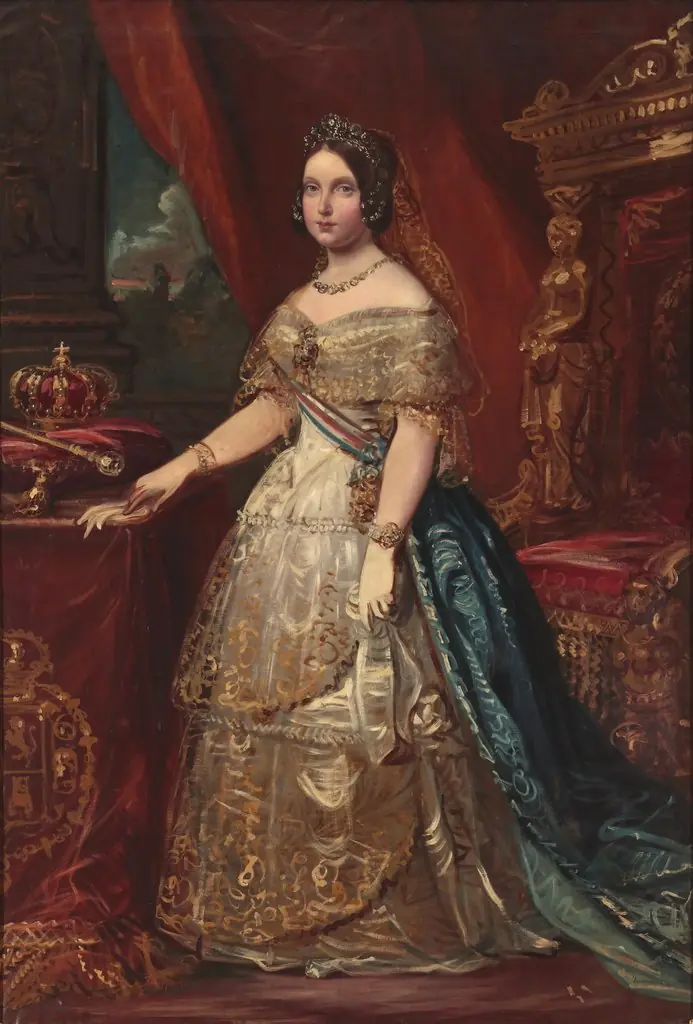 Isabel II
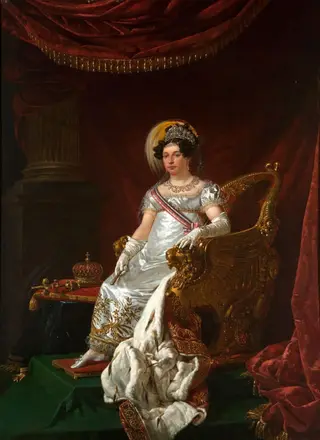 María Isabella of Spain (1789-1848)
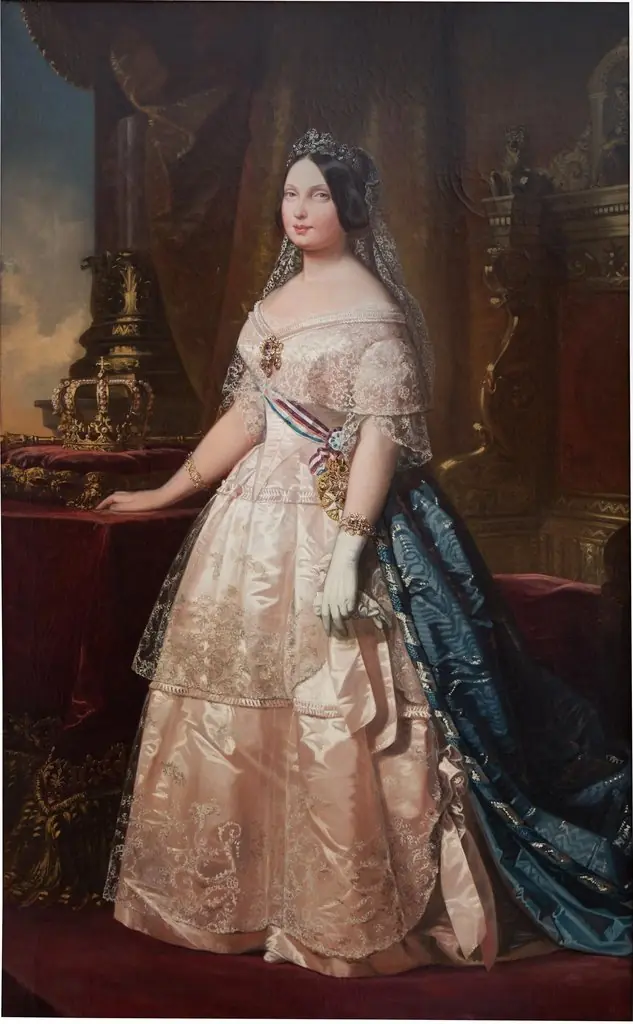 Isabel II
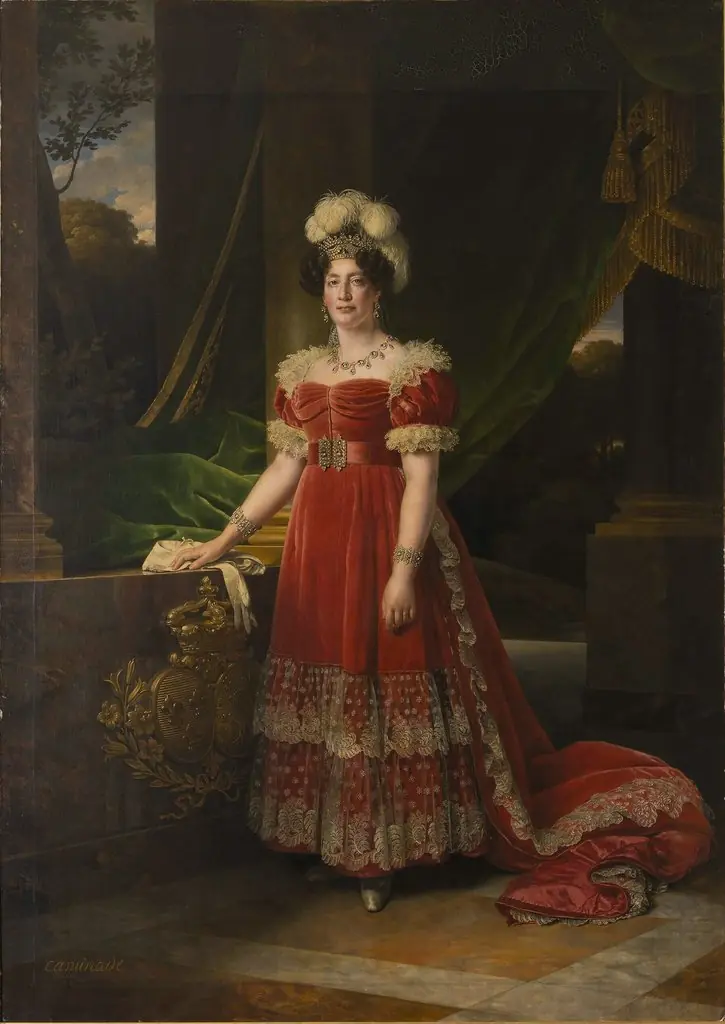 Portrait of Marie Thérèse of France, Duchess of Angoulême (1778-1851)
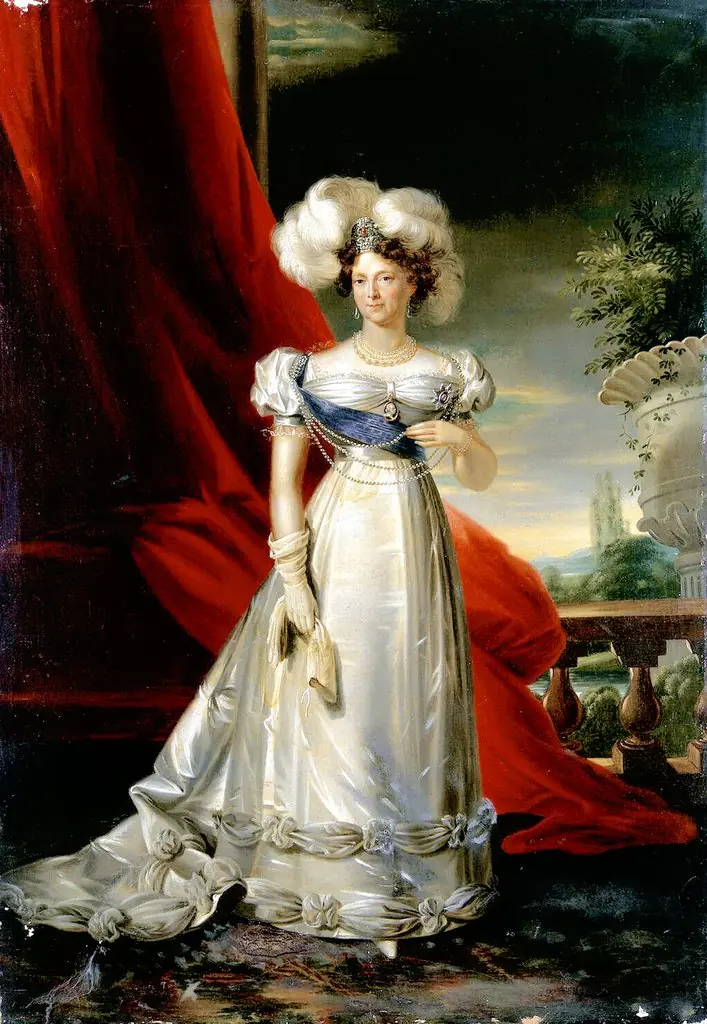 Portrait of the Empress Dowager Maria Feodorovna