Artwork
Santo Tomás de Aquino
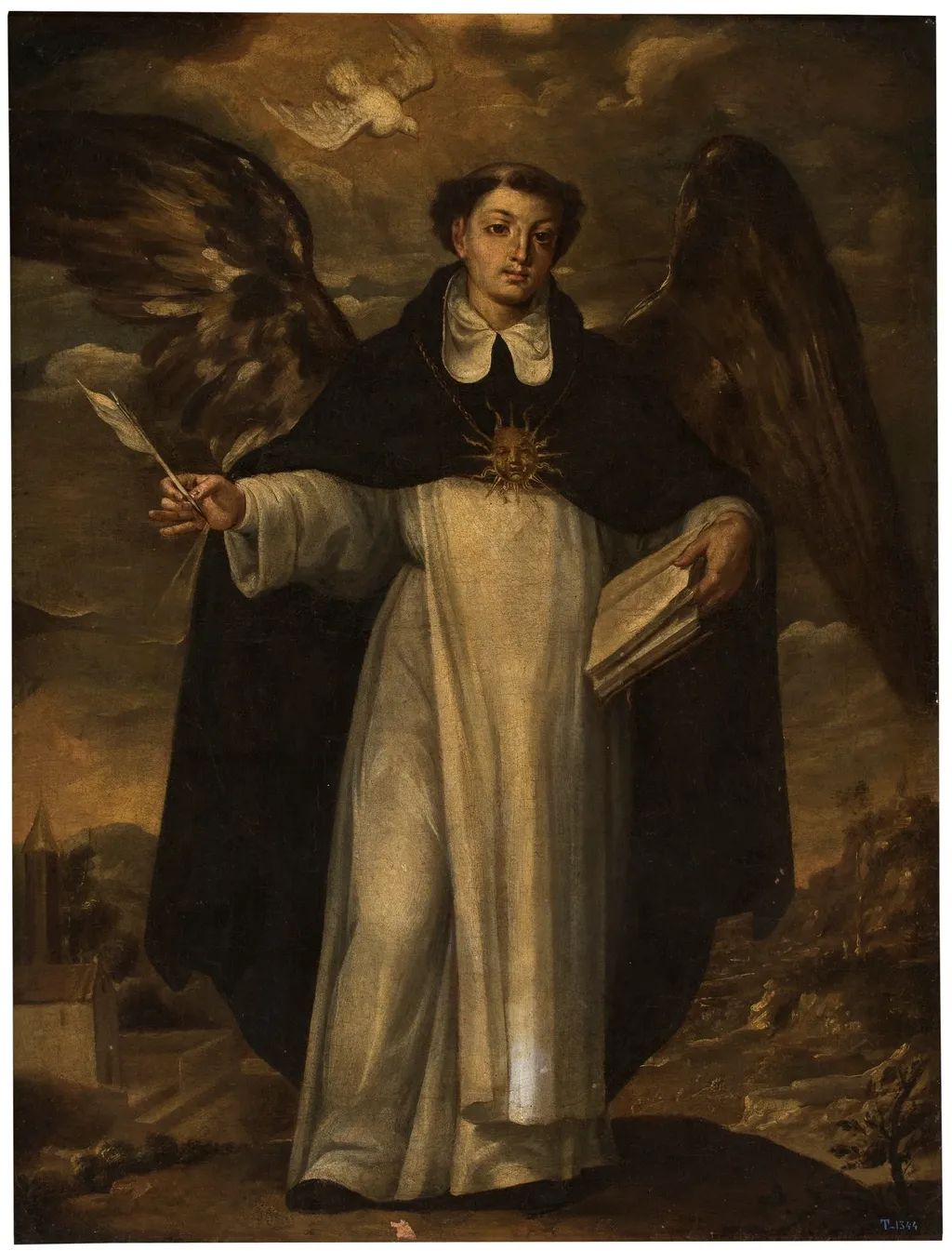
Santo Tomás de Aquino is an oil painting by José Risueño. It dates from 1708 and is held in the collection of the Museo del Prado.
About this work
Subject & Meaning
The iconography emphasizes the saint's role as a scholar and theologian through the inclusion of specific attributes: a book and a pen.
The painting depicts Santo Tomás de Aquino, a central figure in religious art, presented within a devotional context by José Risueño. The iconography emphasizes the saint's role as a scholar and theologian through the inclusion of specific attributes: a book and a pen. These objects symbolize his extensive writings and his intellectual contributions to the Church.
As a religious work, the image represents the veneration of the saint and serves to illustrate his identity as a Doctor of the Church, focusing on his scholarly legacy rather than a narrative scene.
Technique & Style
The work is an oil painting executed on canvas, reflecting the religious genre typical of Risueño's devotional output. The composition centers on a figure holding a book and pen, rendered with the chiaroscuro and naturalistic detail characteristic of 17th‑century Spanish religious art. The canvas support shows a fine weave, and the surface retains the smooth handling of oil pigments that defines Risueño's mature style.
Overview
Created around 1708, this oil on canvas by Spanish painter José Risueño portrays a solemn, winged figure clutching a book in one hand and a feather quill in the other. The composition is dominated by a stark contrast between the luminous, pale robe of the central figure and a dark, rocky landscape that recedes toward a muted sky and distant structures.
History & Provenance
The painting entered the collection of the Museo del Prado, where it remains on display. Its attribution to Risueño and dating to the early eighteenth century are based on stylistic analysis and archival records linking the artist to religious commissions for Spanish ecclesiastical patrons.
Context
Produced during a period when Spanish art favored dramatic lighting and didactic religious imagery, the canvas reflects the Counter‑Reformation emphasis on visual instruction. Risueño’s depiction aligns with contemporary portrayals of saints that sought to inspire devotion through a blend of scholarly reverence and heavenly symbolism.
Own this work as a print
Artist & collection
Artist
José Risueño carved delicate wood and terracotta figures during Spain’s late 1600s, when church altarpieces were the main stage for art.

- San Thomas Aquino
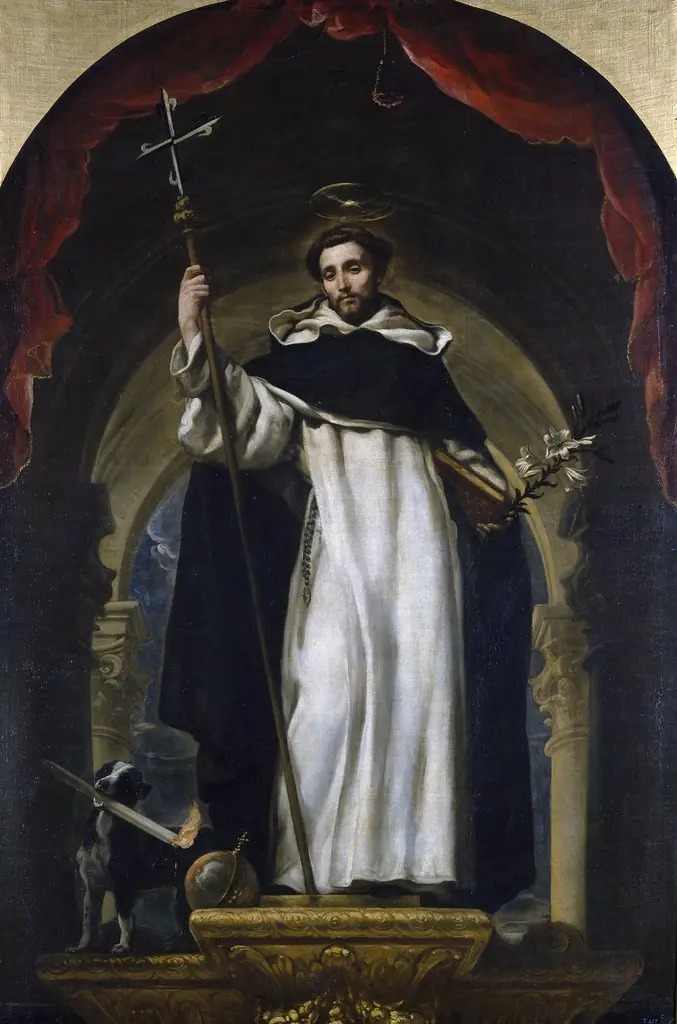 Saint Dominic of Guzmán
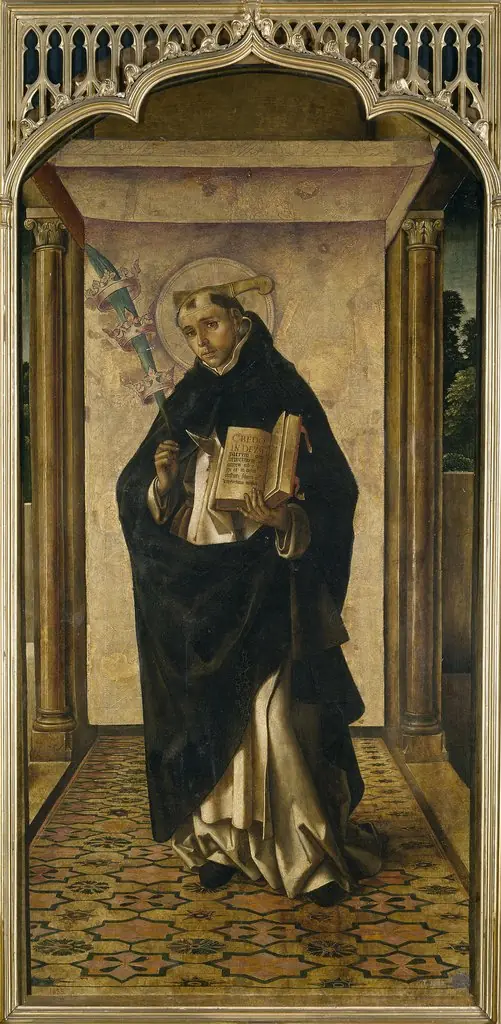 Saint Peter Martyr
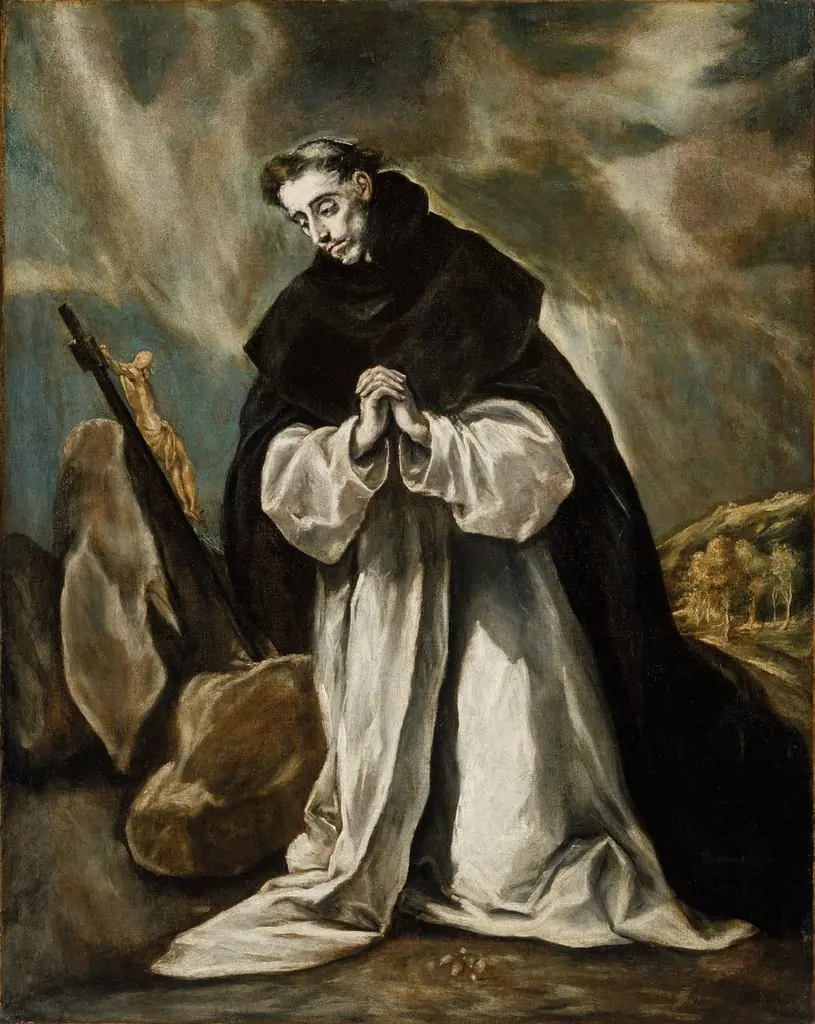 Saint Dominic in Prayer
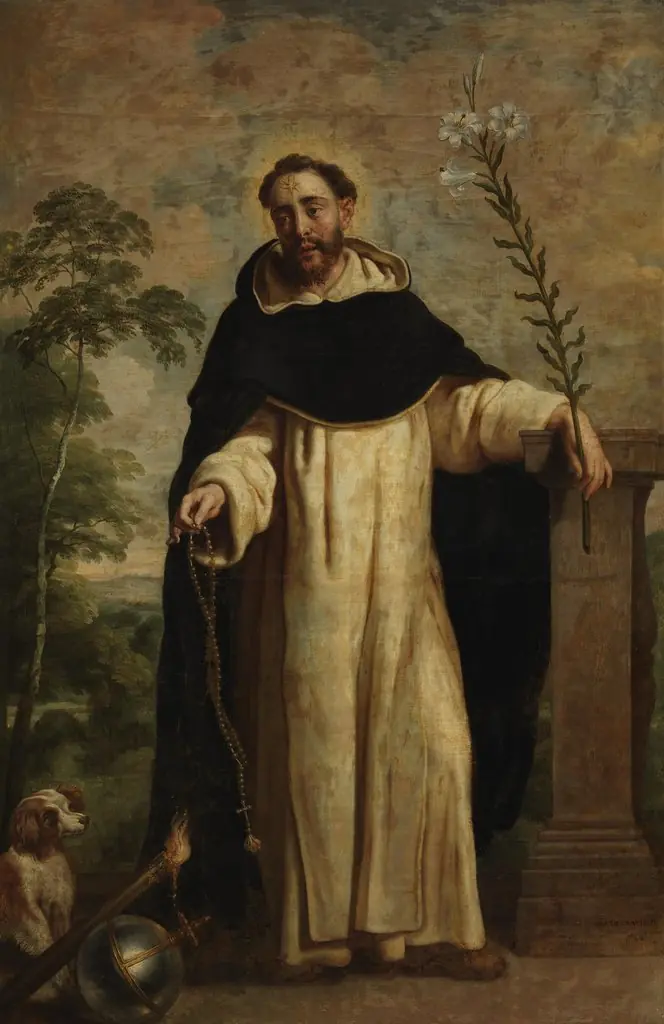 Saint Dominic of Guzmán
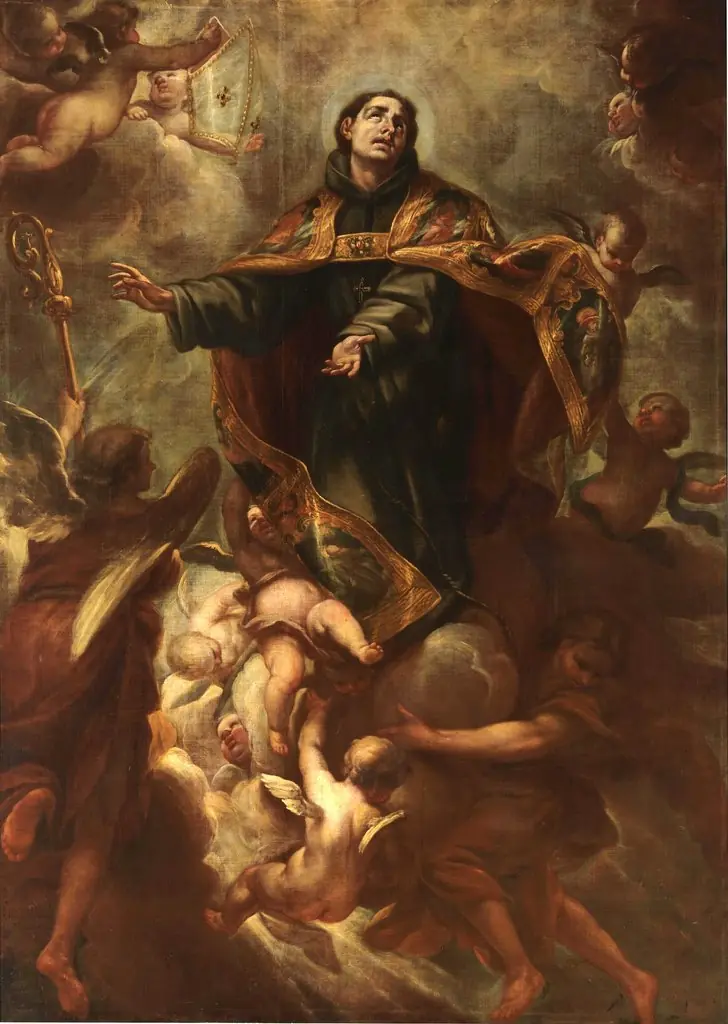 Saint Louis Bishop in Glory
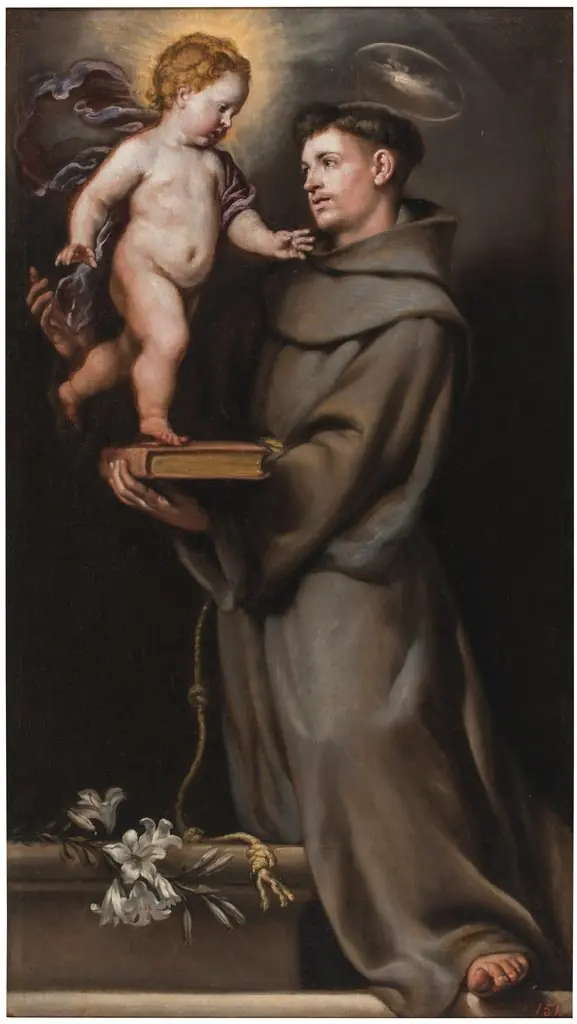 Saint Anthony of Padua
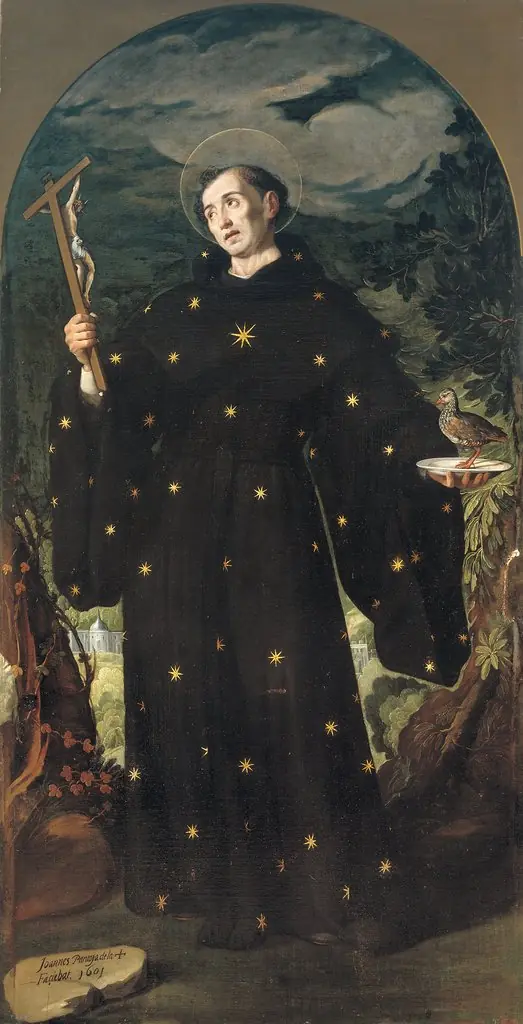 San Nicolás de Tolentino
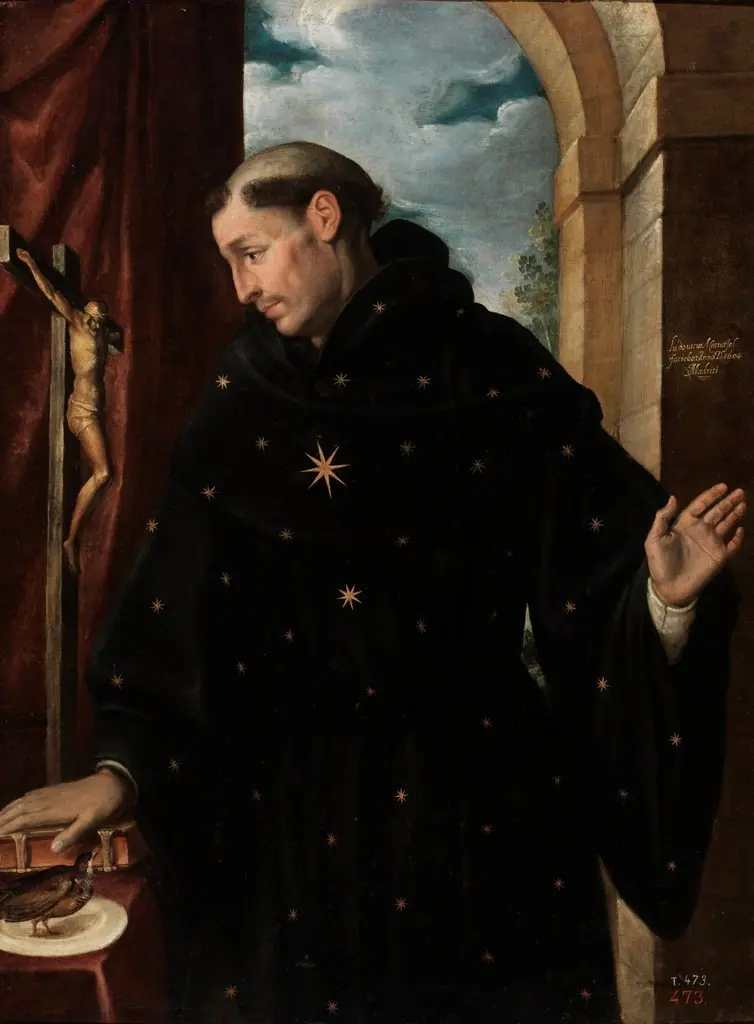 Saint Nicholas of Tolentino
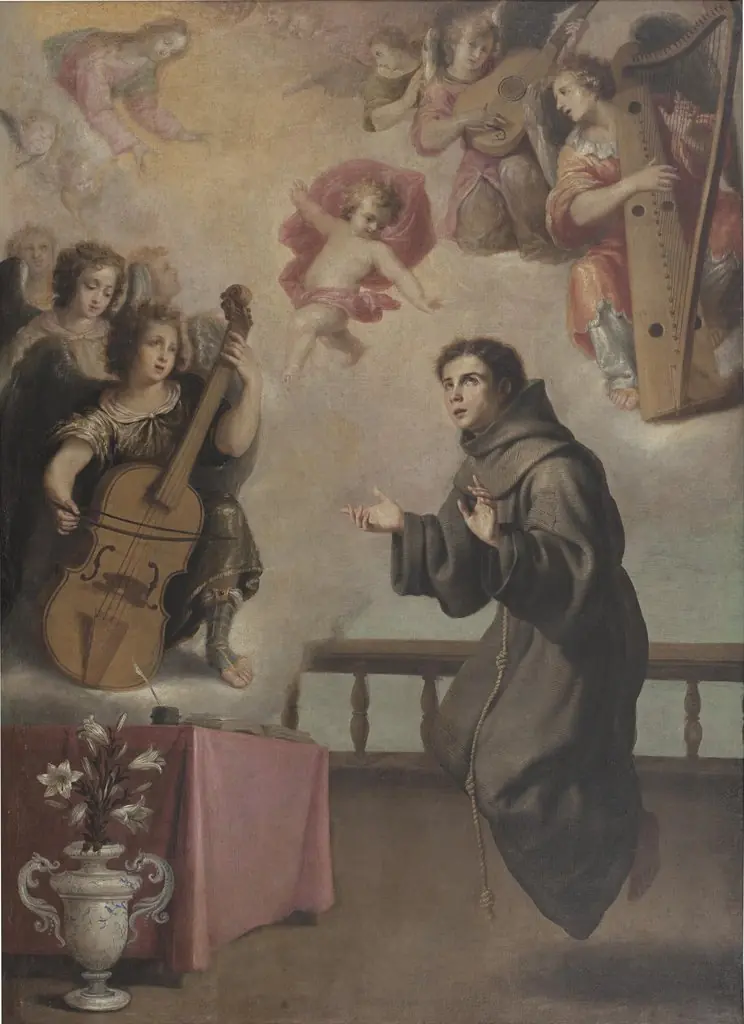 Saint Anthony of Padua
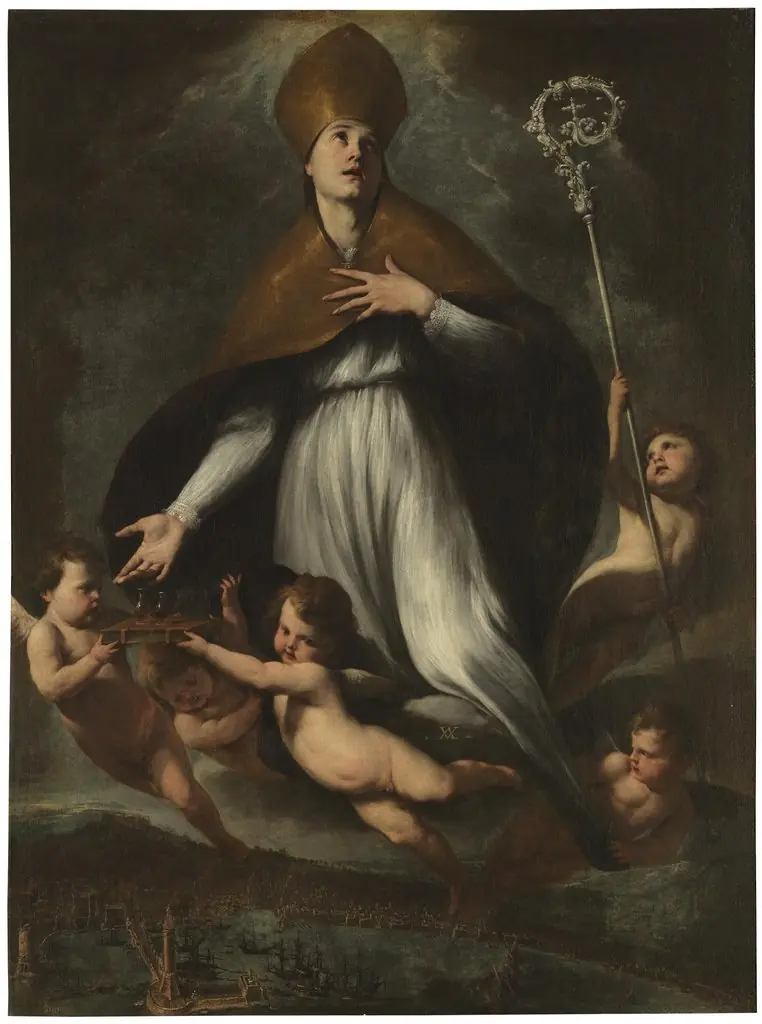 The ascension of Saint Gennaro
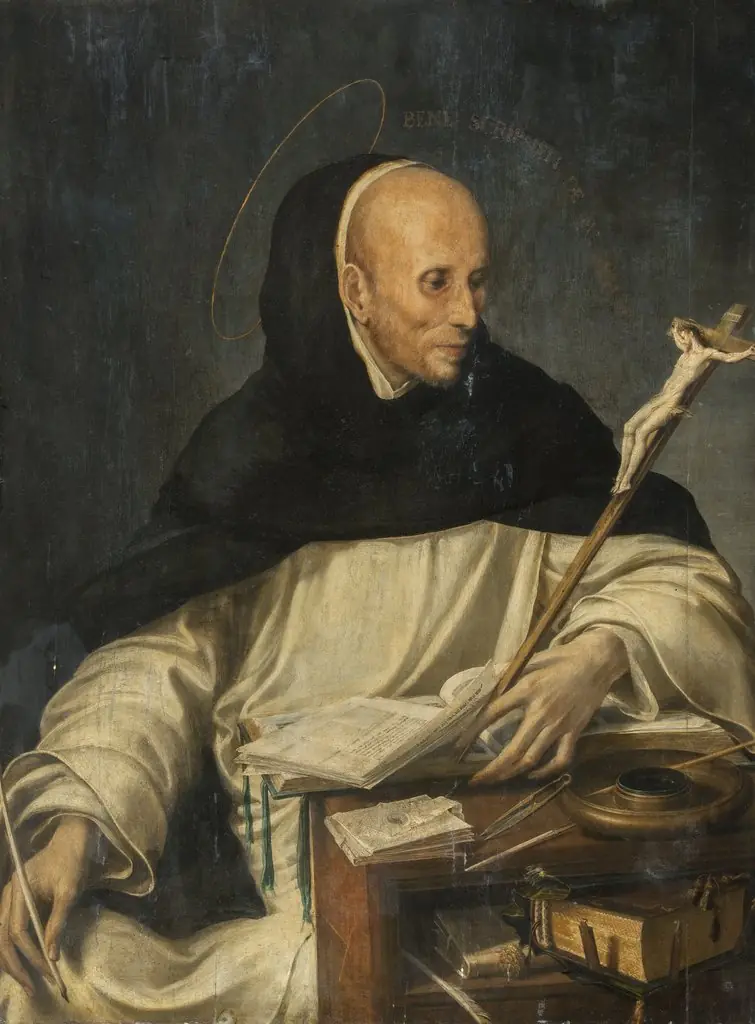 Portrait of friar, possibly Antonio Michele Ghislieri, as st. Thomas