Artwork
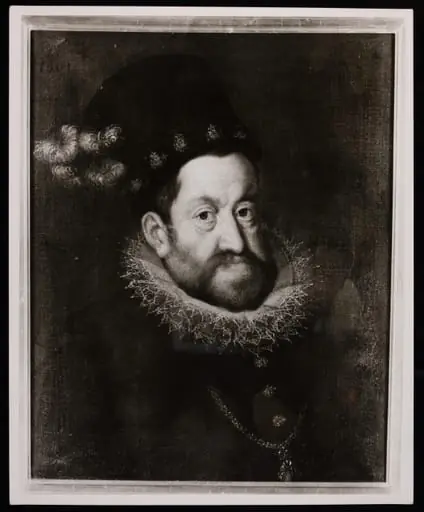
Porträt des Kaisers Rudolf II.
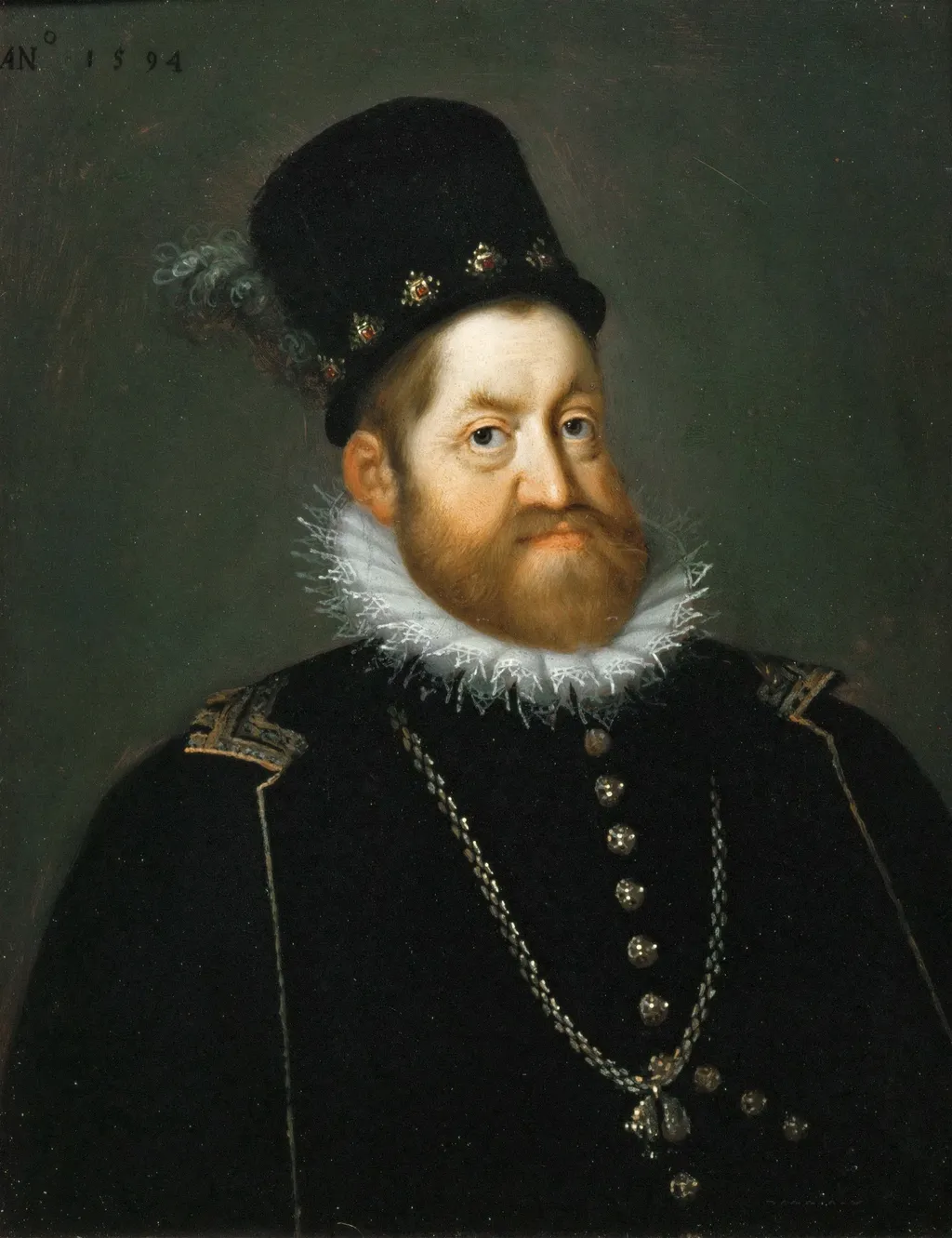
Porträt des Kaisers Rudolf II. is an oil painting by the Mannerist artist Joseph Heintz the Elder. It dates from 1598 and is held in the collection of the Kunsthistorisches Museum.
About this work
Subject & Meaning
Executed by Joseph Heintz the Elder on a copper support using oil paint, the work functions as a formal representation of the Holy Roman Emperor.
This 1594 portrait depicts Emperor Rudolf II as its sole subject. Executed by Joseph Heintz the Elder on a copper support using oil paint, the work functions as a formal representation of the Holy Roman Emperor. The painting's classification as a portrait emphasizes its primary role in documenting the ruler's likeness rather than incorporating complex allegorical symbolism or narrative iconography.
As a direct depiction of the monarch, the artwork serves as a visual record of imperial authority during Rudolf's reign.
Technique & Style
Created in 1594 by Joseph Heintz the Elder, this portrait of Emperor Rudolf II is executed in oil paint on a copper support. The work measures 16.2 cm in height and 12.7 cm in width, characterizing it as a small-scale piece. The use of copper as a ground was a technique often employed during this period to achieve a smooth surface and luminous color effects, suitable for the fine details required in portraiture.
The painting is classified as a portrait genre work and is currently held in the collection of the Kunsthistorisches Museum.
History & Provenance
Commissioned as a portrait of Emperor Rudolf II, this work was created in 1594 by Joseph Heintz the Elder. The artist executed the piece using oil paint applied to a copper support, a medium choice characteristic of the period's refined court portraiture.
The painting has been preserved within the collection of the Kunsthistorisches Museum, where it remains a held asset. Historical records and museum inventories consistently attribute the inception of the work to the year 1594, marking it as a specific product of Heintz's activity during his service to the imperial court.
The painting is held in the collection of the Kunsthistorisches Museum in Vienna, Austria.
Its accession number is GG_3474.
It was included in the exhibition “Rudolf II and His Age: The Kunsthistorisches Museum Vienna” held at the Kunsthistorisches Museum from 7 May to 26 July 2015.
Overview
Painted in 1598 by Joseph Heintz the Elder, this portrait captures Emperor Rudolf II on a copper panel, a durable support favored for fine detail. The work resides in the Kunsthistorisches Museum in Vienna, where it remains a key example of late Renaissance court portraiture. Its compact scale and precise execution reflect the emperor’s preference for intimate, controlled representations rather than grand ceremonial displays.
Context
Rudolf II’s court in Prague was a hub for astronomers, alchemists, and artists, fostering a unique blend of mysticism and empiricism. Portraits from this era often avoided overt symbolism, favoring psychological nuance. Heintz, a Swiss artist trained in Italy, brought a hybrid style to Prague’s imperial circle.
This portrait reflects the broader trend of Habsburg rulers using art to project intellectual gravitas amid religious and political instability across Europe.
Legacy
The portrait stands as a quiet testament to Rudolf’s unconventional rule and the artistic sophistication of his court. Unlike more flamboyant royal images, it prioritizes introspection, influencing later depictions of rulers as thinkers rather than conquerors. Heintz’s handling of light and texture set a standard for court portraiture in Central Europe, and the work continues to inform scholarly understanding of Habsburg visual culture in the late 16th century.
Own this work as a print
Artist & collection

 Satyrs and nymphs
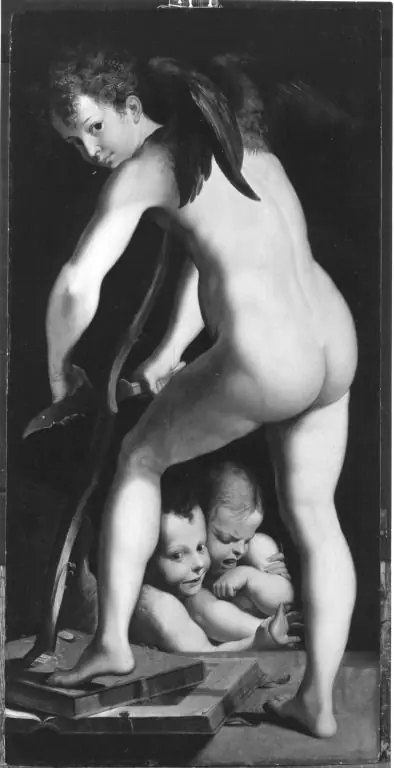 Cupid carves the bow
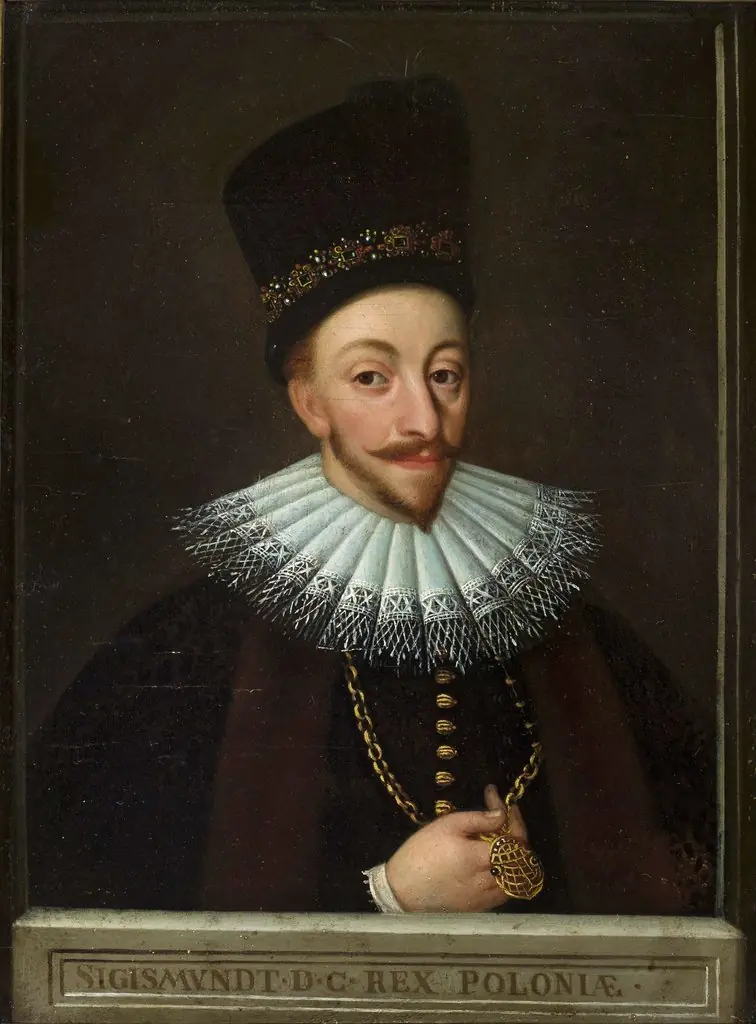
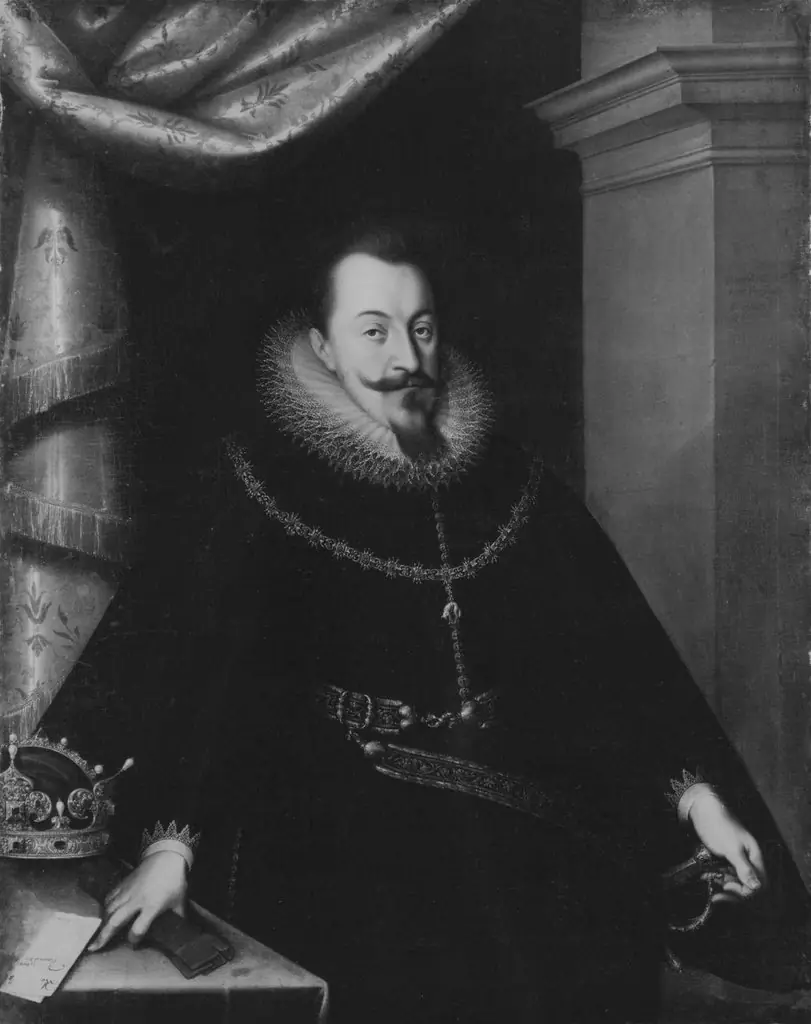 Bildnis des Königs Sigismund III. Vara von Polen und Schweden
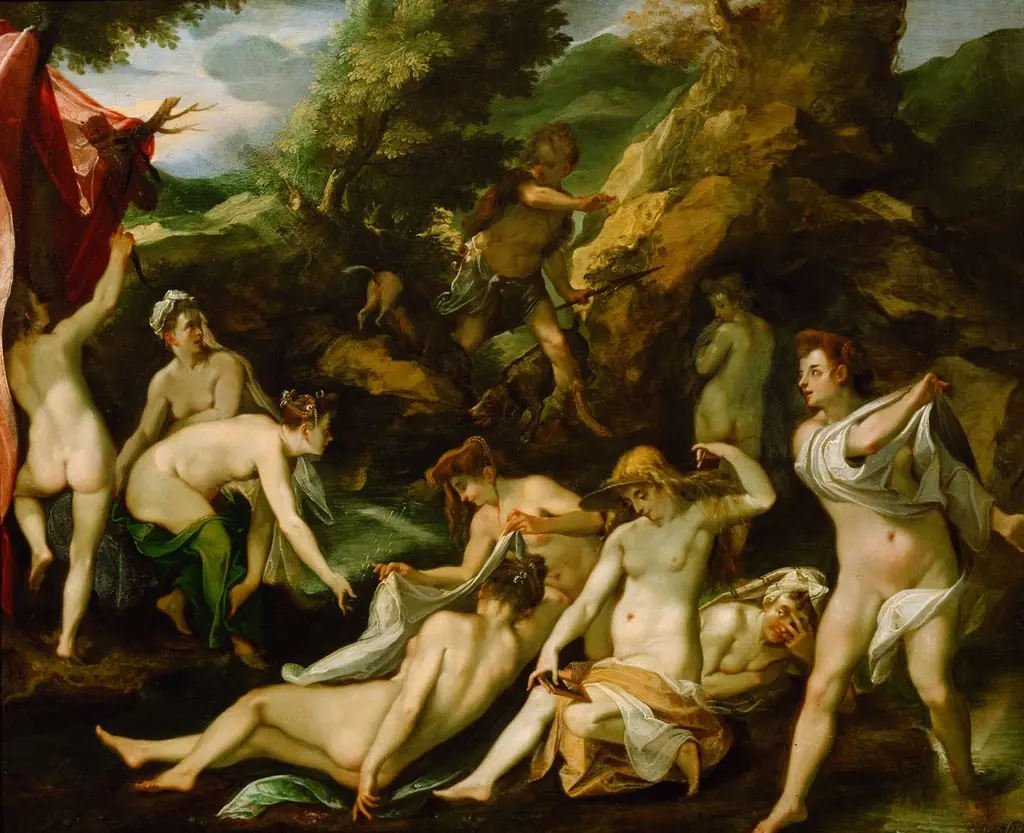 Diana and Actaeon
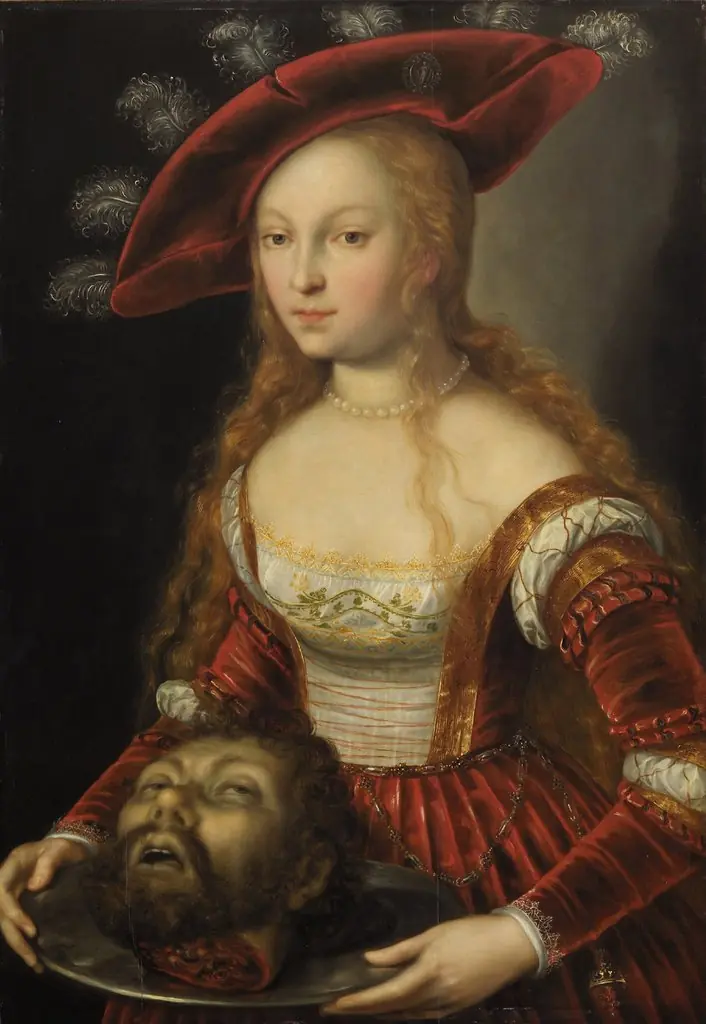 Salome with the head of John the Baptist
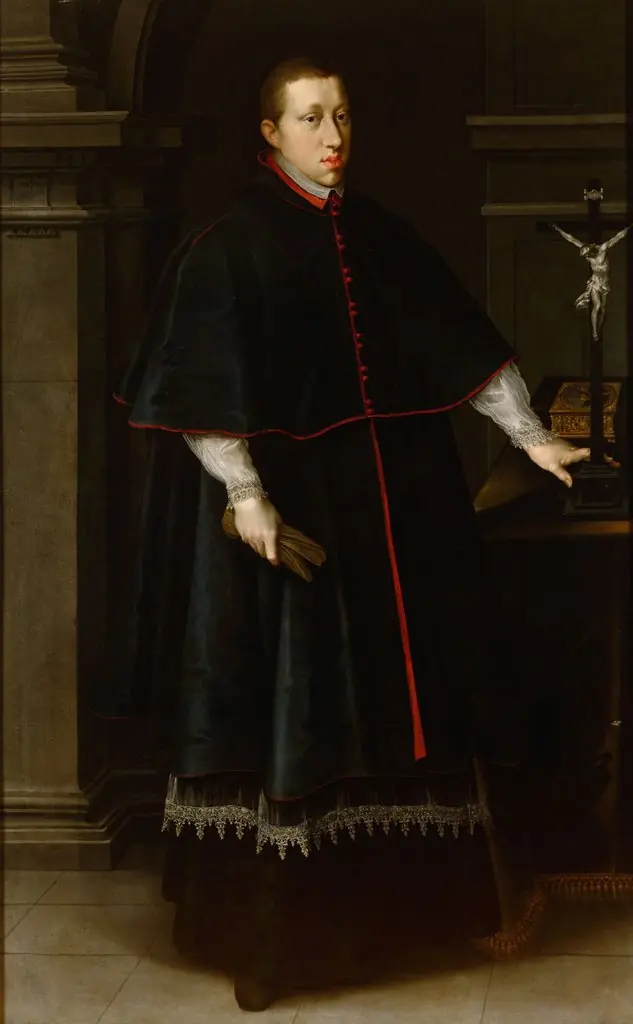 Archduke Leopold V (1586-1632) in the Spiritual Garment
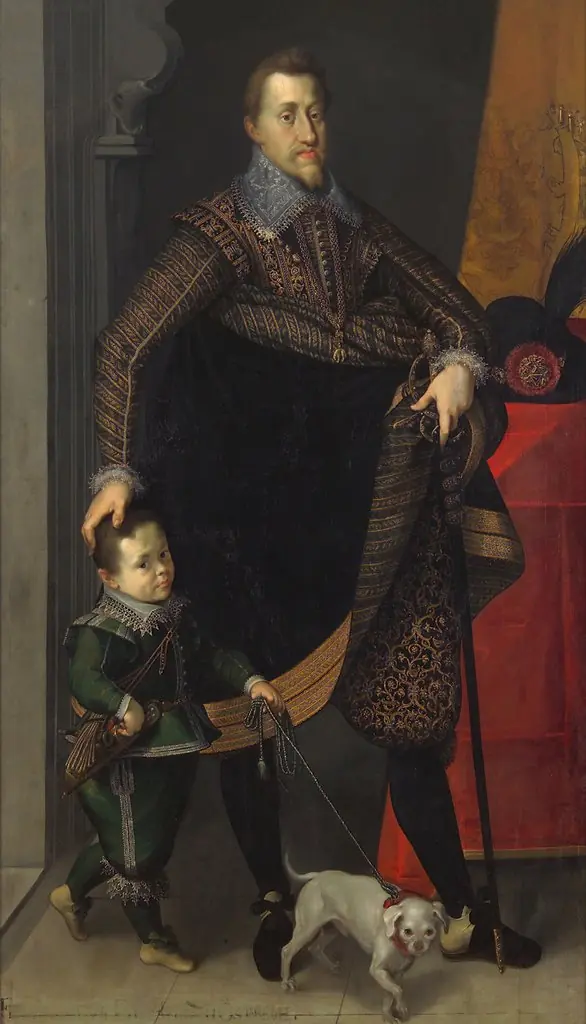 Emperor Ferdinand II (1578-1637) in Full Figure with a Court Dwarf
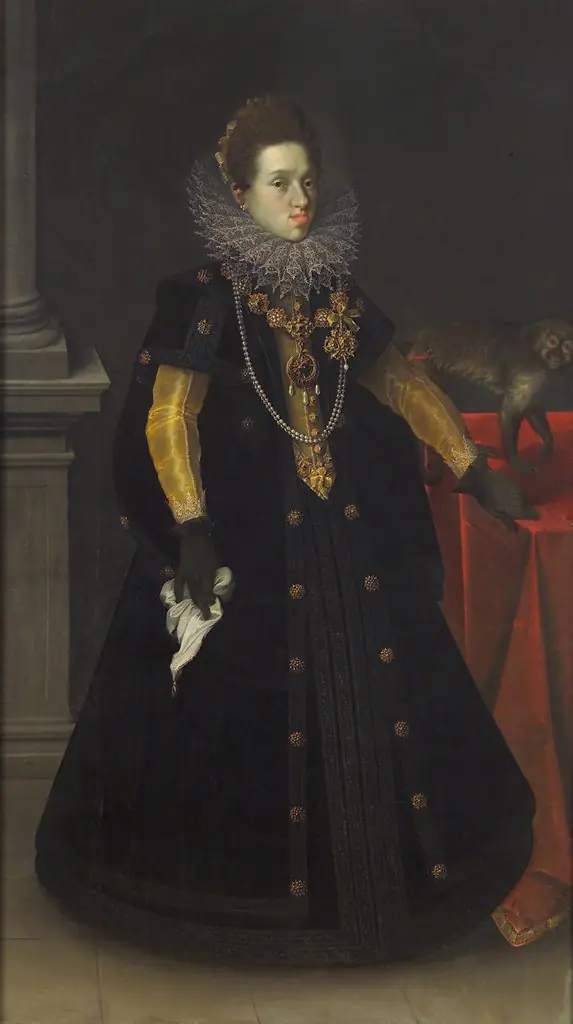 Archduchess Constance (1588-1631), Queen of Poland, with a Monkey
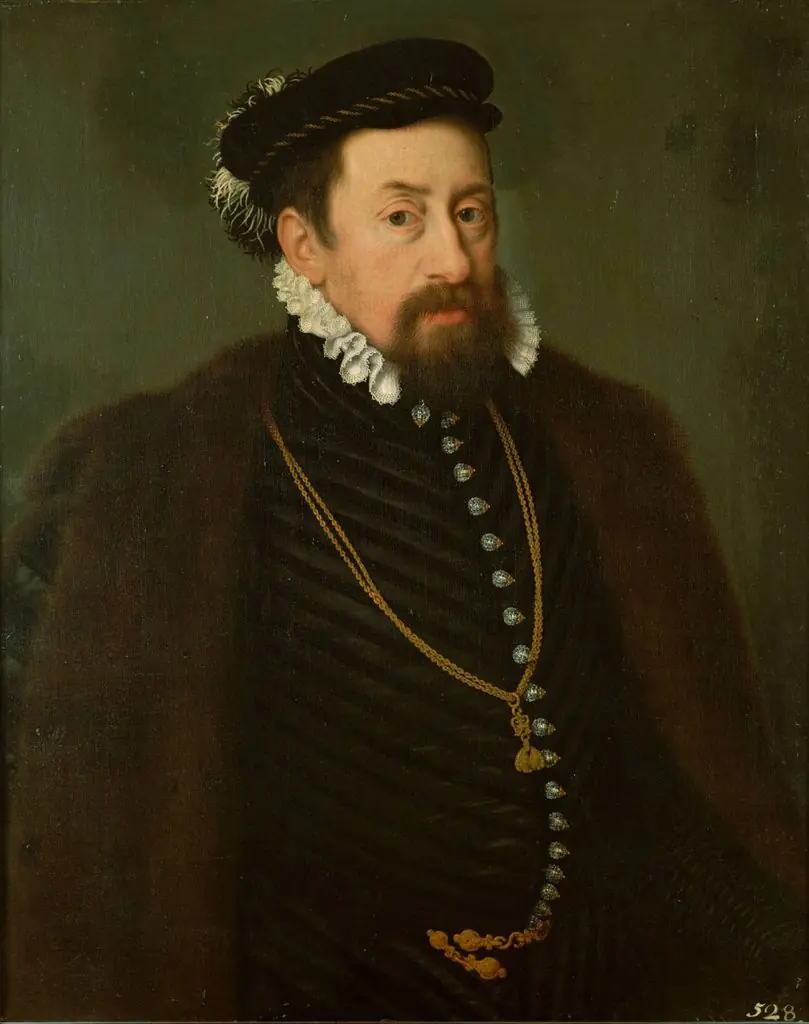 Kaiser Maximilian II. (1527-1576) als etwa Vierzigjähriger
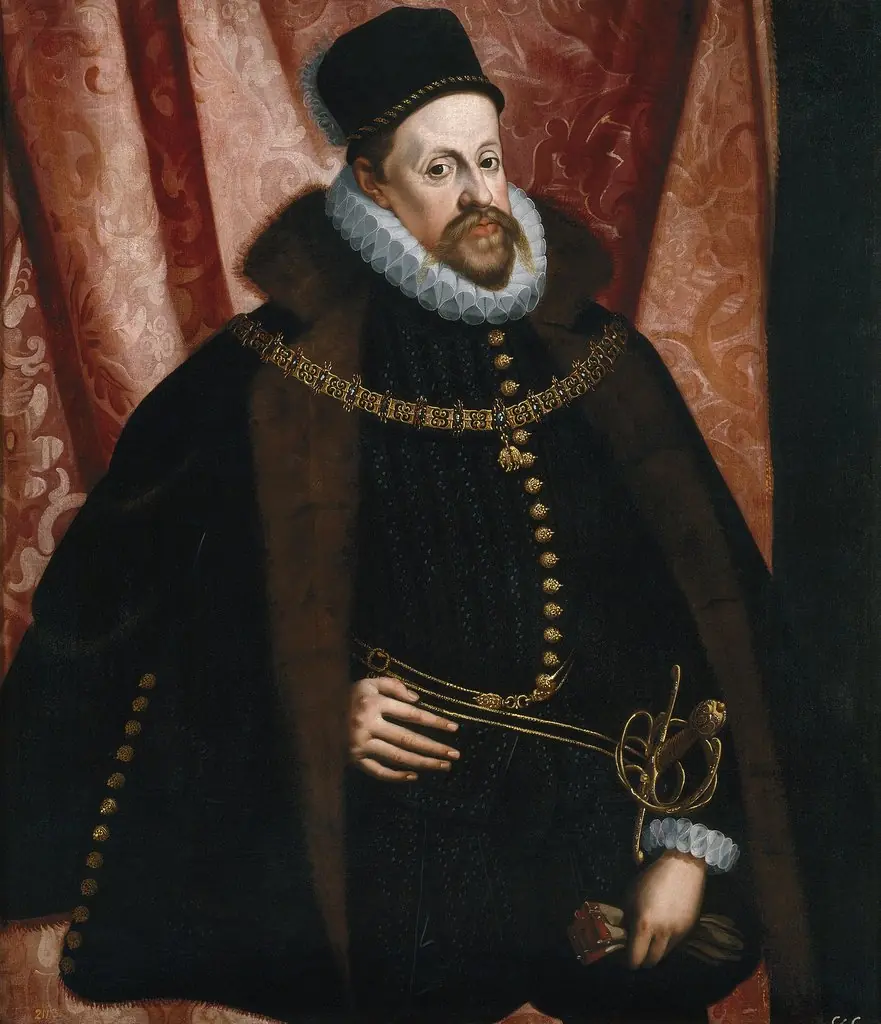 El archiduque Carlos de Austria, duque de Stiria
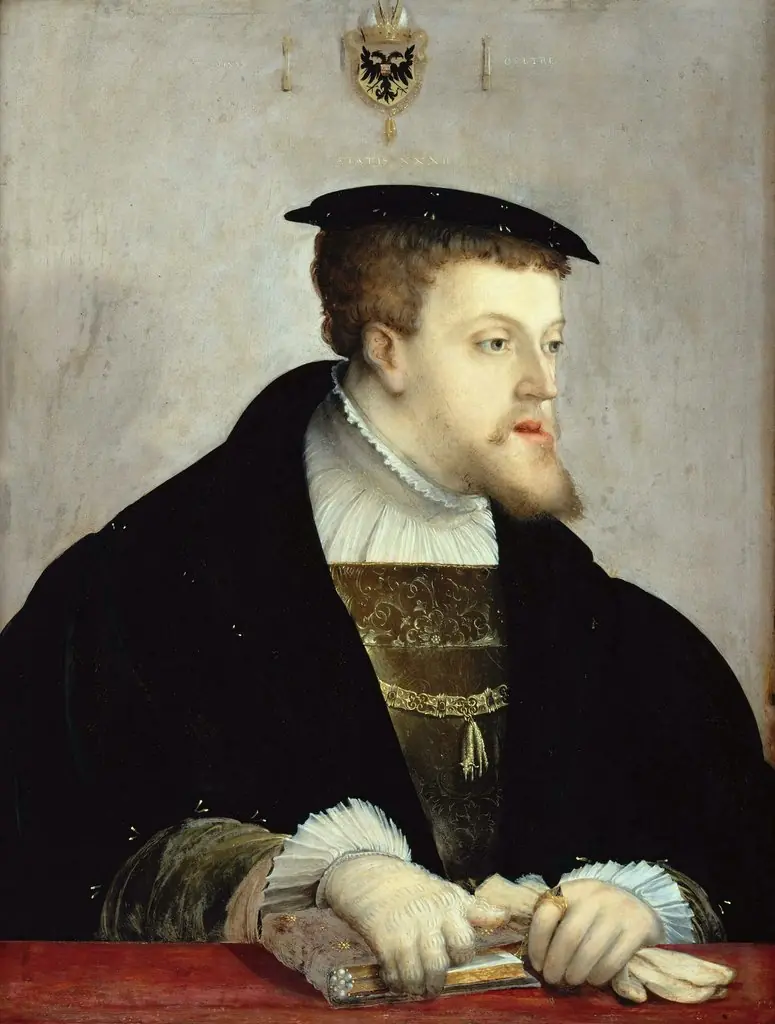 Portrait of Charles V (1500-1558)
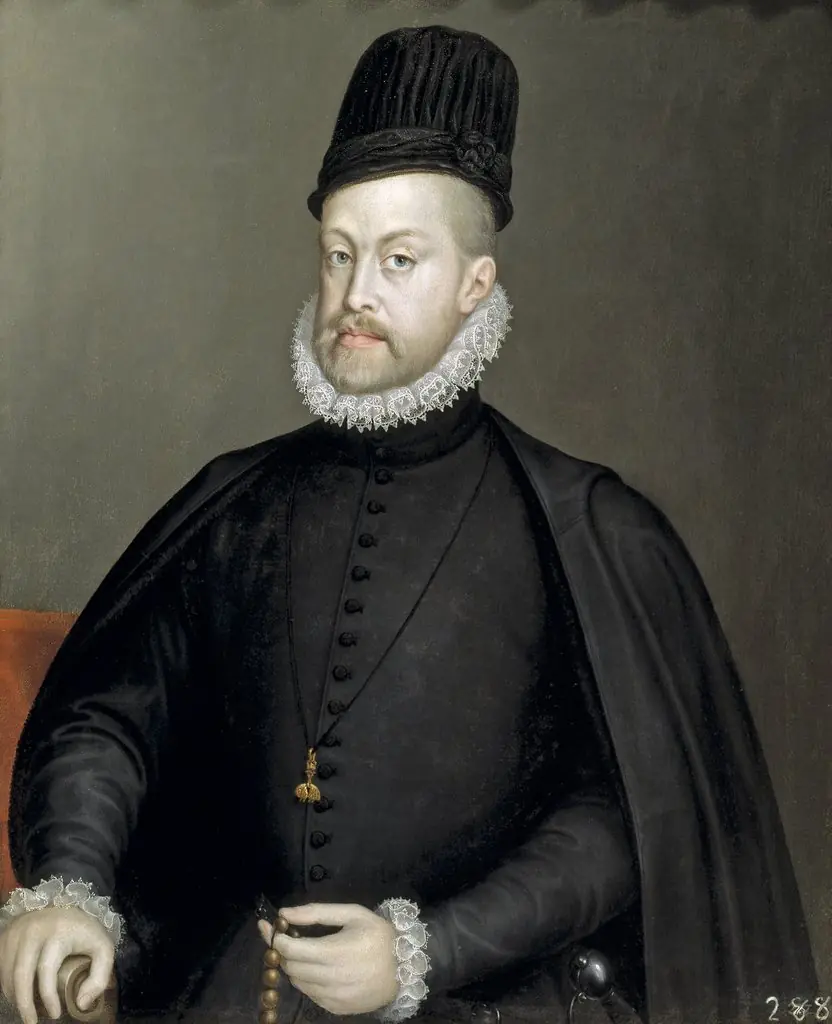
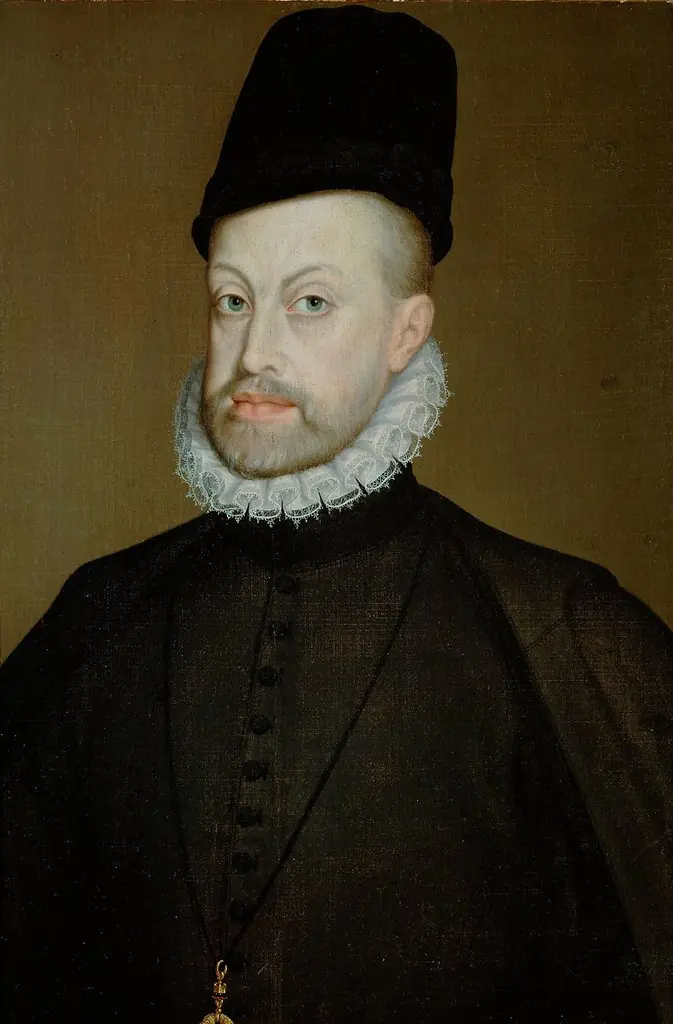 Portrait of Philip II of Spain
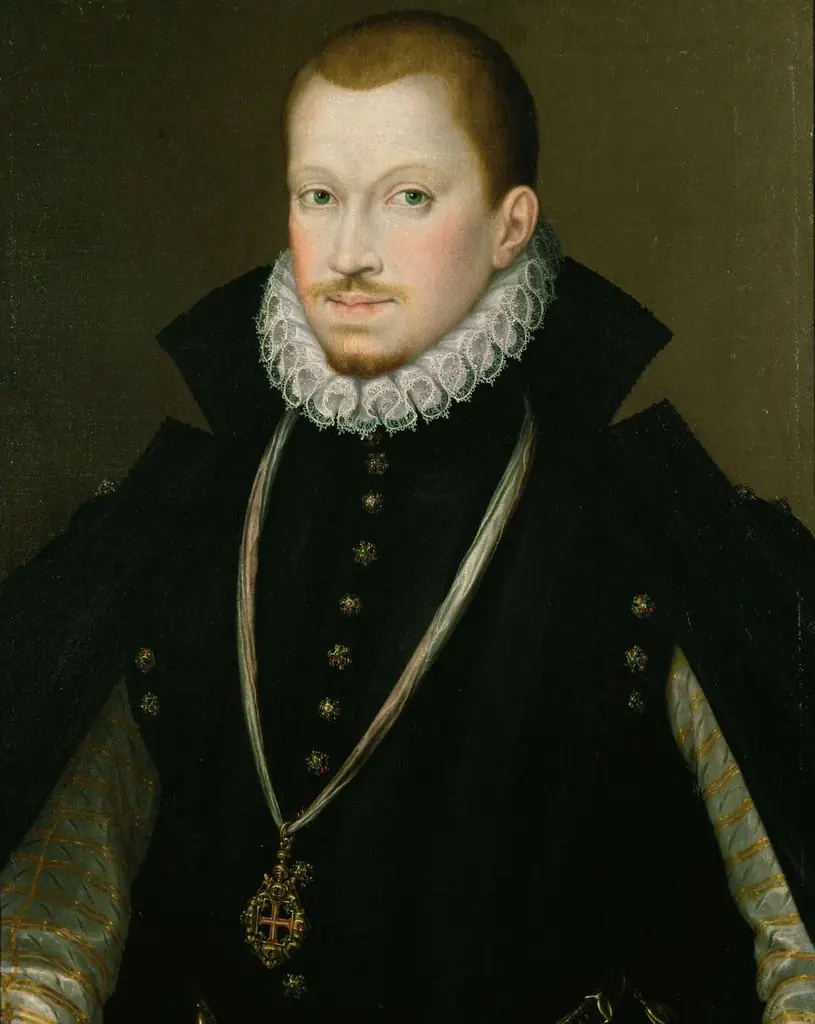 Don Sebastian (1554-nach 1578), König von Portugal, mit dem Kreuz des Christusordens, Halbfigur (beschnitten)
 Rudolf II Habsburg
 Portrait of Sigismund III Vasa (1566–1632), King of Poland
 Portrait of a Gentleman of the order of Saint James
 Portrait of Philip II of Spain
 Herwart VIII. Freiherr von Auersperg (1528-1575)