Artwork
Archduchess Constance (1588-1631), Queen of Poland, with a Monkey
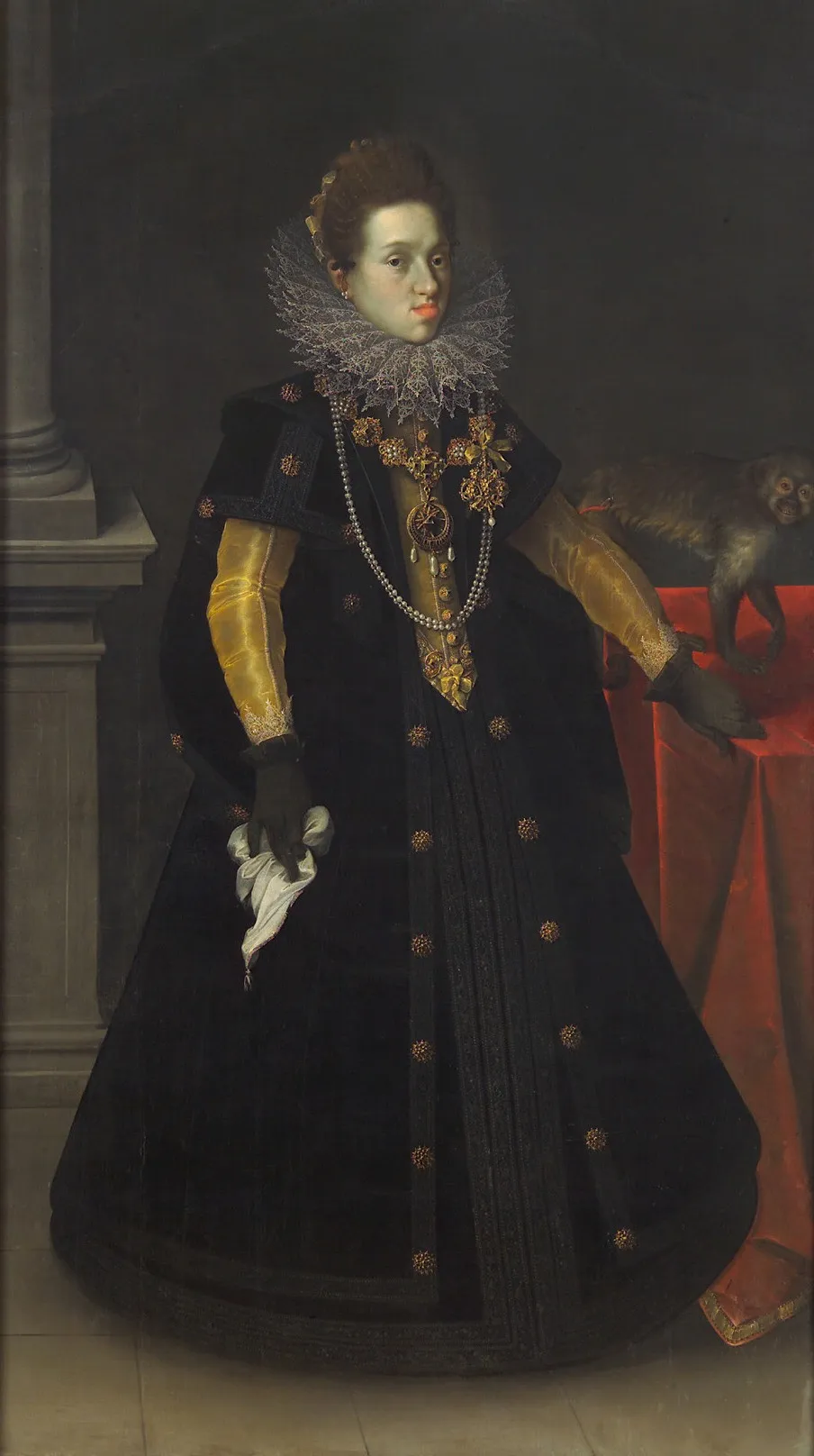
Archduchess Constance (1588-1631), Queen of Poland, with a Monkey is an oil painting by the Early Baroque Italian artist Joseph Heintz the Elder. It dates from 1604 and is held in the collection of the Kunsthistorisches Museum. This oil painting, dated 1604, portrays Archduchess Constance of Austria, who later became Queen of Poland.
About this work
Subject & Meaning
Archduchess Constance of Austria, Queen of Poland, is portrayed with a small monkey perched on her lap, a motif that carries layered symbolic weight.
Archduchess Constance of Austria, Queen of Poland, is portrayed with a small monkey perched on her lap, a motif that carries layered symbolic weight. In early‑17th‑century Central European portraiture, monkeys often signified exotic wealth, playful companionship, or, in some allegorical readings, the foolishness of the unlearned, while also hinting at the sitter’s elite status through the presence of a rare animal. The work, painted by Joseph Heintz the Elder in 1604 for the Kunsthistorisches Museum in Vienna, uses this iconography to emphasize Constance’s royal authority and her position within the intricate diplomatic ties between the Habsburgs and Polish nobility.
The painting’s dimensions, 191.5 cm by 110 cm, frame the figure prominently, reinforcing her stature within the composition.
Technique & Style
Created in 1604, the portrait is executed in oil paint on a canvas support. The work functions as a formal portrait depicting Constance of Austria, characterized by the specific inclusion of a monkey as a main subject. The painting measures 191.5 cm in height and 110 cm in width, indicating a large-scale, full-length presentation typical of court portraiture from this period. The handling of the medium serves to define the figure and the accompanying animal within the composition.
History & Provenance
Created in 1604 by Joseph Heintz the Elder, this oil painting on canvas depicts Constance of Austria, who later became Queen of Poland. The work measures 191.5 cm in height and 110 cm in width. Historically associated with Schloss Ambras in Innsbruck, the portrait is currently held in the collection of the Kunsthistorisches Museum.
The painting is held by the Kunsthistorisches Museum, where it forms part of the institution's collection. According to the Wikidata record for the work, its location is the Kunsthistorisches Museum, and its collection is likewise listed under that institution. The cataloguing identifier and accession number are not specified in the available sources, and no exhibition history, loans, or prior display venues have been documented for the portrait.
Overview
This oil painting, dated 1604, portrays Archduchess Constance of Austria, who later became Queen of Poland. Attributed to Joseph Heintz the Elder, it presents a formal depiction of the subject in a dimly lit interior. The composition emphasizes her status through attire and symbolic elements, including an accompanying animal, while the subdued palette and selective gilding underscore the work’s courtly context.
Context
Portraits of Habsburg women during this period often balanced personal likeness with political symbolism. Constance’s marriage to Sigismund III, ruler of Poland-Lithuania, reinforced Habsburg influence in Central Europe. The inclusion of a monkey, a luxury import, reflects the era’s fascination with global trade and courtly spectacle. Such works circulated among European elites, reinforcing alliances and dynastic prestige.
Legacy
While not among Heintz’s most frequently reproduced works, this portrait contributes to the study of early 17th-century court portraiture. Its depiction of Constance aligns with broader Habsburg iconographic traditions, where female sitters were often framed by symbols of virtue and power. The painting’s presence in the Kunsthistorisches Museum ensures its role in ongoing discussions of Renaissance portraiture and dynastic representation.
Artist & collection

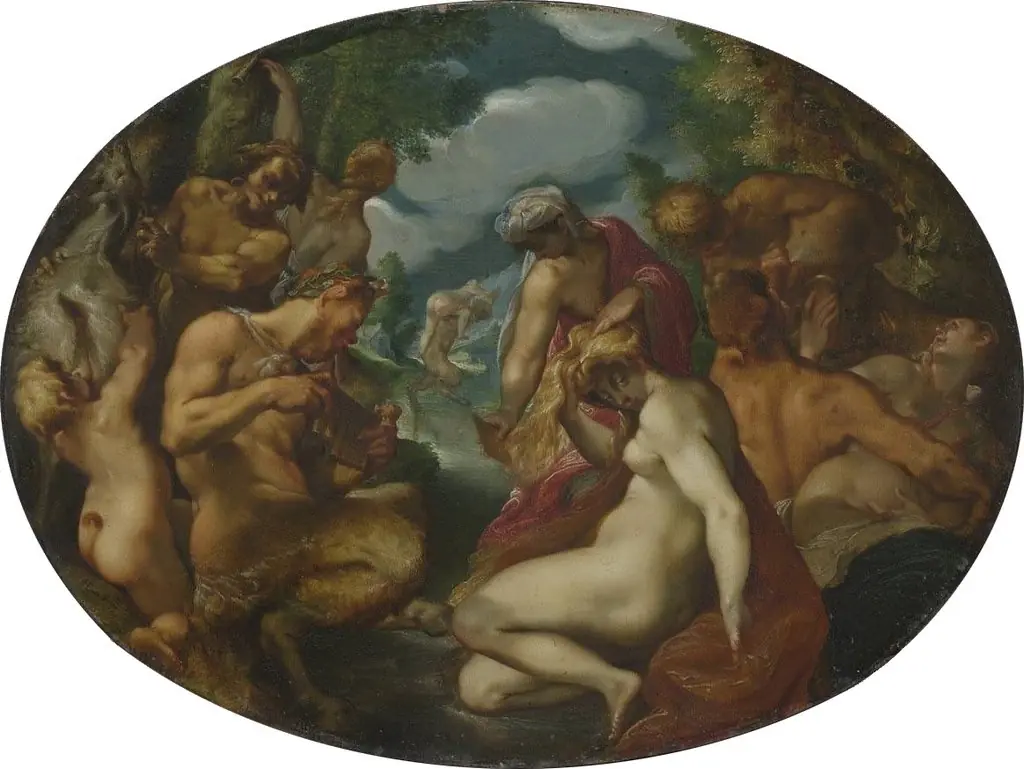 Satyrs and nymphs
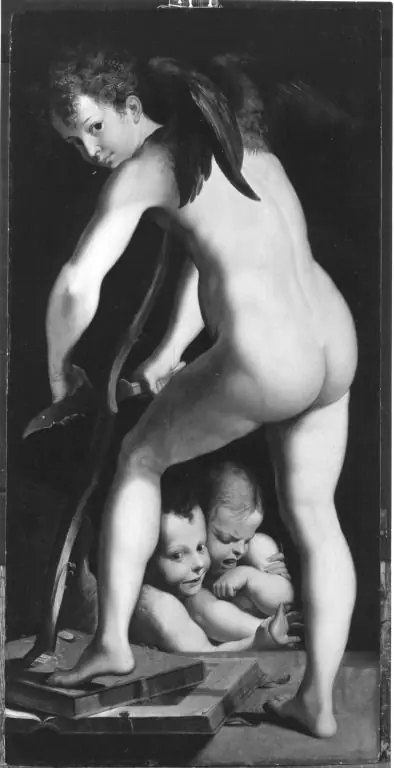 Cupid carves the bow
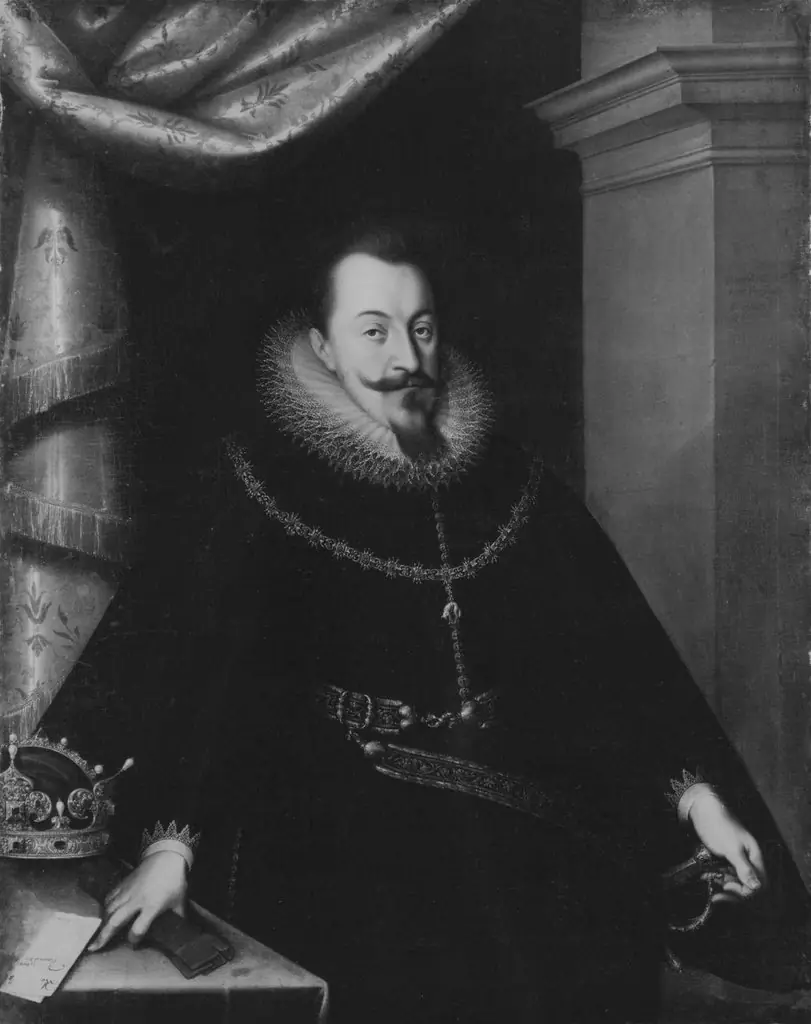 Bildnis des Königs Sigismund III. Vara von Polen und Schweden
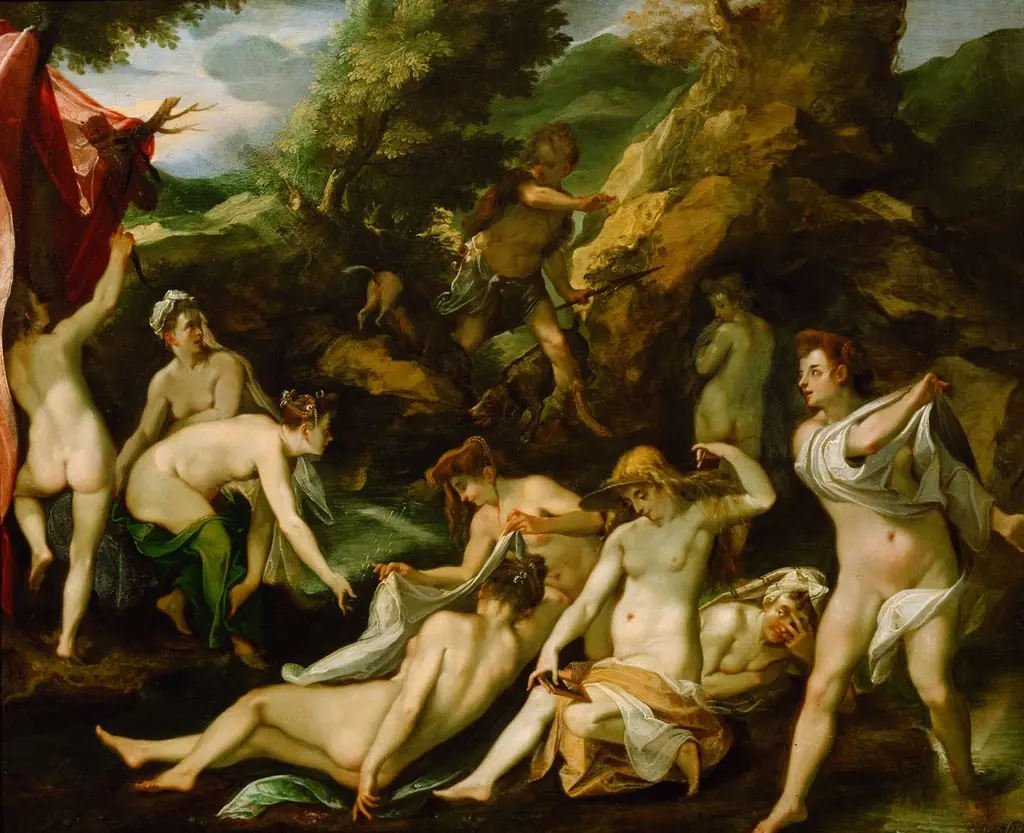 Diana and Actaeon
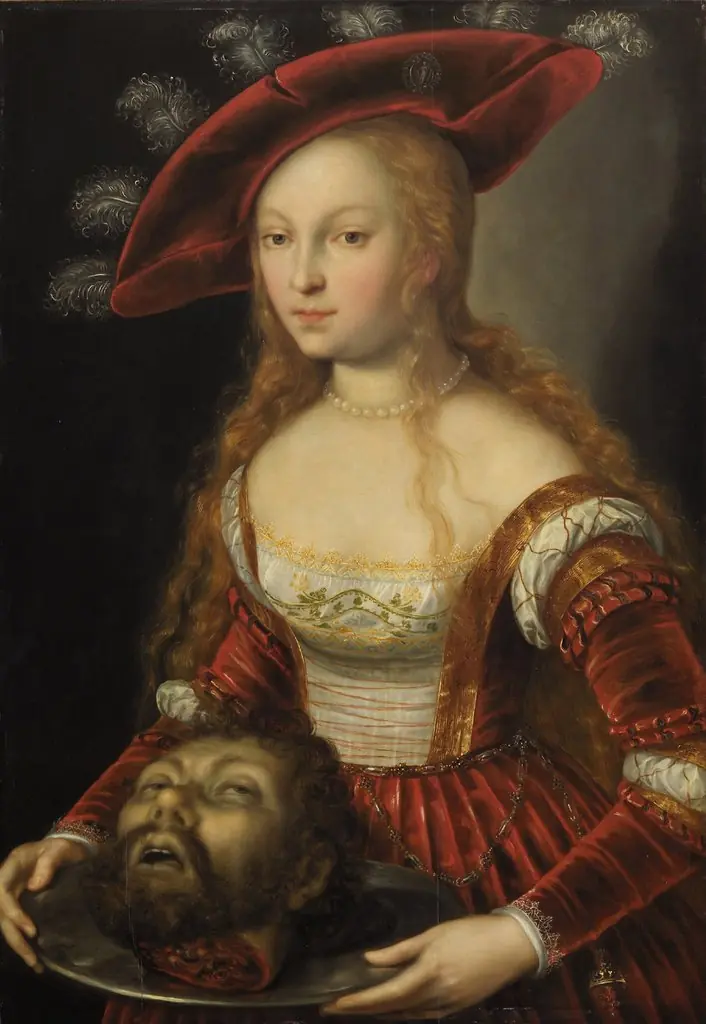 Salome with the head of John the Baptist
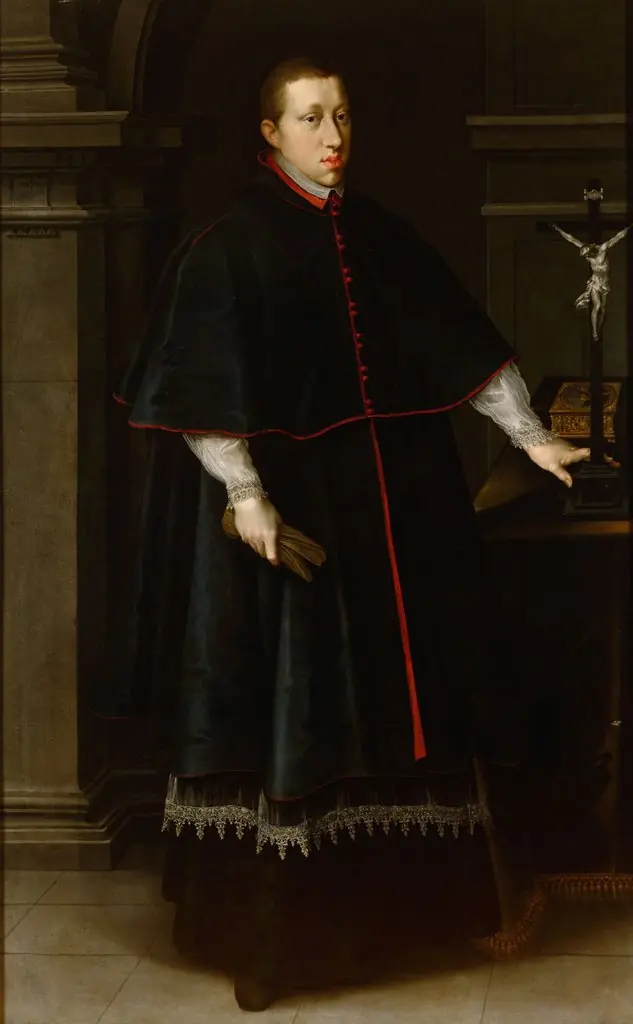 Archduke Leopold V (1586-1632) in the Spiritual Garment
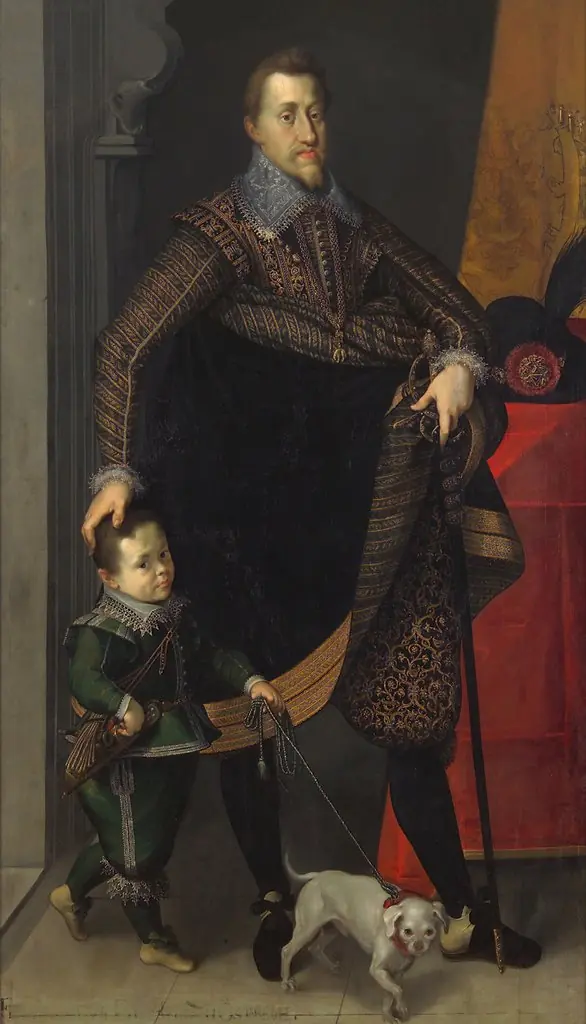 Emperor Ferdinand II (1578-1637) in Full Figure with a Court Dwarf
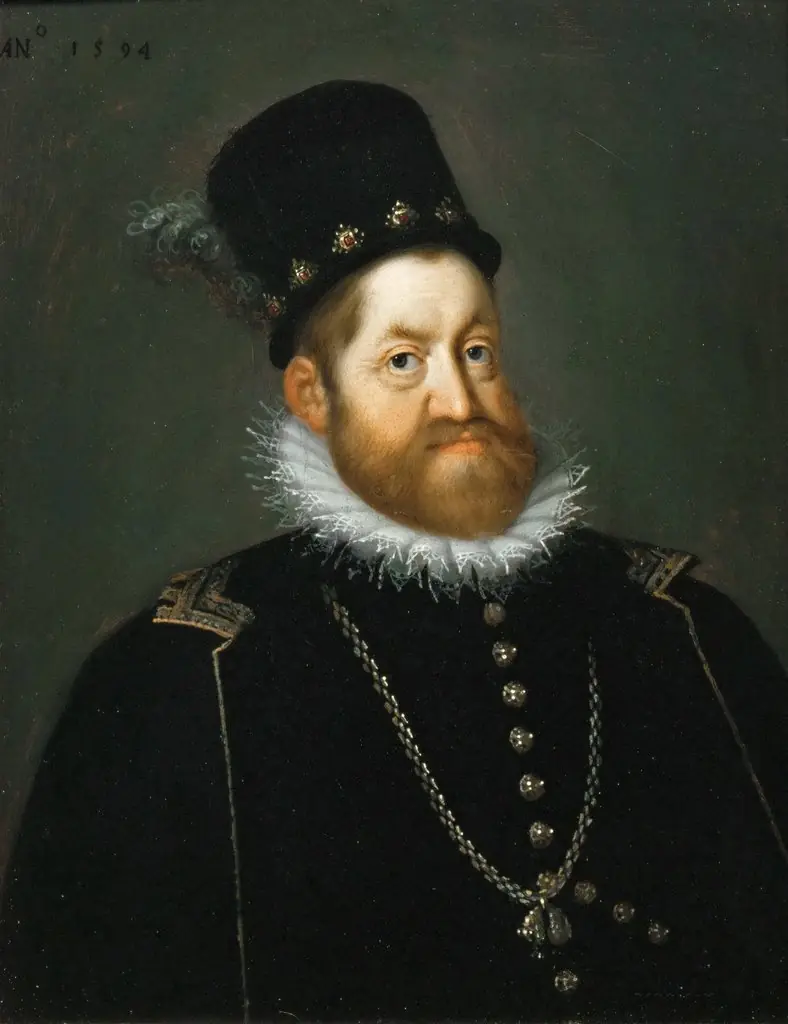 Porträt des Kaisers Rudolf II.
- Duchess Sibylle (1557-1627) von Jülich-Cleve-Berg
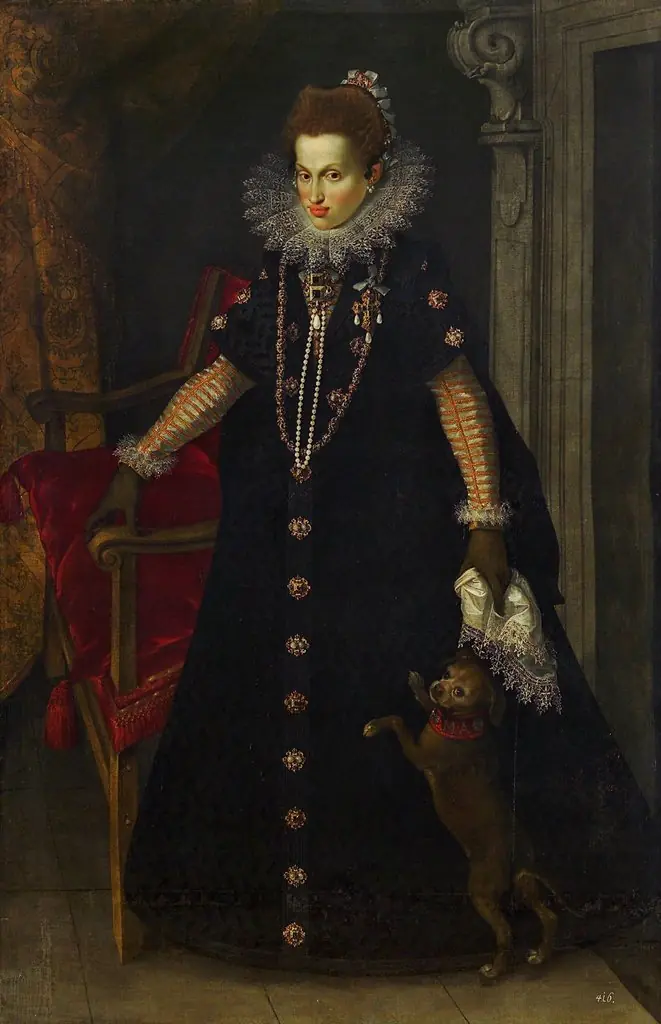 Portrait of Maria Anna of Bavaria (1574–1616), Archduchess of Austria
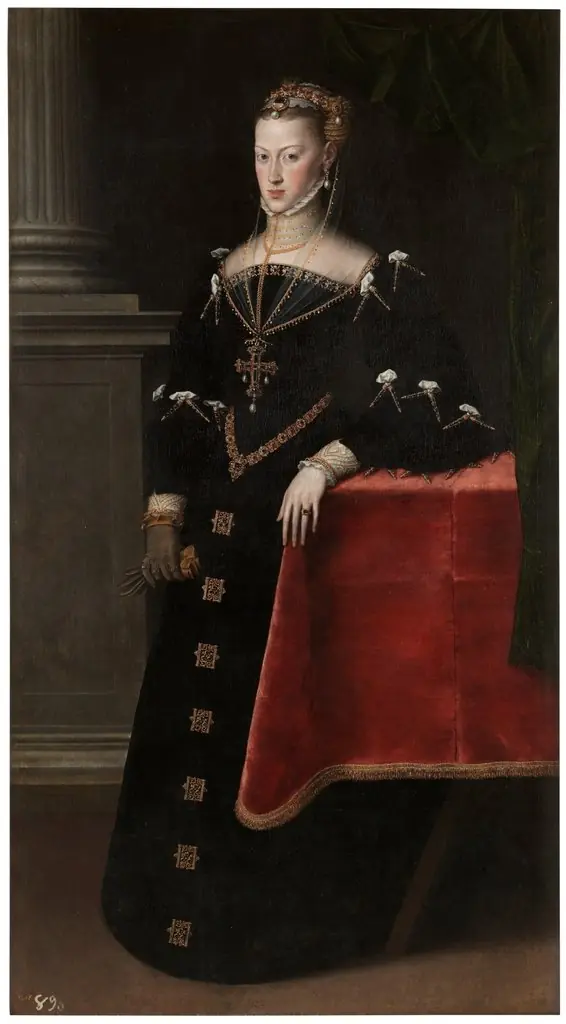 Empress Maria of Austria, Wife of Maximilian II
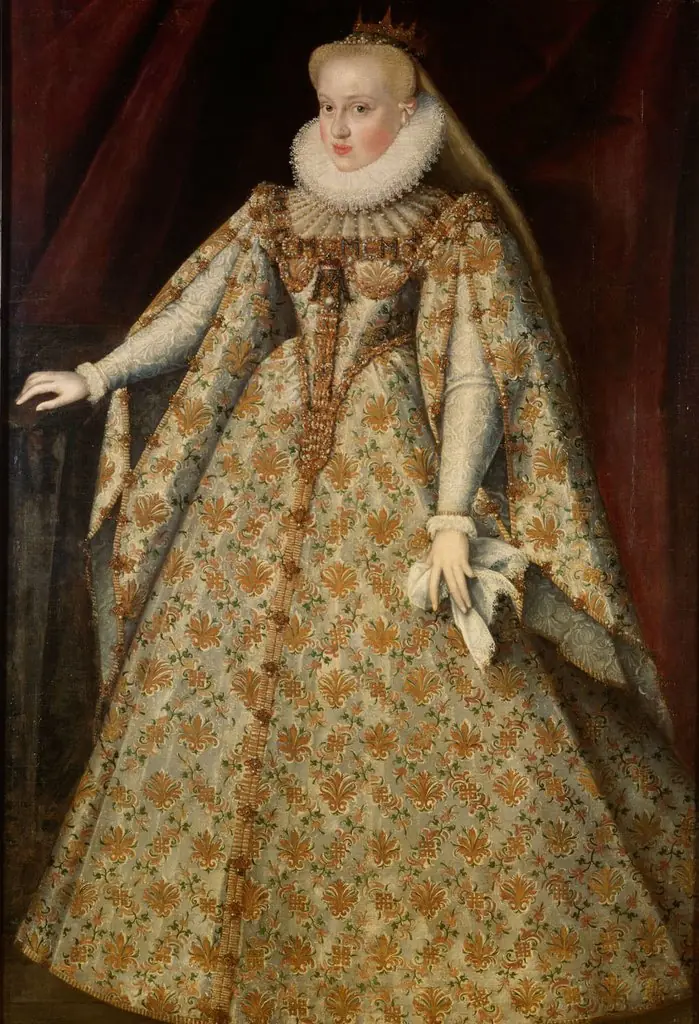 Portrait of Archduchess Maria Christina of Austria (1574–1621)
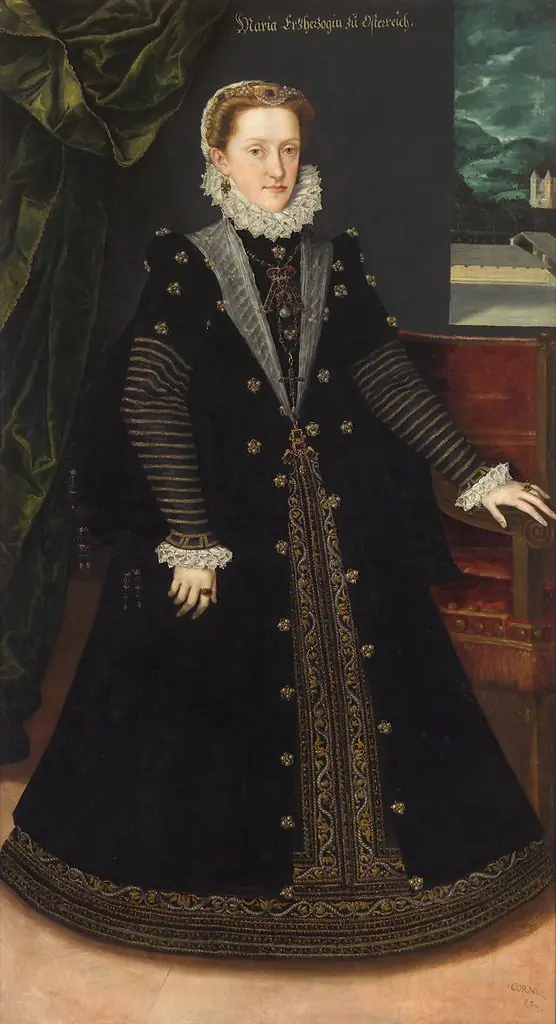 Portrait of Archduchess Mary Anna of Bavaria
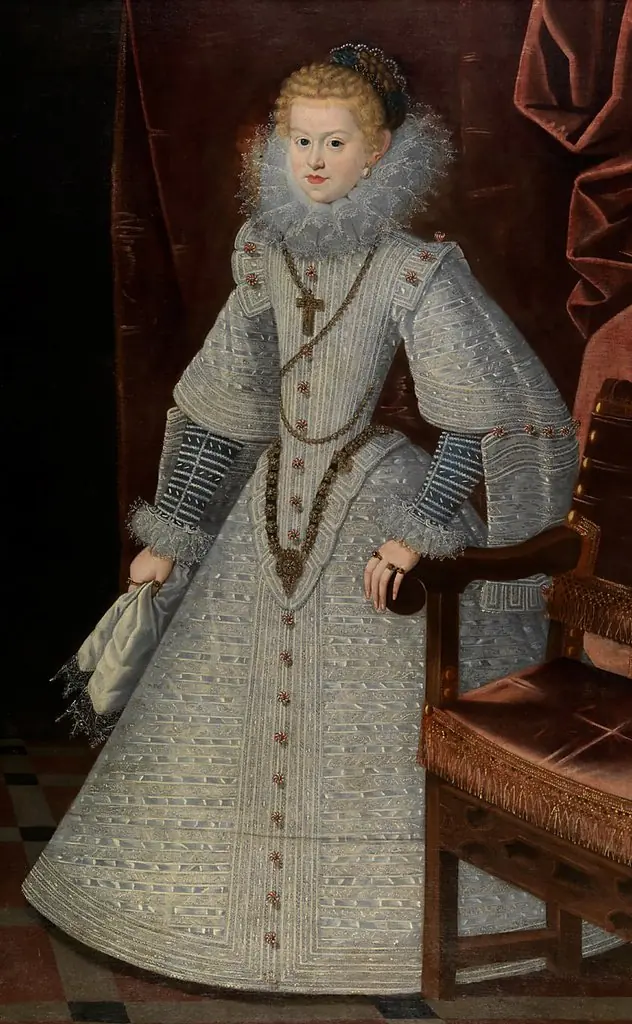 Infantin Maria Anna (1606-1646), Kaiserin, in ganzer Figur
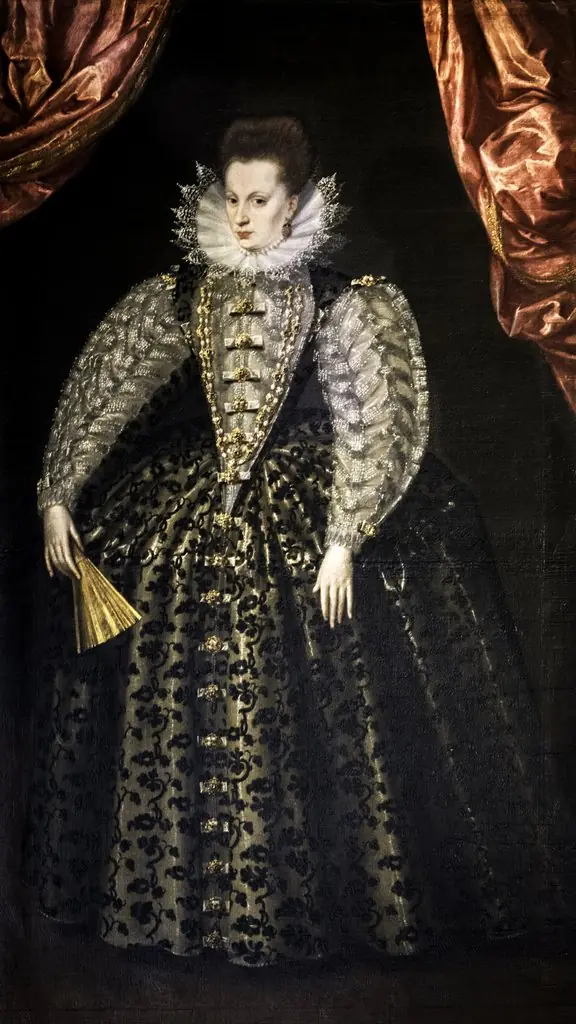 Portrait of Elisabeth Renata von Lothringen, wife of Maximilians I. von Bayern
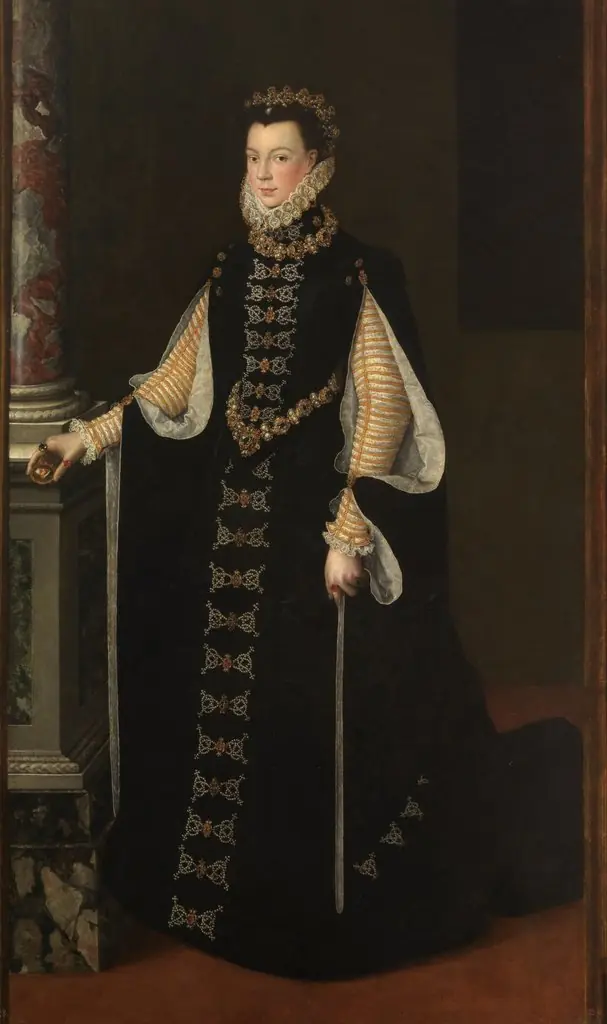 Portrait of Elisabeth of Valois
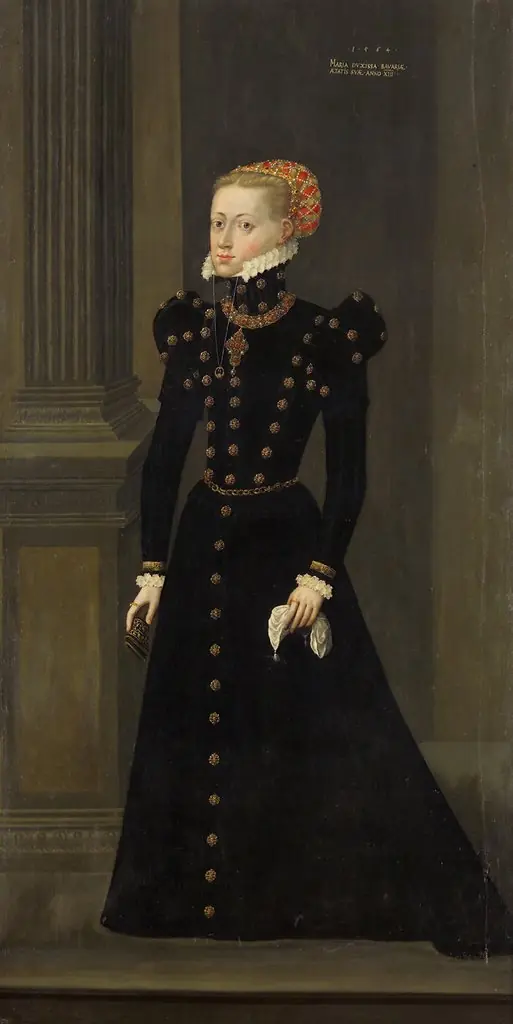 Maria (1551-1608), Herzogin in Bayern, Erzherzogin, im Alter von 13 Jahren
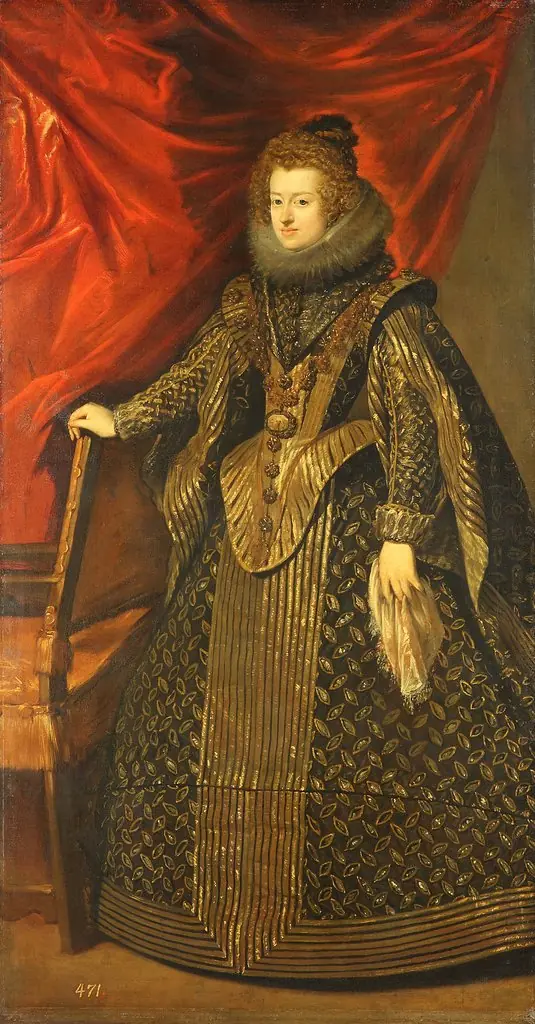 Portrait of Infanta María of Habsburg (1606-1646)
 Possível Retrato de Maria Barreto
 Elizabeth Cary, Viscountess Falkland (1585-1639)