Artwork
Portrait of William I, King of the Netherlands
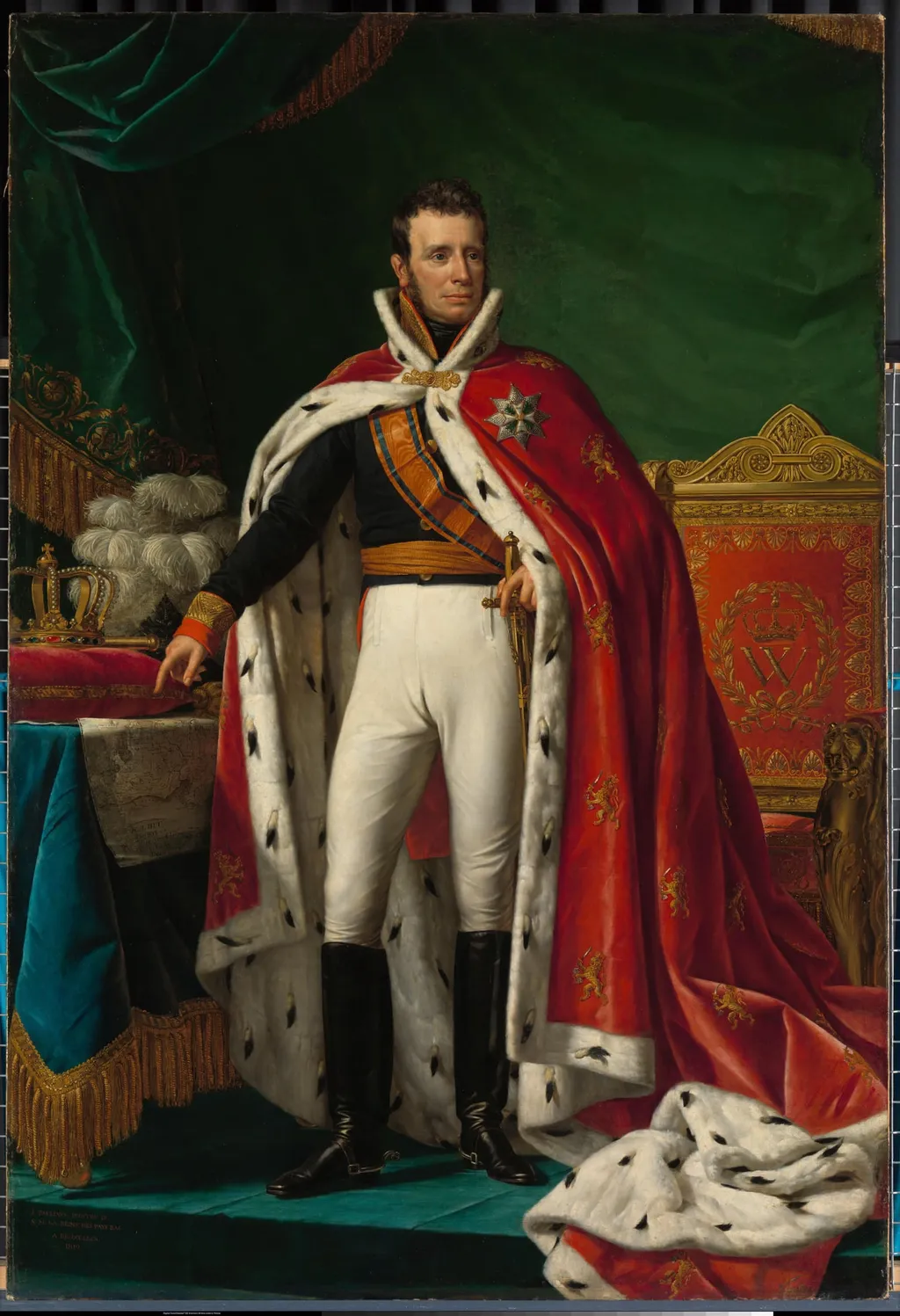
Portrait of William I, King of the Netherlands is an unspecified painting by the Biedermeier artist Joseph Paelinck. It dates from 1819 and is held in the collection of the Rijksmuseum. This portrait depicts William I, King of the Netherlands, in a formal military uniform with an ermine cloak, pointing to a map of Java.
About this work
History & Provenance
He was appointed court painter to the Netherlands in 1815, a role that facilitated the production of royal portraits during this period.
The portrait of William I, King of the Netherlands, was created by the Belgian painter Joseph Paelinck in 1819. Following the establishment of the United Kingdom of the Netherlands in 1815, Paelinck received numerous official commissions and relocated from Ghent to Brussels to serve the Nassau court. He was appointed court painter to the Netherlands in 1815, a role that facilitated the production of royal portraits during this period. The work dates specifically to 1819 and is currently held in the collection of the Rijksmuseum in Amsterdam. Paelinck, a neoclassical artist trained under Jacques-Louis David in Paris and later active in Rome, executed this piece during the height of his official patronage before Belgian independence altered his standing with the Dutch monarchy.
Context
Joseph Paelinck was trained at the Royal Academy of Fine Arts in Ghent and subsequently studied under Jacques-Louis David in Paris, where he absorbed a neoclassical idiom characterized by correct drawing and rigorous application of historical traditions. After a five-year stay in Rome, during which he contributed decorations to the Quirinal Palace, he returned to the Low Countries and in 1815 was appointed court painter of the Netherlands, a post that brought him numerous official commissions from the House of Nassau, including this 1819 portrait of William I held by the Rijksmuseum.
He was elected to the Royal Netherlands Academy of Sciences in 1816 and later became a professor at the Académie royale de peinture et de sculpture in Brussels, where his pupils included Alfred Stevens and Charles Baugniet. Following Belgian independence in 1830, his standing at the Dutch court declined, and the rise of Romanticism in his final years further eroded his reputation, prompting him to consider emigrating to the Netherlands. He was nevertheless made a Chevalier of the Order of Leopold shortly before his death in 1839.
Legacy
Following the establishment of Belgium, Joseph Paelinck's standing at the Dutch court diminished significantly, leading him to consider emigrating to the Netherlands. As the Romantic movement gained prominence toward the end of his life, his reputation waned because his attempts to adapt his Neoclassical style to these new artistic trends were poorly received. Consequently, his broader body of work was largely neglected in favor of emerging artists after Belgian independence, a shift that caused the painter considerable bitterness despite his earlier success as a court portraitist.
Own this work as a print
Artist & collection

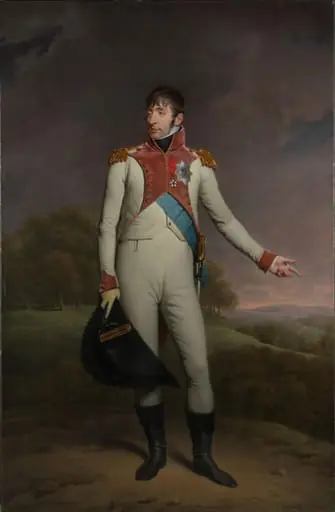 Portrait of Louis Napoleon, King of Holland
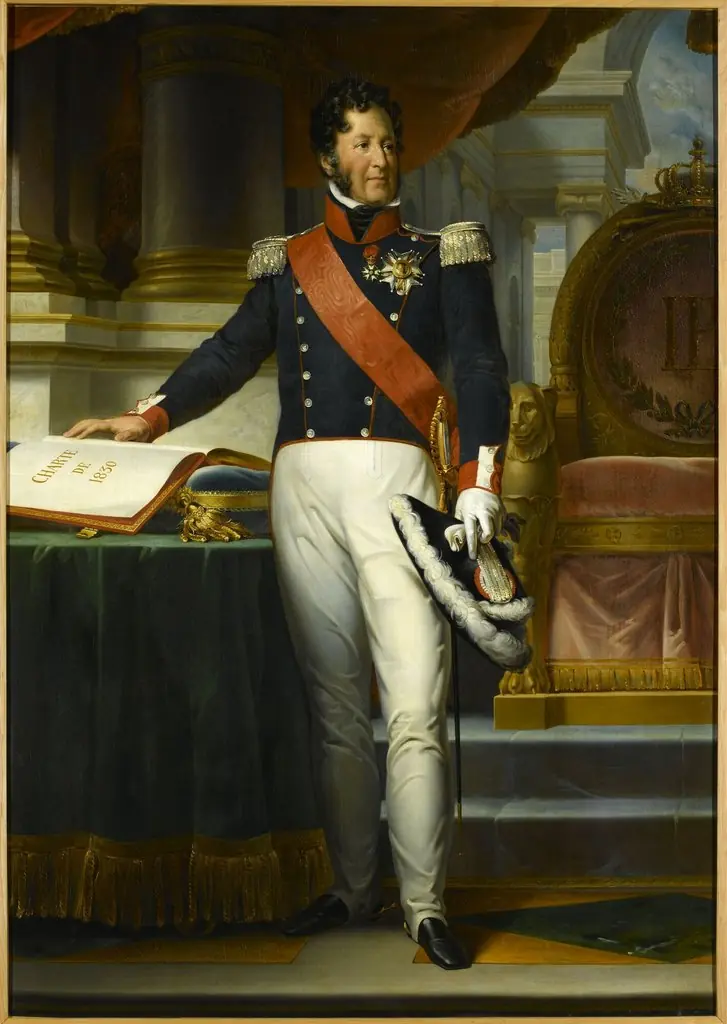 Portrait of Louis Philippe I
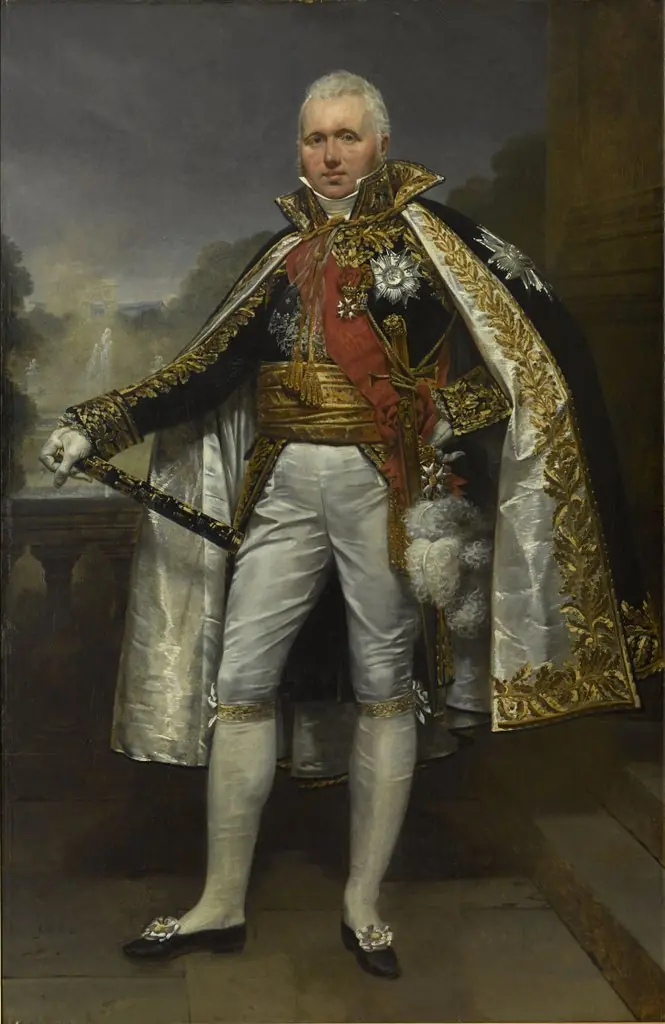 Claude-Victor Perrin, Duke of Bellune, Marshal of France
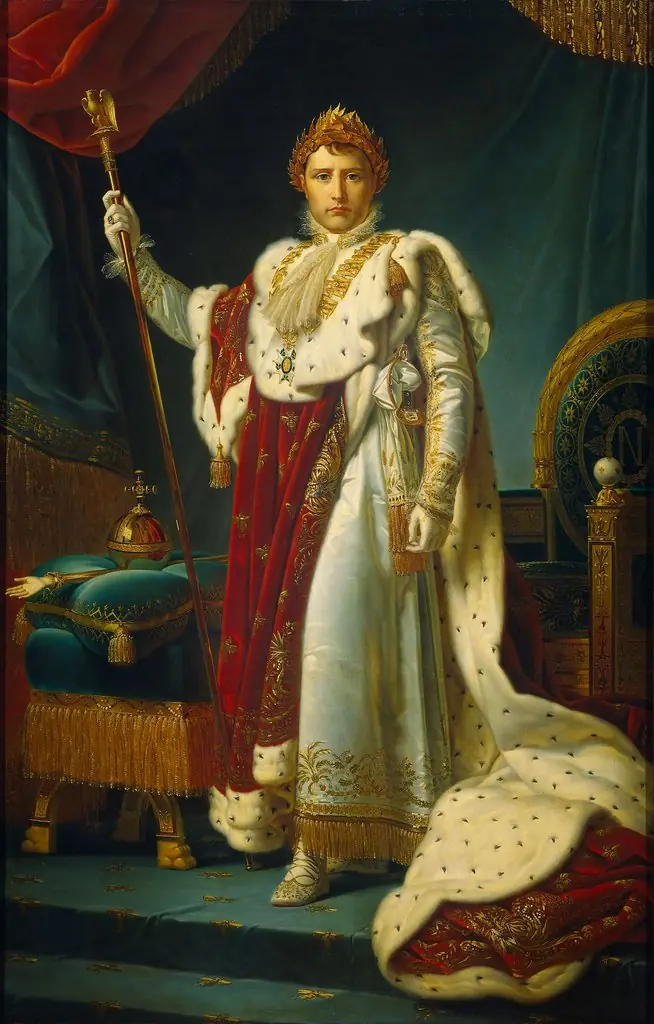 Portrait of Emperor Napoleon I
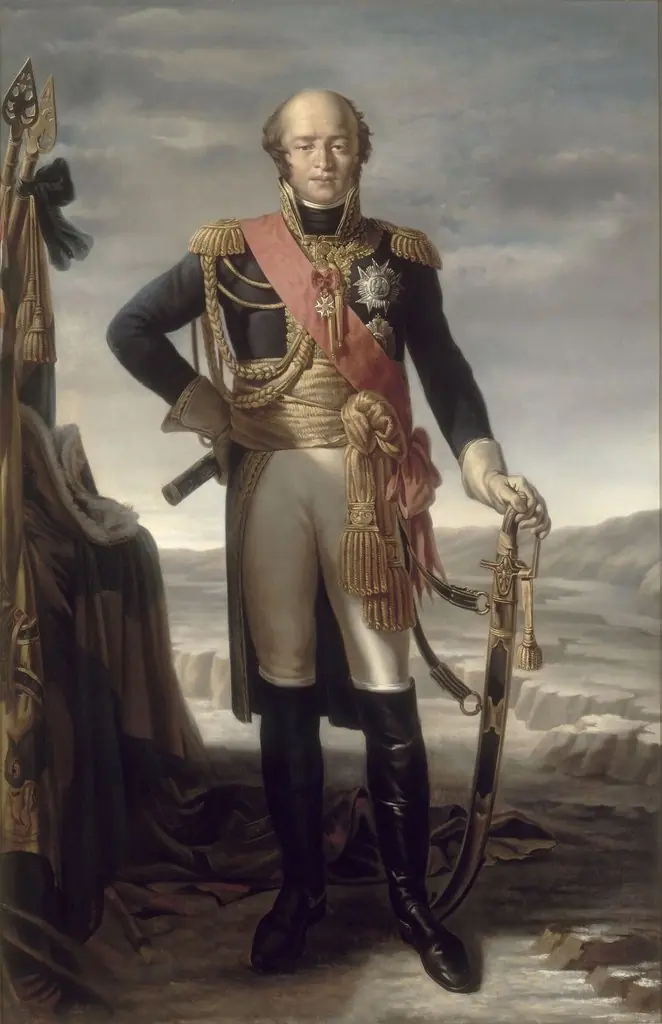 Portrait de Louis Nicolas Davout
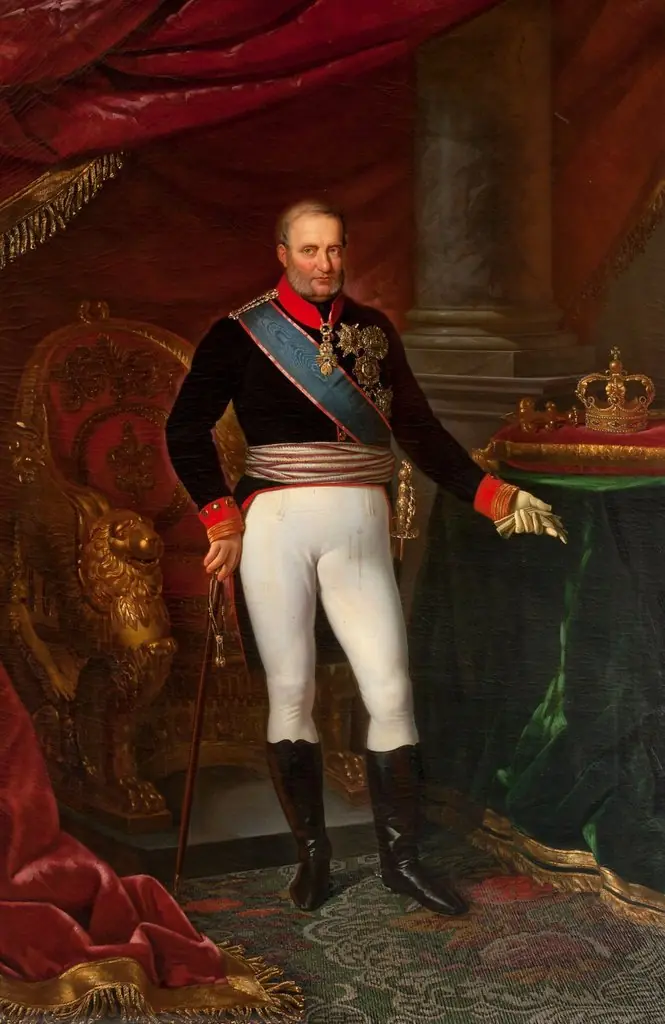 Ritratto di Francesco I delle Due Sicilie (1777-1830)
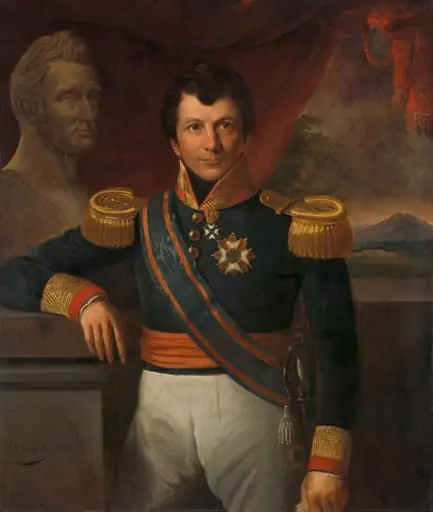 Portrait of Johannes, Graaf van den Bosch, Governor-General of the Dutch East Indies