Artwork
The Duke of Pastrana
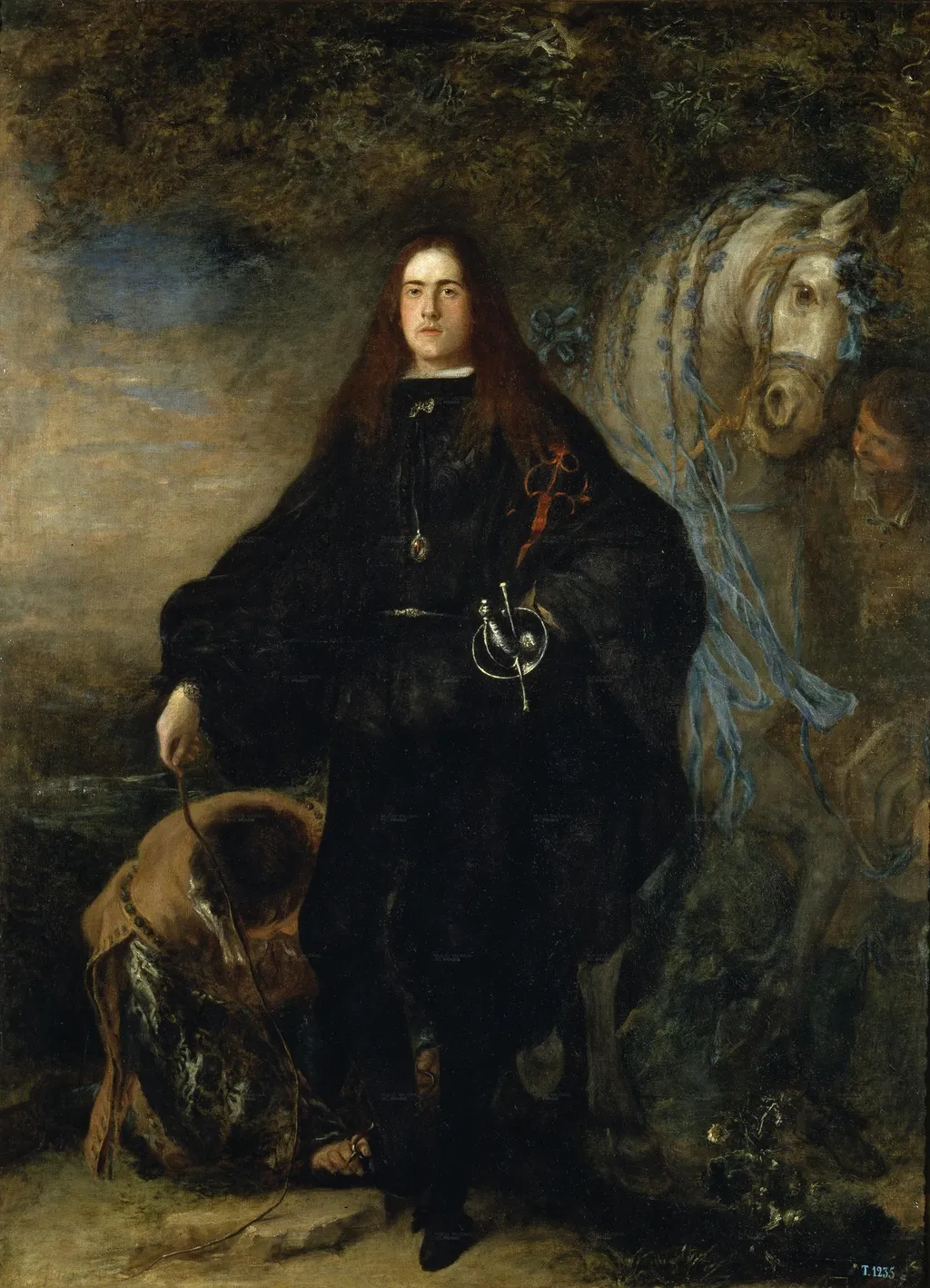
The Duke of Pastrana is an oil painting by the Flemish Baroque painting artist Juan Carreño de Miranda. It is held in the collection of the Museo del Prado.
About this work
Subject & Meaning
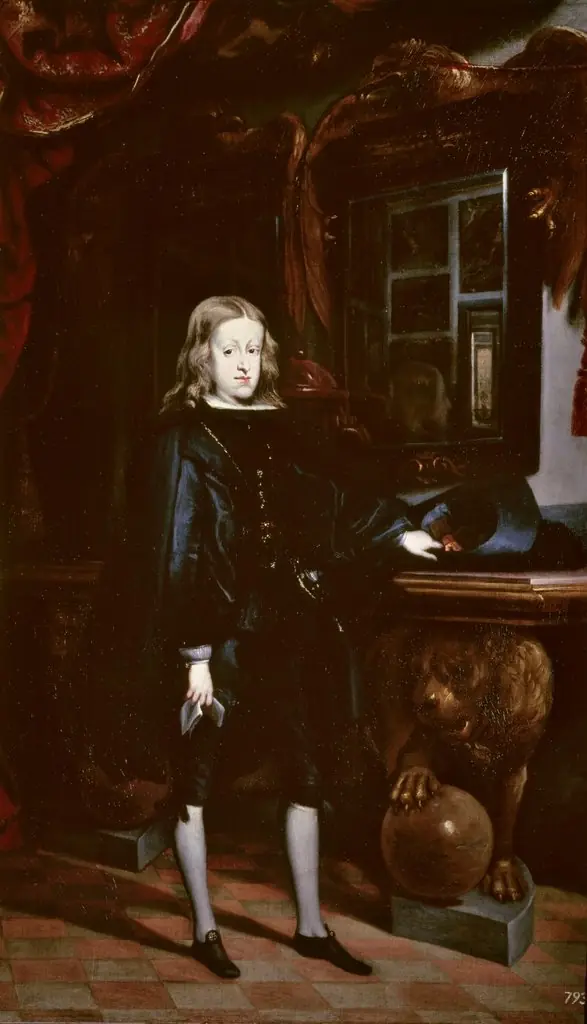
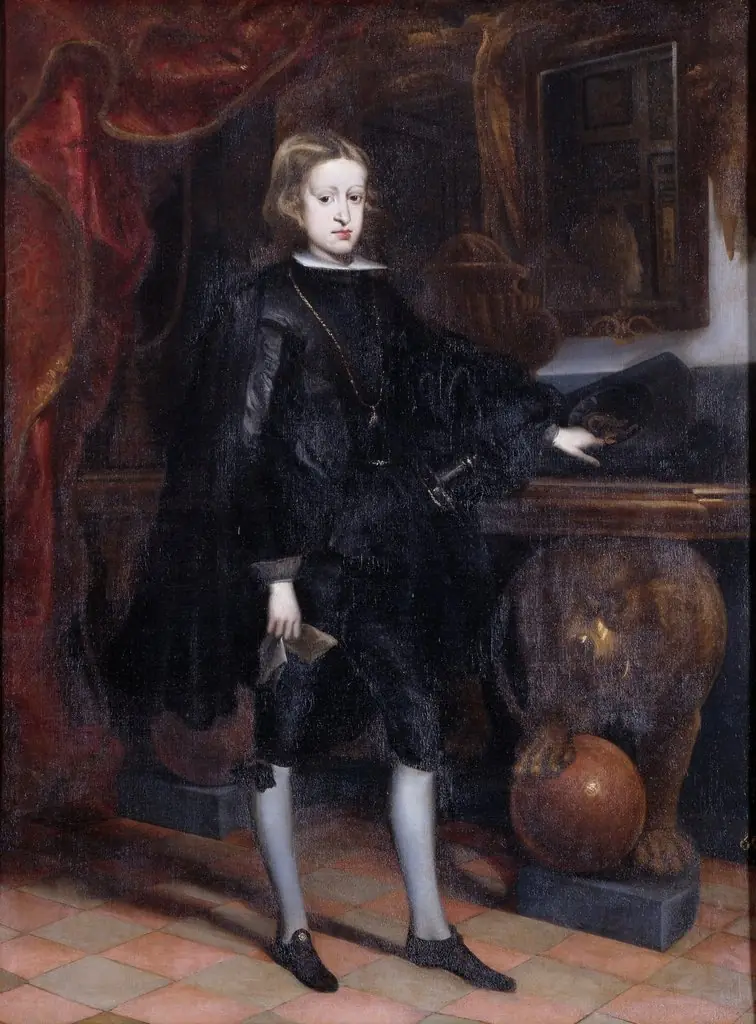
The portrait The Duke of Pastrana depicts its namesake subject, Gregorio María de Silva y Mendoza, 9th Duke of Pastrana, rendered with aristocratic gravitas.
The portrait The Duke of Pastrana depicts its namesake subject, Gregorio María de Silva y Mendoza, 9th Duke of Pastrana, rendered with aristocratic gravitas. The iconography emphasizes his noble status: he is shown in full-length, wearing opulent court attire, holding a ceremonial sword, a symbol of military authority and honor, and adorned with gemstones that signify wealth and rank. The gemstone visible on his person, likely part of a sash or order, may reference a chivalric order, underscoring his elite social standing.
The work functions as a dynastic statement, reinforcing the Duke’s power and prestige within the Spanish Habsburg court. Carreño de Miranda’s meticulous rendering of textiles and insignia reflects the period’s emphasis on heraldic display, where portraiture served not only as personal representation but also as a tool for political and social affirmation.
Technique & Style
The painting is executed in oil on canvas, measuring 217 cm in height and 155 cm in width. The handling is characteristic of the late Spanish Baroque, with a polished, luminous surface that renders the sitter’s elaborate costume in rich, saturated tones. The figure is depicted with a pronounced three-quarter turn, emphasizing the opulence of the attire and the commanding presence of the subject.
Stylistic traits include the subtle modeling of facial features, a restrained yet vivid palette, and precise attention to the textures of fabrics and metalwork, particularly the sword and gemstone details.
History & Provenance
The Duke of Pastrana is an oil-on-canvas painting created by Juan Carreño de Miranda in 1679. The work depicts the subject holding a sword and a gemstone. It is currently held in the collection of the Museo del Prado in Madrid. The painting measures 217 cm in height and 155 cm in width.
Overview
The Duke of Pastrana is a 1690 oil painting by Spanish artist Juan Carreño de Miranda, housed at the Museo del Prado. The work portrays a noble figure in a characteristic Baroque setting, leveraging dramatic lighting to emphasize the subject's presence.
Context
Painted during the late Baroque period, The Duke of Pastrana reflects the artistic trends of 17th-century Spain, where portraiture served as a means to display wealth and status. The use of chiaroscuro aligns with broader European Baroque practices, emphasizing emotional and spatial depth.
Legacy
As part of the Museo del Prado's holdings, The Duke of Pastrana contributes to the museum's comprehensive collection of Spanish art, offering insights into 17th-century portraiture and the artistic techniques of the period. Its legacy is intertwined with the museum's role in preserving and showcasing Spanish cultural heritage.
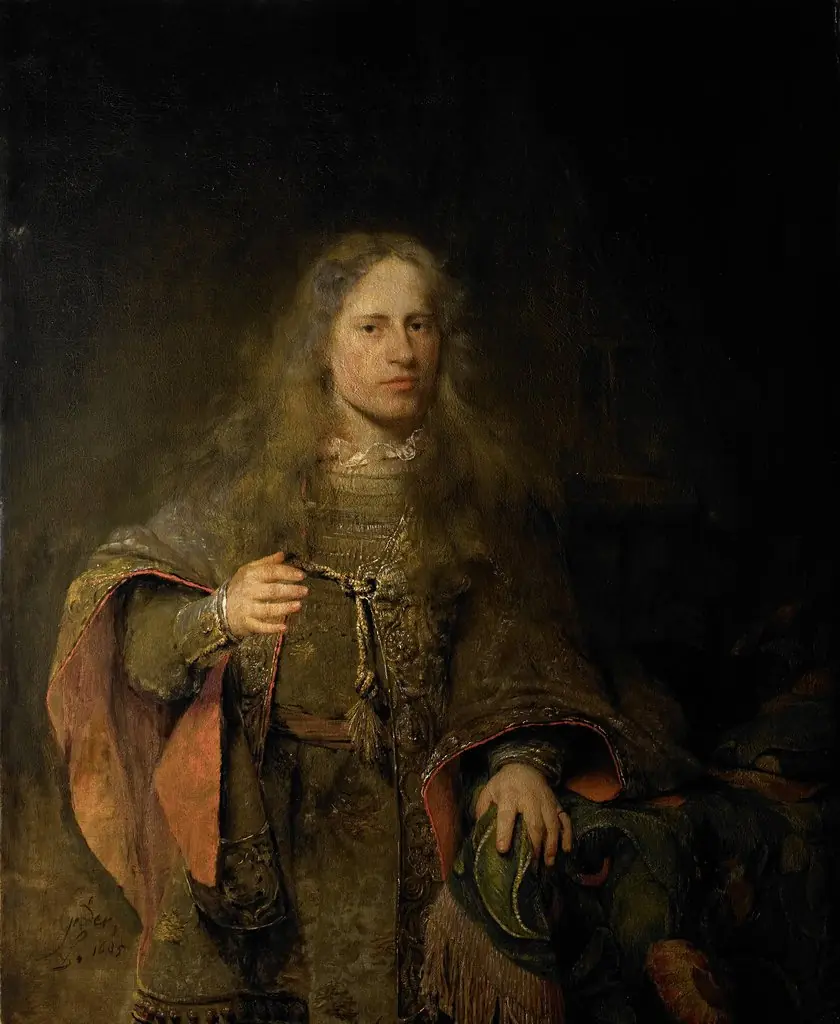
Own this work as a print
Artist & collection

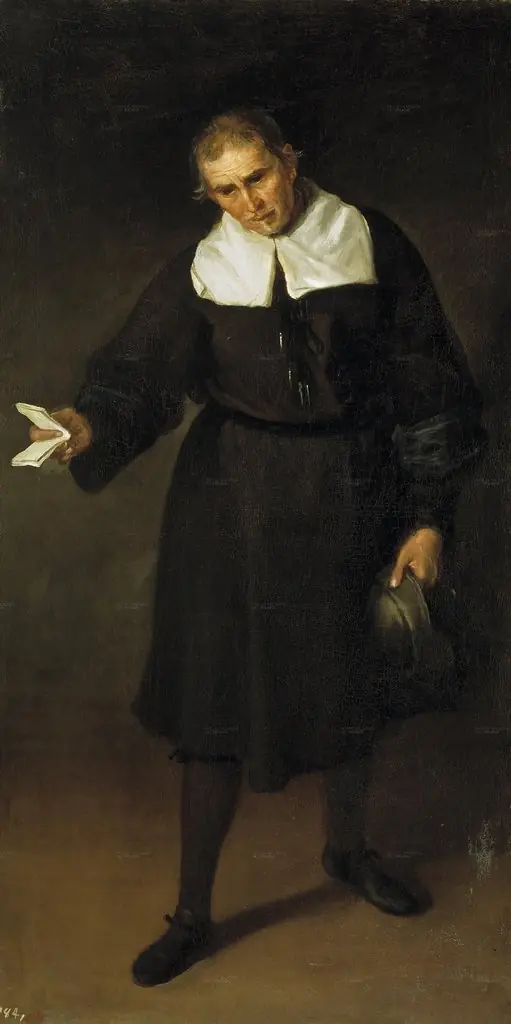
- Portrait of Ernest de Beveren, Lord of West-IJsselmonde and De Lindt
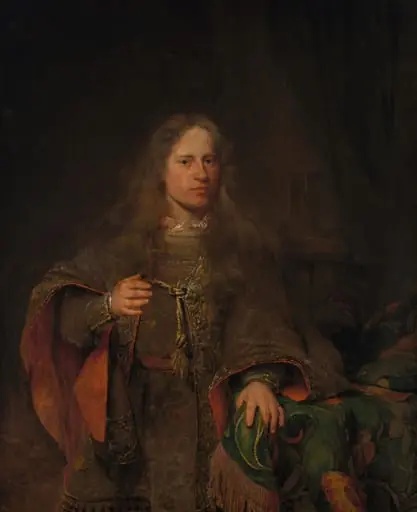 Portrait of Ernest de Beveren, Lord of West-IJsselmonde and De Lindt
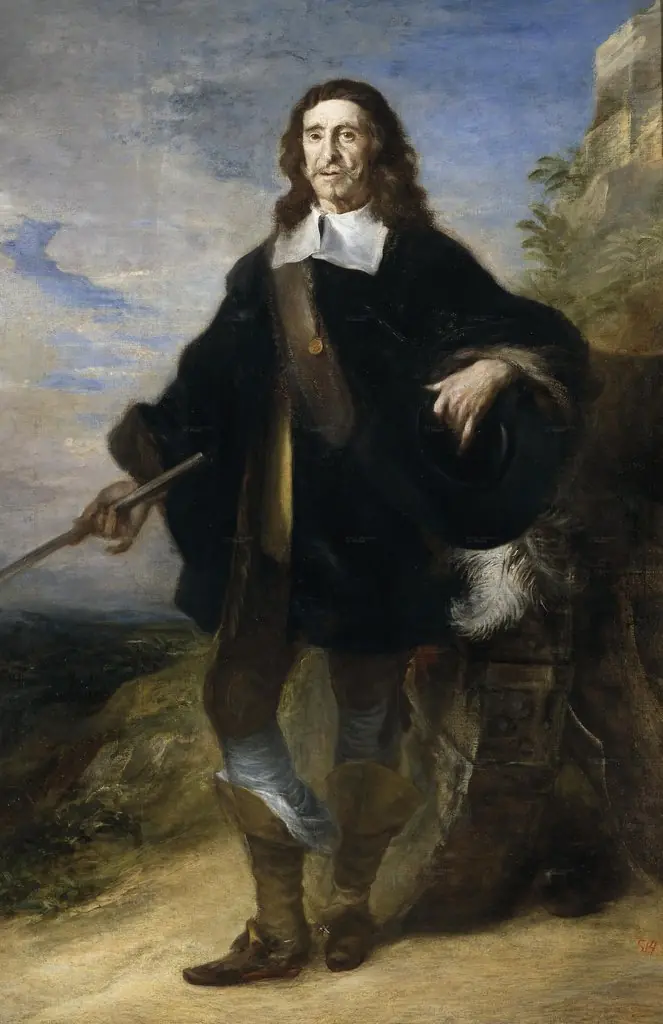 An Artillery General
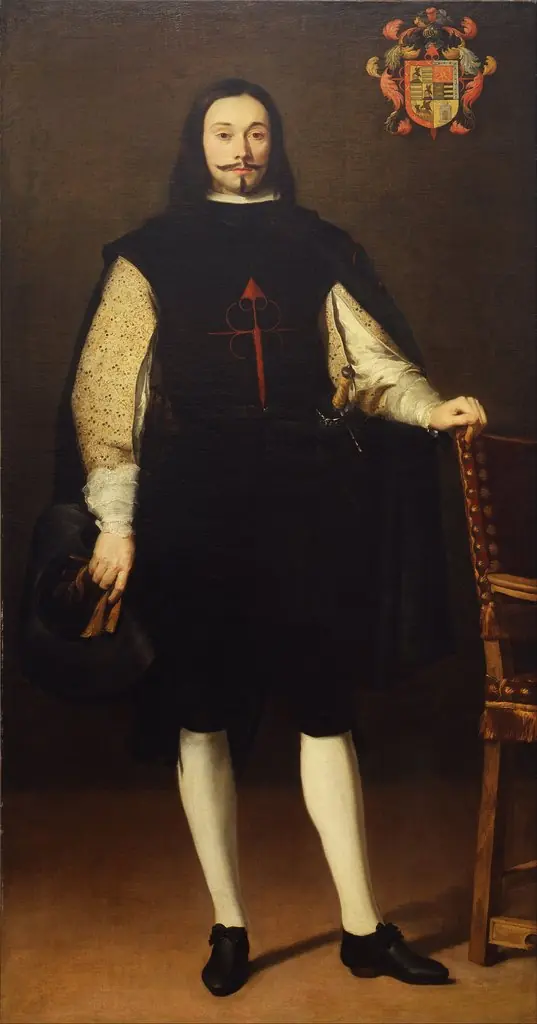 Portrait of Don Diego Felix de Esquivel y Aldama
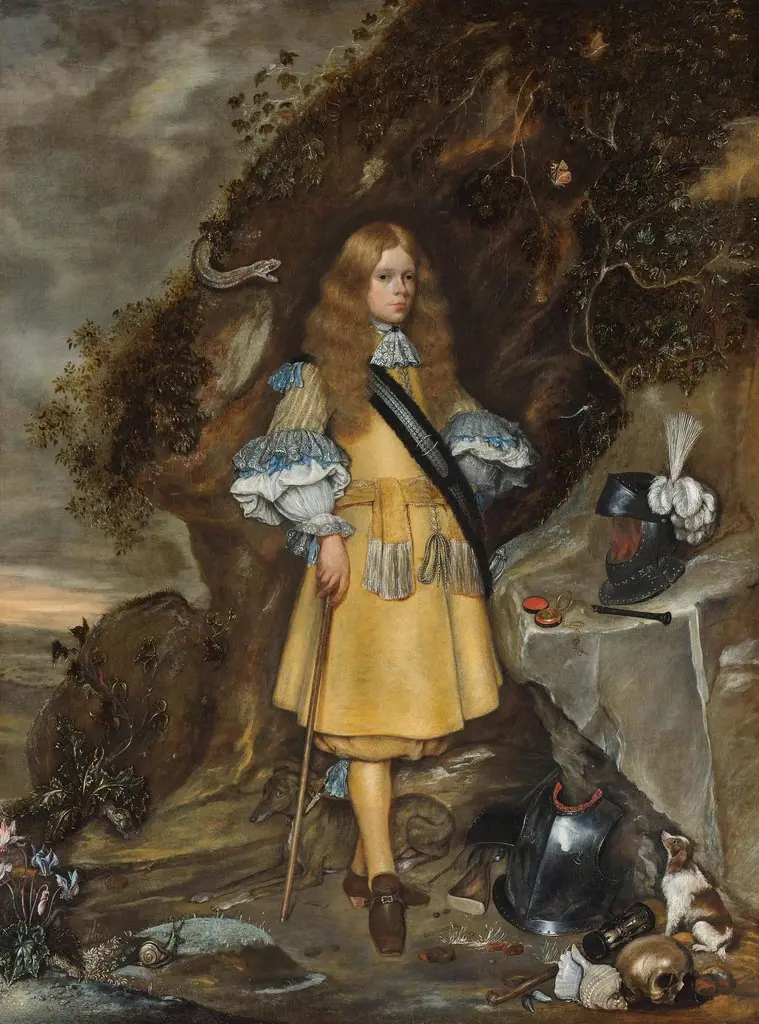 Memorial Portrait of Moses ter Borch
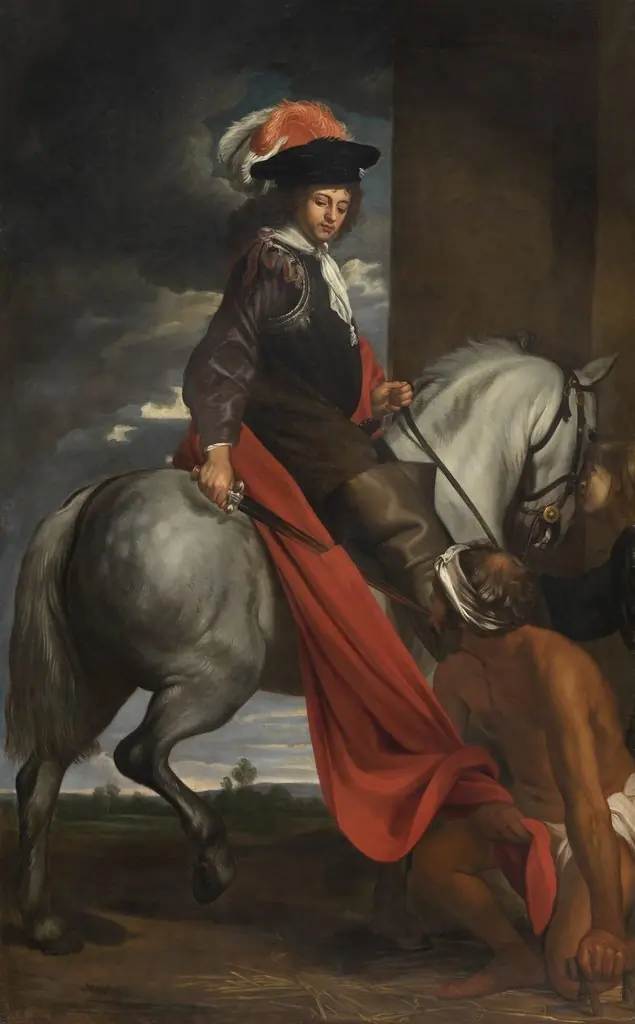 The Charity of Saint Martin
 Knight on Horseback
 Portrait of Charles I, King of the Great Britain (1600-1649)
 Ruiterportret van Maximiliaan Emmanuel van Beieren
 Portrait of John I of Castile
 Saint-Martin partageant son manteau avec un pauvre