Artwork
Portrait of Charles I, King of the Great Britain (1600-1649)
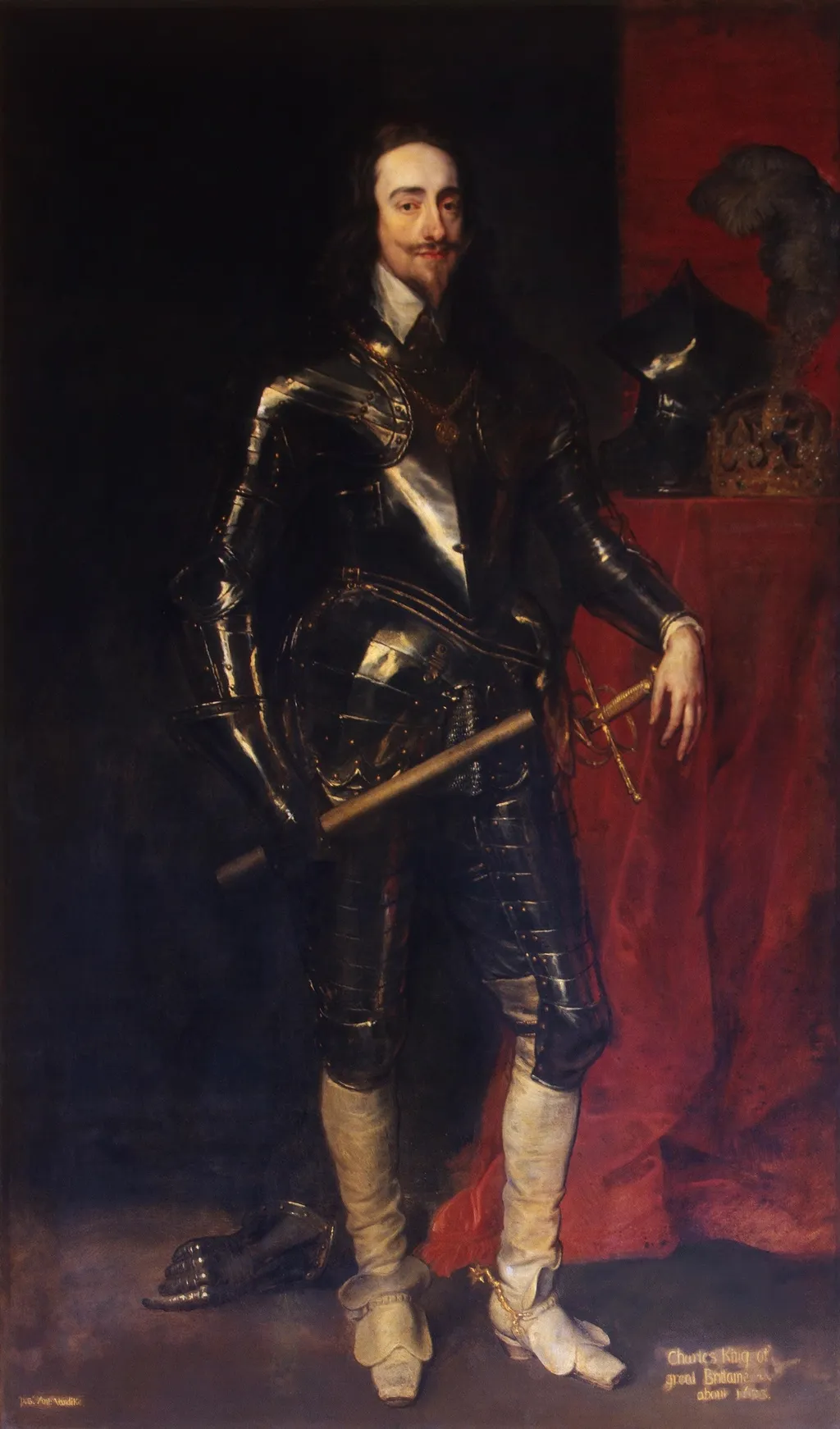
Portrait of Charles I, King of the Great Britain (1600-1649) is an oil painting by the Flemish Baroque painting artist Anthony van Dyck. It dates from 1638 and is held in the collection of the Hermitage Museum.
About this work
Subject & Meaning
The composition reinforces Charles I's dual identity as warrior and ruler, using armor and positioning to convey control and legitimacy.
The full-length oil painting shows Charles I wearing body armor, symbolizing his authority and martial role as sovereign. Van Dyck's representation emphasizes the monarch's political stature through regal attire and composed posture, reflecting the sitter's contested power during the English Civil War. The work functions as both a state portrait and a statement of divine right, aligning with contemporary ideals of kingship.
The composition reinforces Charles I's dual identity as warrior and ruler, using armor and positioning to convey control and legitimacy. This portrait, housed in the Hermitage Museum, remains a key example of Van Dyck's influence on court portraiture and the visual language of monarchy in 17th-century Britain.
Technique & Style
The portrait is executed in oil paint on canvas, a standard support for Anthony van Dyck's full-length royal commissions. The composition presents Charles I as a full-length standing figure, with the king depicted wearing body armor, a convention Van Dyck used to convey martial authority while retaining courtly elegance. The work measures 219 cm in height by 130 cm in width, a vertical format suited to the standing pose.
Stylistically, the handling reflects Van Dyck's mature Baroque portrait practice of the late 1630s, characterized by refined brushwork, a restrained palette, and a dignified bearing that became the model for British royal portraiture. The painting is held in the Hermitage Museum collection.
No specific condition reports or detailed material analyses are documented in the available sources.
History & Provenance
The work was created in 1638 for the English monarch Charles I, as indicated by its date and subject. It entered the collection of the Hermitage Museum in Saint Petersburg, where it remains on display.
The painting is an oil on canvas full-length portrait attributed to Anthony van Dyck, depicting the king in body armor.
The Portrait of Charles I, King of Great Britain painted by Anthony van Dyck in 1638 is part of the Hermitage Museum's collection in Saint Petersburg, accessioned under its standard museum inventory system. The work has been exhibited internationally as part of major retrospectives on van Dyck's career, including shows at the National Portrait Gallery in London and the Kunsthistorisches Museum in Vienna, highlighting its significance within European portraiture.
Overview
Portrait of Charles I, King of Great Britain is a 1638 oil painting by Anthony van Dyck, depicting the monarch in full body armor to emphasize royal authority.
Context
Commissioned to project power, the portrait was part of the royal court's visual propaganda, leveraging art to reinforce Charles I's authority amidst the political landscape of 17th-century England.
Legacy
This portrait contributes to Van Dyck's legacy in shaping the royal image in British art history, influencing subsequent depictions of monarchs with its blend of symbolism and Flemish Baroque techniques.
Own this work as a print
Artist & collection
Artist
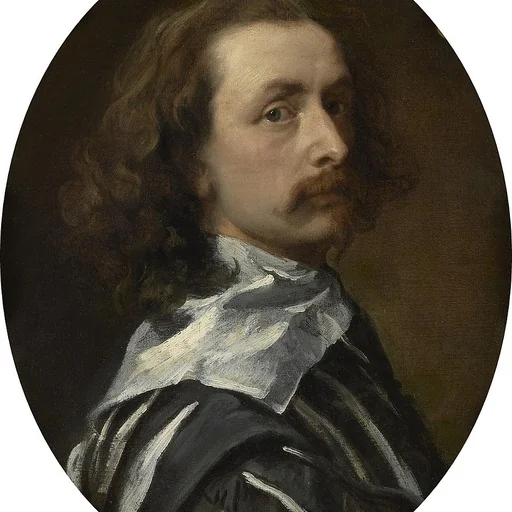
Sir Anthony van Dyck (; Dutch: Antoon van Dijck; 22 March 1599 – 9 December 1641) was a Flemish Baroque artist, who became the leading court painter in England after success in the Spanish Netherlands and Italy.

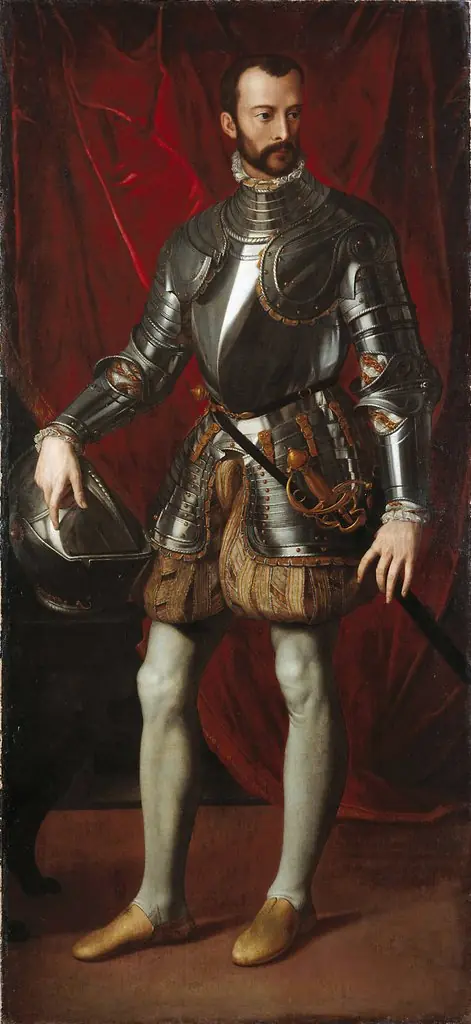 Großherzog Francesco I. (1541-1587) von Toskana
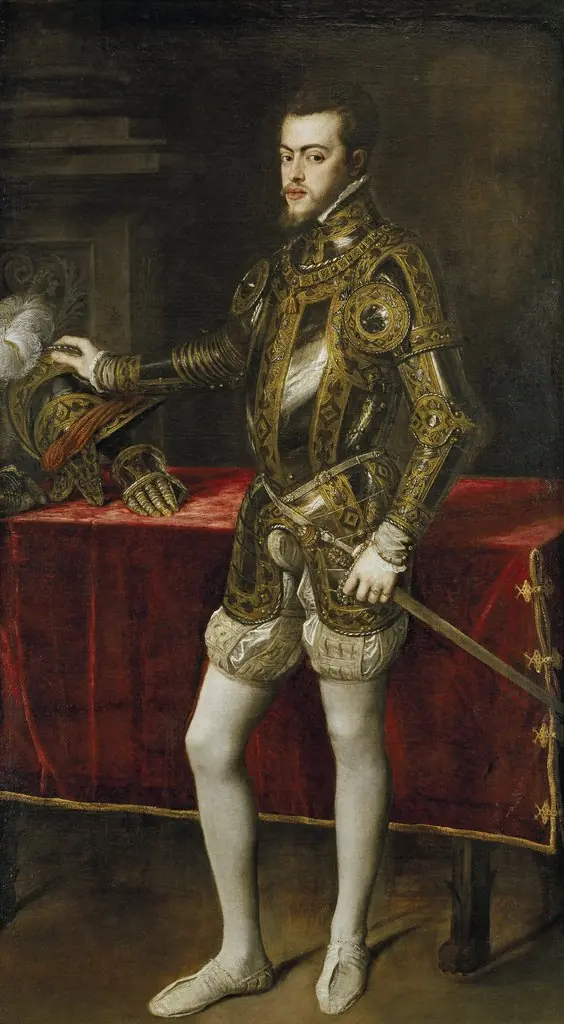 Philip II in Armour
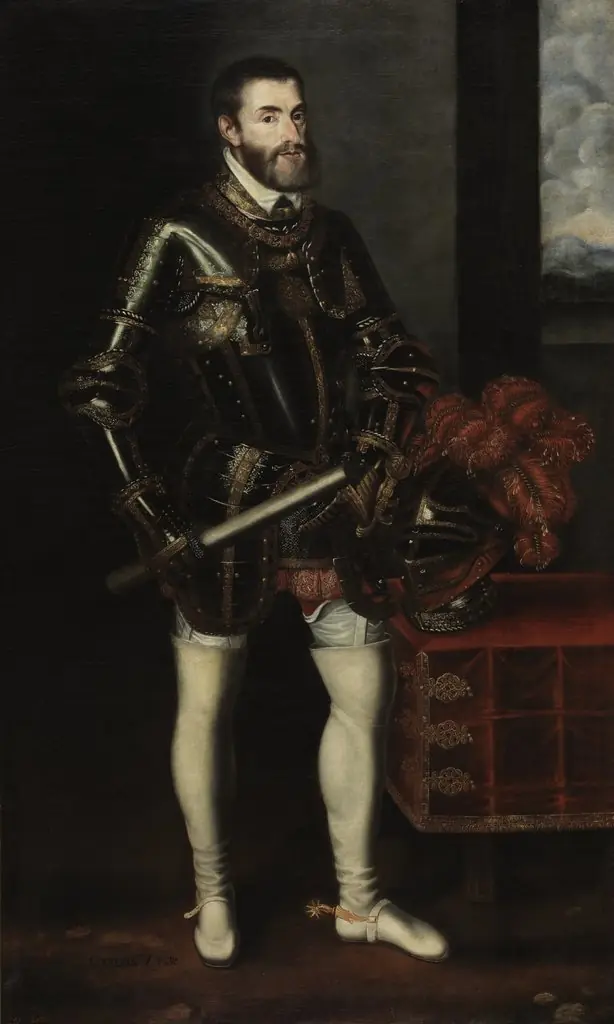 Charles V in Armour
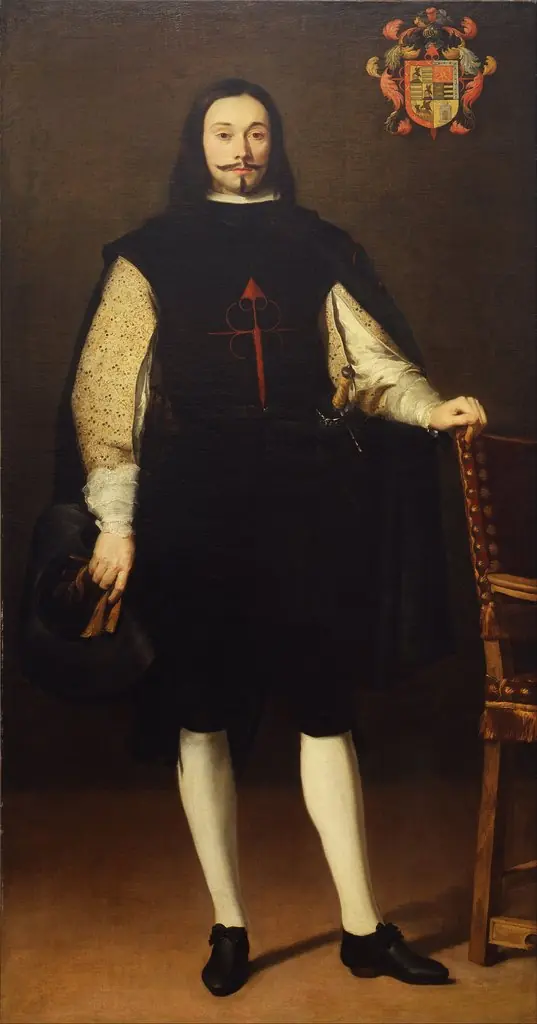 Portrait of Don Diego Felix de Esquivel y Aldama
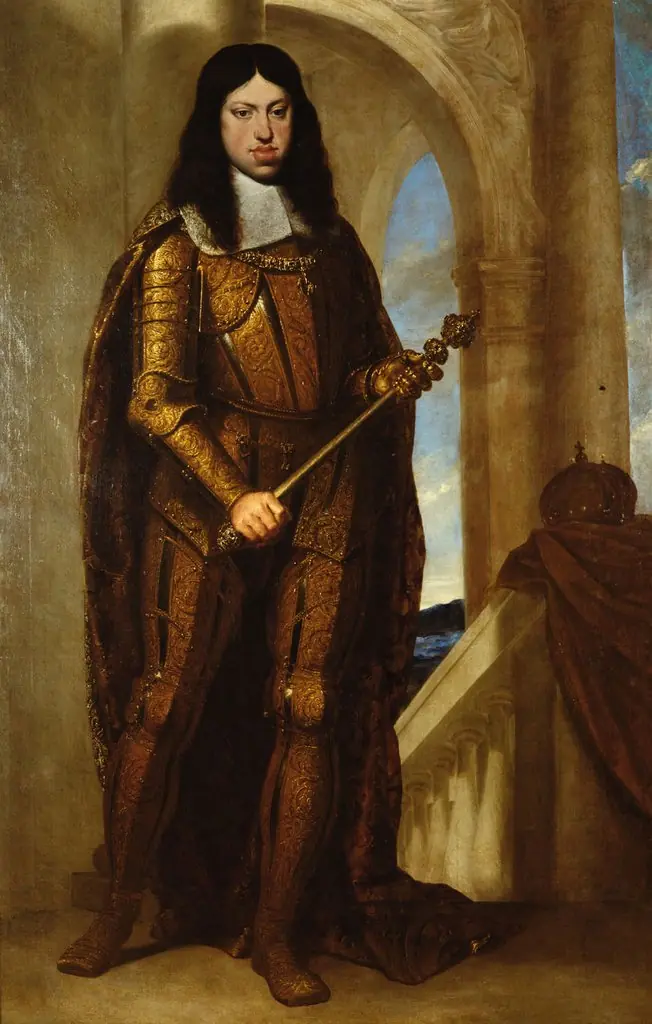 Emperor Leopold I in coronation armor
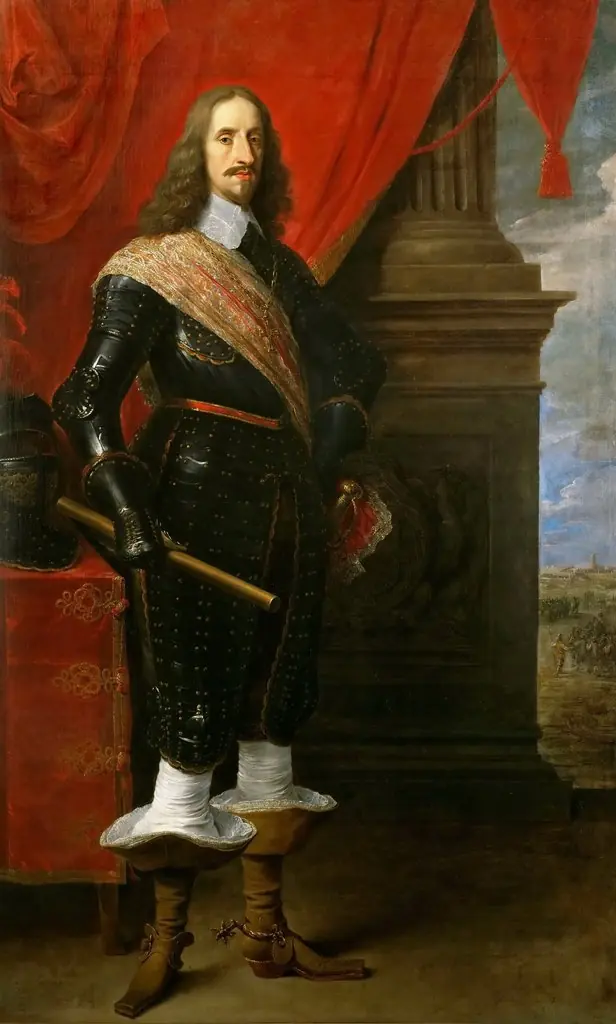 Archduke Leopold Wilhelm, with the Siege of Gravelingen in the background
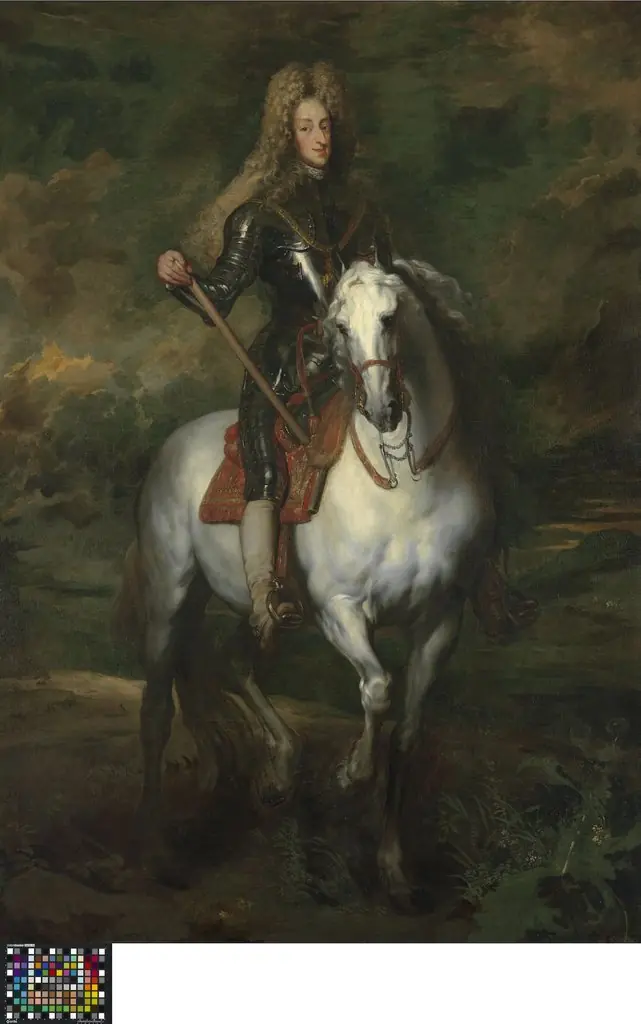 Ruiterportret van Maximiliaan Emmanuel van Beieren
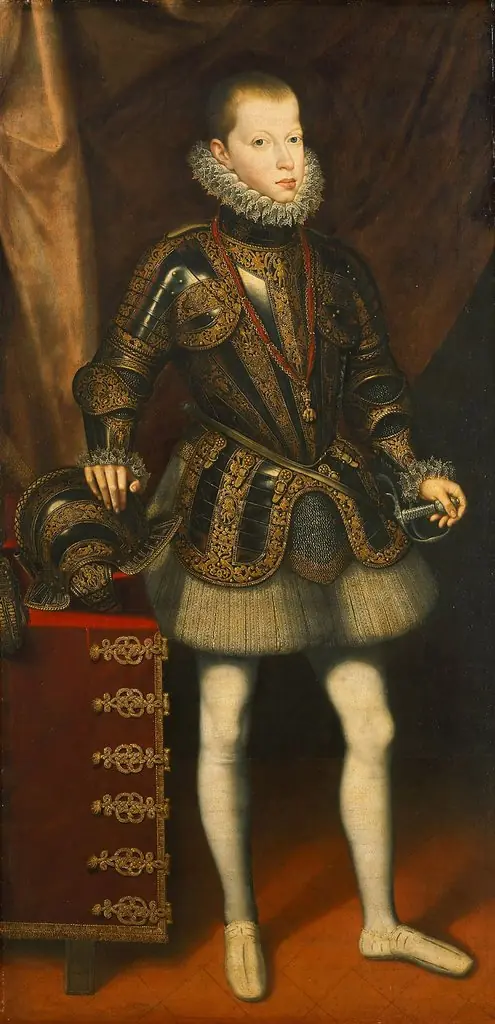 Infant Philipp in einem Harnisch
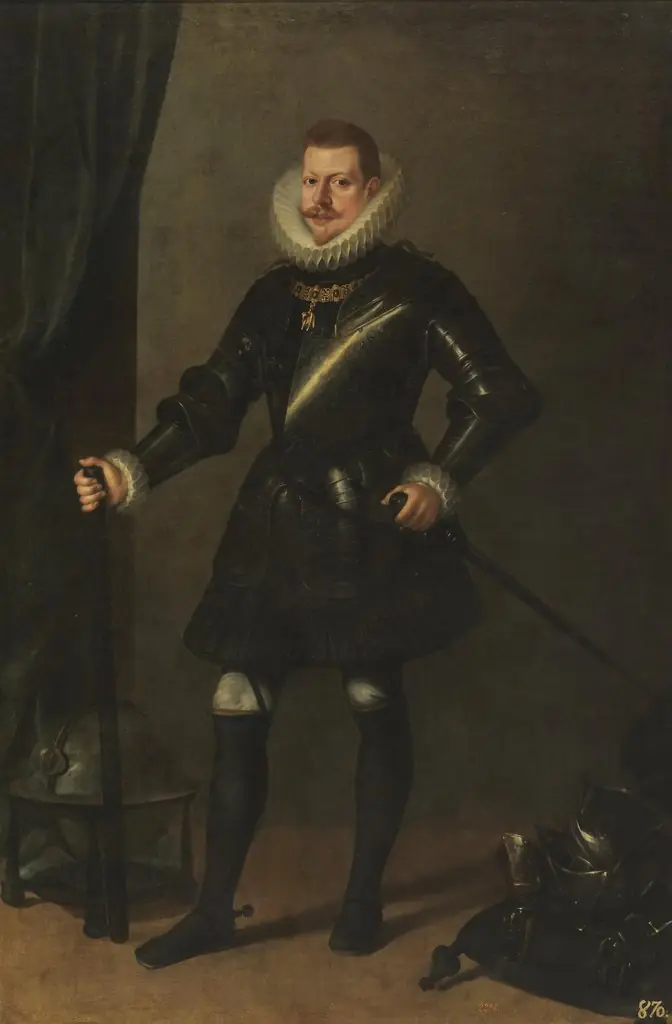 Philip III in Armour
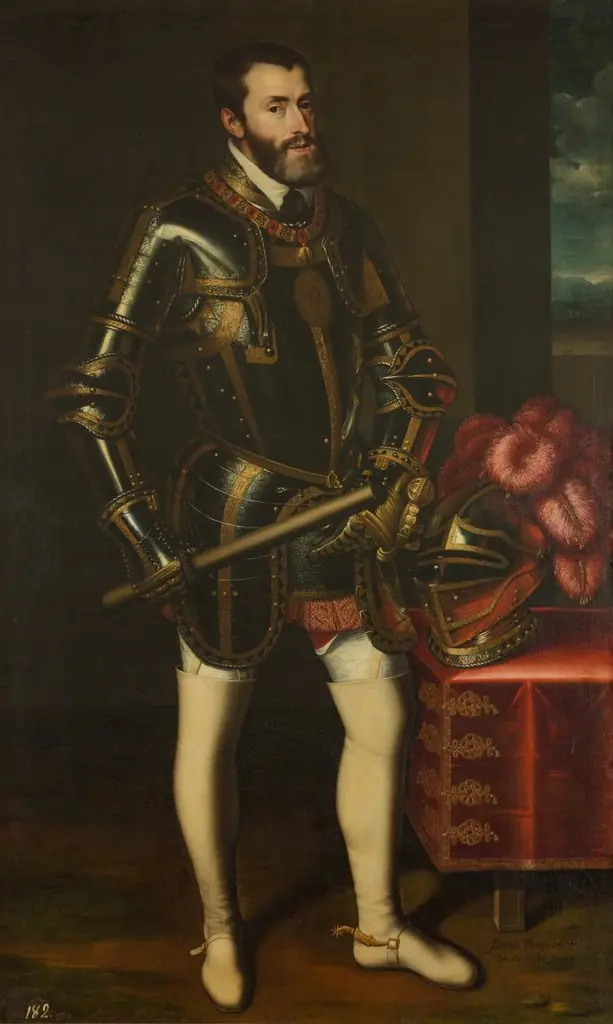 The Emperor Charles V
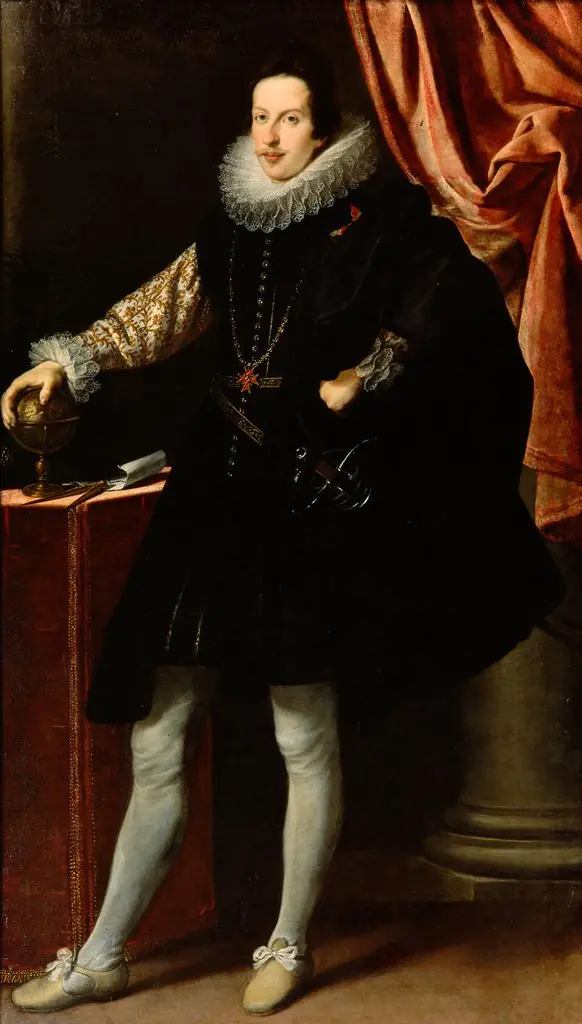 Portrait of Cosimo II de' Medici, Grand Duke of Tuscany
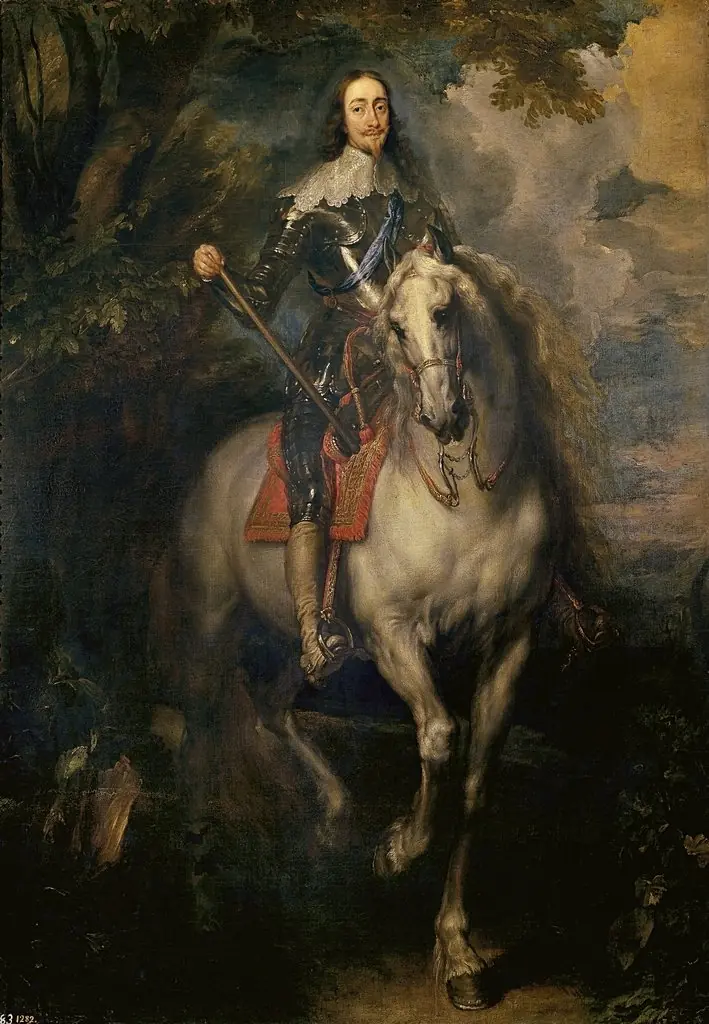
- Equestrian portrait of Charles I of England