Artwork
Peter Ivanowitz Potemkin, The Russian Ambassador
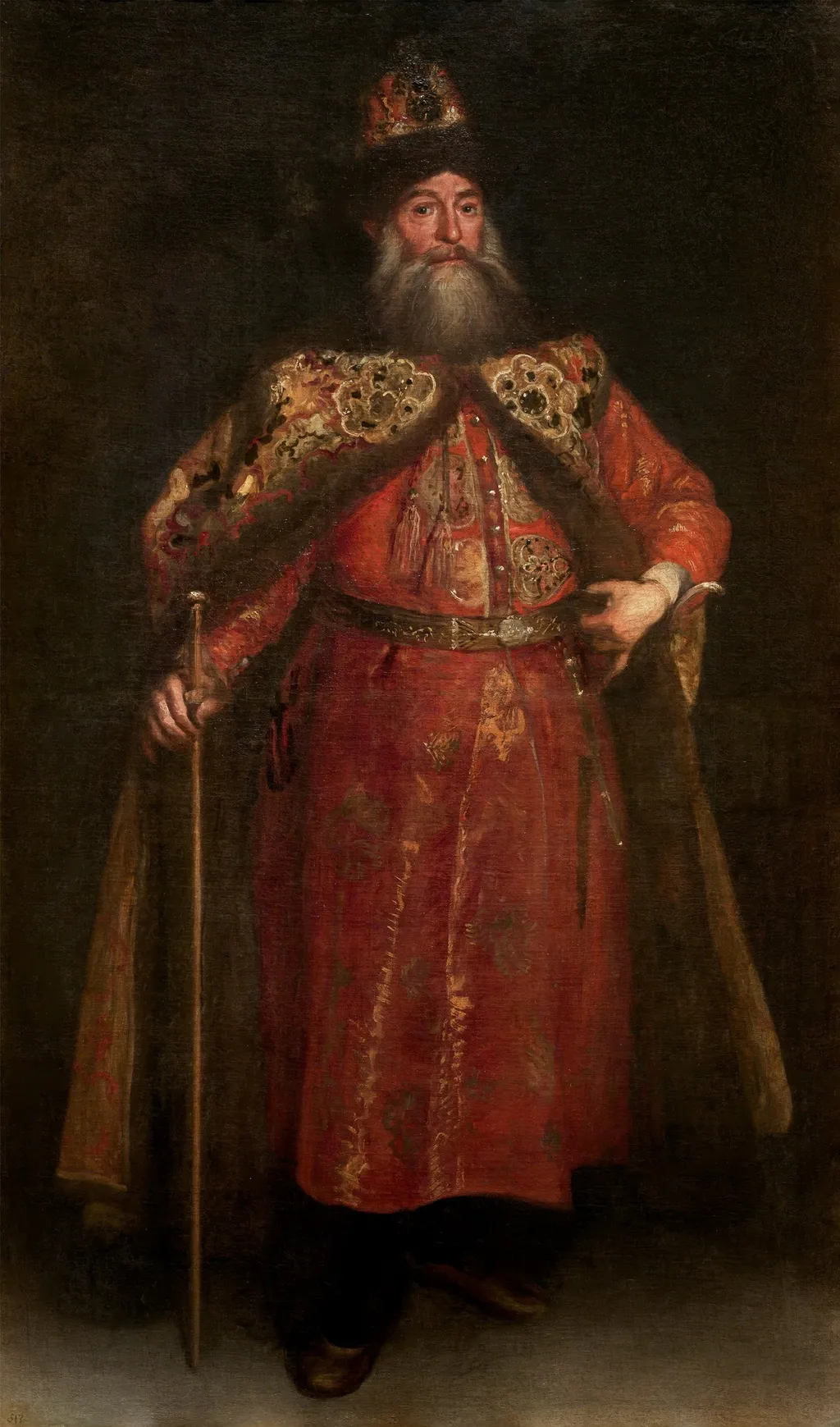
Peter Ivanowitz Potemkin, The Russian Ambassador is an oil painting by the Spanish Baroque Tenebrist artist Juan Carreño de Miranda. It is held in the collection of the Museo del Prado.
About this work
Subject & Meaning
The portrait depicts Pyotr Potemkin, identified as a Russian Ambassador, and is classified as a portrait genre work.
The portrait depicts Pyotr Potemkin, identified as a Russian Ambassador, and is classified as a portrait genre work. The composition centers on Potemkin himself as the main subject, presenting him in formal diplomatic attire. Iconographic elements include a cape, fur, embroidery, and pearls, all of which signal rank, status, and ceremonial dignity associated with an ambassadorial role.
The depiction of a civil uniform further reinforces his official capacity as a representative envoy. Together, these attributes, luxurious textiles, ornamental jewelry, and uniformed dress, function as visual markers of authority and prestige, framing the sitter as a figure of political importance rather than a private individual.
The painting, dated 1681, holds meaning as a state-style portrait that communicates the gravitas of Russian diplomatic representation abroad during the late seventeenth century, while also serving as a record of Potemkin's appearance and standing.
Technique & Style
Created in 1681, this portrait by Juan Carreño de Miranda is executed in oil paint on a canvas support. The work measures 207.2 cm in height and 122.8 cm in width. Stylistically, the painting focuses on the depiction of Pyotr Potemkin, capturing specific details of his civil uniform, which includes a cape, fur trim, embroidery, and a pearl.
The formal qualities emphasize the textures of the dress and the status of the sitter through these material representations.
History & Provenance
The portrait Peter Ivanowitz Potemkin, The Russian Ambassador by Juan Carreño de Miranda was executed in 1681, as indicated by the date inscribed in the work’s record.
The painting entered the collection of the Museo del Prado, where it is held as of the documented record, confirming its continuous institutional custody since at least the date of the museum’s authoritative documentation.
Overview
Juan Carreño de Miranda completed this oil portrait, titled Peter Ivanowitz Potemkin, The Russian Ambassador, in 1691. The painting captures the likeness of Pyotr Potemkin, a Russian diplomat, and is currently housed in the collection of the Museo del Prado. This work exemplifies the artist's skill in rendering official figures with dignity and detail.
Artist & collection

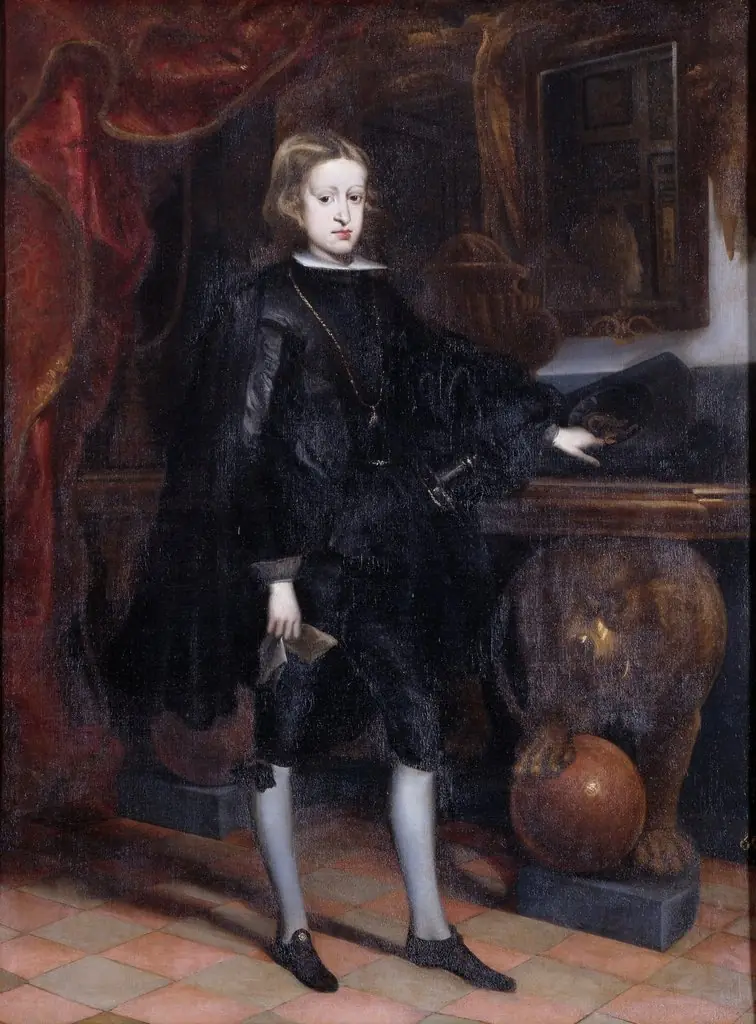
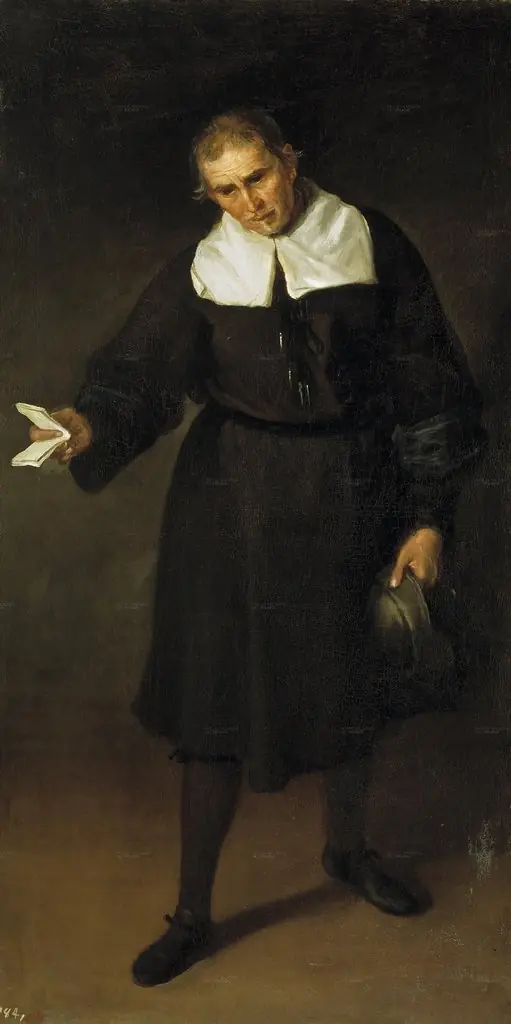
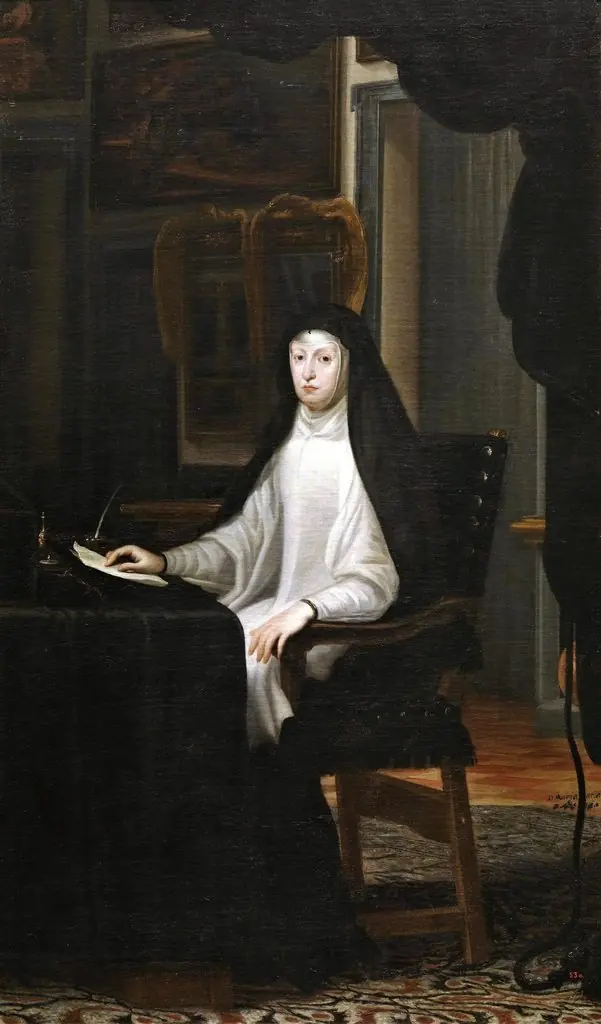
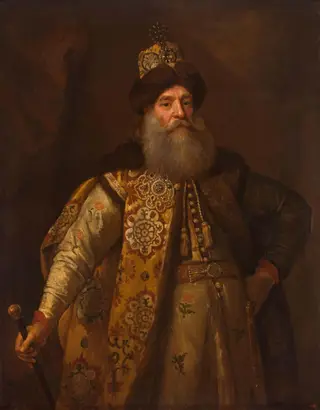
- Portrait of Piotr Potyomkin (1617-1700)
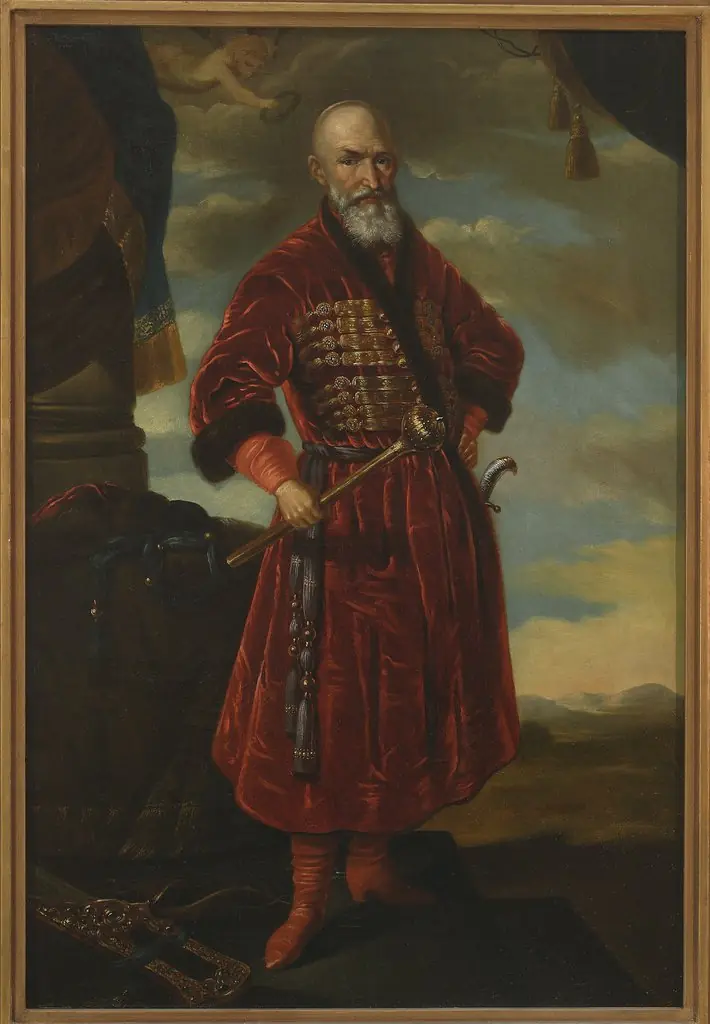 Portrait of Stefan Czarniecki (1599–1665)
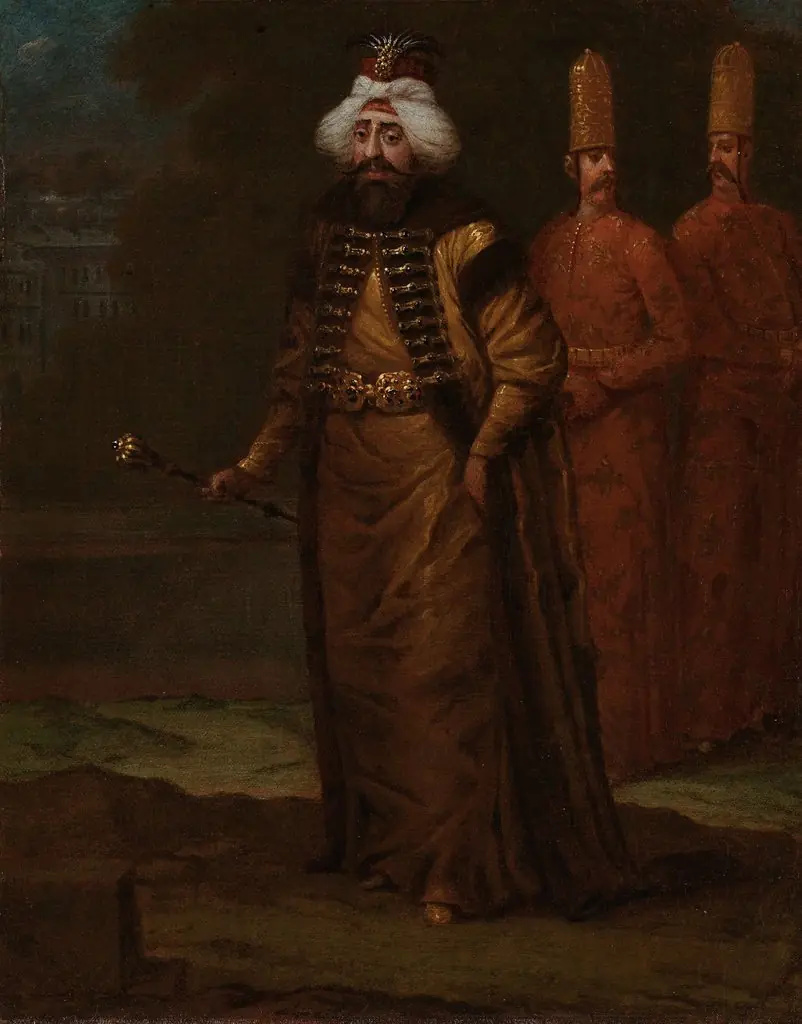 Sultan Ahmed III
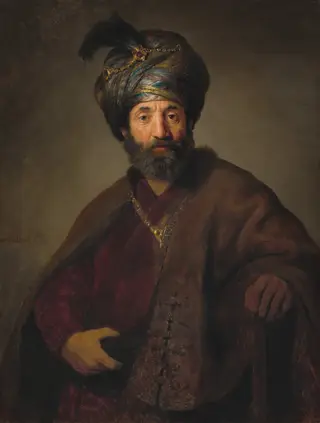 Man in Oriental Costume
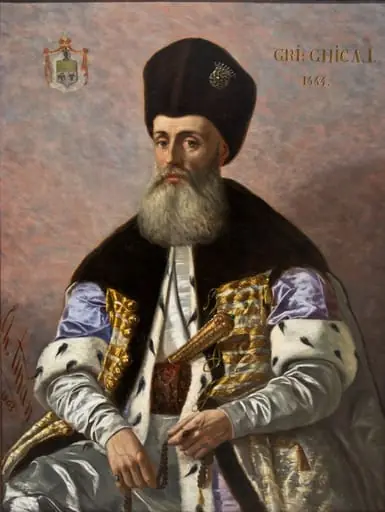 Grigore Ghica I
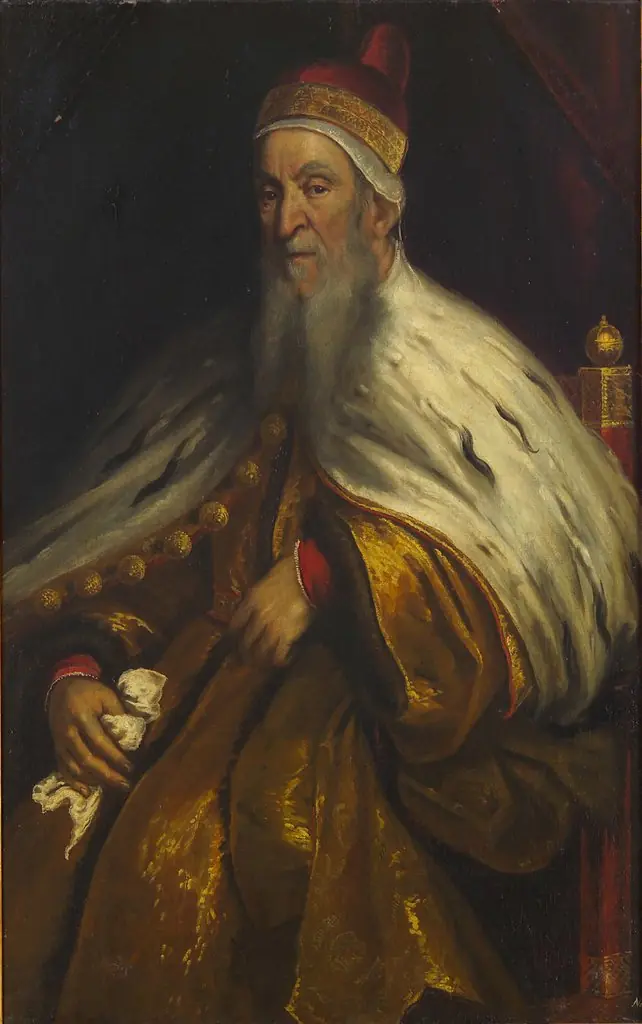 Portrait of Niccolo da Ponte (1491-1585), Doge of Venice
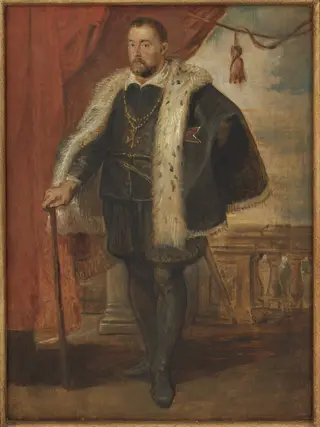 Francesco I de' Medici (1541-1587)
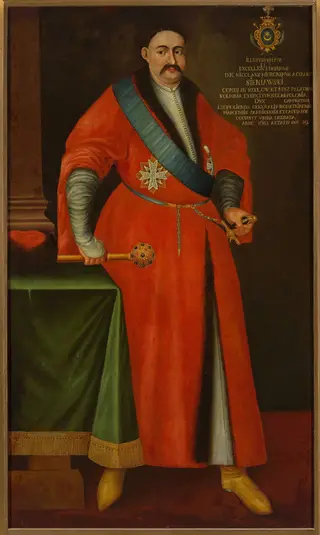 Portrait of Mikołaj Hieronim Sieniawski (d. 1683)
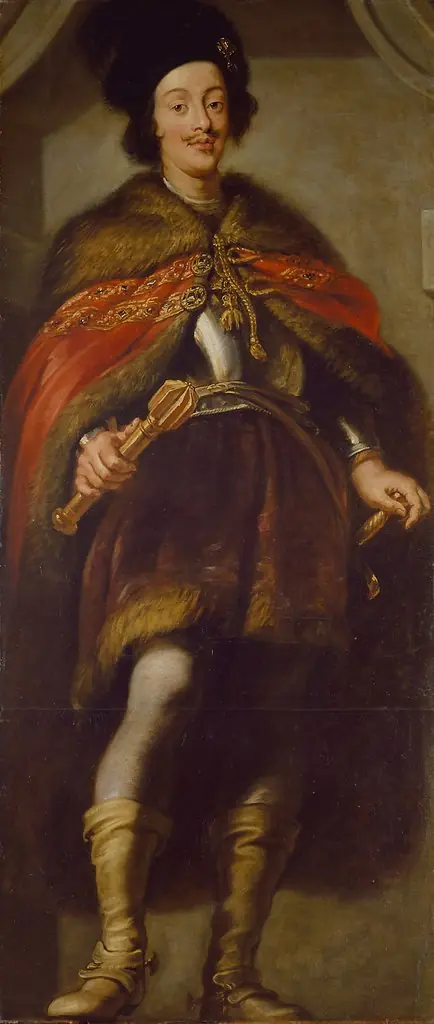 Ferdinand III of Bohemia and Hungary
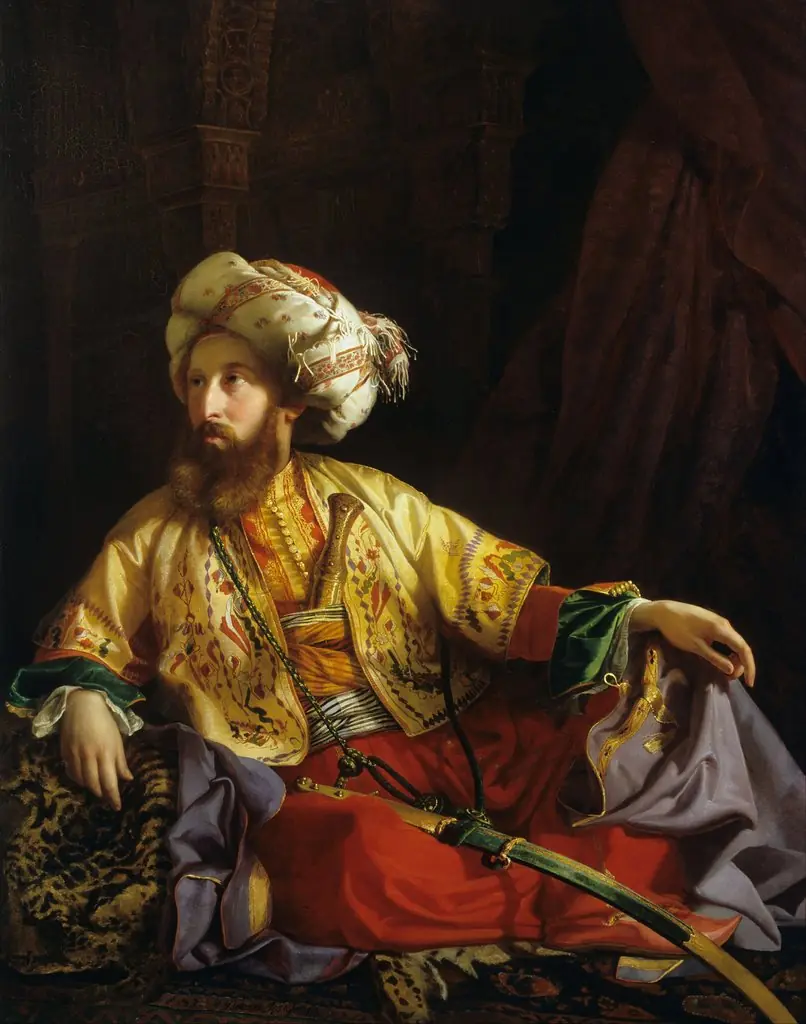 Emir of Lebanon
 King David
 Ervigio