Artwork
The Annunciation
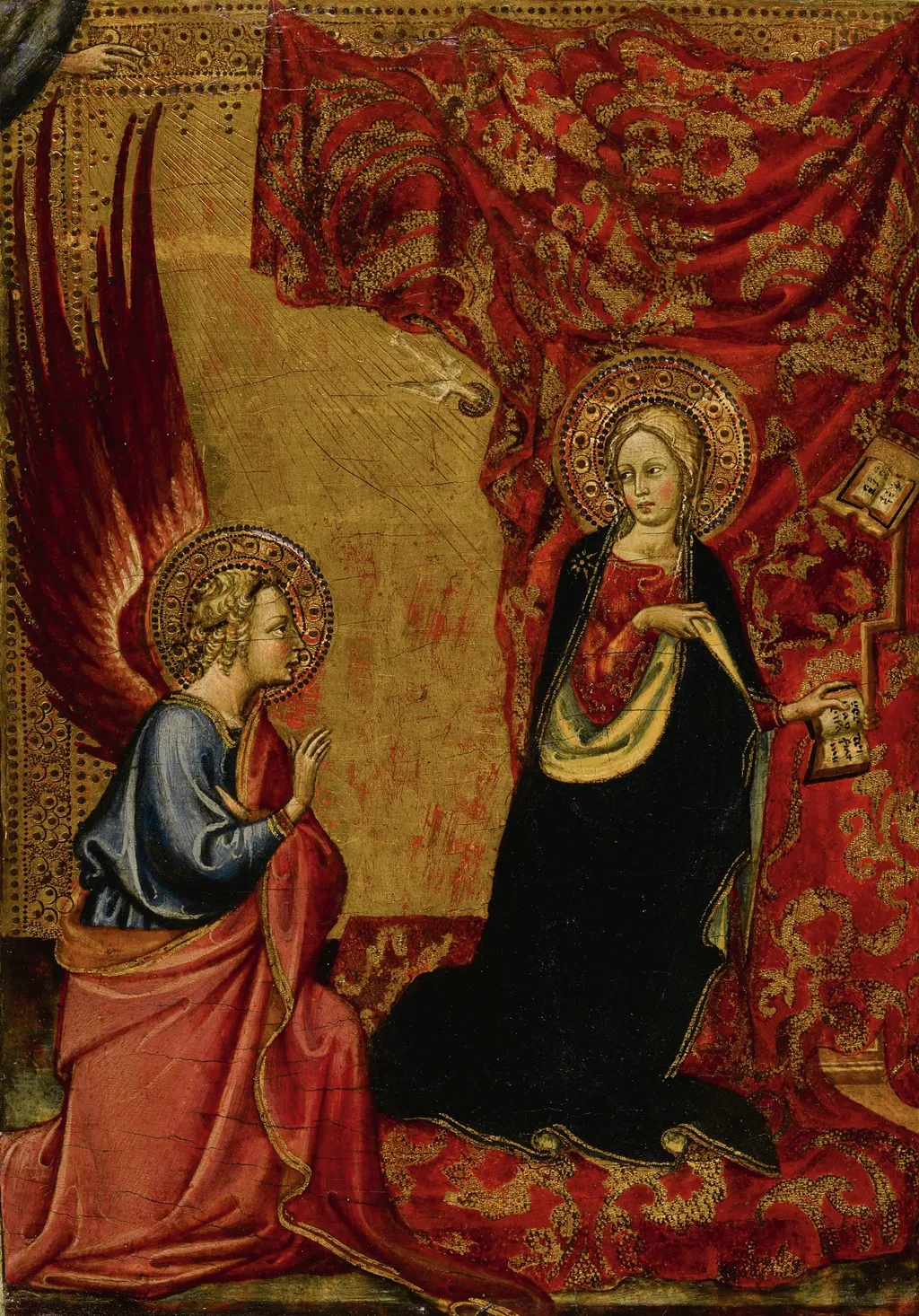
The Annunciation is a tempera painting by the Italo Byzantine artist Alvaro Pirez d'Evora. It dates from 1430 and is held in the collection of the National Museum of Ancient Art.
About this work
Overview
It resides in the National Museum of Ancient Art in Lisbon, where it remains one of the earliest surviving Portuguese panel paintings of this subject.
Painted in 1430 by Álvaro Pires de Évora, this wooden panel depicts the Annunciation, a moment from the Gospel of Luke in which the angel Gabriel announces to Mary that she will bear the Son of God. Executed in tempera and gold leaf, the work exemplifies late medieval Portuguese devotional art. It resides in the National Museum of Ancient Art in Lisbon, where it remains one of the earliest surviving Portuguese panel paintings of this subject.
Subject & Meaning
The scene captures the instant of divine revelation: Gabriel, wings outstretched and haloed, approaches Mary, who is depicted in quiet contemplation, her hands resting on an open book. The red curtain behind her suggests a sacred threshold, while the gold background evokes heavenly space. The composition emphasizes Mary’s humility and readiness to accept God’s will, aligning with theological interpretations of her role as the Theotokos, or God-bearer.
Technique & Style
The artist employed tempera paint with extensive gold leafing to create luminous surfaces and rich textures. Details such as the folds of fabric, the feathers of Gabriel’s wings, and the binding of Mary’s book are rendered with precision. Unlike later Renaissance sfumato, this work relies on sharp contours and flat planes of color, characteristic of International Gothic style, where symbolic richness outweighs spatial depth.
History & Provenance
The panel likely originated in Évora, where the artist was active, and may have been commissioned for a private chapel or religious institution. It entered the collection of the National Museum of Ancient Art in the 19th century during a broader effort to preserve Portugal’s medieval religious heritage. Its survival is notable, as many such panels were lost to iconoclasm or decay.
Context
Created during the height of Portuguese Gothic art, the painting reflects the influence of Flemish and French devotional imagery circulating in Iberia. While not part of a larger altarpiece, its scale and ornamentation suggest it was intended for personal or monastic devotion. The use of gold and red, colors associated with divinity and royalty, underscores its liturgical function in a society deeply immersed in Catholic ritual.
Legacy
As one of the few signed and dated Portuguese panel paintings from the early 15th century, it serves as a key reference for understanding the development of religious art in the region. Its stylistic conservatism highlights the slower adoption of Italian Renaissance innovations in Portugal. Scholars continue to study its iconography and material techniques to trace the transmission of artistic models across medieval Europe.
Own this work as a print
Artist & collection
Artist
Alvaro Pirez d'Évora, also recorded as Alvaro di Piero or Álvaro Pires, was born in Évora, Portugal, before 1411 and died after 1434.

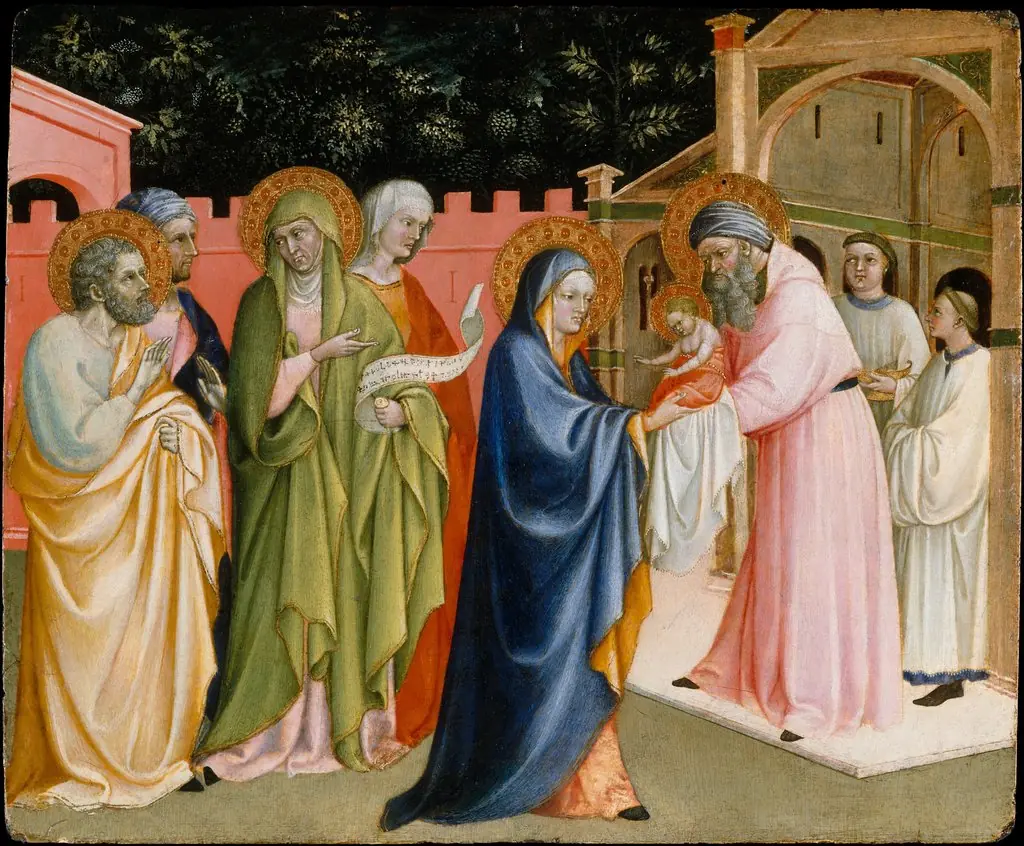
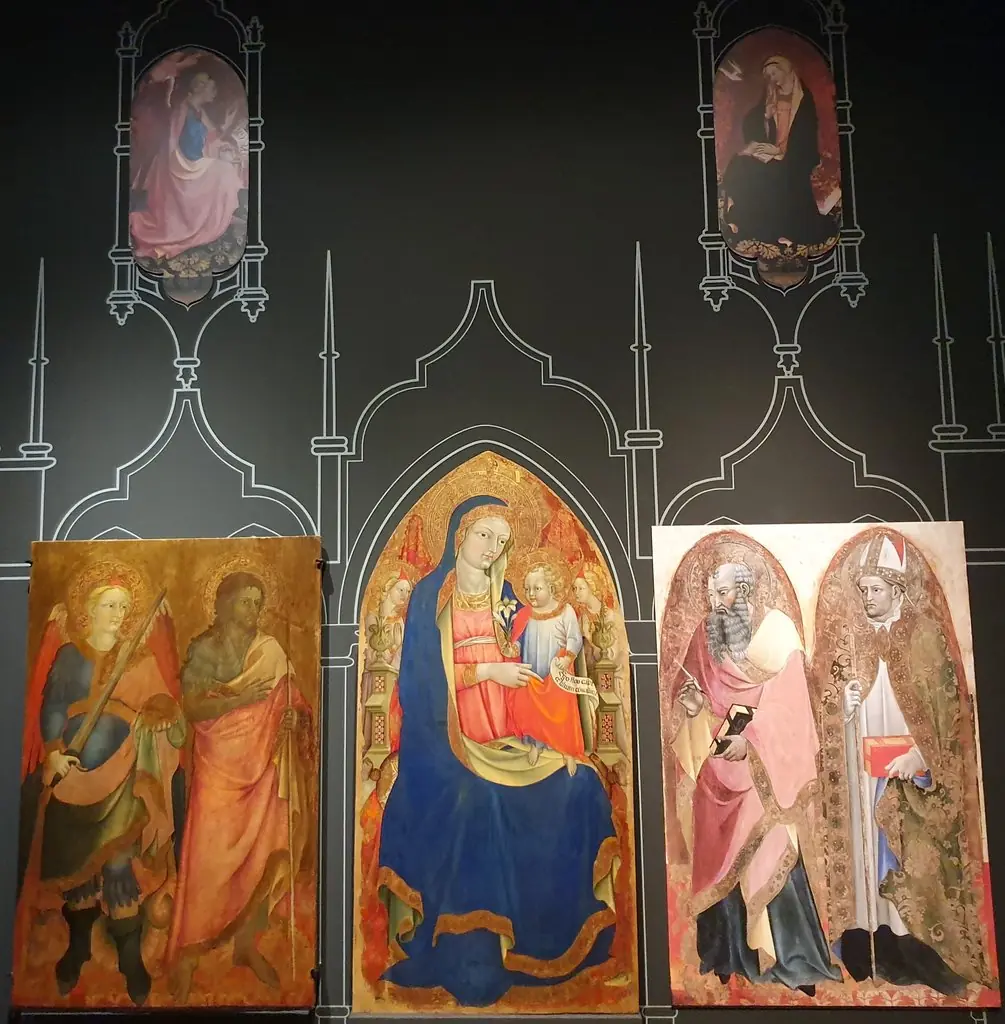
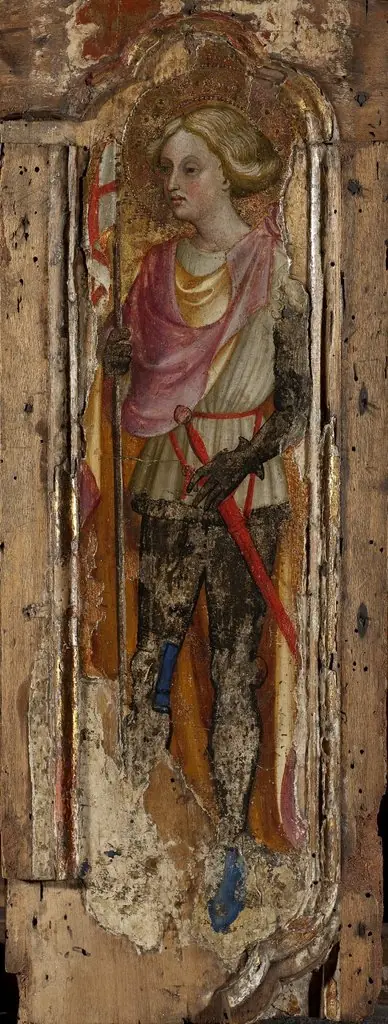
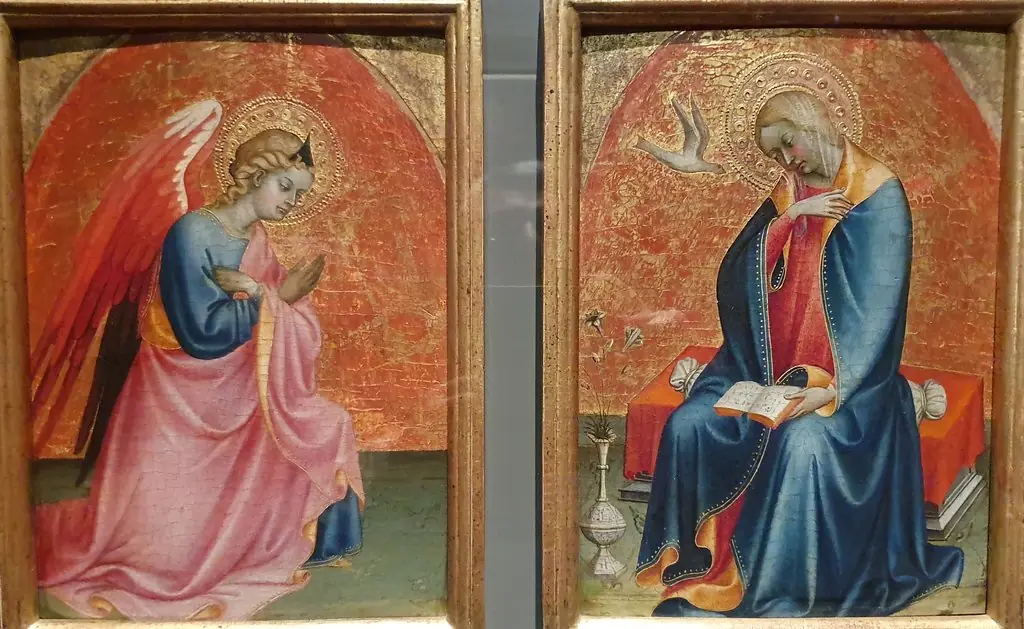
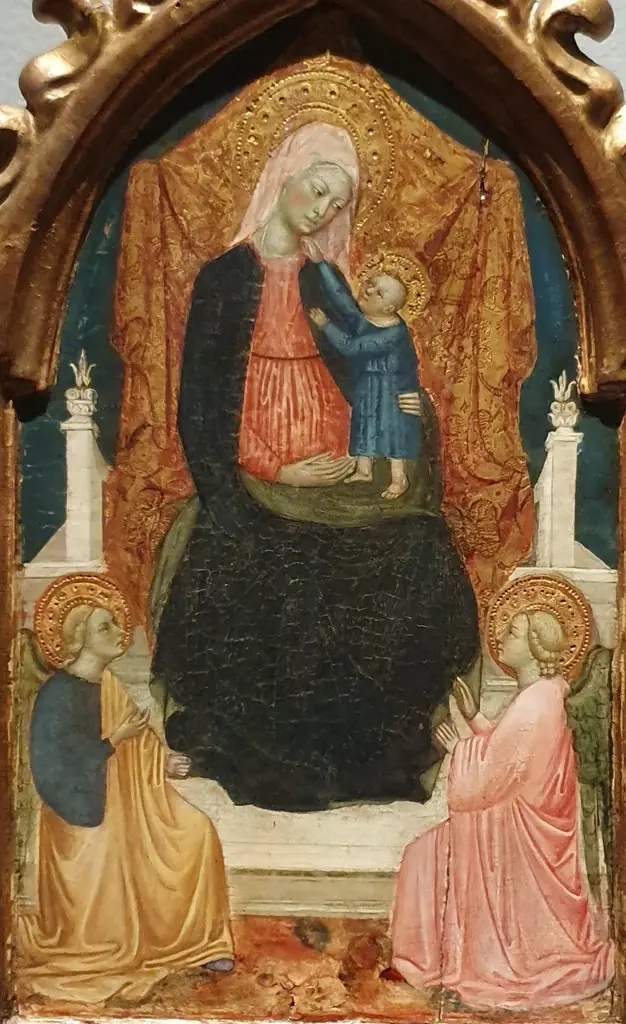
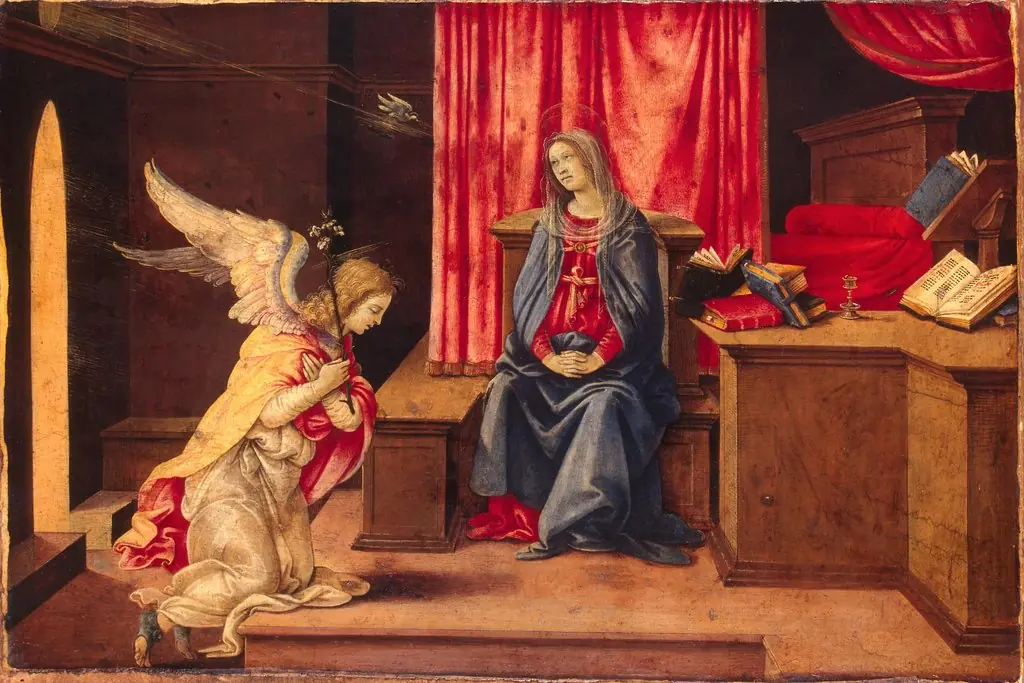
- The Annunciation
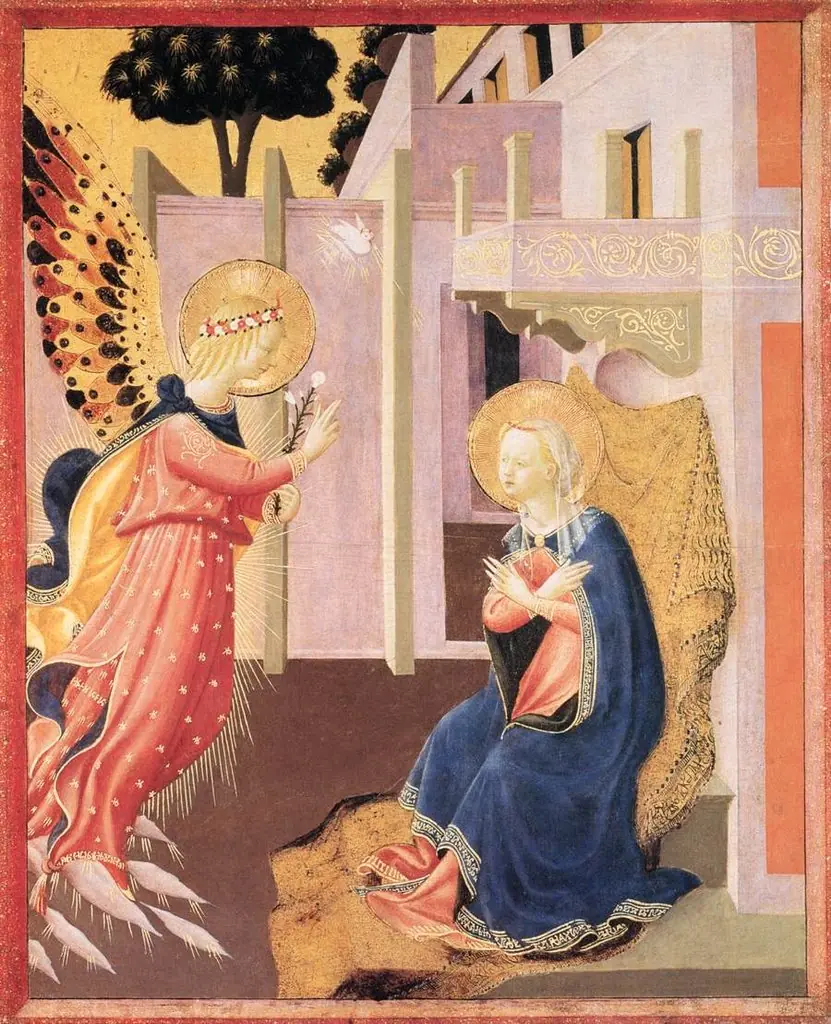 The Annunciation
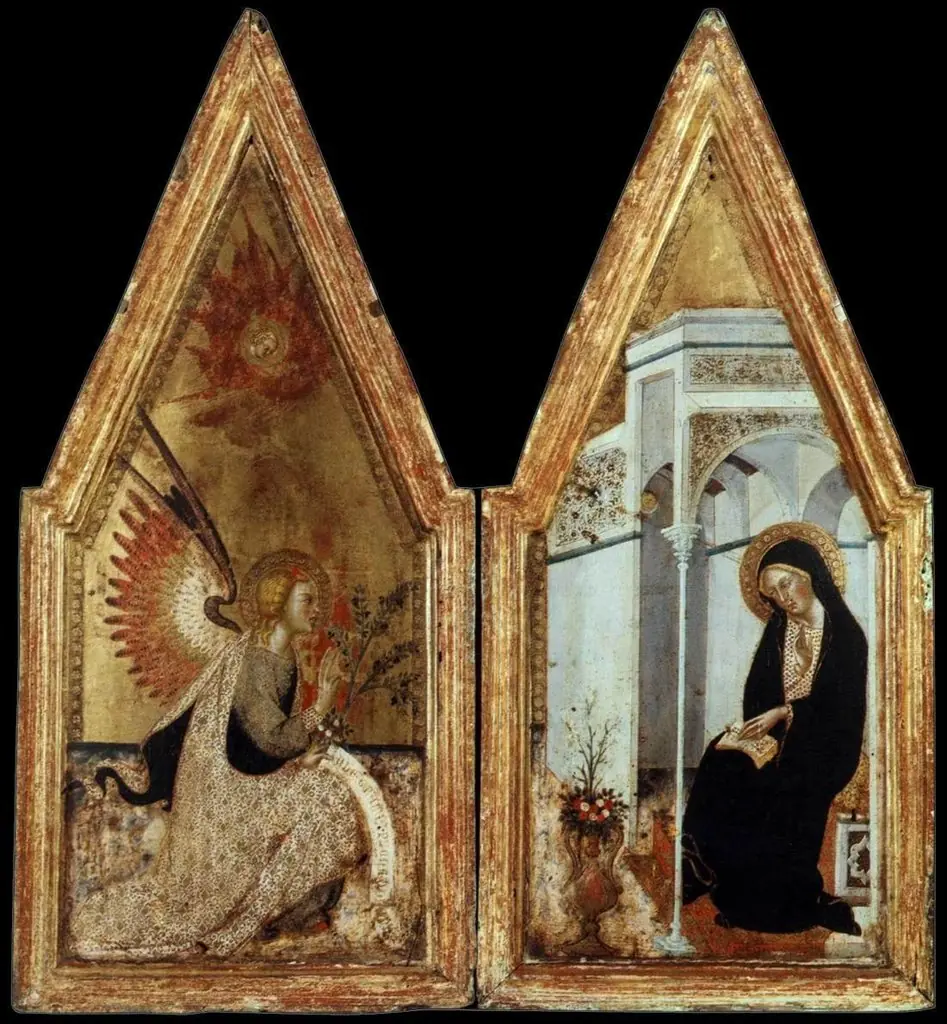 The Annunciation
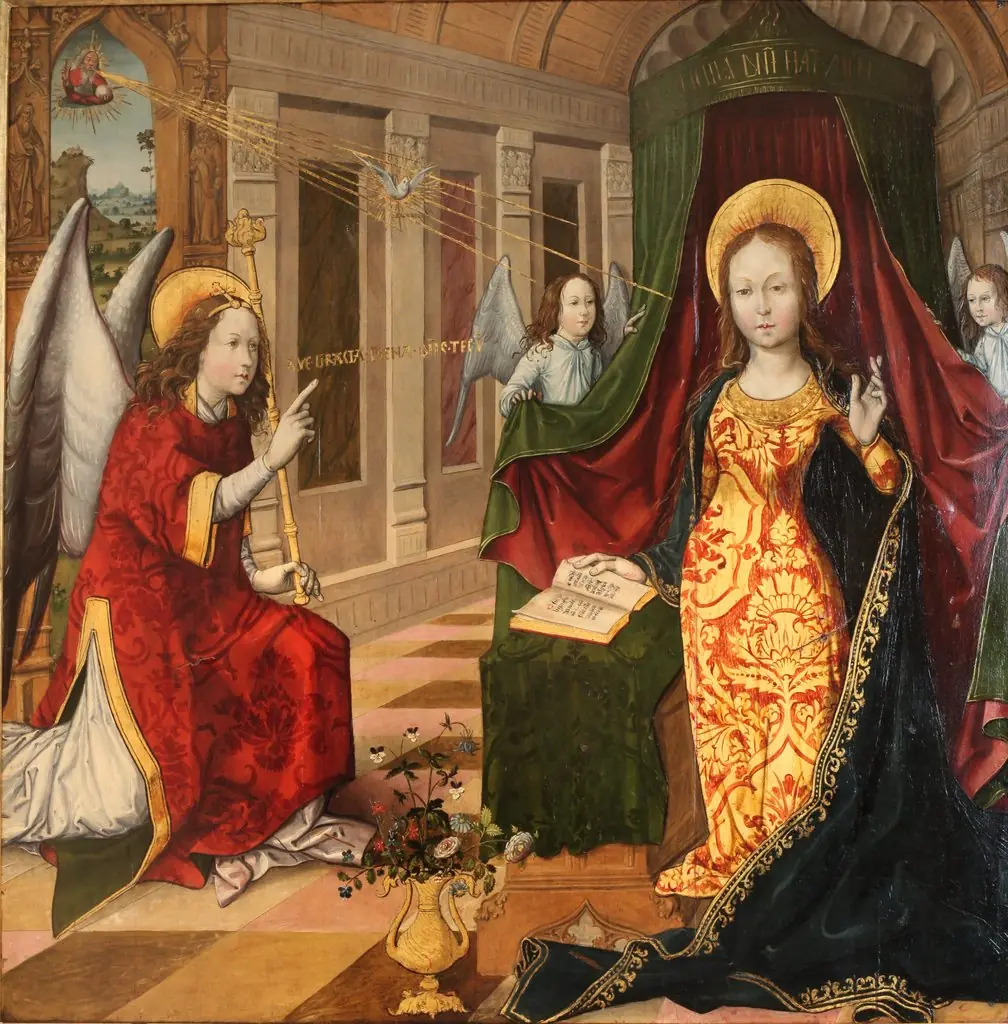 L'Annonciation
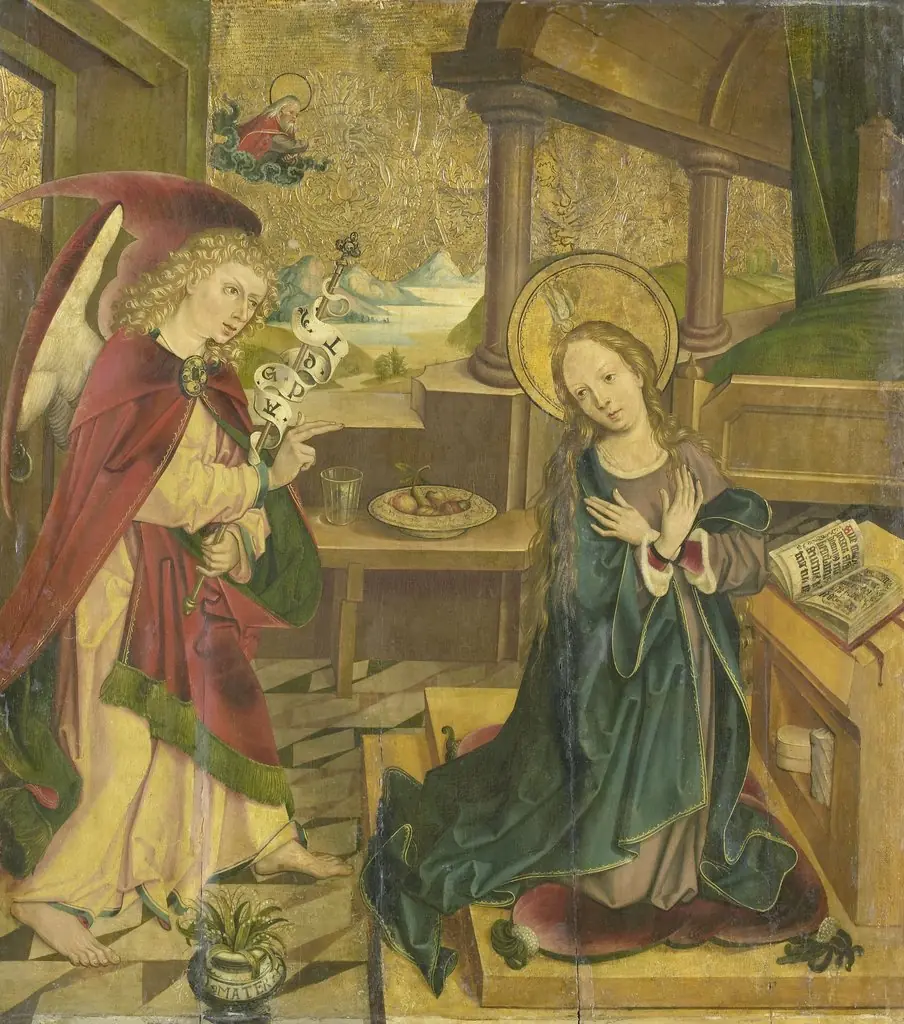 Annunciation to the Virgin
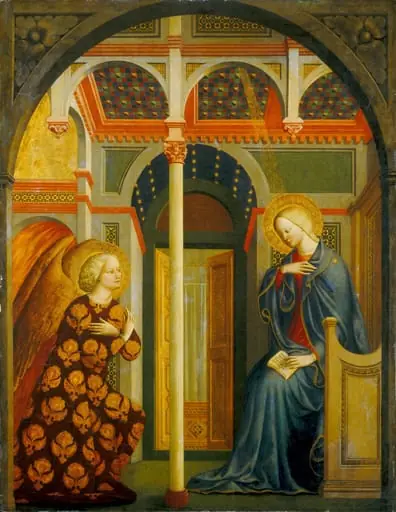 The Annunciation
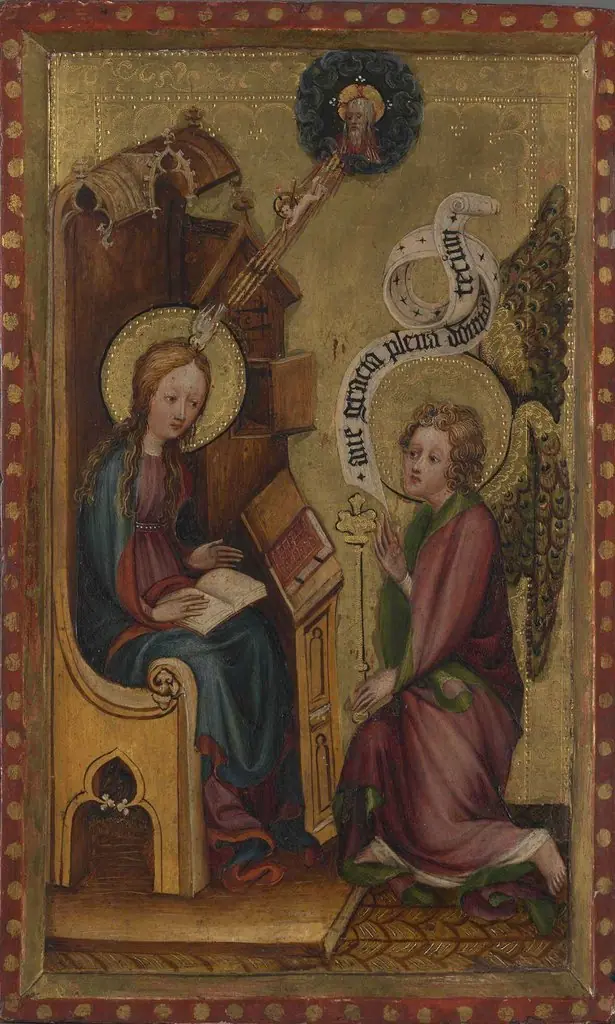 Die Verkündigung an Maria Rückseite: Teil einer Anbetung der Könige
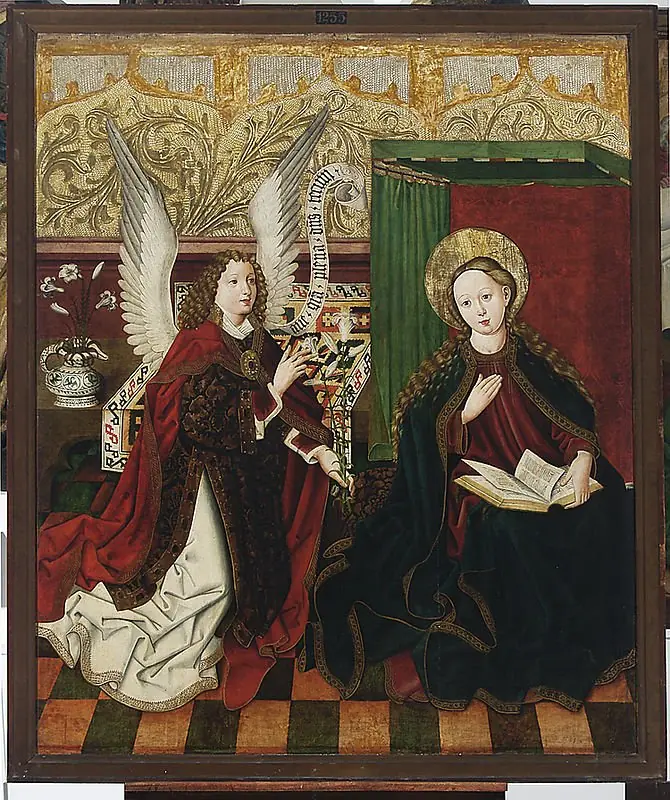 Legnica polyptych - left wing internal - upper panel - obverse: Annunciation; reverse: St Lawrence, St Vincent the Levite. St John the Baptist
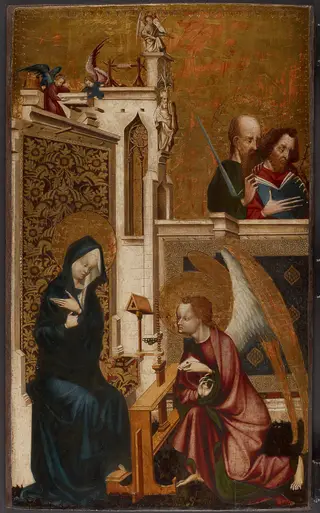 Verkündigung Mariae, Rückseite: Hl. Dorothea
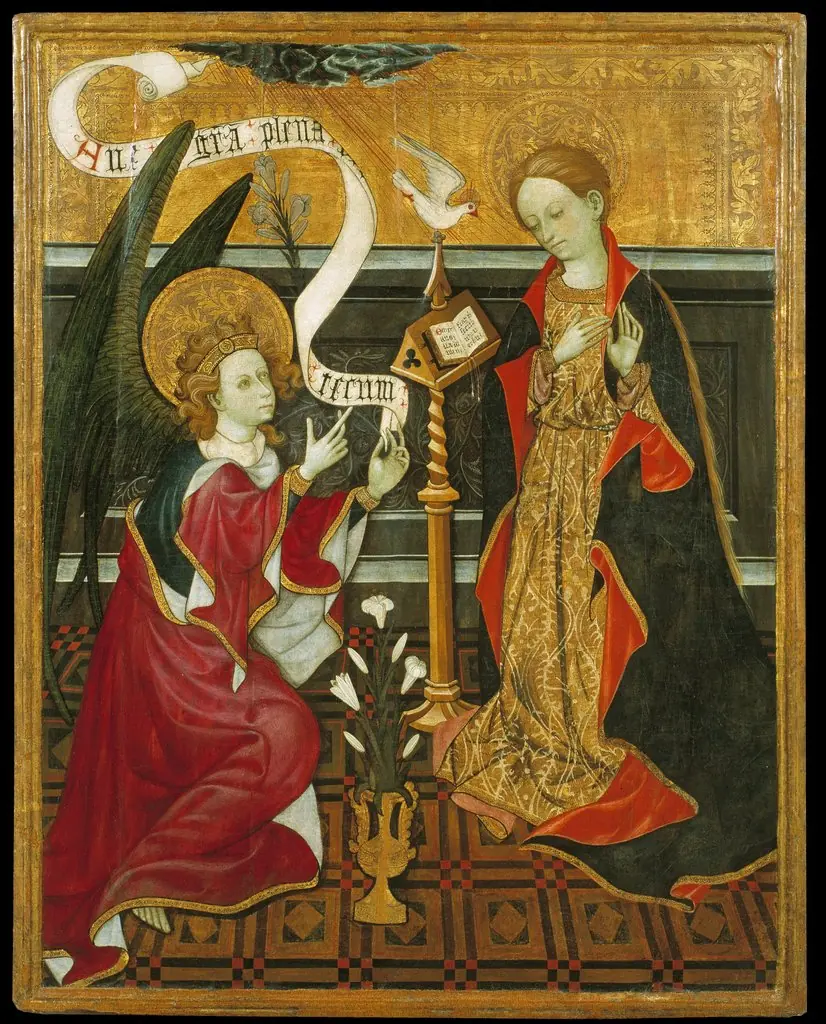 Annunciation
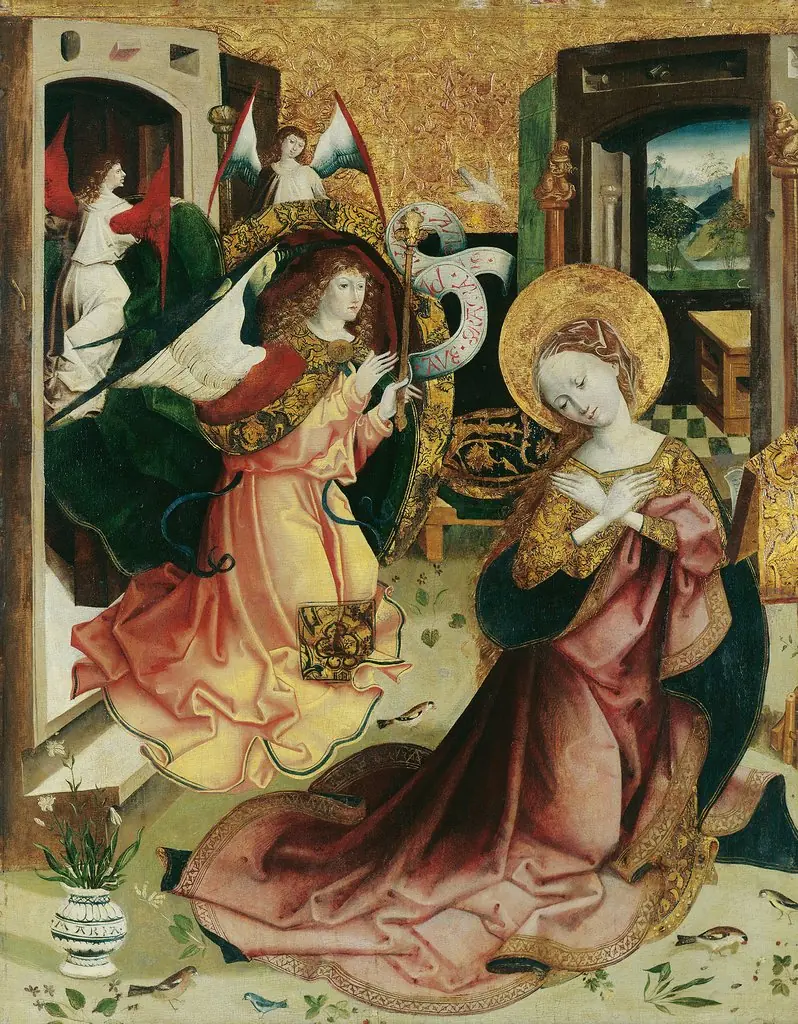 Verkündigung an Maria
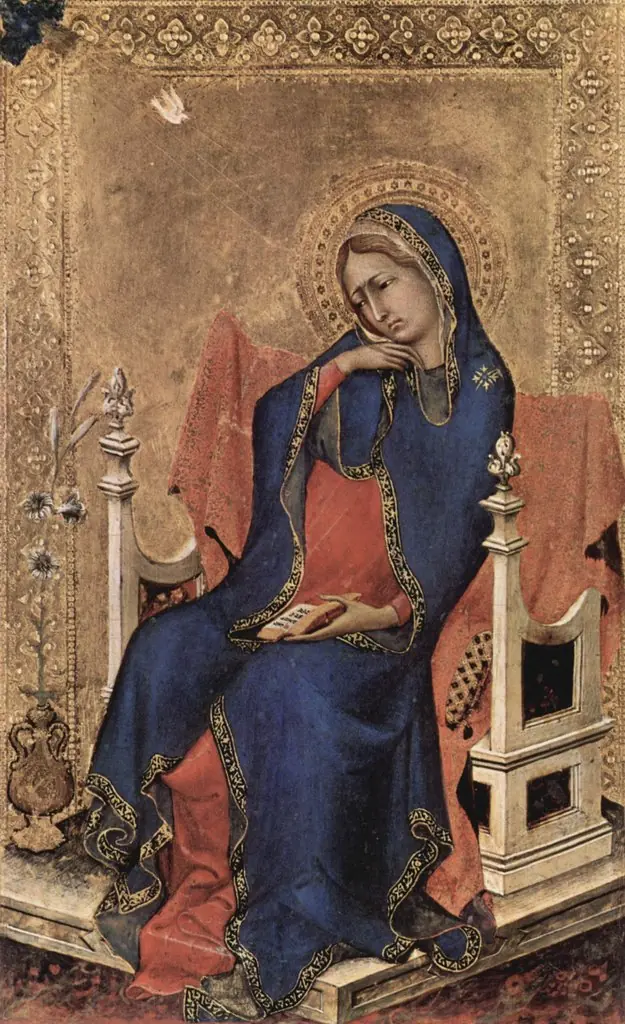 Virgin of the Annunciation