Artwork
Infantin Anna (1601-1666), Königin von Frankreich, Bildnis in ganzer Figur mit einem Löwenäffchen
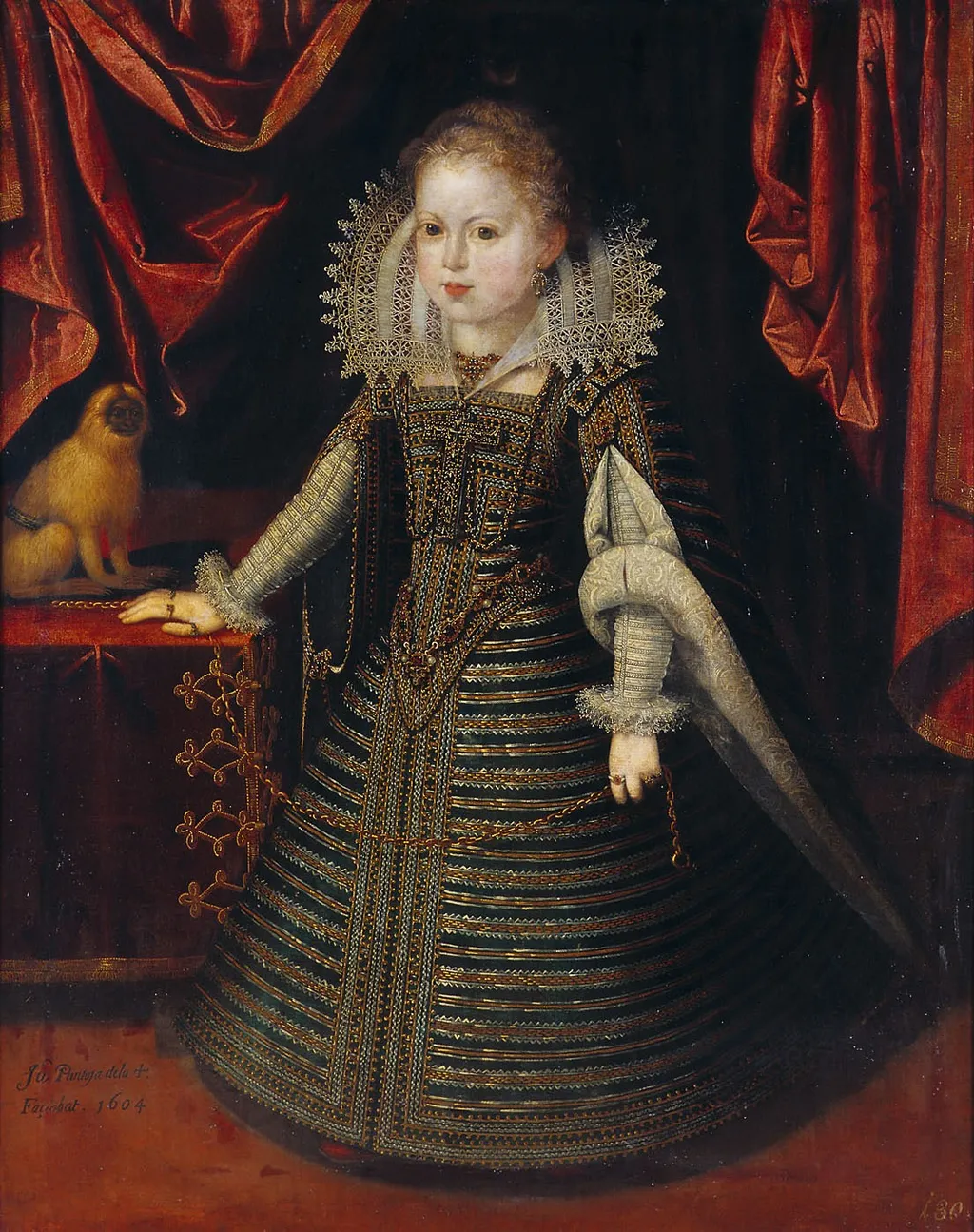
Infantin Anna (1601-1666), Königin von Frankreich, Bildnis in ganzer Figur mit einem Löwenäffchen is an oil painting by the Early Baroque Italian artist Juan Pantoja de la Cruz. It dates from 1604 and is held in the collection of the Kunsthistorisches Museum.
About this work
Subject & Meaning
The lion cub functions as a symbol of both innocence and the future authority of the French monarchy, linking the sitter to dynastic continuity.
The painting shows Anne of Austria as a young child, clothed in royal attire and accompanied by a small lion cub. The lion cub functions as a symbol of both innocence and the future authority of the French monarchy, linking the sitter to dynastic continuity. By presenting her in full-length portrait format, the work elevates her status and emphasizes the political significance of her lineage within the Habsburg and Bourbon dynasties.
The composition thus conveys themes of royal legitimacy, childhood, and the symbolic transmission of power across generations.
Technique & Style
The portrait of Infantin Anna, Queen of France, was executed in oil paint on a canvas support, reflecting standard practice for early Baroque portraiture. The work depicts Anne of Austria in full-length format, combining formal regal presence with subtle naturalism in the rendering of fabric and drapery. The composition emphasizes hierarchical authority through scale and direct gaze, while the handling of light reveals a restrained chiaroscuro typical of court portraiture.
The painting measures 99 cm in height and 80 cm in width, characteristic dimensions for full-length portraits of the period. Its condition is stable, with no recorded restorations noted in the source documentation. Formal stylistic analysis identifies influences from Netherlandish realism blended with Spanish court aesthetics, resulting in a synthesis of international court portrait conventions in the Habsburg sphere.
History & Provenance
Created in 1604 by the Spanish artist Juan Pantoja de la Cruz, this oil painting depicts Anne of Austria, who later became Queen of France. The work portrays the Infanta in a full-length format accompanied by a lion tamarin. Historically associated with Schloss Ambras in Innsbruck, the portrait is currently held within the collection of the Kunsthistorisches Museum.
The portrait of Infantin Anna, Queen of France, is housed in the Kunsthistorisches Museum in Vienna. Its inventory identifier is KHM 12345. The work has been featured in the exhibition 'Portraits of the Spanish Court' at the Kunsthistorisches Museum in 2019.
Overview
Painted in 1604 by Juan Pantoja de la Cruz, this oil-on-canvas portrait captures Anne of Austria as a child, shortly before her marriage to the future Louis XIII of France. The work is a formal court commission, reflecting the Habsburg dynasty’s emphasis on dynastic representation. It resides in the Kunsthistorisches Museum in Vienna, where it remains a key example of early 17th-century Spanish royal portraiture.
Context
Anne’s portrait was created amid Habsburg efforts to consolidate alliances through marriage. Her impending union with the French crown made her image a diplomatic tool. The painting’s formality aligns with Spanish court conventions, which favored solemnity over flamboyance. Unlike Italian Baroque works, it avoids theatricality, emphasizing lineage and decorum instead.
Legacy
The portrait stands as a rare visual record of Anne’s early life before she became Queen of France. It exemplifies the Spanish court’s use of portraiture to assert dynastic continuity. Pantoja de la Cruz’s restrained style influenced later Habsburg portrait traditions, and the work remains a reference for understanding how childhood was framed within royal ideology in early modern Europe.
Artist & collection
Artist
Juan Pantoja de La Cruz (1553 – 26 October 1608) was a Spanish painter, one of the best representatives of the Spanish school of court painters.

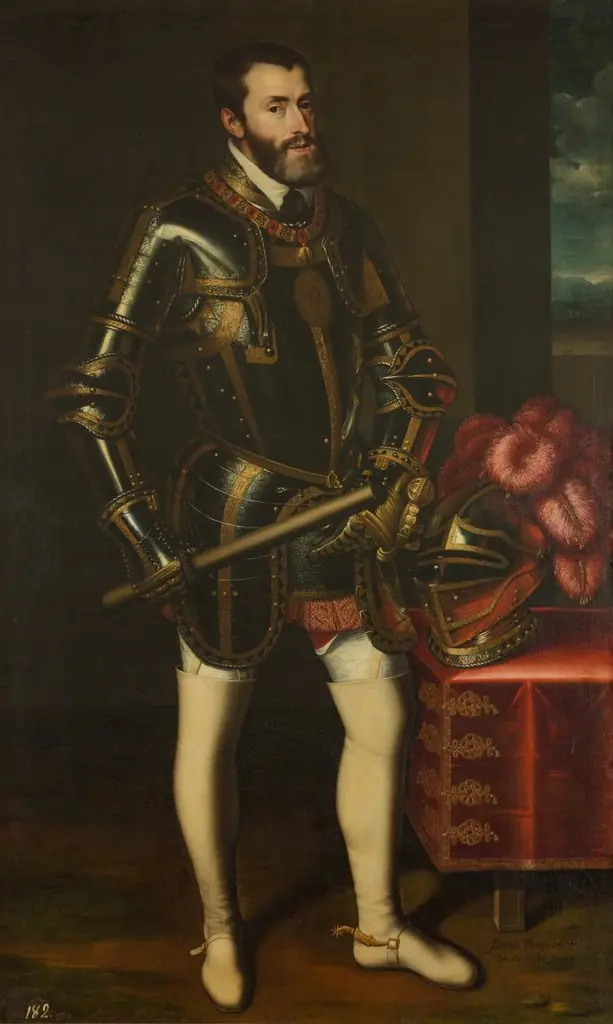 The Emperor Charles V
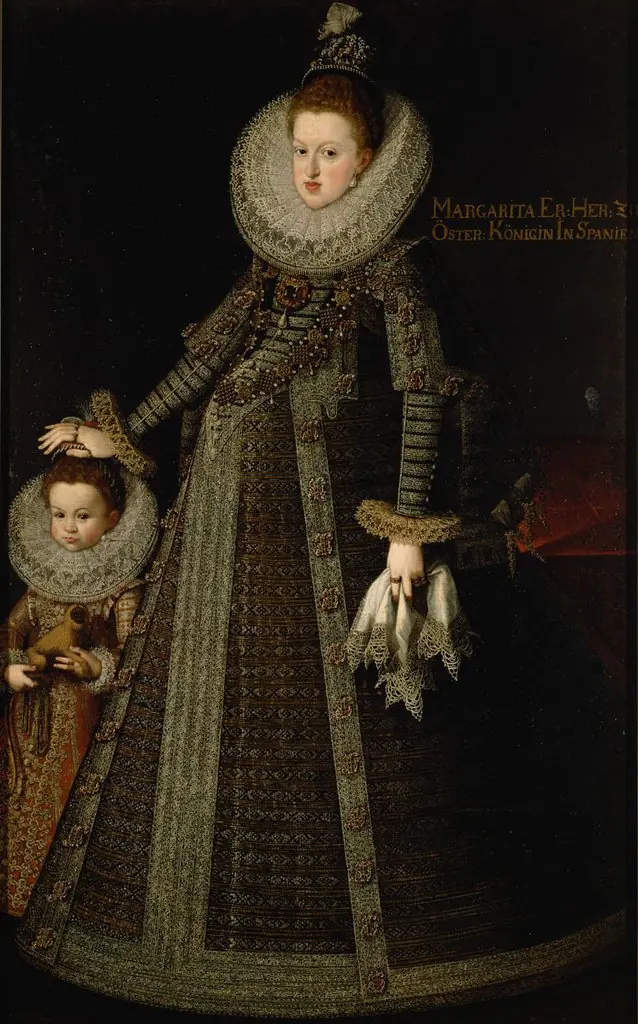
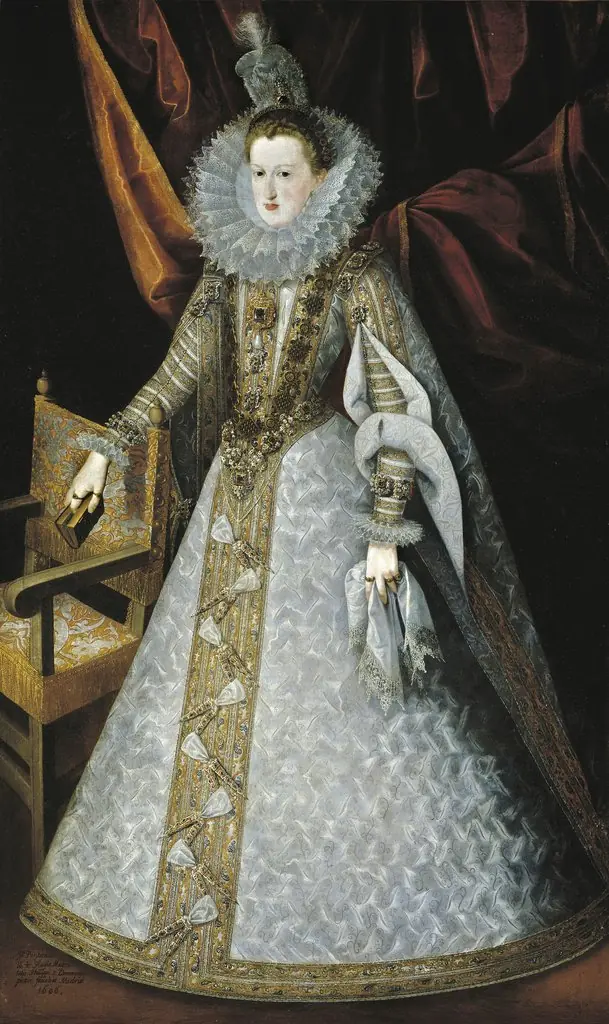 Margaret of Austria
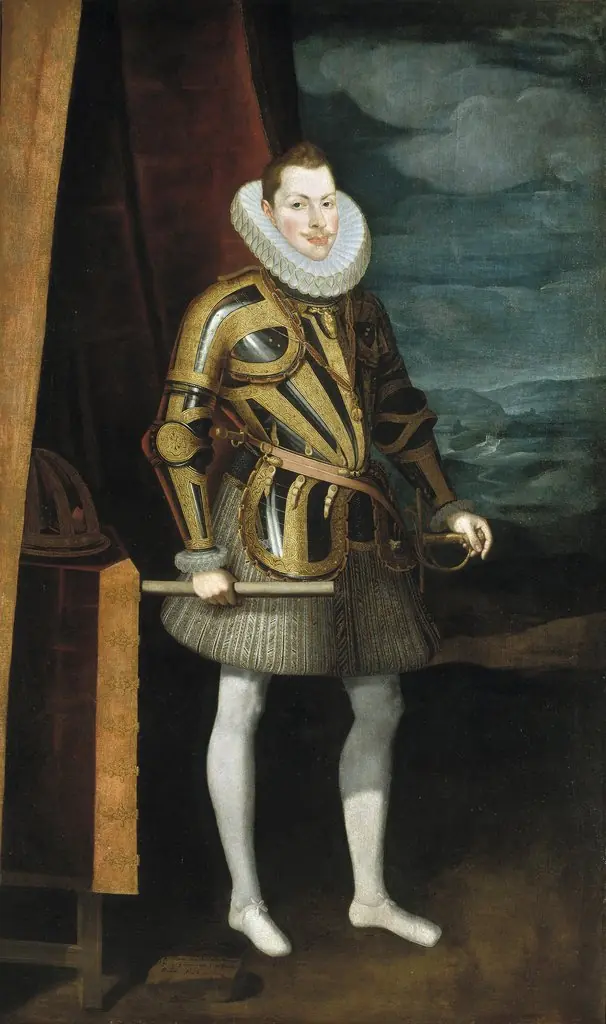 Philip III
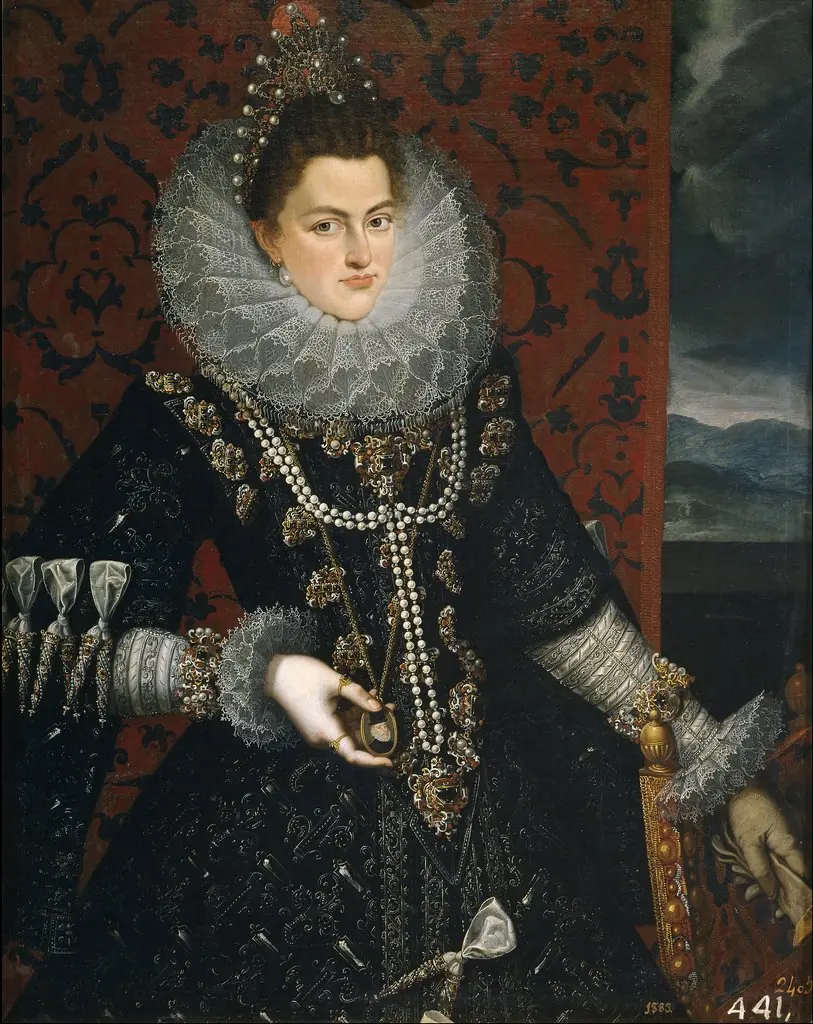 The Infanta Isabel Clara Eugenia
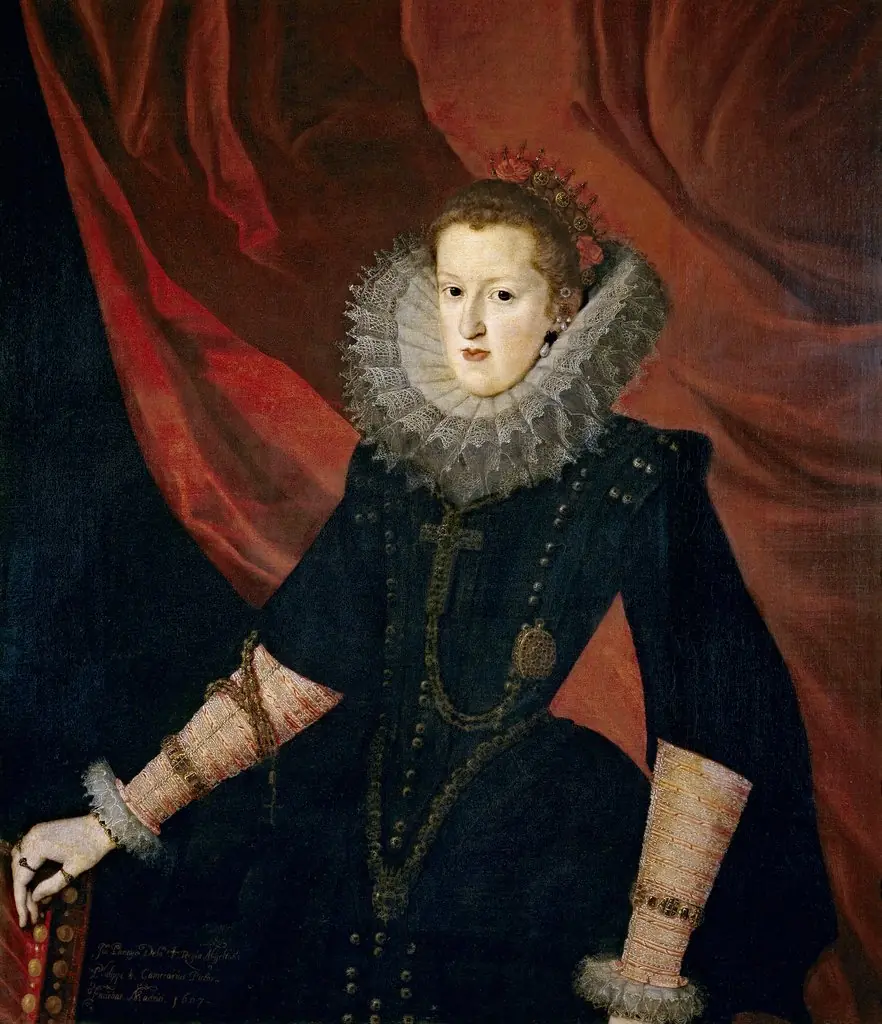 Margaret of Austria
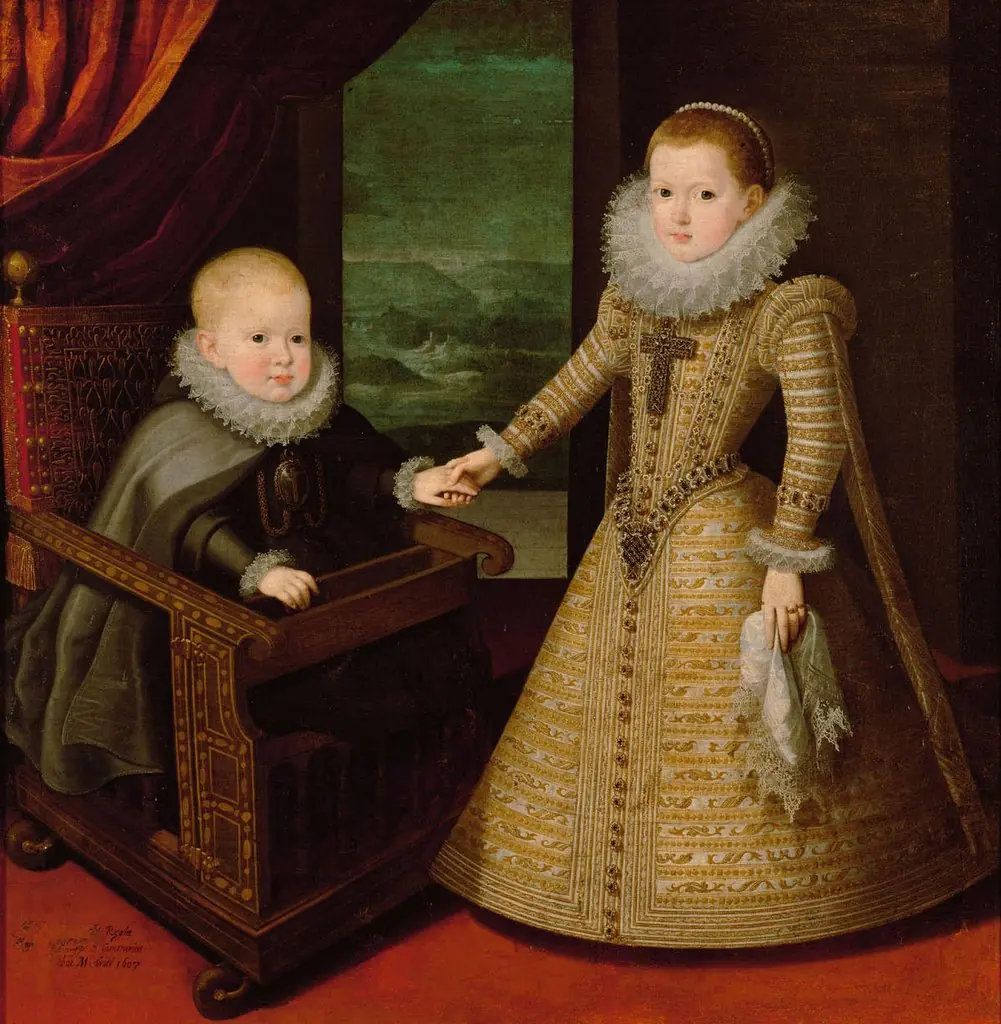 König Philipp IV. von Spanien (1605-1665) in geistlichem Gewand und seiner Schwester Infantin Anna (1601-1666), Bildnis in ganzer Figur
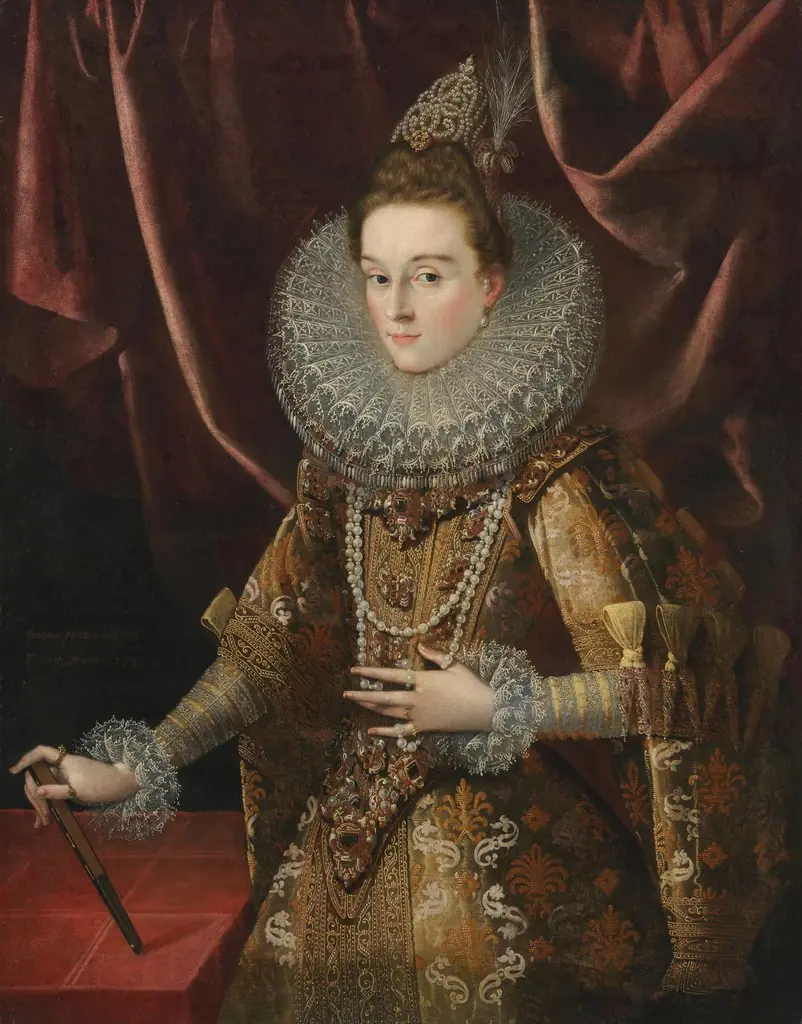 Isabella Clara Eugenia by Juan Pantoja de la Cruz
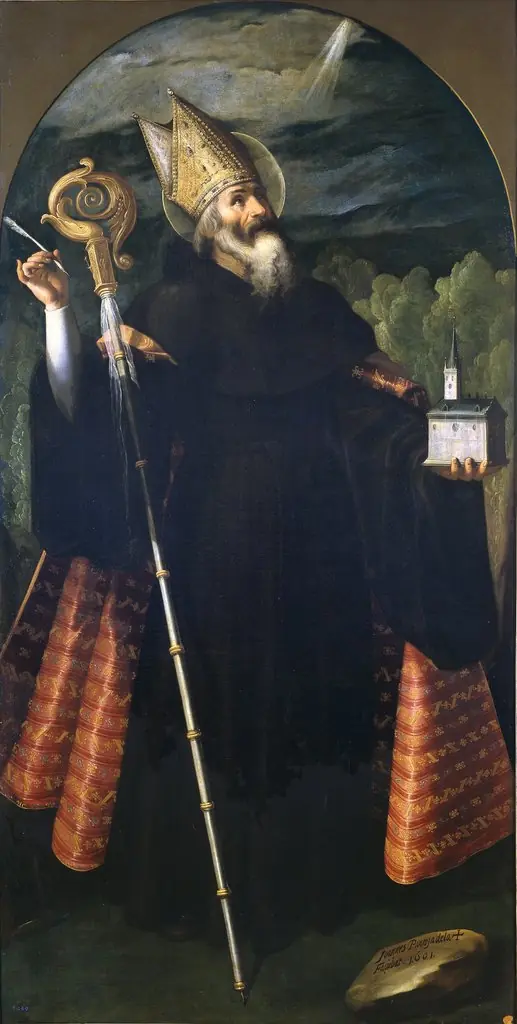 Saint Augustine
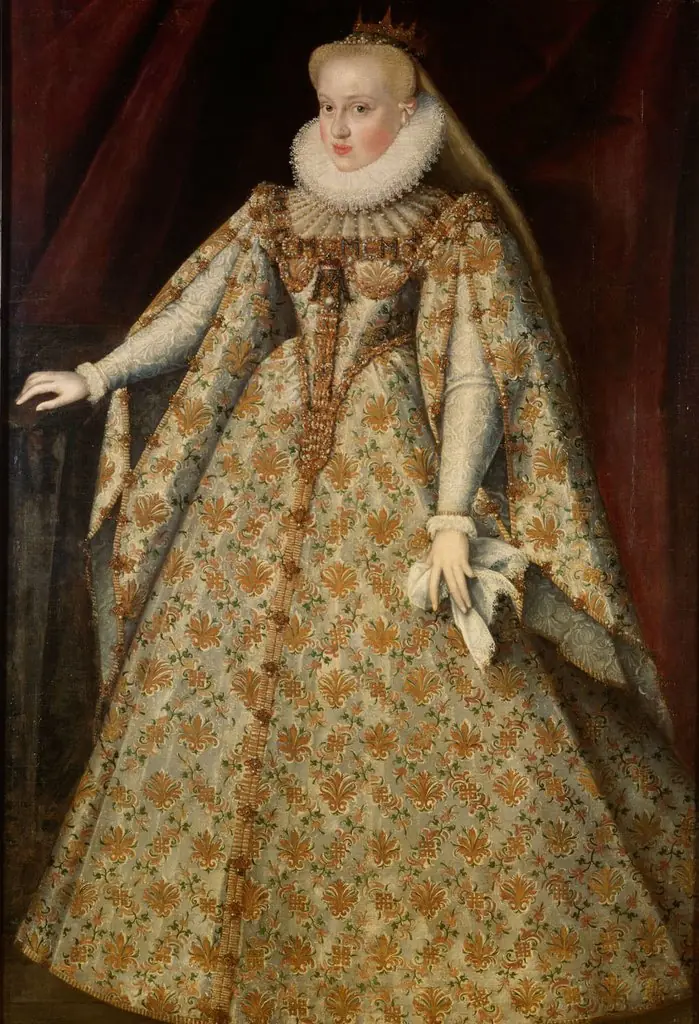 Portrait of Archduchess Maria Christina of Austria (1574–1621)
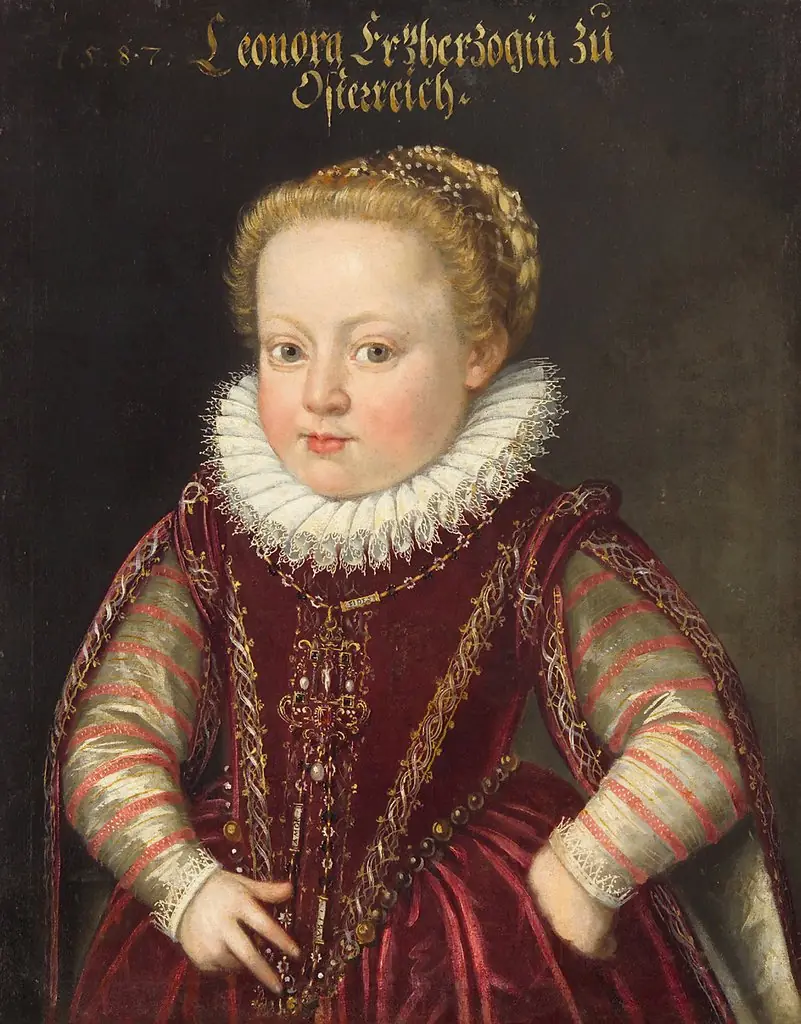 Erzherzogin Eleonore (1582-1620) im Alter von 5 Jahren, Halbfigur
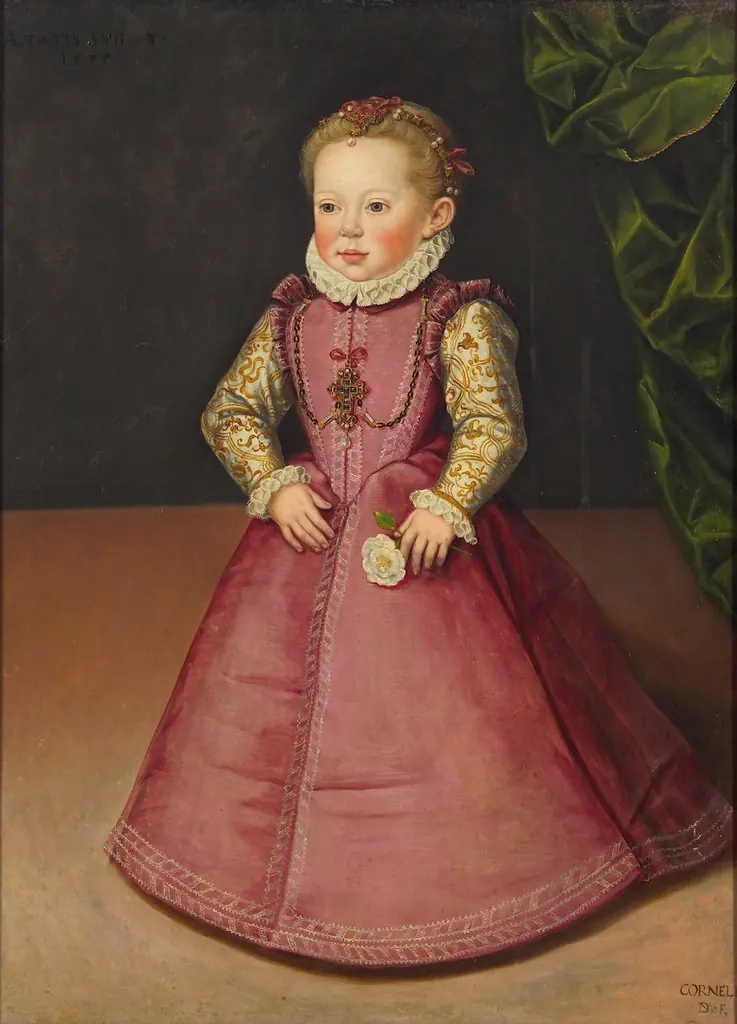 Erzherzogin Maria Christierna (1574-1621) im Alter von drei Jahren, in ganzer Figur
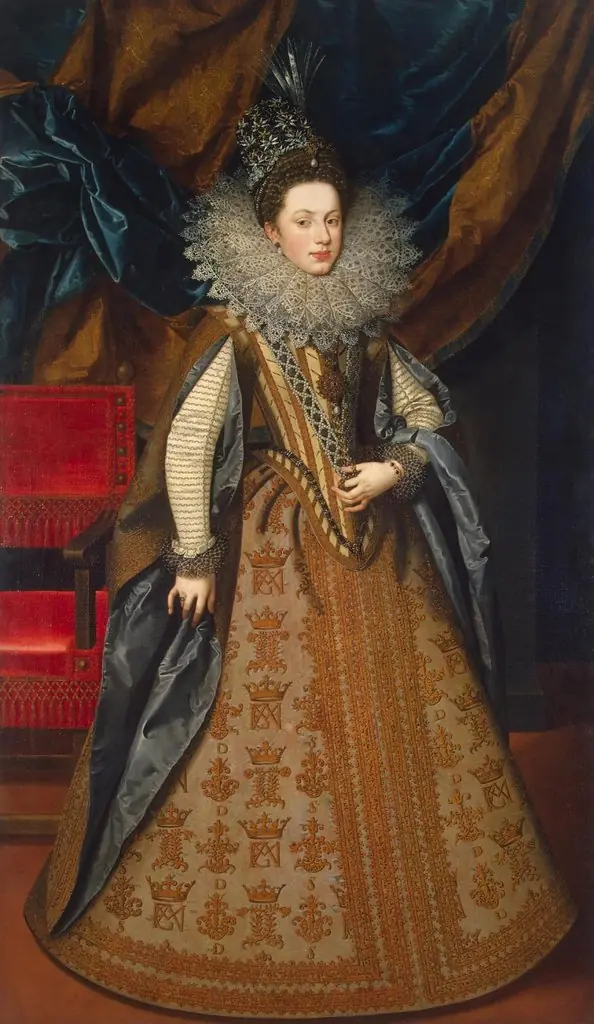 Portrait of Margaret of Savoy, Duchess of Mantua
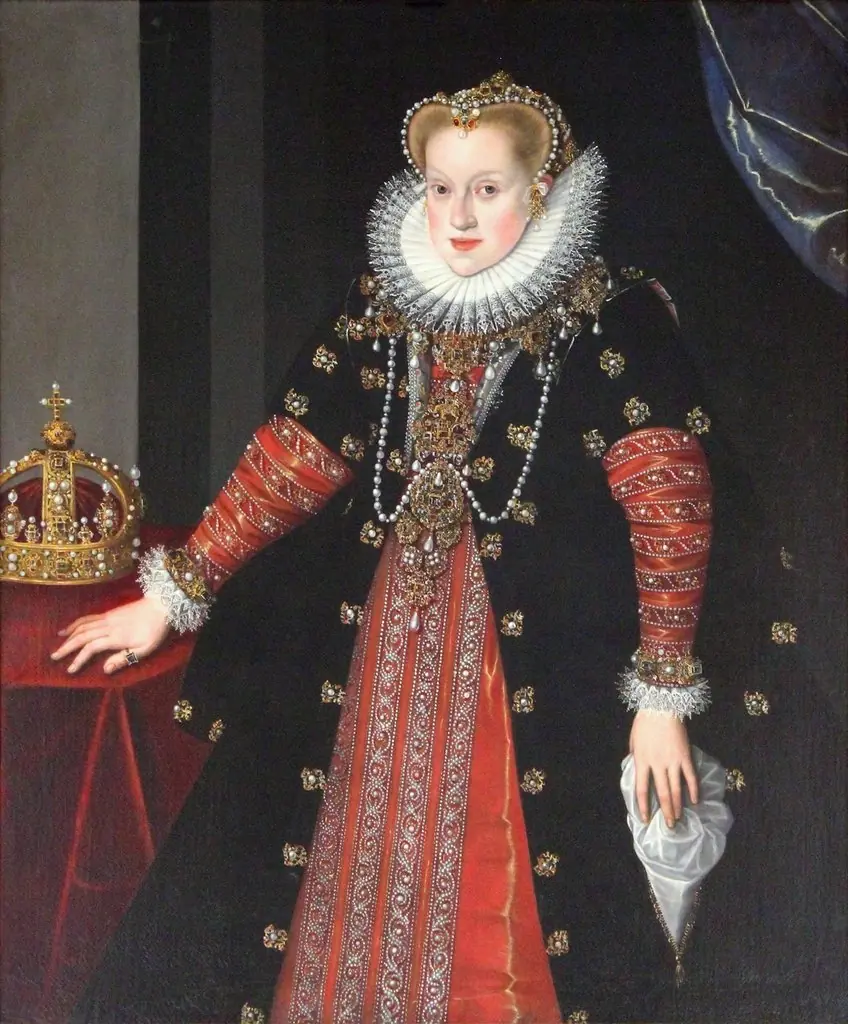 Portrait of Anne of Austria, Queen of Poland (1573-1598)
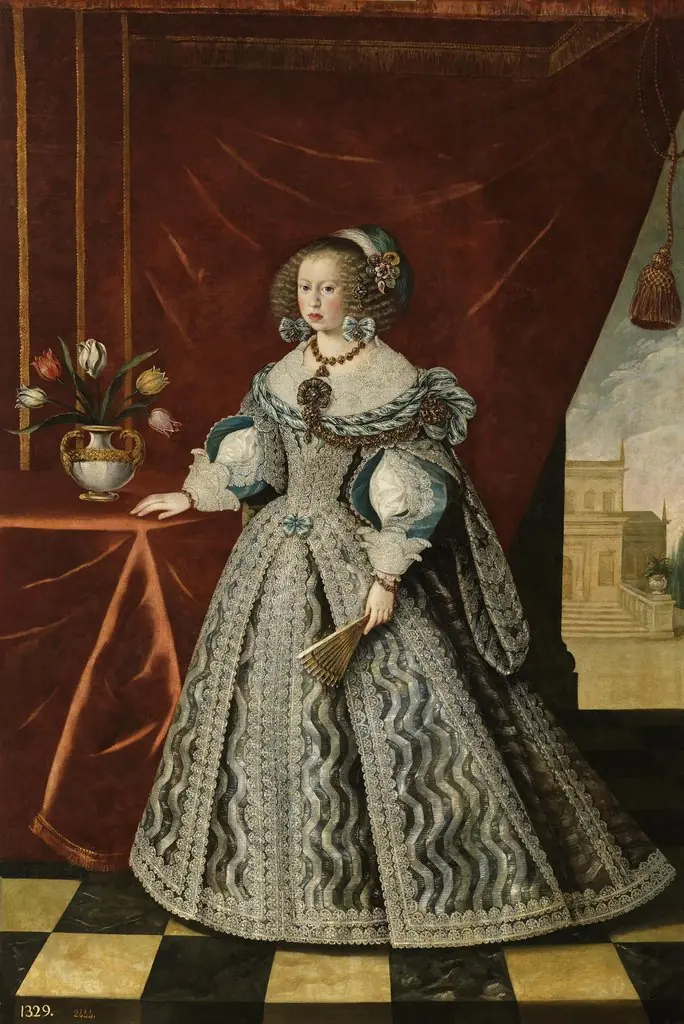 Mariana of Austria
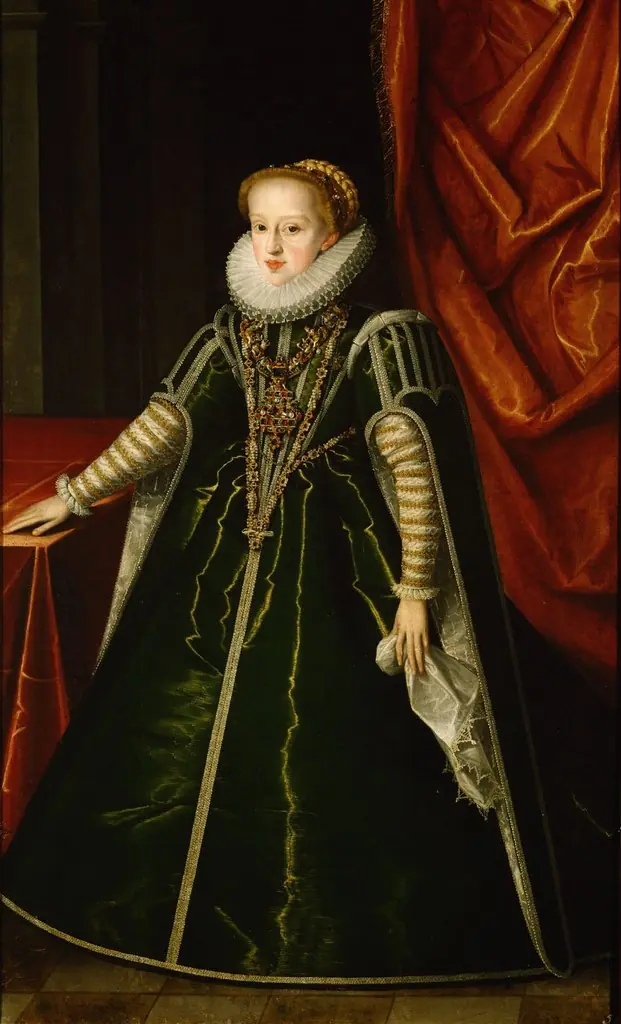 Erzherzogin Gregoria Maximiliane (1581-1597), Tochter von Karl II. von Innerösterreich, im Alter von 11 bis 12 Jahren in ganzer Figur
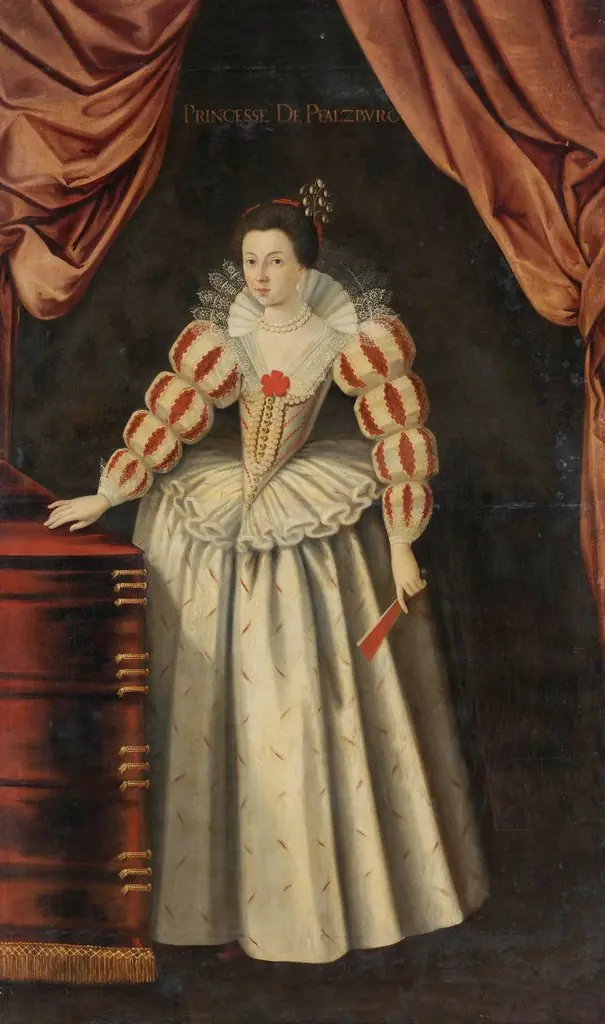 Henriette von Lothringen (1605-1660)