Artwork
The Serenade
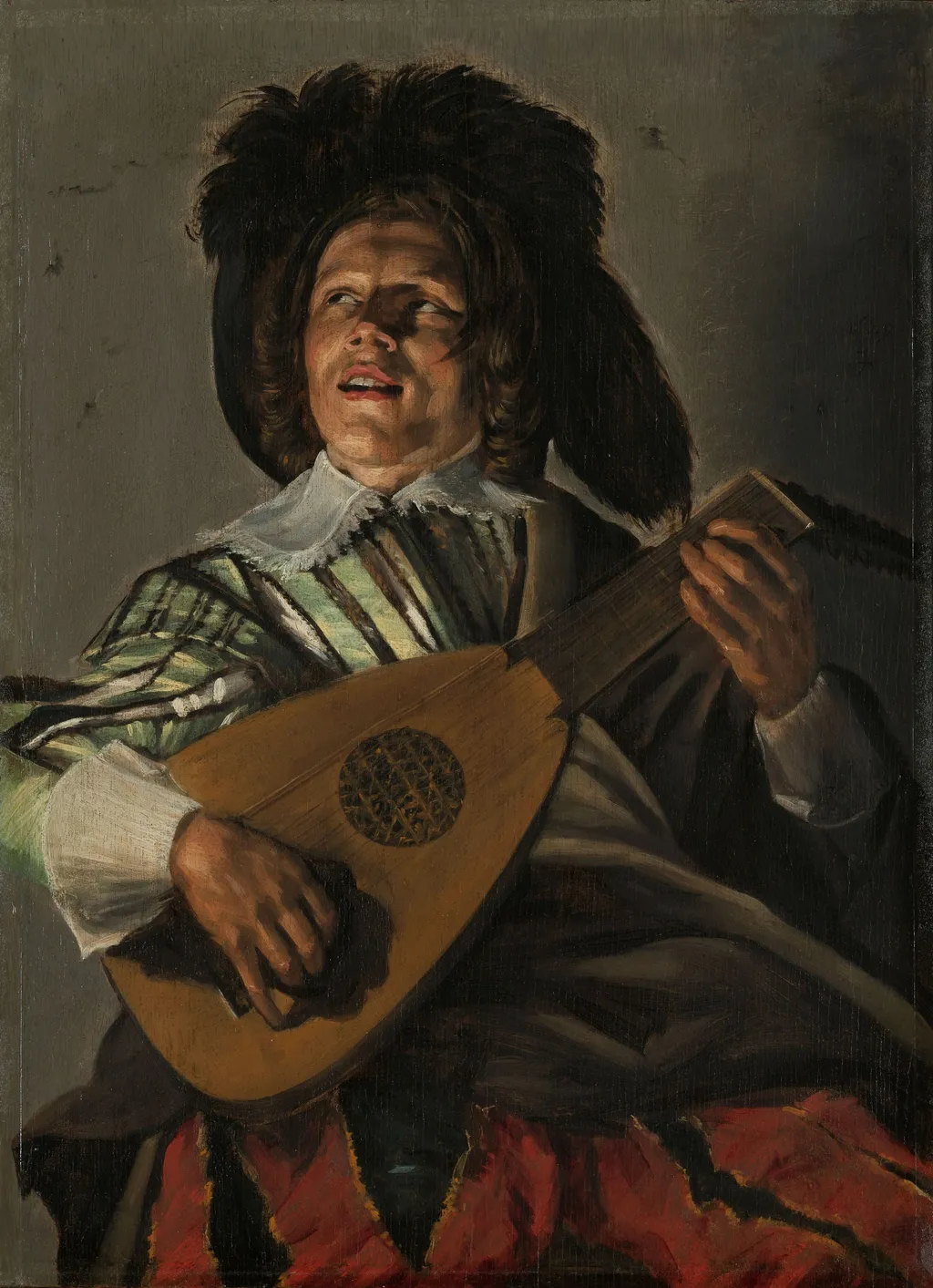
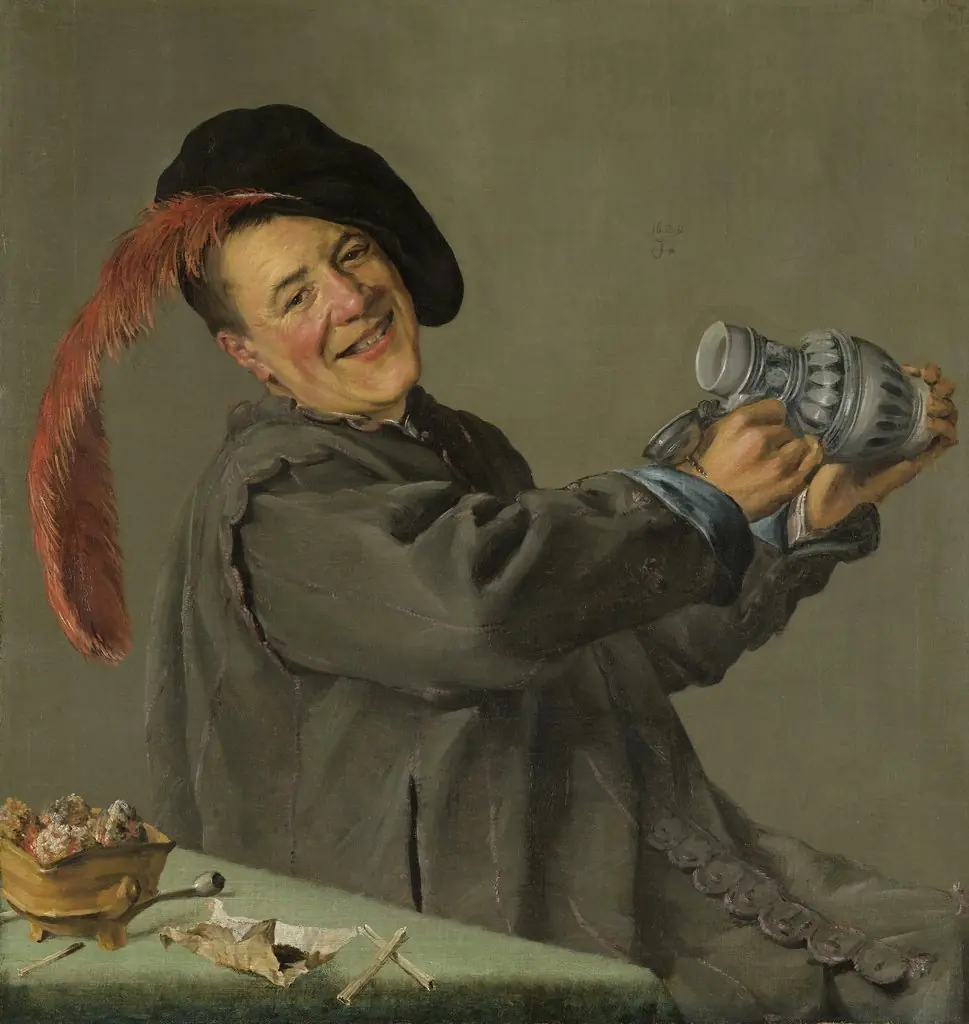
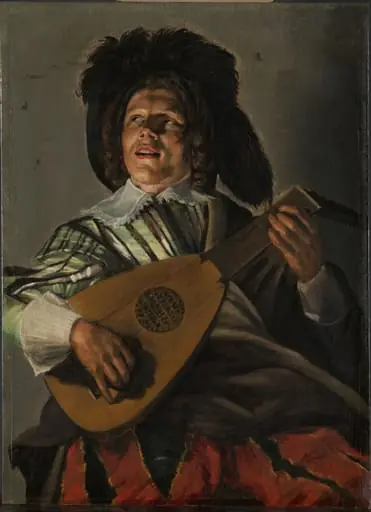
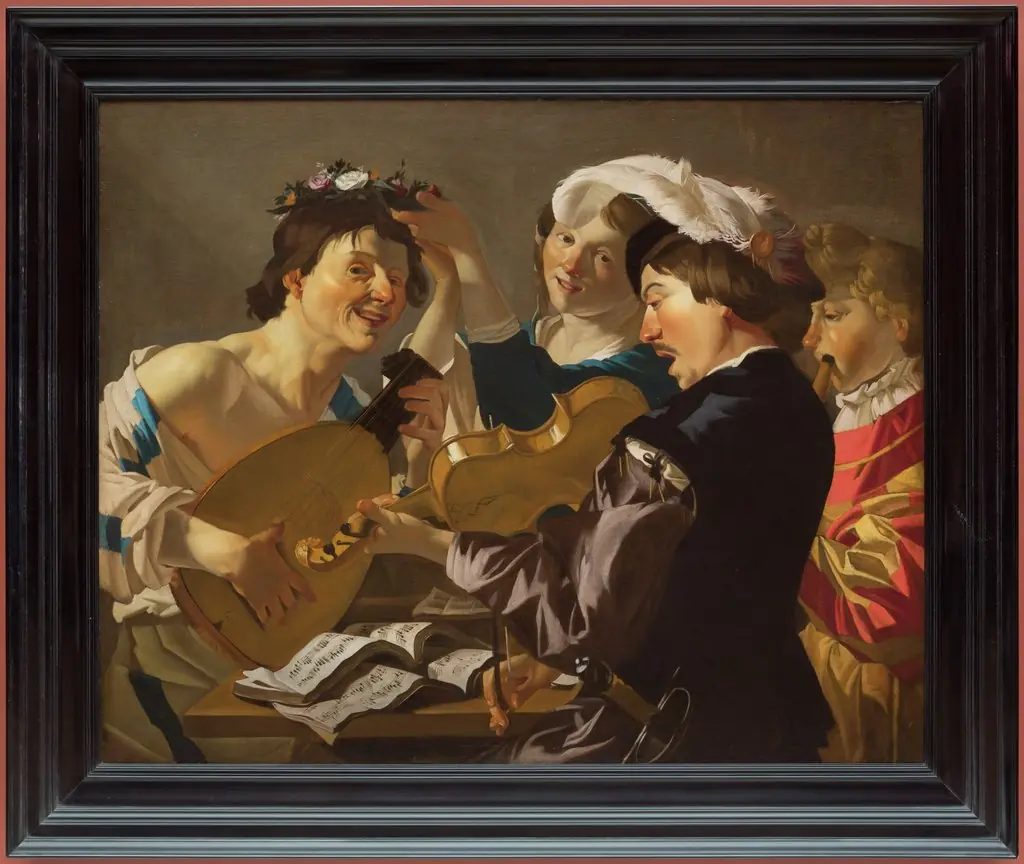
The Serenade is an oil painting by the Dutch Golden Age artist Judith Leyster. It dates from 1629 and is held in the collection of the Rijksmuseum.
About this work
Subject & Meaning
It has been exhibited in major retrospectives of Leyster's work and Dutch Golden Age art, including exhibitions at the National Gallery of Art in Washington, D.
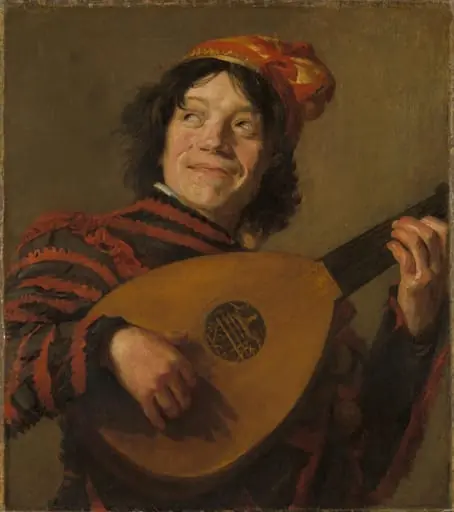
The painting shows a young man playing a lute, gazing upward and to the left in a pose characteristic of Judith Leyster. The work is set against a neutral background and employs indirect candlelight from below, reflecting the Honthorst style. The lute player's head bears a feathered cap, and the composition is rendered in oil on panel. The title 'The Serenade' was long attributed to Frans Hals but was correctly reassigned to Leyster in 1893 after Wilhelm von Bode identified the signature's 'J' monogram. The painting bears the inscription '1629 / J*' and was acquired by the Rijksmuseum in 1908 from the Six family heirs. It has been exhibited in major retrospectives of Leyster's work and Dutch Golden Age art, including exhibitions at the National Gallery of Art in Washington, D.C., and the Rijksmuseum Amsterdam.
Technique & Style
The Serenade is an oil painting on wood panel created in 1629 by Judith Leyster, depicting a young man playing a lute in a composition marked by indirect candlelight from below and a characteristic upward gaze. The work measures 47 cm in height by 34.5 cm in width and bears the signature and date '1629 / J*' in the lower right corner. Long attributed to Frans Hals, it was reattributed to Leyster in 1893 by Cornelis Hofstede de Groot after the discovery of the prominent 'J' monogram in the signature. The painting has been part of the Rijksmuseum collection since its acquisition in 1908 from the Six family heirs, supported by the Vereniging Rembrandt.
History & Provenance
The Serenade was created in 1629 as an oil painting on wood panel by Judith Leyster in Haarlem. It entered the collection of Amsterdam merchant Pieter van Winter, later passing to his daughter Lucretia Johanna van Winter and her husband Hendrik Six van Hillegom, then to their son Pieter Hendrik Six van Vromade. The work was attributed to Frans Hals for centuries until Wilhelm von Bode identified the signature in 1883, leading to its proper attribution to Leyster by Hofstede de Groot in 1893. The Rijksmuseum acquired the painting in 1908 from the Six heirs with support from the Vereniging Rembrandt, where it remains on display. The Serenade is held in the collection of the Rijksmuseum in Amsterdam. The museum acquired the work in 1908 from the heirs of Jhr. P.H. Six van Vromade, purchasing it alongside 38 other paintings with financial support from the Vereniging Rembrandt. Prior to this acquisition, the painting belonged to the Six family, having entered their collection through the marriage of Lucretia Johanna van Winter to Hendrik Six van Hillegom; it was originally owned by her father, Pieter van Winter. The painting has been featured in several significant exhibitions. It was displayed at the Frans Hals Museum in Haarlem for the show Satire en vermaak (2003-2004) and later for a monographic exhibition on Leyster (2009-2010). The work also traveled to the National Gallery of Art in Washington, D.C., for a 2009 retrospective, and was included in The Golden Age of Dutch Painting at the Museum of Islamic Art in Doha in 2011.
Context
For centuries, The Serenade was misattributed to Frans Hals. Wilhelm von Bode first questioned this in 1883 after noticing a prominent "J" in the signature, tentatively assigning it to Jan Hals. The correct attribution to Judith Leyster was established ten years later by Cornelis Hofstede de Groot in 1893, marking it as one of seven works initially recognized as hers. This reattribution was pivotal in reconstructing Leyster's oeuvre and securing her place in art history alongside her contemporaries.
Scholars note the painting's stylistic debt to Gerrit van Honthorst, particularly in its use of indirect candlelight illuminating the lute player from below. The musician's upward gaze is identified as a characteristic pose within Leyster's broader body of work. The painting's journey from the Six collection to the Rijksmuseum in 1908, facilitated by the Vereniging Rembrandt, cemented its status as a masterpiece of the Dutch Golden Age.
Legacy
For centuries, The Serenade was misattributed to Frans Hals. In 1883, Wilhelm von Bode identified a prominent "J" in the signature while viewing the work in the Six collection, leading him to incorrectly ascribe it to Jan Hals. The painting was correctly attributed to Judith Leyster in 1893 by Cornelis Hofstede de Groot, marking it as one of the first seven works properly recognized as hers.
Following this reattribution, the Rijksmuseum acquired the painting in 1908 from the Six heirs with support from the Vereniging Rembrandt. Its restored reputation has led to inclusion in major exhibitions, such as the 2009 retrospective at the National Gallery of Art in Washington, D.C., and subsequent shows at the Frans Hals Museum and the Museum of Islamic Art in Doha.
Own this work as a print
Artist & collection

Artist
Judith Jans Leyster (also Leijster; baptised July 28, 1609 – February 10, 1660) was a Dutch Golden Age painter of genre works, portraits, and still lifes.