Artwork
Saint Roch
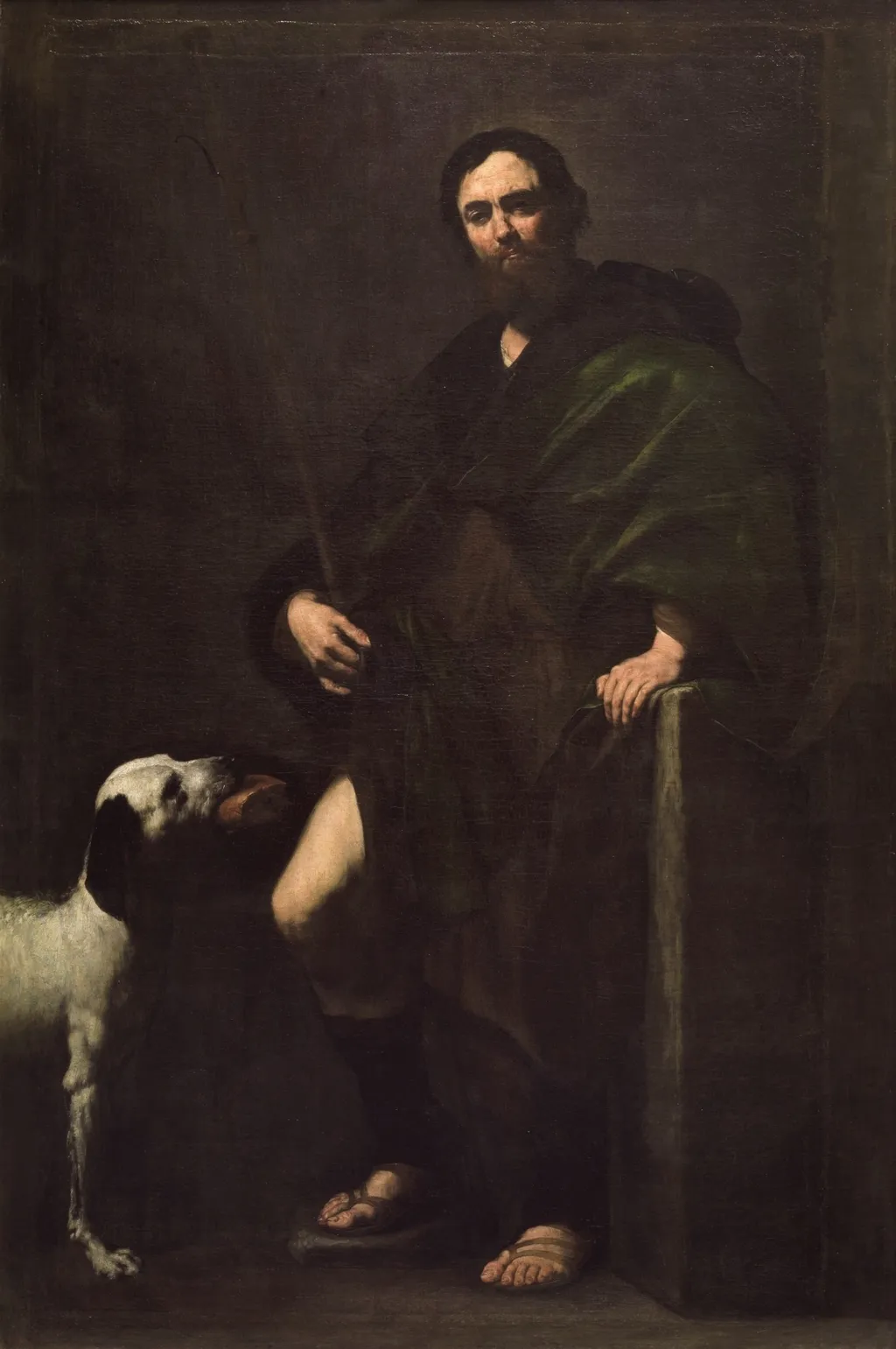
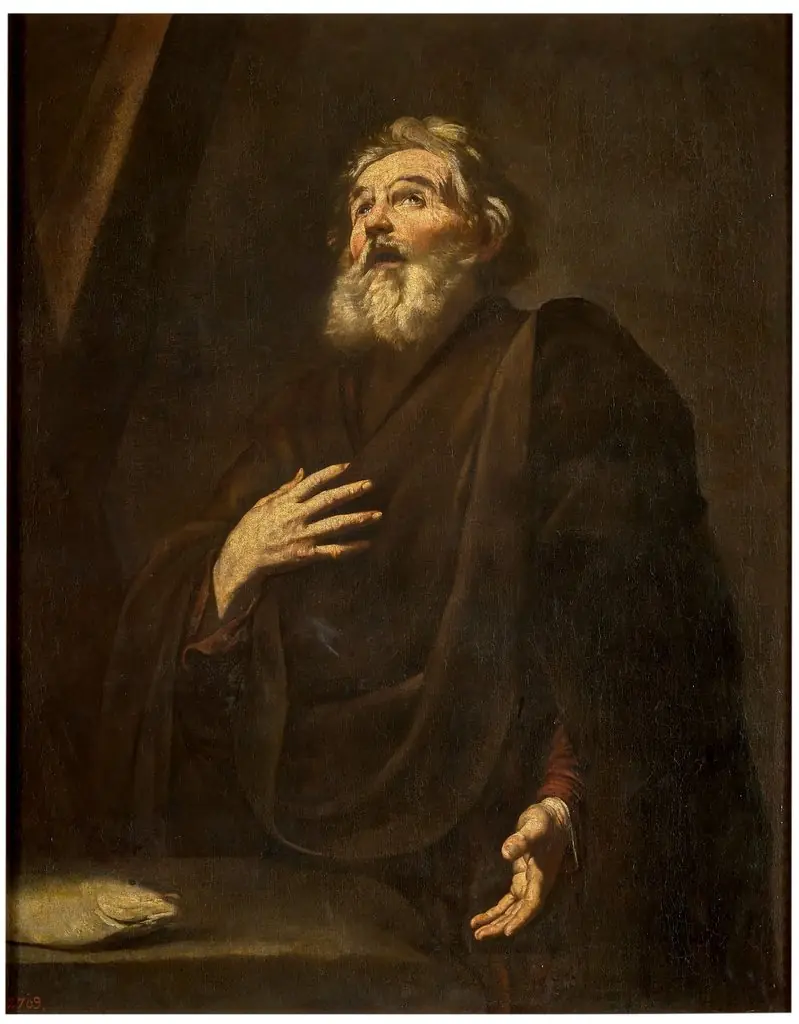
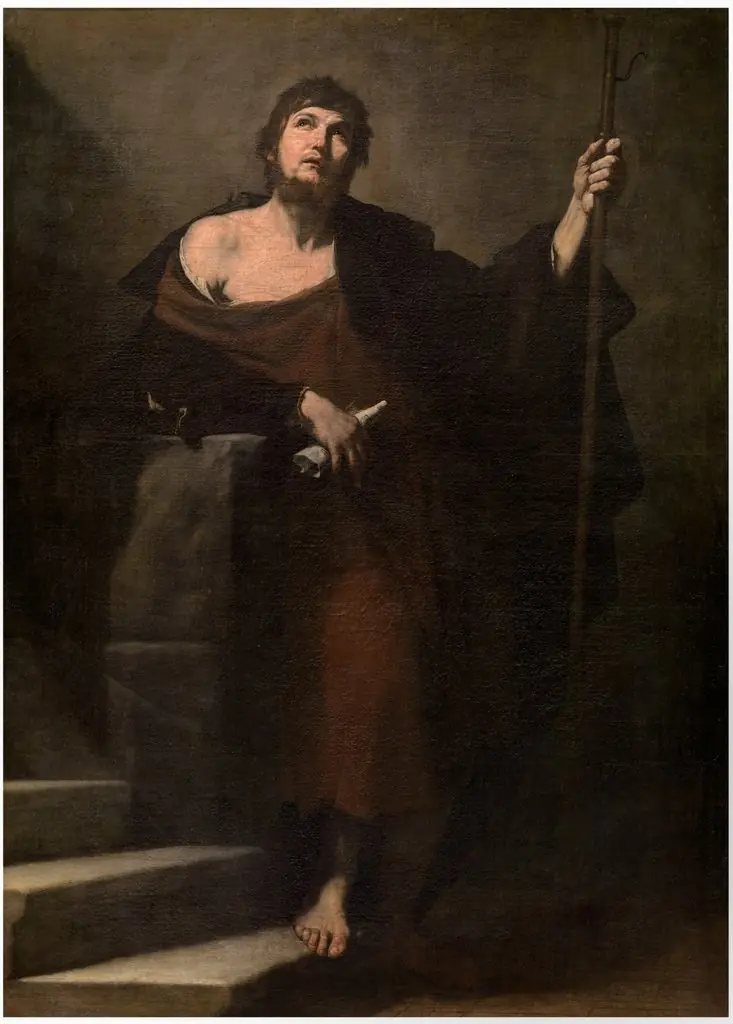
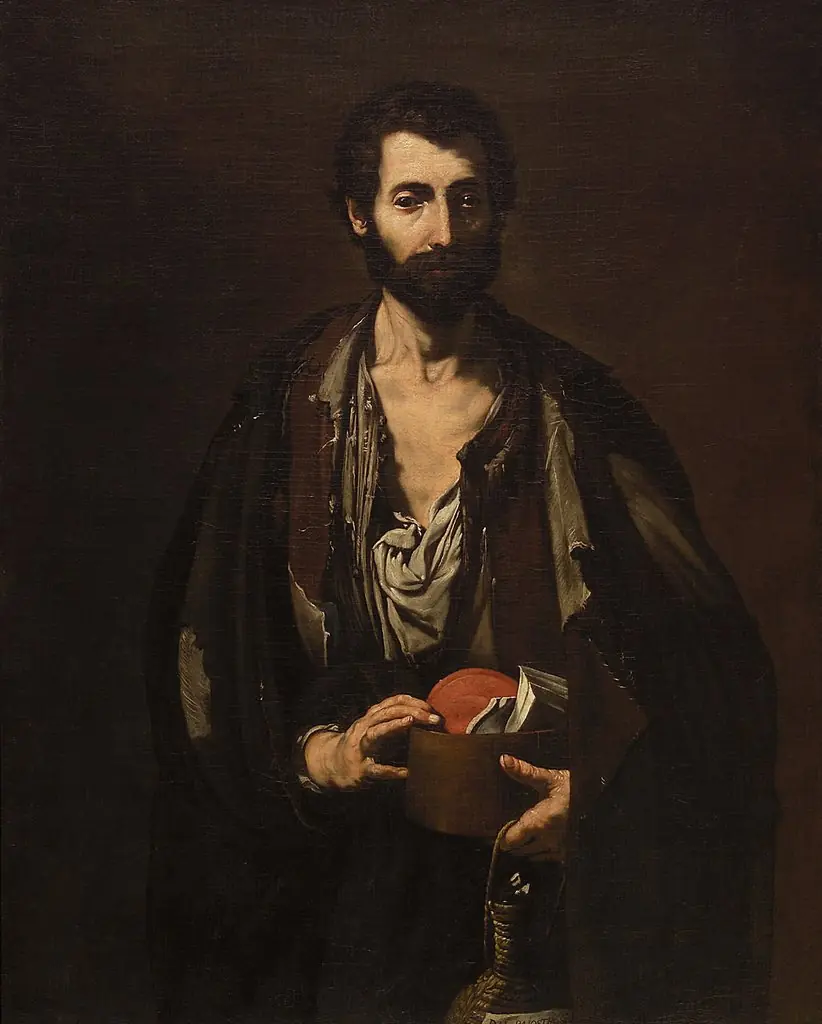
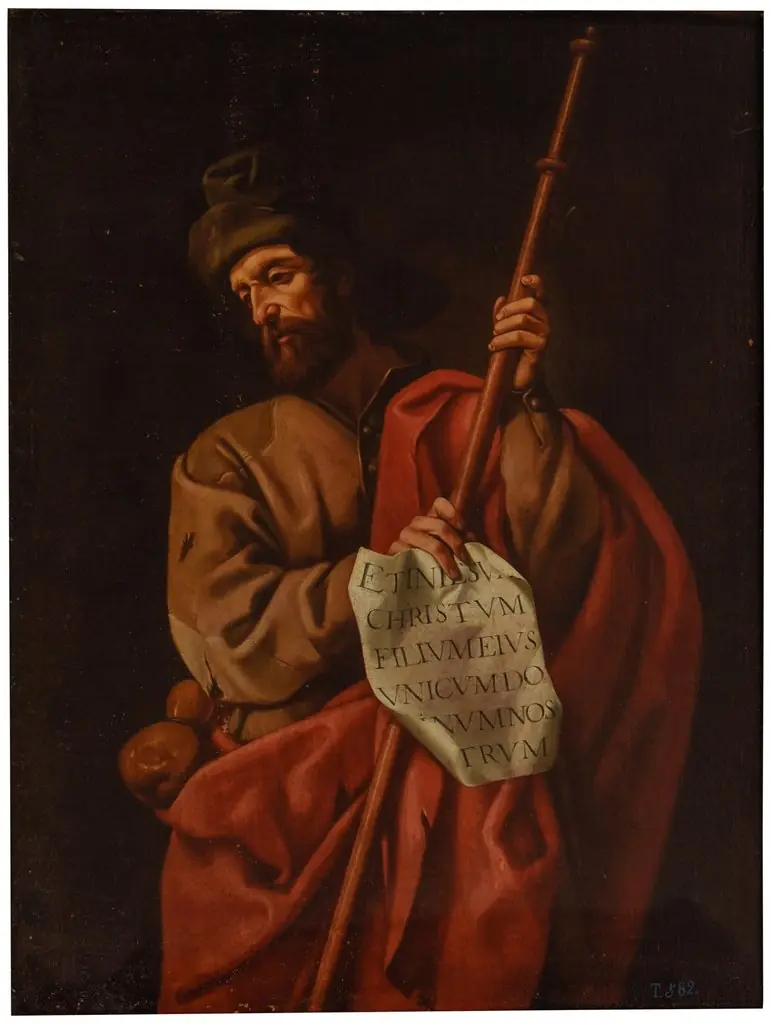
Saint Roch is an oil painting by the Early Baroque Italian artist Jusepe de Ribera. It dates from 1631 and is held in the collection of the Museo del Prado.
About this work
Subject & Meaning
Notably, the work includes bread as a key attribute, symbolizing the sustenance provided to Roch during his exile and illness when he was fed by a dog.
Jusepe de Ribera's 1631 oil painting depicts Saint Roch, a figure central to religious art and traditionally invoked against plague. The composition focuses on the saint as the primary subject, incorporating specific iconographic elements to identify him and narrate his hagiography. Notably, the work includes bread as a key attribute, symbolizing the sustenance provided to Roch during his exile and illness when he was fed by a dog.
This imagery reinforces the saint's role as a protector and sufferer, grounding the spiritual meaning of the piece in the tangible details of his legendary survival.
Technique & Style
Saint Roch is executed in oil paint on canvas, a standard support for Jusepe de Ribera's religious commissions of this period. The canvas measures 213.4 cm in height by 144.5 cm in width, giving the work a tall, vertical format well suited to a full-length standing saint. Painted in 1631, it belongs to Ribera's mature output, characterized by tenebrist handling with strongly modeled figures emerging from deep shadow through sharply directed light. The work is held in the collection of the Museo del Prado.
The painting is classified as a religious work, with Saint Roch as the main subject and bread among the depicted attributes.
History & Provenance
Saint Roch is an oil-on-canvas religious painting by Jusepe de Ribera dated to 1631. The work depicts Saint Roch and is held in the collection of the Museo del Prado in Madrid, where it is catalogued as P001109. The painting measures 213.4 cm in height by 144.5 cm in width.
The available documentation does not specify the circumstances of the work's commission, its original patron, or the chain of ownership prior to its acquisition by the Museo del Prado. No details regarding intermediate owners, dealers, or earlier institutional holdings are recorded in the sources provided. Likewise, the sources do not address the immediate context of the painting's creation in 1631, such as where it was produced or whether it formed part of a larger commission.
The work Saint Roch by Jusepe de Ribera is housed in the Museo del Prado, where it holds inventory number P001109. It was created in 1631 and has been exhibited as part of the museum's religious art collection, including displays focused on Spanish Baroque painting and works depicting saints such as Roch with symbolic attributes like bread.
Context
Saint Roch, painted by Jusepe de Ribera in 1631, represents the saint holding a loaf of bread, a standard attribute identifying him as protector against plague. The work belongs to Ribera's mature period in Naples, where he developed a stark naturalism within Counter-Reformation religious art, influencing later Spanish Baroque painters. Its creation aligns with documented activity at the Spanish Viceroyal court, reflecting Counter-Reformation demands for emotionally direct devotional imagery that emphasized saintly intercession during epidemic crises.
The painting's formal qualities, dramatic chiaroscuro and tactile realism, exemplify Ribera's adaptation of Caravaggism to Iberian contexts, positioning it within broader discussions of 17th-century European sacred art's evolving visual language.
Scholarly analysis emphasizes the work's significance within Ribera's oeuvre as a key example of his contributions to naturalistic religious painting, while its provenance at the Museo del Prado since acquisition solidifies its role as a reference point for studying Spanish artistic responses to plague and saintly cults in the early modern period.
Overview
Jusepe de Ribera painted Saint Roch in 1631 with oil on canvas. The work belongs to the early Italian Baroque phase of his career while he was based in Naples. It is part of the Prado Museum’s collection and exemplifies Ribera’s status as a central figure of Spanish Baroque, alongside contemporaries such as Velázquez, Zurbarán and Murillo.
Own this work as a print
Artist & collection
Artist
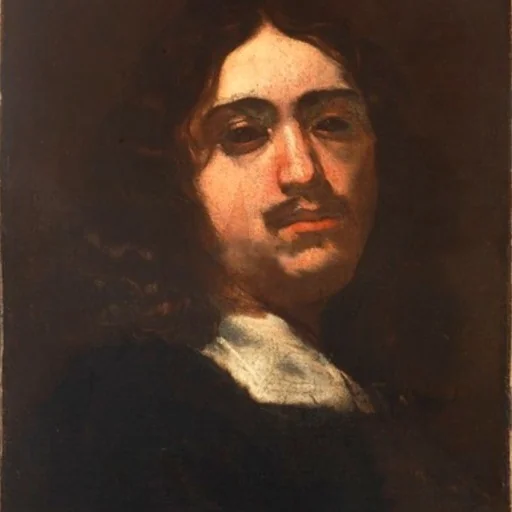
Jusepe de Ribera (Valencian:; baptised 17 February 1591 – 3 November 1652) was a Spanish painter and printmaker.