Artwork
Bodhidharma
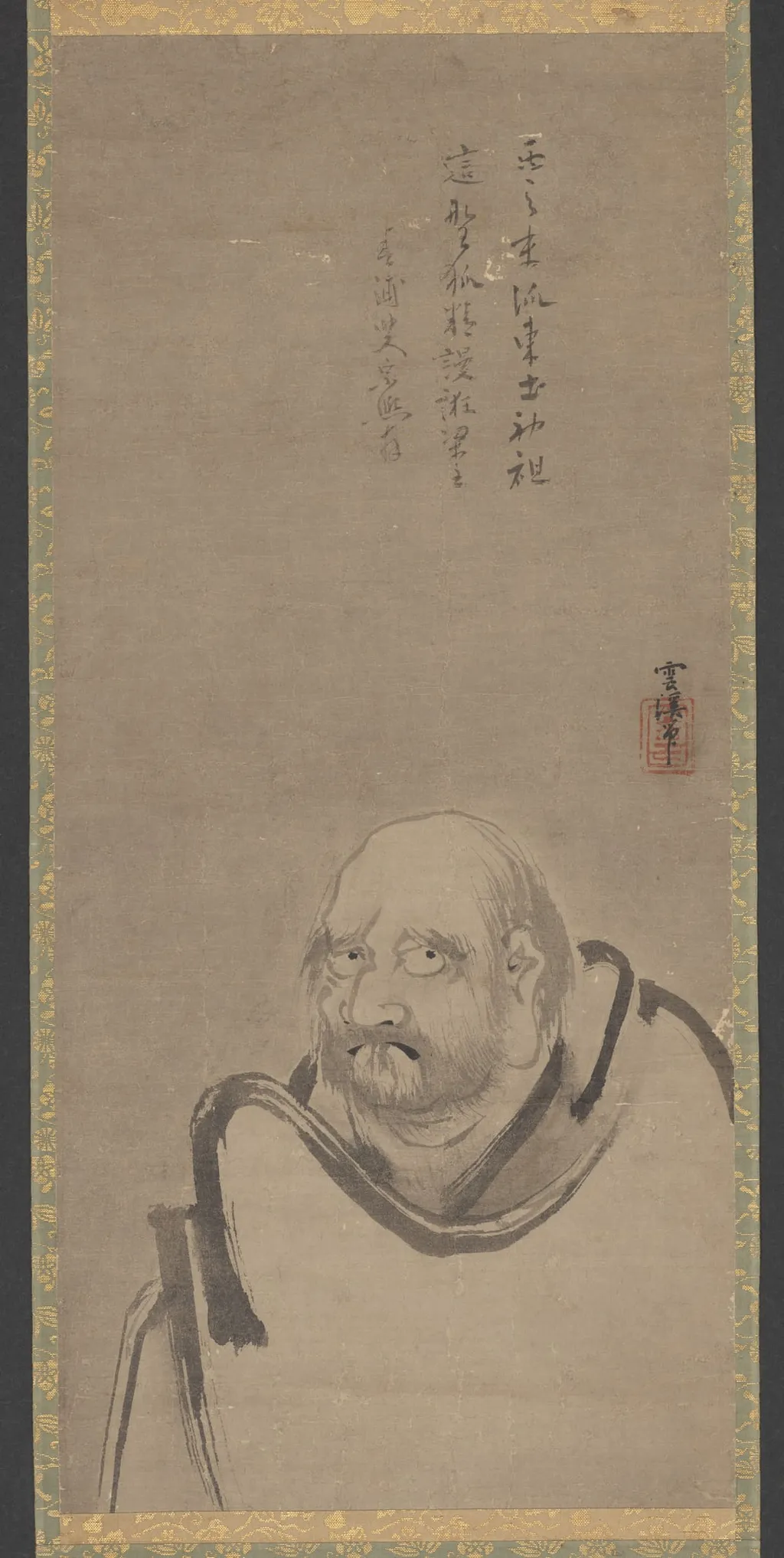
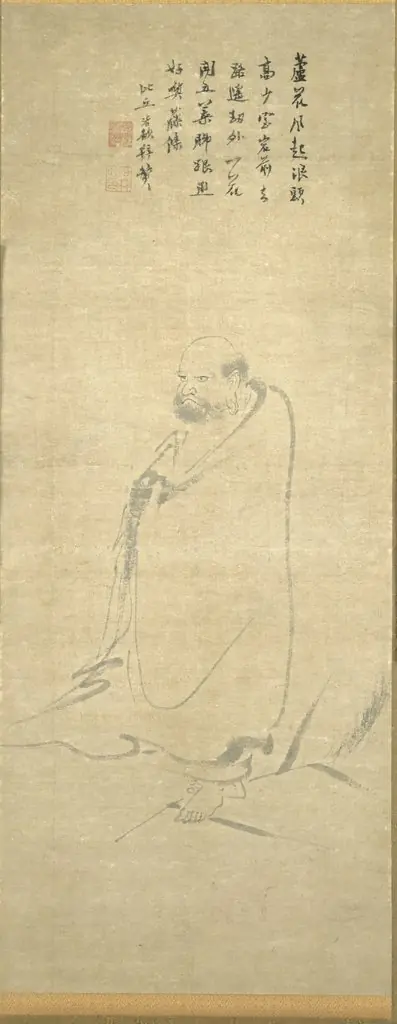
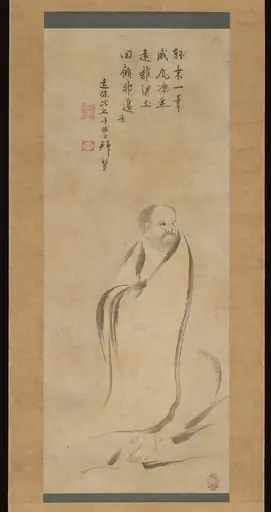
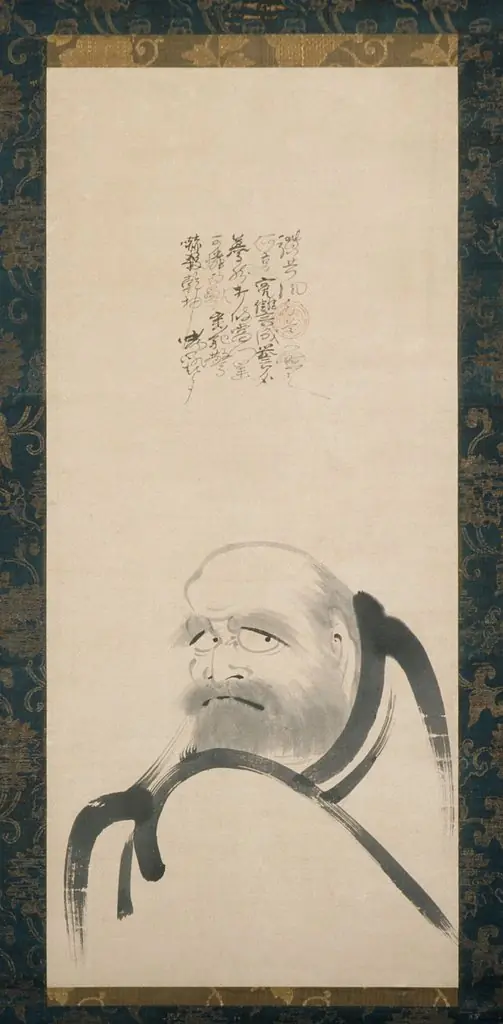
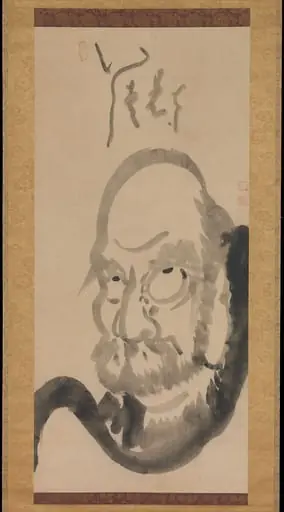
Bodhidharma is an unspecified painting by the Joseon dynasty painting artist Unkei Eii. It dates from 1504 and is held in the collection of the Cleveland Museum of Art.
- Accession no.
- 2015.472
- Credit line
- Gift from the Collection of George Gund III
About this work
Overview
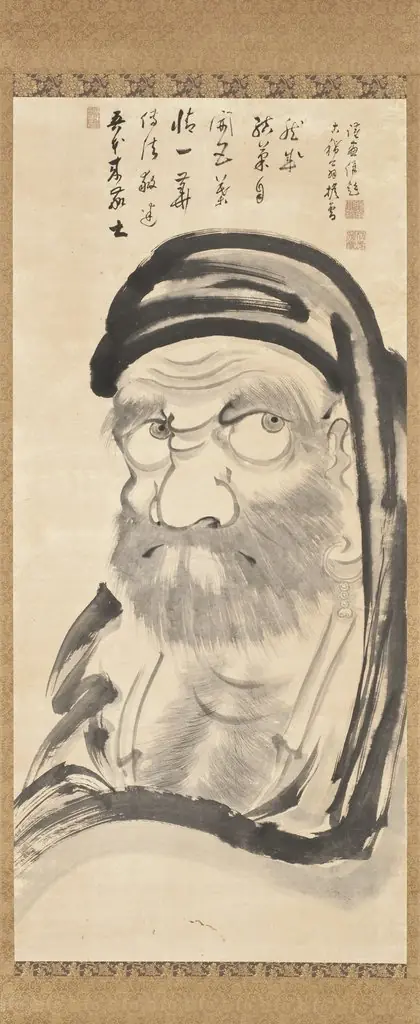
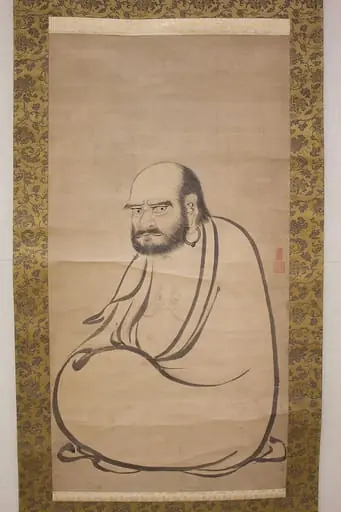
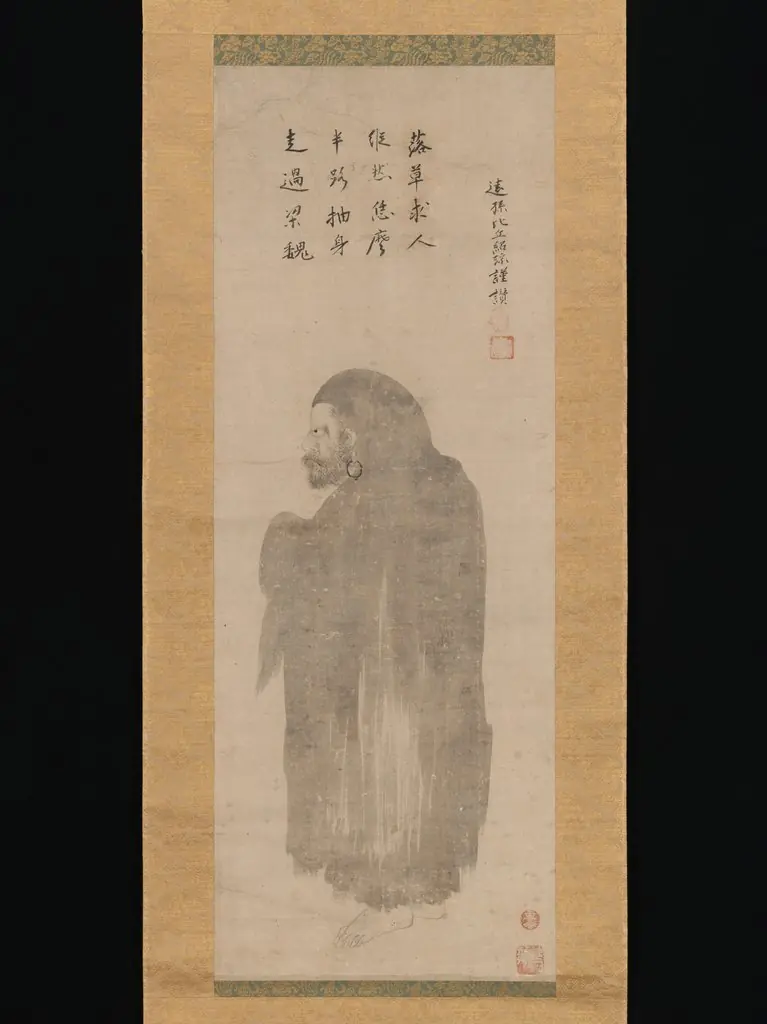
Created around 1504 by the Japanese artist Unkei Eii, this religious painting portrays the legendary figure Bodhidharma. The work is part of the collection of the Cleveland Museum of Art, where it is displayed as an example of early 16th‑century cross‑cultural visual culture.
Subject & Meaning
The central figure is a bald man with a long, bushy beard, dressed in a high‑collared robe and bearing a solemn expression. As a representation of Bodhidharma, the founder of Zen Buddhism, the portrait emphasizes contemplative authority and spiritual discipline, inviting viewers to contemplate the transmission of Buddhist teachings.
Technique & Style
Rendered with careful attention to surface, the robe shows realistic folds and creases that convey texture and depth. Subtle shading and highlights model the form, giving the figure a three‑dimensional presence against a uniform background. These qualities align the work with Renaissance‑inspired realism, reflecting a blend of Japanese and European artistic concerns.
History & Provenance
The painting has remained in the Cleveland Museum of Art since its acquisition, though details of its earlier ownership are sparse. Its attribution to Unkei Eii, a noted painter of the period, is based on stylistic analysis and historical documentation linking the artist to religious commissions in the early 1500s.
Context
Produced during a time when Japanese artists were increasingly exposed to foreign artistic ideas, the work illustrates the diffusion of Renaissance techniques into East Asian religious art. The solid, unadorned background serves to isolate the figure, a compositional choice common in devotional images intended for focused meditation.
Artist & collection