Artwork
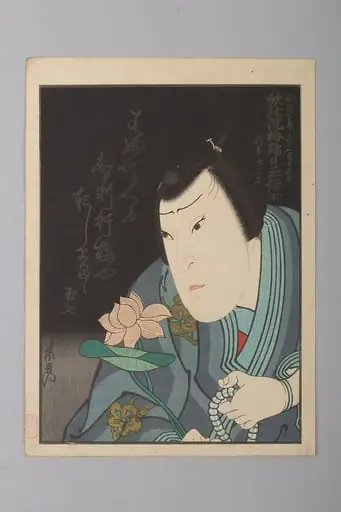
Otani Tomomatsu as Ono no Sadakuro Counting the Stolen Gold Coins (from the series Biographies of the Famous and Loyal Retainers)
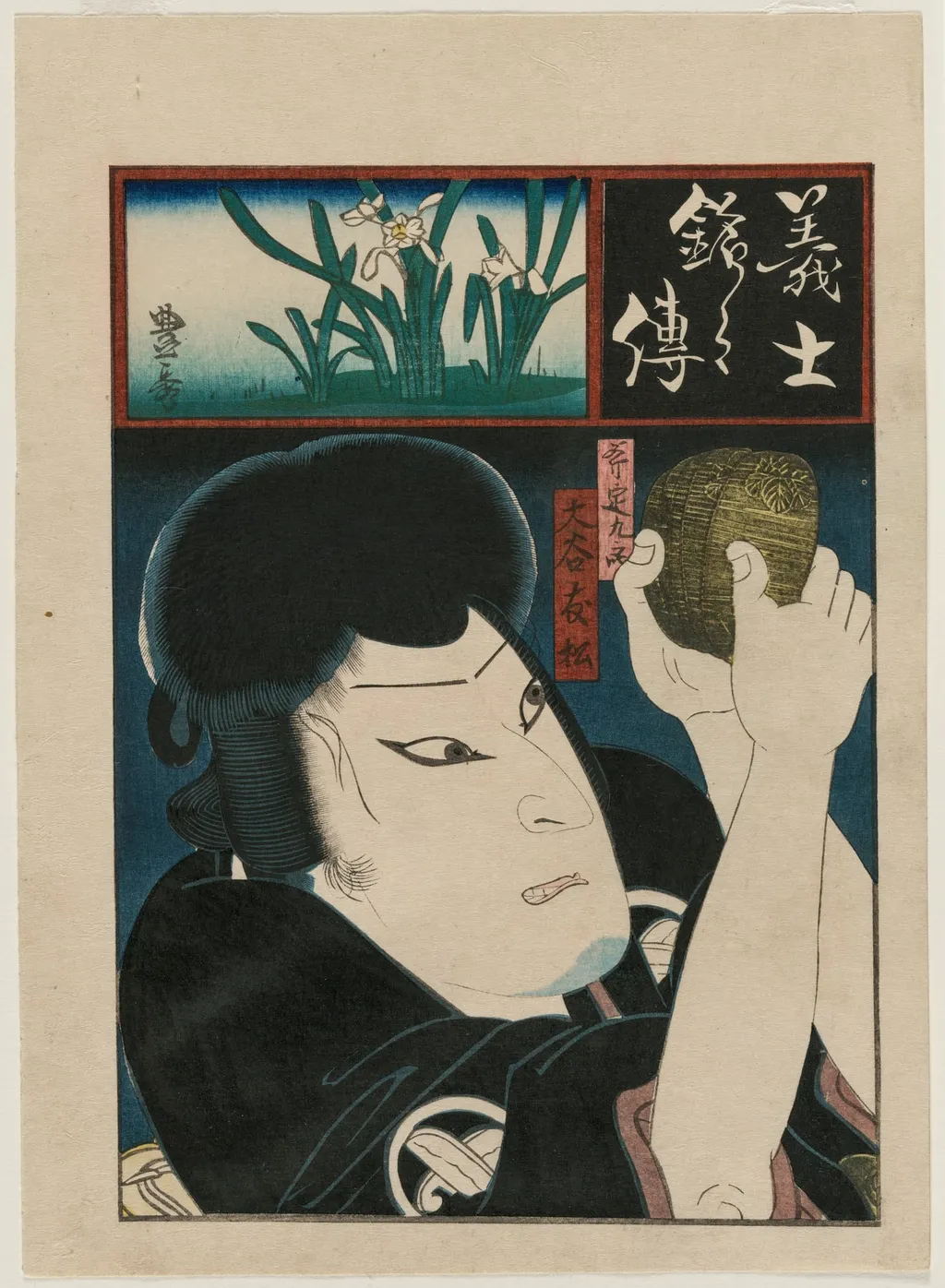
Otani Tomomatsu as Ono no Sadakuro Counting the Stolen Gold Coins (from the series Biographies of the Famous and Loyal Retainers) is a print by the Impressionist artist Kitagawa Toyohide. It dates from 1864 and is held in the collection of the Cleveland Museum of Art.
- Accession no.
- 1976.69
- Credit line
- Edward L. Whittemore Fund
About this work
Overview
The print was produced during the late Edo period, a time when ukiyo-e prints often dramatized tales of loyalty and moral conflict from Japan’s past.
This woodblock print, created around 1864 by Kitagawa Toyohide, is part of the series Biographies of the Famous and Loyal Retainers. It portrays the historical figure Ono no Sadakuro in a moment of intense focus, engaged in counting stolen gold coins. The print was produced during the late Edo period, a time when ukiyo-e prints often dramatized tales of loyalty and moral conflict from Japan’s past.
Subject & Meaning
The scene depicts Ono no Sadakuro, a retainer known for his integrity, confronting the moral weight of recovered stolen treasure. His serious expression and precise hand movement suggest internal struggle rather than triumph. The composition emphasizes his solitary vigil, reinforcing themes of duty and personal accountability within the feudal code of loyalty.
Technique & Style
Toyohide employs bold outlines and flat, saturated colors typical of ukiyo-e printing. The contrast between the dark figure and the vivid blue wall heightens visual tension. A single green plant with white blooms above his head introduces naturalistic detail, while the red panel bearing Japanese script anchors the scene in its historical context, grounding the drama in documented narrative.
History & Provenance
The print originates from a series commissioned to honor loyal retainers of Japan’s feudal past, popular during the mid-19th century. It entered the collection of The Cleveland Museum of Art through documented acquisition, likely in the 20th century, as part of broader Western interest in Japanese printmaking. Its preservation reflects its status as a representative work of late Edo-period commercial print culture.
Context
Produced during the final decades of the Tokugawa shogunate, the series responded to public fascination with historical tales of honor and sacrifice. Though the government restricted depictions of contemporary figures, historical subjects like Sadakuro were permissible and widely circulated. These prints served both entertainment and moral instruction, reinforcing Confucian ideals of loyalty and restraint.
Legacy
Toyohide’s print contributes to a broader tradition of ukiyo-e that transformed historical narratives into accessible visual stories. While not among the most celebrated works of its time, it exemplifies the genre’s capacity to convey complex moral themes through stylized form. Today, it remains a reference point for understanding how popular art engaged with Japan’s ethical and historical consciousness.
Own this work as a print
Artist & collection

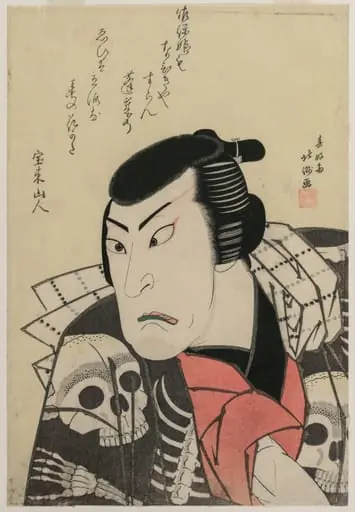 Actor Ichikawa Ebijūrō I as Tōken (China Dog) Jūbei, in the play Red and Purple, Rich Dyes of Osaka (Benimurasaki ai de someage)
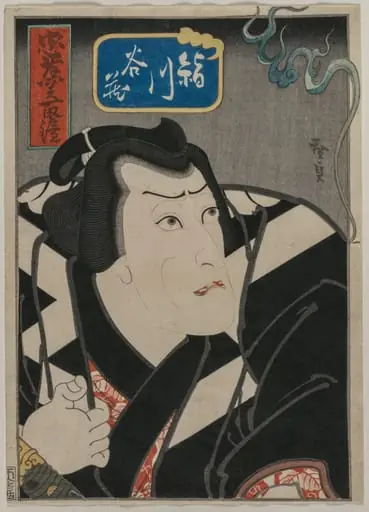 Kinugawa Tanizō in A Mirror of Brave and Loyal Wrestlers (Chūkō Sekitori Kagami)
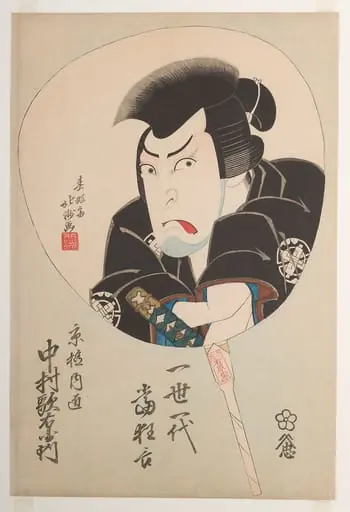 春好斎北洲画 三代目中村歌右衛門 『一世一代当狂言』|Kabuki Actor Nakamura Utaemon III as the Sword Master Kyōgoku Takumi, from the series Issei ichidai atari Kyōgen (Hits of a Lifetime of Kyōgen)
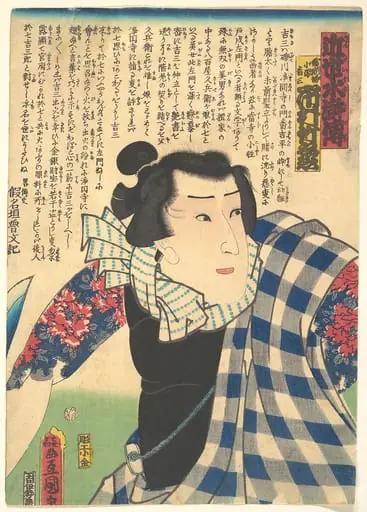 「湯灌場子僧吉三 市川竹之丞」(五代目) 「近世水滸伝」|Ichimura Takenojō V as Yukanba Kozō Kichiza, from A Modern Water Margin (Kinsei suikoden)
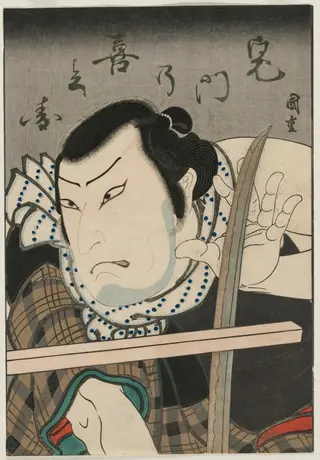 Actor as Kimon no Kihei
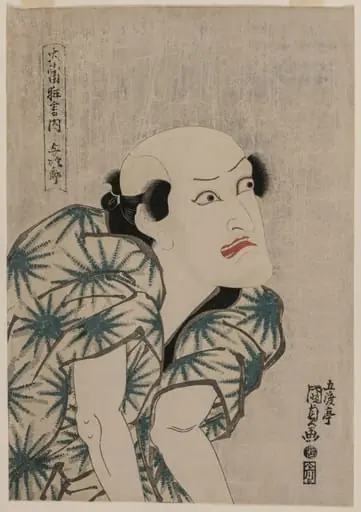 Nakamura Utaemon III as the Monkey Trainer Yojiro (from the series Famous Kabuki Plays)
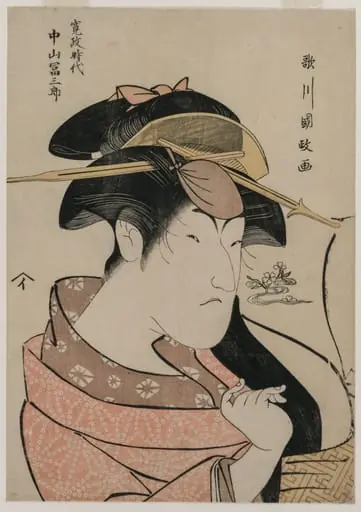 Portrait of the Actor Nakayama Tomisaburo as a Woman
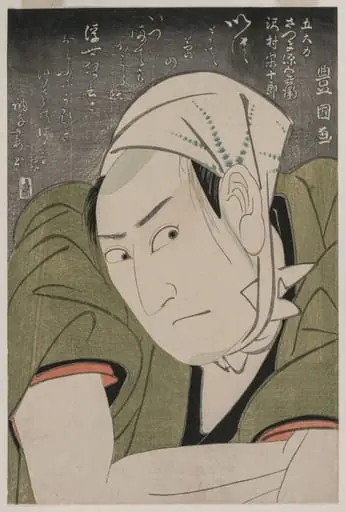 Memorial Portrait of Sawamura Sojuro III as Satsuma Gengobei
 「中村玉七」(初代)|Memorial Portrait of the Actor Nakamura Tamashichi