Artwork
Stand-in Fugen
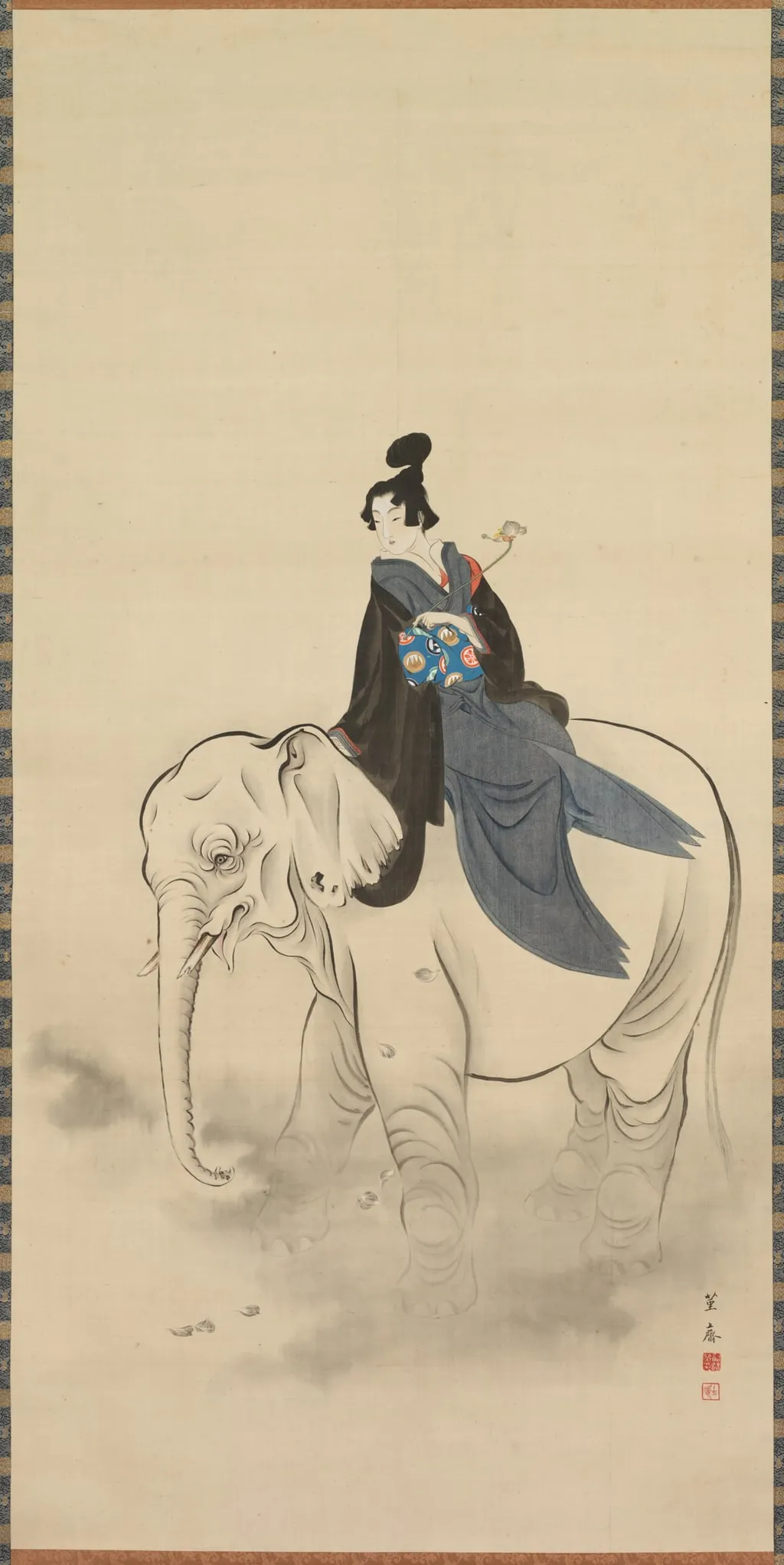
Stand-in Fugen is an unspecified painting by the Romanticist artist Kitao Masayoshi. It dates from 1802 and is held in the collection of the Cleveland Museum of Art. The work, titled Stand‑in Fugen, is an Edo‑period Japanese painting in the collection of the Cleveland Museum of Art.
- Accession no.
- 1985.277
- Credit line
- The Kelvin Smith Collection, given by Mrs. Kelvin Smith
About this work
Overview
The work, titled Stand‑in Fugen, is an Edo‑period Japanese painting in the collection of the Cleveland Museum of Art. It depicts a figure dressed in male attire astride an elephant while clutching a lotus blossom whose petals are drifting to the ground. The composition combines Buddhist iconography with a narrative drawn from medieval Japanese legend.
Subject & Meaning
The scene also references the 12th‑century tale of the courtesan Eguchi, who, after meeting the monk‑poet Saigyō, claimed to be an embodiment of Fugen.
The rider stands in for the bodhisattva Fugen, traditionally associated with wisdom and the pursuit of enlightenment. By presenting Fugen as a woman in male dress, the image underscores the transitory nature of identity, a theme reinforced by the falling lotus petals that symbolize impermanence. The scene also references the 12th‑century tale of the courtesan Eguchi, who, after meeting the monk‑poet Saigyō, claimed to be an embodiment of Fugen.
Technique & Style
Executed in the ink‑and‑color painting style typical of the Edo period, the piece balances delicate brushwork with bold outlines. The elephant, an uncommon motif in Japanese art, is rendered with careful attention to texture, while the figure’s garments display the fluid drapery characteristic of courtly portraiture. The muted palette and subtle gradations convey a contemplative atmosphere appropriate to its Buddhist subject.
History & Provenance
Created during Japan’s Edo era (1603–1868), the painting entered the Cleveland Museum of Art’s collection through acquisition in the late 20th century. Its provenance prior to museum ownership traces back to private Japanese collections, though specific ownership records remain limited. The work has been exhibited in thematic shows focusing on Buddhist iconography and gender representation in Japanese art.
Context
In the broader cultural landscape, the painting reflects the Edo period’s fascination with syncretic narratives that blend religious doctrine with popular folklore. By portraying a bodhisattva through the lens of a historical courtesan’s legend, the artist engages with contemporary discussions of gender fluidity and the impermanent nature of worldly roles, aligning visual art with Buddhist teachings on transience.
Artist & collection

 Untitled
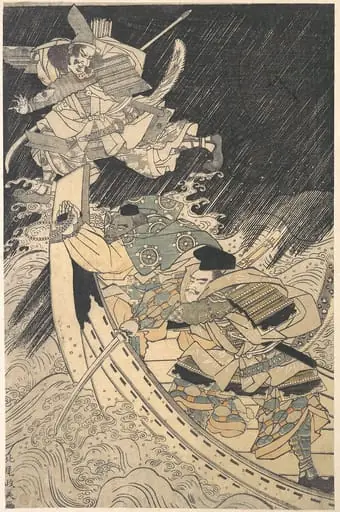 Untitled
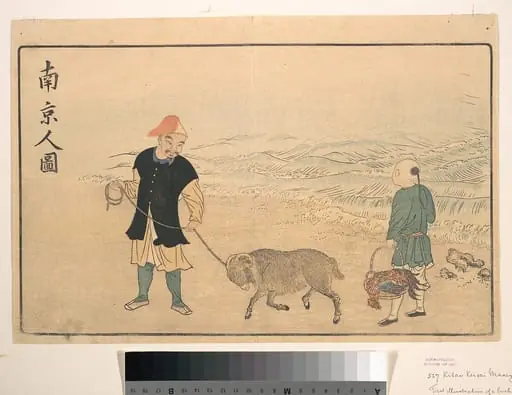 Untitled
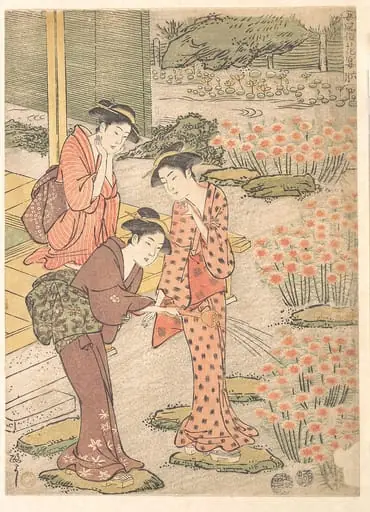 Untitled
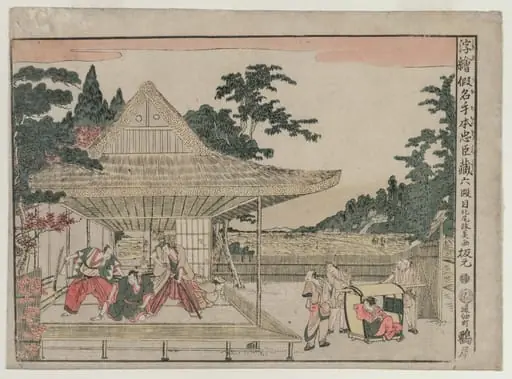 Chushingura: Act VI (from the series Perspective Pictures for The Treasure House of Loyalty)
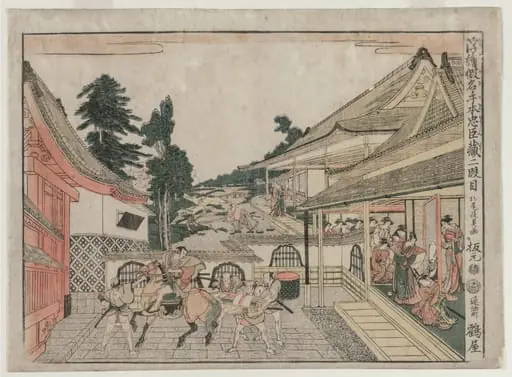 Chushingura: Act II (from the series Perspective Pictures for The Treasure House of Loyalty)
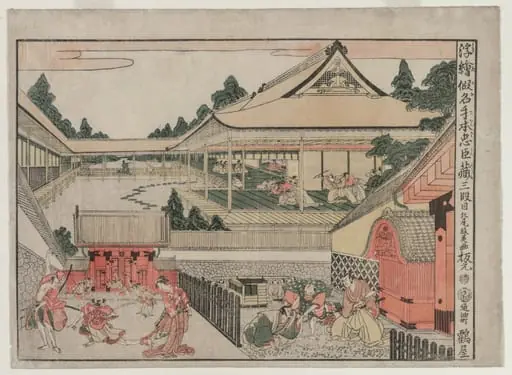 Chushingura: Act III (from the series Perspective Pictures for The Treasure House of Loyalty)
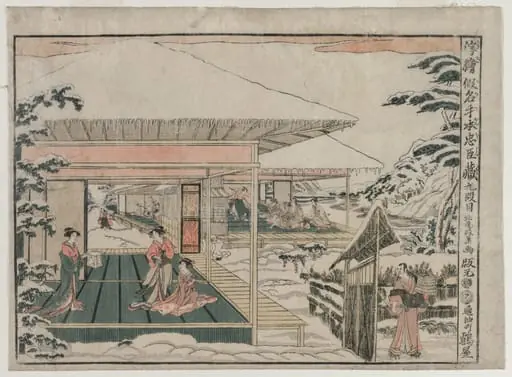 Chushingura: Act IX (from the series Perspective Pictures for The Treasure House of Loyalty)
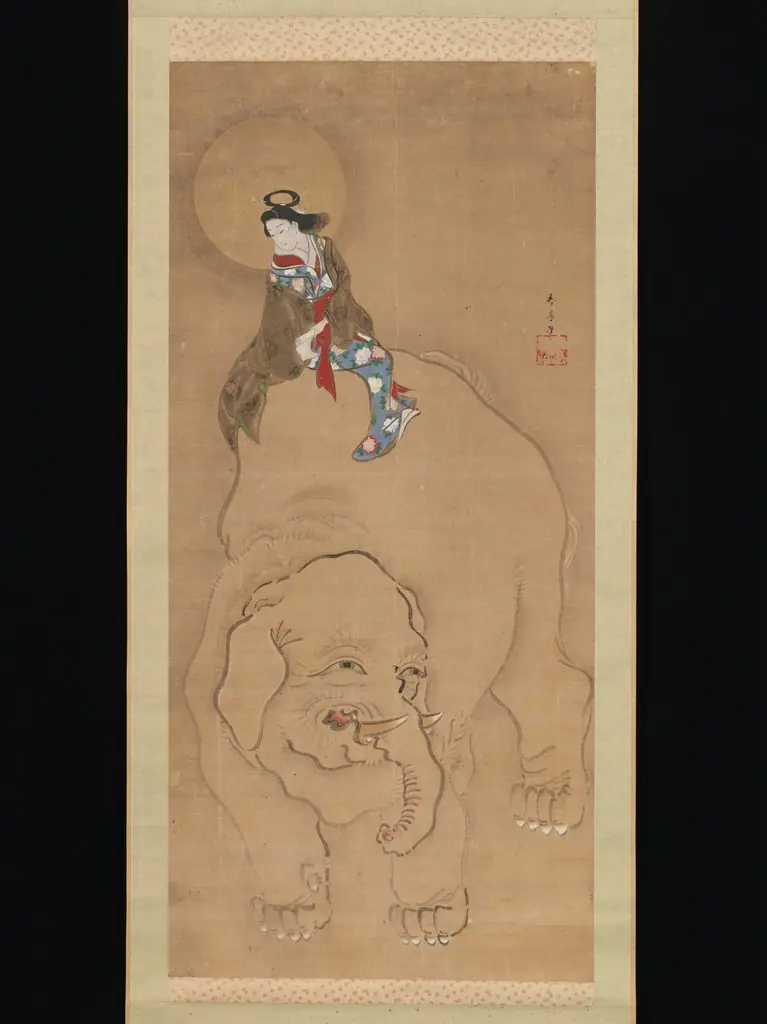
- Eguchi no Kimi
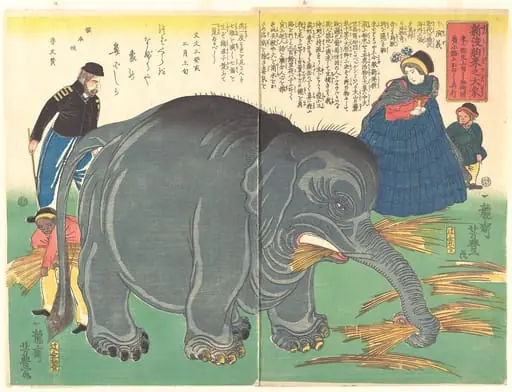
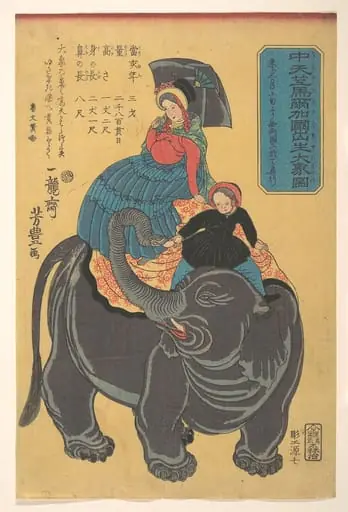 Chū tenjiku Maruka koku shūsshō daizō zu|Picture of an Elephant Born in Maruka in Central India
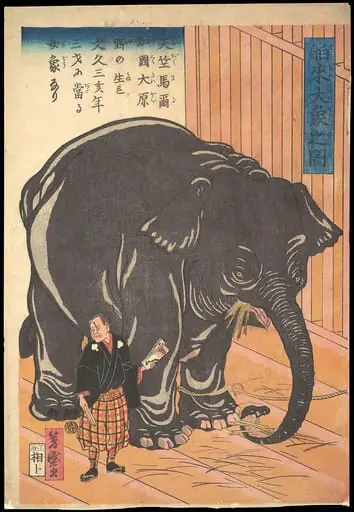 Hakurai taizo no zu|View of the Large Imported Elephant
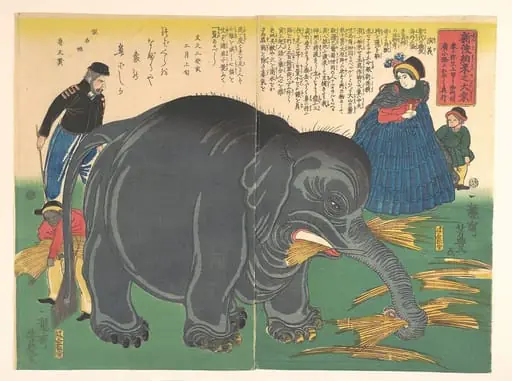 一龍斎芳豊画 「新渡舶来之大象」|Newly Imported Great Elephant (Shinto hakurai no daizō)
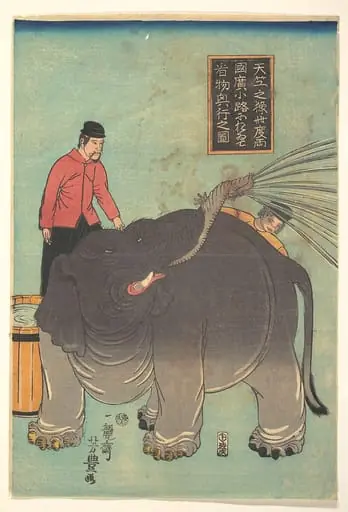 Untitled
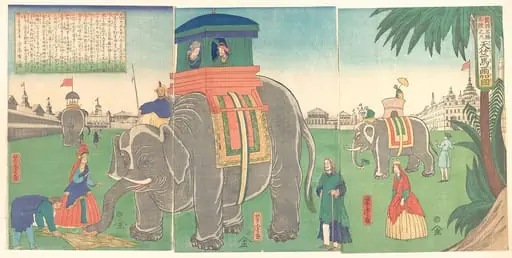 Tenjiku maru no zu|A View of Indian Elephants
 Untitled
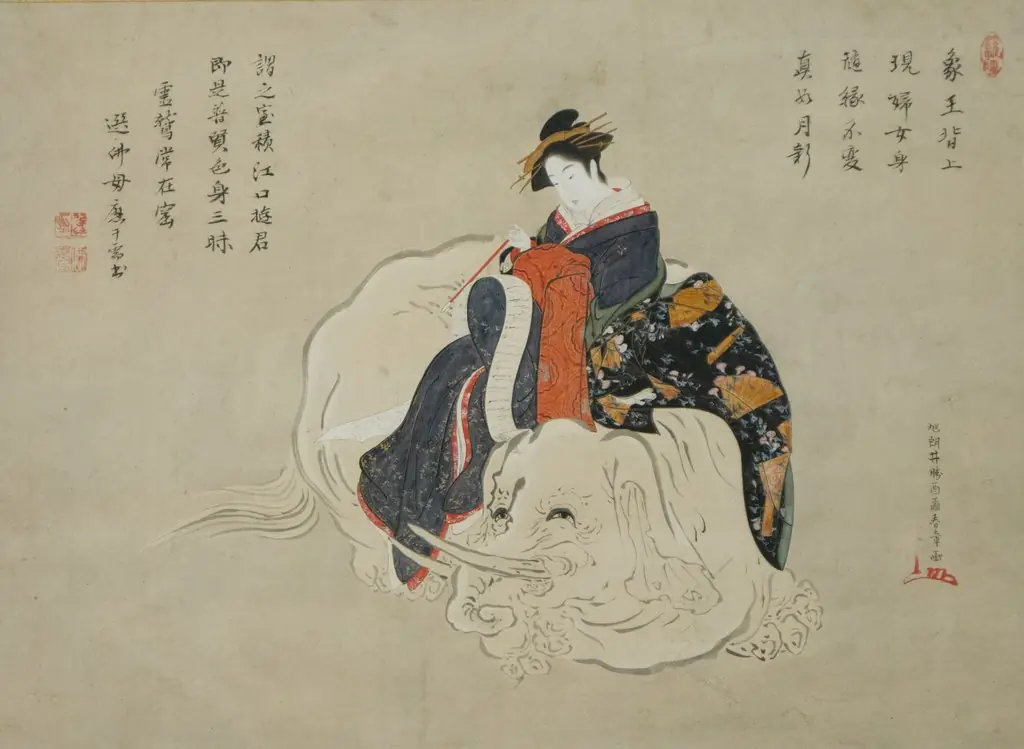 Courtesan of Eguchi (Eguchi no kimi)
 Untitled
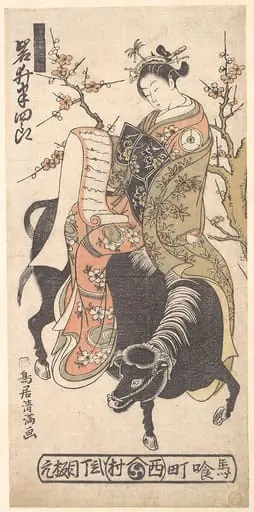 「岩井半四郎図」|The Actor Iwai Hanshiro as a Courtesan Reading a Love Letter while Mounted on a Black Ox
 Untitled
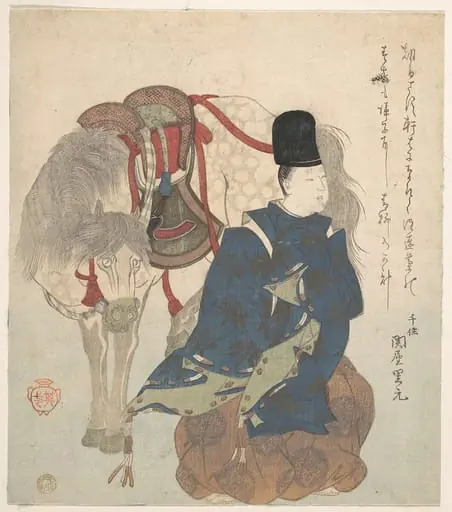
 A Samurai on Horseback