Artwork
Portrait of the Dogaressa Morosina Morosini
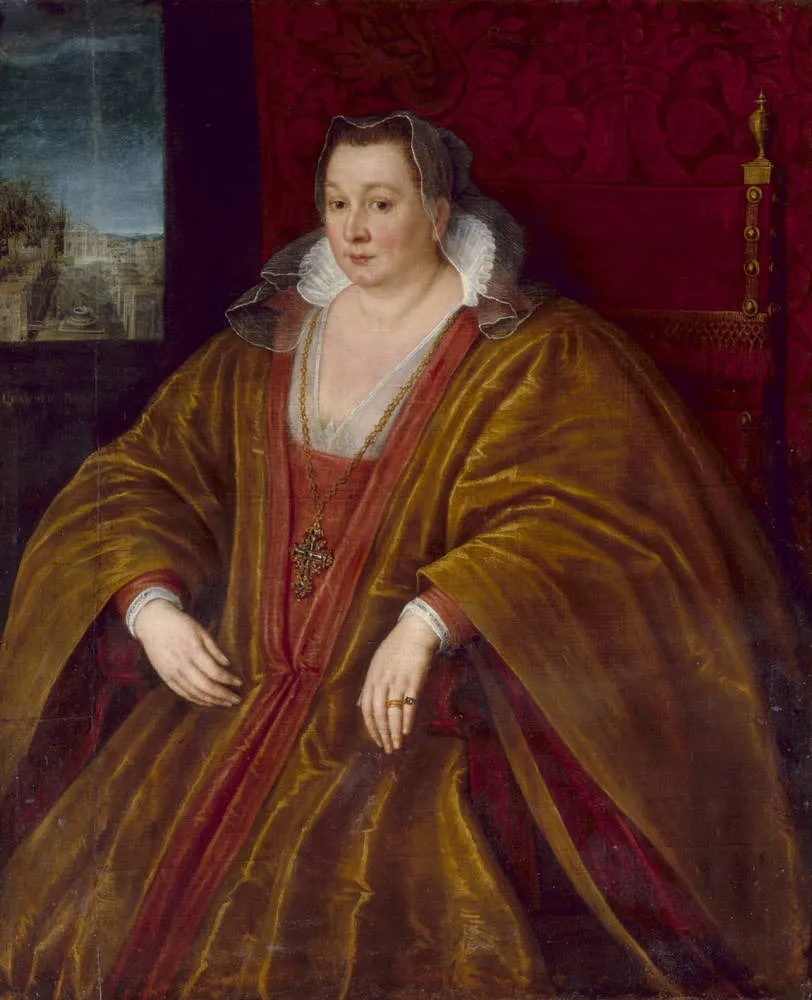
Portrait of the Dogaressa Morosina Morosini is an oil painting by the Early Baroque Italian artist Leandro Bassano. It dates from 1598 and is held in the collection of the Staatliche Kunstsammlungen Dresden.
About this work
Overview
Executed in the transitional phase between late Renaissance and early Baroque styles, the work reflects Venetian elite portraiture of the period.
Painted in 1598 by Leandro Bassano, this oil portrait captures Morosina Morosini-Grimani, the wife of Doge Marino Grimani. Executed in the transitional phase between late Renaissance and early Baroque styles, the work reflects Venetian elite portraiture of the period. Bassano, trained in his father Jacopo’s workshop, brought a refined naturalism to aristocratic subjects, blending regional Venetian colorism with formal dignity.
Subject & Meaning
Morosina Morosini-Grimani is portrayed as a dignified noblewoman, her posture and attire signaling her status as Dogaressa. The restrained composition avoids theatricality, emphasizing quiet authority. Her jewelry, the gold cross and ring, affirms both piety and lineage, while the somber tones of her outer robe contrast with the vivid red undergarment, a subtle display of wealth and social rank within Venetian ceremonial dress codes.
Technique & Style
Bassano employed layered oil glazes to render textures with precision: the sheen of silk, the crispness of lace, and the metallic gleam of the cross. The background features a richly patterned red wall and a miniature landscape, a common device to suggest depth without distraction. His brushwork balances detail with restraint, avoiding the flamboyance of later Baroque portraiture in favor of measured elegance and atmospheric harmony.
History & Provenance
Commissioned during Marino Grimani’s dogeship (1595–1605), the portrait likely served to affirm the Morosini family’s political standing. It remained within Venetian aristocratic circles for centuries, documented in 17th-century inventories. Its survival through political upheavals and shifts in taste underscores its role as a symbol of institutional continuity rather than personal vanity.
Context
In late 16th-century Venice, portraits of dogaressas were rare and tightly regulated, often commissioned to reinforce dynastic legitimacy. Unlike other Italian courts, Venice discouraged overt displays of individual power; thus, such images emphasized decorum over grandeur. Bassano’s approach aligns with this cultural norm, using subtle cues of status rather than symbolic allegories common elsewhere.
Legacy
The portrait stands as a representative example of Venetian elite portraiture during the transition to the Baroque. While Leandro Bassano is less celebrated than his father, this work illustrates his skill in adapting familial techniques to the demands of civic aristocracy. It remains a key reference for understanding how Venetian women of power were visually constructed within a republic that prized restraint.
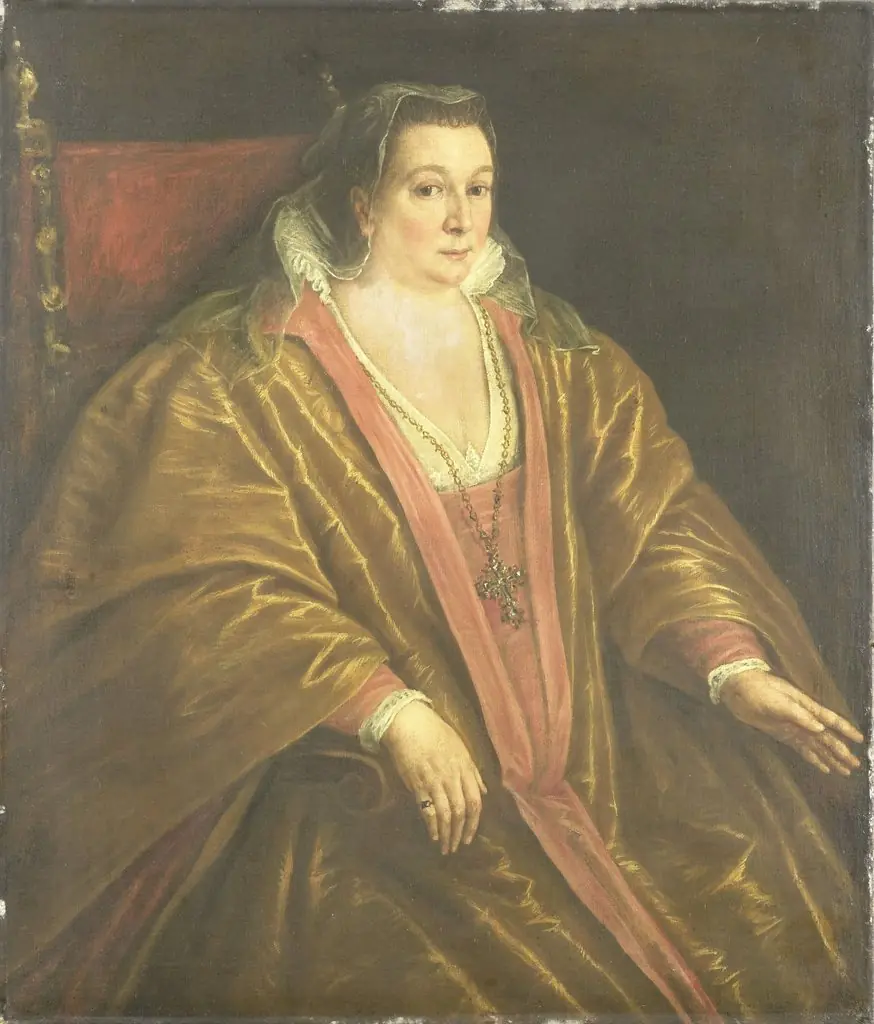
Artist & collection
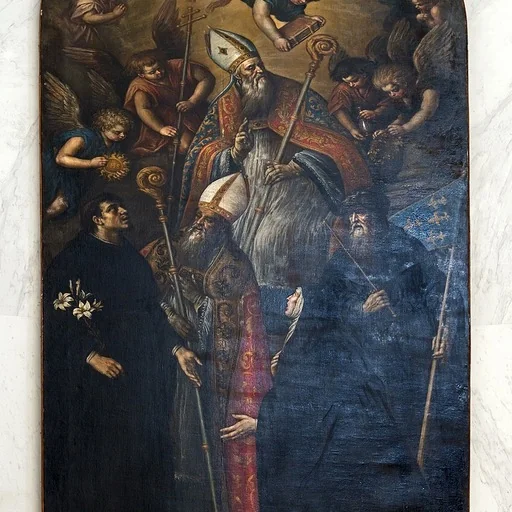
Artist
Leandro Bassano (10 June 1557 – 15 April 1622), also called Leandro dal Ponte, was an Italian Renaissance painter from Bassano del Grappa who was awarded a knighthood by the Doge of Venice.

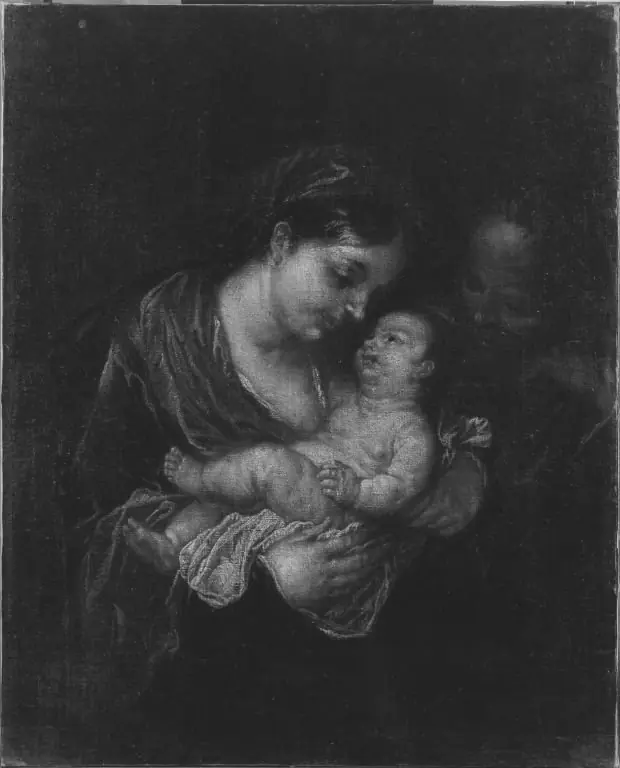
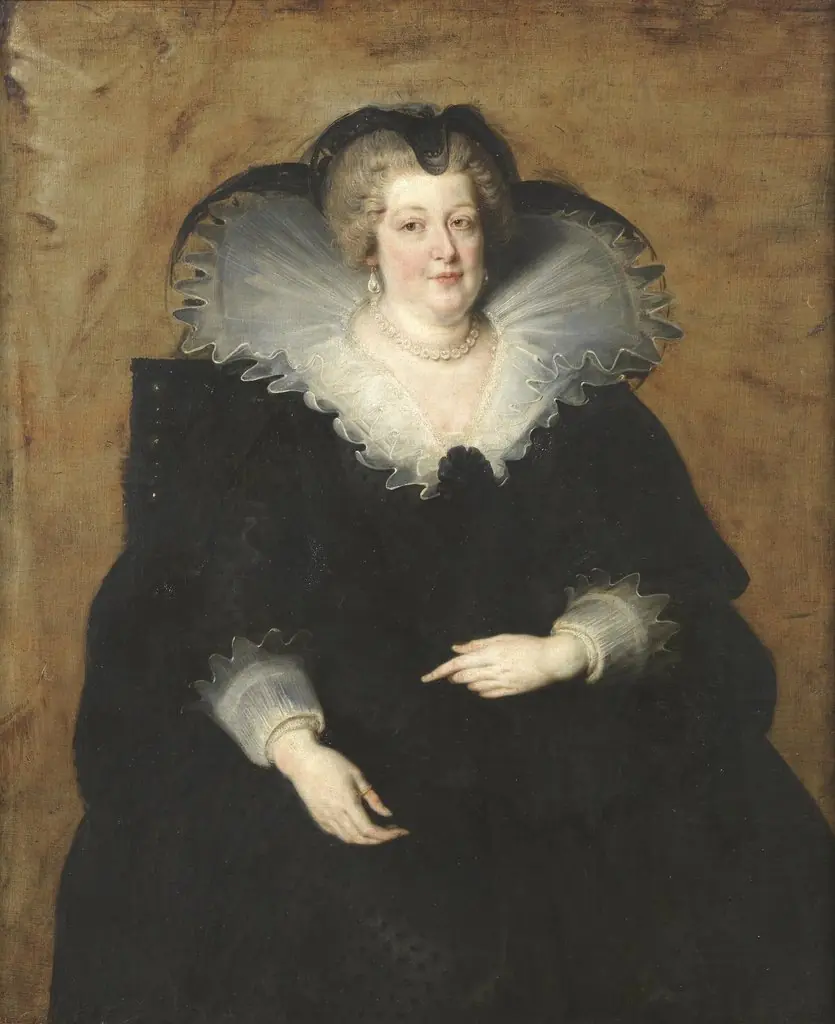 Marie de Medici, Queen of France
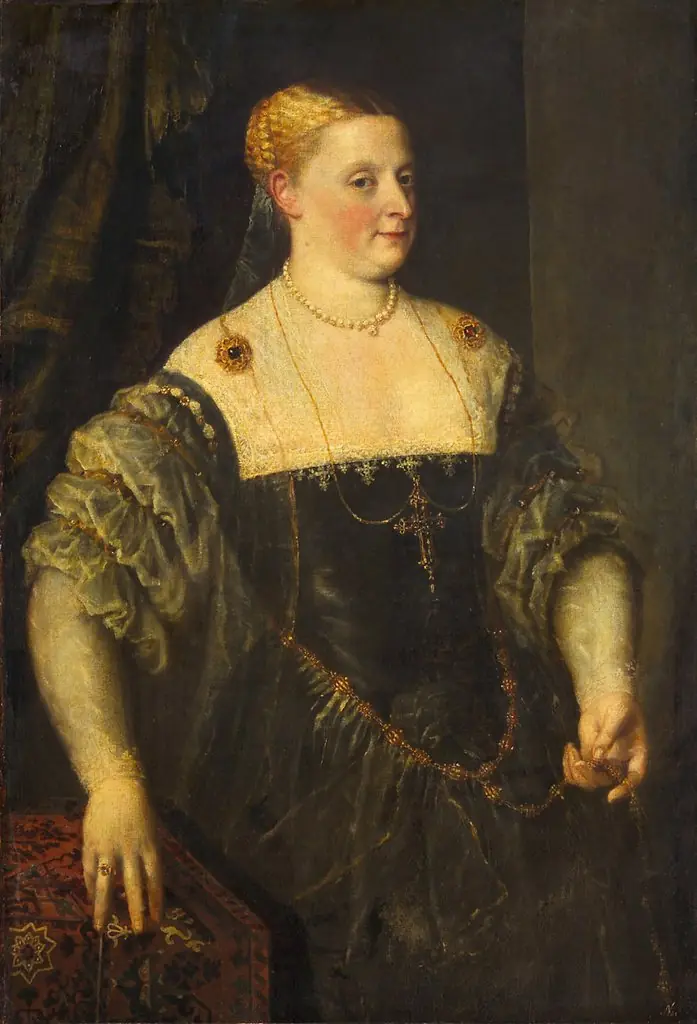 Portrait of a noblewoman
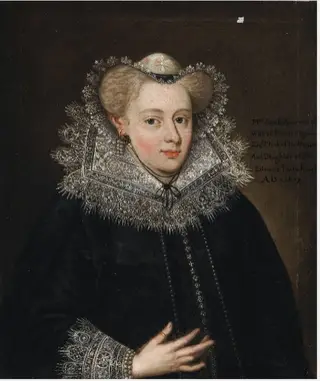 Portrait of Jane Tuite, Wife of Francis Edgeworth
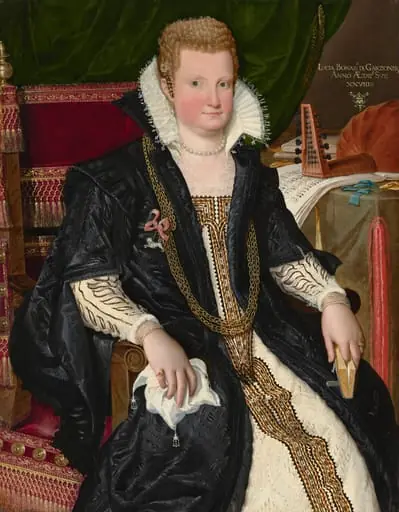 Lucia Bonasoni Garzoni
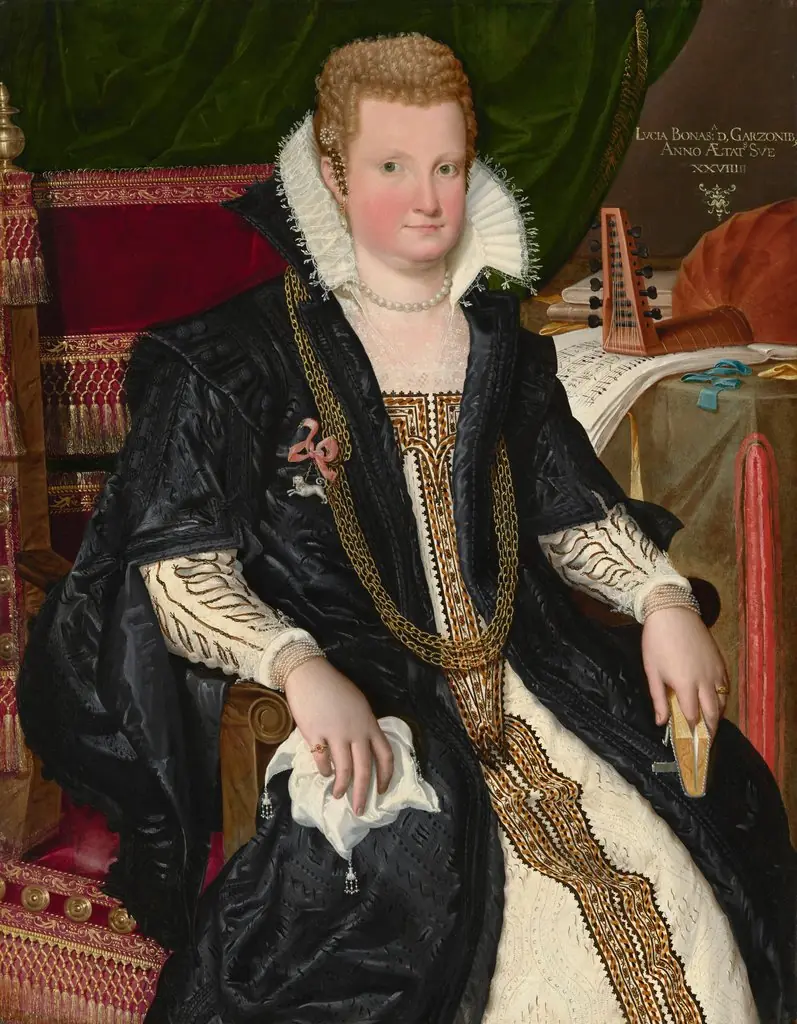 Lucia Bonasoni Garzoni
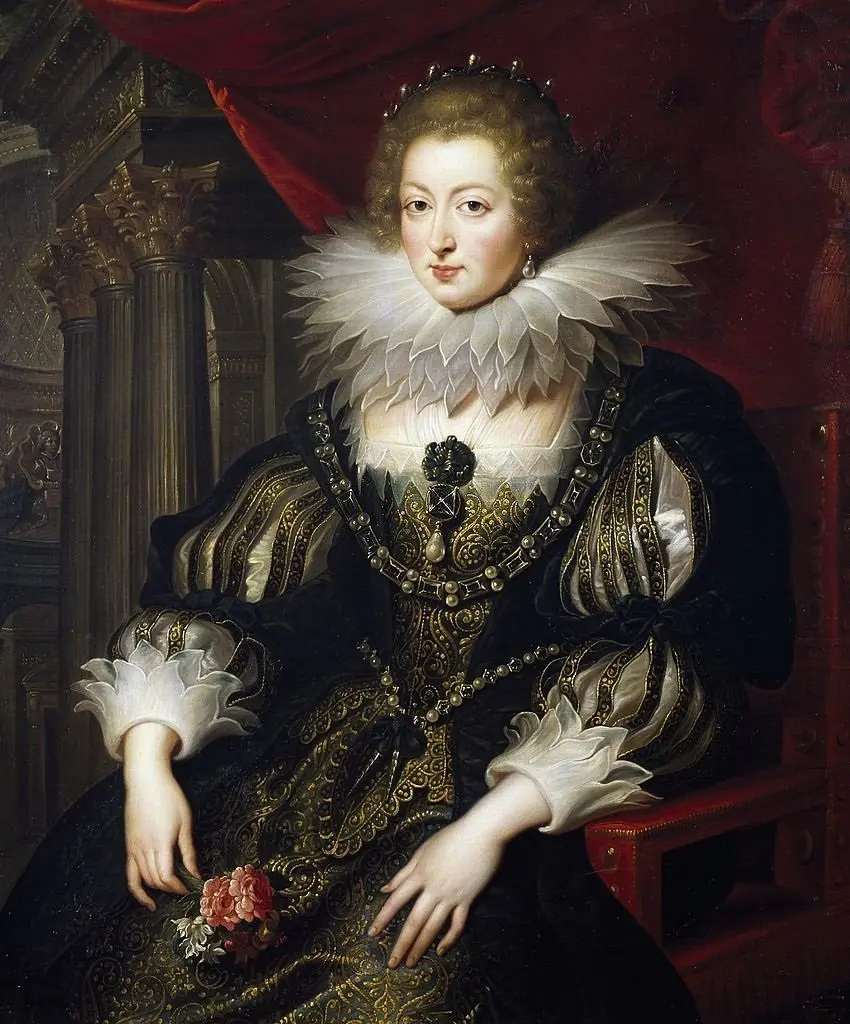 Portrait of Anne of Austria, Queen of France (1601-1666)
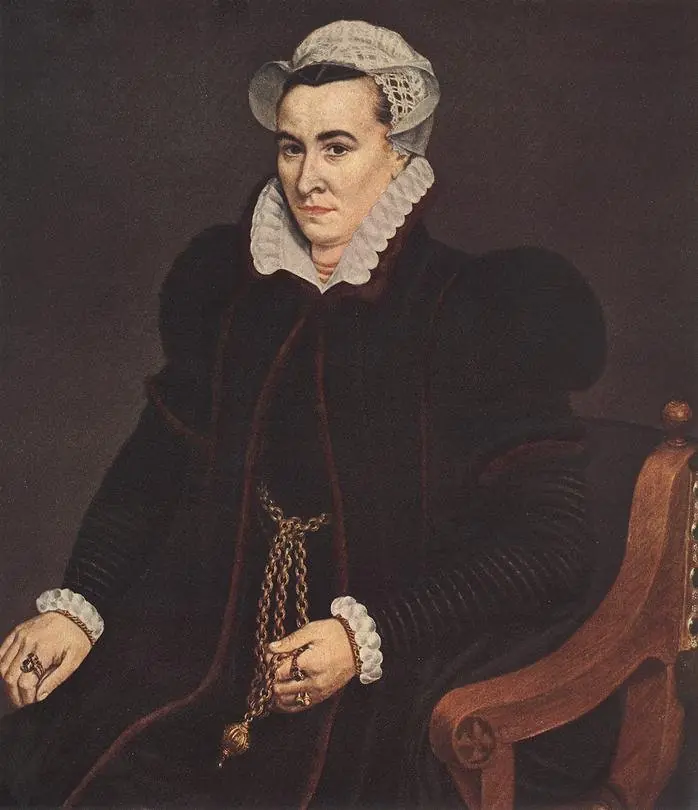 Portrait of a Lady
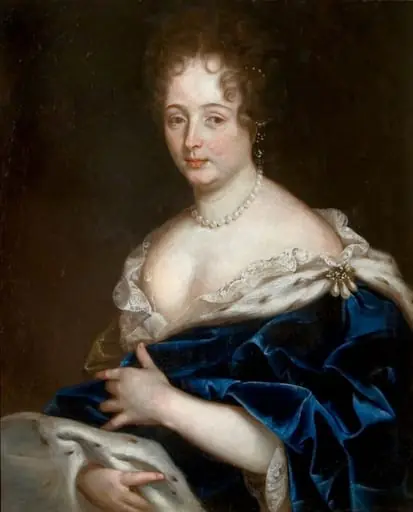 Portretul Marchizei de Crequi
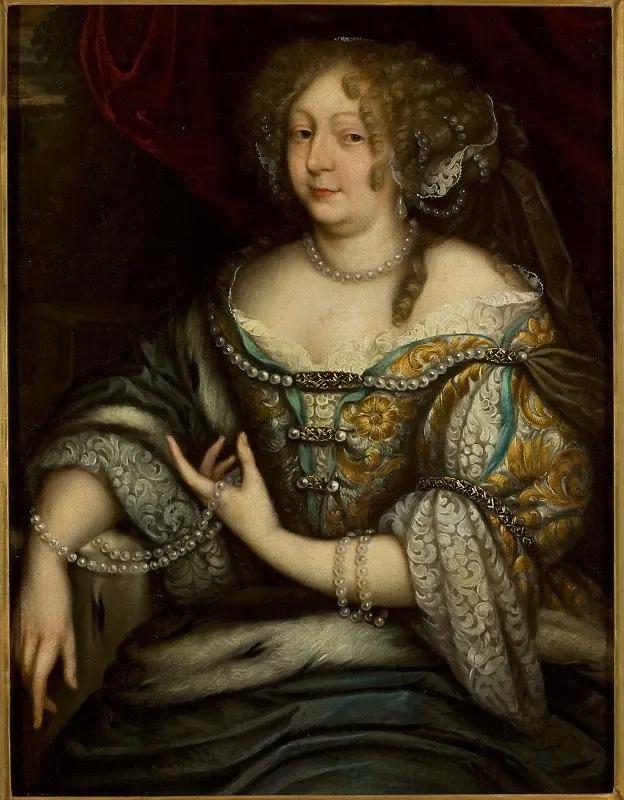 Portrait of Anna Eleonore of Stolberg-Wernigerode(1651–1690), princess of Anhalt-Koethen
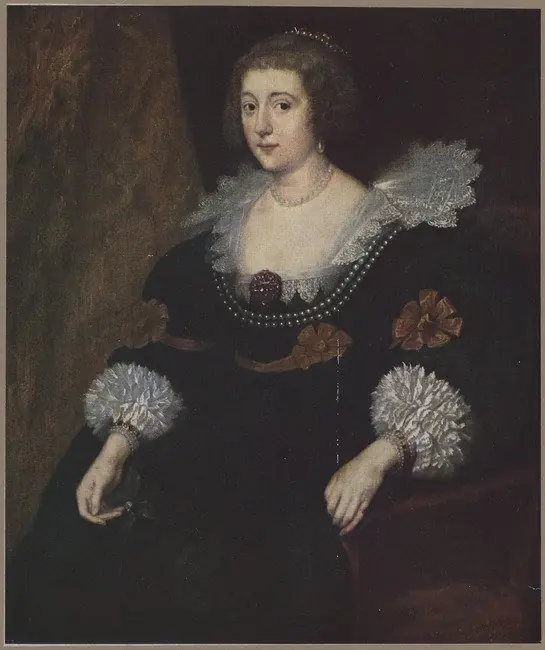 Portrait of Amalia van Solms-Braunfels, Princess of Orange (1602-1675)
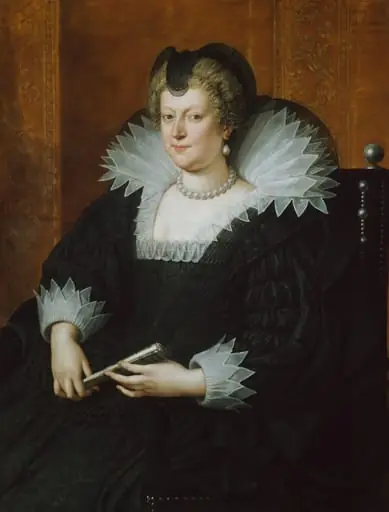 Marie de’ Medici