Artwork
一鱖禾蟹圖|Flowers, fish, and crabs
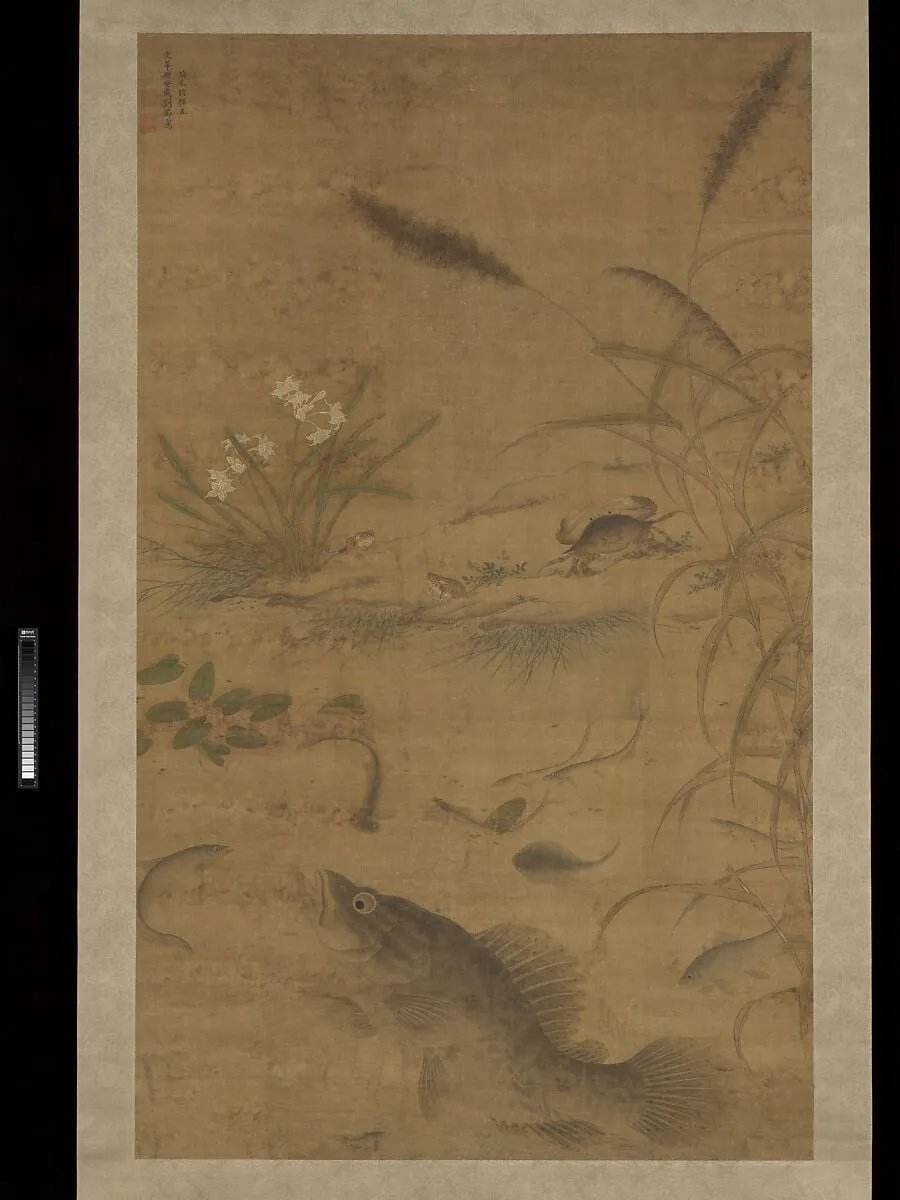
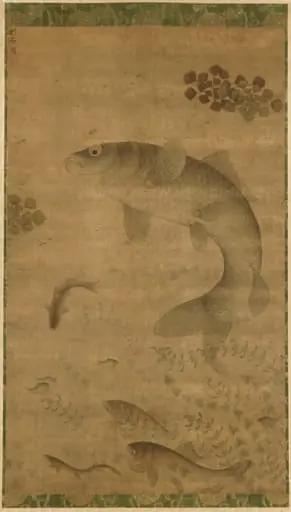
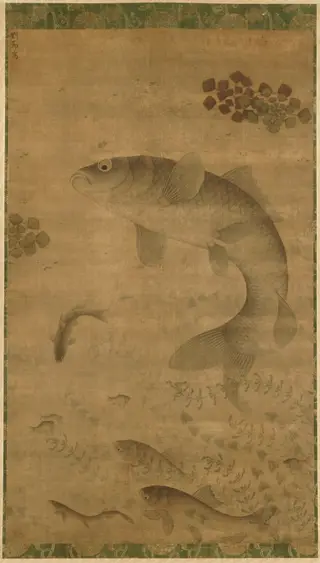
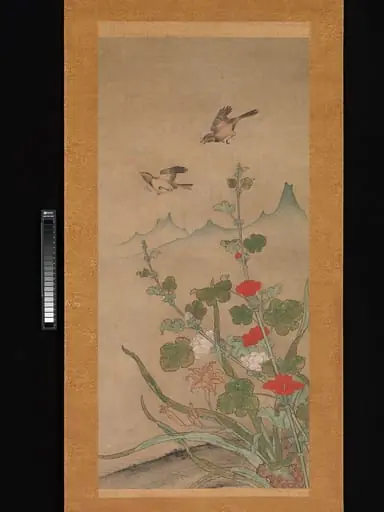
一鱖禾蟹圖|Flowers, fish, and crabs is an ink painting by the Ming dynasty painting artist Liu Jie. It is held in the collection of the Metropolitan Museum of Art.
About this work
Subject & Meaning
The composition focuses entirely on these three naturalistic subjects, presenting them together without narrative context.
The hanging scroll portrays a trio of natural motifs: flowers, fish, and crabs. As a still life, the artwork captures these elements as its primary subject matter. In traditional Chinese visual culture, such components frequently carry auspicious meanings; fish often symbolize abundance and surplus, while crabs can represent harmony or high status.
However, based on the available sources, the work's explicit iconographic meaning or specific symbolic program beyond its literal depiction of a crab, fish, and flower remains unstated. The composition focuses entirely on these three naturalistic subjects, presenting them together without narrative context.
Technique & Style
Liu Jie's Flowers, fish, and crabs is rendered as a hanging scroll utilizing ink and color on a silk support. The work belongs to the still life genre, formally arranging its depicted subjects, crabs, fish, and flowers, into a cohesive composition. Created in China around 1550, the painting demonstrates the traditional Chinese medium of applied pigments and ink on woven silk, a combination that allows for both fluid brushwork and defined, colored forms.
As a hanging scroll, the artwork was designed to be periodically unrolled for viewing and subsequently stored, a format that inherently affects its physical condition and conservation over time.
History & Provenance
The hanging scroll titled Flowers, Fish, and Crabs was created around 1550 by the Chinese artist Liu Jie. Executed in ink and color on silk, the work originated in China and depicts a still-life arrangement of crabs, fish, and flowers. The painting is part of the collection at the Metropolitan Museum of Art.
The specific commission details and the earlier ownership chain preceding its arrival at the museum are not detailed in the available records.
Context
The painting 一鱖禾蟹圖|Flowers, fish, and crabs, attributed to the Ming-dynasty artist Liu Jie, exemplifies the still-life genre of Chinese ink and color on silk. Executed circa 1550, it entered the collection of the Metropolitan Museum of Art. The work depicts crabs, a fish, and flowers, naturalistic subjects treated within the conventions of classical Chinese brushwork.
Legacy
Liu Jie's Flowers, Fish, and Crabs belongs to the tradition of Ming-dynasty still-life painting within the huaniao (flower-and-bird) genre. Housed in the Metropolitan Museum of Art, it survives as an example of the period's combination of careful observation with literati brushwork.
Overview
Liu Jie's painting, Flowers, fish, and crabs (一鱖禾蟹圖), created around 1550, is an ink and color work on silk presented as a hanging scroll. This still life composition features two crabs, a single fish, and a cluster of flowers. The artist rendered these elements with a delicate palette, capturing the natural forms and suggesting a specific seasonal moment.
Artist & collection