Artwork
The Sacrifice of Isaac
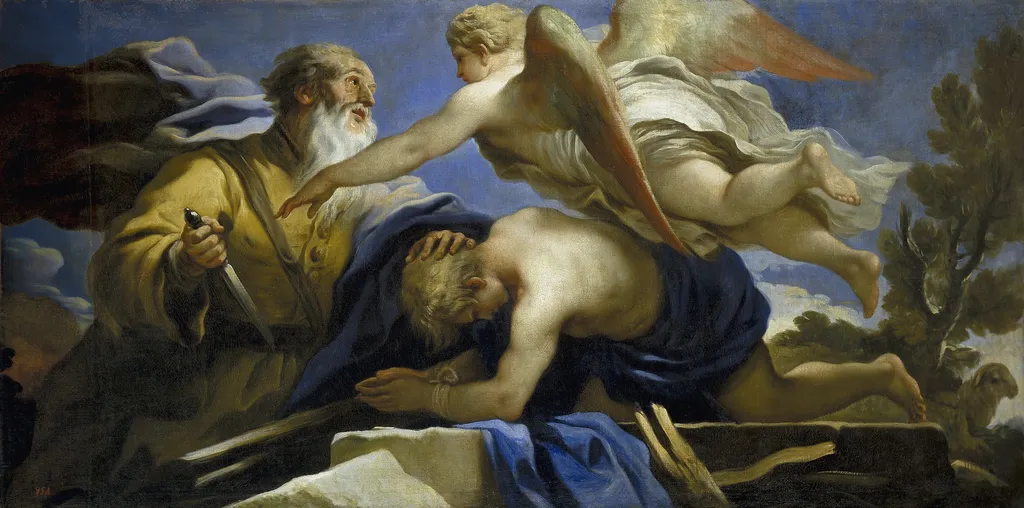
The Sacrifice of Isaac is an oil painting by the High Baroque Italian artist Luca Giordano. It dates from 1698 and is held in the collection of the Museo del Prado.
About this work
Subject & Meaning
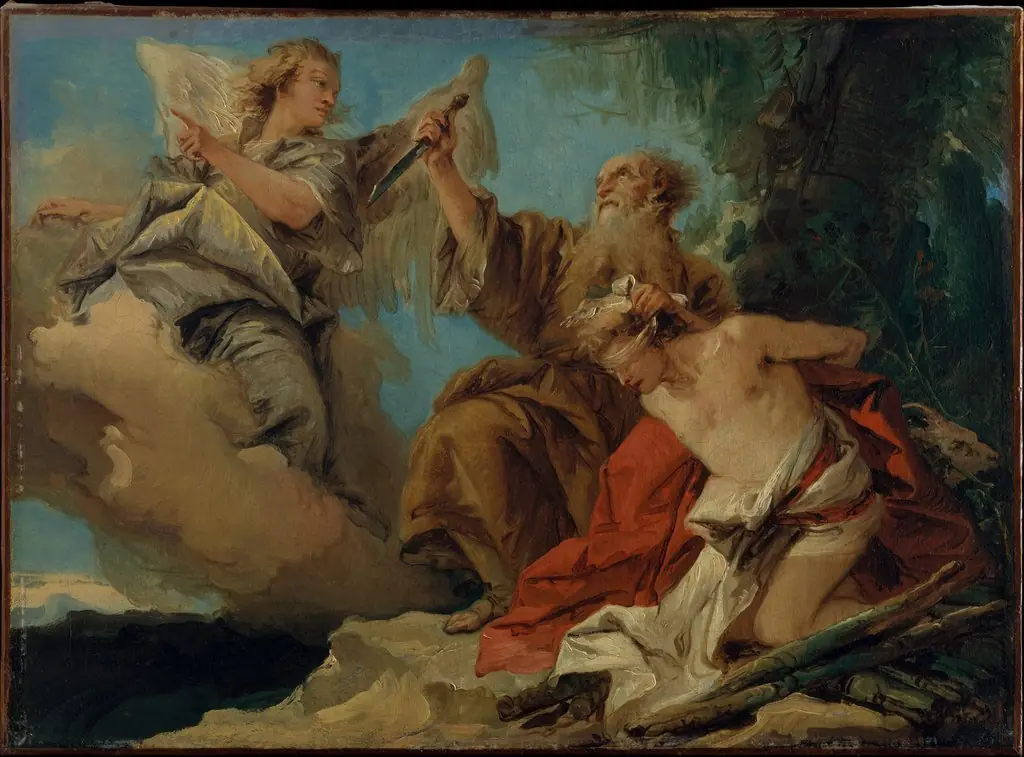
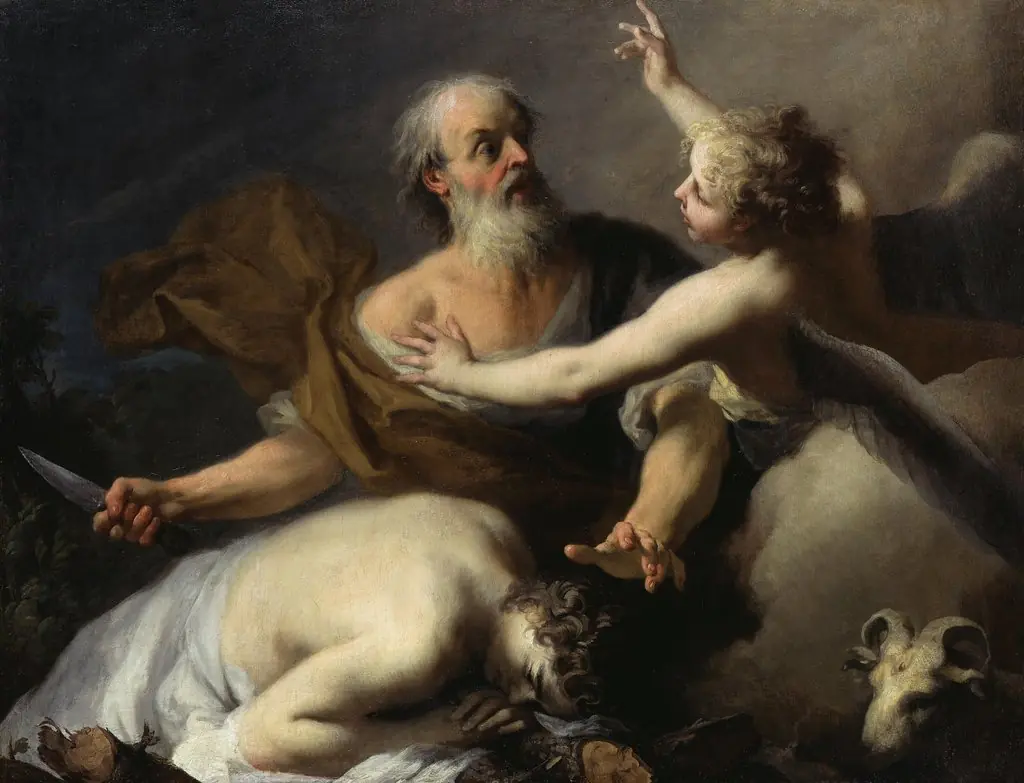
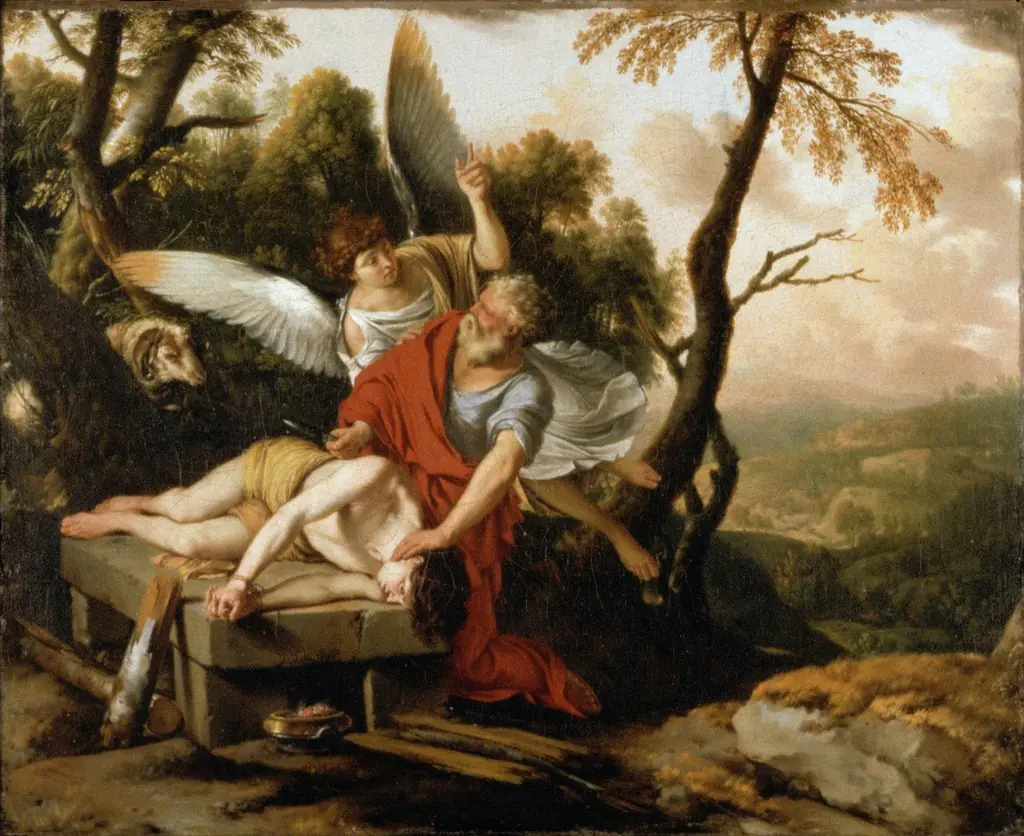
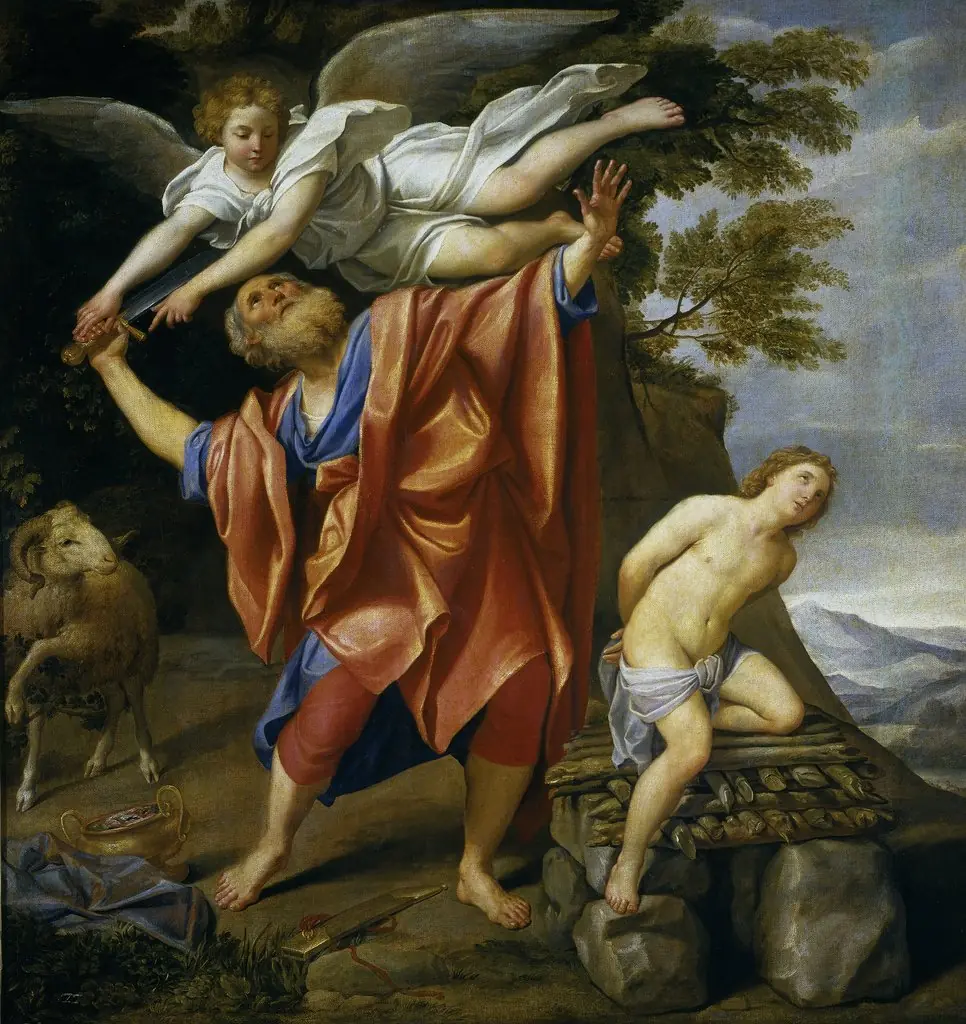
The painting depicts the Binding of Isaac, the biblical episode in which Abraham is commanded to sacrifice his son Isaac.
The painting depicts the Binding of Isaac, the biblical episode in which Abraham is commanded to sacrifice his son Isaac. Luca Giordano's composition focuses on the dramatic moment of the sacrifice, with a knife included among the depicted elements, signaling the imminent act of obedience and the angelic intervention that traditionally halts it. As a religious work, the painting engages with themes of faith, submission to divine will, and providential deliverance, subjects that were central to Counter-Reformation devotional imagery in late seventeenth-century Spain.
The horizontal format and the inclusion of the knife as a specifically named motif suggest a narrative reading of the scene, emphasizing the tension between human action and divine command that defines the iconography of the sacrifice.
Technique & Style
The work is an oil painting executed on canvas, measuring 95 cm in height by 196 cm in width. It depicts the biblical Binding of Isaac, showing the moment of sacrifice with a prominent knife, rendered in Luca Giordano's characteristic Baroque style marked by dynamic composition and vivid coloration. The painting was created in 1695 for the Spanish court and later entered the collection of Ferdinand VII of Spain, eventually becoming part of the Museo del Prado's holdings.
History & Provenance
Luca Giordano executed The Sacrifice of Isaac in 1695 as an oil painting on canvas. The work was created for Ferdinand VII of Spain, who subsequently became its owner. Today, the painting is held in the collection of the Museo del Prado in Madrid, where it remains part of the institution's permanent holdings of religious art.
The Sacrifice of Isaac by Luca Giordano is held at the Museo del Prado in Madrid, where it is catalogued under inventory number P005452. The work entered the royal collection through King Ferdinand VII of Spain and has been part of the museum's permanent display since its acquisition. It has been featured in several exhibitions focusing on Spanish Baroque art and religious narratives, including a major showcase of Baroque masterpieces at the Prado in 2005.
Context
The Sacrifice of Isaac by Luca Giordano exemplifies late Baroque religious painting, depicting the binding of Abraham’s son as recounted in Genesis. Executed in oil on canvas around 1695, the work measures 95 cm in height by 196 cm in width and resides in the Museo del Prado, where it formed part of King Ferdinand VII of Spain’s collection. Scholars highlight its dynamic composition and emotional intensity as characteristic of Giordano’s mature style, situating it within the broader trajectory of 17th-century Spanish religious art.
The painting’s iconography, centered on the knife used in the near-sacrifice, underscores theological themes of faith and obedience, reinforcing Giordano’s reputation as a master of dramatic narrative in Catholic Europe.
Legacy
The Sacrifice of Isaac became a reference point for later religious compositions, particularly through its dramatic use of light and movement that influenced Baroque painters. Its depiction of the biblical Binding of Isaac was widely reproduced in prints, helping to standardize visual narratives of the story in 18th-century European art. The canvas's prominent placement in the Museo del Prado ensured continued scholarly attention, reinforcing Giordano's reputation as a master of narrative painting.
Overview
The Sacrifice of Isaac is a 1698 oil painting by Luca Giordano, held at the Museo del Prado. It depicts a pivotal biblical scene.
Artist & collection

Artist
Luca Giordano was an Italian late-Baroque painter and printmaker in etching. Giordano was one of the most celebrated artists of the Neapolitan Baroque, whose vast output included altarpieces, mythological paintings and…