Artwork
Saint Juan de Ribera
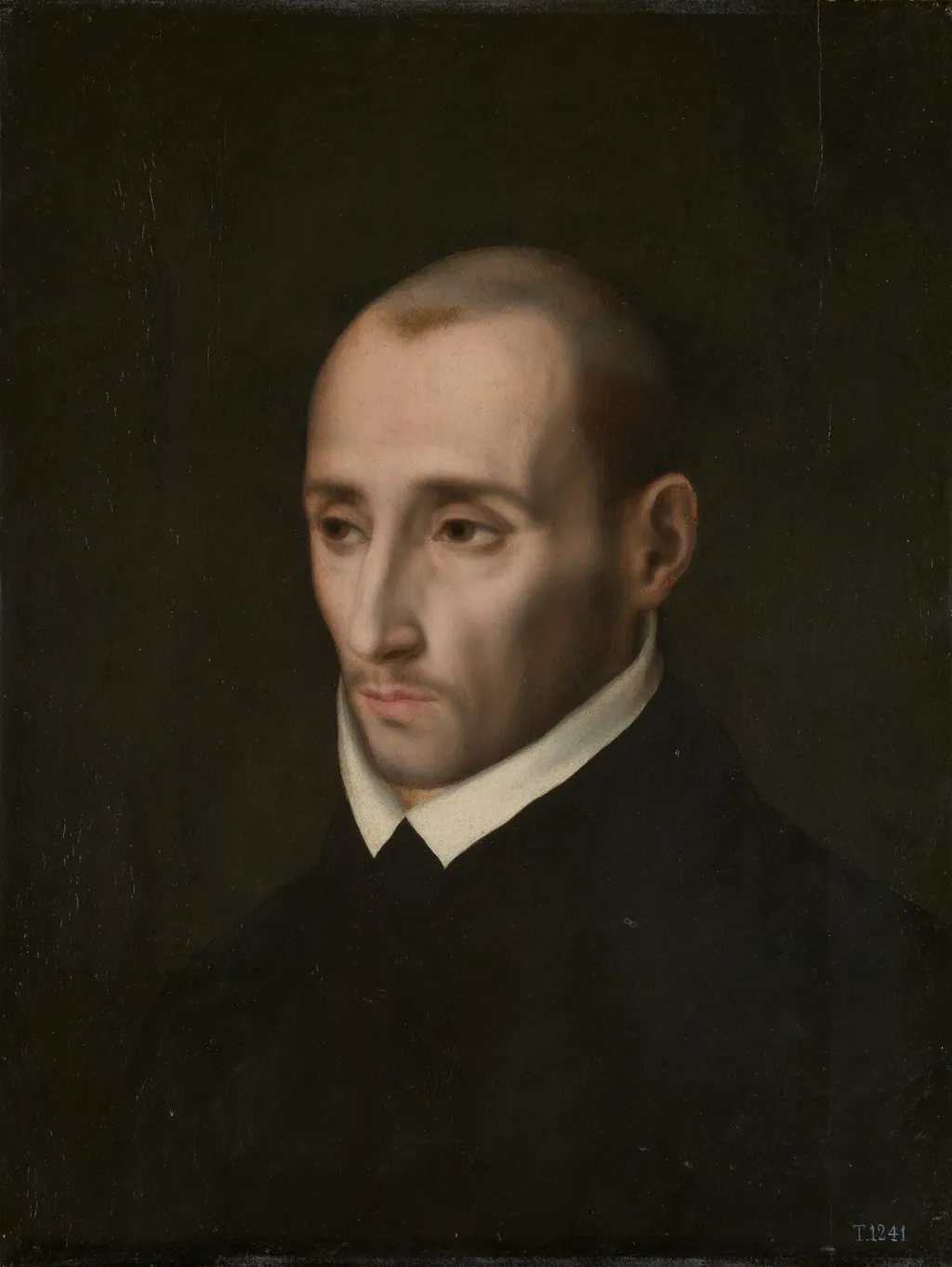
Saint Juan de Ribera is a tempera painting by Luis de Morales. It dates from 1566 and is held in the collection of the Museo del Prado. Created in 1566, this tempera portrait presents Juan de Ribera, a prominent ecclesiastical figure, rendered with a solemn demeanor.
About this work
Overview
Created in 1566, this tempera portrait presents Juan de Ribera, a prominent ecclesiastical figure, rendered with a solemn demeanor. The composition places the subject against an unadorned dark backdrop, emphasizing his solemn expression and the subtle play of light across his face. The work exemplifies the devotional focus characteristic of Spanish Renaissance portraiture.
Subject & Meaning
Juan de Ribera, depicted in clerical attire, a black robe with a white collar, embodies the spiritual authority of the Counter‑Reformation era. His calm yet intense gaze, illuminated from one side, conveys a sense of inner contemplation and piety, aligning the portrait with the period’s intent to inspire reverence through realistic, emotionally resonant representations of holy men.
Technique & Style
Executed in egg‑tempera, the painting achieves a matte surface and delicate tonal transitions, particularly evident in the soft modeling of the face. Morales employs restrained color and fine brushwork, drawing on the compositional clarity of Raphael and the nuanced modeling associated with Leonardo’s Lombard circle, resulting in a realistic yet spiritually charged image.
History & Provenance
The portrait was produced by Luis de Morales, a Spanish painter often called “El Divino” for his intense religious works. It entered the collection of the Museo del Prado, where it remains part of the museum’s holdings of 16th‑century Spanish art, illustrating Morales’s prolific output of sacred subjects during the Renaissance.
Own this work as a print
Artist & collection
Artist
Luis de Morales (1509 – 9 May 1586) was a Spanish painter active during the Spanish Renaissance in the 16th century.

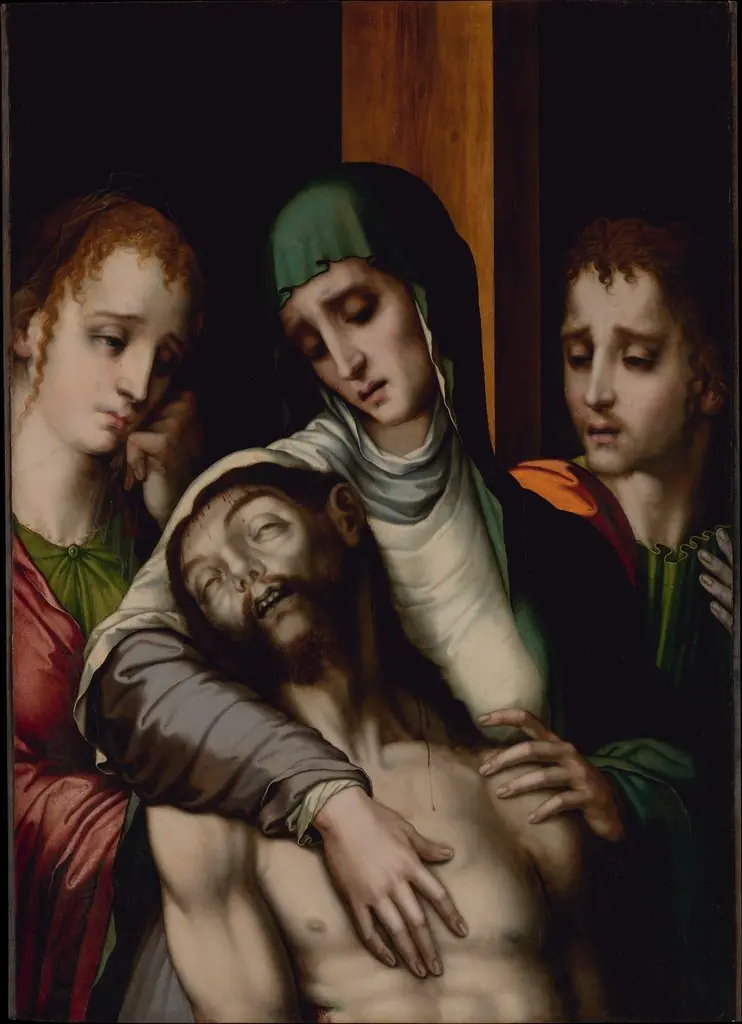
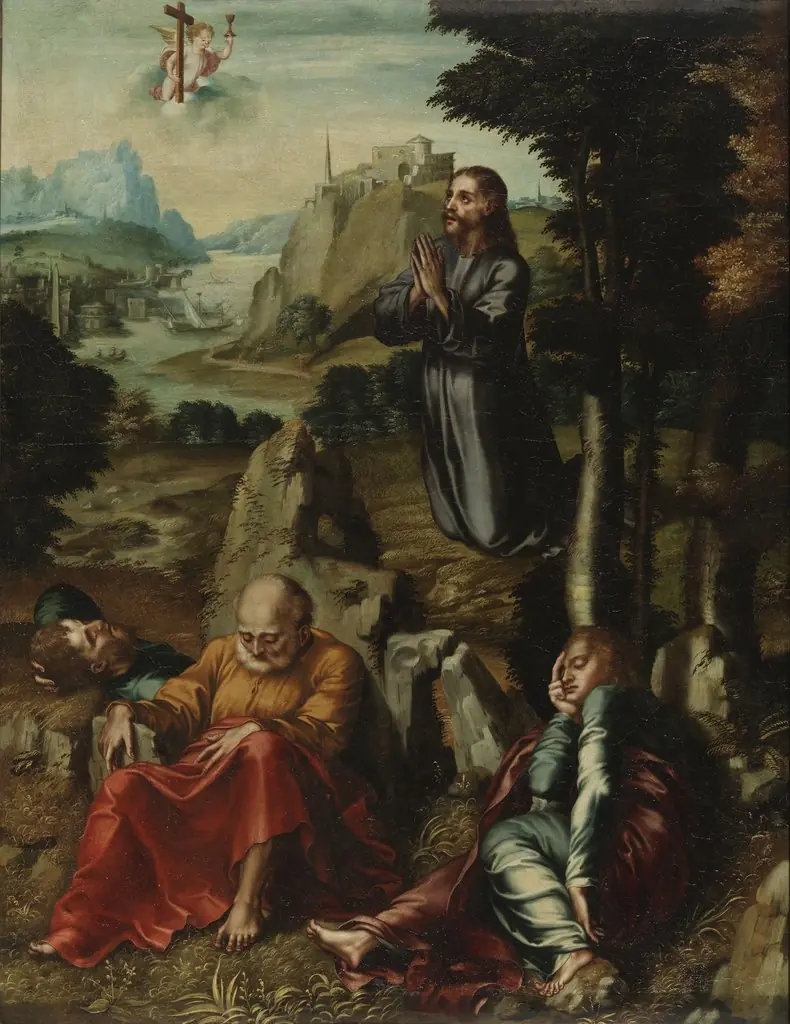
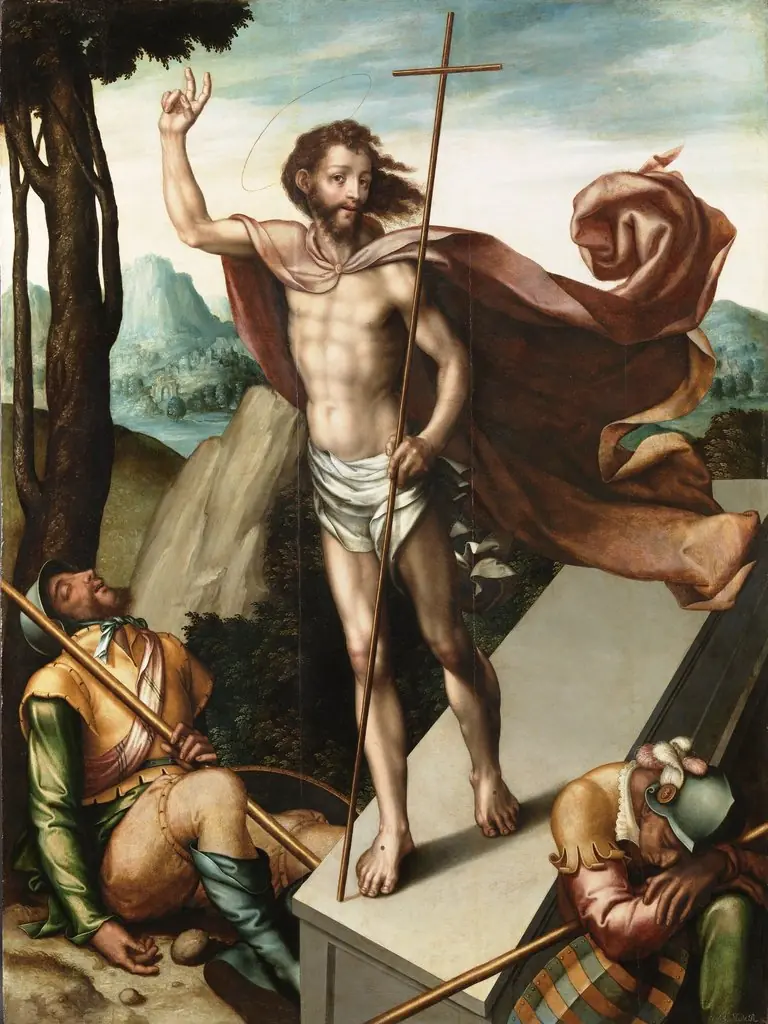
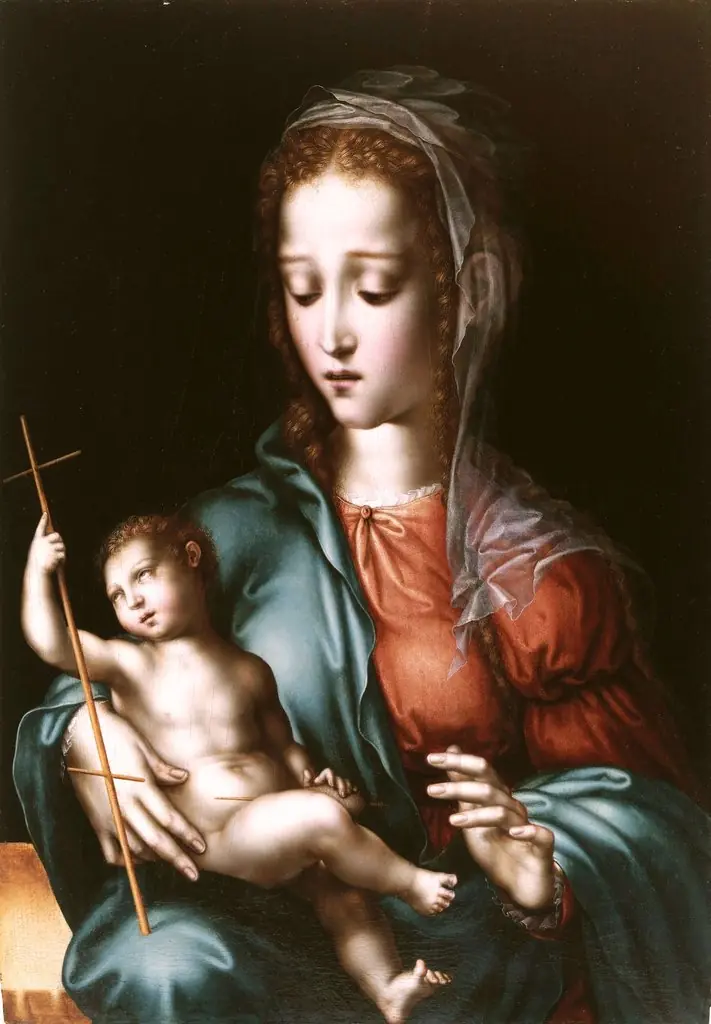
- Portrait of Antoine Perrenot, Cardinal de Granvelle, Minister to Charles V and Philip II
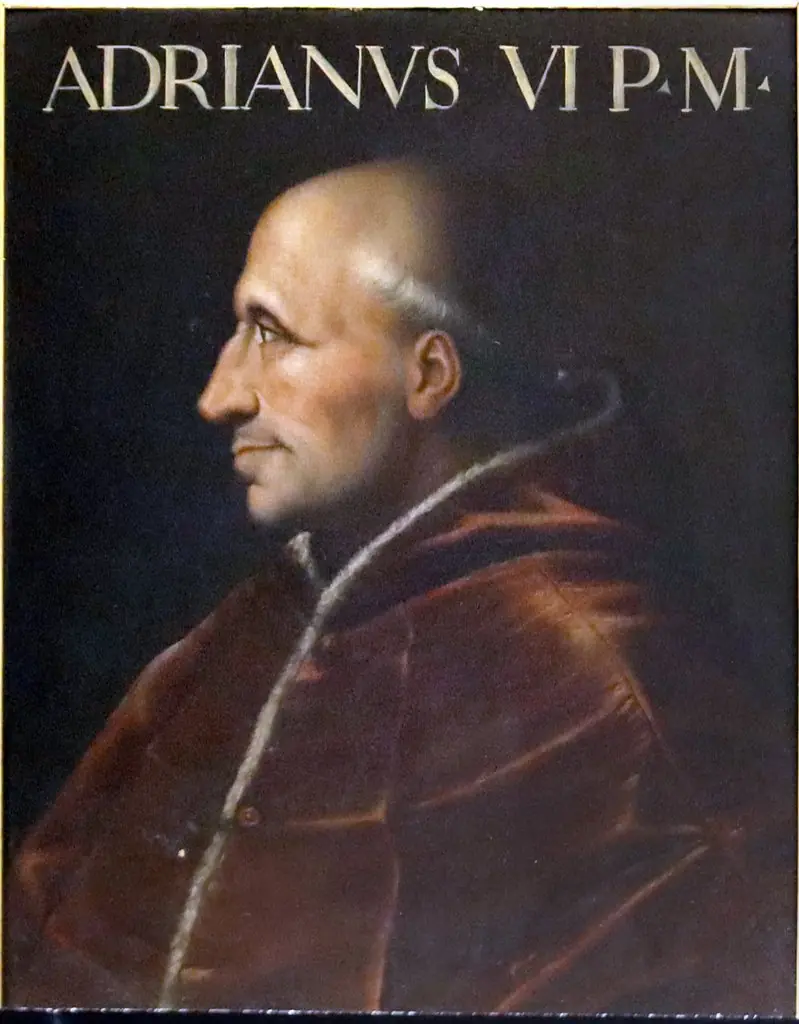 Portrait of Pope Adrian VI
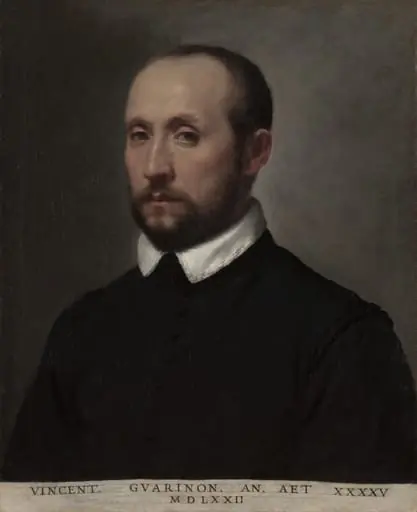 Portrait of Vincenzo Guarignoni
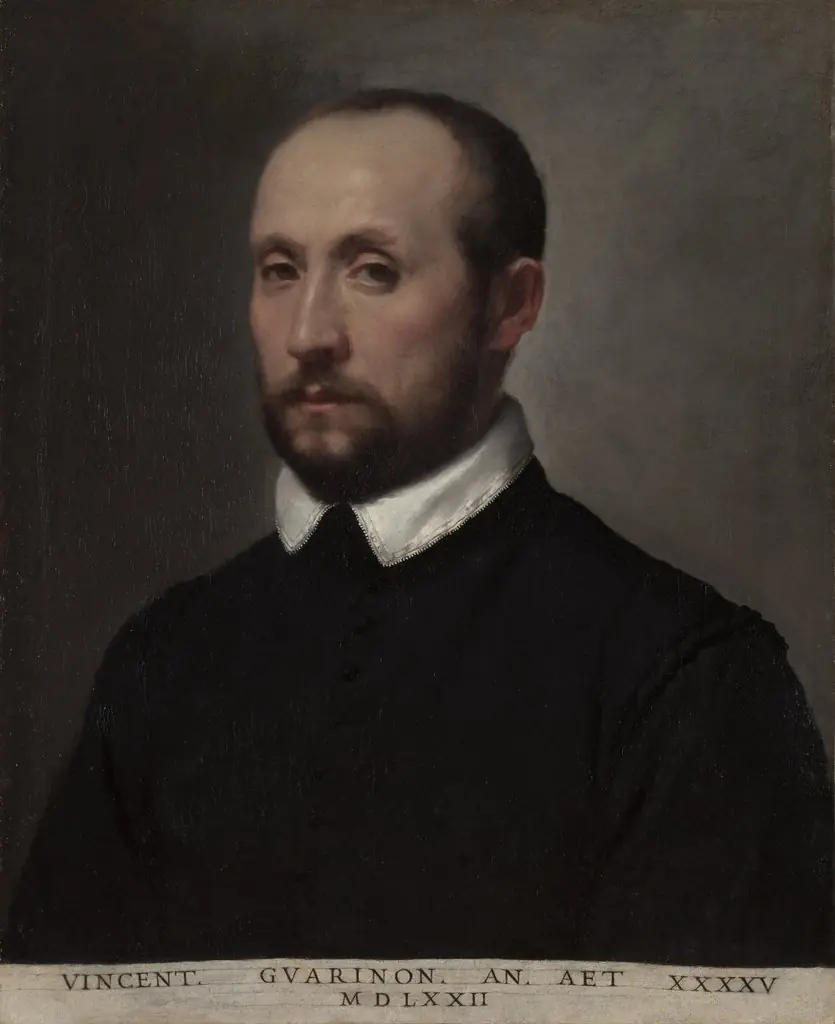 Portrait of Vincenzo Guarignoni
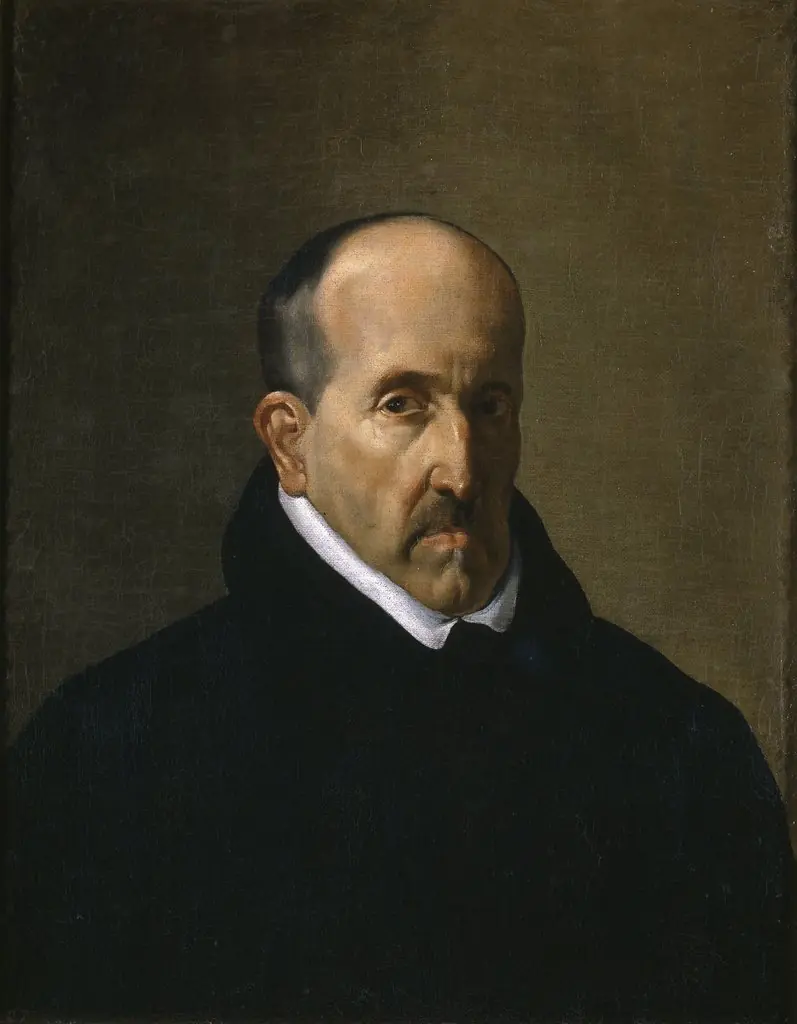 Luis de Góngora
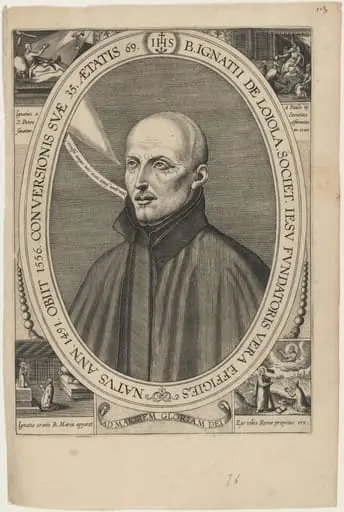 Saint Ignatius de Loyola
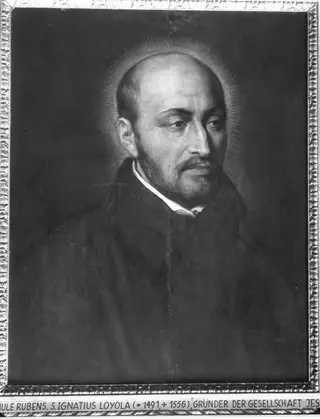 Hl. Ignatius von Loyola (Kopie nach)
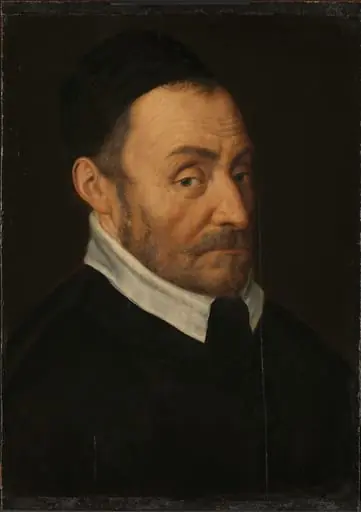 Portrait of William I. Prince of Orange, called William the Silent
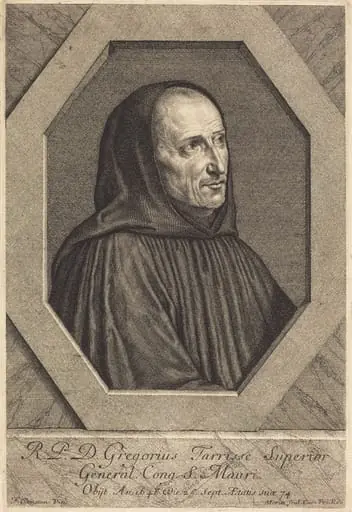 Dom Jean Gregoire Tarrisse
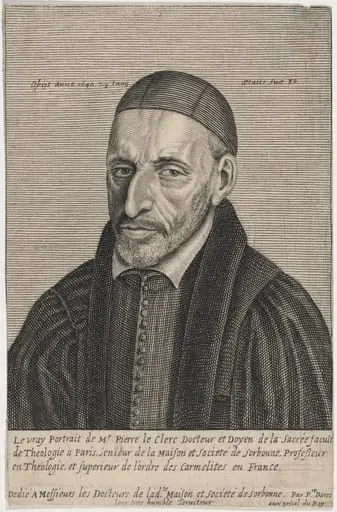 Pierre le Clerc, Doctor of Theology in Paris
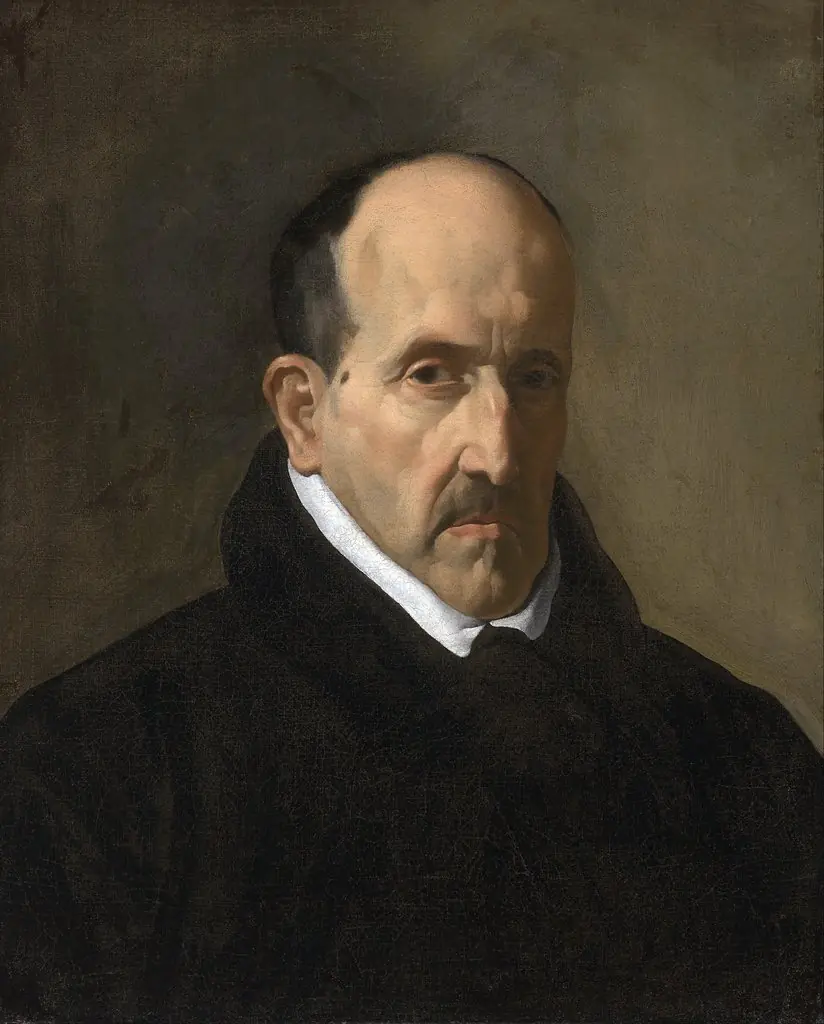 Portrait of Don Luis de Góngora
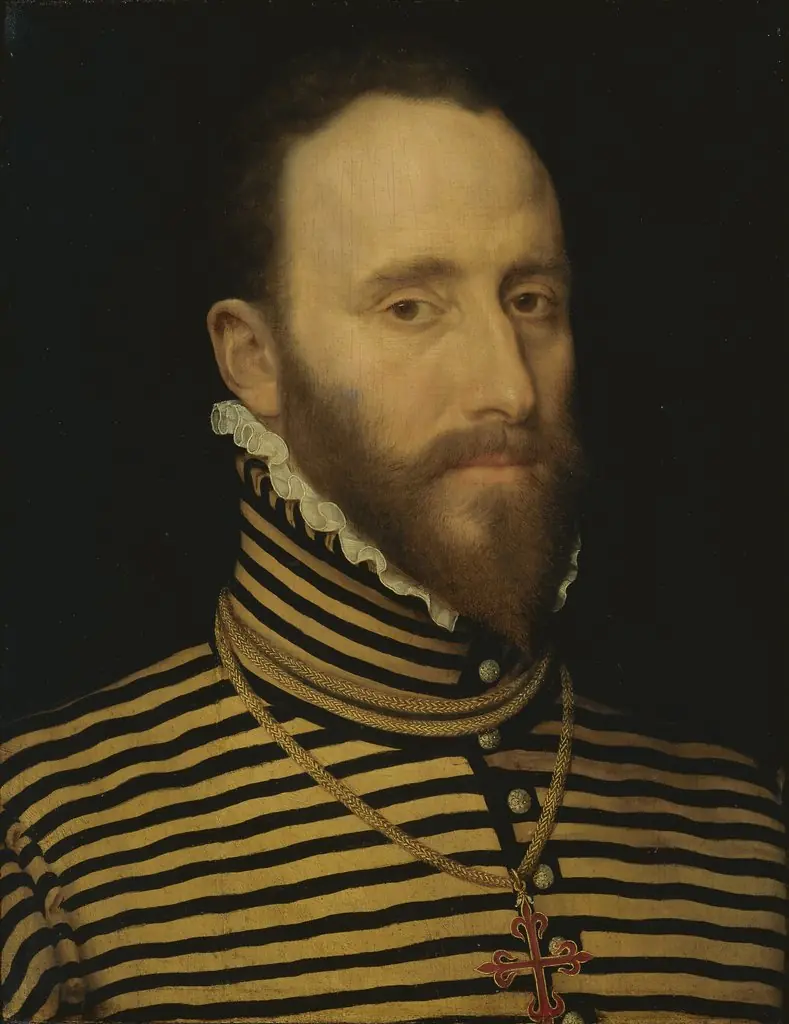 Portrait of a Knight of the Order of Calatrava, probably of the Sorias or Soreau Lineage (Sorel)