Artwork
Luis de Góngora
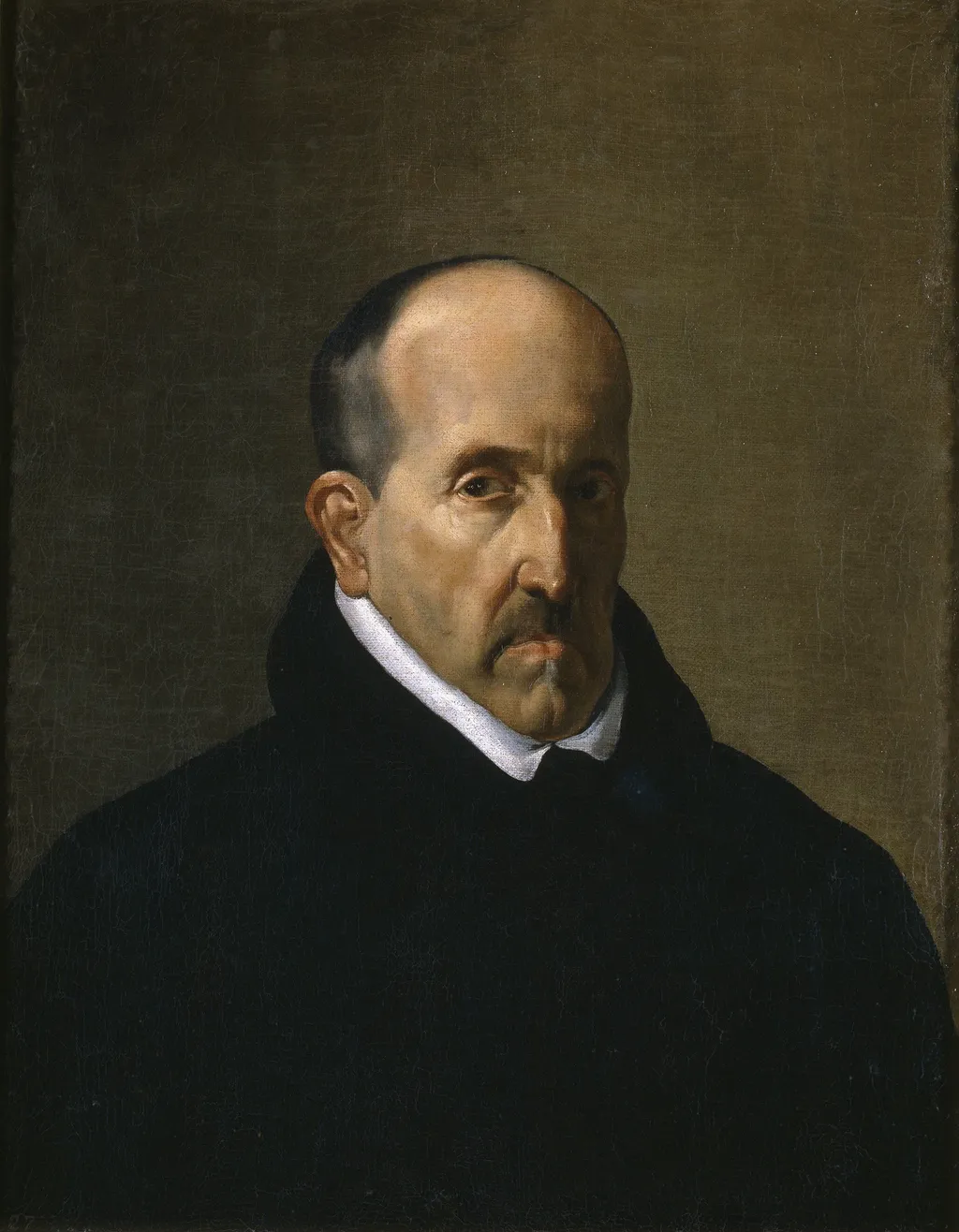
Luis de Góngora is an oil painting by the Early Baroque Italian artist Unknown. It dates from 1622 and is held in the collection of the Museo del Prado.
About this work
The man's attire and the style of the painting suggest that it may be a formal portrait from the 17th century.
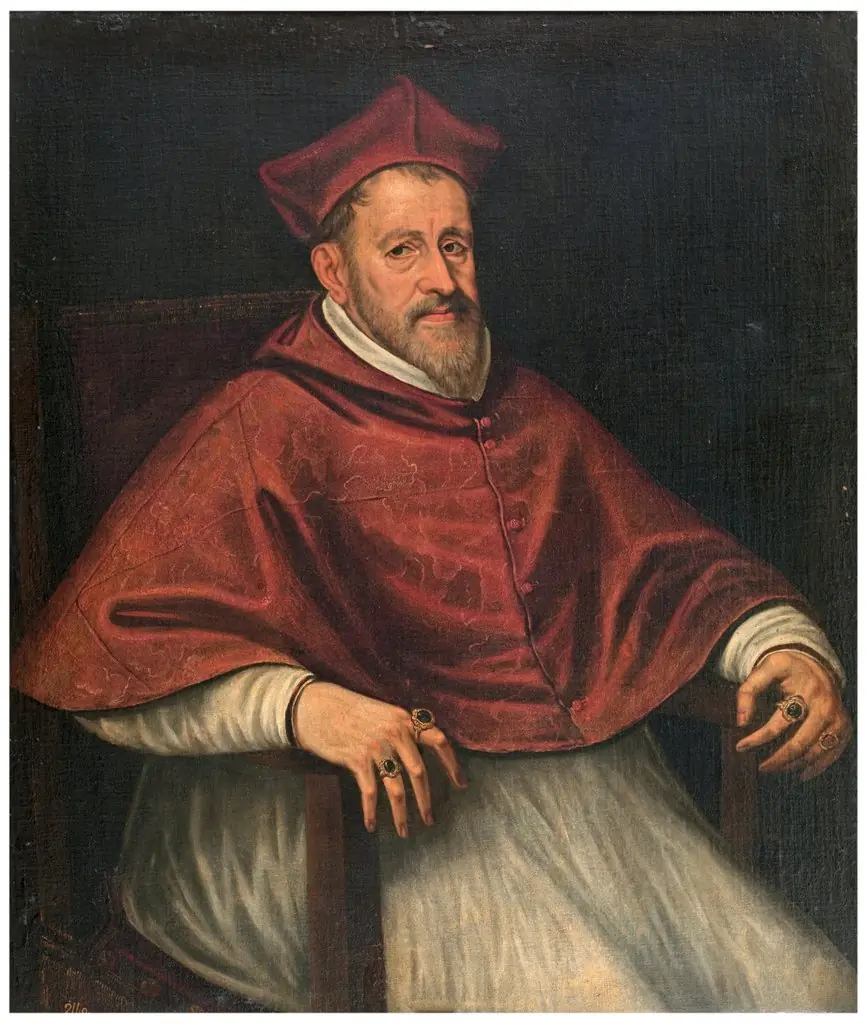
This portrait depicts a man with a receding hairline and a dark, pointed beard. He wears a black robe over a white collar, which is visible at the base of his neck. The background of the painting is a muted brown color.
The man's attire and the style of the painting suggest that it may be a formal portrait from the 17th century. The artist has used chiaroscuro to create a sense of depth and dimensionality in the painting.
The use of chiaroscuro in this painting is reminiscent of the work of artist Diego Velázquez.
Subject & Meaning
The painting depicts Luis de Góngora, the renowned Spanish poet, serving as a straightforward posthumous portrait of the literary figure. Created in 1622, the work functions primarily as a visual record of the subject rather than an allegorical composition rich in complex symbolism or narrative iconography. The imagery focuses exclusively on the individual himself, presenting him without additional figures or elaborate symbolic attributes that might suggest a deeper metaphorical meaning beyond his identity.
As a portrait genre piece, the work's significance lies in its representation of Góngora's likeness shortly after his death, preserving his image for posterity within the collection of the Museo del Prado.
Technique & Style
The work is an oil on canvas portrait painted in 1622, executed with oil paint on a canvas support. It measures 59 centimeters in height and 46 centimeters in width, reflecting the formal qualities of early seventeenth-century Spanish portraiture. The composition presents the poet Luis de Góngora against a muted background, emphasizing his facial features and attire with restrained brushwork and subtle tonal modeling.
History & Provenance
The portrait of Luis de Góngora was created in 1622 as an oil painting on canvas, measuring 59 cm by 46 cm. It belongs to the portrait genre and depicts the poet Luis de Góngora. The work is part of the collection at the Museo del Prado, where it has remained since its creation. Its provenance is tied to the museum's holdings, with no recorded changes in ownership.
The portrait of Luis de Góngora is housed in the Museo del Prado, where it is recorded under the inventory number P00968. It was created in 1622 and has been part of the museum's collection since its acquisition, remaining on display within the institution's permanent galleries.
The work has been featured in several exhibitions at the Prado, including the retrospective of Spanish Golden Age portraiture held in 2005 and the 2011 exhibition "Los maestros del Siglo de Oro". It also appeared in the traveling exhibition "España y el Arte del Siglo de Oro" which toured select European venues in 2014.
Legacy
Góngora's portrait exerted lasting influence on Baroque portraiture, shaping contemporary and later artistic representations of Spanish literary figures. The work remains on view at the Museo del Prado, where it is recognized as a key example of 17th-century Spanish portraiture and continues to inform scholarship on Golden Age art.
Overview
This 17th-century oil painting is a formal portrait of a man, identified as Luis de Góngora, characterized by a somber color palette and effective use of chiaroscuro.
Context
The portrait reflects the artistic and cultural values of 17th-century Spain, where formal portraiture served to convey the status and character of esteemed individuals like Góngora, a major literary figure.
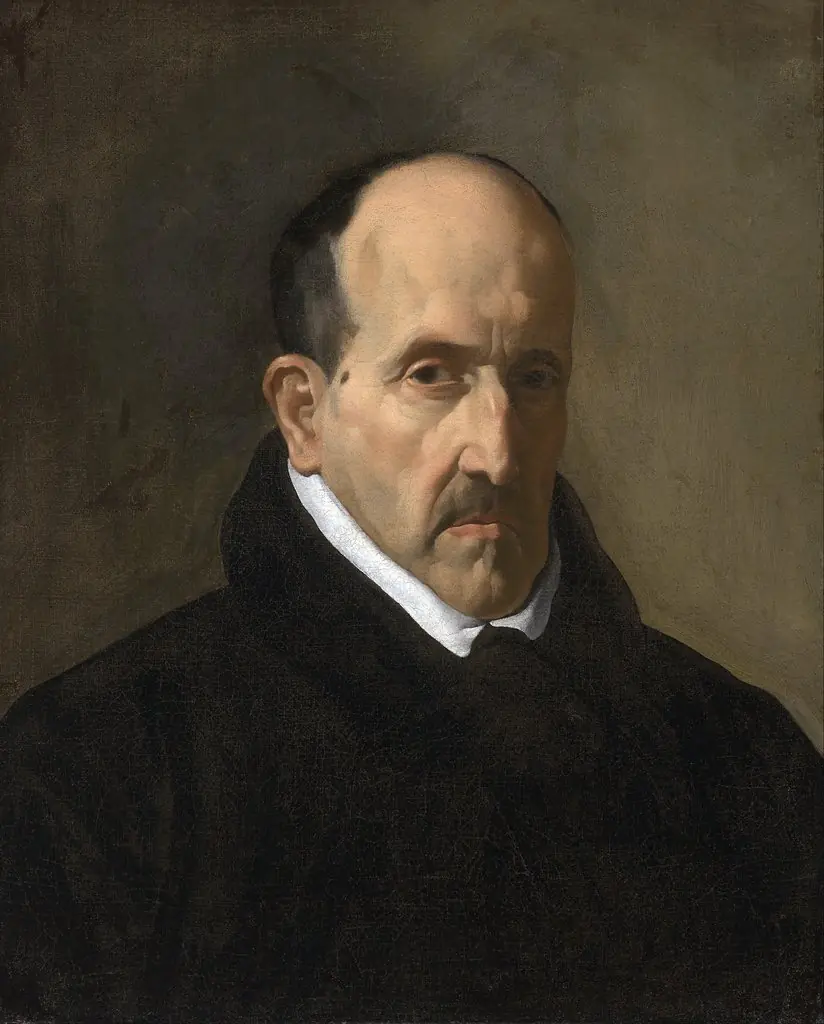
Artist & collection









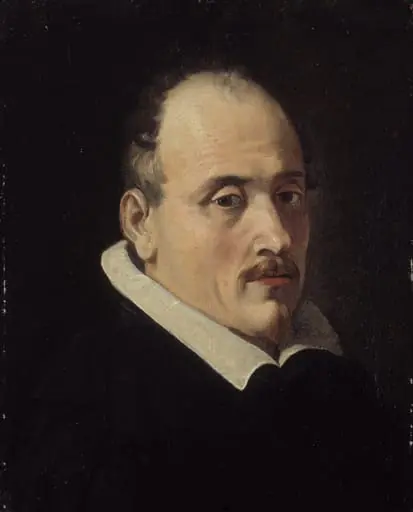 Miehen muotokuva
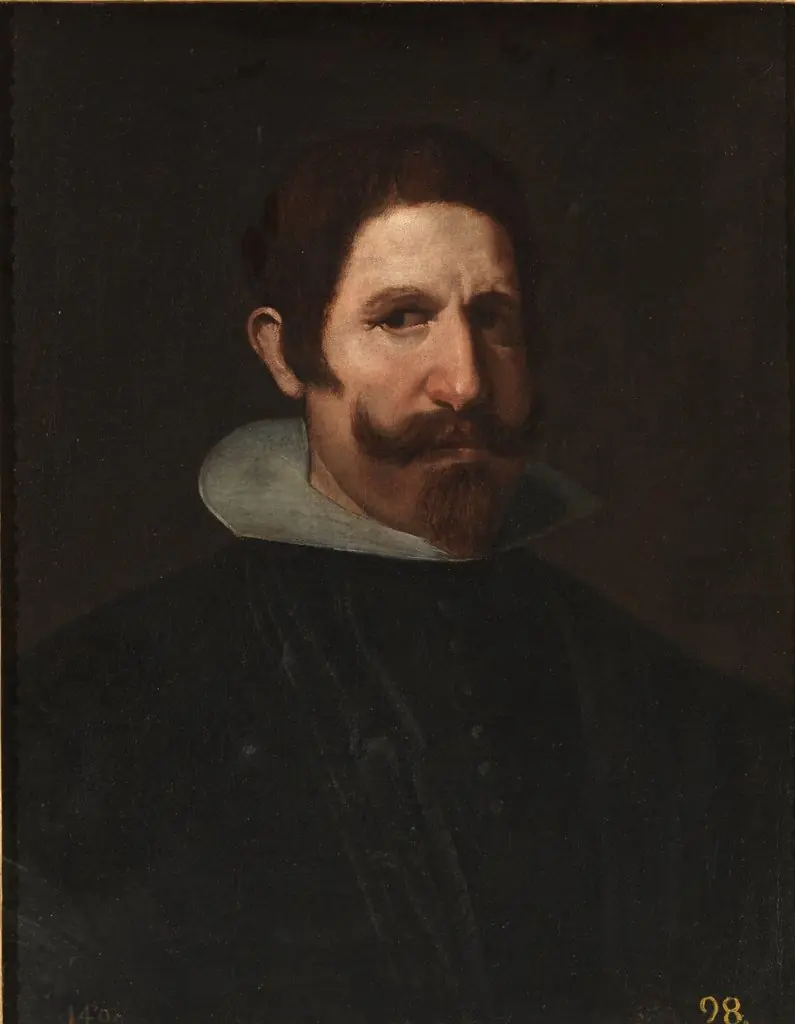 Alonso Martínez de Espinar (¿?)
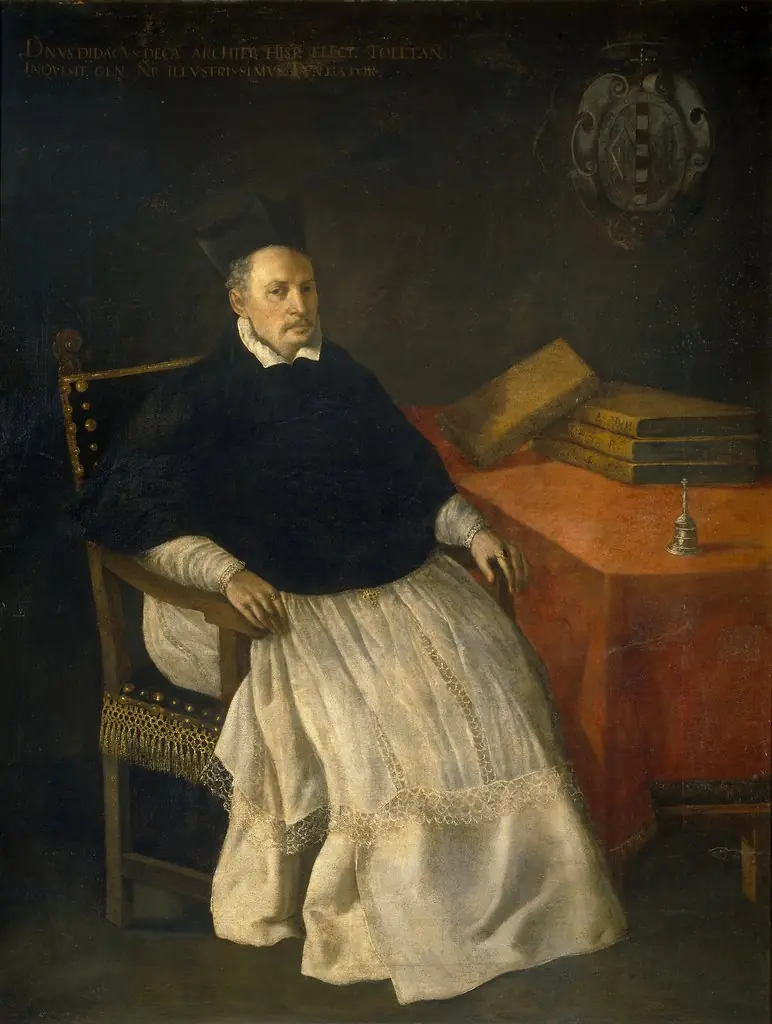 Fray Diego de Deza y Tavera arzobispo de Sevilla
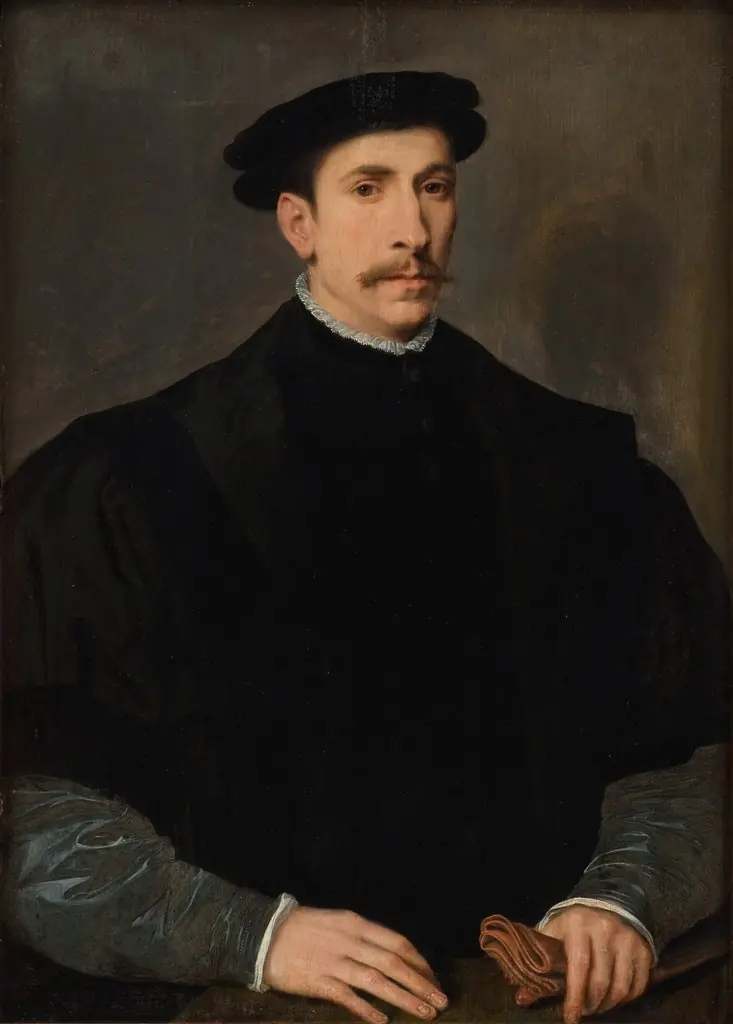 Portrait of a Man
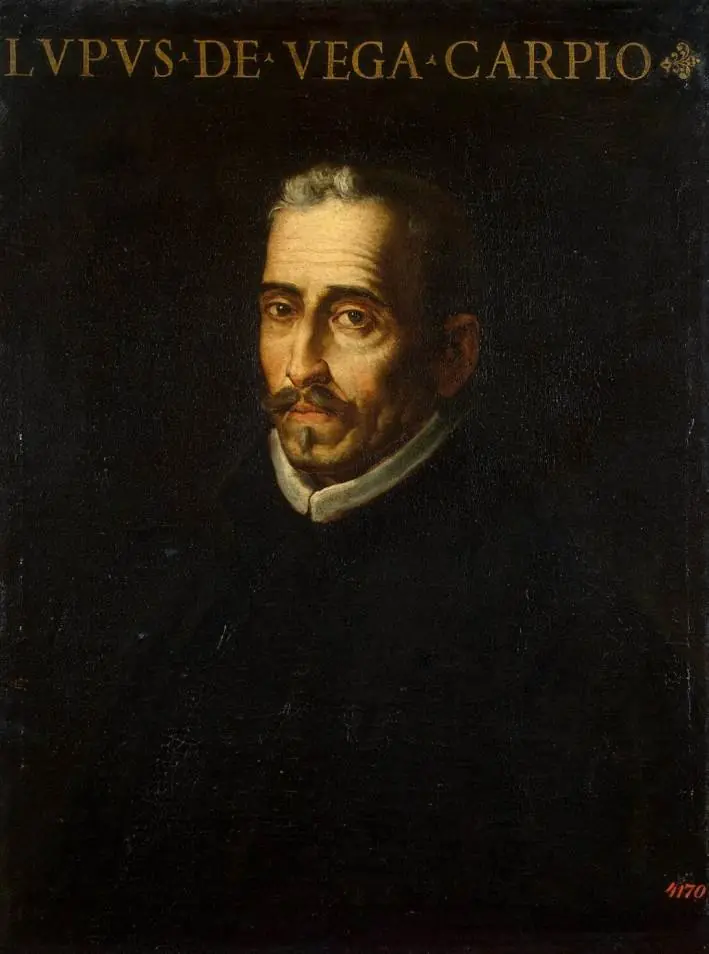 Portrait of Lope de Vega (1562-1635)
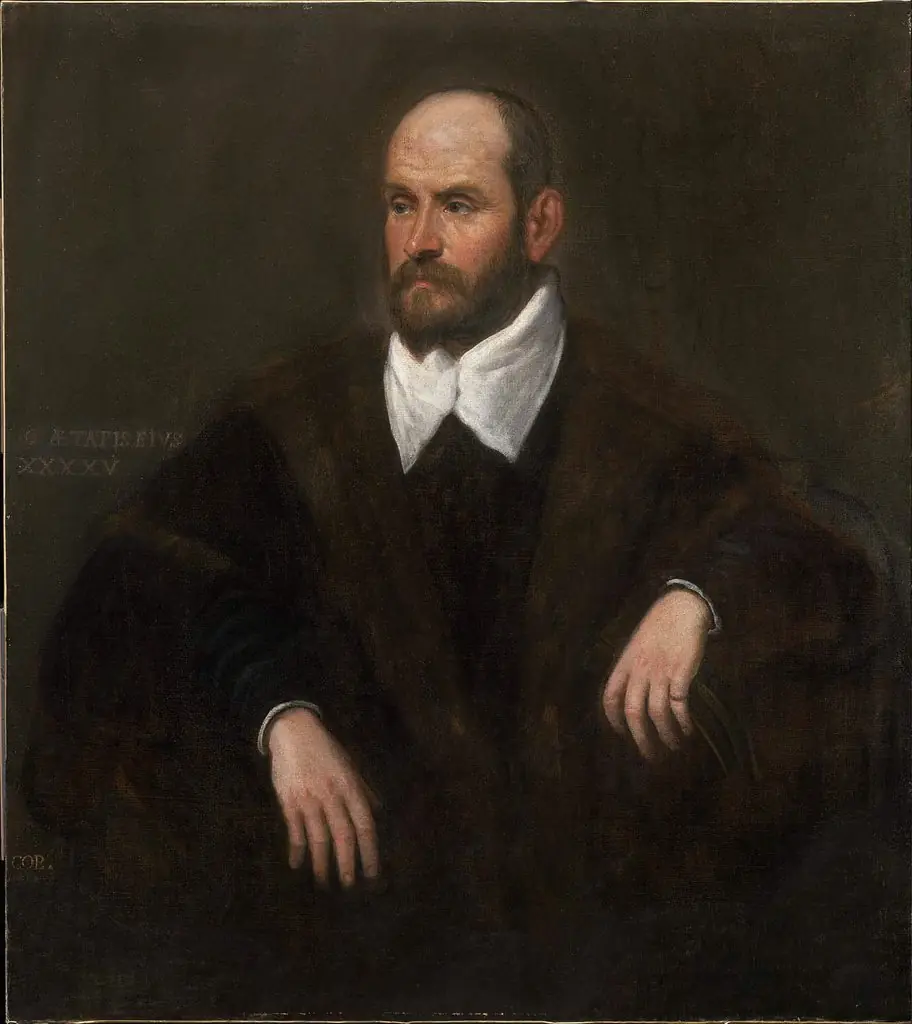 Portrait of a Man
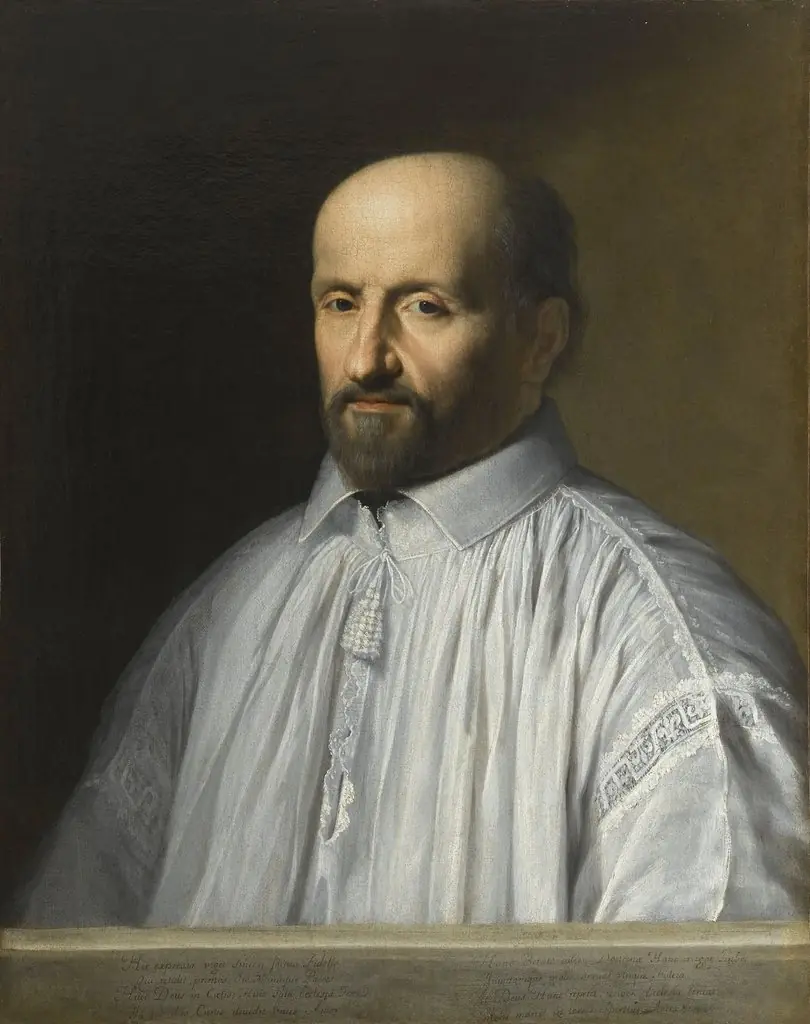 Jean Duvergier de Hauranne (1581-1643), abbot of Saint-Cyran
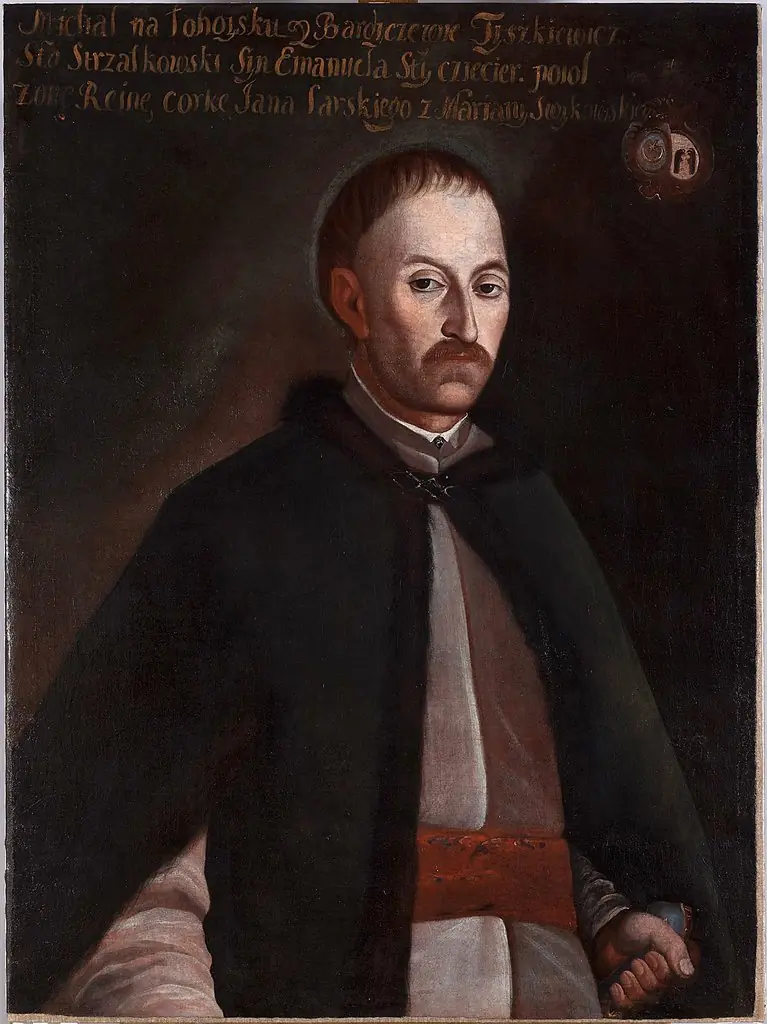 Portrait of Michał Tyszkiewicz, Leliwa coat of arms (?–after 1762), starosta of Strzałków
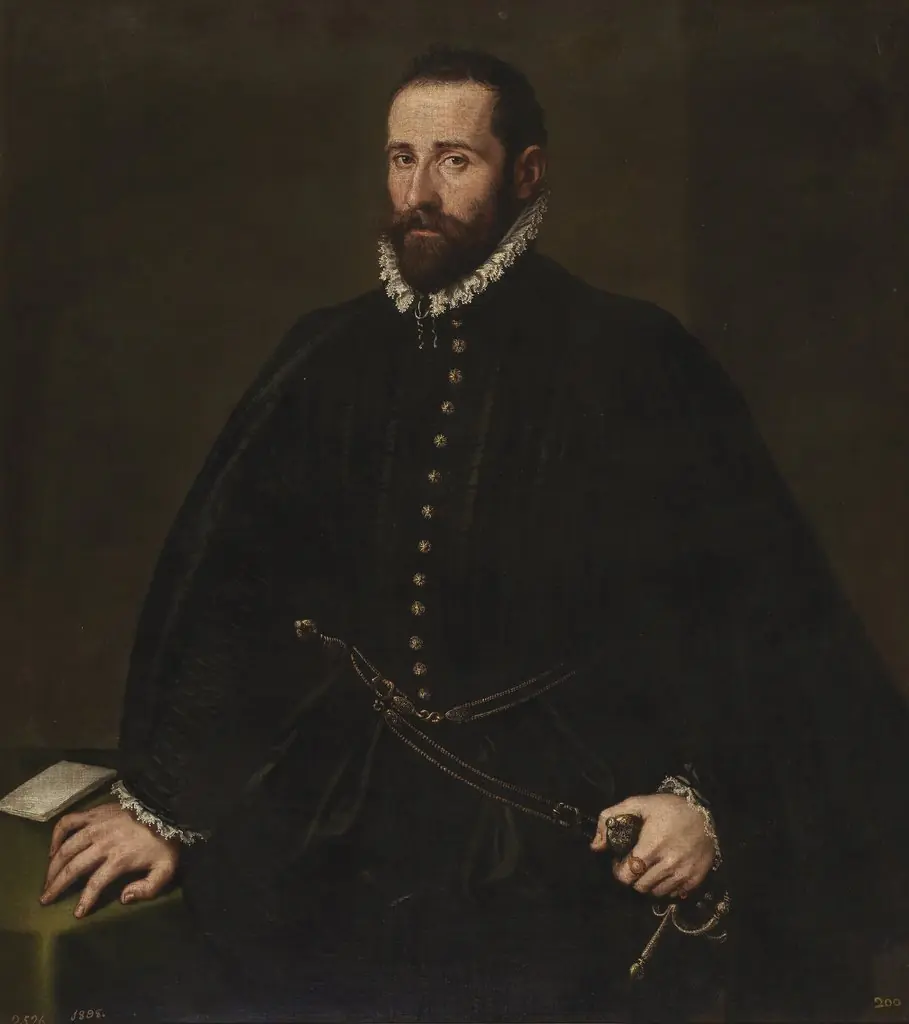 Portrait of a Gentleman
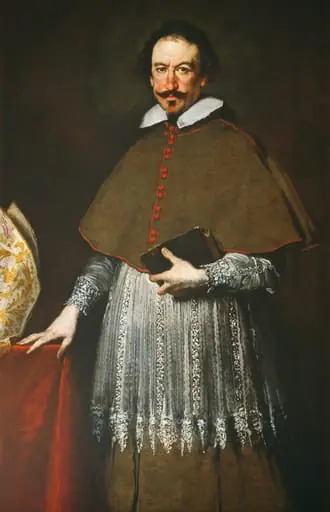 Bishop Alvise Grimani
 Cardinal Gaspar Quiroga
- Portrait of Don Luis de Góngora