Artwork
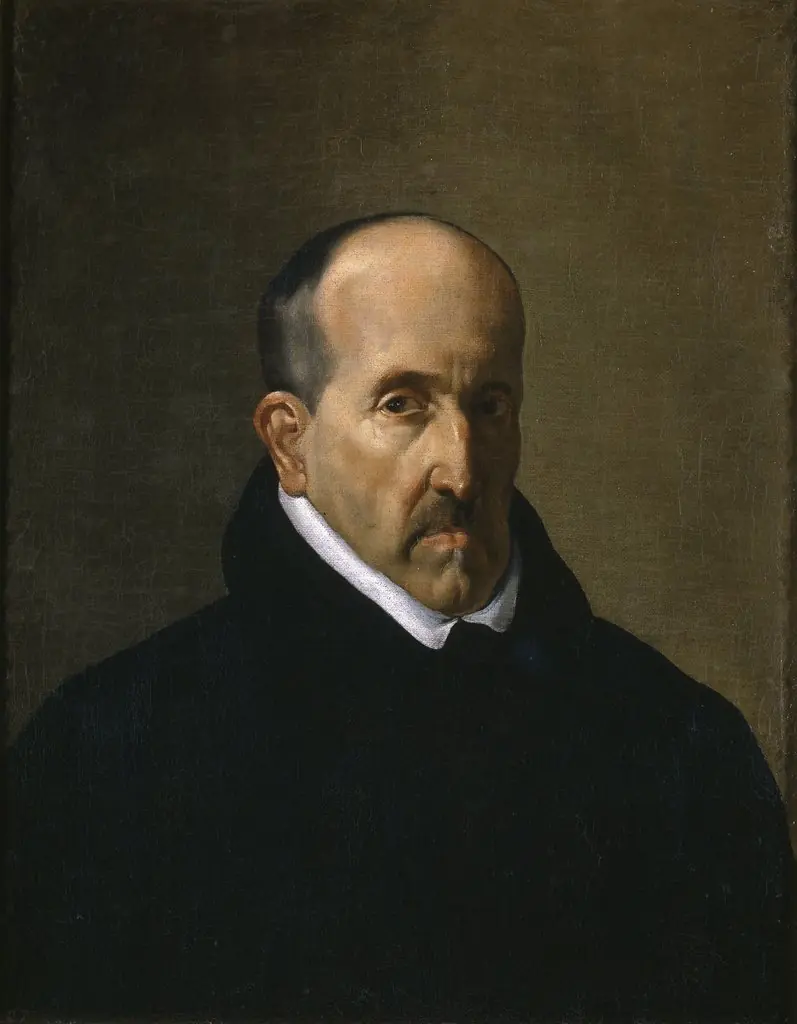
Portrait of Don Luis de Góngora
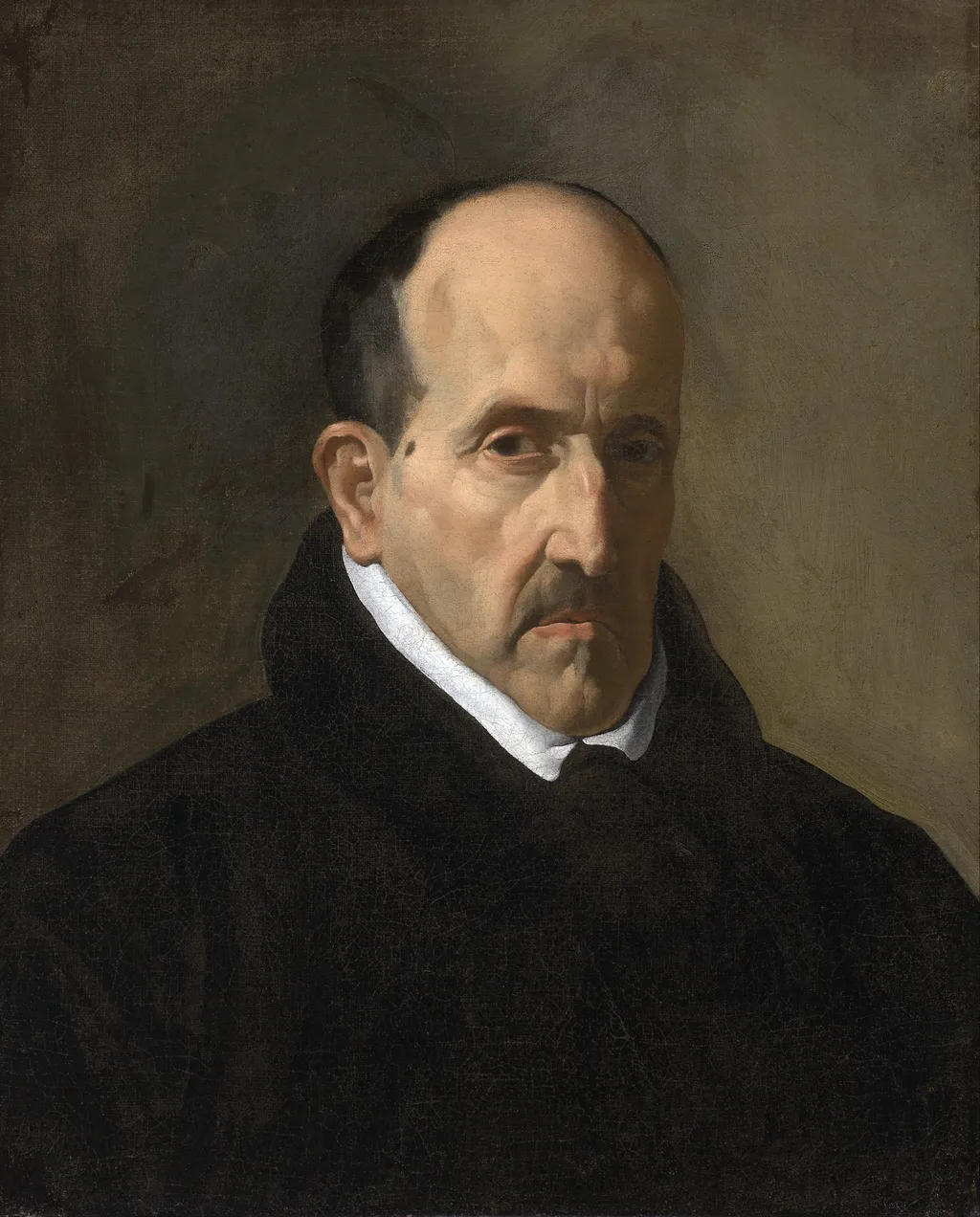
Portrait of Don Luis de Góngora is an oil painting by the Early Baroque Italian artist Antonio Varas. It dates from 1622 and is held in the collection of the Museum of Fine Arts Boston. Painted in 1622, this oil portrait depicts the Spanish poet Luis de Góngora, a leading figure of the Baroque literary movement.
About this work
This is a 1622 oil portrait of the poet Don Luis de Góngora. It was painted by Antonio Varas. The work is now in the Museum of Fine Arts, Boston.
Velázquez’s teacher helped arrange the commission. The artist used techniques he learned in Italy, like rich colors from Titian. The painting also shows Caravaggio’s strong light-and-dark style.
Look up the chiaroscuro technique next.
Overview
The Portrait of Don Luis de Góngora is an oil on canvas painting created in 1622 by Diego Velázquez, depicting the renowned Spanish poet Luis de Góngora y Argote. Measuring 50 by 40 centimetres, the bust-length portrait is executed in oil paint on canvas and is currently held in the collection of the Museum of Fine Arts, Boston, where it has been since 1931. The work is widely regarded as a significant example of Velázquez's early portraiture, demonstrating his engagement with Caravaggesque chiaroscuro and the chromatic richness he had absorbed from Italian masters such as Titian during his formative period. The painting occupies a central place in discussions of Velázquez's development, though its attribution has been debated in relation to two other extant versions of the composition.
Subject & Meaning
The subject, Luis de Góngora y Argote (1561-1627), was the leading exponent of culteranismo, a highly elaborate poetic style that made him one of the most celebrated and controversial literary figures of the Spanish Golden Age, as well as a noted rival of Lope de Vega. The portrait presents the poet in a three-quarter view against a neutral background, his face brought forward through dramatic lighting that creates intense psychological penetration. The figure wears a dark, high-collared garment with a crisp white collar at the neck, the sole bright accent in an otherwise restrained palette of blacks, browns, and flesh tones. No objects, jewellery, or overt symbols appear in the composition, though X-radiography has revealed a laurel wreath beneath the surface of the Boston version, an element that connects the portrait to Francisco Pacheco's projected book of illustrious men and suggests the poet's claim to literary immortality. The absence of conventional attributes directs attention entirely to the sitter's physiognomy and inner character, a hallmark of Velázquez's psychological portraiture.
Technique & Style
The brushwork varies across the surface: smooth and blended in the face, with more textured handling in the background and clothing.
The painting is executed in oil on canvas, with a polished finish that demonstrates careful modelling of facial features. Light falls from the left, illuminating the left side of the face while the right side recedes into shadow, a Caravaggesque chiaroscuro that structures the entire composition. The brushwork varies across the surface: smooth and blended in the face, with more textured handling in the background and clothing. The background shifts from darker brown-grey tones on the left to lighter warm grey on the right, creating subtle spatial depth. The surface shows fine craquelure throughout, particularly visible in the dark garment. Critical observation has noted that the head treatment in the Boston version appears constructed with autonomous, faceted planes, seemingly the result of repeated brush touches of equal tonal value, a manner that Antonio Palomino characterised as degenerating from Velázquez's later practice. This technical approach differs markedly from the looser brushwork of the mature Velázquez visible in other versions. The Prado copy, by contrast, shows workshop techniques from a later date, around 1628, but lacks the abbreviated brushwork that had become characteristic of the painter by that time.
History & Provenance
The portrait was commissioned through the intervention of Velázquez's teacher and father-in-law, Francisco Pacheco, who was preparing an unfinished Libro de descripción de verdaderos portraits de ilustres y memorables varones, a project for which he produced sixty portrait drawings, though none of Góngora. Pacheco himself noted in El arte de la pintura that the work was commissioned by him and became highly celebrated. The painting's documented history includes its presence among Velázquez's possessions at his death, listed as number 179 in his inventory. By 1677, it or a copy appeared in the collection of Gaspar de Haro y Guzmán, Marquis del Carpio, from whose collection it was acquired by Nicolás Nepata in 1692 along with other works by Velázquez. The Boston painting derives from the collection of the Marqués de la Vega-Inclán, and was purchased in London through the firm of Tomás Harris Limited before entering the Museum of Fine Arts, Boston in 1931. The work has been exhibited in significant Velázquez exhibitions, including one at The Metropolitan Museum of Art documented in its exhibition catalogue.
Context
Created during Velázquez's first journey to Madrid in 1622, the portrait represents a pivotal moment in the artist's early career, when he encountered the cosmopolitan cultural circles of the capital and the poet Góngora himself. The commission through Pacheco situates the work within a broader project of visual documentation of Spain's intellectual elite, reflecting the humanist interests of the Sevillian academy. Antonio Palomino's contemporary testimony that the portrait was highly celebrated among courtiers, coupled with his critical caveat about its manner, provides valuable evidence for how the work was received and for ongoing debates about Velázquez's stylistic evolution. The portrait's influence is attested by its use as the model for Juan de Courbes's engraving in the frontispiece of José Pellicer's Lecciones solemnes a las obras de don Luis de Góngora y Argote, published in Madrid in 1630, which disseminated the poet's image to a wider literary public. Scholarly opinion has divided on the attribution of the three extant versions: while José Gudiol accepted all three as autograph, the consensus of critical opinion recognises only the Boston painting as by Velázquez's own hand, with the Prado version catalogued as a faithful copy and the Lázaro Galdiano version considered workshop production by scholars such as José López-Rey. José Camón Aznar's preference for the Lázaro Galdiano version, based on its closer approximation to the mature Velázquez's loose brushwork, ironically confirms the Boston version's status as the earliest and most authentic document of the artist's early manner.
Legacy
The Portrait of Don Luis de Góngora has maintained its position as a touchstone for understanding Velázquez's early development and the broader cultural dynamics of the Spanish Golden Age. Its value extends beyond art history into literary studies, where it serves as the primary visual document of one of Spain's most significant poets. The work's afterlife in print, through Courbes's 1630 engraving, ensured its role in shaping the posthumous image of Góngora and in the visual culture of Spanish letters. The painting's presence in the Museum of Fine Arts, Boston, one of the most important Velázquez holdings outside Spain, continues to attract scholarly attention and public interest. The technical investigations that have revealed the hidden laurel wreath beneath the paint surface have renewed interest in the work's original conception and its relationship to Pacheco's humanist project. The ongoing debates about attribution and the comparative study of the three versions remain active areas of research, contributing to the methodological refinement of Velázquez scholarship. As both a remarkable artistic achievement and a document of cultural exchange between the visual and literary arts in Habsburg Spain, the portrait endures as an essential work for understanding the period.
Own this work as a print
Artist & collection
Artist
Antonio Varas painted portraits in early-17th-century Spain. His brush captured the likeness of Don Luis de Góngora in oil around 1622. In a world where faces were carved by social rank, Varas’s work offers a quiet…

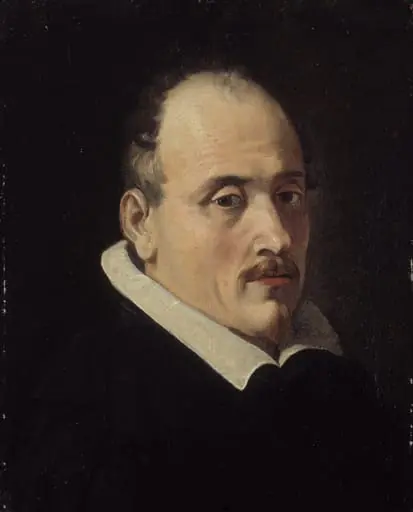 Miehen muotokuva
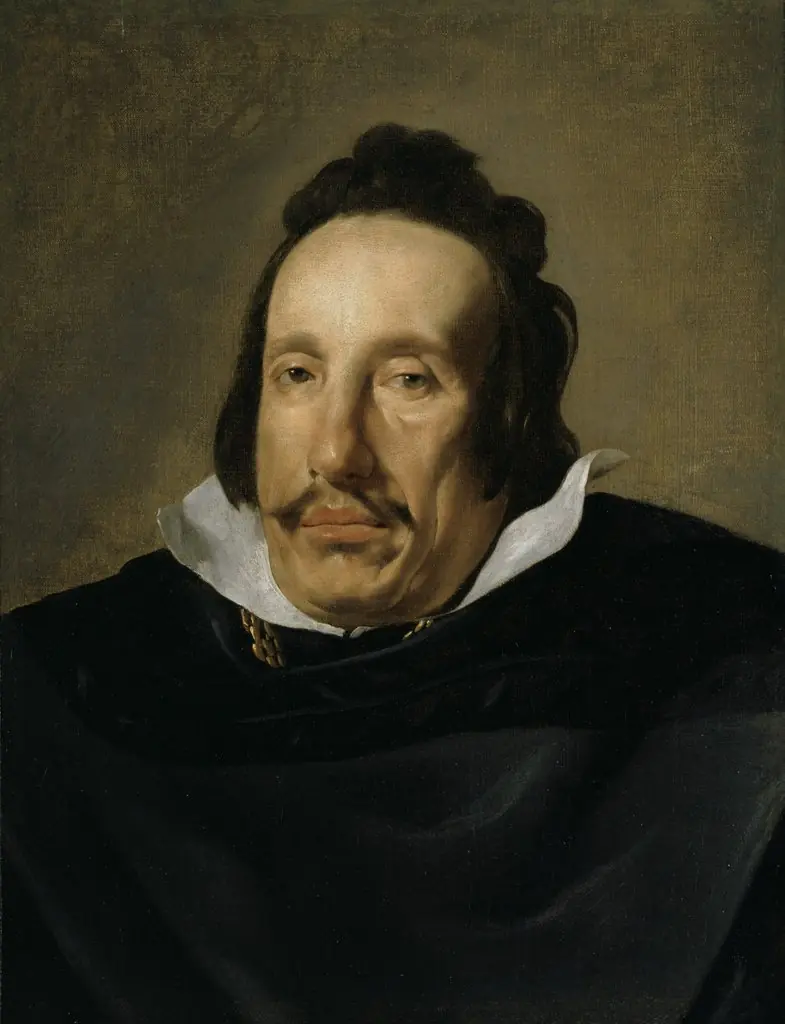 Portrait of a nobleman
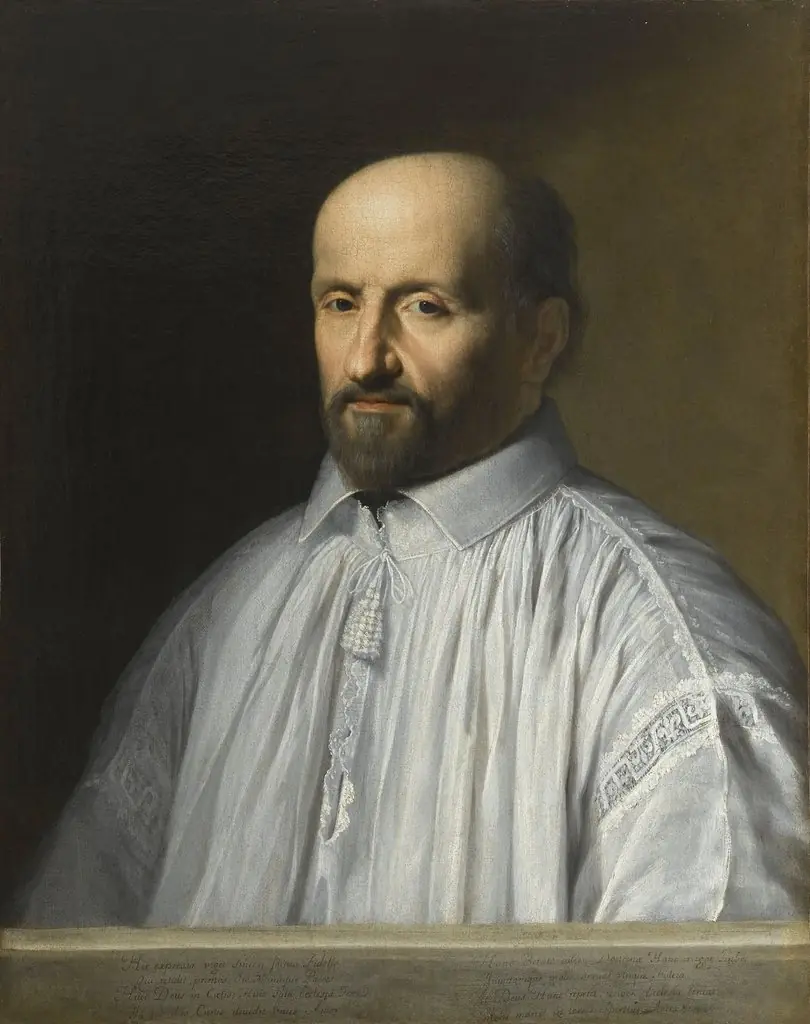 Jean Duvergier de Hauranne (1581-1643), abbot of Saint-Cyran
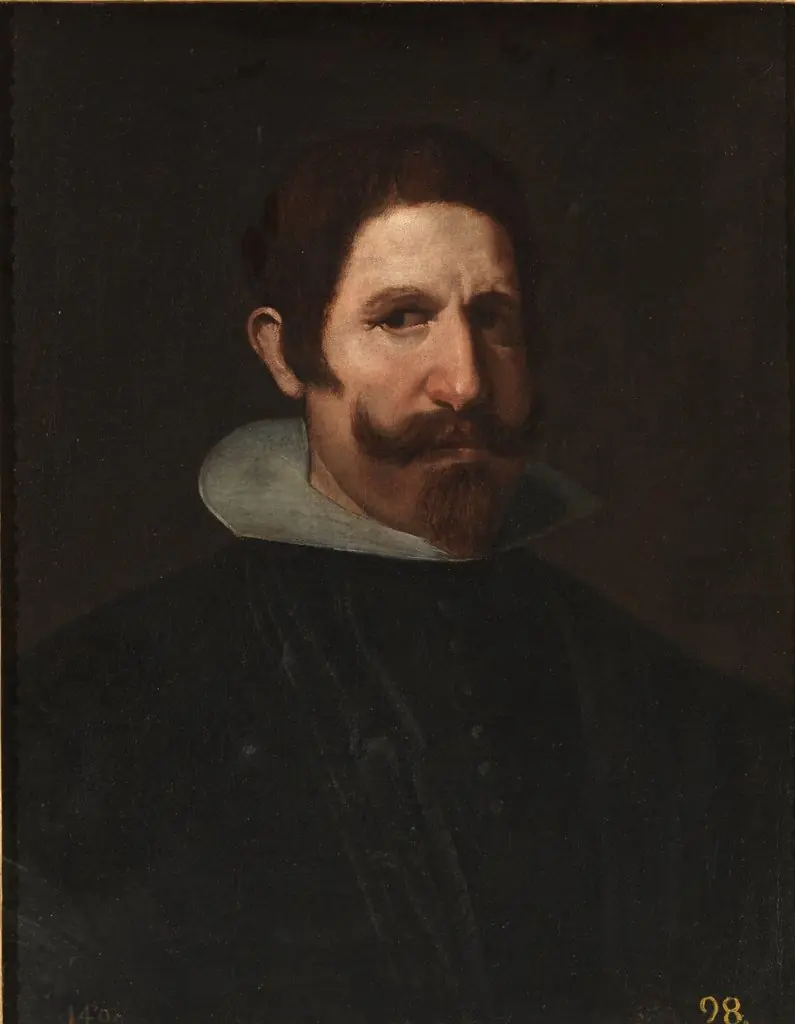 Alonso Martínez de Espinar (¿?)
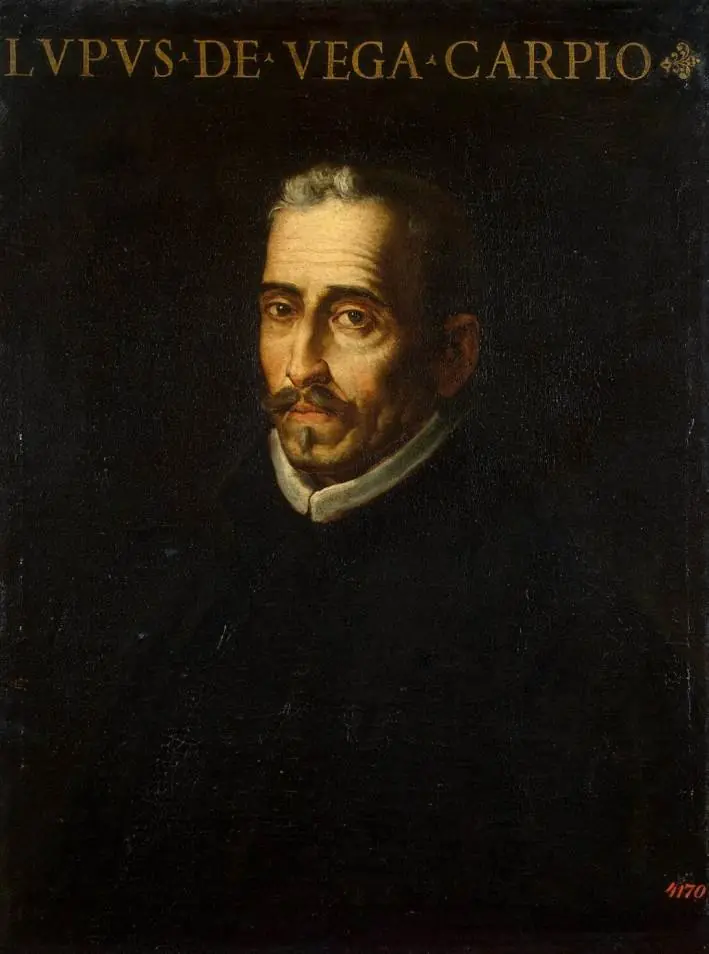 Portrait of Lope de Vega (1562-1635)
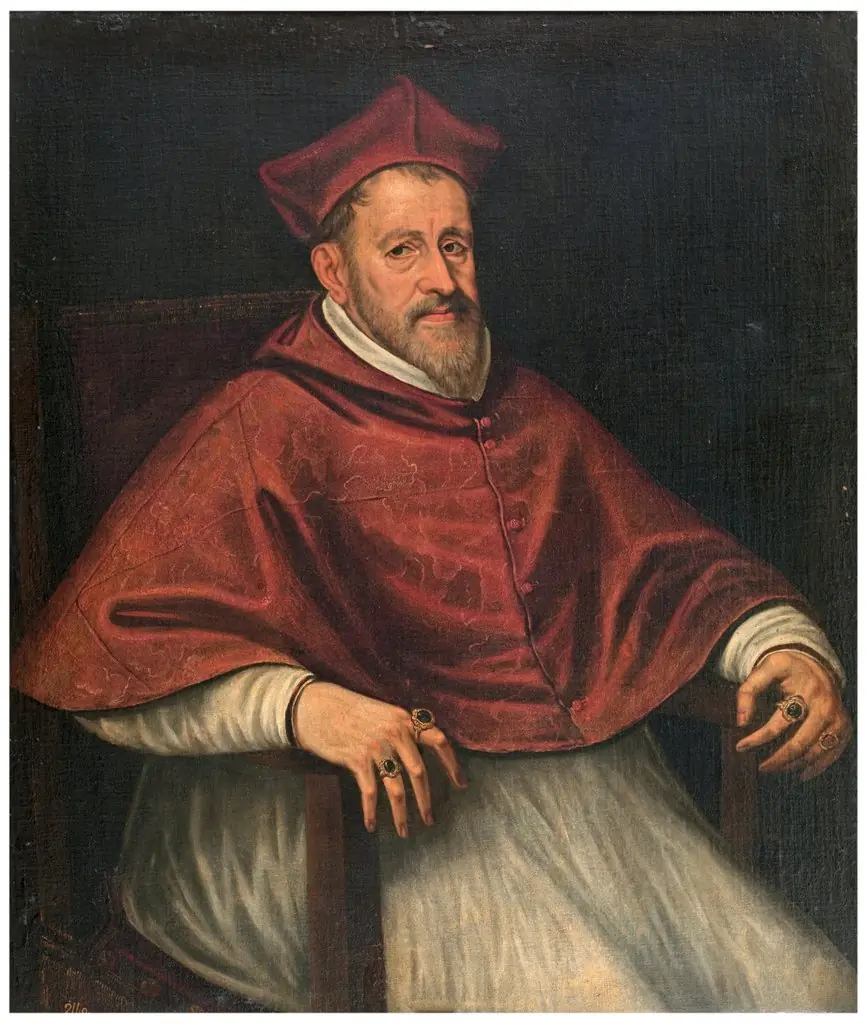 Cardinal Gaspar Quiroga
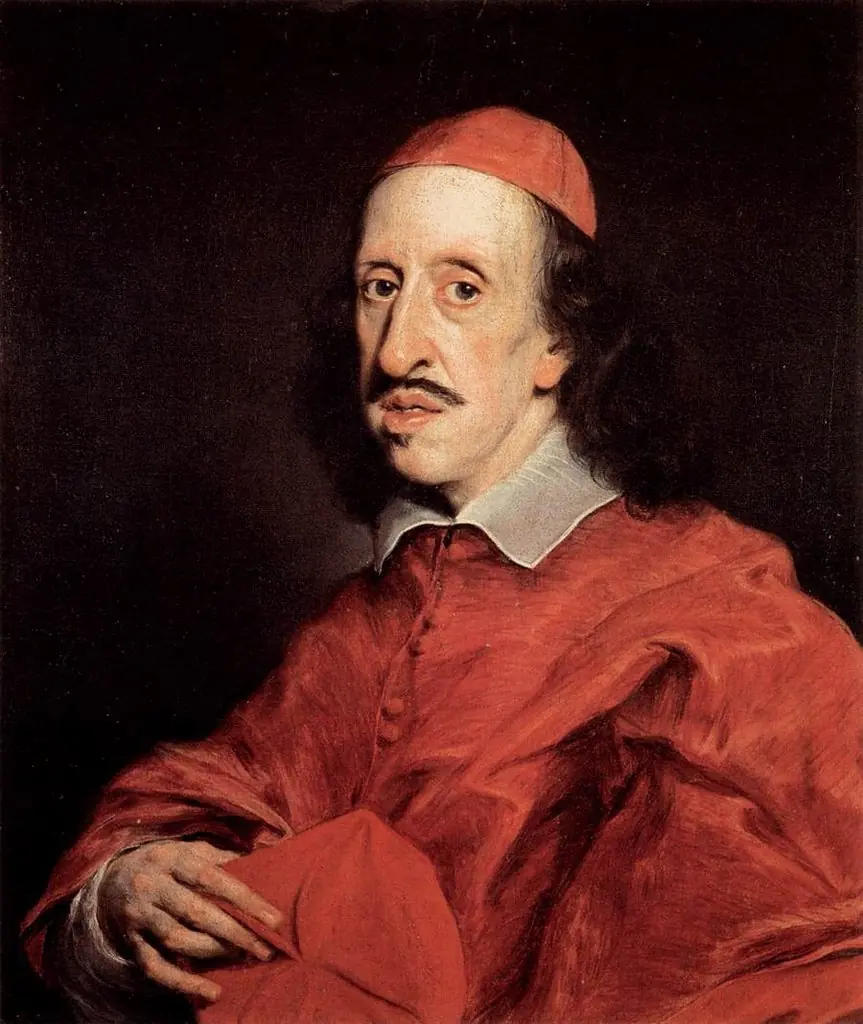 Portrait of Cardinal Leopoldo de' Medici
 Portrait of a Man
 Portrait of an Elderly Man
 Portrait of Jan Wildens (1585/86–1653), painter
 Portrait of a Man
- Luis de Góngora