Artwork
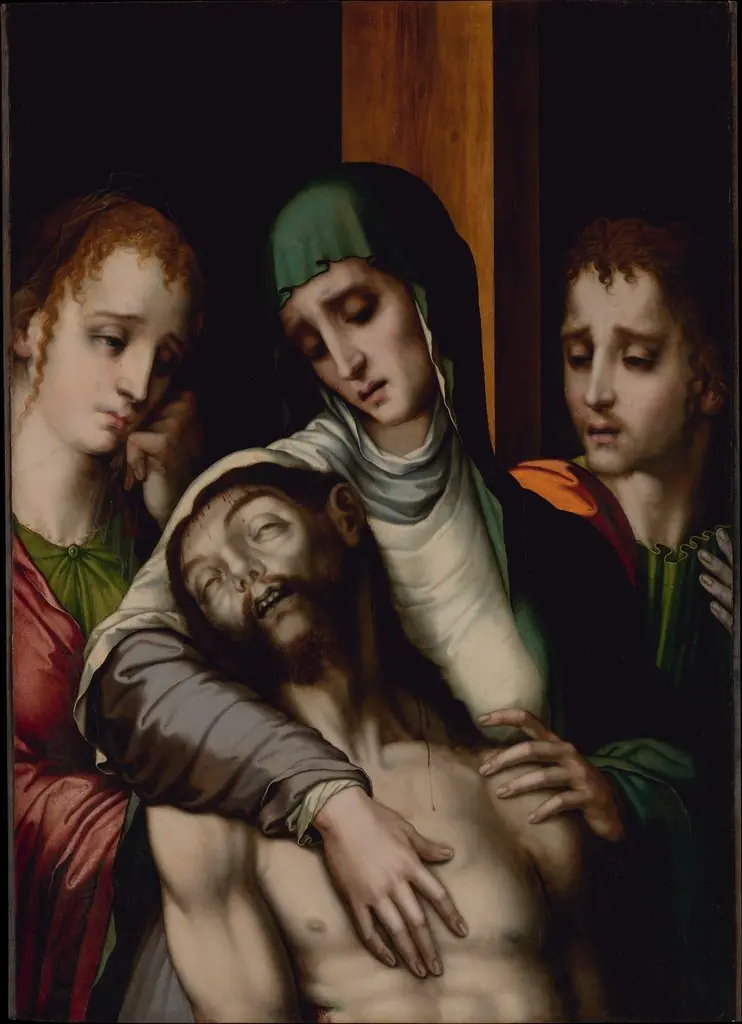
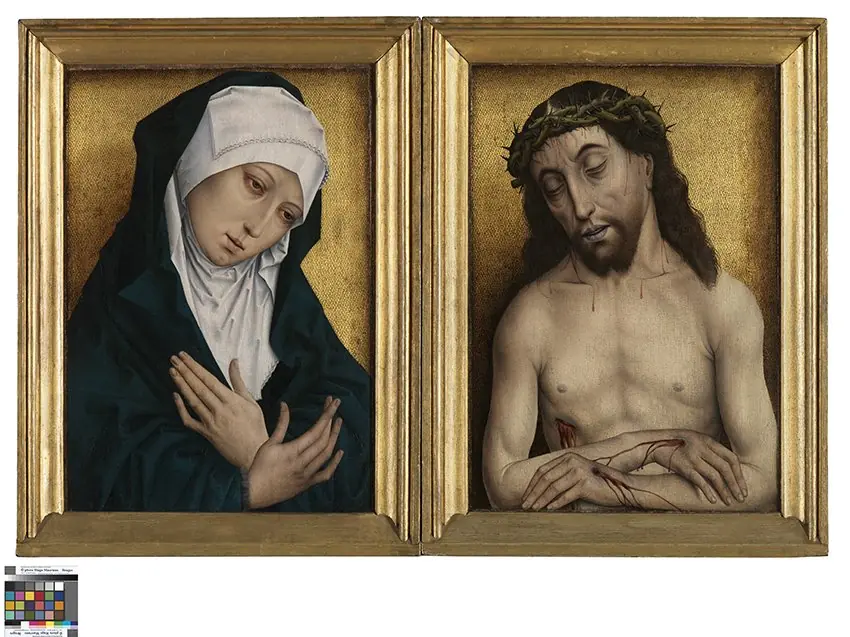
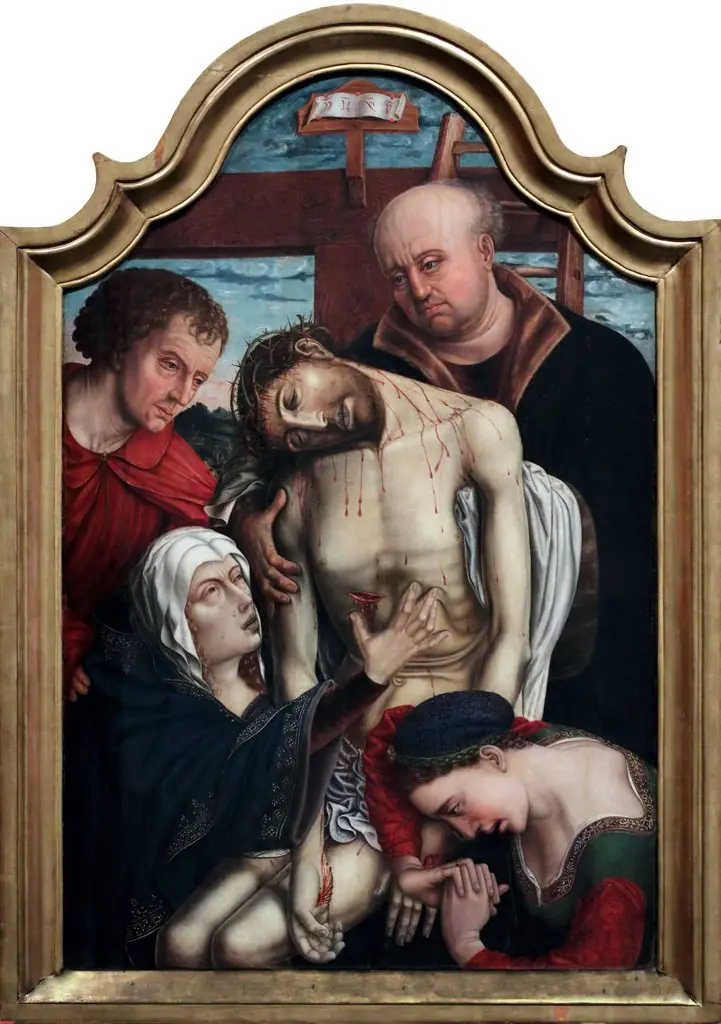
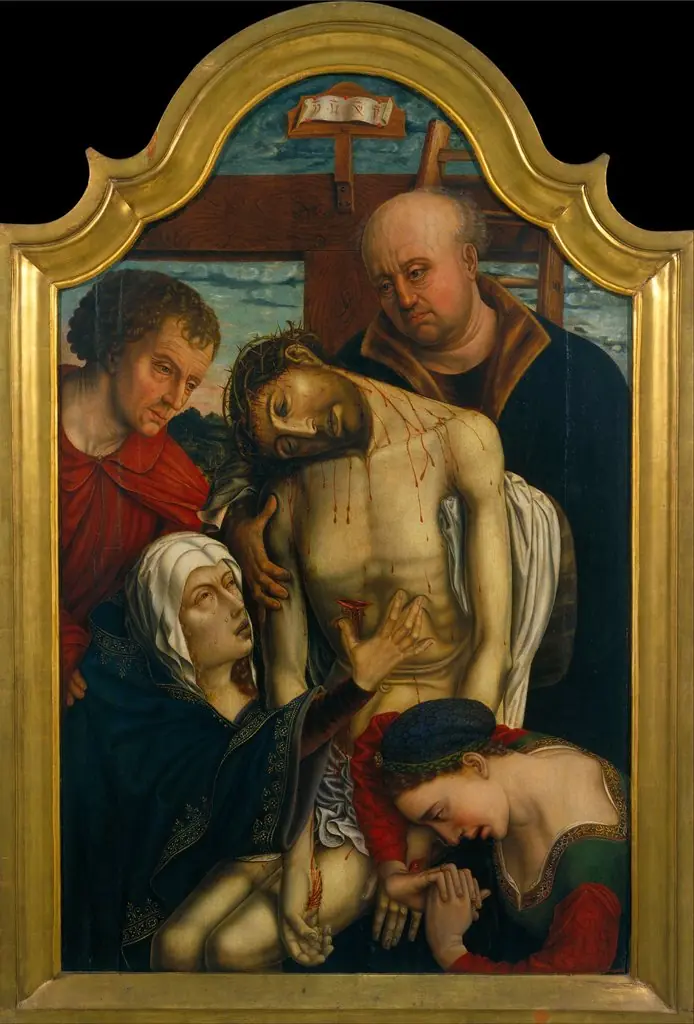
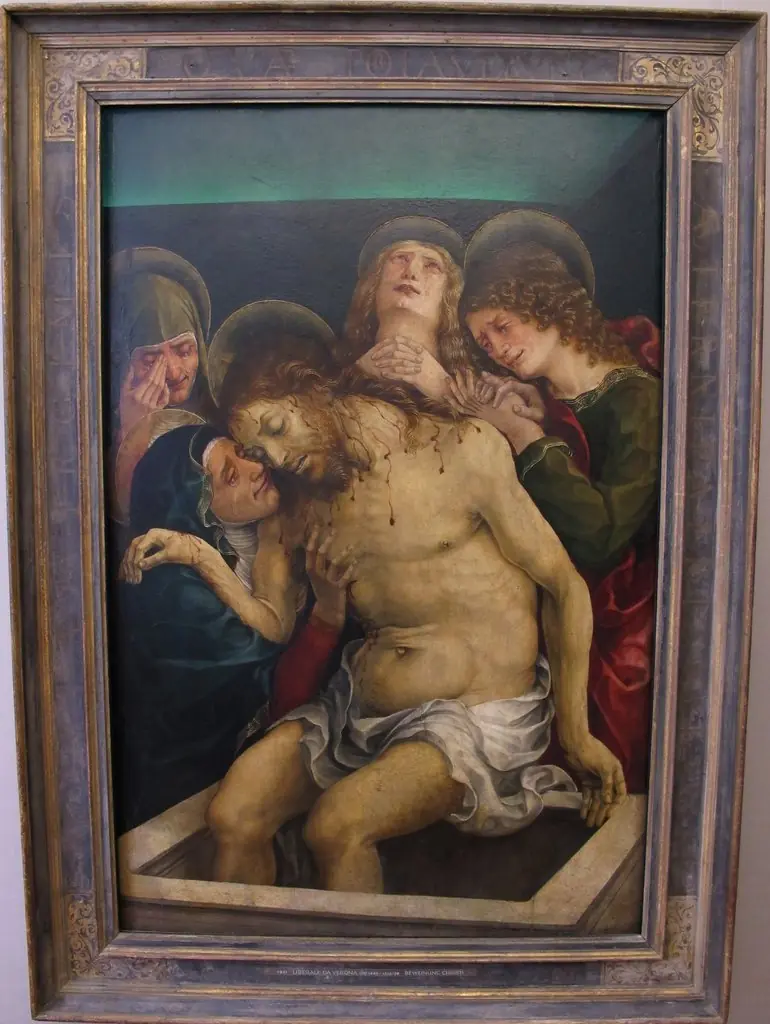
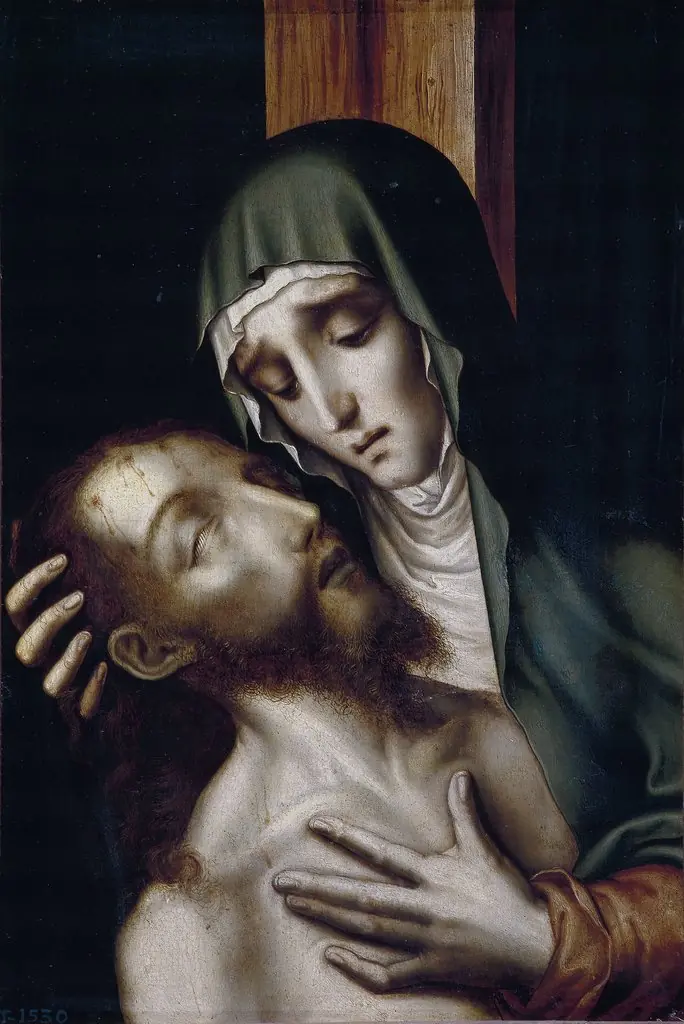
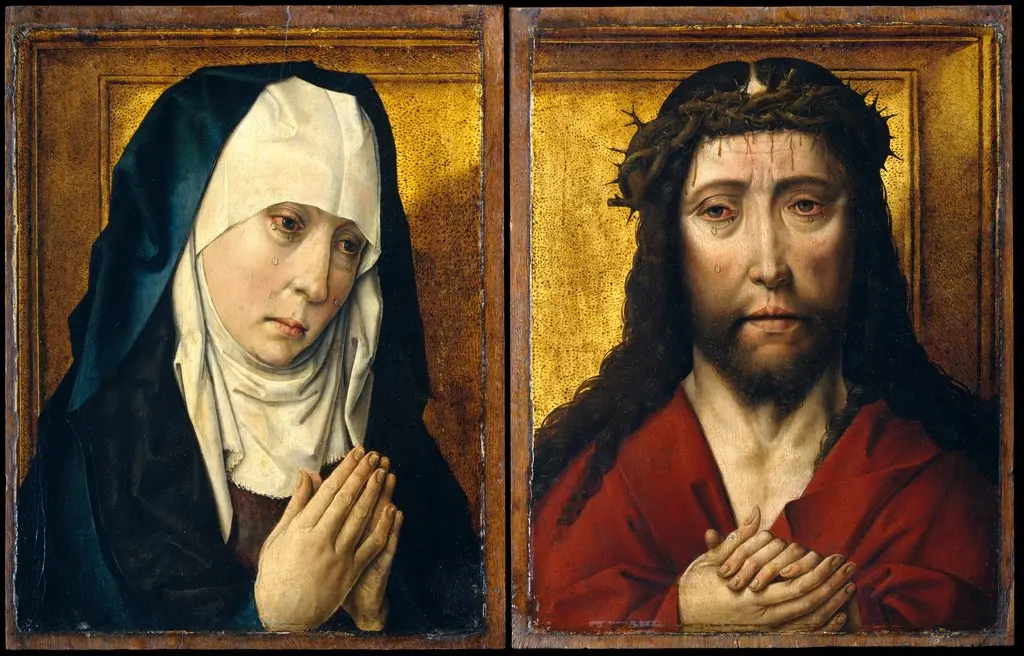
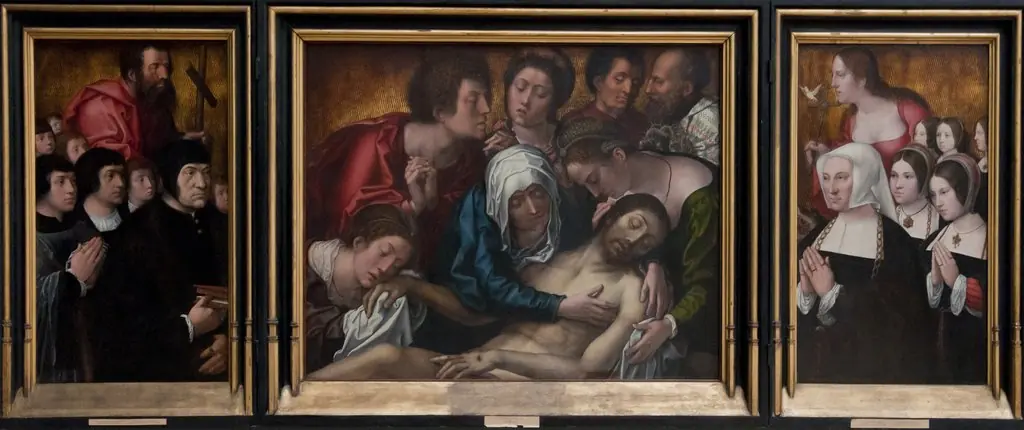
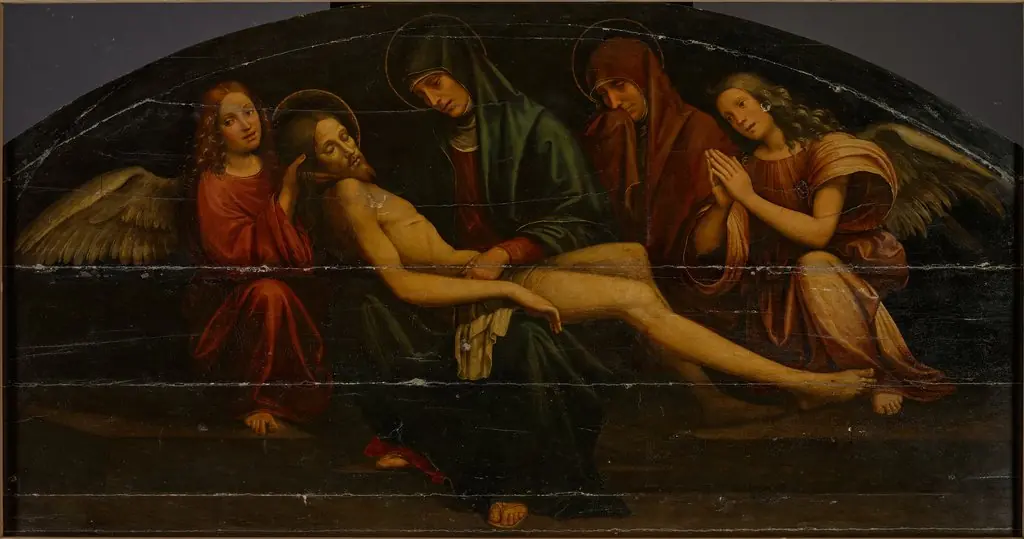
Triptych of the Pietà, St John and St Mary Magdalene
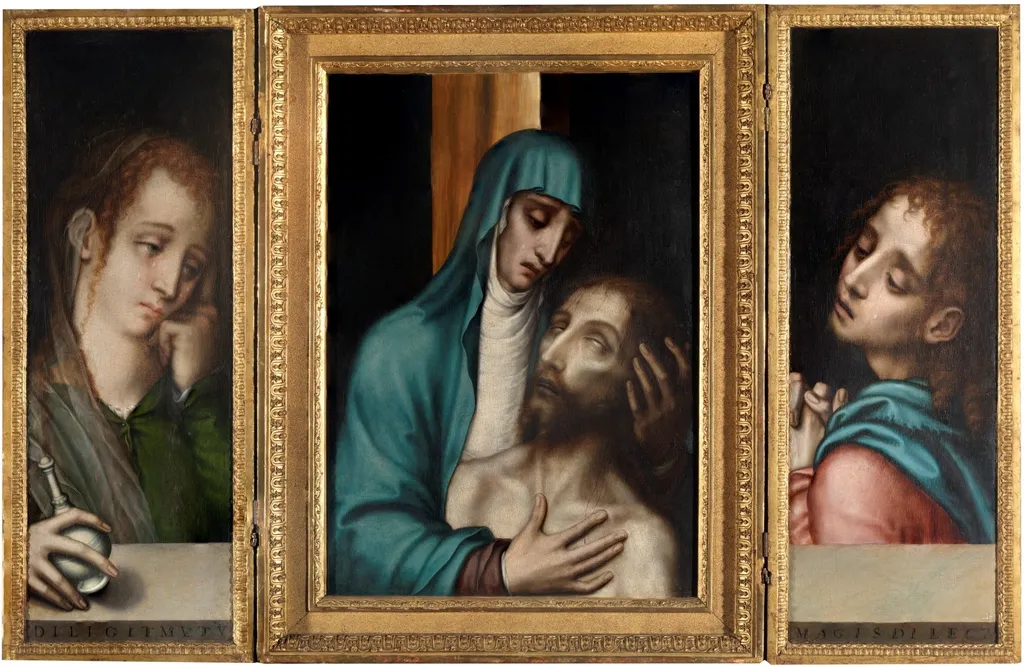
Triptych of the Pietà, St John and St Mary Magdalene is an unspecified painting by the Mannerist artist Luis de Morales. It dates from 1567 and is held in the collection of the Museo del Prado.
About this work
Subject & Meaning
The work was created in 1567 for the Museo del Prado, where it remains on view.
The triptych presents a devotional scene centered on the Pietà, showing the Virgin Mary cradling the dead Christ, flanked by the figures of St John and St Mary Magdalene, whose presence emphasizes the narrative of the Passion and the role of the faithful witness. The iconography combines traditional Marian mourning with the penitent Magdalene, symbolizing both divine compassion and repentant devotion, while the composition reflects Counter‑Reformation emphases on visual mediation of spiritual suffering. The work was created in 1567 for the Museo del Prado, where it remains on view.
Technique & Style
The Triptych of the Pietà, St John and St Mary Magdalene is a religious painting executed by Luis de Morales in 1567. Created as a panel work, the piece measures 84 cm in height and 131 cm in width. The artwork is classified within the genre of religious art and depicts figures including Mary Magdalene.
While specific details regarding the ground preparation, brushwork handling, or current physical condition are not provided in the available records, the work is identified as a painting from the mid-16th century.
History & Provenance
The Triptych of the Pietà, St John and St Mary Magdalene was created by Luis de Morales in 1567. It was painted for the high altar of the Convent of San Francisco in Cáceres, later moving to the collection of the Duke of Albuquerque before entering the Spanish royal collection. By the early nineteenth century it entered the Museo del Prado, where it remains on permanent display.
The work measures 84 cm in height by 131 cm in width and was executed in oil on panel.
The triptych is housed in the Museo del Prado, where it is catalogued under the inventory number P00968. It has been part of the museum's collection since its acquisition, forming a continuous presence in the institution's displays of Spanish Renaissance religious painting. The work was featured in the Prado's exhibition "Spanish Painting of the Sixteenth Century," held in 2005, and later included in the traveling exhibition "Renaissance Art in Spain," which toured several European venues between 2012 and 2014.
Context
The triptych attributed to Luis de Morales, created between 1567 and 1570 and housed in the Museo del Prado, has been examined by scholars for its devotional intensity and compositional complexity within Counter-Reformation religious painting. Art historians situate the work within the painter’s mature period, noting its alignment with Spanish mysticism and the influence of Italian Renaissance models despite the artist’s distinct regional style. The triptych’s iconography, featuring the Pietà alongside Saints John and Mary Magdalene, has been analyzed for its emotional resonance and theological depth, reflecting Counter-Reformation emphases on personal piety.
Its placement in the Museo del Prado’s collection underscores its significance within the broader narrative of 16th-century Iberian art.
Overview
The Triptych of the Pietà, St John and St Mary Magdalene is a 1567 painting by Luis de Morales, a Spanish artist known for his devotional works.
Own this work as a print
Artist & collection
Artist
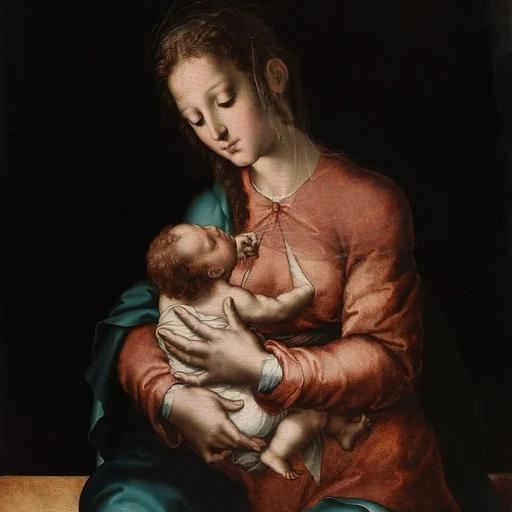
Luis de Morales (1509 – 9 May 1586) was a Spanish painter active during the Spanish Renaissance in the 16th century.