Artwork
Polichinelle
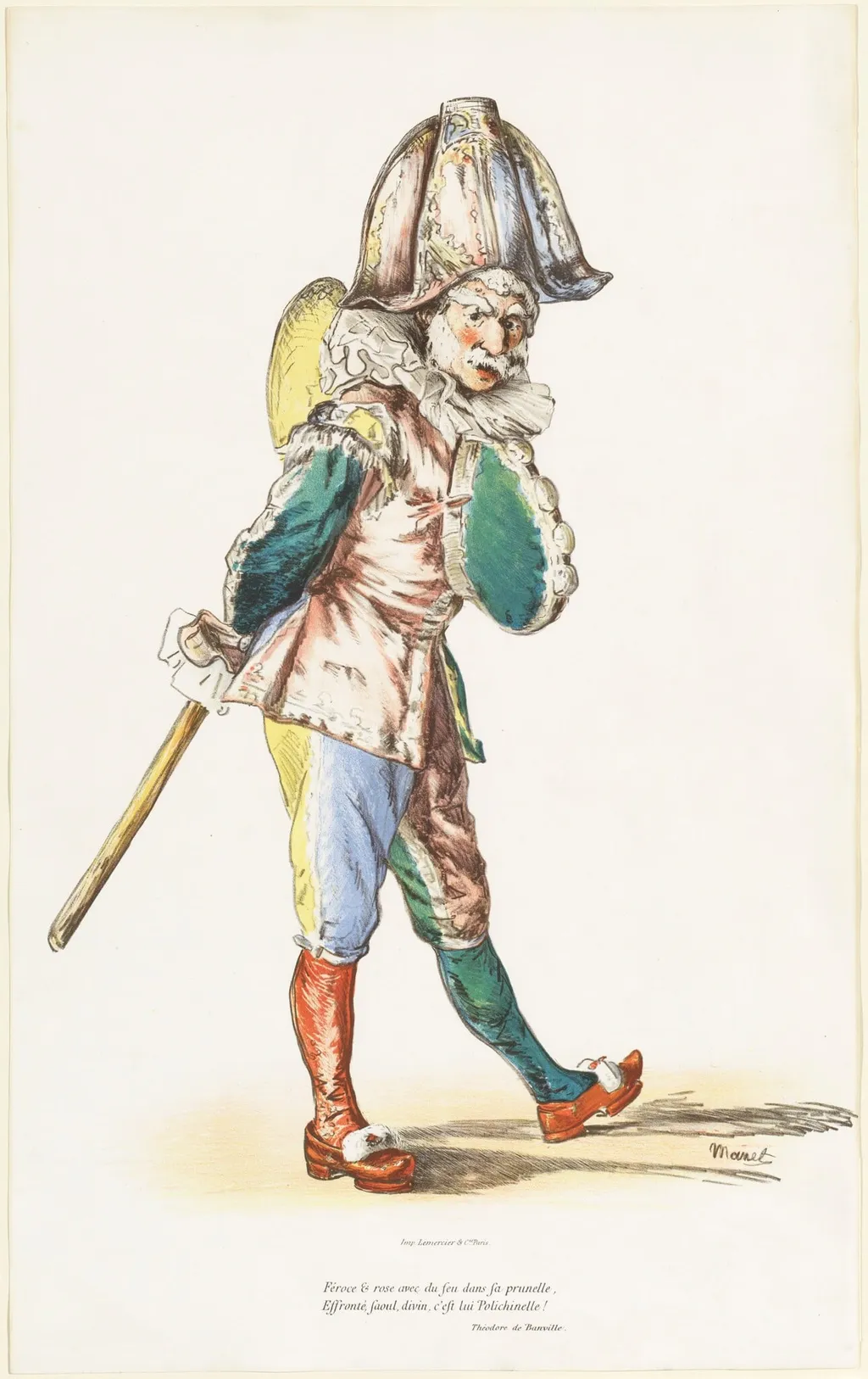
Polichinelle is an ink print by the Impressionist artist Édouard Manet. It dates from 1874 and is held in the collection of the National Gallery of Art.
- Inscription
- Inscribed:lower center in plate just below image: Imp. Lemercier & Cie. Paris.; lower right in plate within image: Manet; lower center in plate: Féroce & rose avec du feu dans sa prunelle, / Effronté, saoul, divin, c'est lui Polichinelle! / Théodore de Banville.
About this work
Overview
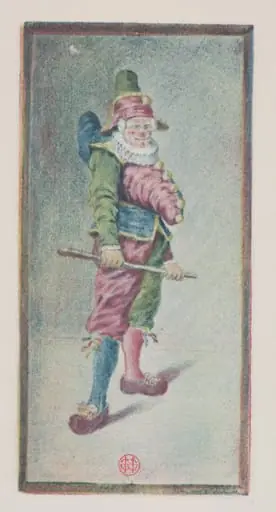
Edouard Manet's 'Polichinelle' (1874) is a seven-color lithograph depicting the commedia dell'arte character Pulcinella, known in French as Polichinelle.
Edouard Manet's 'Polichinelle' (1874) is a seven-color lithograph depicting the commedia dell'arte character Pulcinella, known in French as Polichinelle. The work presents the figure in a dynamic, full-length pose against a stark white background, emphasizing the character's iconic, mismatched costume. Polichinelle wears a tall, conical hat, a ruffled collar, and a coat of mixed brown and green tones.
His legs are rendered in contrasting colors, with one stocking green and the other blue, paired with mismatched shoes. He holds a stick in his right hand, suggesting movement or a theatrical gesture. Created during Manet's later period, this lithograph reflects his engagement with printmaking and his interest in popular culture and the theater.
The piece demonstrates Manet's ability to translate his painterly style into the graphic medium, utilizing bold colors and simplified forms. It stands as a significant example of his exploration of the lithographic technique, showcasing his skill in capturing the essence of a character through color and line rather than detailed realism.
Subject & Meaning
The central figure is a man garbed in a flamboyant, mismatched costume reminiscent of a commedia dell’arte character. He wears a tall, ornamented hat, a ruffled collar, and stockings that clash with his shoes; one leg appears green, the other blue, while his coat combines brown and green tones. Holding a stick, he seems poised between motion and stillness, suggesting a performative, almost comic presence.
Technique & Style
Manet employed a seven‑color lithographic palette, layering inks to produce the bright, saturated surfaces characteristic of the print. The technique allows for flat expanses of color alongside swift, expressive outlines, creating a sense of immediacy. The loose handling of line and the exaggerated proportions align the work with Manet’s interest in modern, popular visual culture.
History & Provenance
First issued in 1874, Polichinelle was produced as a second edition lithograph, indicating a demand for multiple copies beyond the initial run. While specific ownership records are limited, the print has been catalogued among Manet’s graphic works and appears in several museum collections dedicated to 19th‑century French prints.
Context
The title references Polichinelle, the French name for the stock character Pulcinella, a figure known for his slapstick humor and exaggerated costume. Manet’s choice reflects the late‑19th‑century fascination with theatrical motifs and the blending of high art with popular entertainment, situating the print within broader trends of realism and satire.
Own this work as a print
Artist & collection
Artist
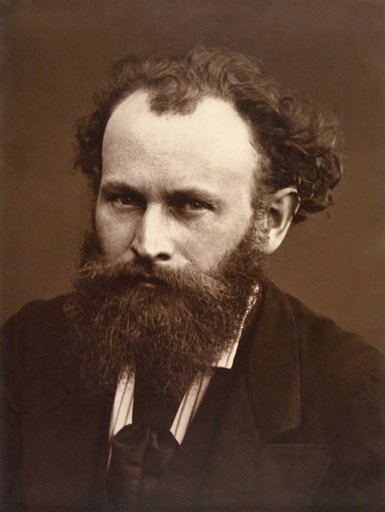
Édouard Manet was a French modernist painter. He was one of the first 19th-century artists to paint modern life, as well as a pivotal figure in the transition from Realism to Impressionism.