Artwork
Self-Portrait
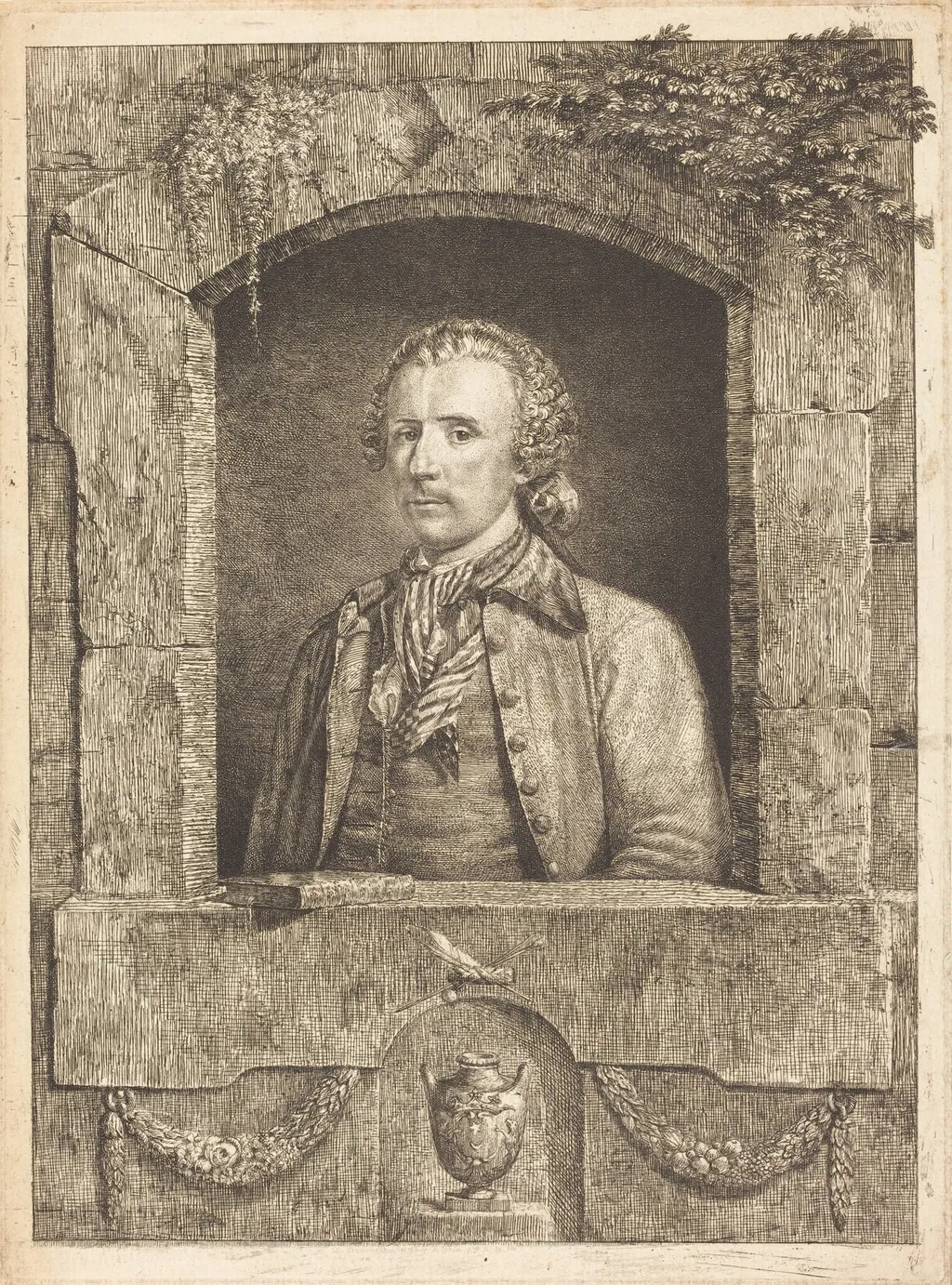
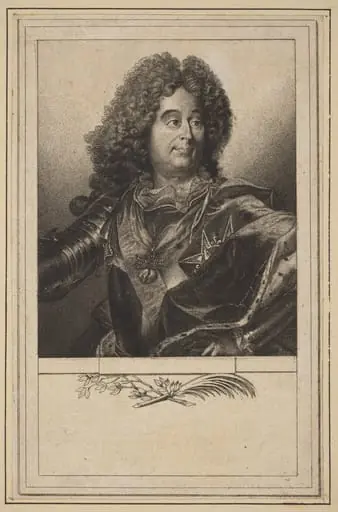
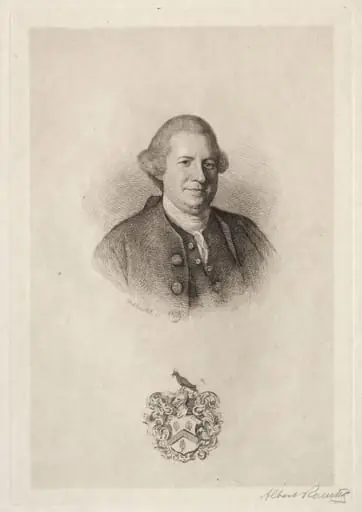
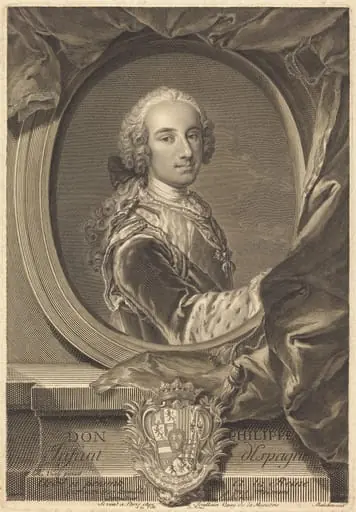
Self-Portrait is an ink print by the Baroque artist Antoine de Marcenay de Ghuy. It dates from 1768 and is held in the collection of the National Gallery of Art.
- Inscription
- Inscribed:lower center in plate very faint in margin: A. Demarcenay D[ine?] Ghuy. [L?]eipsam. p[?] et Sc.[?]; lower right in plate: Planche No 17
About this work
Overview
This etching, dated 1768, presents a direct self-portrait by Antoine de Marcenay de Ghuy, a French artist active in the mid-eighteenth century. Executed on laid paper, the work belongs to the printmaking tradition of the period, reflecting the artist’s engagement with intimate, personal representation through the medium of etching.
Subject & Meaning
The image captures the artist’s face with restrained expression, emphasizing observation over drama. Rather than idealizing his appearance, Marcenay de Ghuy presents a candid likeness, suggesting an interest in self-examination common among printmakers of the era who used etching to document their identity without the formality of painted portraiture.
Technique & Style
The artist employed fine, controlled lines typical of etching to model facial features and texture, particularly in the hair and collar. The tonal range is subtle, relying on line density rather than heavy shading. The composition is tightly framed, focusing attention on the head and upper torso, a convention that enhances the psychological immediacy of the portrait.
History & Provenance
The print was made in 1768, during a period when French artists increasingly turned to prints for personal and professional documentation. While little is known of its early ownership, the work survives in institutional collections, preserved as part of the broader archive of eighteenth-century French graphic art.
Context
In the decades before the French Revolution, etching became a favored medium for artists seeking autonomy from academic painting institutions. Marcenay de Ghuy’s self-portrait aligns with this trend, reflecting a growing emphasis on individual identity and the artist’s role as both creator and subject within a shifting cultural landscape.
Legacy
Though not widely reproduced or studied today, the etching remains a quiet testament to the practice of self-representation among lesser-known French artists of the late Enlightenment. It contributes to the understanding of how printmaking served as a vehicle for personal expression beyond official commissions.
Own this work as a print
Artist & collection

Artist
Antoine de Marcenay de Ghuy (1724–1811) was a French artist, born in Paris.